
RFK Jr. Recommends Eating Good Cancer To Kill The Bad Cancer
Entities mentioned:
- Robert F. Kennedy Jr.: Influence, Recognition, Righteousness
- American Cancer Society: Professional pride, Influence, Self-preservation
- Pharmaceutical companies: Greed, Control, Influence
Article Assessment:
Credibility Score: 25/100
Bias Rating: 45/100 (Center)
Sentiment Score: 30/100
Authoritarianism Risk: 65/100 (Authoritarian Tendencies)
Bias Analysis:
The article presents Kennedy's claims without explicit endorsement or criticism, maintaining a neutral tone. However, the absurdity of the claims is implicitly highlighted through detailed descriptions, suggesting a subtle critique of the source.
Key metric: Public Health Outcomes
As a social scientist, I analyze that this article presents a highly controversial and scientifically unfounded health recommendation from a high-ranking government official. The dissemination of such misinformation from a trusted source could significantly impact public health outcomes by potentially discouraging individuals from seeking proven medical treatments for cancer. This could lead to increased mortality rates and a decline in overall public health. The article also highlights the growing influence of conspiracy theories and pseudoscience in public policy, which could erode trust in established medical institutions and practices.

US prices continued rise in July as Trump tariffs impact consumer costs
Entities mentioned:
- Donald Trump: Power, Control, Pride
- US Federal Reserve: Duty, Professional pride, Independence
- Jerome Powell: Professional pride, Duty, Independence
- Bureau of Labor Statistics: Duty, Professional pride, Integrity
- Erika McEntarfer: Duty, Professional pride
- EJ Antoni: Ambition, Influence, Professional pride
- Retailers (Walmart, Nike, Macy's): Self-preservation, Profit, Competitive spirit
Article Assessment:
Credibility Score: 75/100
Bias Rating: 45/100 (Center)
Sentiment Score: 35/100
Authoritarianism Risk: 65/100 (Authoritarian Tendencies)
Bias Analysis:
The article presents a balanced view of economic data and includes perspectives from various stakeholders. While it does highlight criticisms of Trump's policies, it also includes his statements and claims, maintaining a relatively neutral stance.
Key metric: US Economic Growth and Stability
As a social scientist, I analyze that this article highlights the complex interplay between Trump's trade policies, inflation, and economic stability. The implementation of tariffs has begun to impact consumer prices, potentially slowing economic growth. The revised job figures and inflation data suggest a more volatile economic situation than previously thought. This volatility is exacerbated by Trump's unconventional approach to economic policy and his public criticism of economic institutions like the Federal Reserve and Bureau of Labor Statistics. The president's actions, including firing the BLS commissioner and threatening to sue the Fed chair, indicate a concerning trend towards politicizing traditionally independent economic institutions. This could have long-term implications for the credibility and effectiveness of US economic policy-making and data reporting, potentially undermining investor and consumer confidence.

Trump law will cut food stamps for 2.4 million people as work rules widen
Entities mentioned:
- Donald Trump: Power, Control, Influence
- Republican lawmakers: Righteousness, Fiscal responsibility, Control
- Congressional Budget Office (CBO): Duty, Professional pride, Objectivity
- Food Research & Action Center: Justice, Moral outrage, Advocacy
- Robert F Kennedy Jr: Righteousness, Public health, Control
Article Assessment:
Credibility Score: 75/100
Bias Rating: 40/100 (Lean Left)
Sentiment Score: 30/100
Authoritarianism Risk: 45/100 (Mixed/Neutral)
Bias Analysis:
The article leans slightly left in its framing, emphasizing the negative impacts of the policy on vulnerable populations. While it includes data from the non-partisan CBO, the selection of quotes and perspectives tends to be critical of the policy changes.
Key metric: Poverty Rate
As a social scientist, I analyze that this policy change will likely increase the poverty rate in the United States. The expansion of work requirements for SNAP benefits to include parents, older adults, and veterans will result in 2.4 million fewer Americans receiving food assistance. This reduction in benefits disproportionately affects lower-income households, potentially pushing more families into food insecurity and poverty. The CBO's estimate that resources will decrease for households at the bottom of the income distribution while increasing for middle and higher-income households suggests a widening of income inequality. This policy shift may lead to increased strain on local food banks and other social services, potentially offsetting any federal savings with increased costs at the state and local levels. The long-term consequences could include negative impacts on public health, child development, and economic mobility for affected families.
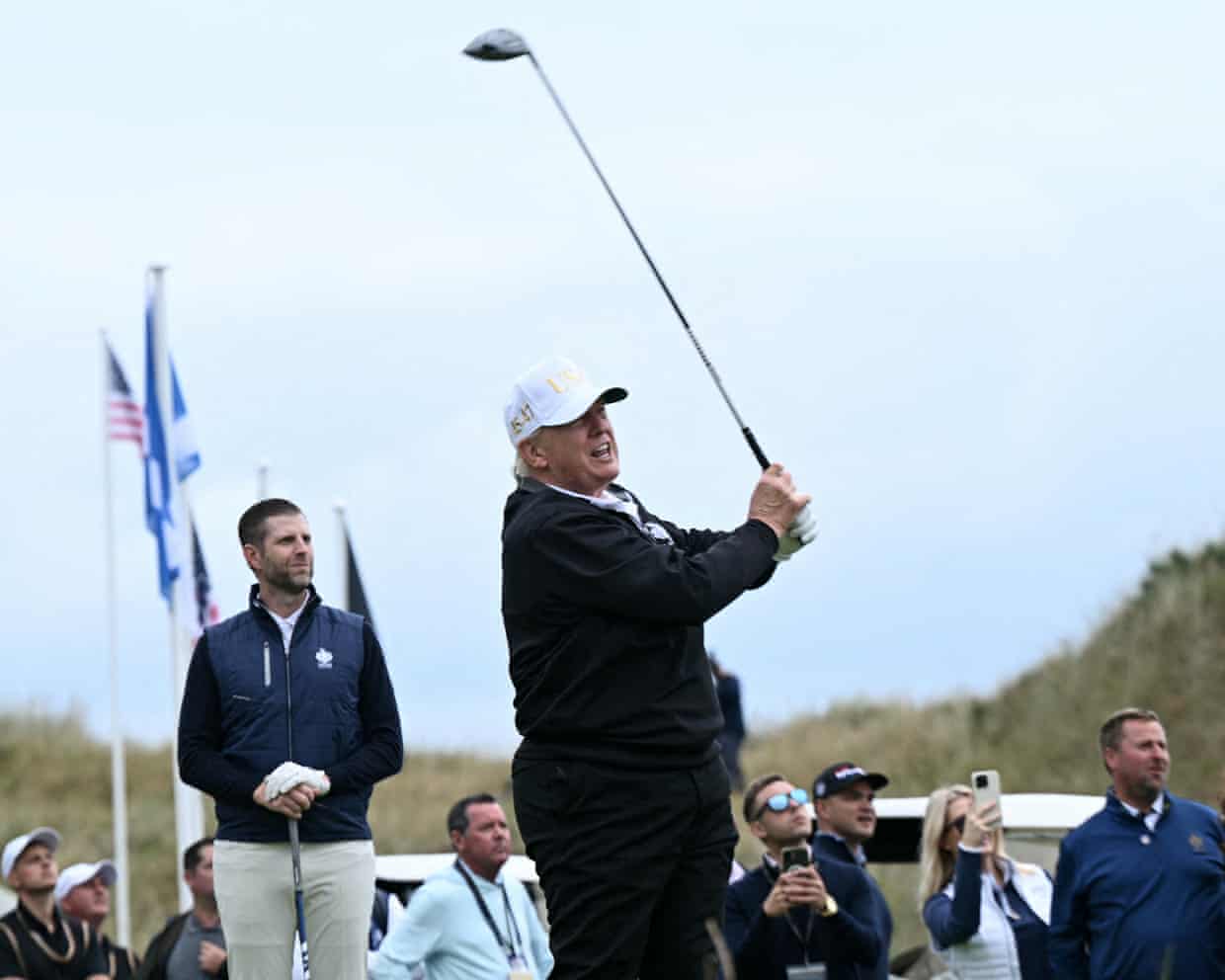
Golf for them, grind for us: Trump, Vance and the hellish US holiday divide
Entities mentioned:
- Donald Trump: Power, Recognition, Self-preservation
- JD Vance: Ambition, Recognition, Influence
- Barack Obama: Legacy, Influence
- Microsoft: Competitive spirit, Influence, Greed
- Mercedes-Benz: Competitive spirit, Innovation, Greed
Article Assessment:
Credibility Score: 65/100
Bias Rating: 30/100 (Lean Left)
Sentiment Score: 25/100
Authoritarianism Risk: 20/100 (Strongly Democratic)
Bias Analysis:
The article leans left, criticizing conservative politicians and policies while advocating for more worker-friendly practices. The author's tone and selective use of examples demonstrate a clear ideological stance, though some factual information is included.
Key metric: Labor Force Participation Rate
As a social scientist, I analyze that this article highlights a growing disparity between the work-life balance of political elites and average American workers. The frequent vacations and leisure activities of politicians like Trump and Vance are contrasted with the lack of mandated paid time off for most US workers. This dichotomy may impact the Labor Force Participation Rate by contributing to worker burnout and dissatisfaction, potentially leading some to exit the workforce. The article's focus on 'infinite workdays' and technological encroachment on personal time further emphasizes the strain on the American workforce, which could discourage labor market participation and affect overall economic productivity.

US court says Trump’s Doge team can access social security numbers and other sensitive data
Entities mentioned:
- Trump administration: Control, Power, Efficiency
- Department of Government Efficiency (Doge): Efficiency, Control, Power
- Unions: Self-preservation, Security, Privacy
- US appeals court: Duty, Justice, Obligation
- Donald Trump: Power, Control, Efficiency
- Elon Musk: Ambition, Influence, Efficiency
Article Assessment:
Credibility Score: 75/100
Bias Rating: 45/100 (Center)
Sentiment Score: 35/100
Authoritarianism Risk: 65/100 (Authoritarian Tendencies)
Bias Analysis:
The article presents a relatively balanced view, including perspectives from both sides of the issue. However, there's a slight lean towards emphasizing the concerns of the unions and potential privacy issues, which may indicate a subtle center-left bias.
Key metric: Government Efficiency and Transparency
As a social scientist, I analyze that this court decision represents a significant shift in the balance between government efficiency efforts and individual privacy concerns. The ruling allows the Trump administration's Doge team to access sensitive personal data, potentially impacting millions of Americans. This move towards centralized data access could lead to increased government efficiency, but it also raises serious privacy and security concerns. The court's decision suggests a prioritization of administrative streamlining over potential privacy risks, which could have long-term implications for how personal data is handled in government systems. The conflict between unions and the administration highlights the tension between workforce protection and government downsizing initiatives. This case also demonstrates the ongoing debate about the appropriate scope and power of unofficial government teams like Doge in accessing and utilizing sensitive information.
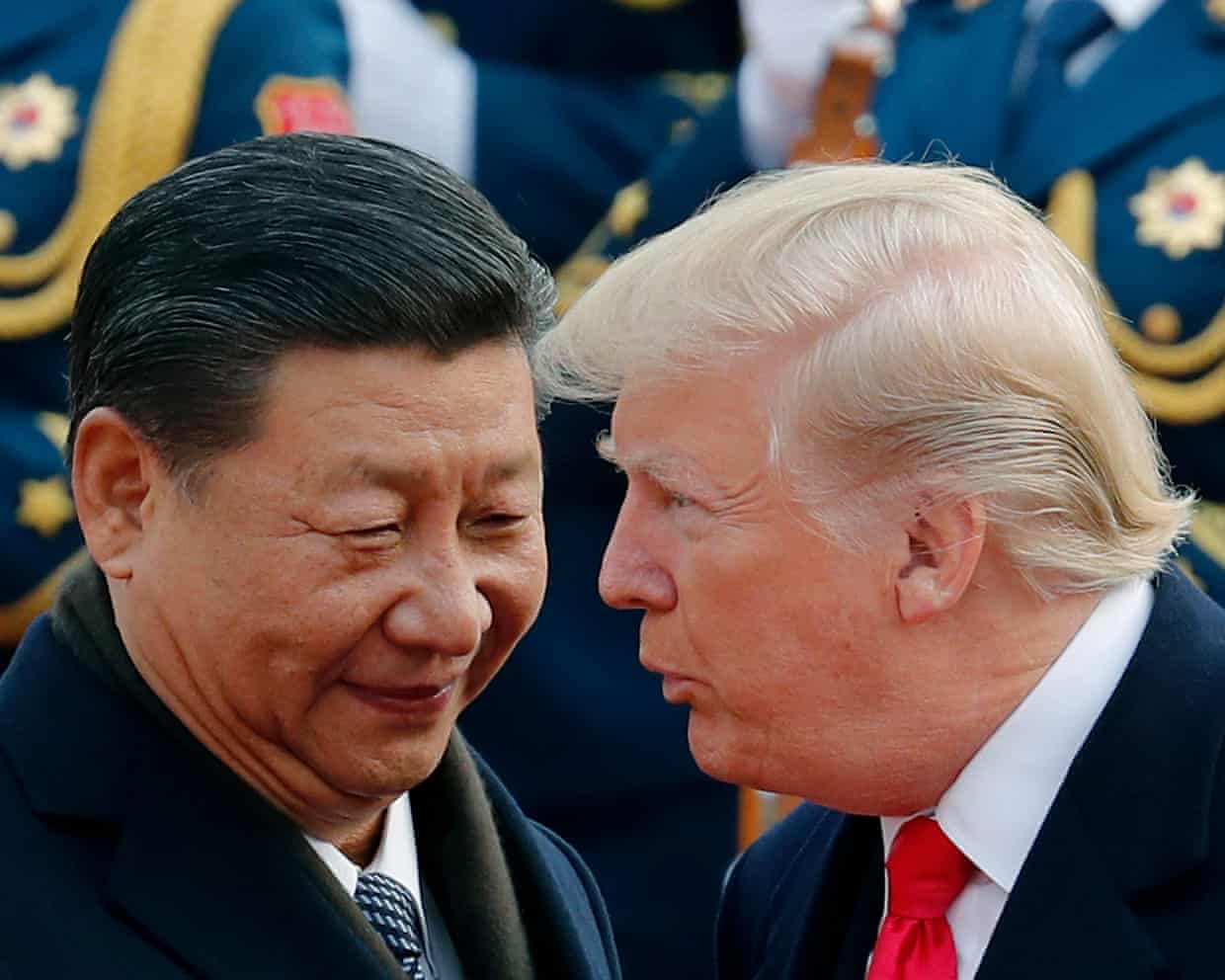
A China-led global system alongside that of the US is Xi Jinping’s ultimate aim
Entities mentioned:
- Xi Jinping: Power, Influence, Legacy
- China: Power, Influence, Self-preservation
- United States: Power, Control, Influence
- George Magnus: Professional pride, Curiosity, Influence
- Andrew J Sinclair: Professional pride, Wariness, Duty
- Joe Biden: Power, Duty, Influence
Article Assessment:
Credibility Score: 75/100
Bias Rating: 55/100 (Center)
Sentiment Score: 40/100
Authoritarianism Risk: 45/100 (Mixed/Neutral)
Bias Analysis:
The article presents a balanced view, acknowledging both US and Chinese perspectives. However, there's a slight lean towards cautioning about China's ambitions, which could be seen as a centrist or slightly right-leaning stance.
Key metric: Global Economic Influence
As a social scientist, I analyze that this article highlights China's strategic shift from economic growth to building national power and a parallel global system. The author argues that focusing solely on China's economic slowdown underestimates its long-term geopolitical ambitions. China's initiatives like the Belt and Road, CIPS, and 'Made in China 2025' are presented as evidence of its efforts to create an alternative to the US-led global order. This shift has significant implications for the global balance of power and economic influence. The article suggests that even with slower growth, China has the resources and determination to pursue its goal of establishing a China-led global system alongside the US-led one. This perspective challenges the notion of 'Peak China' and implies a continued, if not intensified, great power competition between China and the US in the coming years.
US judge orders Trump administration to restore part of UCLA’s frozen funding
Entities mentioned:
- Trump administration: Control, Power, Influence
- UCLA: Self-preservation, Freedom, Justice
- US judge: Justice, Duty, Professional pride
Article Assessment:
Credibility Score: 70/100
Bias Rating: 35/100 (Lean Left)
Sentiment Score: 45/100
Authoritarianism Risk: 35/100 (Generally Democratic)
Bias Analysis:
The article leans slightly left, evident in the framing of Trump administration actions as contentious. However, it reports on a factual court decision without overtly partisan language.
Key metric: Rule of Law Index
As a social scientist, I analyze that this article highlights a tension between executive power and judicial oversight. The Trump administration's attempt to freeze UCLA's funding, likely for political reasons, was partially reversed by a federal judge. This judicial intervention demonstrates the checks and balances system at work, but also indicates potential executive overreach. The case impacts the Rule of Law Index by showcasing the judiciary's role in limiting executive actions that may be politically motivated or legally questionable. It underscores the importance of an independent judiciary in maintaining democratic norms and protecting institutions from political interference.

Liberal comic who helped popularize podcasting explains why he turned down Hillary Clinton interview
Entities mentioned:
- Marc Maron: Professional pride, Self-respect, Integrity
- Hillary Clinton: Ambition, Power, Recognition
- Barack Obama: Legacy, Influence, Recognition
- Brendan McDonald: Professional pride, Ambition, Enthusiasm
Article Assessment:
Credibility Score: 75/100
Bias Rating: 55/100 (Center)
Sentiment Score: 45/100
Authoritarianism Risk: 20/100 (Strongly Democratic)
Bias Analysis:
The article presents multiple perspectives and quotes directly from the primary source. While it includes some commentary on political figures, it maintains a relatively balanced tone without overtly favoring any particular viewpoint.
Key metric: Media Trust and Influence
As a social scientist, I analyze that this article highlights the evolving landscape of media influence and the challenges faced by traditional political figures in connecting with audiences through new media formats. Maron's decision to decline an interview with Clinton reflects a growing skepticism towards politicians' ability to provide genuine, unscripted content in podcast interviews. This shift suggests a potential decline in the effectiveness of traditional political messaging strategies and an increased demand for authenticity in public discourse. The article also underscores the saturation of the podcast market, indicating a possible dilution of influence for individual shows and a fragmentation of audience attention.

DNC rips JD Vance for fishing with British foreign secretary in latest bizarre attack; Republicans hit back
Entities mentioned:
- JD Vance: Duty, Loyalty, Self-respect
- Democratic National Committee: Competitive spirit, Moral outrage, Power
- David Lammy: Professional pride, Duty, Unity
- Donald Trump: Power, Influence, Legacy
- Republican National Committee: Loyalty, Competitive spirit, Indignation
- Gavin Newsom: Ambition, Competitive spirit, Recognition
Article Assessment:
Credibility Score: 70/100
Bias Rating: 55/100 (Center)
Sentiment Score: 35/100
Authoritarianism Risk: 30/100 (Generally Democratic)
Bias Analysis:
The article presents both Democratic and Republican viewpoints, but slightly more space is given to Republican responses. The tone appears to be somewhat skeptical of the DNC's attacks, potentially indicating a slight right-leaning bias.
Key metric: Political Polarization Index
As a social scientist, I analyze that this article highlights the increasing political polarization in the United States. The DNC's aggressive criticism of Vice President Vance's personal activities during official trips, and the Republicans' defensive responses, demonstrate a heightened level of partisan tension. This exchange goes beyond policy disagreements and enters into personal attacks, which can further divide the electorate and erode public trust in political institutions. The focus on Vance's family outings and leisure activities, rather than substantive policy issues, suggests a trend towards sensationalism in political discourse. This type of rhetoric can distract from more pressing national concerns and potentially impact governance effectiveness.
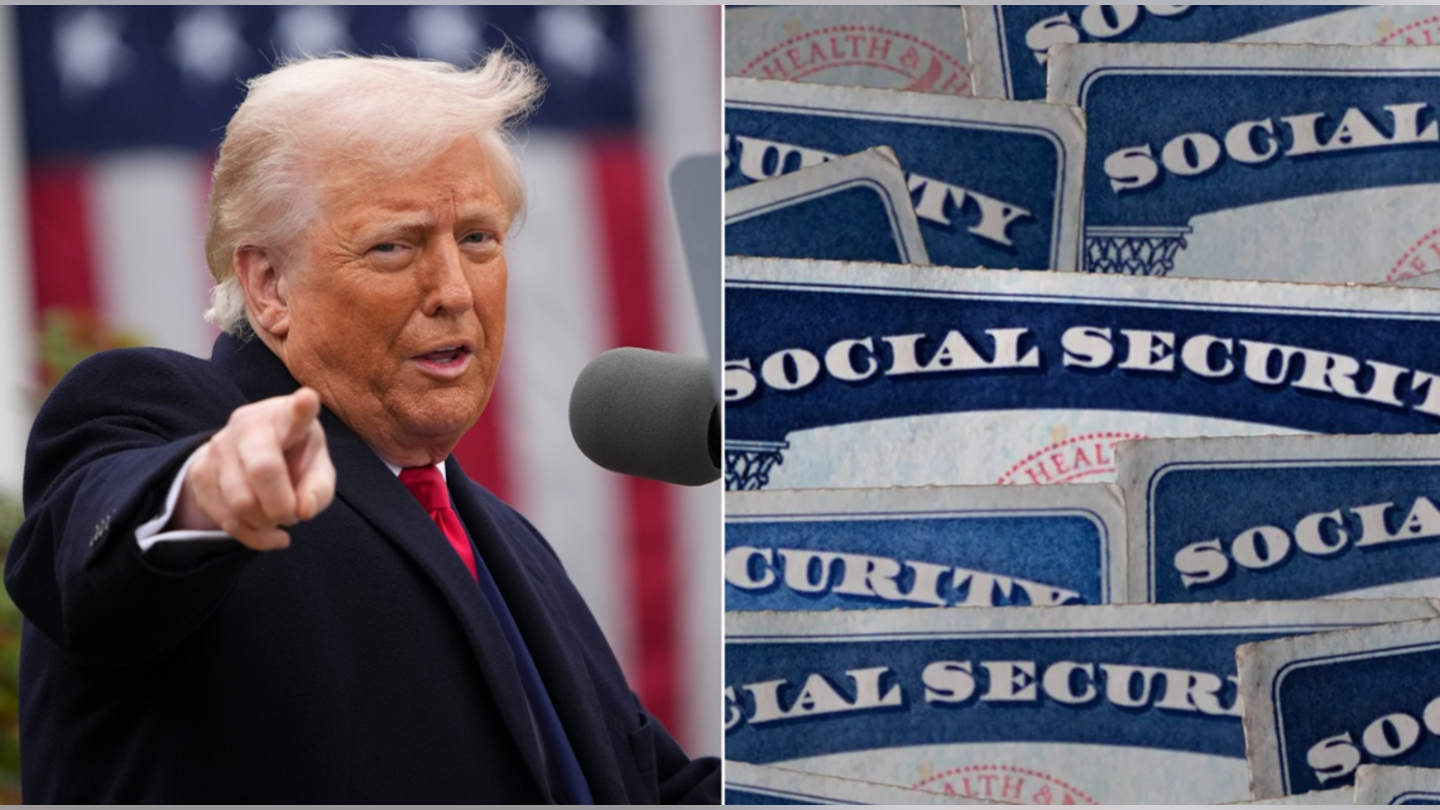
EXCLUSIVE: Trump touts 'zero tax' benefits for majority of seniors on social security’s 90th anniversary
Entities mentioned:
- Donald Trump: Legacy, Influence, Recognition
- Franklin D. Roosevelt: Legacy, Justice, Unity
- Social Security Administration: Duty, Professional pride, Security
- Democrats: Moral outrage, Justice, Security
- Republicans: Competitive spirit, Loyalty, Control
- Liz Huston: Loyalty, Duty, Influence
Article Assessment:
Credibility Score: 55/100
Bias Rating: 75/100 (Lean Right)
Sentiment Score: 70/100
Authoritarianism Risk: 35/100 (Generally Democratic)
Bias Analysis:
The article heavily relies on Trump administration sources and presents their claims without significant counterbalance. It frames criticisms as 'Democrats flail and peddle lies,' indicating a clear right-leaning perspective.
Key metric: Social Security Program Effectiveness
As a social scientist, I analyze that this article presents a complex interplay between political messaging and social policy. The Trump administration is framing its actions as strengthening Social Security, emphasizing reduced wait times, technological improvements, and tax benefits for seniors. This narrative aims to counter Democratic criticisms and position Trump as a protector of the program. The focus on the 90th anniversary serves as a rhetorical device to connect current policies with the program's historical significance. However, the article primarily presents the administration's perspective, lacking a balanced presentation of opposing viewpoints or independent analysis of the claims made. The emphasis on 'zero tax' benefits and service improvements suggests a strategy to appeal to older voters, a crucial demographic in elections. The article's reliance on administration sources and lack of external expert opinions limits its comprehensive analysis of the actual impact on Social Security's long-term sustainability.