
Judge blocks Trump administration guidance against DEI programs at schools and colleges
Entities mentioned:
- Trump administration: Control, Power, Righteousness
- Judge Stephanie Gallagher: Justice, Duty, Professional pride
- Education Department: Control, Power, Obligation
- American Federation of Teachers: Justice, Professional pride, Unity
- American Sociological Association: Justice, Professional pride, Unity
- Democracy Forward: Justice, Moral outrage, Influence
- Skye Perryman: Justice, Moral outrage, Influence
- Craig Trainor: Control, Righteousness, Power
Article Assessment:
Credibility Score: 75/100
Bias Rating: 45/100 (Center)
Sentiment Score: 55/100
Authoritarianism Risk: 35/100 (Generally Democratic)
Bias Analysis:
The article presents multiple viewpoints, including those of the Trump administration and its critics. While it gives more space to critics of the administration's policies, it also includes the Education Department's response, maintaining a relatively balanced approach.
Key metric: Educational Equity and Inclusion
As a social scientist, I analyze that this ruling significantly impacts educational equity and inclusion in the United States. The judge's decision to block the Trump administration's guidance against DEI programs preserves the ability of educational institutions to implement diversity initiatives. This maintains the status quo in terms of efforts to address historical inequalities in education. The ruling highlights the tension between different interpretations of civil rights law and educational policy, particularly in the wake of the 2023 Supreme Court decision on race in college admissions. The case underscores the ongoing debate about the role of race and diversity in American education, with potential long-term implications for social mobility, representation, and societal equity.
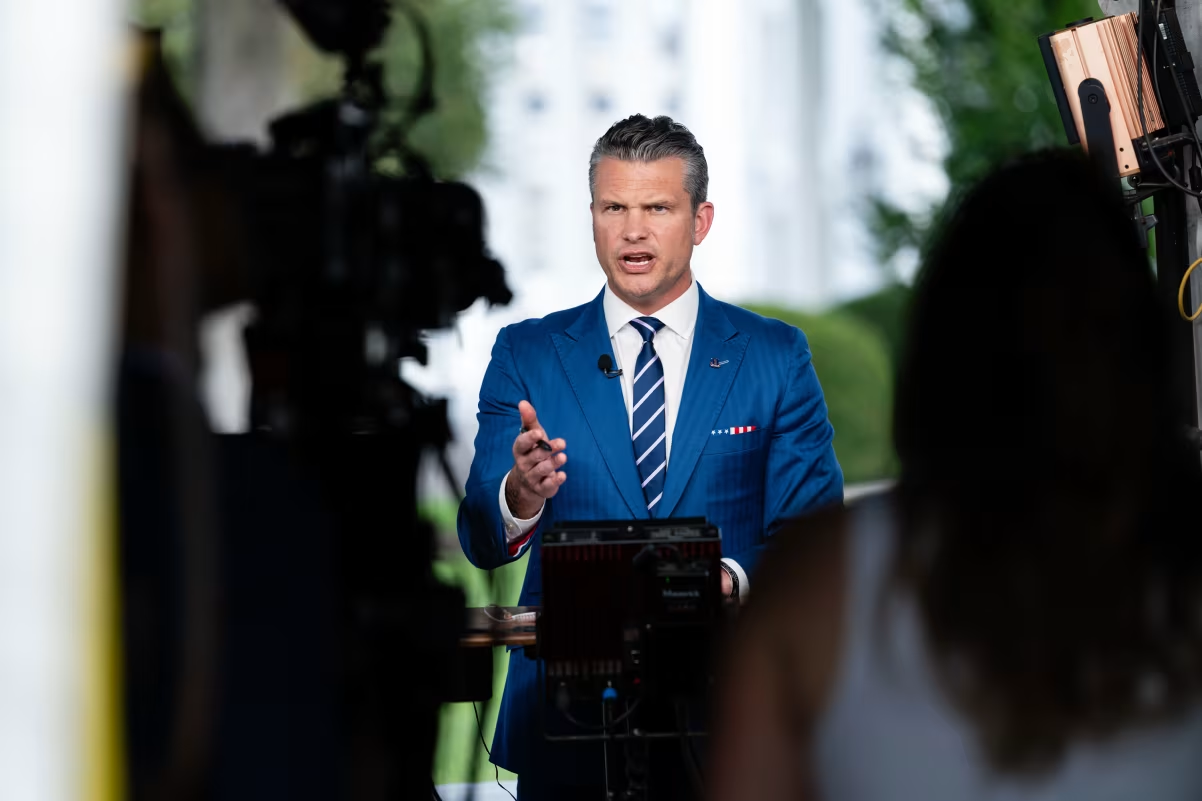
Pentagon says Hegseth supports women’s right to vote despite sharing video saying otherwise
Entities mentioned:
- Pete Hegseth: Influence, Power, Loyalty
- Kingsley Wilson: Duty, Professional pride, Control
- Douglas Wilson: Righteousness, Influence, Control
- Jared Longshore: Righteousness, Loyalty, Influence
- Brooks Potteiger: Righteousness, Loyalty, Influence
- Donald Trump: Power, Influence, Control
- Pentagon: Control, Security, Professional pride
- CNN: Recognition, Influence, Professional pride
Article Assessment:
Credibility Score: 75/100
Bias Rating: 45/100 (Center)
Sentiment Score: 35/100
Authoritarianism Risk: 65/100 (Authoritarian Tendencies)
Bias Analysis:
The article presents multiple viewpoints and quotes from various sources, maintaining a relatively balanced approach. However, there's a slight lean towards critically examining Hegseth's associations and their potential implications, which could be perceived as a subtle center-left bias.
Key metric: Civil Liberties and Equal Rights
As a social scientist, I analyze that this article highlights a significant tension between religious conservative ideologies and established civil liberties, particularly women's voting rights. The controversy surrounding Secretary Hegseth's association with Douglas Wilson's teachings raises concerns about the potential influence of extreme religious views on government policy, especially within the Department of Defense. This situation could potentially impact civil liberties and equal rights by normalizing discussions about repealing women's voting rights and promoting gender-based restrictions in military service. The article also reveals the complex interplay between personal religious beliefs and public office responsibilities, which could have far-reaching implications for policy-making and institutional culture within the military.

What polls show ahead of Friday’s Trump-Putin meeting
Entities mentioned:
- Donald Trump: Power, Influence, Legacy
- Vladimir Putin: Power, Control, Influence
- Americans: Security, Justice, Freedom
- Republicans: Loyalty, Security, Wariness
Article Assessment:
Credibility Score: 75/100
Bias Rating: 45/100 (Center)
Sentiment Score: 35/100
Authoritarianism Risk: 25/100 (Generally Democratic)
Bias Analysis:
The article presents data from multiple reputable polling sources and offers balanced commentary. While it focuses more on Republican shifts, it also provides overall American sentiment, maintaining a relatively centrist perspective.
Key metric: US Foreign Policy Effectiveness
As a social scientist, I analyze that this article highlights a significant shift in American public opinion, particularly among Republicans, regarding the Ukraine-Russia conflict. The data from multiple polls suggests an increasing hawkish stance towards Russia and greater support for Ukraine. This shift poses challenges for Trump's historically softer approach to Putin, potentially impacting US foreign policy effectiveness. The article indicates that Trump's recent criticism of Putin has somewhat aligned him with the changing Republican sentiment, but there remains skepticism about his ability to effectively manage the relationship with Russia. This evolving public opinion could pressure the administration to adopt a firmer stance against Russia, potentially influencing diplomatic strategies and international alliances.

CNN experts answer your top questions about Trump’s summit with Putin in Alaska
Entities mentioned:
- Donald Trump: Power, Recognition, Influence
- Vladimir Putin: Power, Control, Influence
- CNN: Professional pride, Influence, Duty
Article Assessment:
Credibility Score: 70/100
Bias Rating: 35/100 (Lean Left)
Sentiment Score: 50/100
Authoritarianism Risk: 30/100 (Generally Democratic)
Bias Analysis:
The article leans slightly left due to CNN's generally liberal-leaning reputation. However, the Q&A format and focus on expert analysis suggest an attempt at balanced reporting, albeit potentially influenced by the network's overall editorial stance.
Key metric: International Relations Index
As a social scientist, I analyze that this article's focus on the Trump-Putin summit suggests significant implications for US-Russia relations and global geopolitics. The involvement of CNN experts indicates public interest and the media's role in shaping perceptions of international diplomacy. The format of addressing reader questions implies an attempt at transparency and public engagement in complex foreign policy matters, potentially influencing public opinion and, by extension, diplomatic strategies.
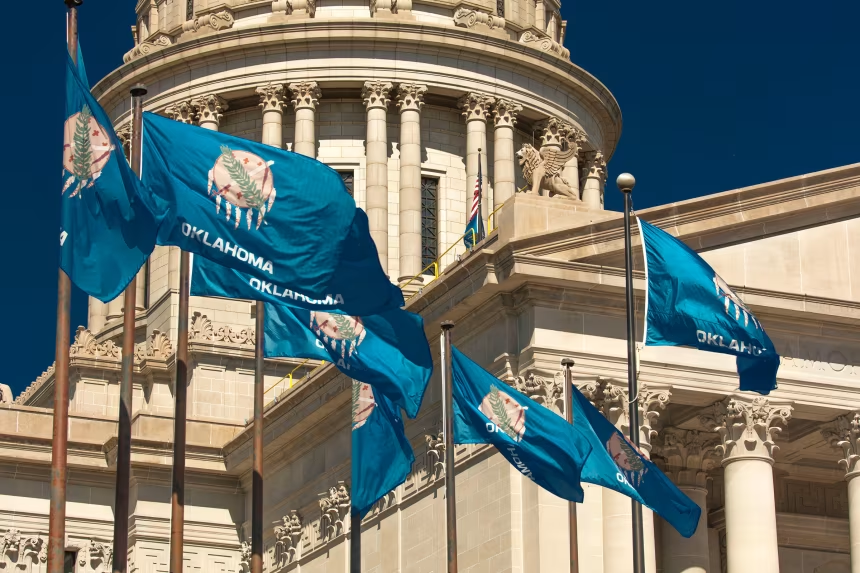
Exclusive: Oklahoma to begin controversial test to weed out ‘woke’ teacher applicants today
Entities mentioned:
- Ryan Walters: Control, Righteousness, Moral outrage
- PragerU: Influence, Righteousness, Power
- Oklahoma State Department of Education: Control, Loyalty, Righteousness
- Jonathan Zimmerman: Professional pride, Wariness, Curiosity
- Marissa Streit: Influence, Righteousness, Professional pride
- John Waldron: Indignation, Professional pride, Duty
- Donald Trump: Power, Influence, Recognition
Article Assessment:
Credibility Score: 65/100
Bias Rating: 55/100 (Center)
Sentiment Score: 30/100
Authoritarianism Risk: 70/100 (Authoritarian Tendencies)
Bias Analysis:
The article presents multiple viewpoints, including critics of the assessment, but gives more space to Walters' perspective. The framing suggests skepticism towards the assessment, but attempts to maintain a balanced approach.
Key metric: Education Quality and Teacher Retention
As a social scientist, I analyze that this controversial assessment for teacher applicants in Oklahoma represents a significant shift in the politicization of education. The use of PragerU, a conservative media company, to develop this assessment raises concerns about the objectivity and educational validity of the test. This move could potentially impact teacher recruitment and retention, especially for those from more liberal states, potentially exacerbating Oklahoma's existing teacher shortage. The assessment's focus on ideological alignment rather than pedagogical skills or subject matter expertise may have long-term implications for the quality of education in the state. Furthermore, this development signifies a broader trend of injecting partisan politics into educational policy, which could lead to increased polarization in the education system and potentially limit diverse perspectives in classrooms.

Rusted Qatari Plane Sitting On Blocks On White House Lawn
Entities mentioned:
- Leo: Curiosity, Enthusiasm, Self-respect
- The stars: Influence, Recognition, Obligation
Article Assessment:
Credibility Score: 30/100
Bias Rating: 50/100 (Center)
Sentiment Score: 60/100
Authoritarianism Risk: 20/100 (Strongly Democratic)
Bias Analysis:
The article maintains a neutral stance politically, focusing on humor rather than any partisan messaging. The satirical approach doesn't favor any particular ideological position, resulting in a centrist bias rating.
Key metric: Public Trust in Institutions
As a social scientist, I analyze that this satirical horoscope article, while humorous, could potentially impact public trust in institutions by mocking the perceived reliability of astrological predictions. The article playfully suggests that even cosmic forces can be forgetful or unreliable, which may lead readers to question other forms of guidance or expertise. However, the impact is likely minimal due to the clearly satirical nature of the content.

Jasmine Crockett proclaims she hates the Heritage Foundation ‘with everything in my in my body’
Entities mentioned:
- Jasmine Crockett: Moral outrage, Righteousness, Indignation
- The Heritage Foundation: Influence, Power, Control
- Al Sharpton: Influence, Recognition, Justice
- Ayanna Pressley: Unity, Justice, Influence
- Supreme Court: Justice, Power, Legacy
Article Assessment:
Credibility Score: 70/100
Bias Rating: 30/100 (Lean Left)
Sentiment Score: 25/100
Authoritarianism Risk: 35/100 (Generally Democratic)
Bias Analysis:
The article leans left due to its focus on a Democratic representative's criticism of a conservative organization. While it includes some context, it primarily presents the perspective of Rep. Crockett without significant counterbalance from The Heritage Foundation.
Key metric: Political Polarization Index
As a social scientist, I analyze that this article highlights the increasing political polarization in the United States. Rep. Crockett's strong language against The Heritage Foundation, a conservative think tank, exemplifies the growing divide between left and right ideologies. The discussion of Project 2025 and abortion legislation further underscores the contentious nature of current political discourse. The comparison of political strategy to emotional manipulation in car sales suggests a cynical view of how public opinion is shaped, which could contribute to decreased trust in political institutions and processes. This intense polarization can hinder bipartisan cooperation and effective governance, potentially impacting the overall functioning of democracy.
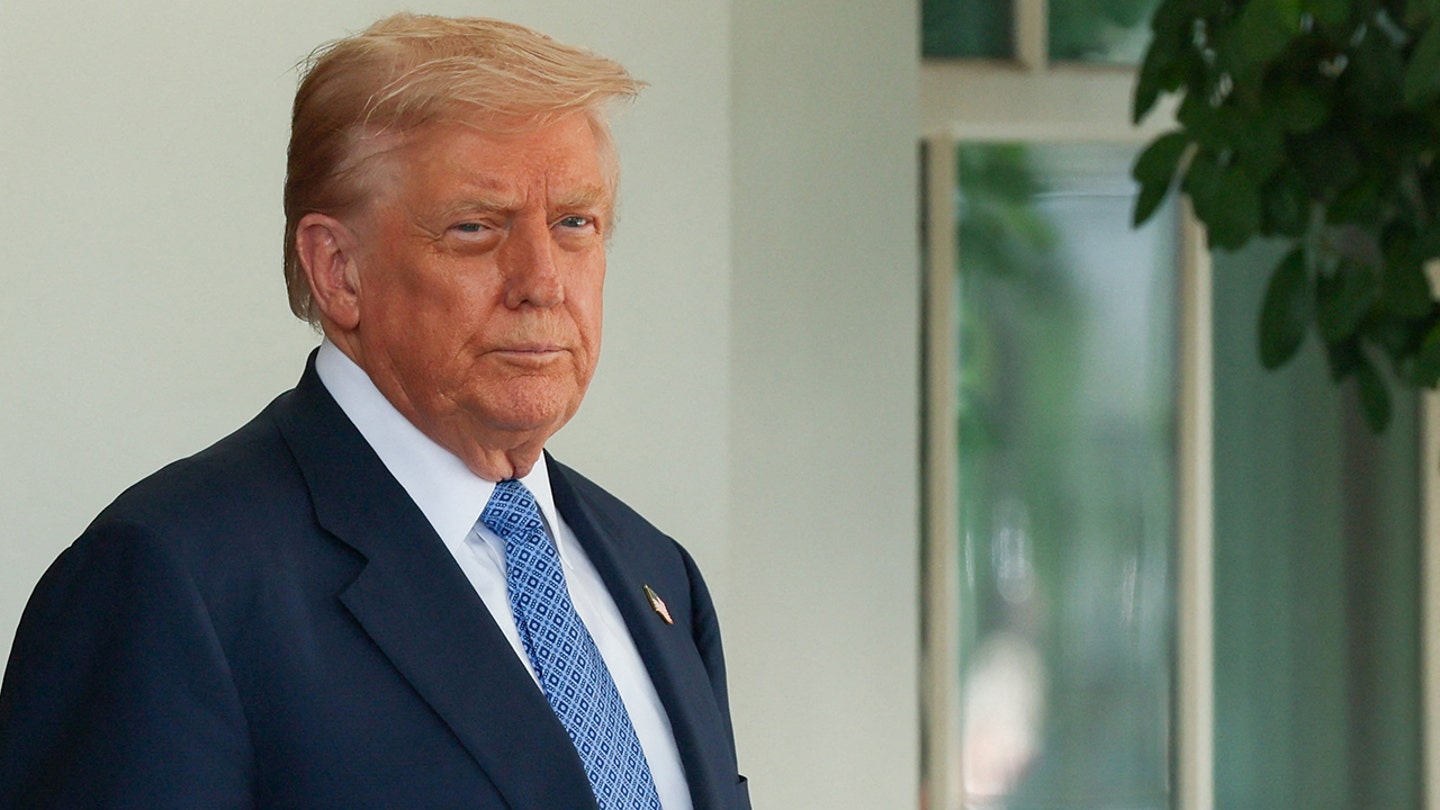
American history won't be displayed 'in a woke manner' at Smithsonian, Trump says
Entities mentioned:
- Donald Trump: Control, Patriotism, Legacy
- Smithsonian Institution: Professional pride, Duty, Obligation
- Stephen Miller: Righteousness, Loyalty, Patriotism
- JD Vance: Control, Duty, Patriotism
- White House: Control, Influence, Legacy
Article Assessment:
Credibility Score: 70/100
Bias Rating: 65/100 (Lean Right)
Sentiment Score: 35/100
Authoritarianism Risk: 65/100 (Authoritarian Tendencies)
Bias Analysis:
The article leans slightly right, giving more space to Trump administration views and using terms like 'woke' without critique. However, it does include some balance by quoting the Smithsonian's response and mentioning opposing viewpoints.
Key metric: National Unity
As a social scientist, I analyze that this article highlights a growing tension between political ideology and historical representation in national institutions. The Trump administration's push for 'fair' and 'accurate' representation of American history at the Smithsonian appears to be an attempt to reshape the narrative of national identity. This intervention in cultural institutions could significantly impact national unity by potentially polarizing public opinion on how American history should be presented. The administration's focus on 'American exceptionalism' and removal of 'divisive narratives' suggests a desire to promote a more positive, patriotic view of American history, which could either unite or divide the population depending on individual perspectives on historical interpretation.
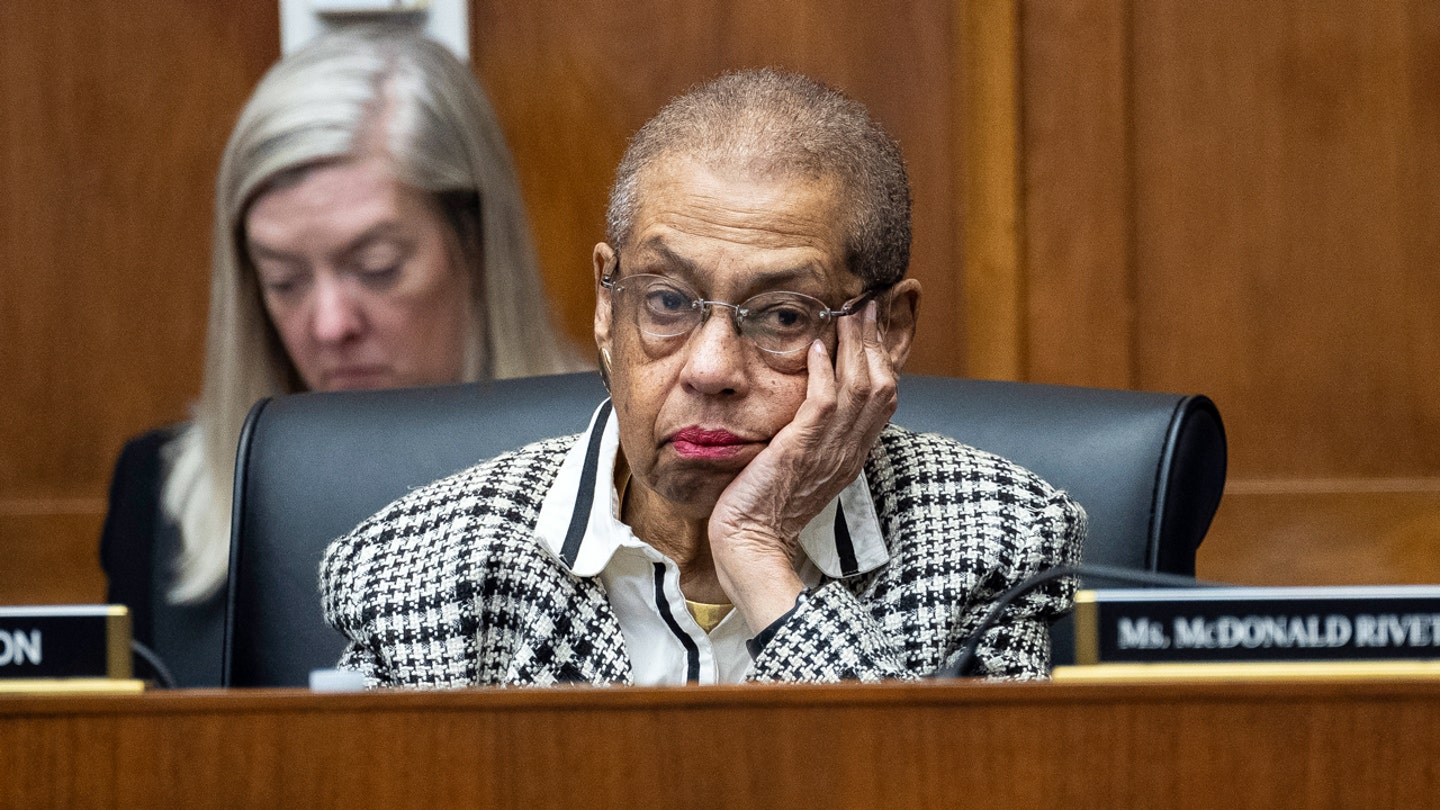
All eyes on Washington, and naught but deafening silence from the District's loudest defender
Entities mentioned:
- Eleanor Holmes Norton: Duty, Justice, Determination
- David Dreier: Control, Power, Influence
- Donald Trump: Power, Control, Influence
- Muriel Bowser: Duty, Self-preservation, Indignation
- Chris Van Hollen: Justice, Moral outrage, Duty
- Brandon Scott: Duty, Justice, Indignation
- Phil Mendelson: Loyalty, Wariness, Duty
- Hakeem Jeffries: Unity, Loyalty, Self-preservation
- Kinney Zalesne: Ambition, Justice, Competitive spirit
Article Assessment:
Credibility Score: 75/100
Bias Rating: 45/100 (Center)
Sentiment Score: 35/100
Authoritarianism Risk: 55/100 (Mixed/Neutral)
Bias Analysis:
The article presents multiple perspectives and quotes from various political figures, maintaining a relatively balanced approach. While it raises questions about Norton's recent inactivity, it also provides context and historical background, avoiding overtly partisan language.
Key metric: Democratic Representation
As a social scientist, I analyze that this article highlights a critical juncture in Washington D.C.'s struggle for full representation and local autonomy. The absence of Eleanor Holmes Norton's typically forceful advocacy during a time of federal intervention in local affairs underscores the precarious position of D.C.'s governance. This situation exemplifies the ongoing tension between federal control and local self-determination in the District, impacting the key metric of Democratic Representation. The deployment of federal forces without local consent and the relative silence of D.C.'s primary congressional advocate raise significant questions about the balance of power and the effectiveness of non-voting representation. This event may serve as a catalyst for renewed discussions on D.C. statehood and the broader implications for democratic representation in the U.S. political system.
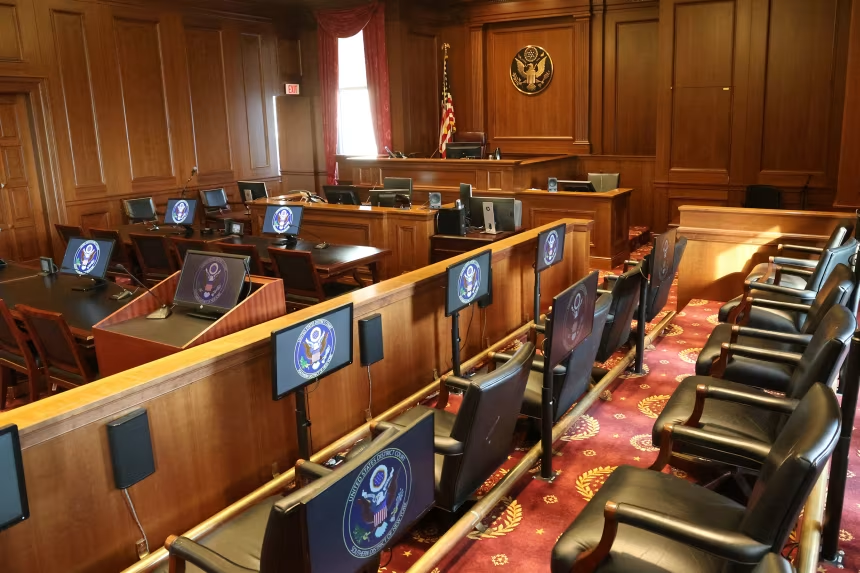
Federal courts go old school to paper filings after hack to key system
Entities mentioned:
- Federal Courts: Security, Duty, Professional pride
- Stanley Bastian: Security, Duty, Professional pride
- Cecilia Altonaga: Security, Duty, Professional pride
- Mark Davis: Security, Duty, Professional pride
- George Russell III: Security, Duty, Professional pride
- Administrative Office of the US Courts: Security, Duty, Professional pride
- Kremlin: Power, Control, Influence
- President Donald Trump: Pride, Competitive spirit, Power
Article Assessment:
Credibility Score: 75/100
Bias Rating: 45/100 (Center)
Sentiment Score: 35/100
Authoritarianism Risk: 25/100 (Generally Democratic)
Bias Analysis:
The article presents a balanced view of the situation, quoting multiple sources and providing context. It includes a brief mention of Trump's response without overtly favoring any political stance.
Key metric: National Cybersecurity Preparedness
As a social scientist, I analyze that this article highlights a significant vulnerability in the U.S. federal court system's cybersecurity infrastructure. The shift to paper-based filings for sensitive documents across multiple federal districts indicates a serious breach that potentially compromises national security and the integrity of the judicial system. This reactive measure, while necessary, exposes the outdated nature of the court's digital systems and the urgent need for modernization. The alleged involvement of a foreign government (possibly Russia) in the cyber attack further emphasizes the geopolitical implications of this security lapse. The varied responses from different district courts also reveal a lack of standardized cybersecurity protocols across the federal judiciary, which could lead to inconsistencies in information protection. This incident may erode public trust in the government's ability to safeguard sensitive information and potentially impact the efficiency of court proceedings.