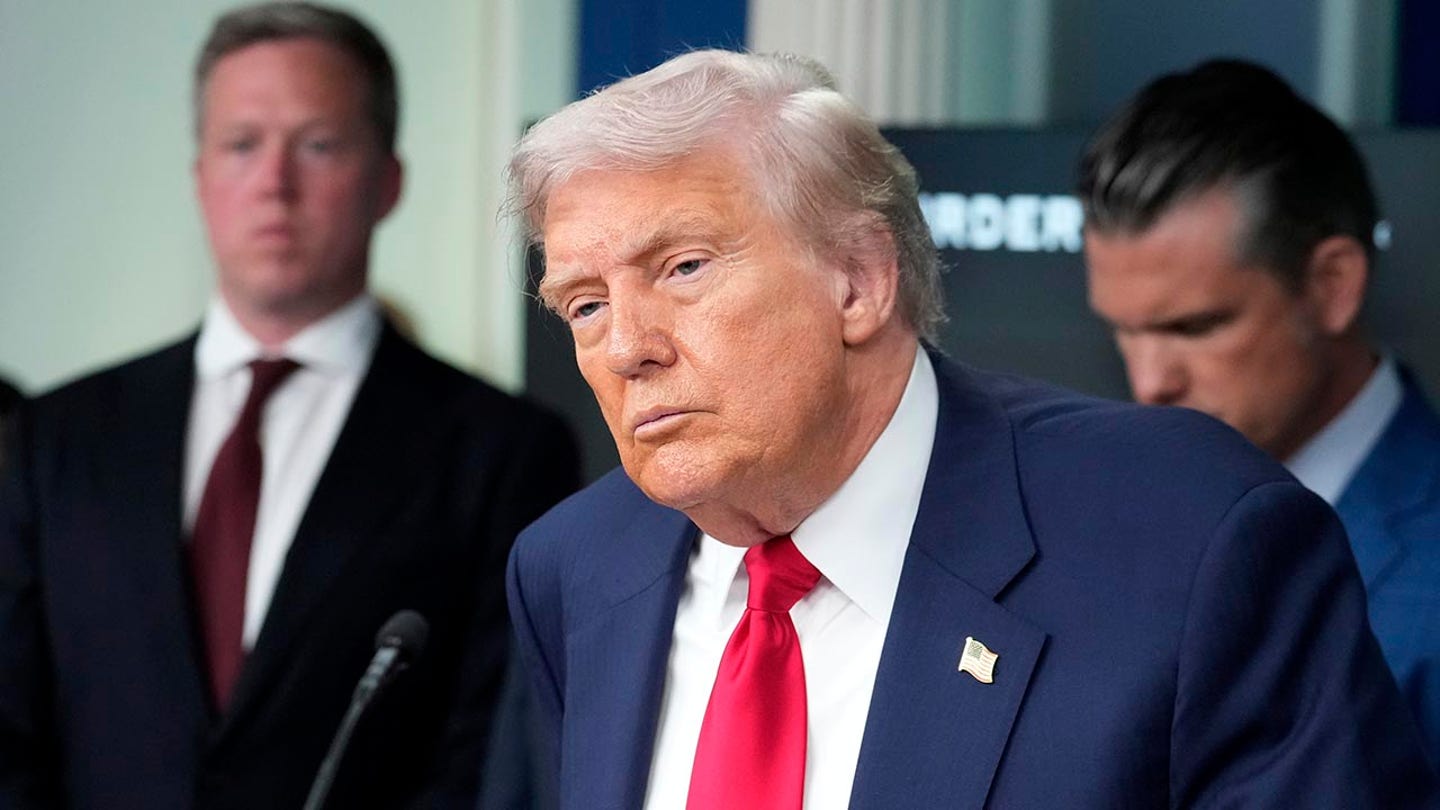
'Leftist' taxpayer-funded academy sparks backlash after moving against Trump's rollback of key regulation
Entities mentioned:
- National Academies of Sciences, Engineering, and Medicine (NASEM): Influence, Professional pride, Legacy
- Environmental Protection Agency (EPA): Control, Duty, Security
- Shirley M. Tilghman: Influence, Professional pride, Righteousness
- Trump administration: Power, Competitive spirit, Freedom
- Arabella Advisors: Influence, Power, Control
- Lee Zeldin: Competitive spirit, Ambition, Freedom
Article Assessment:
Credibility Score: 65/100
Bias Rating: 75/100 (Lean Right)
Sentiment Score: 30/100
Authoritarianism Risk: 45/100 (Mixed/Neutral)
Bias Analysis:
The article leans right, evidenced by its framing of NASEM as 'leftist' and emphasis on conservative critiques. It prominently features perspectives from right-leaning think tanks and individuals, while giving less space to opposing viewpoints.
Key metric: Environmental Regulation Impact on Economic Growth
As a social scientist, I analyze that this article highlights the complex interplay between scientific institutions, political agendas, and environmental policy. The fast-tracking of NASEM's climate review appears to be a strategic move to counter the Trump administration's efforts to roll back Obama-era climate regulations. This situation underscores the politicization of scientific research and its potential impact on environmental policy and economic growth. The involvement of various entities with different motivations creates a multifaceted debate around the balance between environmental protection and economic interests. The controversy surrounding NASEM's funding sources and potential bias raises questions about the objectivity of scientific bodies and their role in shaping public policy. This debate is likely to have significant implications for future environmental regulations and their economic consequences.
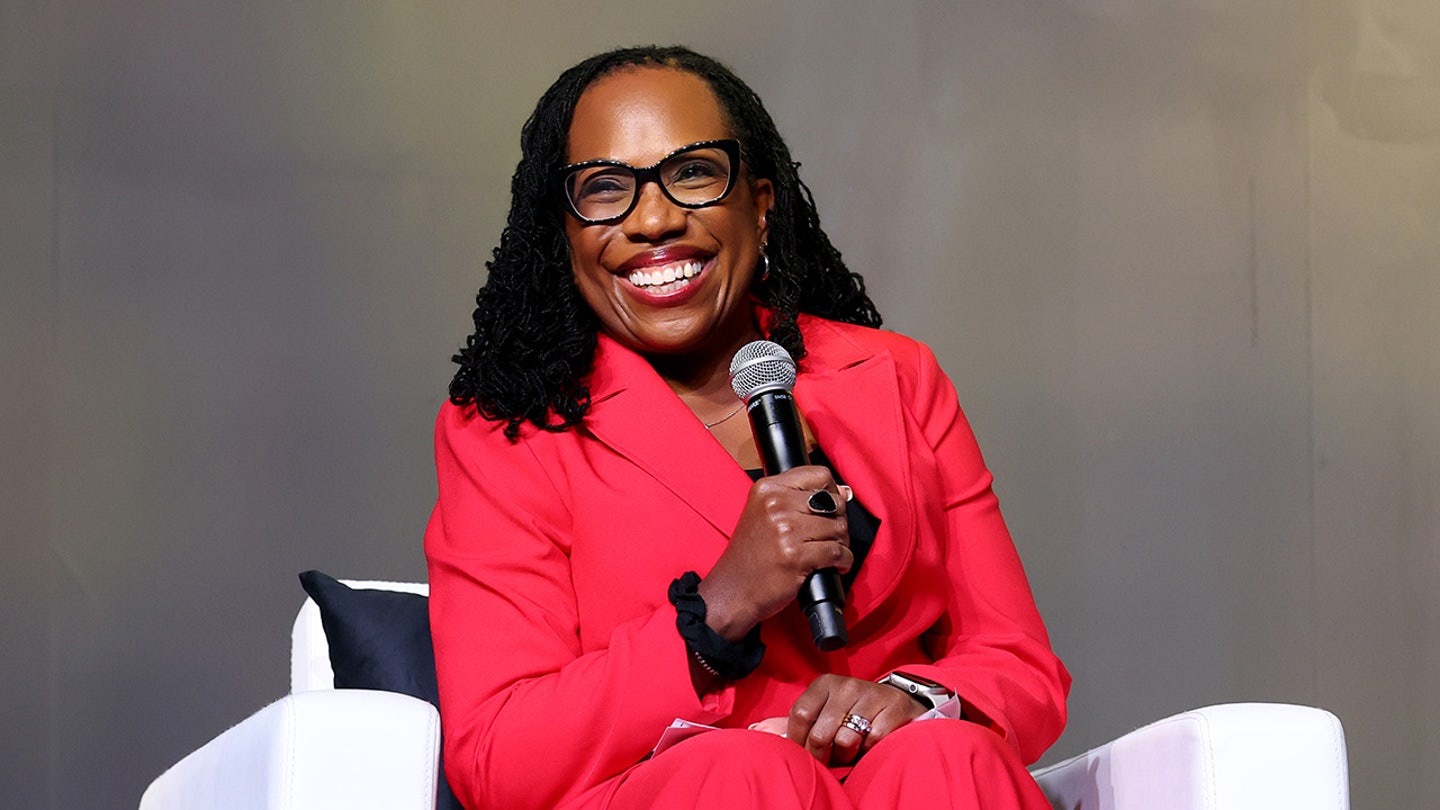
Jackson scathing dissent levels partisan charge at colleagues after high-profile ruling
Entities mentioned:
- Justice Ketanji Brown Jackson: Justice, Moral outrage, Righteousness
- Supreme Court: Power, Control, Influence
- Trump administration: Control, Power, Influence
- National Institutes of Health (NIH): Control, Power, Influence
- Chief Justice John Roberts: Duty, Influence, Wariness
- Justice Amy Coney Barrett: Justice, Duty, Professional pride
- Jonathan Turley: Analysis, Influence, Professional pride
Article Assessment:
Credibility Score: 75/100
Bias Rating: 45/100 (Center)
Sentiment Score: 35/100
Authoritarianism Risk: 40/100 (Generally Democratic)
Bias Analysis:
The article presents multiple perspectives, including dissenting opinions, which contributes to a balanced view. However, there is slightly more focus on Justice Jackson's criticisms, which may subtly lean the article left.
Key metric: Judicial Independence
As a social scientist, I analyze that this article highlights growing tensions within the Supreme Court, particularly regarding the court's handling of cases related to the Trump administration. Justice Jackson's dissent suggests a perception of bias towards the executive branch, which could impact public trust in the judiciary. The article also points to a potential shift in the court's decision-making process, with an increased use of the 'shadow docket' for significant rulings. This development may have long-term implications for the transparency and deliberative nature of the judicial process. The disagreements among justices, especially between Jackson and Barrett, indicate ideological divisions that could affect the court's ability to reach consensus on critical issues. The cancellation of NIH grants related to diversity, equity, and inclusion research may have broader societal impacts, potentially influencing future policy directions and research priorities in these areas.
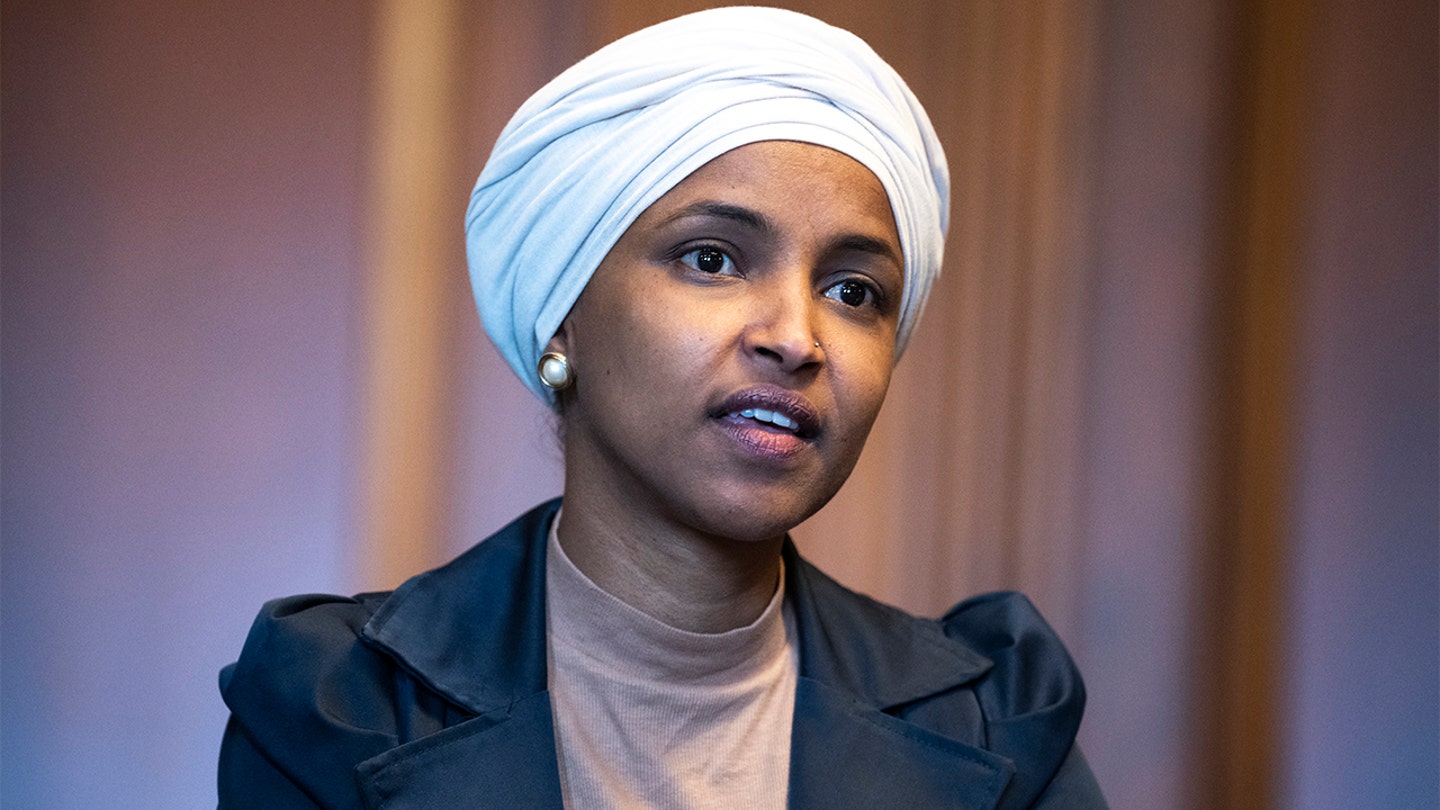
Ilhan Omar erupts at own party for reneging on socialist candidate's endorsement: 'Inexcusable'
Entities mentioned:
- Ilhan Omar: Righteousness, Indignation, Unity
- Democratic-Farmer-Labor Party (DFL): Control, Power, Self-preservation
- Omar Fateh: Ambition, Recognition, Influence
- Richard Carlbom: Control, Power, Unity
- Jacob Frey: Ambition, Self-preservation, Power
Article Assessment:
Credibility Score: 70/100
Bias Rating: 65/100 (Lean Right)
Sentiment Score: 30/100
Authoritarianism Risk: 35/100 (Generally Democratic)
Bias Analysis:
The article leans slightly right, focusing more on the internal conflicts of the Democratic Party. It gives more space to Omar's criticisms and frames the issue as a problem for Democrats, potentially appealing to conservative readers.
Key metric: Political Party Unity
As a social scientist, I analyze that this article highlights significant internal divisions within the Democratic Party, specifically in Minnesota. The revocation of Omar Fateh's endorsement by the DFL party leadership reveals a struggle between progressive and moderate factions. This conflict could potentially impact voter trust, party cohesion, and electoral success. The public disagreement between Rep. Ilhan Omar and the DFL leadership underscores the challenges faced by the Democratic Party in maintaining unity while accommodating diverse ideological perspectives. This incident may have broader implications for the party's strategy in balancing progressive and moderate voices, particularly in urban centers and among younger, more diverse voters.
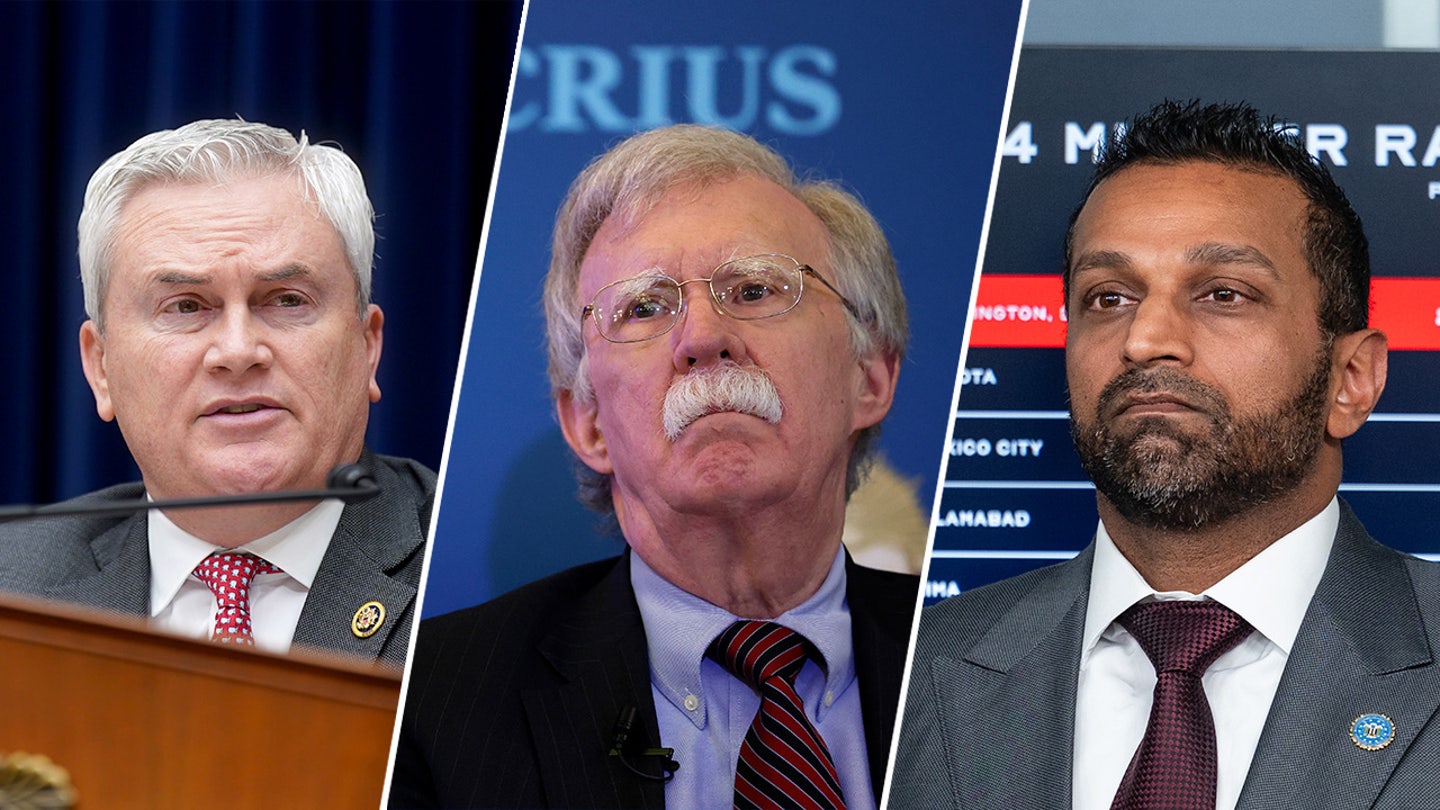
James Comer praises Kash Patel for 'holding deep state accountable' as FBI raids John Bolton's home
Entities mentioned:
- James Comer: Righteousness, Justice, Loyalty
- Kash Patel: Justice, Determination, Professional pride
- John Bolton: Self-preservation, Loyalty, Professional pride
- FBI: Duty, Justice, Control
- Rick Crawford: Duty, Wariness, Professional pride
- Rand Paul: Justice, Indignation, Freedom
- Donald Trump: Power, Control, Revenge
Article Assessment:
Credibility Score: 65/100
Bias Rating: 70/100 (Lean Right)
Sentiment Score: 35/100
Authoritarianism Risk: 55/100 (Mixed/Neutral)
Bias Analysis:
The article leans right, evidenced by the prominence given to Republican voices and the uncritical presentation of 'deep state' narratives. While it includes some balancing information, the overall framing favors a conservative perspective on government accountability.
Key metric: Government Accountability and Transparency
As a social scientist, I analyze that this article highlights increasing tensions between different factions within the US government, particularly regarding the concept of the 'deep state' and the handling of classified information. The raid on John Bolton's property, a former high-ranking official, signifies a heightened focus on potential mishandling of sensitive documents. This event, coupled with the rhetoric from Republican officials, suggests a growing push for what they perceive as accountability within government institutions. However, the partisan nature of the comments and the invocation of the 'deep state' narrative indicate a deepening political divide that could impact public trust in government institutions and processes. The situation also underscores the ongoing influence of Trump-era politics in current governmental operations and investigations.
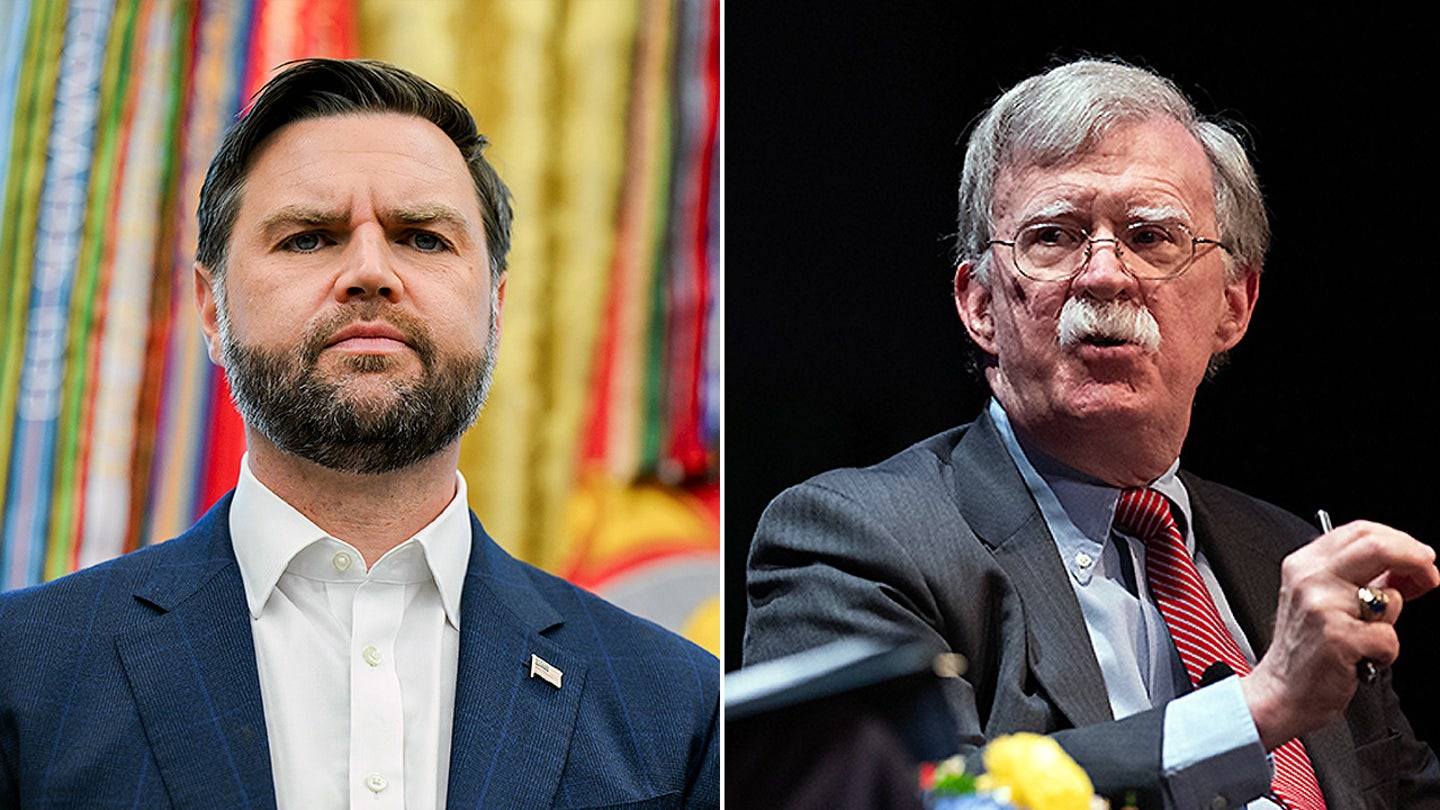
JD Vance insists FBI searching Bolton home ‘not at all’ about political retribution
Entities mentioned:
- JD Vance: Loyalty, Duty, Professional pride
- John Bolton: Self-preservation, Justice, Righteousness
- Donald Trump: Power, Control, Revenge
- FBI: Duty, Justice, Security
- Biden administration: Power, Control, Justice
Article Assessment:
Credibility Score: 70/100
Bias Rating: 55/100 (Center)
Sentiment Score: 35/100
Authoritarianism Risk: 60/100 (Mixed/Neutral)
Bias Analysis:
The article presents multiple viewpoints and includes context from various political perspectives. However, it relies heavily on quotes from Vance, a Trump administration official, which could slightly skew the narrative.
Key metric: Political Polarization Index
As a social scientist, I analyze that this article highlights the ongoing tension between political factions and the use of federal agencies in politically charged investigations. The raid on John Bolton's home, a former Trump administration official turned critic, raises questions about the potential weaponization of law enforcement for political purposes. Vice President Vance's denial of political motivation contrasts with the historical context of Bolton's criticism of Trump and the previous legal battles over his memoir. This event likely exacerbates political polarization, as it can be interpreted differently by various political groups, potentially reinforcing existing beliefs about government overreach or necessary accountability.
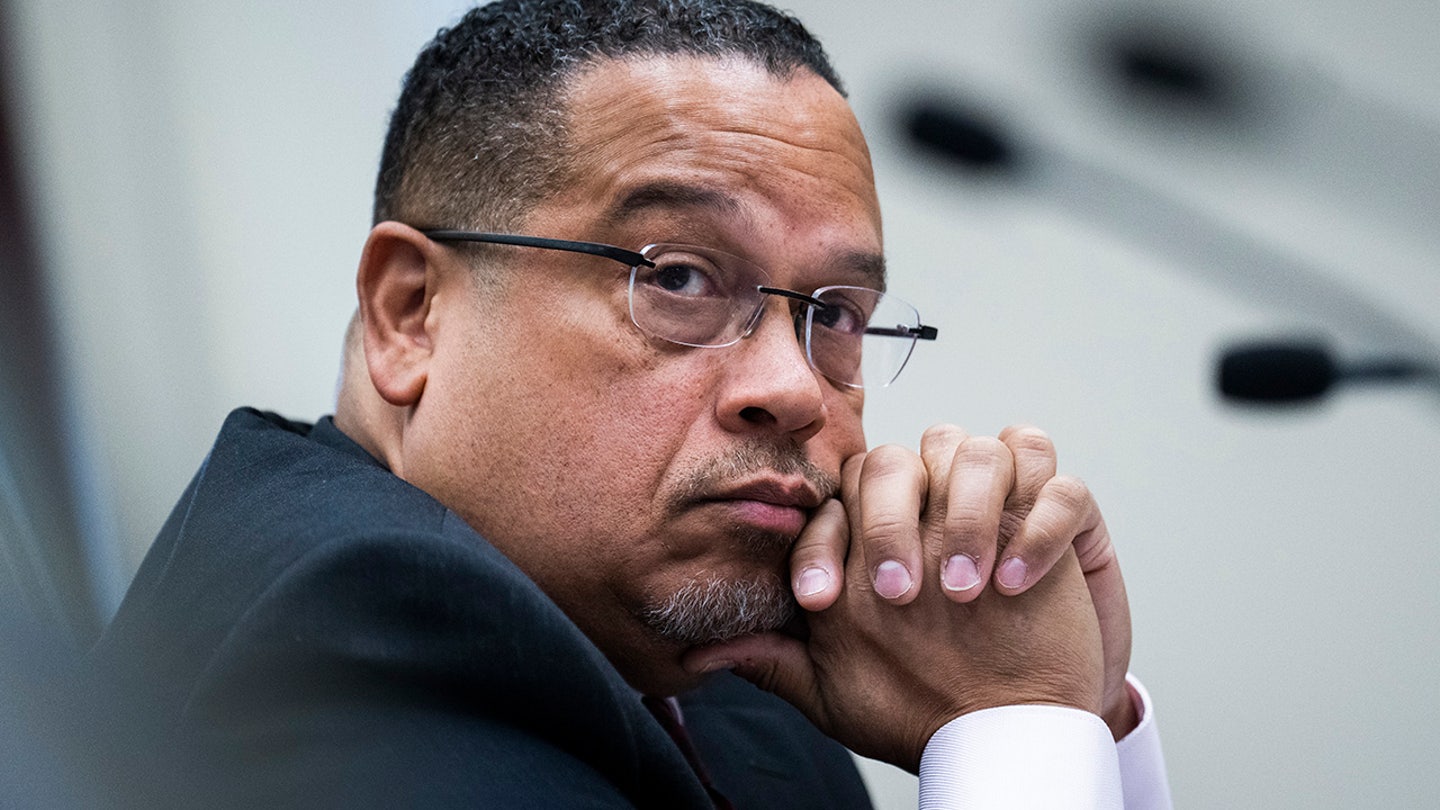
Minnesota attorney general brags about lawsuit against Trump admin to keep trans athletes in girls' sports
Entities mentioned:
- Keith Ellison: Righteousness, Moral outrage, Recognition
- Donald Trump: Control, Loyalty, Power
- Pam Bondi: Duty, Loyalty, Control
- Harrison Fields: Loyalty, Duty, Indignation
- Anonymous softball player: Justice, Competitive spirit, Self-respect
- Minnesota State Legislature: Control, Wariness, Obligation
Article Assessment:
Credibility Score: 65/100
Bias Rating: 70/100 (Lean Right)
Sentiment Score: 30/100
Authoritarianism Risk: 45/100 (Mixed/Neutral)
Bias Analysis:
The article leans right in its framing, giving more space to critics of transgender inclusion in sports. It emphasizes potential unfairness to cisgender female athletes and uses language that subtly reinforces traditional gender distinctions.
Key metric: Gender Equality in Sports
As a social scientist, I analyze that this article highlights a contentious issue at the intersection of gender identity, sports, and civil rights. The lawsuit filed by Keith Ellison against the Trump administration represents a clash between progressive policies supporting transgender rights and conservative efforts to maintain traditional gender divisions in sports. This conflict has significant implications for gender equality in sports, as it challenges the long-standing separation of male and female athletic competitions. The article presents both sides of the argument, with proponents of transgender inclusion citing the importance of inclusivity and opponents raising concerns about fairness and competitive advantage. The controversy surrounding the trans softball pitcher's success further illustrates the practical implications of these policies. This debate reflects broader societal tensions regarding gender identity and equal rights, and its outcome could have far-reaching effects on how gender is approached in competitive sports at various levels.
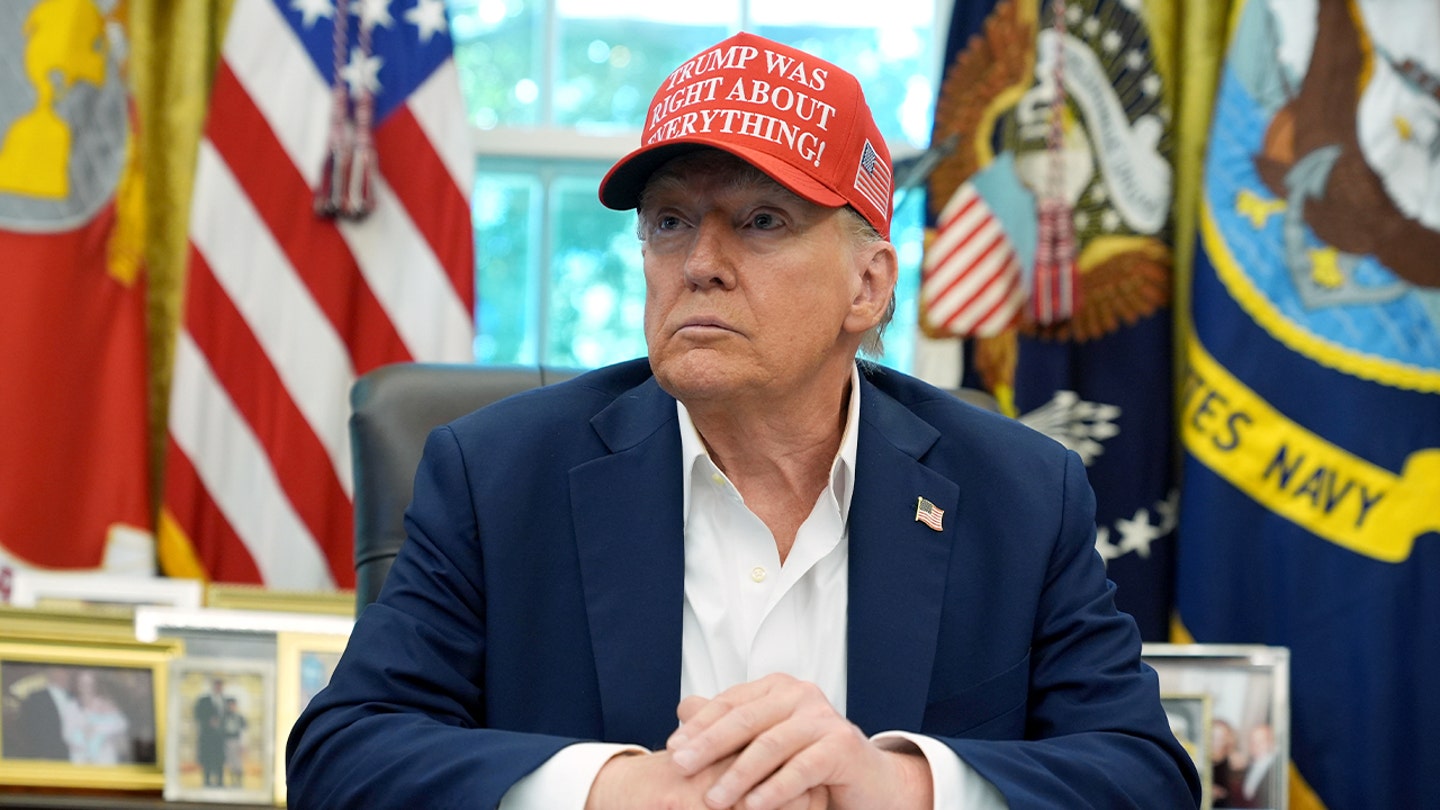
Trump hints at federal crackdown in Chicago amid anti-crime push in DC
Entities mentioned:
- Donald Trump: Power, Control, Righteousness
- Brandon Johnson: Obligation, Self-preservation
- Metropolitan Police Department: Duty, Professional pride
- Department of Government Efficiency: Duty, Security
Article Assessment:
Credibility Score: 65/100
Bias Rating: 70/100 (Lean Right)
Sentiment Score: 55/100
Authoritarianism Risk: 75/100 (Authoritarian Tendencies)
Bias Analysis:
The article leans right, presenting Trump's actions in a largely positive light without significant counterarguments. It relies heavily on Trump's statements and claims of success without substantial independent verification.
Key metric: Violent Crime Rate
As a social scientist, I analyze that this article highlights Trump's aggressive stance on crime reduction, particularly in urban areas. The federal intervention in Washington D.C. is presented as a successful model, with plans to expand to other cities like Chicago and New York. This approach represents a significant shift in federal-local relations regarding law enforcement, potentially impacting violent crime rates. However, the long-term effects and constitutionality of such interventions remain questionable. The article suggests a top-down, authoritarian approach to crime reduction, which may have immediate effects but could also lead to tensions between federal and local authorities.
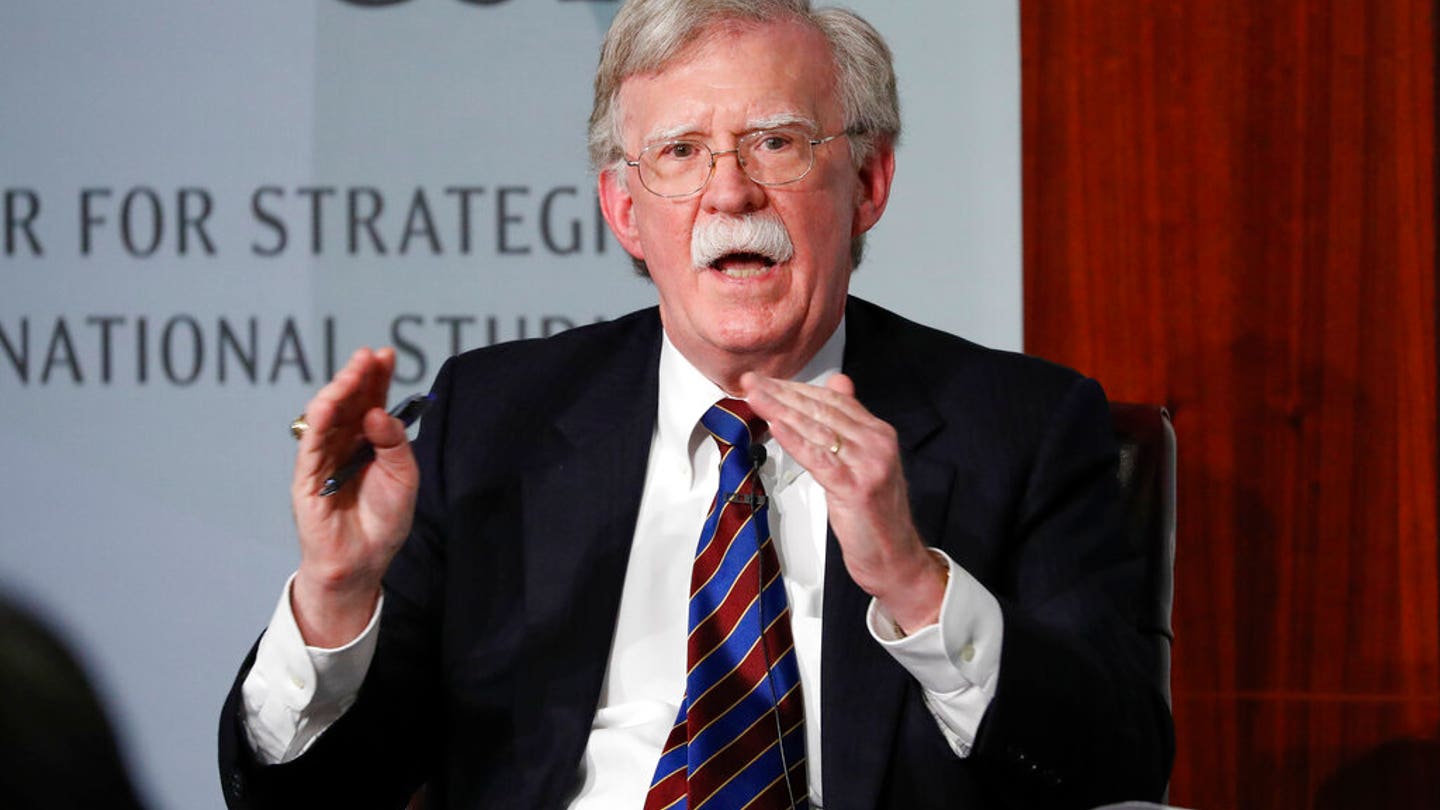
Trump–Bolton feud back in focus after FBI raid: 'Never had a clue … what a dope!'
Entities mentioned:
- Donald Trump: Power, Self-preservation, Revenge
- John Bolton: Recognition, Righteousness, Professional pride
- FBI: Duty, Justice, Security
- Justice Department: Security, Control, Duty
Article Assessment:
Credibility Score: 70/100
Bias Rating: 55/100 (Center)
Sentiment Score: 30/100
Authoritarianism Risk: 45/100 (Mixed/Neutral)
Bias Analysis:
The article presents perspectives from both Trump and Bolton, including direct quotes, which contributes to a relatively balanced view. However, there's a slight emphasis on Bolton's criticisms of Trump, potentially indicating a subtle lean towards anti-Trump sentiment.
Key metric: Political Polarization Index
As a social scientist, I analyze that this article highlights the increasing political polarization in the United States, particularly within the Republican party. The ongoing feud between former President Trump and his ex-National Security Advisor John Bolton exemplifies the internal conflicts and power struggles within conservative circles. The FBI raid on Bolton's property, coupled with Trump's revocation of Bolton's security clearance, suggests potential abuse of power and politicization of government agencies. This situation likely exacerbates public distrust in institutions and deepens partisan divides. The conflicting narratives presented by Trump and Bolton about their working relationship and Bolton's departure further contribute to political instability and confusion among voters. The publication of Bolton's memoir, despite attempts to block it, raises questions about government transparency and the balance between national security concerns and freedom of speech. Overall, this event is likely to increase political polarization by reinforcing negative perceptions of both Trump and the intelligence community among different segments of the population.
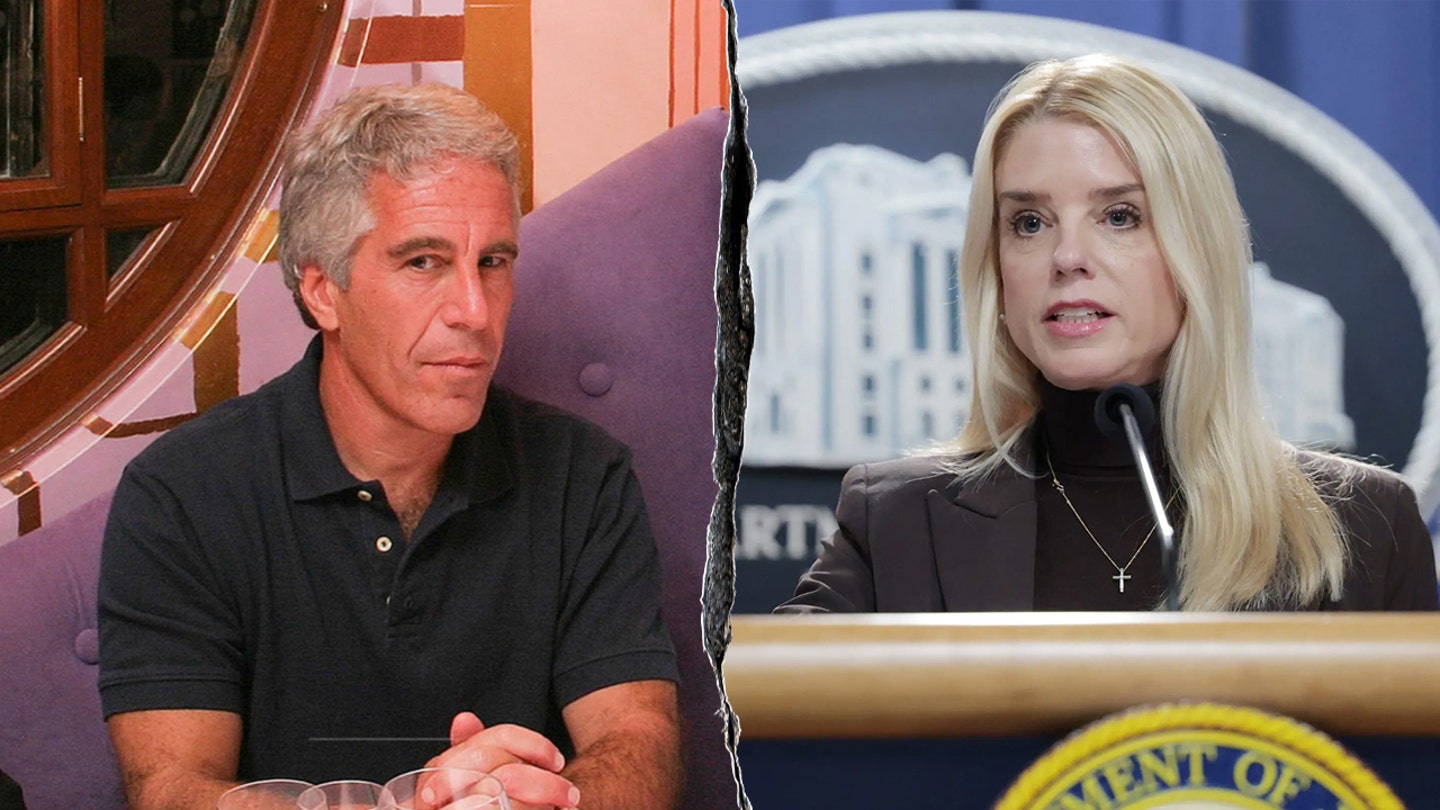
Trump DOJ releases 'thousands' of Epstein files to House Oversight Committee
Entities mentioned:
- Trump administration: Transparency, Obligation, Control
- House Oversight Committee: Justice, Duty, Righteousness
- James Comer: Determination, Duty, Transparency
- Department of Justice: Obligation, Control, Professional pride
- Jeffrey Epstein: Power, Greed, Self-preservation
- Ghislaine Maxwell: Self-preservation, Loyalty, Power
- Bill and Hillary Clinton: Self-preservation, Legacy, Influence
- Bill Barr: Duty, Professional pride, Self-preservation
- Pam Bondi: Duty, Justice, Professional pride
- Todd Blanche: Duty, Professional pride, Obligation
Article Assessment:
Credibility Score: 75/100
Bias Rating: 55/100 (Center)
Sentiment Score: 45/100
Authoritarianism Risk: 30/100 (Generally Democratic)
Bias Analysis:
The article presents a relatively balanced view, including perspectives from both Republican officials and the DOJ. While it leans slightly right by focusing more on Republican-led efforts, it maintains a generally neutral tone in reporting the facts.
Key metric: Government Transparency and Accountability
As a social scientist, I analyze that this article highlights a significant development in the ongoing investigation of Jeffrey Epstein's case, potentially impacting government transparency and accountability. The Trump administration's willingness to release documents to the House Oversight Committee suggests a move towards greater transparency, albeit under pressure. This action may increase public trust in governmental processes, particularly regarding high-profile cases involving influential individuals. However, the delayed release and potential redactions indicate ongoing tensions between transparency and privacy/security concerns. The bipartisan nature of the investigation, involving both current and former administration officials, as well as prominent political figures, underscores the case's complexity and far-reaching implications. This development could lead to increased scrutiny of how high-profile cases are handled by the justice system and potentially influence future policies regarding prosecutorial decisions and plea agreements.
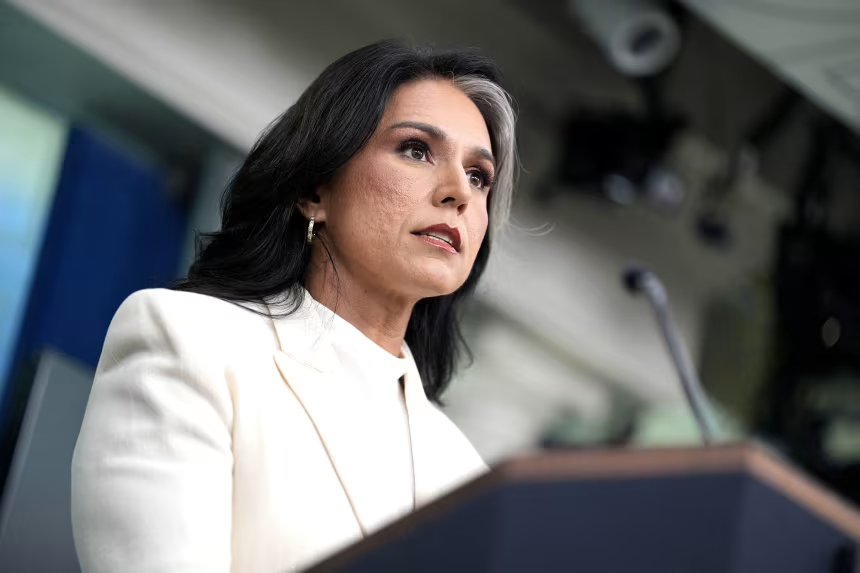
Tulsi Gabbard revokes security clearances of 37 current and former national security officials
Entities mentioned:
- Tulsi Gabbard: Power, Control, Righteousness
- Joe Biden: Self-preservation, Legacy
- Barack Obama: Legacy, Self-preservation
- John Ratcliffe: Loyalty, Duty
- Pam Bondi: Justice, Duty
- Donald Trump: Power, Revenge, Self-preservation
- Mark Zaid: Justice, Professional pride
Article Assessment:
Credibility Score: 65/100
Bias Rating: 55/100 (Center)
Sentiment Score: 30/100
Authoritarianism Risk: 70/100 (Authoritarian Tendencies)
Bias Analysis:
The article presents multiple viewpoints, including Gabbard's justification and critics' concerns. However, it gives more space to criticisms of the action, suggesting a slight lean towards skepticism of Gabbard's motivations.
Key metric: National Security Effectiveness
As a social scientist, I analyze that this action by DNI Gabbard significantly impacts national security effectiveness by potentially removing experienced professionals from critical roles. The revocation of security clearances for 37 current and former officials, particularly those involved in assessing Russian interference in the 2016 election, may lead to a loss of institutional knowledge and expertise. This could hinder the intelligence community's ability to accurately assess and respond to future threats. Furthermore, the move appears to be politically motivated, which may erode trust within the intelligence community and between agencies and the administration. This erosion of trust could lead to reduced information sharing and cooperation, ultimately weakening national security capabilities. The action also sets a concerning precedent for using security clearance revocations as a tool for political retaliation, which could have a chilling effect on intelligence professionals' willingness to provide honest, objective assessments that may be politically inconvenient.