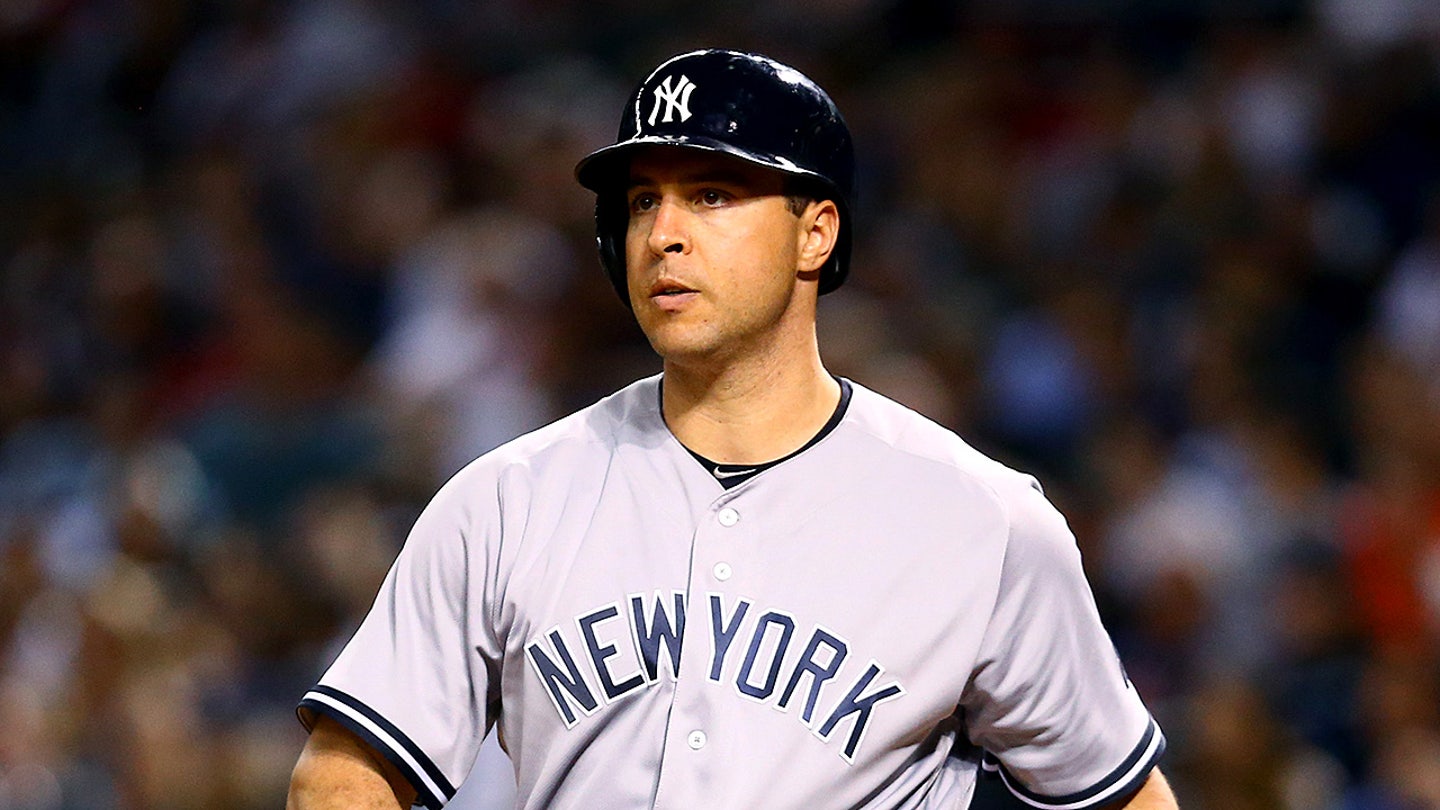
Mark Teixeira has a message for Texas Dems after redistricting: 'Have better policies'
Entities mentioned:
- Mark Teixeira: Ambition, Competitive spirit, Righteousness
- Greg Abbott: Power, Control, Loyalty
- Donald Trump: Power, Influence, Legacy
- Texas Democrats: Indignation, Justice, Self-preservation
- Republicans: Power, Control, Loyalty
Article Assessment:
Credibility Score: 65/100
Bias Rating: 75/100 (Lean Right)
Sentiment Score: 55/100
Authoritarianism Risk: 45/100 (Mixed/Neutral)
Bias Analysis:
The article leans right, primarily showcasing Republican viewpoints and Teixeira's conservative platform. There's limited representation of Democratic perspectives, and the framing of issues aligns with conservative talking points.
Key metric: Political Polarization Index
As a social scientist, I analyze that this article highlights the increasing political polarization in Texas and the broader United States. The redistricting effort led by Republicans, coupled with Teixeira's strong conservative messaging, indicates a deepening divide between political parties. This polarization is likely to impact voter engagement, policy-making, and inter-party cooperation. Teixeira's transition from sports to politics also exemplifies the growing trend of celebrities entering the political arena, potentially influencing public opinion and voter behavior.
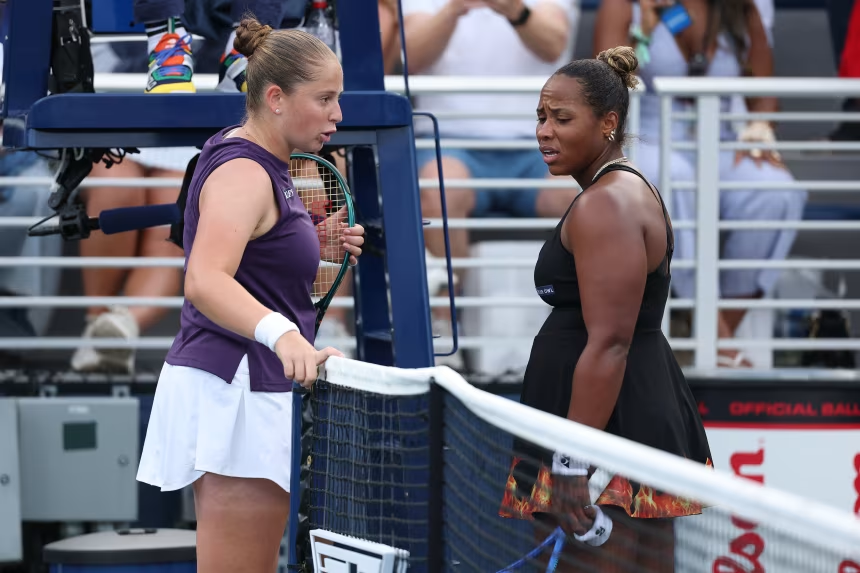
Why the missing of a common act of tennis sportsmanship led to heated on-court argument at the US Open
Entities mentioned:
- Taylor Townsend: Competitive spirit, Pride, Self-preservation
- Jelena Ostapenko: Moral outrage, Indignation, Professional pride
- Svetlana Kuznetsova: Duty, Professional pride
- Aryna Sabalenka: Indignation, Competitive spirit
- Amanda Anisimova: Competitive spirit, Determination
- Rafael Nadal: Professional pride, Righteousness
- Robin Söderling: Pride, Self-respect
Article Assessment:
Credibility Score: 75/100
Bias Rating: 50/100 (Center)
Sentiment Score: 40/100
Authoritarianism Risk: 25/100 (Generally Democratic)
Bias Analysis:
The article presents a balanced view, including perspectives from multiple players and historical context. It doesn't appear to favor either side of the debate, presenting both the importance of sportsmanship and the competitive nature of professional tennis.
Key metric: Social Cohesion
As a social scientist, I analyze that this article highlights the tension between unwritten social norms and competitive drive in professional sports. The incident at the US Open between Townsend and Ostapenko underscores how cultural expectations of sportsmanship can conflict with individual players' focus on winning. This clash of values potentially impacts social cohesion within the tennis community and beyond, as it raises questions about the importance of courtesy versus competitive advantage. The article's exploration of similar incidents in tennis history suggests this is a recurring issue that challenges the sport's etiquette and potentially influences public perception of athletes' character and the sport's values.
WADA slams ‘ill-conceived’ Enhanced Games after being named in lawsuit
Entities mentioned:
- World Anti-Doping Agency (WADA): Righteousness, Duty, Professional pride
- Enhanced Games: Ambition, Competitive spirit, Recognition
- World Aquatics: Duty, Control, Professional pride
- USA Swimming: Loyalty, Professional pride, Control
- UNESCO: Unity, Duty, Moral outrage
Article Assessment:
Credibility Score: 75/100
Bias Rating: 55/100 (Center)
Sentiment Score: 30/100
Authoritarianism Risk: 35/100 (Generally Democratic)
Bias Analysis:
The article presents both sides of the conflict, quoting WADA's opposition and mentioning Enhanced Games' position. However, it gives more space to anti-doping arguments, suggesting a slight lean towards established sporting norms.
Key metric: Public Health and Safety
As a social scientist, I analyze that this article highlights a significant conflict between established anti-doping institutions and a new, controversial sporting event. The Enhanced Games' lawsuit against WADA, World Aquatics, and USA Swimming represents a challenge to longstanding norms in competitive sports. This conflict could potentially impact public health and safety by altering perceptions of drug use in athletics and potentially encouraging more widespread use of performance-enhancing substances. The strong opposition from WADA and other organizations, citing athlete safety concerns, underscores the serious health implications of sanctioning drug use in sports. This debate may influence public policy, athlete welfare, and the integrity of competitive sports moving forward.
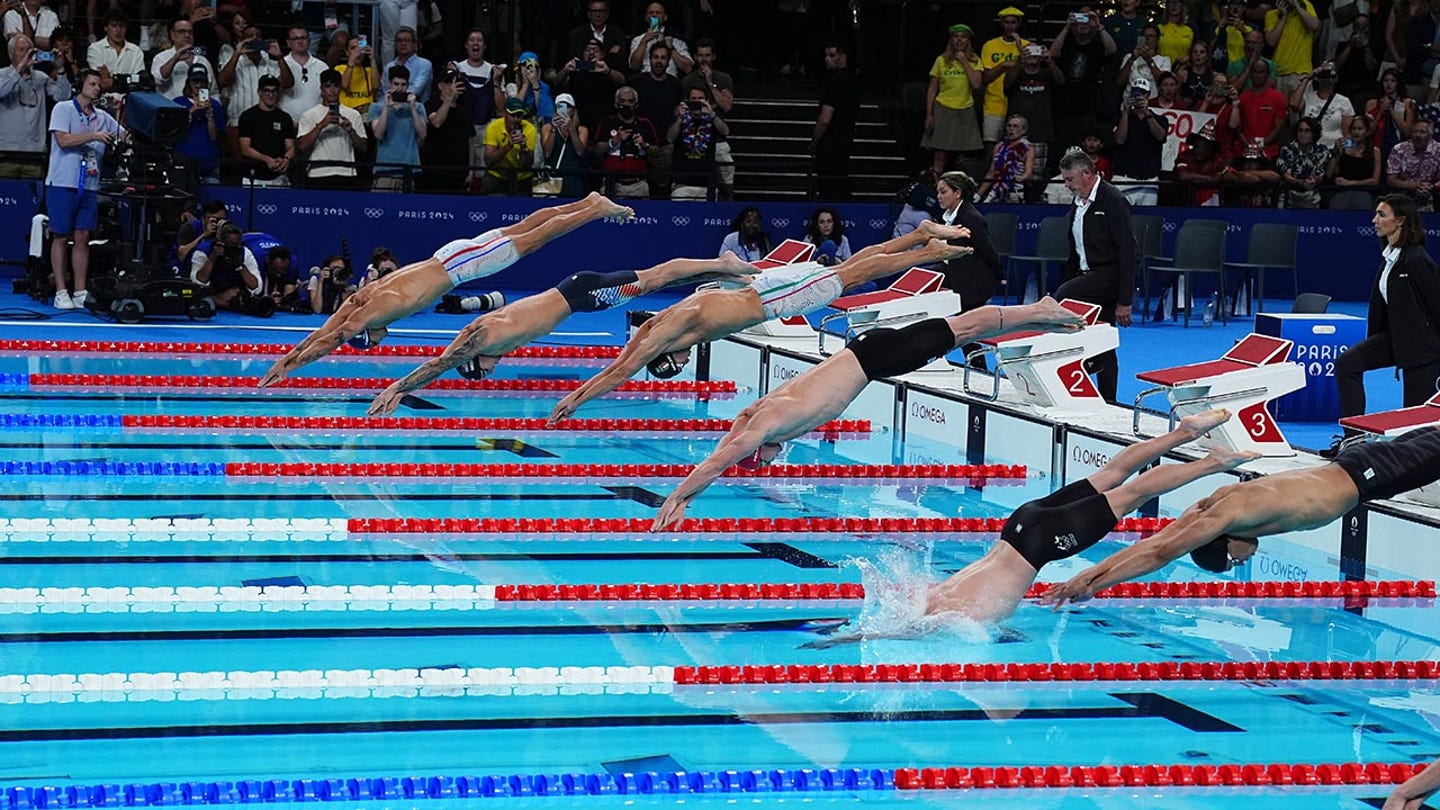
Athletic event that allows steroids sues World Anti-Doping Agency, swimming governing bodies for $800 million
Entities mentioned:
- Enhanced Games: Competitive spirit, Freedom, Recognition
- World Aquatics: Control, Professional pride, Power
- USA Swimming: Control, Professional pride, Loyalty
- World Anti-Doping Agency: Control, Righteousness, Professional pride
- Husain al-Musallam: Professional pride, Control, Righteousness
- Dr. Aron D'Souza: Ambition, Competitive spirit, Indignation
- James Magnussen: Ambition, Recognition, Competitive spirit
Article Assessment:
Credibility Score: 70/100
Bias Rating: 55/100 (Center)
Sentiment Score: 35/100
Authoritarianism Risk: 45/100 (Mixed/Neutral)
Bias Analysis:
The article presents both sides of the argument, quoting representatives from Enhanced Games and World Aquatics. However, it gives slightly more space to the Enhanced Games' perspective, potentially due to the newsworthiness of their lawsuit.
Key metric: Sports Integrity and Anti-Doping Measures
As a social scientist, I analyze that this lawsuit represents a significant challenge to the established norms and regulations in international sports, particularly concerning anti-doping measures. The Enhanced Games' approach of allowing performance-enhancing substances directly conflicts with the long-standing policies of major sporting bodies. This conflict highlights the tension between traditional notions of fair play and emerging perspectives on athlete autonomy and performance enhancement. The lawsuit could potentially impact how anti-doping policies are enforced and perceived globally, possibly leading to a reevaluation of current practices. It also raises questions about the power dynamics between athletes and governing bodies, as well as the ethical considerations surrounding performance enhancement in sports. The outcome of this legal battle could have far-reaching implications for the future of competitive sports, athlete rights, and the definition of fair competition.
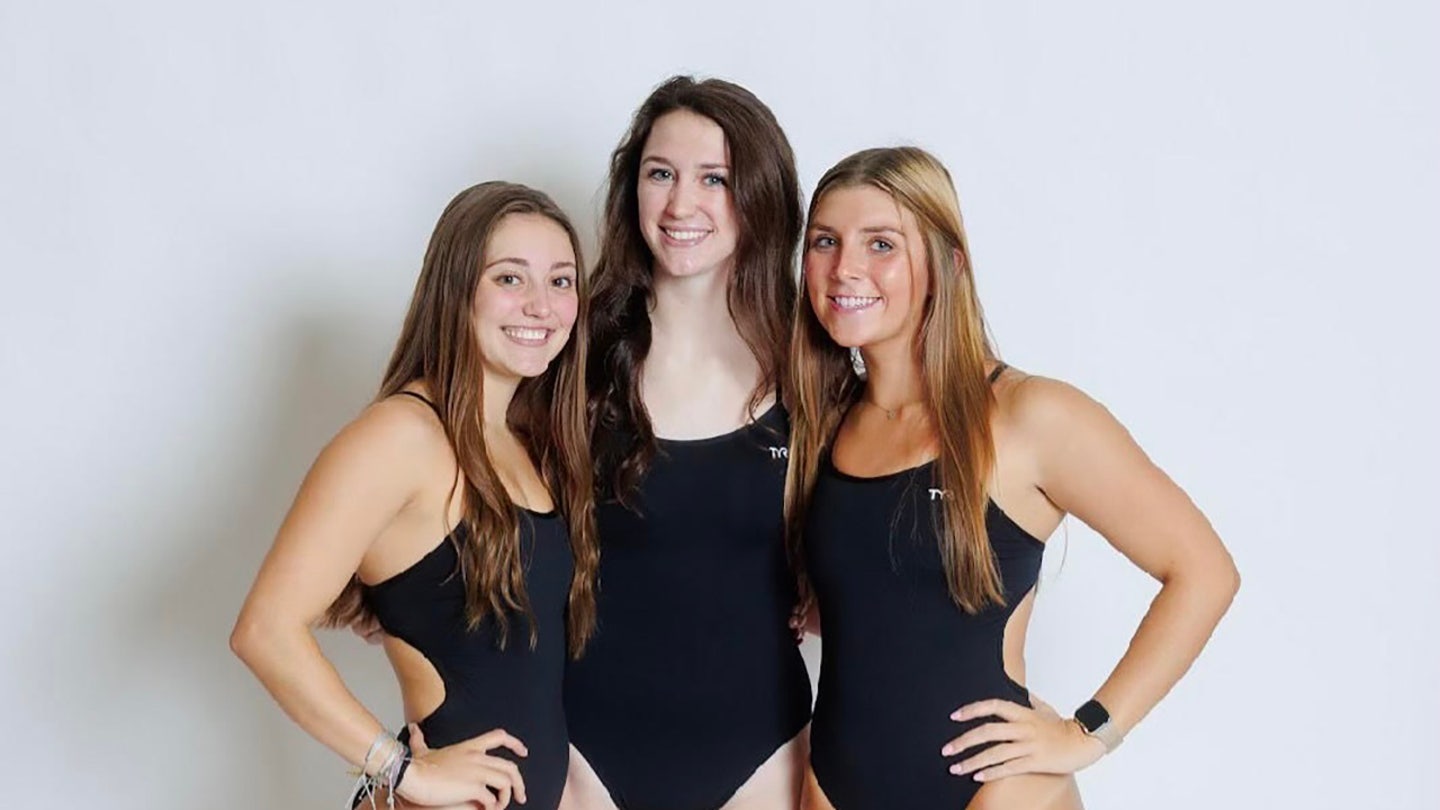
Ex-Roanoke women's swimmer opens up on trans athlete's alleged suicide suggestion and college's handling of it
Entities mentioned:
- Lily Mullens: Justice, Self-respect, Moral outrage
- Transgender swimmer: Recognition, Self-preservation, Anxiety
- Roanoke College: Control, Self-preservation, Unity
- Jason Miyares: Justice, Duty, Righteousness
- Frank Shushok: Self-preservation, Control, Unity
- Bill Bock: Justice, Moral outrage, Duty
Article Assessment:
Credibility Score: 65/100
Bias Rating: 65/100 (Lean Right)
Sentiment Score: 25/100
Authoritarianism Risk: 45/100 (Mixed/Neutral)
Bias Analysis:
The article leans right due to its focus on the female swimmers' perspective and concerns about transgender inclusion. While it includes some opposing viewpoints, it gives more space and detail to arguments against the transgender athlete's participation.
Key metric: Gender Equality in Sports
As a social scientist, I analyze that this article highlights significant tensions between transgender inclusion and women's rights in collegiate sports. The situation at Roanoke College demonstrates the complex challenges institutions face in balancing inclusivity with competitive fairness. The alleged handling of the transgender athlete's mental health concerns raises ethical questions about emotional manipulation and proper crisis management. The reported retaliation against female swimmers who spoke out suggests potential suppression of dissent, which could have chilling effects on free speech in academic settings. This case exemplifies the broader societal struggle to reconcile transgender rights with existing gender-based protections, particularly in athletics.

WNBA star Sophie Cunningham sends prayers to victims of 'pure evil' Minneapolis shooting
Entities mentioned:
- Sophie Cunningham: Righteousness, Moral outrage, Compassion
- FBI: Justice, Duty, Security
- Kash Patel: Duty, Justice, Professional pride
- Robin/Robert Westman: Revenge, Moral outrage, Recognition
- Brian O'Hara: Duty, Security, Professional pride
Article Assessment:
Credibility Score: 75/100
Bias Rating: 55/100 (Center)
Sentiment Score: 25/100
Authoritarianism Risk: 35/100 (Generally Democratic)
Bias Analysis:
The article presents a relatively balanced account of the incident, including multiple perspectives and official sources. However, the focus on the shooter's gender identity change might be seen as unnecessary emphasis, potentially skewing the narrative.
Key metric: Violent Crime Rate
As a social scientist, I analyze that this article highlights a significant violent crime incident that impacts the national Violent Crime Rate metric. The mass shooting at a Catholic school in Minneapolis, resulting in fatalities and multiple injuries, represents a severe case of violence that will likely influence crime statistics and public perception of safety. The involvement of the FBI in investigating this as a potential hate crime against Catholics adds another layer of complexity to the incident, potentially affecting inter-community relations and religious tensions. The shooter's apparent manifesto and disturbing online content suggest premeditation and ideological motivations, which could have broader implications for discussions on gun control, mental health, and online radicalization. The reaction from public figures like Sophie Cunningham demonstrates the widespread impact of such events on society, influencing public discourse and potentially policy responses.
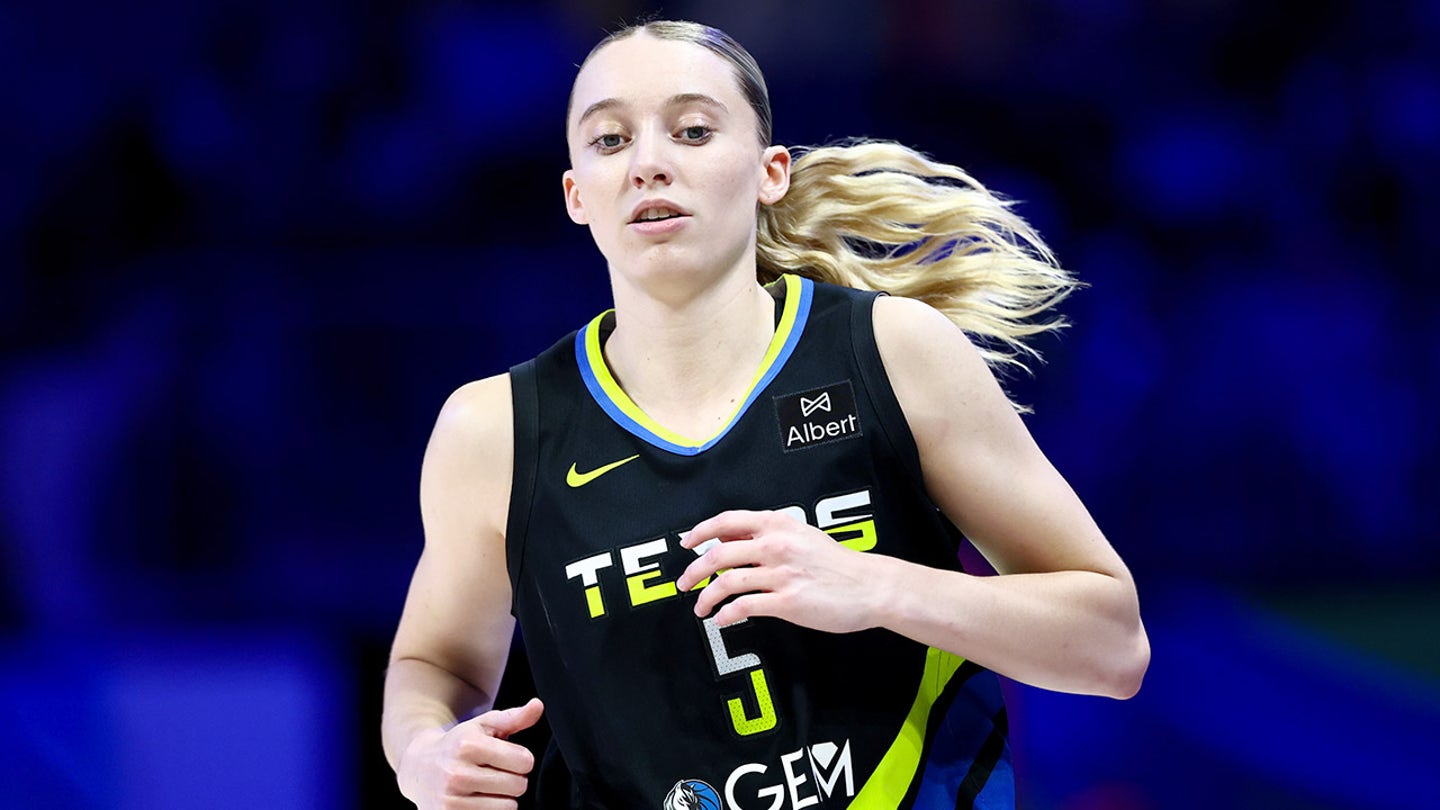
WNBA star Paige Bueckers calls for tight gun control laws after Minnesota Catholic church shooting
Entities mentioned:
- Paige Bueckers: Moral outrage, Justice, Righteousness
- Robert/Robin Westman: Revenge, Moral outrage, Fear
- Annunciation Church: Unity, Security, Freedom
- Minneapolis Police: Duty, Justice, Security
Article Assessment:
Credibility Score: 70/100
Bias Rating: 55/100 (Center)
Sentiment Score: 25/100
Authoritarianism Risk: 30/100 (Generally Democratic)
Bias Analysis:
The article presents a balanced view, including quotes from Bueckers and factual information from authorities. While it leans slightly right due to the Fox News source, the content itself remains mostly neutral in its presentation of the event and reactions.
Key metric: Gun Violence Rates
As a social scientist, I analyze that this article highlights the ongoing issue of gun violence in the United States, specifically in public spaces like schools and churches. The call for stricter gun control laws by a prominent athlete reflects growing public concern and could potentially influence policy discussions. The incident's impact on a religious institution may also affect perceptions of public safety and community cohesion. The involvement of children as victims is likely to intensify emotional responses and debates around gun control measures.
Grand jury declines to indict alleged Washington DC sandwich thrower
Entities mentioned:
- NAACP: Justice, Righteousness, Influence
- Donald Trump: Power, Control, Revenge
- Harvard University: Self-preservation, Professional pride, Legacy
- Federal Reserve: Independence, Professional pride, Duty
- Lisa Cook: Self-preservation, Professional pride, Justice
- Elon Musk: Influence, Power, Recognition
- Gavin Newsom: Ambition, Competitive spirit, Influence
Article Assessment:
Credibility Score: 70/100
Bias Rating: 35/100 (Lean Left)
Sentiment Score: 30/100
Authoritarianism Risk: 55/100 (Mixed/Neutral)
Bias Analysis:
The article leans slightly left in its framing, giving more space to criticisms of Trump and Republican actions. While it covers various topics, there's a noticeable emphasis on Trump's controversial moves and Democratic responses.
Key metric: Political Polarization Index
As a social scientist, I analyze that this article highlights increasing political tensions and polarization in the United States. The multiple lawsuits, conflicts between the Trump administration and various entities (including the Federal Reserve), and the racial redistricting issues all point to deepening divides in American politics. The attempts to influence key institutions like the Federal Reserve and redraw congressional maps suggest a struggle for power and control over democratic processes. This heightened conflict and the undermining of institutional independence could lead to increased political polarization, potentially affecting governance, policy-making, and public trust in democratic institutions.
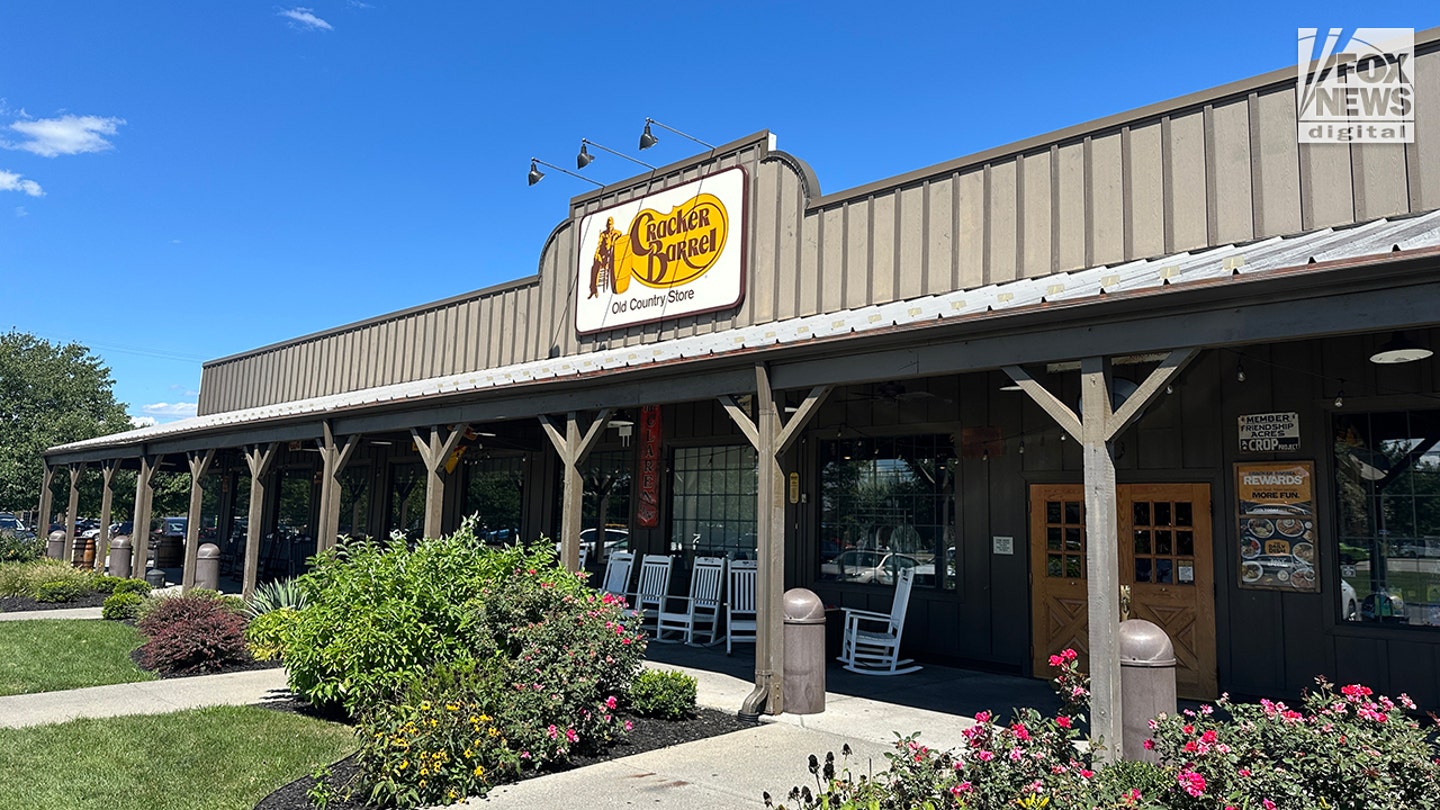
Cracker Barrel's logo mea culpa is a start but it shouldn't be the end
Entities mentioned:
- Cracker Barrel: Self-preservation, Recognition, Professional pride
- Donald Trump: Influence, Power, Recognition
- Uncle Herschel: Legacy, Loyalty, Pride
- Danny Evins: Legacy, Pride, Professional pride
- Sardar Biglari: Professional pride, Competitive spirit, Righteousness
- Don Keough: Professional pride, Duty, Loyalty
- David Ogilvy: Professional pride, Wisdom, Legacy
Article Assessment:
Credibility Score: 55/100
Bias Rating: 75/100 (Lean Right)
Sentiment Score: 35/100
Authoritarianism Risk: 45/100 (Mixed/Neutral)
Bias Analysis:
The article leans right, evidenced by its criticism of 'woke' corporate policies and positive framing of traditional values. It prominently features Trump's statements and conservative viewpoints, while presenting progressive initiatives negatively.
Key metric: Consumer Confidence Index
As a social scientist, I analyze that this article highlights the tension between traditional brand values and modern corporate social responsibility initiatives. The Cracker Barrel logo controversy serves as a microcosm of larger cultural debates in the United States. The swift reversal of the rebranding decision, influenced by customer backlash and political commentary, suggests a significant impact on consumer confidence. This incident demonstrates the power of consumer sentiment in shaping corporate decisions and the delicate balance companies must maintain between modernization and preserving brand heritage. The article frames this as a conflict between 'woke' corporate policies and traditional values, which could influence consumer behavior and brand loyalty beyond just Cracker Barrel, potentially affecting broader economic indicators like the Consumer Confidence Index.
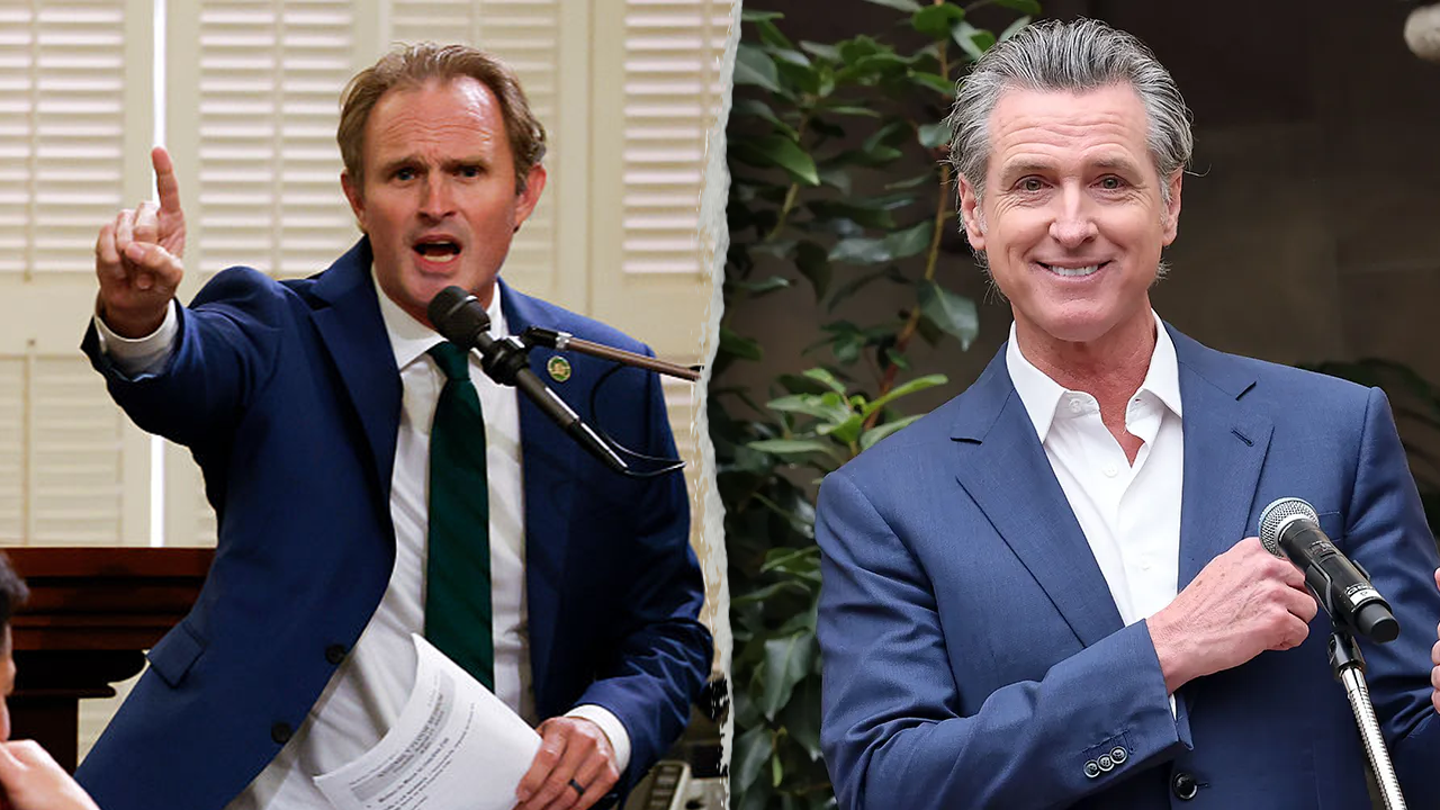
Top California Republican drops ‘two-state solution’ to combat Newsom’s redistricting
Entities mentioned:
- James Gallagher: Justice, Competitive spirit, Righteousness
- Gavin Newsom: Power, Control, Ambition
- Brian Jones: Duty, Indignation, Righteousness
- Roger Niello: Justice, Indignation, Professional pride
- California Democratic Party: Power, Control, Self-preservation
- California Republican Party: Justice, Self-preservation, Competitive spirit
Article Assessment:
Credibility Score: 65/100
Bias Rating: 70/100 (Lean Right)
Sentiment Score: 35/100
Authoritarianism Risk: 45/100 (Mixed/Neutral)
Bias Analysis:
The article leans right, evidenced by its focus on Republican perspectives and criticism of Democratic actions. While it includes some opposing viewpoints, the narrative predominantly favors the Republican stance on the redistricting issue.
Key metric: Electoral Competitiveness
As a social scientist, I analyze that this proposal to split California into two states is a reaction to perceived unfair redistricting practices. The plan would significantly alter the political landscape of California and the United States. It highlights the growing rural-urban divide and the intensifying political polarization in the state. This drastic measure underscores the deep frustration among Republicans with their diminishing influence in California politics. However, the feasibility of such a proposal is extremely low, given the complex legal and constitutional hurdles it would face. The article reveals the escalating tensions between California's Democratic leadership and Republican opposition, showcasing how redistricting has become a flashpoint in the broader struggle for political power and representation.