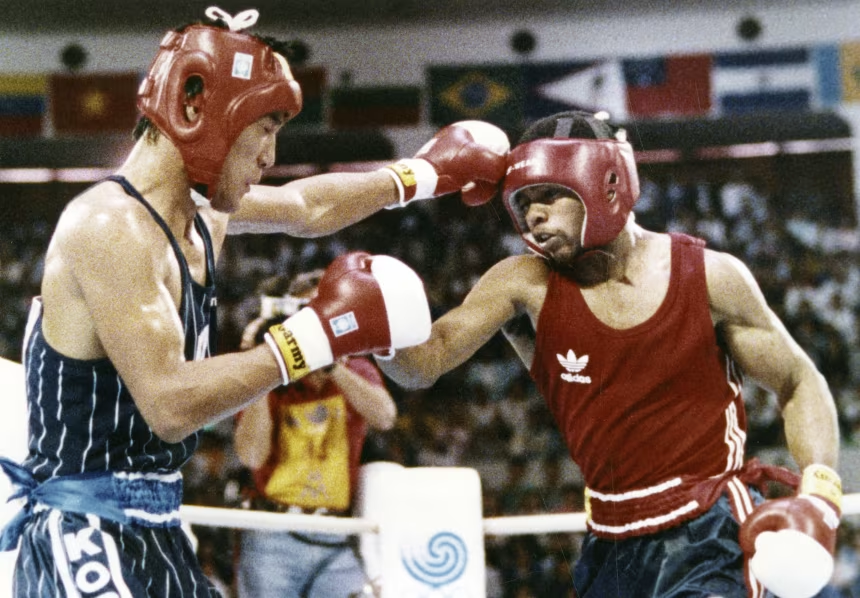
Roy Jones Jr. receives Olympic gold from opponent, more than three decades after controversial decision saw him miss out
Entities mentioned:
- Roy Jones Jr.: Justice, Recognition, Self-respect
- Park Si-hun: Righteousness, Moral outrage, Justice
- International Olympic Committee: Control, Legacy, Professional pride
Article Assessment:
Credibility Score: 85/100
Bias Rating: 50/100 (Center)
Sentiment Score: 65/100
Authoritarianism Risk: 20/100 (Strongly Democratic)
Bias Analysis:
The article presents a balanced view of the event, including perspectives from both athletes involved. It also references the IOC's investigation, providing context without taking sides on the original controversy.
Key metric: International Sporting Integrity
As a social scientist, I analyze that this event highlights the long-term impacts of controversial sporting decisions on athletes' lives and reputations. The gesture by Park Si-hun to return the gold medal to Roy Jones Jr. after 34 years demonstrates the enduring nature of perceived injustices in high-profile competitions. This act of reconciliation not only addresses a historical wrong but also raises questions about the effectiveness of judging systems in international sports and the potential for bias or corruption. The incident underscores the importance of transparency and fairness in global sporting events, which can have significant effects on athletes' careers and national pride. It also shows how informal resolutions can sometimes occur outside official channels when formal processes fail to address contentious issues satisfactorily.
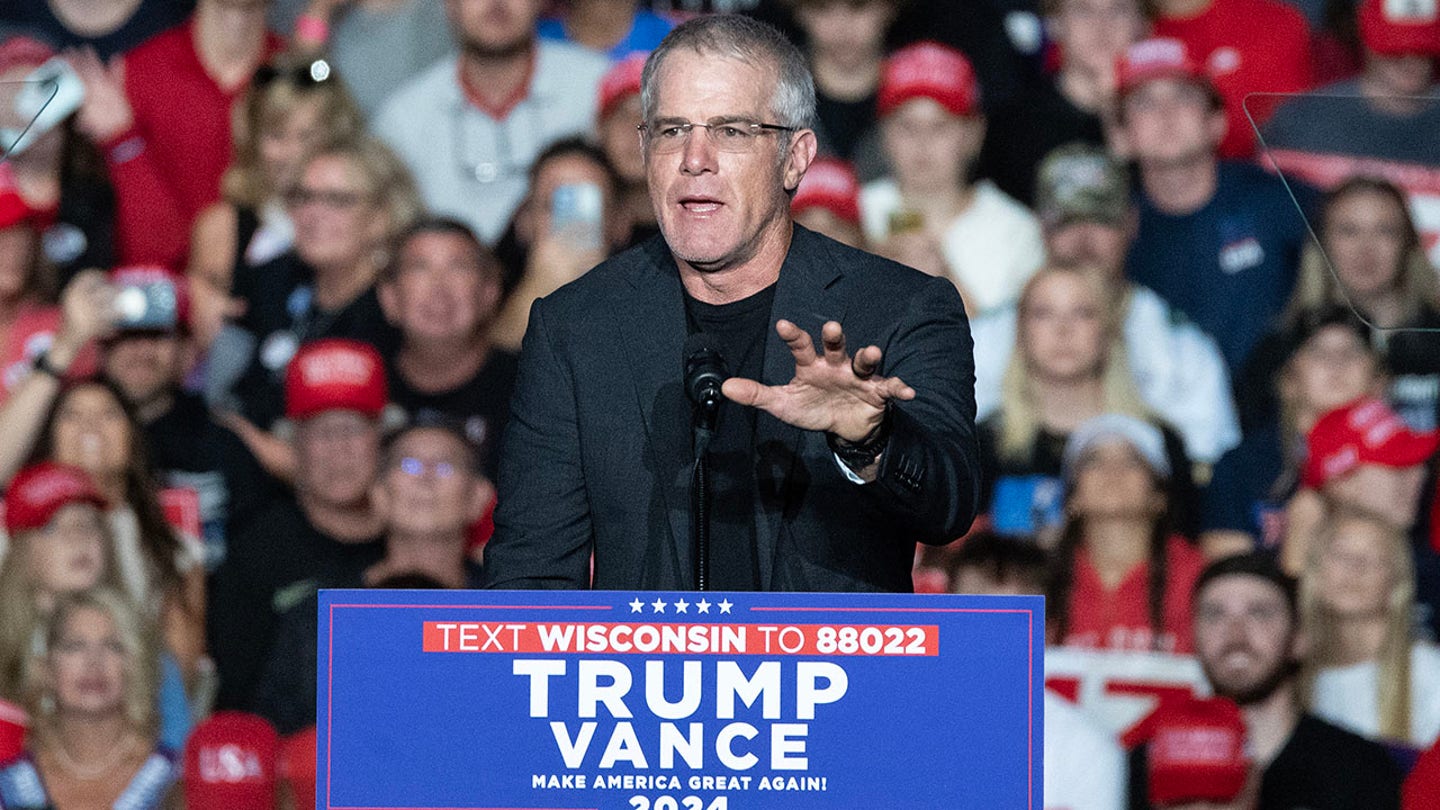
NFL legend Brett Favre talks decision to support Trump, cites trans athletes in girls sports
Entities mentioned:
- Brett Favre: Righteousness, Duty, Moral outrage
- Donald Trump: Power, Influence, Ambition
- Kamala Harris: Ambition, Power, Influence
- Sage Steele: Curiosity, Professional pride
Article Assessment:
Credibility Score: 65/100
Bias Rating: 70/100 (Lean Right)
Sentiment Score: 45/100
Authoritarianism Risk: 55/100 (Mixed/Neutral)
Bias Analysis:
The article leans right, presenting Favre's conservative views without significant counterbalance. While it includes direct quotes, the framing and lack of opposing viewpoints suggest a right-leaning bias.
Key metric: Political Polarization Index
As a social scientist, I analyze that this article highlights the increasing political polarization in the United States, particularly among public figures. Brett Favre's decision to publicly support Trump, despite potential backlash, demonstrates the widening gap between left and right ideologies. His focus on controversial issues like transgender athletes in sports and immigration reflects key conservative talking points. The article suggests a growing trend of celebrities using their platforms for political influence, potentially impacting voter behavior. Favre's comments about the need for conservatives to be more vocal indicate a perceived imbalance in political discourse, which could further exacerbate polarization.
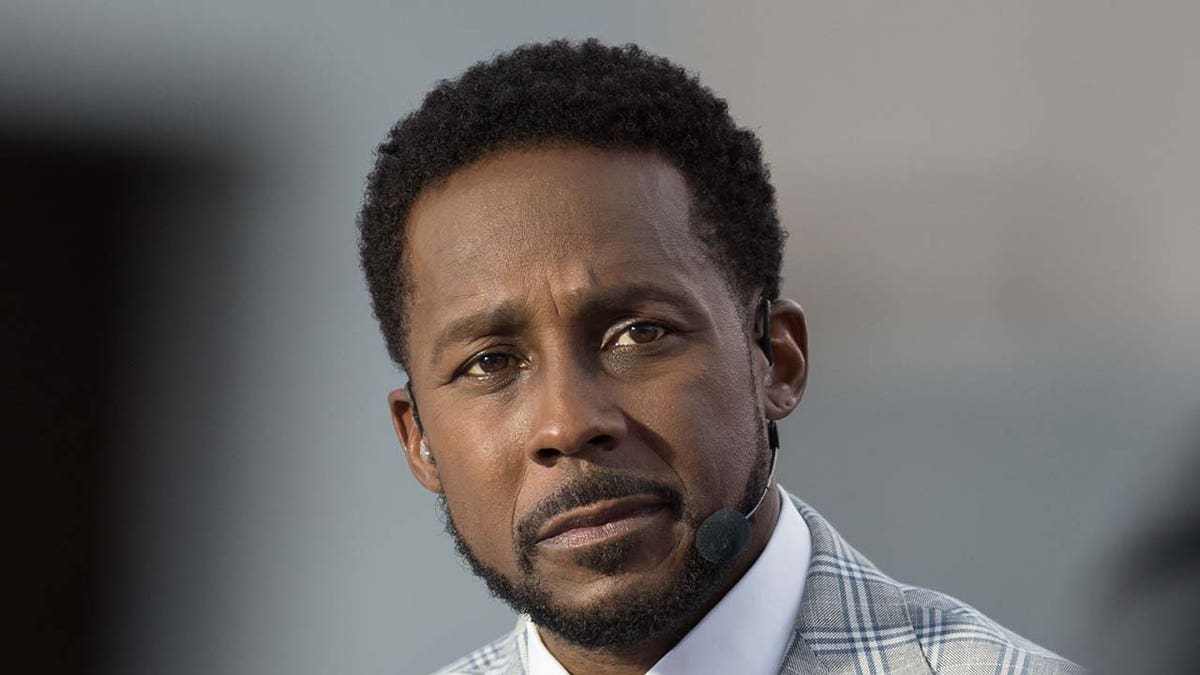
ESPN star Desmond Howard criticizes 'unwarranted' Heisman hype surrounding Texas' Arch Manning
Entities mentioned:
- Desmond Howard: Professional pride, Righteousness, Influence
- Arch Manning: Ambition, Legacy, Pressure
- Manning Family: Legacy, Influence, Pride
- ESPN: Influence, Recognition, Professional pride
- Texas Longhorns: Competitive spirit, Pride, Recognition
- Ohio State: Competitive spirit, Pride, Recognition
Article Assessment:
Credibility Score: 75/100
Bias Rating: 55/100 (Center)
Sentiment Score: 35/100
Authoritarianism Risk: 20/100 (Strongly Democratic)
Bias Analysis:
The article presents multiple perspectives, including critiques and defenses of Manning, suggesting a relatively balanced approach. However, the focus on a single critical voice (Howard) and the mention of Manning's family legacy indicate a slight lean towards questioning the hype.
Key metric: College Football Performance and Media Coverage
As a social scientist, I analyze that this article highlights the intersection of sports performance, media hype, and legacy expectations in college football. Desmond Howard's critique of Arch Manning's Heisman hype underscores the tension between anticipated and actual performance, especially for athletes from renowned families. The article reveals how media narratives can shape public perception and create unrealistic expectations for young athletes. It also demonstrates the complex dynamics between sports analysts, college programs, and high-profile families in the football world. The divergent scout opinions further illustrate the challenges in evaluating young talent and the potential impact of name recognition on athlete assessment.
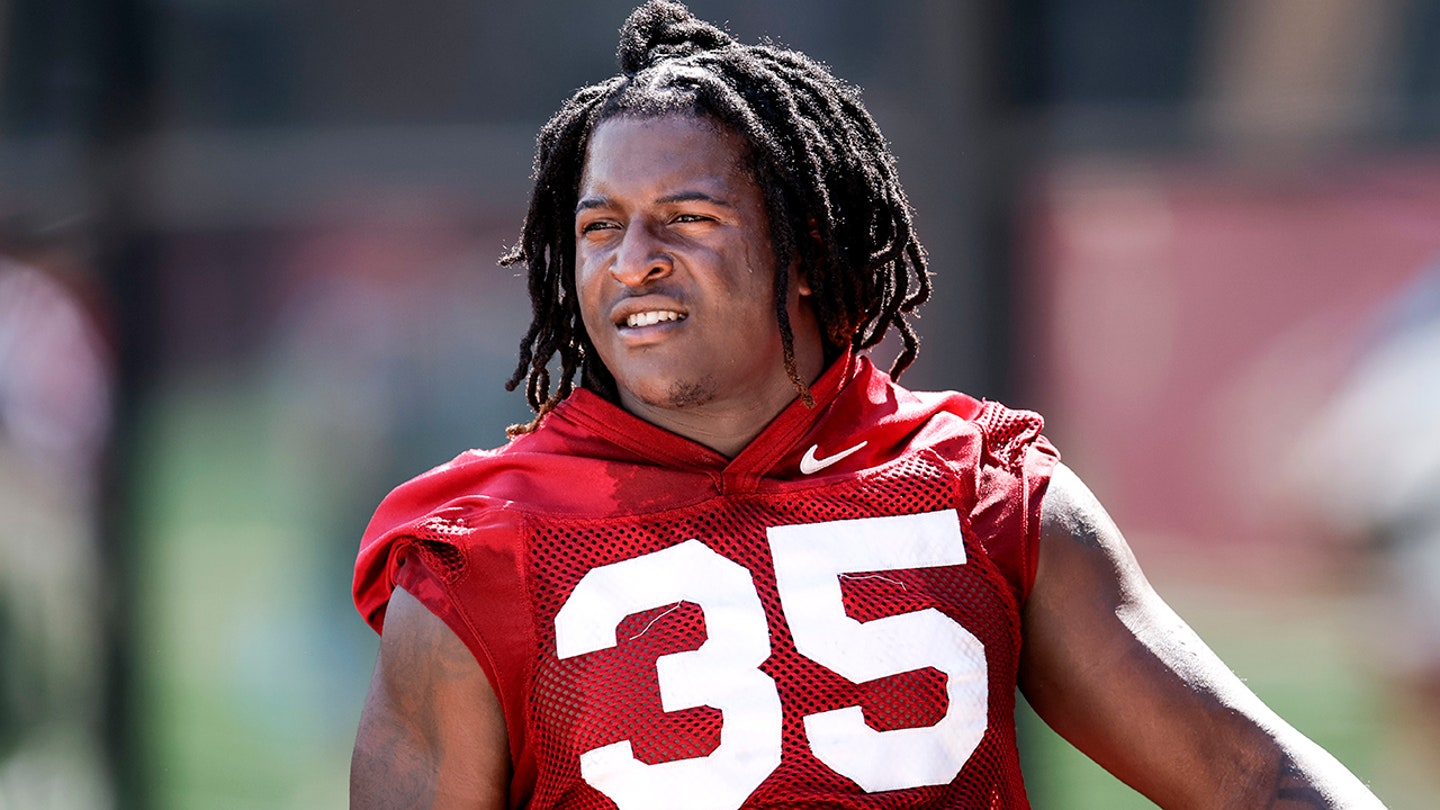
Florida State's Ethan Pritchard shot in head while driving, dad says
Entities mentioned:
- Ethan Pritchard: Self-preservation, Determination, Professional pride
- Earl Pritchard: Concern, Duty, Righteousness
- Florida State University: Competitive spirit, Pride, Recognition
- Tallahassee Police: Duty, Justice, Security
Article Assessment:
Credibility Score: 75/100
Bias Rating: 50/100 (Center)
Sentiment Score: 30/100
Authoritarianism Risk: 20/100 (Strongly Democratic)
Bias Analysis:
The article presents a relatively balanced account of the incident, focusing on factual details from family statements and Pritchard's background. It doesn't appear to lean towards any particular political stance on gun violence or safety issues.
Key metric: Violent Crime Rate
As a social scientist, I analyze that this incident highlights the ongoing issue of gun violence in the United States, particularly affecting young individuals. The shooting of a college athlete, seemingly at random, underscores the unpredictable nature of such violence and its potential impact on communities and institutions. This event may influence public perception of safety in Tallahassee and around college campuses, potentially affecting enrollment decisions and community engagement. The article's focus on Pritchard's athletic achievements alongside the violent incident illustrates the stark contrast between individual potential and the threats posed by gun violence in society.
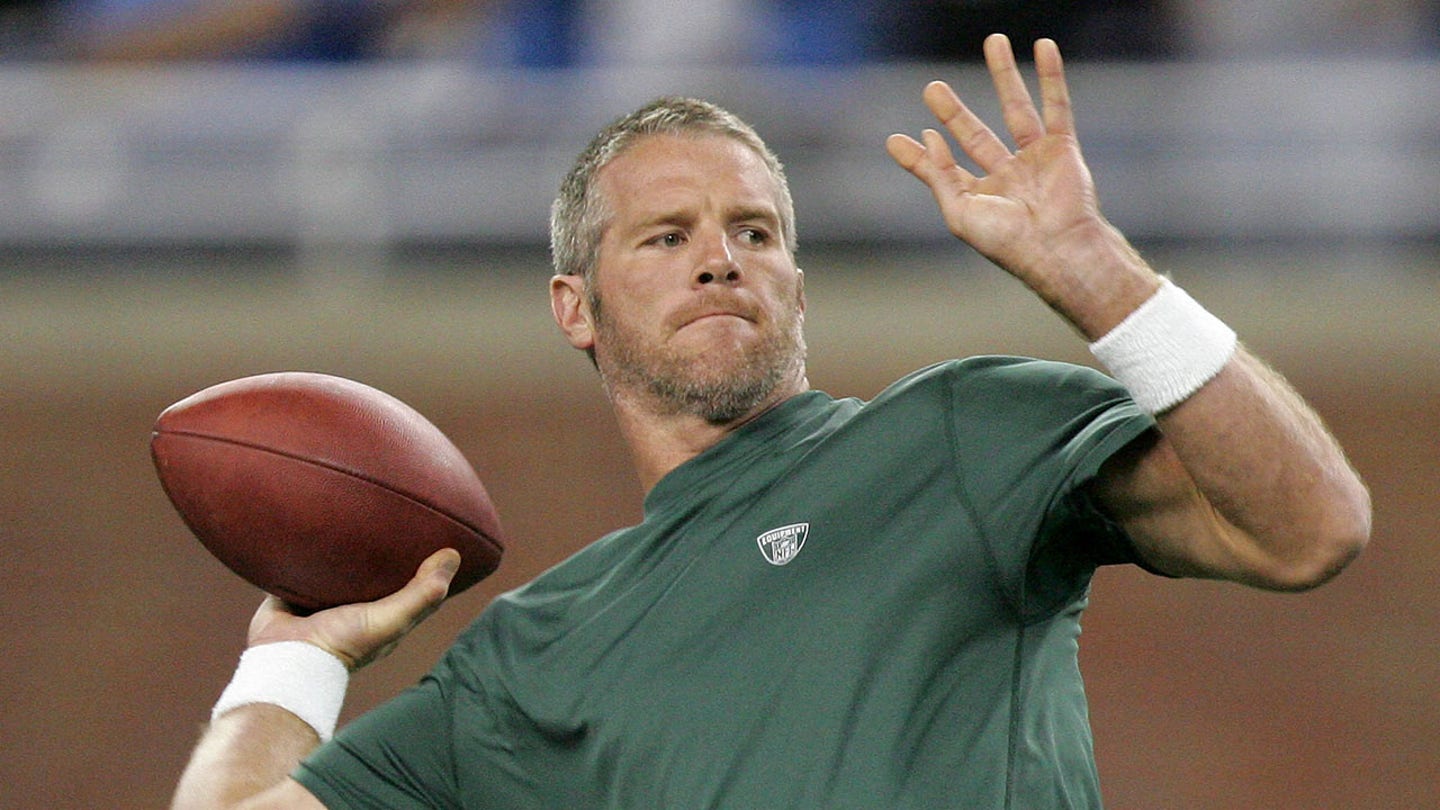
Brett Favre opens up on harrowing battle with Parkinson's disease
Entities mentioned:
- Brett Favre: Self-preservation, Recognition, Anxiety
- Sage Steele: Curiosity, Professional pride
- Parkinson's Foundation: Duty, Righteousness, Unity
Article Assessment:
Credibility Score: 75/100
Bias Rating: 50/100 (Center)
Sentiment Score: 35/100
Authoritarianism Risk: 20/100 (Strongly Democratic)
Bias Analysis:
The article presents a balanced view of Favre's experience with Parkinson's, without political slant. It includes factual information from reputable sources like the Parkinson's Foundation, maintaining a neutral stance.
Key metric: Public Health Awareness
As a social scientist, I analyze that this article significantly impacts public health awareness by highlighting a high-profile case of Parkinson's disease. Brett Favre's openness about his diagnosis and symptoms personalizes the condition for many, potentially leading to increased understanding and empathy. This celebrity disclosure may encourage others to seek early diagnosis or support research efforts. The inclusion of statistics about Parkinson's prevalence underscores the disease's societal impact, which could influence policy discussions and research funding allocation.
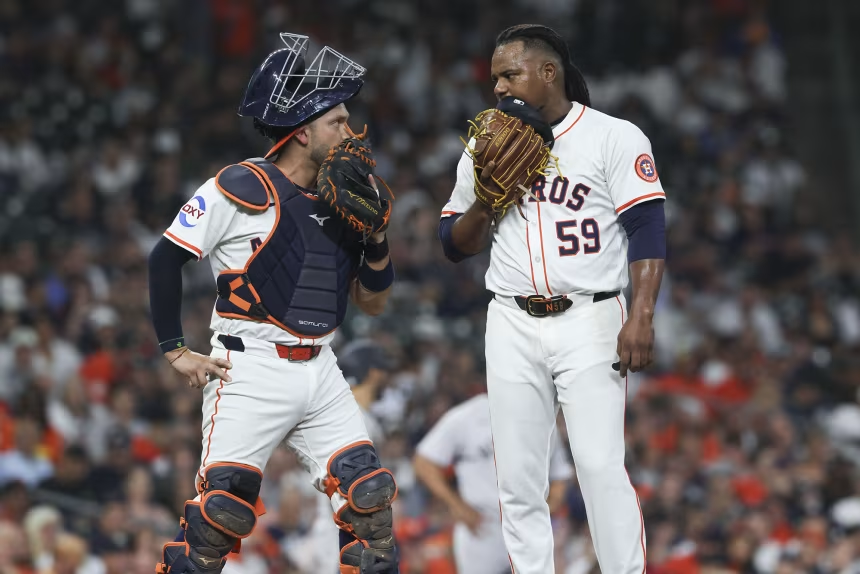
Agent: ‘Preposterous’ that Framber Valdez intentionally hit Houston Astros teammate with pitch
Entities mentioned:
- Framber Valdez: Professional pride, Duty, Self-respect
- César Salazar: Professional pride, Duty, Self-preservation
- Ulises Cabrera: Loyalty, Righteousness, Indignation
- Houston Astros: Competitive spirit, Unity, Professional pride
- New York Yankees: Competitive spirit, Ambition
Article Assessment:
Credibility Score: 75/100
Bias Rating: 50/100 (Center)
Sentiment Score: 40/100
Authoritarianism Risk: 20/100 (Strongly Democratic)
Bias Analysis:
The article presents multiple perspectives, including those of the players involved, the agent, and the incident description. It provides context and background information, maintaining a relatively neutral stance without favoring any particular viewpoint.
Key metric: Team Cohesion and Public Perception of MLB
As a social scientist, I analyze that this incident could potentially impact team cohesion within the Houston Astros and the public perception of MLB. The article focuses on an unusual on-field incident that sparked speculation about intentional harm between teammates. This type of event can strain relationships within a team and affect their performance. Moreover, public discussion of such incidents can influence how fans and the general public view the sport, potentially affecting attendance, viewership, and overall engagement with MLB. The strong denial from Valdez's agent and the explanations provided by both players involved suggest an attempt to mitigate any negative impact on team dynamics and public perception. The incident also highlights the challenges of communication in high-pressure, noisy game situations, which could lead to discussions about improving on-field communication technologies in baseball.
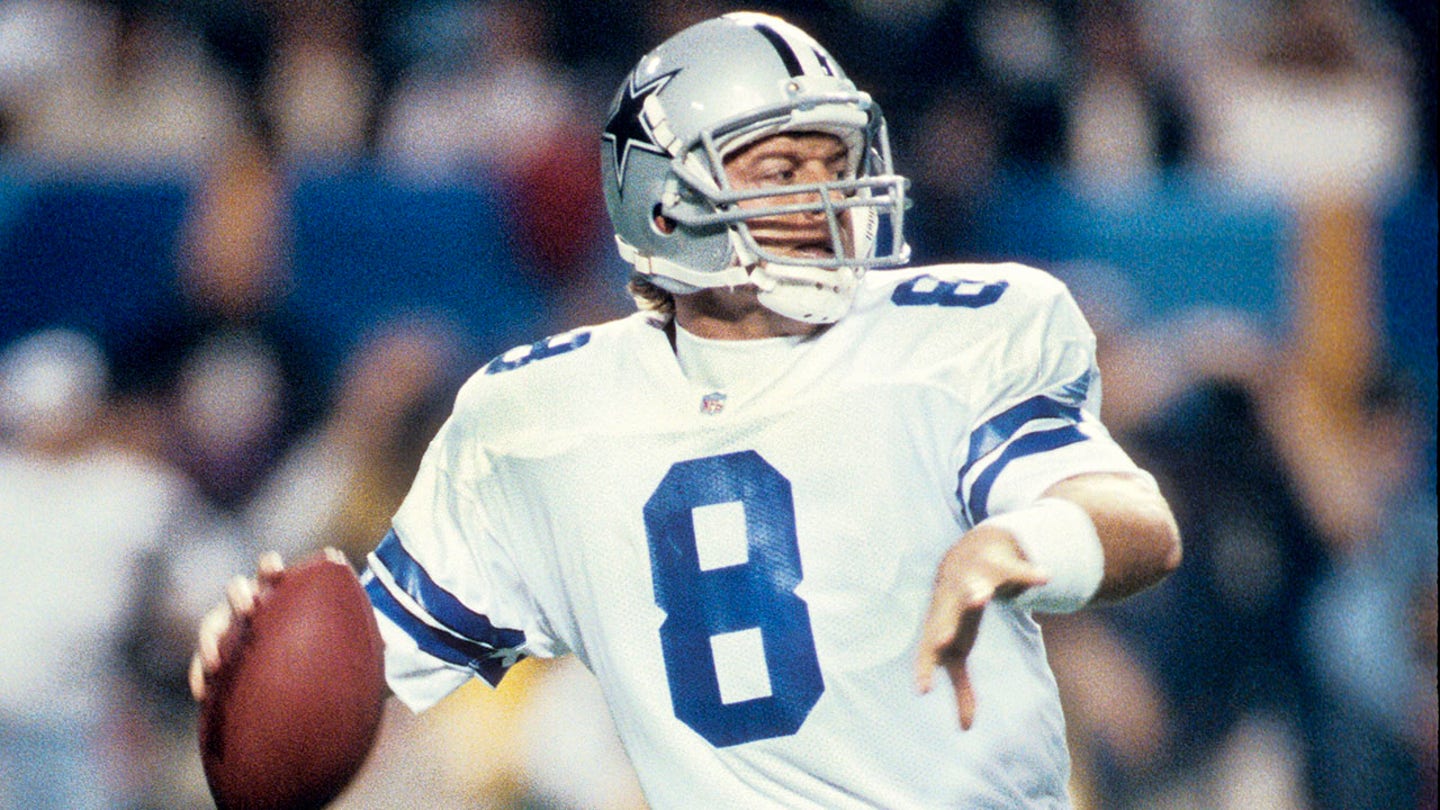
Cowboys great Troy Aikman questions Jerry Jones' priorities after Micah Parsons trade
Entities mentioned:
- Jerry Jones: Power, Recognition, Ambition
- Troy Aikman: Righteousness, Loyalty, Professional pride
- Dallas Cowboys: Competitive spirit, Legacy, Pride
- Micah Parsons: Ambition, Professional pride, Self-preservation
- Green Bay Packers: Competitive spirit, Ambition
Article Assessment:
Credibility Score: 75/100
Bias Rating: 55/100 (Center)
Sentiment Score: 35/100
Authoritarianism Risk: 20/100 (Strongly Democratic)
Bias Analysis:
The article presents multiple perspectives, including quotes from Troy Aikman and references to Jerry Jones' own statements, providing a relatively balanced view. However, there's a slight lean towards criticizing Jones' management style, which nudges it slightly right of center.
Key metric: NFL Team Performance and Fan Engagement
As a social scientist, I analyze that this article highlights the tension between team performance and media attention in professional sports management. Jerry Jones' decision to trade star player Micah Parsons appears to prioritize generating publicity over on-field success, which conflicts with traditional sports management goals. This approach potentially impacts team morale, fan loyalty, and long-term competitive success. The criticism from respected former player Troy Aikman suggests a growing disconnect between ownership and football operations, which could have broader implications for team culture and performance. The article also underscores the challenge of balancing short-term media buzz with long-term strategic planning in modern sports franchises.
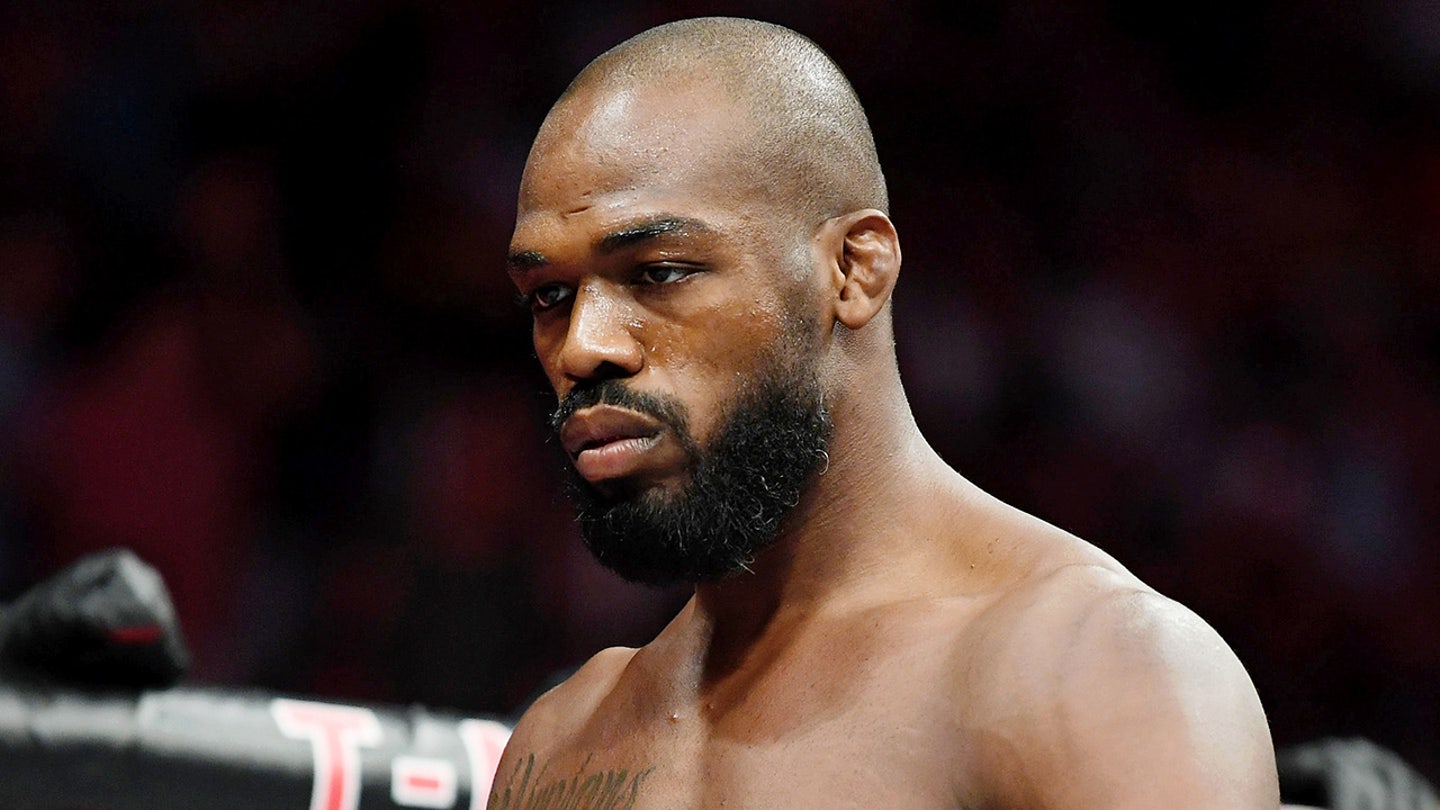
Retired UFC star Jon Jones exonerated after New Mexico prosecutors drop DUI, other charges in traffic case
Entities mentioned:
- Jon Jones: Self-preservation, Justice, Recognition
- Christopher A. Dodd: Professional pride, Justice, Loyalty
- Albuquerque Police Department: Duty, Control, Wariness
- New Mexico District Attorney's Office: Justice, Duty, Righteousness
Article Assessment:
Credibility Score: 75/100
Bias Rating: 55/100 (Center)
Sentiment Score: 65/100
Authoritarianism Risk: 30/100 (Generally Democratic)
Bias Analysis:
The article presents both sides of the story, including quotes from Jones' attorney and details of the initial accusation. However, it leans slightly towards Jones' perspective, giving more space to his attorney's statements and emphasizing his exoneration.
Key metric: Criminal Justice System Effectiveness
As a social scientist, I analyze that this case highlights potential flaws in the initial investigative process of the criminal justice system. The dismissal of charges against a high-profile individual like Jon Jones raises questions about the thoroughness of initial police investigations and the potential for false accusations to lead to unnecessary legal proceedings. This situation underscores the importance of thorough evidence review and the potential consequences of hasty judgments in law enforcement. The case also demonstrates the impact of celebrity status on legal proceedings and public perception, as well as the role of legal representation in challenging potentially flawed accusations.
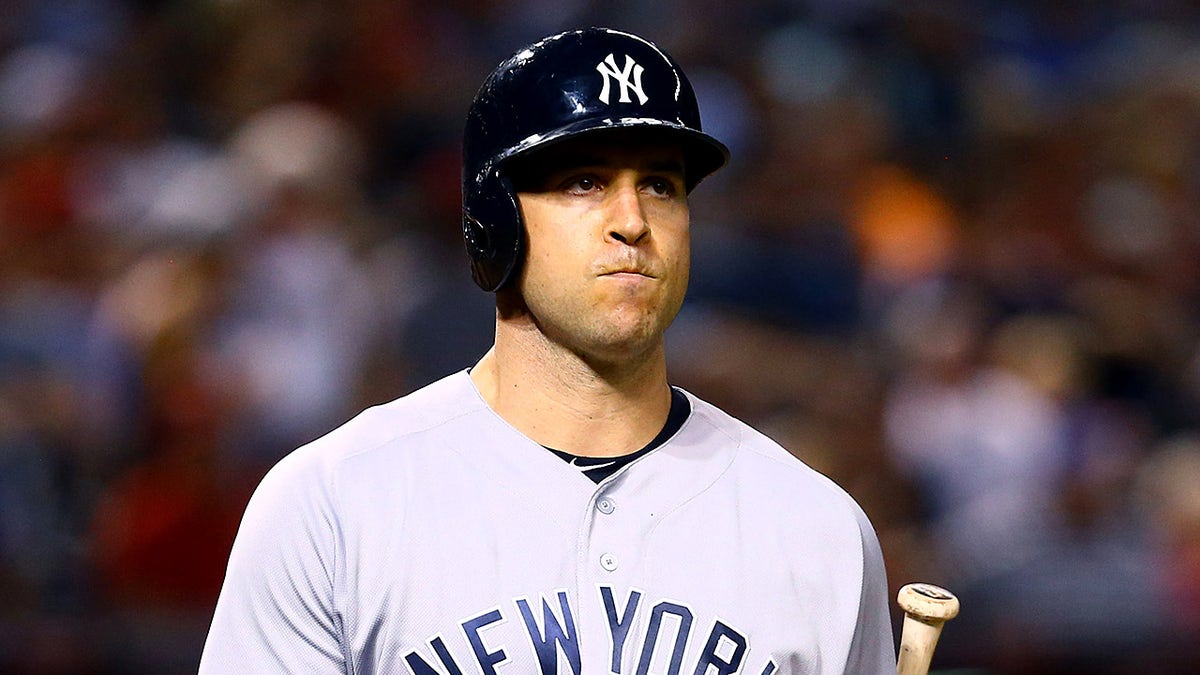
Mark Teixeira discusses political divide, says he can’t talk to people that believe ‘men can get pregnant'
Entities mentioned:
- Mark Teixeira: Righteousness, Duty, Ambition
- Democratic Party: Control, Influence, Unity
- Republican Party: Loyalty, Determination, Freedom
- Dan Dakich: Professional pride, Curiosity, Influence
- Chip Roy: Ambition, Power, Influence
Article Assessment:
Credibility Score: 65/100
Bias Rating: 75/100 (Lean Right)
Sentiment Score: 40/100
Authoritarianism Risk: 35/100 (Generally Democratic)
Bias Analysis:
The article leans right, presenting Teixeira's conservative views without significant counterbalance. It sources from Fox News and OutKick, known for conservative leanings, and frames progressive ideas in a dismissive manner.
Key metric: Political Polarization Index
As a social scientist, I analyze that this article highlights the growing political polarization in the United States, as exemplified by Mark Teixeira's comments. His inability to engage in dialogue with those holding certain progressive views indicates a breakdown in communication between ideological groups. This polarization is likely to impact political discourse, policy-making, and social cohesion. Teixeira's transition from sports to politics represents a trend of non-traditional candidates entering the political arena, often appealing to populist sentiments. His emphasis on 'America First' and traditional values suggests a conservative platform that may resonate with his target constituency but could further entrench existing divides.
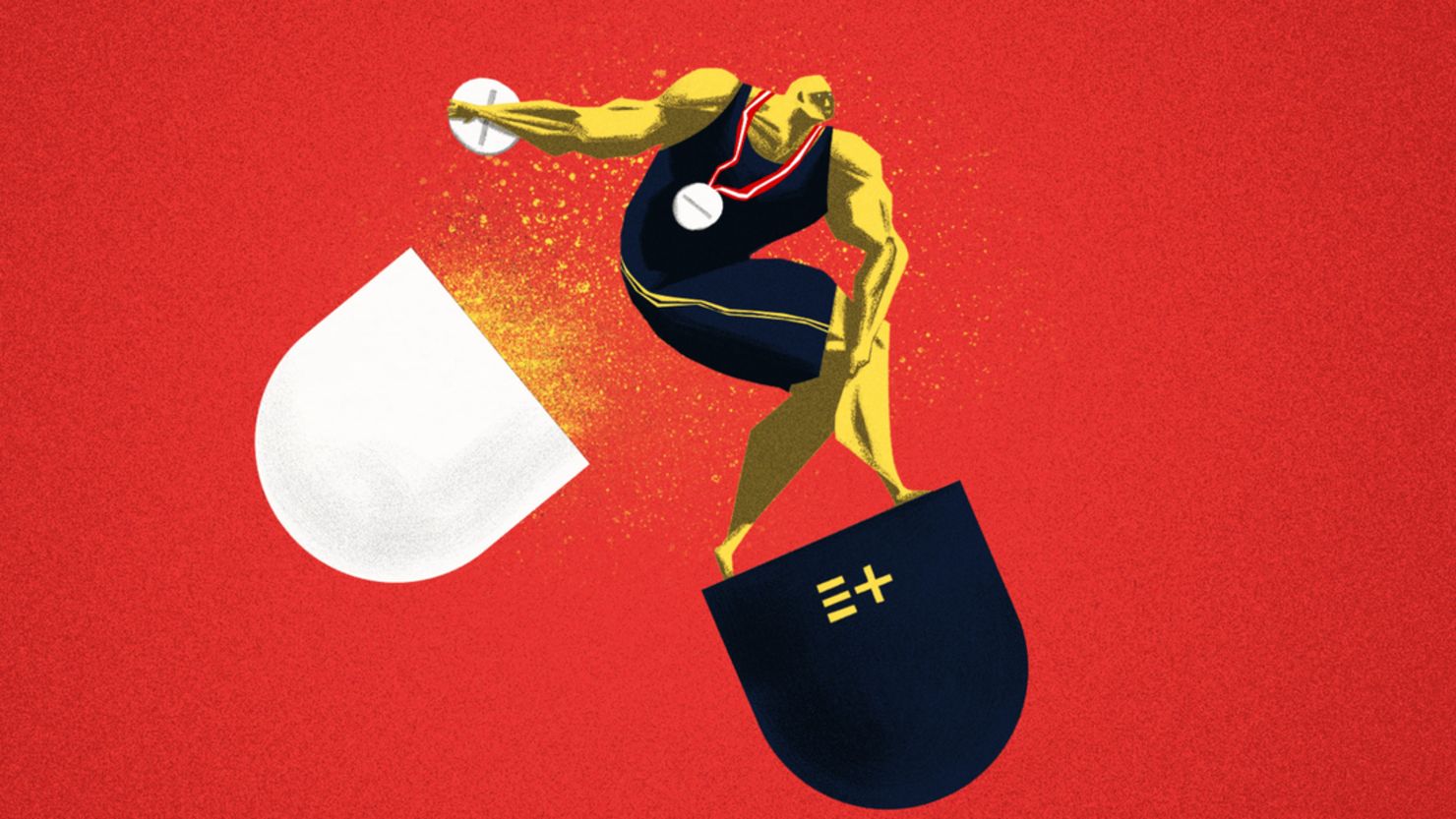
A doping free-for-all Enhanced Games calls itself the answer to doping in sports. Opponents say it poses a danger to health
Entities mentioned:
- Enhanced Games: Ambition, Competitive spirit, Influence
- International Olympic Committee (IOC): Control, Legacy, Professional pride
- World Anti-Doping Agency (WADA): Justice, Duty, Righteousness
- Aron D'Souza: Ambition, Recognition, Influence
- Travis Tygart (USADA): Justice, Moral outrage, Professional pride
- Dr. Grigory Rodchenkov: Justice, Moral outrage, Duty
Article Assessment:
Credibility Score: 75/100
Bias Rating: 45/100 (Center)
Sentiment Score: 35/100
Authoritarianism Risk: 25/100 (Generally Democratic)
Bias Analysis:
The article presents multiple viewpoints, including those of the Enhanced Games proponents and various anti-doping authorities. While it gives more space to critics of the Enhanced Games, it does attempt to present the founder's perspective, maintaining a relatively balanced approach.
Key metric: Public Health and Safety
As a social scientist, I analyze that the proposed Enhanced Games represents a significant shift in the approach to competitive sports, challenging established norms around doping and athlete health. This concept poses serious ethical and health concerns, potentially normalizing dangerous drug use in athletics. The stark contrast between the Enhanced Games' permissive stance on performance-enhancing drugs and the strict anti-doping policies of traditional sporting bodies like the IOC and WADA highlights a growing tension in the world of competitive sports. The potential health risks to athletes and the legal challenges faced by such an event suggest that it could have far-reaching negative implications for public health and safety, particularly among young athletes who may be influenced by this approach. The debate surrounding the Enhanced Games also reflects broader societal questions about the limits of human performance and the role of technology and science in sports.