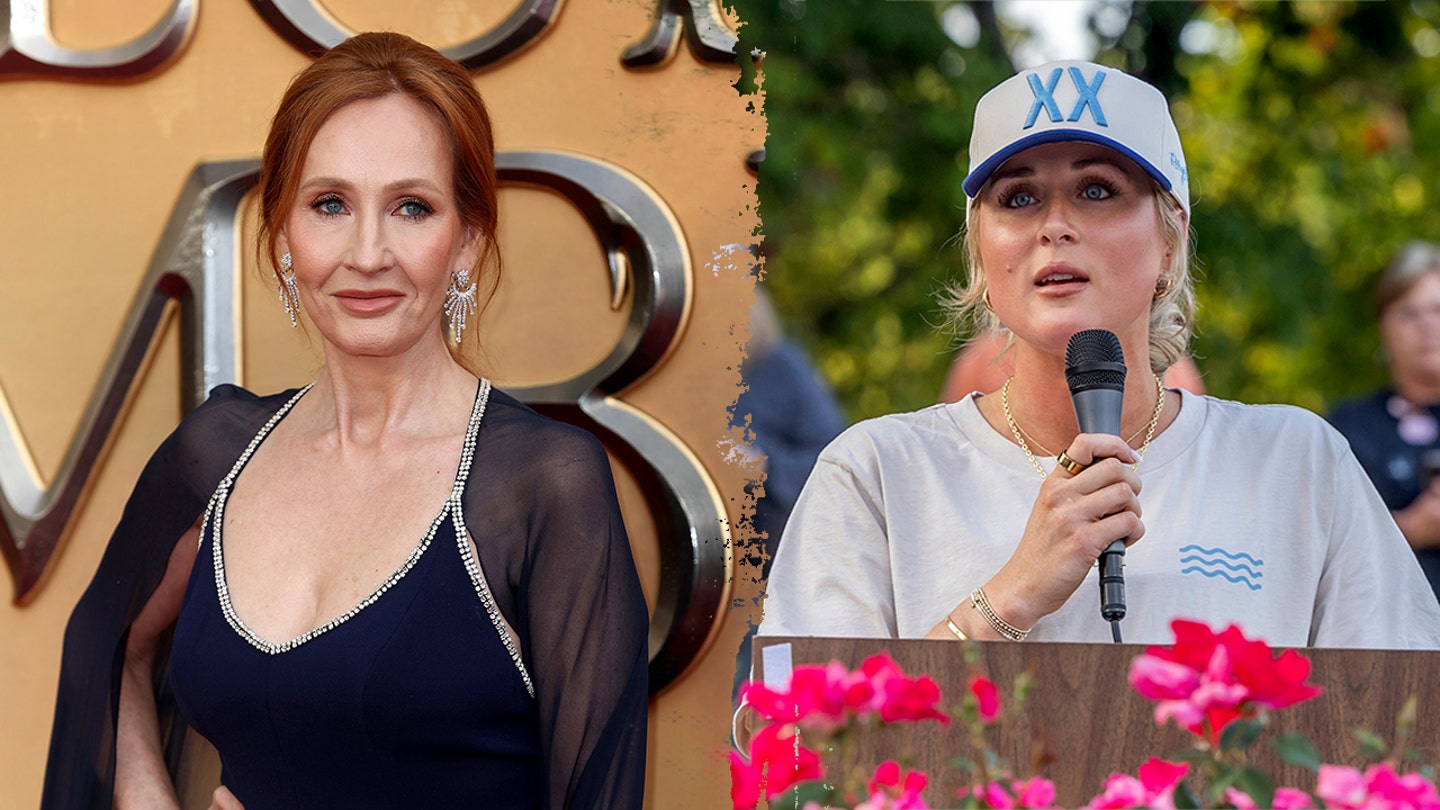
JK Rowling sides with Riley Gaines after AOC's attack over trans athlete issue
Entities mentioned:
- JK Rowling: Righteousness, Determination, Justice
- Riley Gaines: Competitive spirit, Justice, Determination
- Alexandria Ocasio-Cortez: Moral outrage, Influence, Recognition
- Lia Thomas: Competitive spirit, Recognition, Self-respect
Article Assessment:
Credibility Score: 65/100
Bias Rating: 70/100 (Lean Right)
Sentiment Score: 35/100
Authoritarianism Risk: 30/100 (Generally Democratic)
Bias Analysis:
The article leans right, presenting Gaines and Rowling's perspective more favorably. It frames AOC's comments negatively and gives more space to conservative viewpoints.
Key metric: Gender Equality in Sports
Let me tell you something - this is a CHAMPIONSHIP CALIBER MATCHUP folks! We've got heavyweight contenders duking it out in the political arena, and the stakes couldn't be higher! JK Rowling, a veteran player known for her clutch performances, is stepping up to the plate for Riley Gaines. Gaines, a rising star in the conservative lineup, has been taking heat from AOC, but she's not backing down! This is a fourth-quarter battle that could change the game for women's sports! AOC tried to knock Gaines off her game with a low blow about her swimming stats, but Rowling's coming in with a SLAM DUNK defense! It's teammate loyalty at its finest, folks! This isn't just about one race - it's about the whole championship of women's rights in sports! Gaines and Rowling are showing true team spirit, refusing to let the opposition run the clock out on this crucial issue. It's going to take a champion's mentality to come out on top in this high-stakes match!
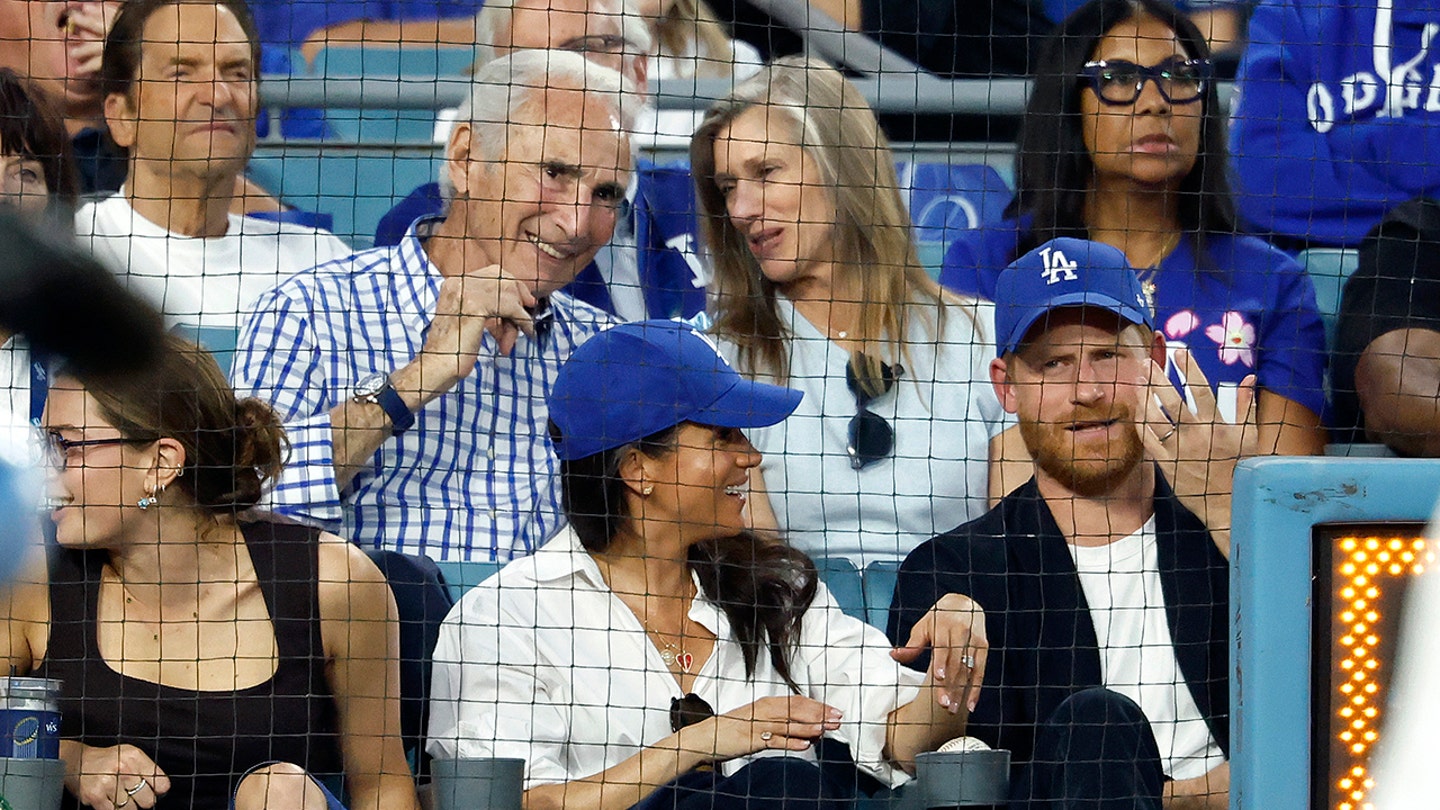
MLB broadcaster incredulous Dodgers legend Sandy Koufax sat behind Prince Harry, Meghan Markle at World Series
Entities mentioned:
- Sandy Koufax: Recognition, Legacy, Professional pride
- Howie Rose: Indignation, Righteousness, Loyalty
- Prince Harry and Meghan Markle: Recognition, Influence, Ambition
- Los Angeles Dodgers: Competitive spirit, Legacy, Pride
- Toronto Blue Jays: Competitive spirit, Ambition, Determination
Article Assessment:
Credibility Score: 75/100
Bias Rating: 55/100 (Center)
Sentiment Score: 40/100
Authoritarianism Risk: 20/100 (Strongly Democratic)
Bias Analysis:
The article presents multiple perspectives, including criticism of the seating arrangement and factual information about the game. It leans slightly towards favoring baseball tradition over celebrity status.
Key metric: MLB Fan Engagement
Let me tell you something, folks - this seating arrangement is a FOUL BALL! We've got a Hall of Fame LEGEND like Sandy Koufax warming the bench behind some royal pinch hitters? This is RIDICULOUS! Koufax was the ace of aces, the sultan of the mound, and now he's relegated to the cheap seats? I'm telling you right now, this is like benching your star quarterback in the Super Bowl! The Dodgers need to step up to the plate and show some respect for their own MVP. Meanwhile, the Blue Jays are circling like hawks, ready to swoop in for the championship kill. It's the bottom of the ninth for LA, and they better hope Yamamoto can throw some heat to keep their World Series dreams alive!
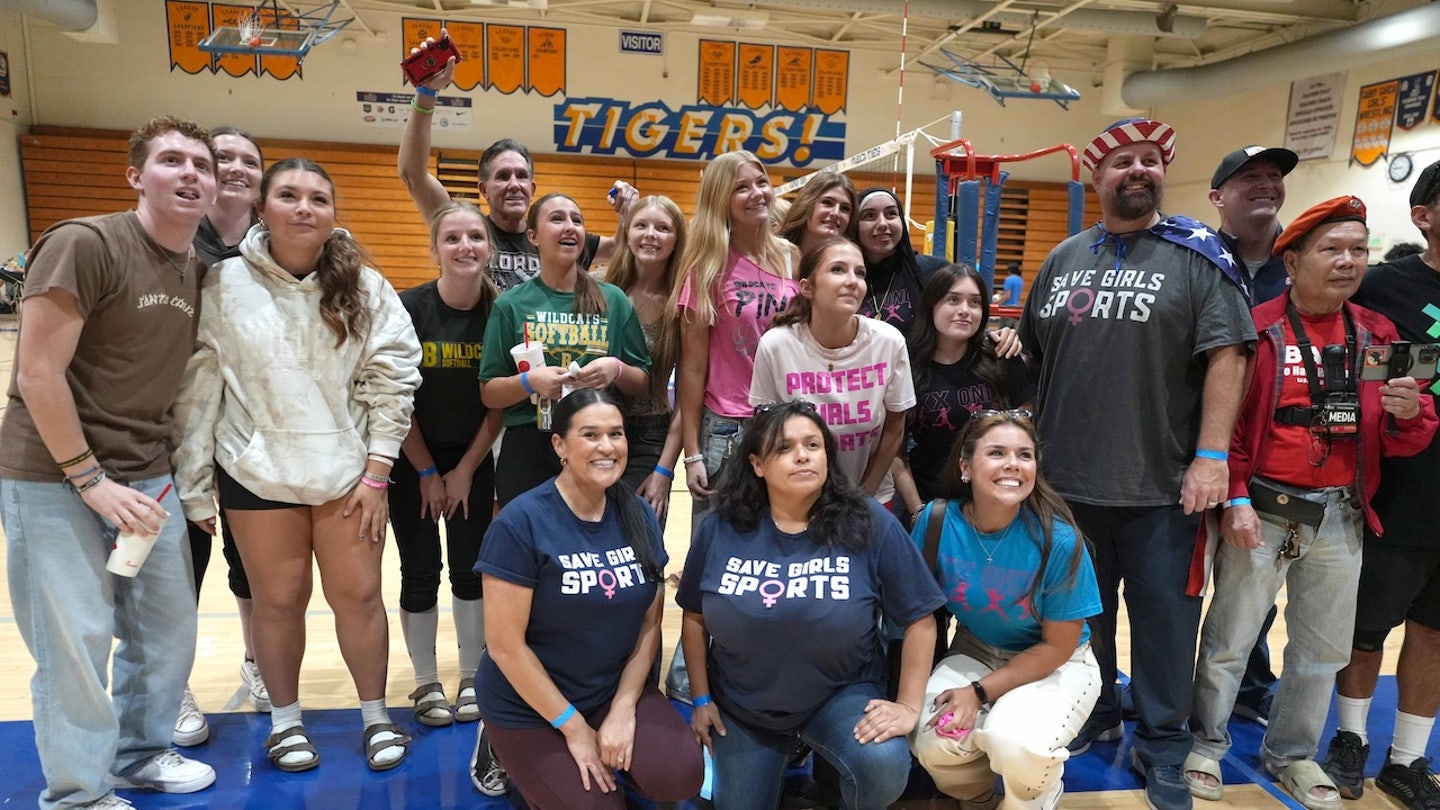
California girls' volleyball players speak out on refusing to play in playoff game against trans athlete
Entities mentioned:
- Valencia High School Volleyball Players: Righteousness, Moral outrage, Professional pride
- AB Hernandez: Competitive spirit, Determination, Self-respect
- California Interscholastic Federation (CIF): Control, Unity, Obligation
- President Donald Trump: Power, Control, Righteousness
- Governor Gavin Newsom: Influence, Loyalty, Unity
Article Assessment:
Credibility Score: 70/100
Bias Rating: 55/100 (Center)
Sentiment Score: 30/100
Authoritarianism Risk: 40/100 (Generally Democratic)
Bias Analysis:
The article presents multiple viewpoints, but gives more space to those opposing trans athletes. It includes official actions and statements, balancing personal stories with broader context.
Key metric: Gender Equality in Sports
Let me tell you something, folks - this volleyball showdown is turning into the ULTIMATE CHAMPIONSHIP MATCH of ideologies! We've got Team Tradition squaring off against Team Inclusion in a high-stakes game where the rules are changing faster than a quarterback's audible! The Valencia players are making a BOLD DEFENSIVE MOVE by sitting out, while Hernandez is going for the FULL COURT PRESS on gender barriers. The CIF is playing both sides of the net, trying to keep everyone in the game, but they're getting SPIKED by federal pressure! Trump's throwing Hail Mary passes from the sidelines, while Newsom's running interference. I'm telling you right now, this is a FOURTH QUARTER BATTLE that's going into overtime, and the future of women's sports hangs in the balance! Who will come out on top in this clash of titans? Stay tuned, sports fans, because this game is far from over!
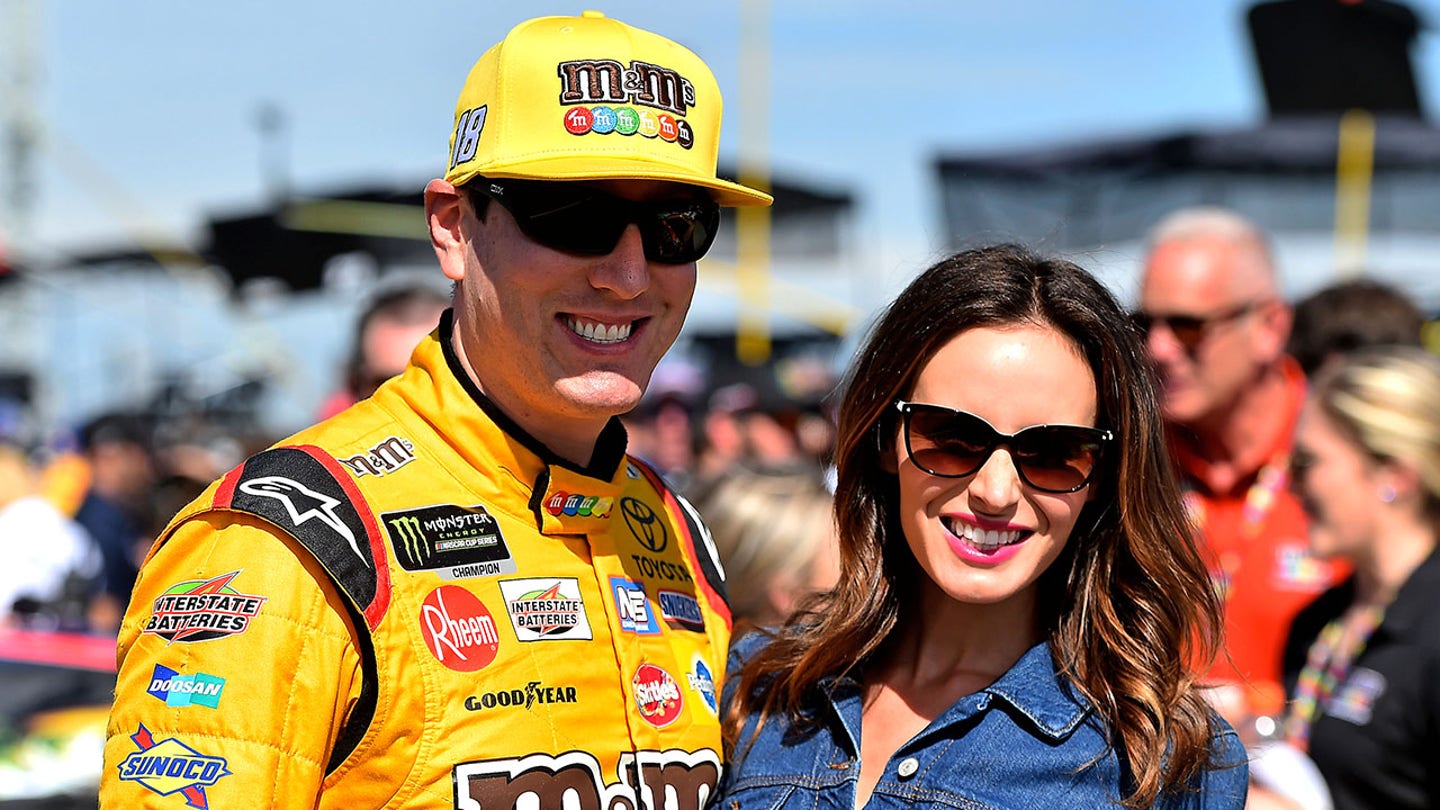
NASCAR champion Kyle Busch and wife allege they lost $8.5 million in insurance scheme
Entities mentioned:
- Kyle Busch: Justice, Self-preservation, Professional pride
- Samantha Busch: Justice, Moral outrage, Security
- Pacific Life: Self-preservation, Greed, Control
- Robert G. Rikard: Justice, Righteousness, Professional pride
Article Assessment:
Credibility Score: 75/100
Bias Rating: 45/100 (Center)
Sentiment Score: 30/100
Authoritarianism Risk: 20/100 (Strongly Democratic)
Bias Analysis:
The article presents both sides, including statements from the Busches and Pacific Life. It maintains a neutral tone while explaining the complex financial products involved.
Key metric: Consumer Financial Protection
Let me tell you something, folks - this is a MAJOR LEAGUE financial fumble! NASCAR champion Kyle Busch and his wife Samantha have been blindsided by what they're calling an $8.5 million insurance scheme. This is like watching a lead car spin out on the final lap! The Busch team thought they were cruising to a comfortable retirement victory, but instead, they've hit the wall HARD with these complex life insurance policies. Now they're in the pit stop of legal action, trying to get back on track. But make no mistake, this isn't just about the superstars of the racing world - this could happen to any player in the game of life! We're talking about a potential game-changer for how financial products are sold to the average Joe. The Busches are stepping up to the plate, using their star power to shine a spotlight on this issue. It's fourth quarter action, and they're determined to cross the finish line with a win for consumer protection. This is the kind of championship mentality that could change the rulebook for the whole financial industry!
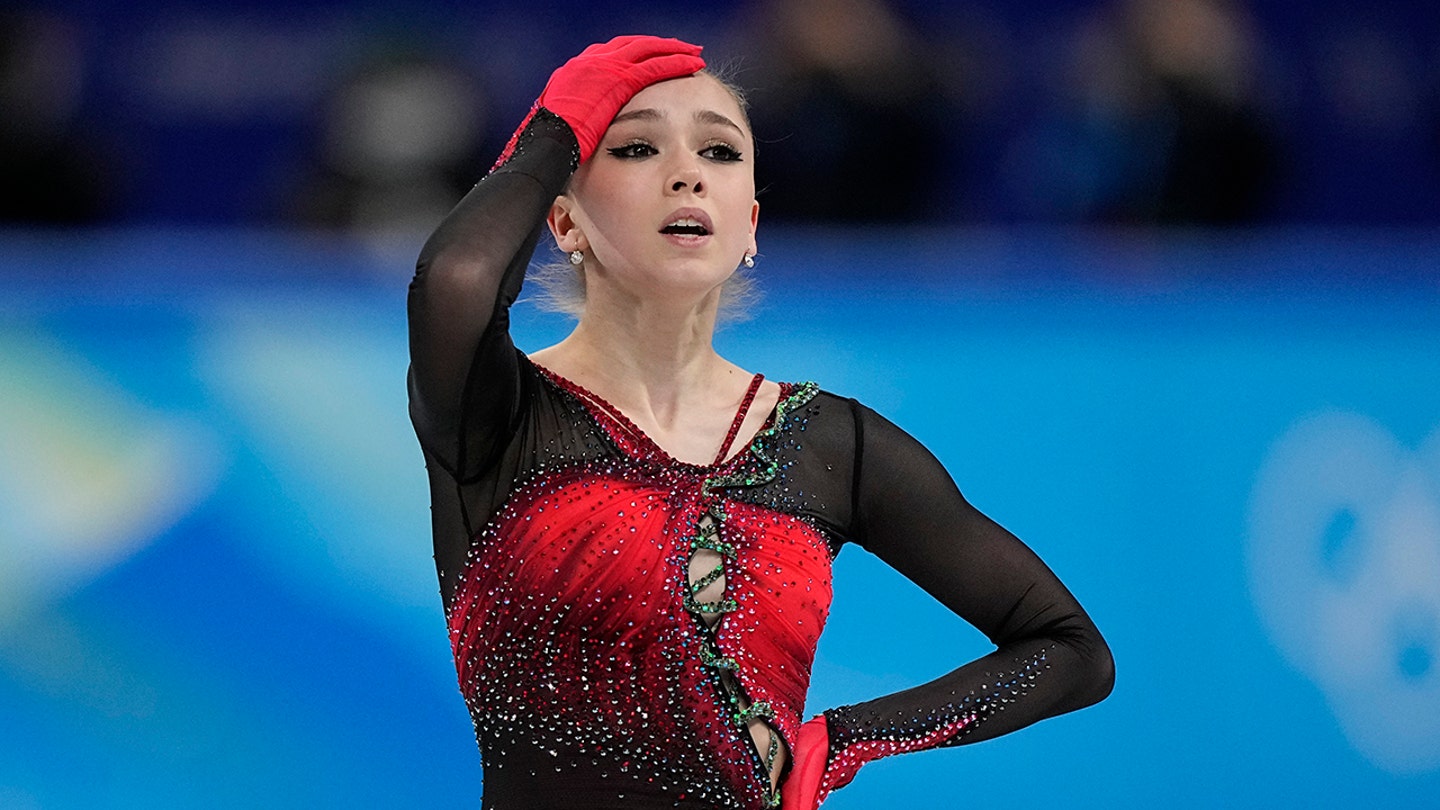
US Olympians Madison Chock and Evan Bates send message to Russian opponent who cheated to steal gold in 2022
Entities mentioned:
- Madison Chock and Evan Bates: Competitive spirit, Justice, Professional pride
- Kamila Valieva: Ambition, Fear, Self-preservation
- Court of Arbitration for Sport: Justice, Duty, Righteousness
- U.S. Olympic & Paralympic Committee: Loyalty, Unity, Recognition
Article Assessment:
Credibility Score: 85/100
Bias Rating: 40/100 (Lean Left)
Sentiment Score: 65/100
Authoritarianism Risk: 20/100 (Strongly Democratic)
Bias Analysis:
The article leans slightly left, sympathizing with the US athletes while portraying the Russian athlete as a victim of circumstance. It provides balanced quotes and factual information, but the framing favors the US perspective.
Key metric: Olympic Medal Count
Let me tell you something - this story is RIDICULOUS! We've got a real David vs Goliath situation here, folks! Chock and Bates, the underdogs, have been playing the long game, showing true championship mentality as they waited for justice to be served. They've gone from silver to gold without even stepping on the ice! Talk about a comeback for the ages! The Russian team? Caught doping red-handed - a rookie mistake that's cost them big time. The Court of Arbitration for Sport came in like a tough referee, laying down the law and changing the scoreboard. This is a game-changer for Team USA, boosting their medal count and proving that clean athletes can still come out on top. Chock and Bates have shown true sportsmanship, taking the high road instead of trash-talking their opponent. That's the kind of class act that makes champions, folks!
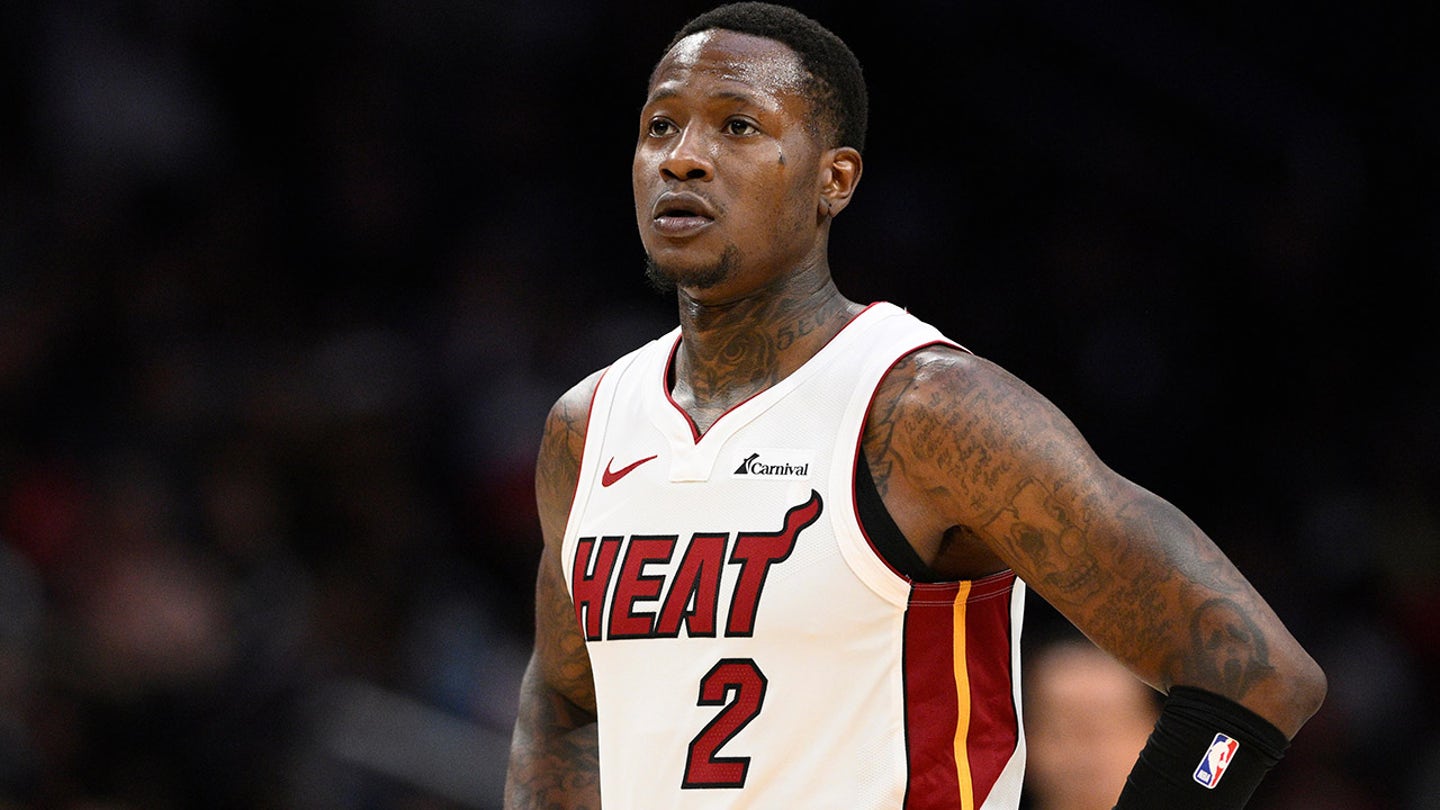
NBA gambling scandal shows legal sports betting market works, Fanatics Betting & Gaming CEO argues
Entities mentioned:
- NBA: Professional pride, Integrity, Control
- Terry Rozier: Greed, Self-preservation, Fear
- Jontay Porter: Greed, Self-preservation, Fear
- Matt King: Professional pride, Righteousness, Competitive spirit
- Fanatics Betting & Gaming: Competitive spirit, Professional pride, Control
- FBI: Justice, Duty, Control
Article Assessment:
Credibility Score: 75/100
Bias Rating: 45/100 (Center)
Sentiment Score: 65/100
Authoritarianism Risk: 25/100 (Generally Democratic)
Bias Analysis:
The article presents a balanced view, including perspectives from industry insiders and acknowledging potential risks. While it leans slightly positive towards legal sports betting, it also presents critical viewpoints and concerns.
Key metric: Sports Betting Integrity Index
Let me tell you something - this story is a GAME-CHANGER in the world of sports betting! We're seeing a full-court press from the legal betting market, folks, and they're not just playing defense anymore. Matt King and his team at Fanatics are stepping up to the plate, showing us that the system isn't just a spectator - it's got skin in the game! They've got their eye on the ball, flagging suspicious activity faster than a referee can blow the whistle. This is a championship mentality, people! The FBI investigation? That's the ultimate power play, bringing the full force of the law into the arena. Sure, we've got some bad actors trying to rig the game, but the legal betting market is proving it's got the defensive skills to shut them down. It's like watching a well-oiled machine of a team, with everyone from the leagues to the regulators playing their positions perfectly. This isn't just a win for the industry - it's a grand slam for integrity in sports!
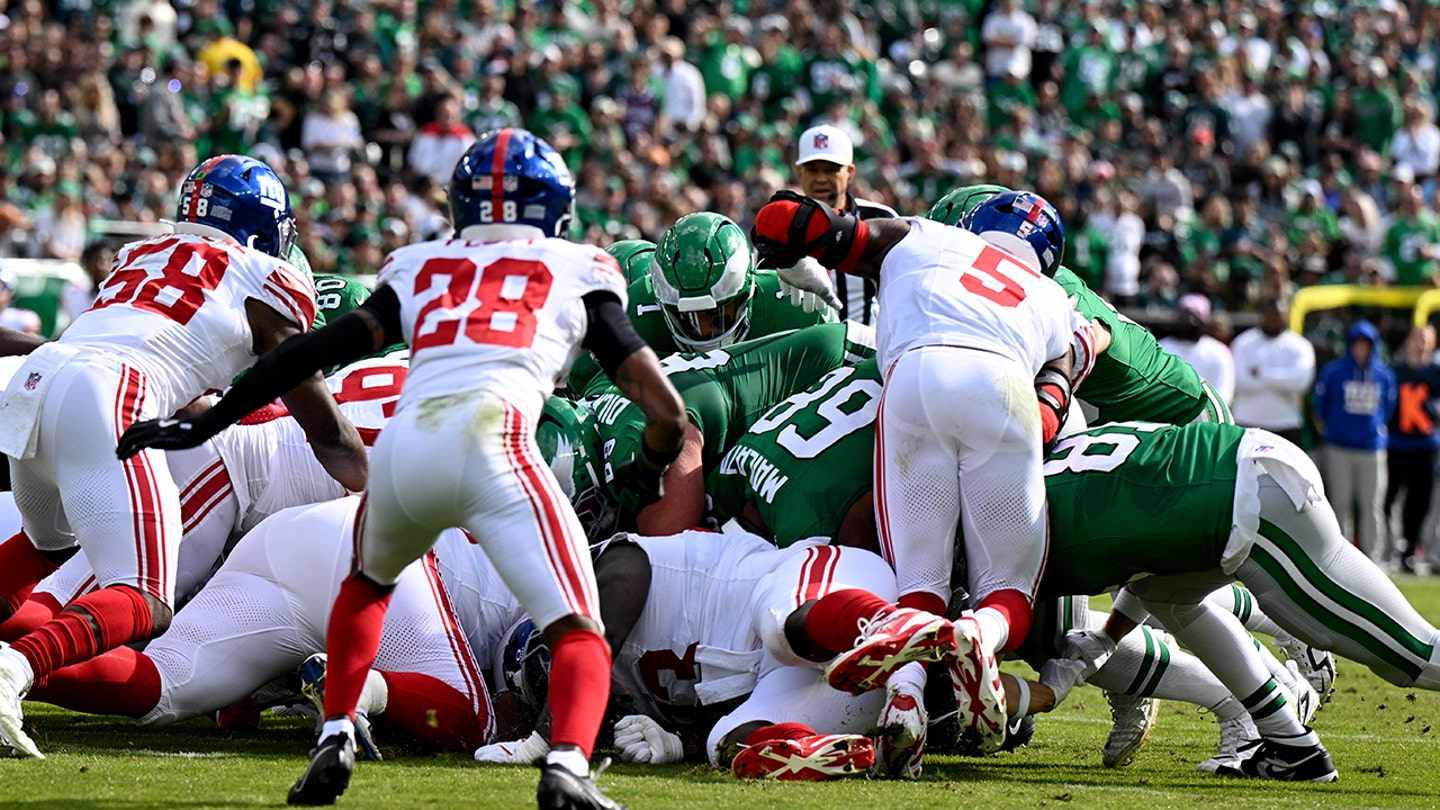
Eagles great Jason Kelce says the difficulty of officiating the tush push would 'be a reason to ban it'
Entities mentioned:
- Philadelphia Eagles: Competitive spirit, Pride, Ambition
- Jason Kelce: Professional pride, Righteousness, Loyalty
- NFL Referees: Duty, Obligation, Anxiety
- New York Giants: Competitive spirit, Indignation, Determination
Article Assessment:
Credibility Score: 75/100
Bias Rating: 55/100 (Center)
Sentiment Score: 45/100
Authoritarianism Risk: 25/100 (Generally Democratic)
Bias Analysis:
The article presents multiple perspectives, including criticism of the Eagles' play and the referees. It balances opinions from both teams and former players, maintaining a relatively neutral stance.
Key metric: NFL Rule Enforcement Consistency
Let me tell you something - this story is RIDICULOUS! The Eagles' tush push play is causing more drama than a last-second Hail Mary! We've got a real battle brewing here between offensive innovation and the refs' ability to call the game. The Eagles are running this play like a well-oiled machine, but the officiating crew is fumbling the ball! It's fourth and inches in the rule book, and the league needs to step up to the plate and make a decision. Are they going to let this play stand or throw a flag on the whole concept? I'm telling you right now, this controversy has more twists and turns than a running back breaking tackles! The Eagles are playing chess while everyone else is playing checkers, but if the refs can't keep up, we might see this strategic play sacked for good!
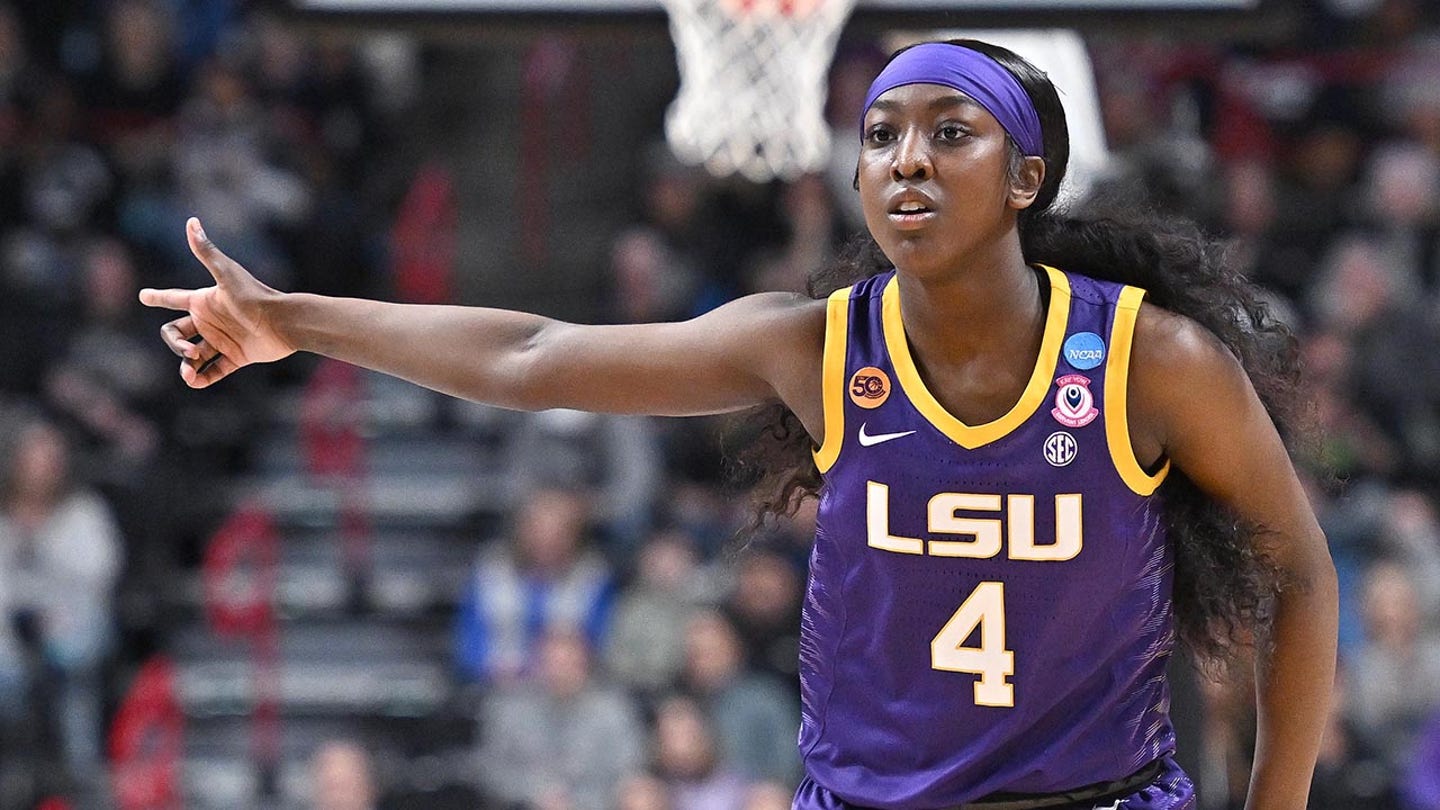
LSU women's basketball star questions governor's push for school to erect statue of Charlie Kirk
Entities mentioned:
- Flau'jae Johnson: Justice, Self-respect, Moral outrage
- Gov. Jeff Landry: Influence, Recognition, Righteousness
- Charlie Kirk: Legacy, Influence, Righteousness
- LSU: Unity, Recognition, Freedom
Article Assessment:
Credibility Score: 70/100
Bias Rating: 55/100 (Center)
Sentiment Score: 30/100
Authoritarianism Risk: 45/100 (Mixed/Neutral)
Bias Analysis:
The article presents both sides of the debate, quoting directly from key players. However, it leans slightly right by giving more context to Kirk's background and conservative event attendance.
Key metric: Campus Free Speech Index
Let me tell you something, folks - this is a HEATED MATCHUP between Team Free Speech and Team Social Justice! We've got a real CLASH OF TITANS here, with Gov. Landry making a bold offensive play by proposing a Charlie Kirk statue. But hold onto your hats, because LSU star Flau'jae Johnson is coming in hot with a DEFENSIVE SHUTDOWN! She's not just guarding the paint, she's guarding the entire campus against what she sees as a FOUL MOVE. This is a fourth-quarter nail-biter that could go into overtime, with the Campus Free Speech Index hanging in the balance. It's like we're watching a high-stakes game of political basketball, and both sides are leaving it ALL on the court!
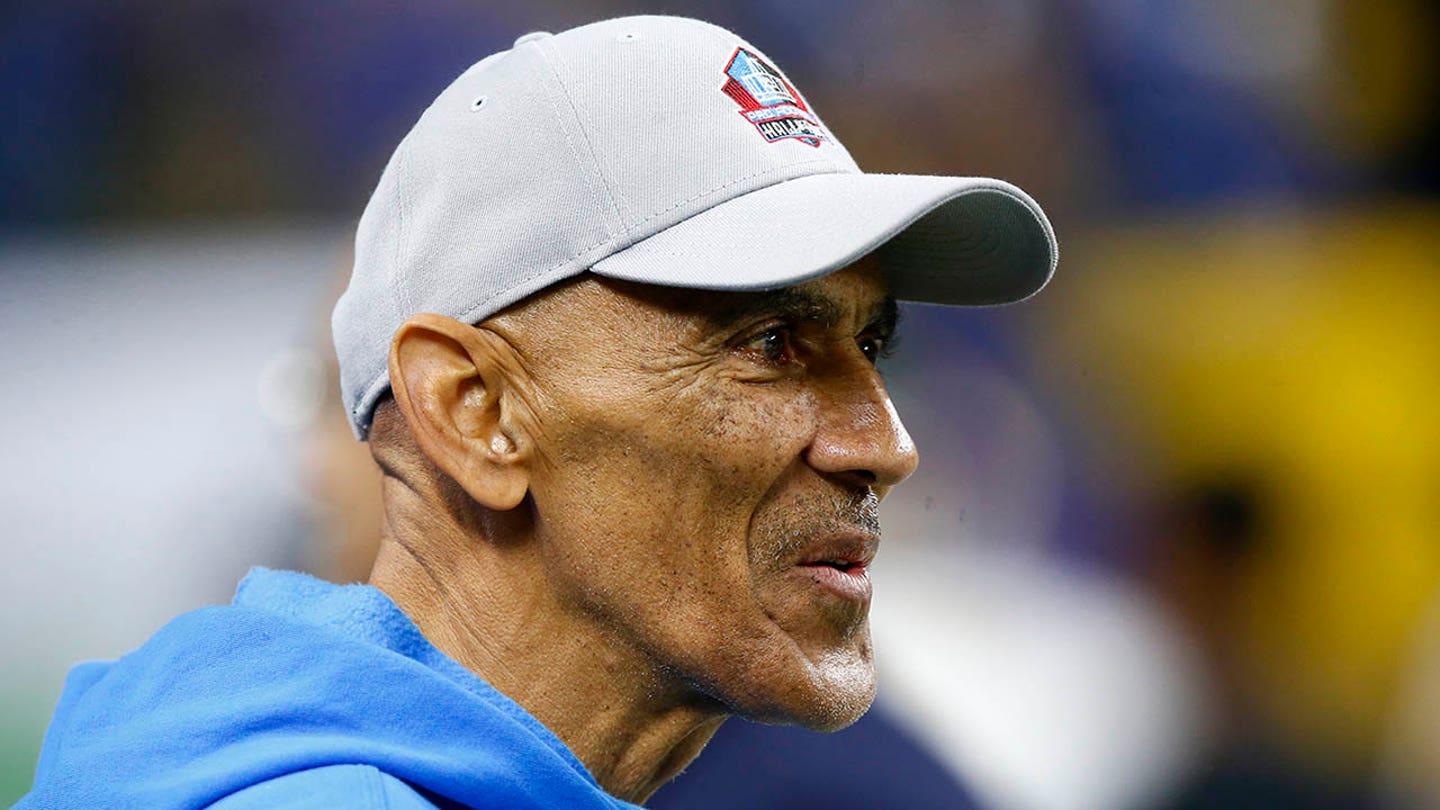
Former NFL coach Tony Dungy rails against league's replay assist rules: 'You create a credibility issue'
Entities mentioned:
- NFL: Control, Competitive spirit, Professional pride
- Tony Dungy: Justice, Professional pride, Righteousness
- Roger Goodell: Control, Power, Professional pride
Article Assessment:
Credibility Score: 75/100
Bias Rating: 50/100 (Center)
Sentiment Score: 35/100
Authoritarianism Risk: 25/100 (Generally Democratic)
Bias Analysis:
The article presents both NFL's perspective and Dungy's criticism, maintaining a balanced approach. It provides context and examples without overtly favoring either side of the argument.
Key metric: NFL Game Integrity Index
Let me tell you something - this story is a GAME-CHANGER for the NFL! Tony Dungy is coming off the sidelines and throwing a Hail Mary pass to overhaul the league's replay system. The NFL's current playbook on reviews is fumbling the ball, folks! Dungy's calling for an audible to make EVERY play reviewable. This isn't just moving the goalposts - it's like changing the whole dang field! The league's credibility is on the line here, and Dungy's not afraid to throw the challenge flag. We're talking fourth quarter, two-minute drill type urgency to fix this mess before the NFL loses its championship mentality. The expedited review system? That's like having instant replay for some players but not others - it just doesn't fly in a fair fight! Goodell and the NFL brass need to huddle up and make a game-winning decision before they lose the trust of the fans in the stands!
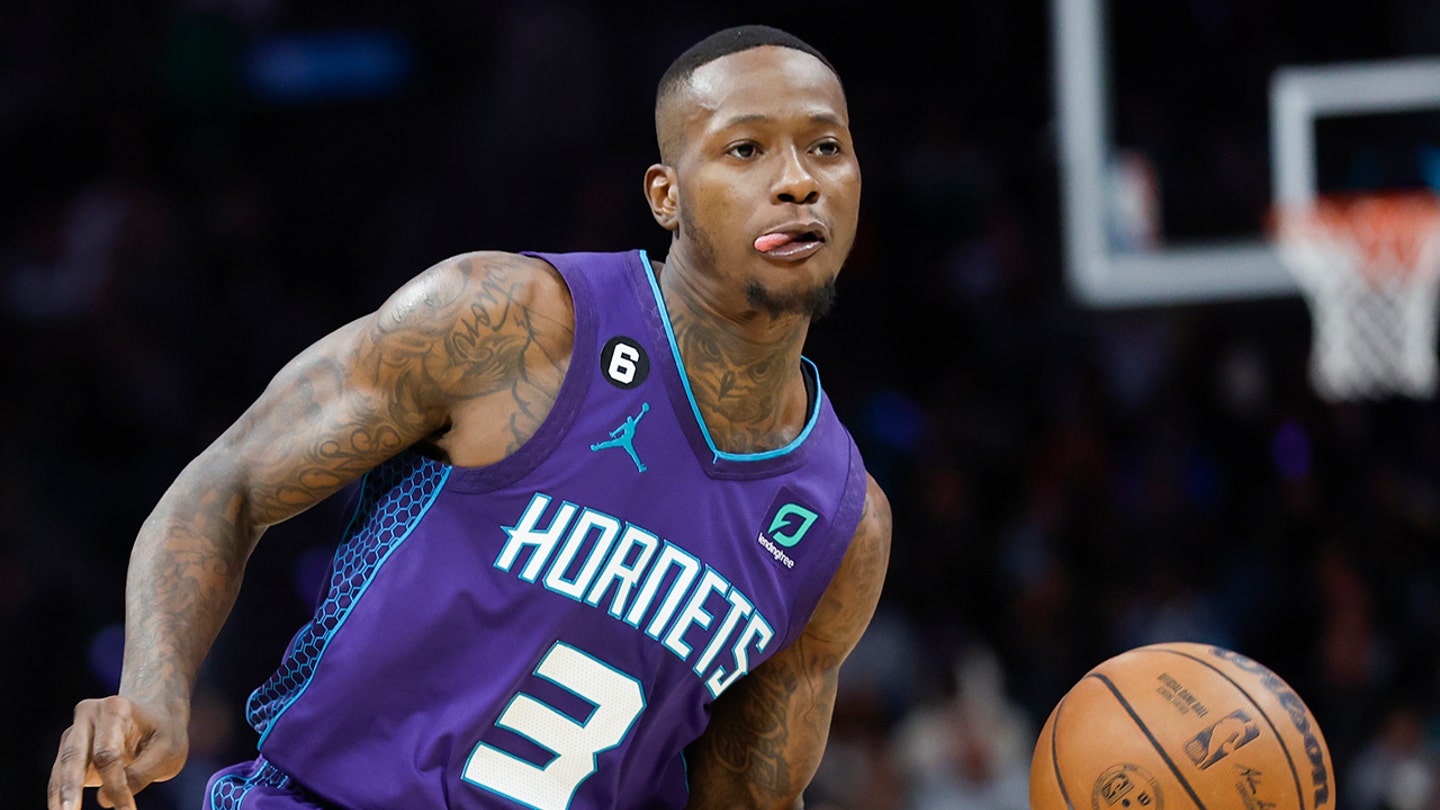
Terry Rozier's attorney maintains innocence, says government is 'making deals with the devil' for cooperation
Entities mentioned:
- Terry Rozier: Self-preservation, Professional pride, Justice
- Jim Trusty: Loyalty, Righteousness, Determination
- Government Prosecutors: Ambition, Justice, Power
- Charlotte Hornets: Competitive spirit, Professional pride, Self-preservation
Article Assessment:
Credibility Score: 65/100
Bias Rating: 55/100 (Center)
Sentiment Score: 30/100
Authoritarianism Risk: 35/100 (Generally Democratic)
Bias Analysis:
The article presents both the prosecution's case and the defense's arguments, maintaining a relatively balanced approach. However, it gives slightly more space to the defense's perspective, which nudges it towards the center.
Key metric: NBA Player Integrity
Let me tell you something, folks - this is a FULL COURT PRESS on Terry Rozier's reputation! The government is pulling out all the stops, trying to score points against this NBA player. But Rozier's attorney is playing DEFENSE like it's Game 7 of the Finals! He's swatting away these allegations left and right, claiming the prosecution is making Hail Mary passes with some shady teammates. This isn't just a foul call anymore - it's a battle for the integrity of the game! Rozier's camp is adamant he was just riding the bench due to an injury, not some underhanded play-calling. They're saying the government is running a full-court trap with some questionable allies, trying to catch Rozier off-guard. But let me tell you right now, this legal matchup is far from over - we're only in the first quarter of what could be a long, drawn-out championship series in the courtroom!