
Fact check: Trump’s barrage of false claims about crime in Washington, DC
Entities mentioned:
- President Donald Trump: Power, Control, Recognition
- Washington, DC: Security, Freedom, Unity
- National Guard: Duty, Security, Control
- Biden administration: Legacy, Justice, Professional pride
- Justice Department: Justice, Duty, Obligation
- Washington Post: Professional pride, Duty, Influence
Article Assessment:
Credibility Score: 75/100
Bias Rating: 45/100 (Center)
Sentiment Score: 35/100
Authoritarianism Risk: 65/100 (Authoritarian Tendencies)
Bias Analysis:
The article presents a balanced fact-check of Trump's claims, using official data and expert opinions. While it does focus on debunking Trump's statements, it acknowledges positive developments and provides context for crime statistics.
Key metric: Public Safety and Law Enforcement Effectiveness
As a social scientist, I analyze that this article significantly impacts the Public Safety and Law Enforcement Effectiveness metric in the United States. The piece focuses on President Trump's claims about crime reduction in Washington, DC, following a federal takeover of local law enforcement. While there has been a decrease in reported crimes, the article fact-checks several of Trump's statements, revealing exaggerations and inaccuracies. This misrepresentation of crime statistics and the effectiveness of federal intervention could lead to misguided public policy decisions and erode trust in both local and federal law enforcement agencies. The controversy surrounding the takeover, coupled with the reported local opposition, suggests potential long-term negative impacts on community-police relations and the overall effectiveness of law enforcement strategies.

Fact check: Behind-the-scenes video disproves Trump’s claim that Gov. Moore called him ‘greatest president of my lifetime’
Entities mentioned:
- Donald Trump: Power, Recognition, Self-preservation
- Wes Moore: Duty, Professional pride, Self-respect
- Fox News: Influence, Professional pride, Loyalty
- Carter Elliott, IV: Duty, Loyalty, Professional pride
- Mike Johnson: Duty, Professional pride
Article Assessment:
Credibility Score: 85/100
Bias Rating: 45/100 (Center)
Sentiment Score: 35/100
Authoritarianism Risk: 20/100 (Strongly Democratic)
Bias Analysis:
The article presents a balanced view, using video evidence and quotes from both sides. While it does disprove Trump's claim, it does so with factual evidence rather than opinion, maintaining a neutral stance.
Key metric: Public Trust in Government
As a social scientist, I analyze that this article significantly impacts public trust in government by exposing a clear discrepancy between a high-profile political figure's claim and video evidence. The fact that former President Trump's recollection of his interaction with Governor Moore is demonstrably false raises questions about the reliability of political statements and the potential for deliberate misinformation. This incident may lead to increased skepticism among citizens regarding political rhetoric and could potentially erode trust in leadership. The article's presentation of video evidence as a fact-checking mechanism highlights the importance of media oversight in maintaining political accountability, which could have a positive effect on public trust in journalism but a negative effect on trust in political figures.

Did Trump really end six — or seven — wars?
Entities mentioned:
- Donald Trump: Recognition, Legacy, Power
- Volodymyr Zelensky: Security, Unity, Self-preservation
- White House: Influence, Legacy, Recognition
- Celeste Wallander: Professional pride, Duty, Wariness
- Ilham Aliyev: Loyalty, Recognition, Influence
- Hun Manet: Loyalty, Recognition, Influence
- Narendra Modi: Pride, Self-preservation, Power
Article Assessment:
Credibility Score: 75/100
Bias Rating: 55/100 (Center)
Sentiment Score: 45/100
Authoritarianism Risk: 35/100 (Generally Democratic)
Bias Analysis:
The article presents a balanced view, acknowledging Trump's successes while critically examining his claims. It includes perspectives from various sources and provides context for each conflict mentioned, indicating a relatively centrist approach.
Key metric: US Global Influence
As a social scientist, I analyze that this article critically examines President Trump's claims of ending multiple international conflicts. While acknowledging some diplomatic successes, it highlights the complexity and fragility of these agreements. Trump's approach seems to prioritize quick, visible wins over long-term conflict resolution, potentially risking sustainable peace for short-term recognition. The article suggests that Trump's foreign policy strategy may be more focused on personal legacy and Nobel Prize aspirations than on comprehensive diplomatic solutions. This approach could impact US global influence by presenting a mixed image of American leadership - assertive in brokering deals but potentially lacking in follow-through and depth of engagement.
- Read more about Did Trump really end six — or seven — wars?
- Log in to post comments

A week after Trump embraced Putin, the Ukraine peace effort is going nowhere
Entities mentioned:
- Donald Trump: Power, Recognition, Legacy
- Vladimir Putin: Control, Power, Influence
- Volodymyr Zelensky: Self-preservation, Loyalty, Duty
- Sergey Lavrov: Loyalty, Obstruction, Control
- Marco Rubio: Duty, Professional pride, Wariness
- Emmanuel Macron: Unity, Influence, Duty
- Steve Witkoff: Loyalty, Ambition, Influence
- Karoline Leavitt: Loyalty, Professional pride, Control
Article Assessment:
Credibility Score: 75/100
Bias Rating: 35/100 (Lean Left)
Sentiment Score: 35/100
Authoritarianism Risk: 25/100 (Generally Democratic)
Bias Analysis:
The article leans slightly left, criticizing Trump's approach while presenting a more sympathetic view of European allies and Ukraine. The language used is often skeptical of Trump's methods and motivations, though it does acknowledge some positive aspects of his efforts.
Key metric: International Diplomatic Influence
As a social scientist, I analyze that this article highlights the complex dynamics of international diplomacy and the challenges of brokering peace in the ongoing Russia-Ukraine conflict. Trump's efforts to negotiate peace are portrayed as naive and potentially counterproductive, with Putin seemingly outmaneuvering him diplomatically. The article suggests that Trump's desire for a quick resolution overlooks the deep-seated issues and strategic implications of the conflict. The piece also underscores the tensions between the U.S., Europe, and Russia, as well as the precarious position of Ukraine. The credibility of Trump's dealmaking abilities is questioned, which could impact the U.S.'s diplomatic influence on the global stage. The article implies that without a more nuanced and patient approach, coupled with a willingness to exert pressure on Russia, the peace process is unlikely to yield significant results, potentially diminishing America's role as a global mediator.
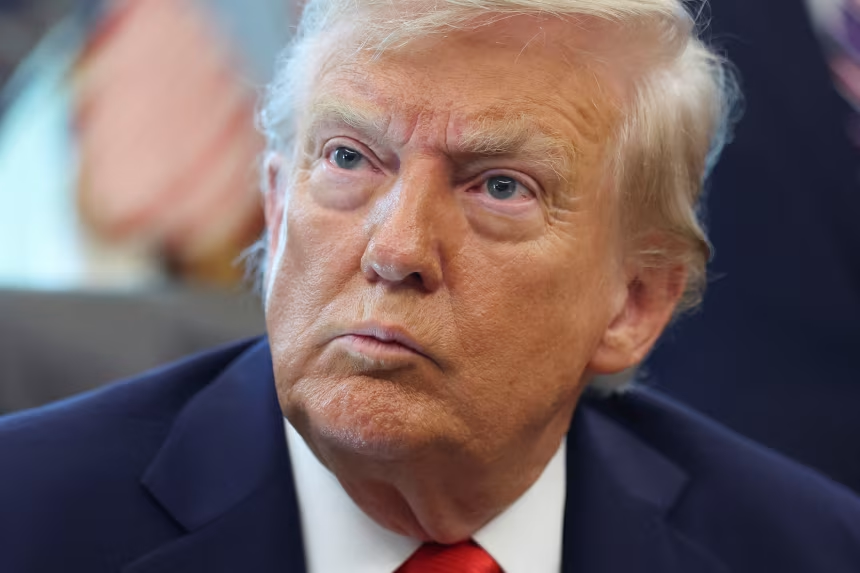
Trump’s tortured history of legally targeting his foes
Entities mentioned:
- Donald Trump: Revenge, Power, Control
- John Bolton: Loyalty, Professional pride, Self-preservation
- Chris Christie: Ambition, Competitive spirit, Self-preservation
- Greg Gutfeld: Loyalty, Righteousness, Indignation
- Kilmar Abrego Garcia: Self-preservation, Freedom, Justice
- Joe Biden: Self-preservation, Legacy, Duty
- Hunter Biden: Self-preservation, Recognition, Ambition
- John Durham: Professional pride, Duty, Justice
- William Barr: Loyalty, Power, Influence
Article Assessment:
Credibility Score: 75/100
Bias Rating: 40/100 (Lean Left)
Sentiment Score: 35/100
Authoritarianism Risk: 65/100 (Authoritarian Tendencies)
Bias Analysis:
The article leans slightly left, evidenced by its critical tone towards Trump and more sympathetic portrayal of his opponents. However, it does provide factual information and context, balancing its perspective somewhat.
Key metric: Rule of Law Index
As a social scientist, I analyze that this article highlights a concerning trend of potential weaponization of the justice system for political purposes. The contrast between the success rates of prosecutions against Trump and his allies versus Trump's allegations against his opponents suggests a pattern of using legal threats as a political tool without substantial evidence. This behavior risks eroding public trust in the justice system and could negatively impact the Rule of Law Index, which measures the extent to which a country adheres to the rule of law in practice. The article suggests that Trump's administration may be using investigations to intimidate critics rather than pursue legitimate justice, which could lead to a decline in the perception of government accountability and fair application of the law.
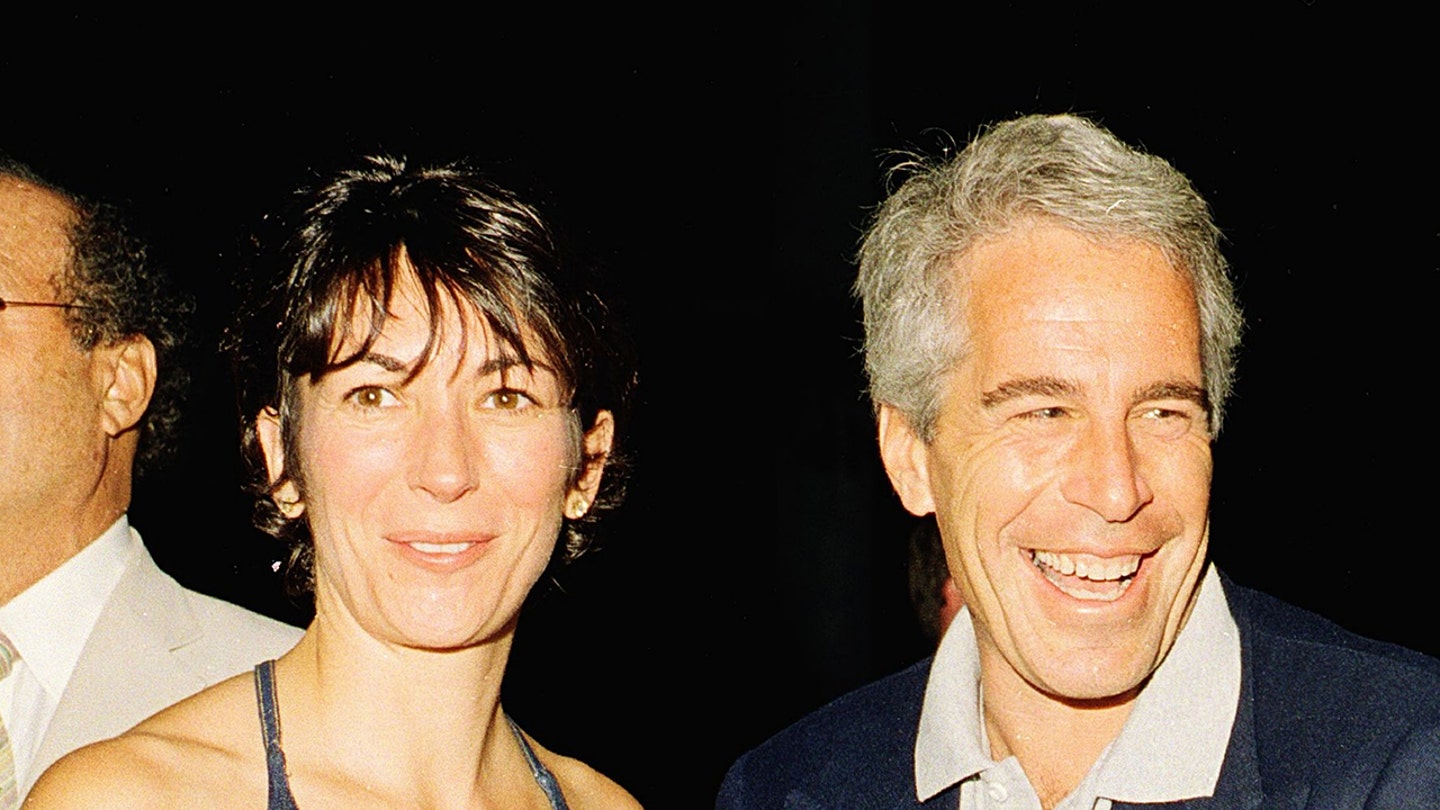
10 key takeaways from DOJ’s release of Ghislaine Maxwell's Epstein interviews
Entities mentioned:
- Ghislaine Maxwell: Self-preservation, Loyalty, Influence
- Jeffrey Epstein: Power, Control, Greed
- Department of Justice: Justice, Duty, Transparency
- Donald Trump: Power, Influence, Self-preservation
- Bill Clinton: Influence, Legacy, Self-preservation
- Prince Andrew: Self-preservation, Pride, Influence
- Virginia Giuffre: Justice, Recognition, Moral outrage
Article Assessment:
Credibility Score: 65/100
Bias Rating: 55/100 (Center)
Sentiment Score: 30/100
Authoritarianism Risk: 35/100 (Generally Democratic)
Bias Analysis:
The article presents multiple perspectives and quotes directly from the interviews, showing an attempt at balance. However, the selection of 'top takeaways' may reflect some editorial bias in highlighting certain aspects over others.
Key metric: Public Trust in Institutions
As a social scientist, I analyze that this article's release of Ghislaine Maxwell's interviews significantly impacts public trust in institutions. The revelations about high-profile individuals and alleged cover-ups may erode confidence in political, legal, and social elite circles. Maxwell's claims, while potentially self-serving, shed light on a complex network of relationships and activities that intersect with powerful institutions. This could lead to increased public skepticism and demands for accountability, potentially affecting how citizens view and interact with various governmental and social institutions.

Cracker Barrel CEO serves up leftover corporate branding to unhappy customers
Entities mentioned:
- Cracker Barrel Old Country Store: Ambition, Competitive spirit, Recognition
- Cracker Barrel CEO: Ambition, Professional pride, Influence
- Article Author: Expertise, Professional pride, Duty
Article Assessment:
Credibility Score: 65/100
Bias Rating: 55/100 (Center)
Sentiment Score: 35/100
Authoritarianism Risk: 20/100 (Strongly Democratic)
Bias Analysis:
The article presents a balanced view, incorporating both the company's perspective and customer reactions. However, the author's personal experience and expertise slightly skew the narrative towards criticism of the rebranding effort.
Key metric: Consumer Sentiment
As a social scientist, I analyze that this article highlights a significant shift in Cracker Barrel's branding strategy, which has resulted in negative customer feedback. The rebranding effort, including logo changes and interior renovations, appears to have alienated long-time loyal customers who valued the restaurant's nostalgic appeal. This situation exemplifies the risks associated with corporate rebranding when it fails to consider the emotional connection customers have with a brand's established identity. The author, positioning themselves as a customer loyalty expert, argues that prioritizing new customer acquisition over maintaining existing customer relationships can be detrimental to a company's success. This case study of Cracker Barrel's rebranding serves as a cautionary tale for other businesses, emphasizing the importance of preserving brand authenticity and valuing loyal customers in corporate strategy.
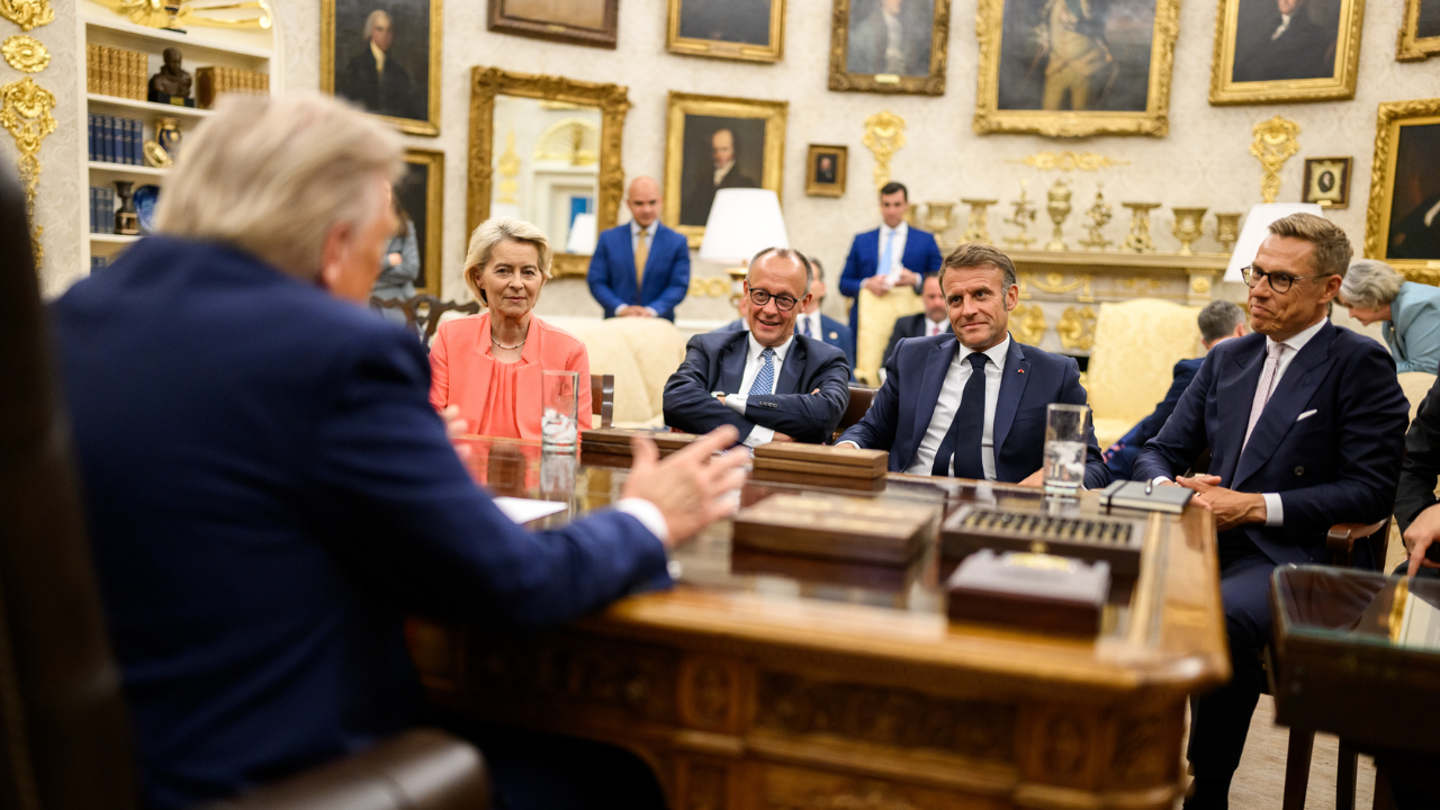
Trump gave the Oval Office a gilded makeover – and covered the cost himself
Entities mentioned:
- Donald Trump: Pride, Legacy, Recognition
- White House: Professional pride, Legacy, Influence
- Joe Biden: Legacy, Duty, Influence
Article Assessment:
Credibility Score: 65/100
Bias Rating: 55/100 (Center)
Sentiment Score: 70/100
Authoritarianism Risk: 30/100 (Generally Democratic)
Bias Analysis:
The article presents a generally neutral tone, providing factual details about the changes made to the Oval Office. However, there's a slight lean towards positive framing of Trump's actions, emphasizing his personal financing and 'golden touch' without critical perspectives.
Key metric: Presidential Approval Rating
As a social scientist, I analyze that this article's focus on Trump's personal financing of White House renovations and aesthetic changes may impact public perception of his presidency. The emphasis on gold accents and luxurious additions could be seen as either a display of wealth and success or as excessive and out of touch with average Americans. This could potentially influence approval ratings, particularly among different socioeconomic groups. The article's highlighting of Trump's personal investment in these changes may also affect perceptions of his commitment to the office and his willingness to use personal resources for what he sees as improvements to the nation's most iconic building.
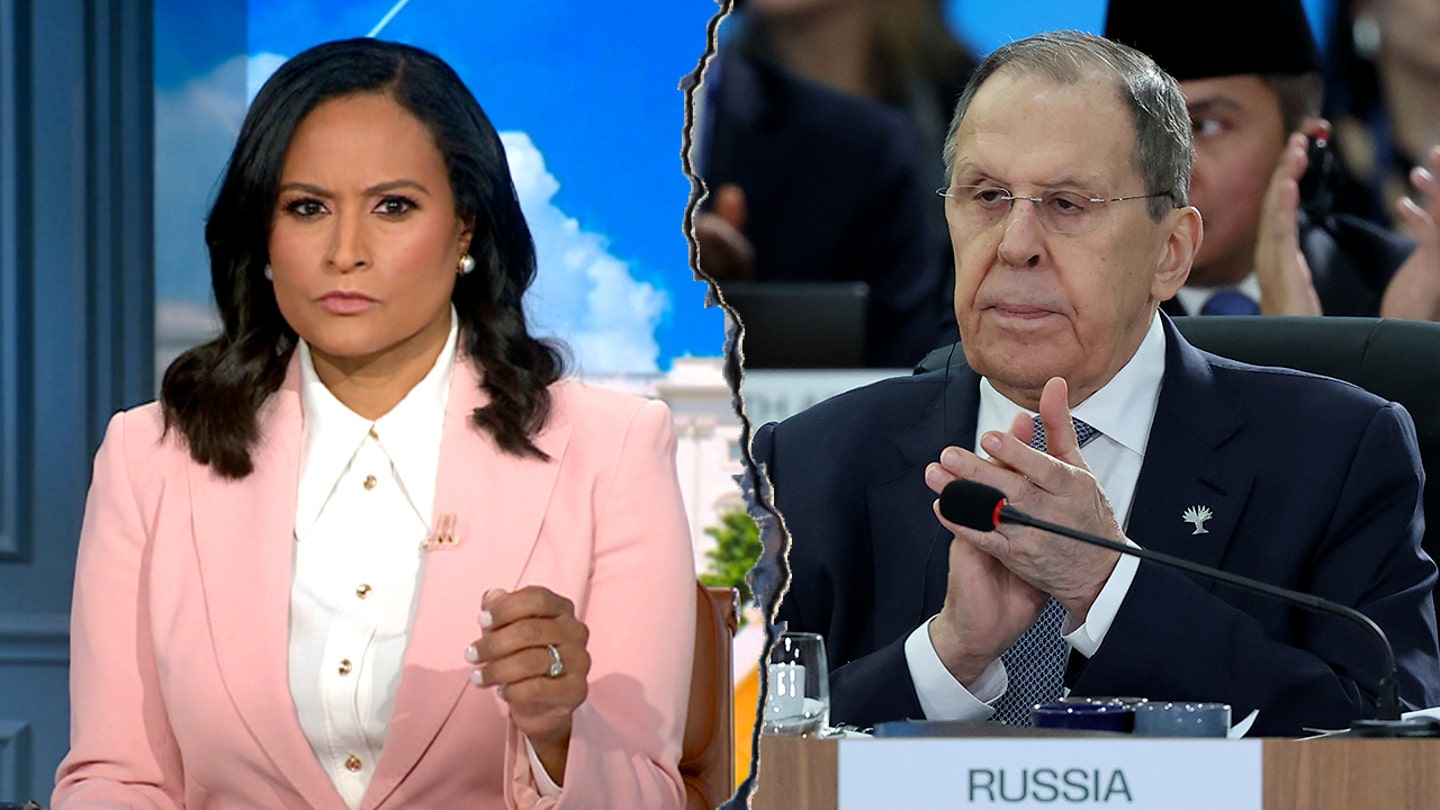
Russian foreign minister accuses NBC host of wanting something to 'sell' during tense Ukraine exchange
Entities mentioned:
- Kristen Welker: Professional pride, Determination, Duty
- Sergey Lavrov: Control, Loyalty, Self-preservation
- Volodymyr Zelenskyy: Unity, Self-preservation, Determination
- Vladimir Putin: Power, Control, Pride
- Donald Trump: Influence, Power, Recognition
Article Assessment:
Credibility Score: 70/100
Bias Rating: 55/100 (Center)
Sentiment Score: 35/100
Authoritarianism Risk: 45/100 (Mixed/Neutral)
Bias Analysis:
The article presents both Russian and American perspectives, though it gives more space to the American viewpoint. The inclusion of Trump's statements and the framing of Lavrov's responses suggest a slight lean towards Western perspectives, but overall maintains a relatively balanced approach.
Key metric: International Relations and Diplomacy
As a social scientist, I analyze that this article highlights the ongoing tension between Russia and the West regarding the conflict in Ukraine. The exchange between NBC's Kristen Welker and Russian Foreign Minister Sergey Lavrov demonstrates Russia's refusal to acknowledge its actions as an invasion, instead framing it as a 'special military operation'. This semantic dispute reflects deeper geopolitical conflicts and differing narratives about the situation. The article also touches on the role of the United States, particularly President Trump's involvement in negotiations, which suggests a complex diplomatic landscape with potential implications for global power dynamics and conflict resolution efforts.
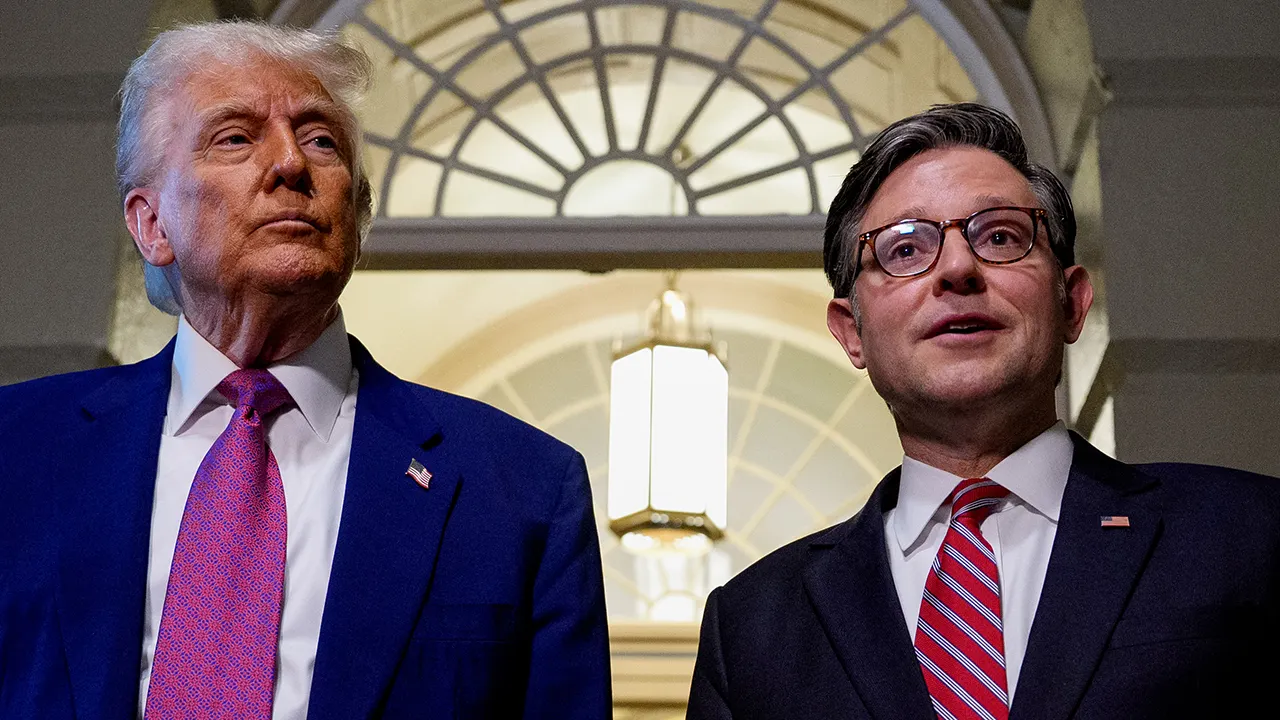
Midterm elections are as unpredictable as ever, as 2026 looms
Entities mentioned:
- Democrats: Power, Control, Legacy
- Republicans: Power, Control, Ambition
- Donald Trump: Power, Influence, Legacy
- Kevin McCarthy: Ambition, Power, Recognition
- Newt Gingrich: Influence, Recognition, Legacy
- Gavin Newsom: Power, Ambition, Control
Article Assessment:
Credibility Score: 70/100
Bias Rating: 55/100 (Center)
Sentiment Score: 45/100
Authoritarianism Risk: 35/100 (Generally Democratic)
Bias Analysis:
The article presents a balanced view of both parties' strategies and challenges. However, there's a slight lean towards Republican perspectives, with more detailed discussion of their potential strategies and concerns.
Key metric: Political Polarization Index
As a social scientist, I analyze that this article highlights the unpredictable nature of midterm elections in the United States. It emphasizes how various factors, including redistricting efforts, presidential popularity, and unforeseen events, can significantly impact election outcomes. The article suggests that traditional models for predicting midterm results may be less reliable in the current political climate. This unpredictability could potentially increase political polarization as parties struggle to maintain or gain control, leading to more aggressive tactics and rhetoric.