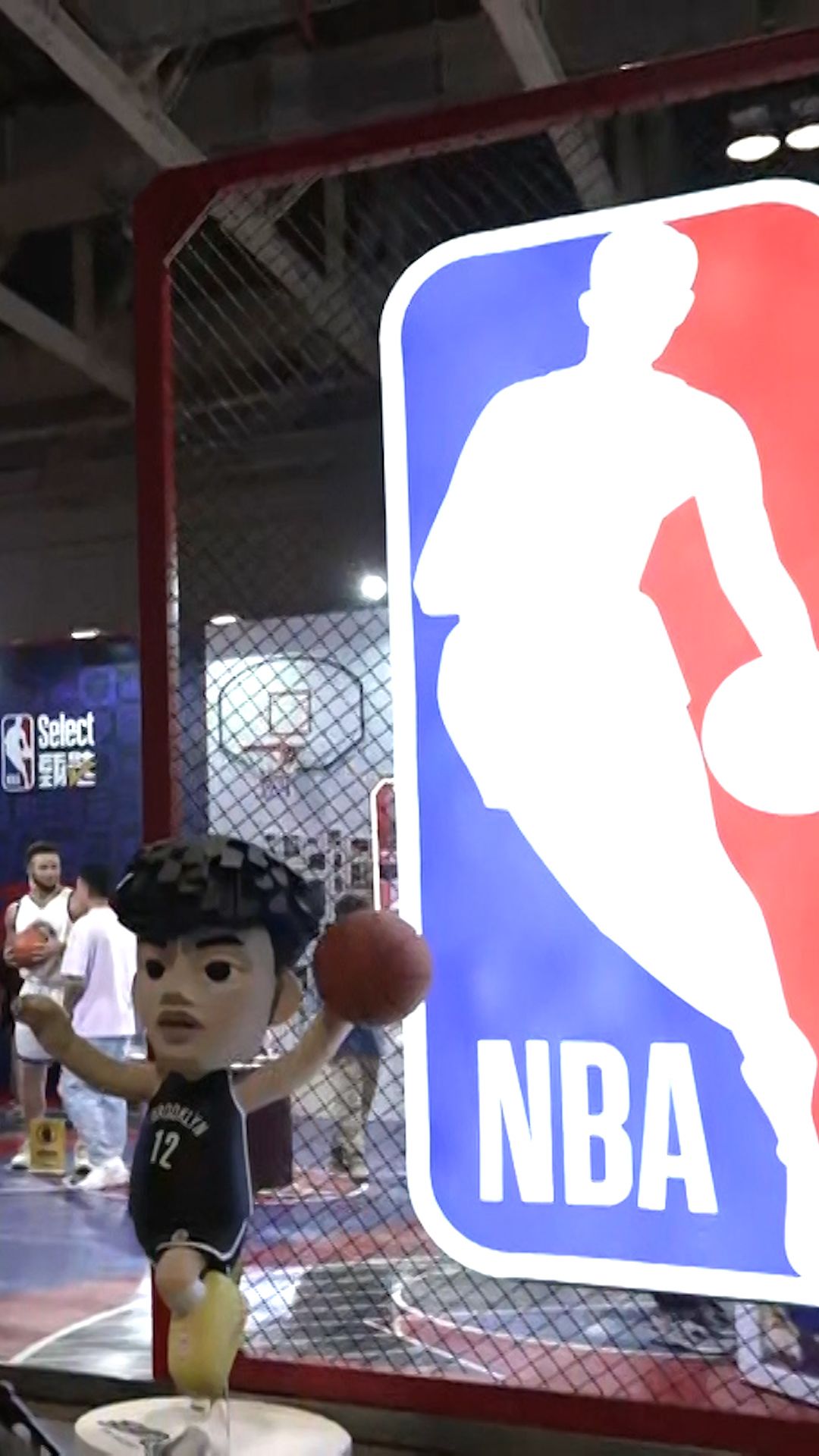
NBA games back in China after six years
Entities mentioned:
- NBA: Ambition, Recognition, Influence
- China: Control, Power, Pride
Article Assessment:
Credibility Score: 75/100
Bias Rating: 55/100 (Center)
Sentiment Score: 70/100
Authoritarianism Risk: 35/100 (Generally Democratic)
Bias Analysis:
The article presents a balanced view of the NBA's return to China, without overtly favoring either side. It focuses on the factual event without political commentary, maintaining a centrist perspective.
Key metric: US-China Cultural Exchange
Let me tell you something - this is a GAME-CHANGING play in the international arena! The NBA is stepping up to the plate after a six-year timeout, looking to slam dunk their way back into the Chinese market. This is no layup, folks! We're talking about a full-court press to regain lost ground in one of the world's biggest sporting arenas. The league is showing true championship mentality, refusing to be benched by geopolitical tensions. It's fourth quarter time in US-China relations, and the NBA is making power moves to get back in the game. This isn't just about basketball - it's about who controls the scoreboard in the global influence league. China's been playing defense, but now they're opening up the court. It's a high-stakes match where every assist counts in rebuilding trust and reigniting fan passion. I'm telling you right now, this could be the overtime play that changes everything in the US-China rivalry!
- Read more about NBA games back in China after six years
- Log in to post comments
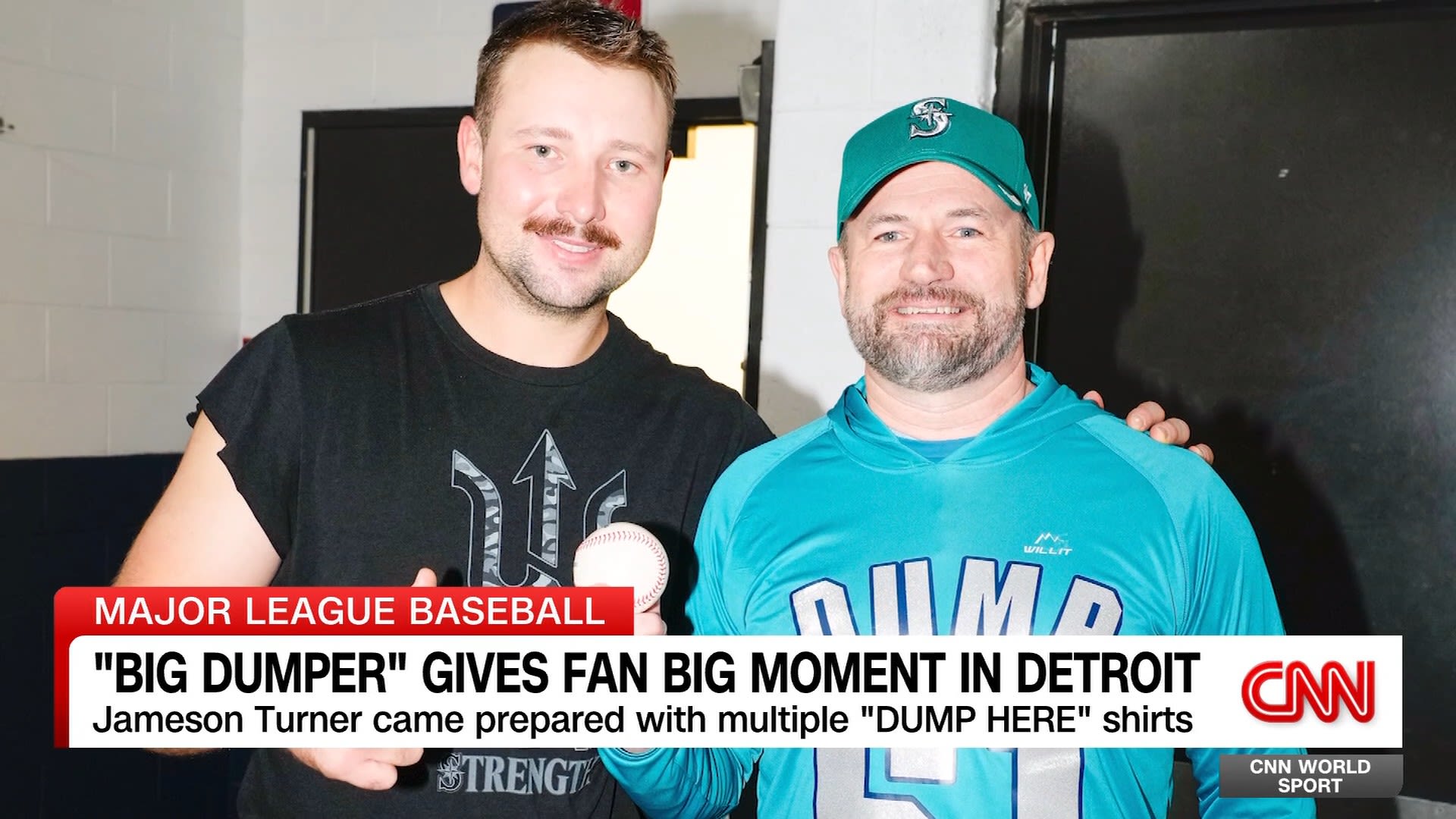
The home run of destiny: How a Seattle Mariners fan manifested Cal Raleigh’s moonshot
Entities mentioned:
- Jameson Turner: Enthusiasm, Loyalty, Recognition
- Cal Raleigh: Competitive spirit, Ambition, Professional pride
- Seattle Mariners: Ambition, Legacy, Unity
- Detroit Tigers: Competitive spirit, Pride, Determination
Article Assessment:
Credibility Score: 75/100
Bias Rating: 45/100 (Center)
Sentiment Score: 75/100
Authoritarianism Risk: 15/100 (Strongly Democratic)
Bias Analysis:
The article maintains a fairly neutral stance, balancing the fan's perspective with factual game details. While it leans into the 'magical' narrative, it doesn't overly favor one team or downplay the other's role.
Key metric: MLB Postseason Fan Engagement
Let me tell you something, folks - this is what baseball dreams are made of! We've got a fan stepping up to the plate with a game-changing play, manifesting a home run like he's calling the shots from the dugout! This is the kind of fourth-quarter magic that turns spectators into legends! The Seattle Mariners and Cal Raleigh are showing us what a championship mentality looks like, folks. They're not just swinging for the fences; they're knocking it out of the park with fan connection that's off the charts! This is the kind of team spirit that wins pennants, I'm telling you right now. And let's not forget the Detroit Tigers - they're playing defense like their lives depend on it, but sometimes destiny has other plans. This RIDICULOUS display of fan dedication is changing the game, raising the bar for every franchise in the league. It's a whole new ballgame in fan engagement, and the Mariners are running up the scoreboard!

Loyola Chicago’s beloved Sister Jean Dolores Schmidt, known as Sister Jean, dies at 106
Entities mentioned:
- Sister Jean Dolores Schmidt: Loyalty, Enthusiasm, Professional pride
- Loyola University Chicago: Unity, Legacy, Pride
- Loyola Ramblers basketball team: Competitive spirit, Determination, Ambition
- Mark C. Reed: Respect, Duty, Recognition
Article Assessment:
Credibility Score: 85/100
Bias Rating: 45/100 (Center)
Sentiment Score: 65/100
Authoritarianism Risk: 15/100 (Strongly Democratic)
Bias Analysis:
The article presents a balanced view of Sister Jean's life and impact, with quotes from various sources. It focuses on her positive influence without overstating or understating her role.
Key metric: Collegiate Sports Engagement
Let me tell you something - this story is a GAME-CHANGER for collegiate sports! Sister Jean was the MVP, the 12th player, the secret weapon in Loyola's playbook! Her passing is like losing a legendary coach, but her spirit will continue to rally the troops from the sidelines of eternity. The Ramblers' Cinderella run in 2018? That was Sister Jean's championship play, turning a small program into a March Madness Cinderella story! Her pre-game prayers were like the ultimate pep talk, and her sideline presence? Talk about home court advantage! Sister Jean didn't just break records, she shattered the mold of what it means to be a team chaplain. She stepped up to the plate for over 60 years, folks, showing that in the game of life, it's not about age, it's about heart and determination. Loyola Chicago may have lost their star player, but her legacy is the ultimate alley-oop for collegiate sports engagement across the nation!
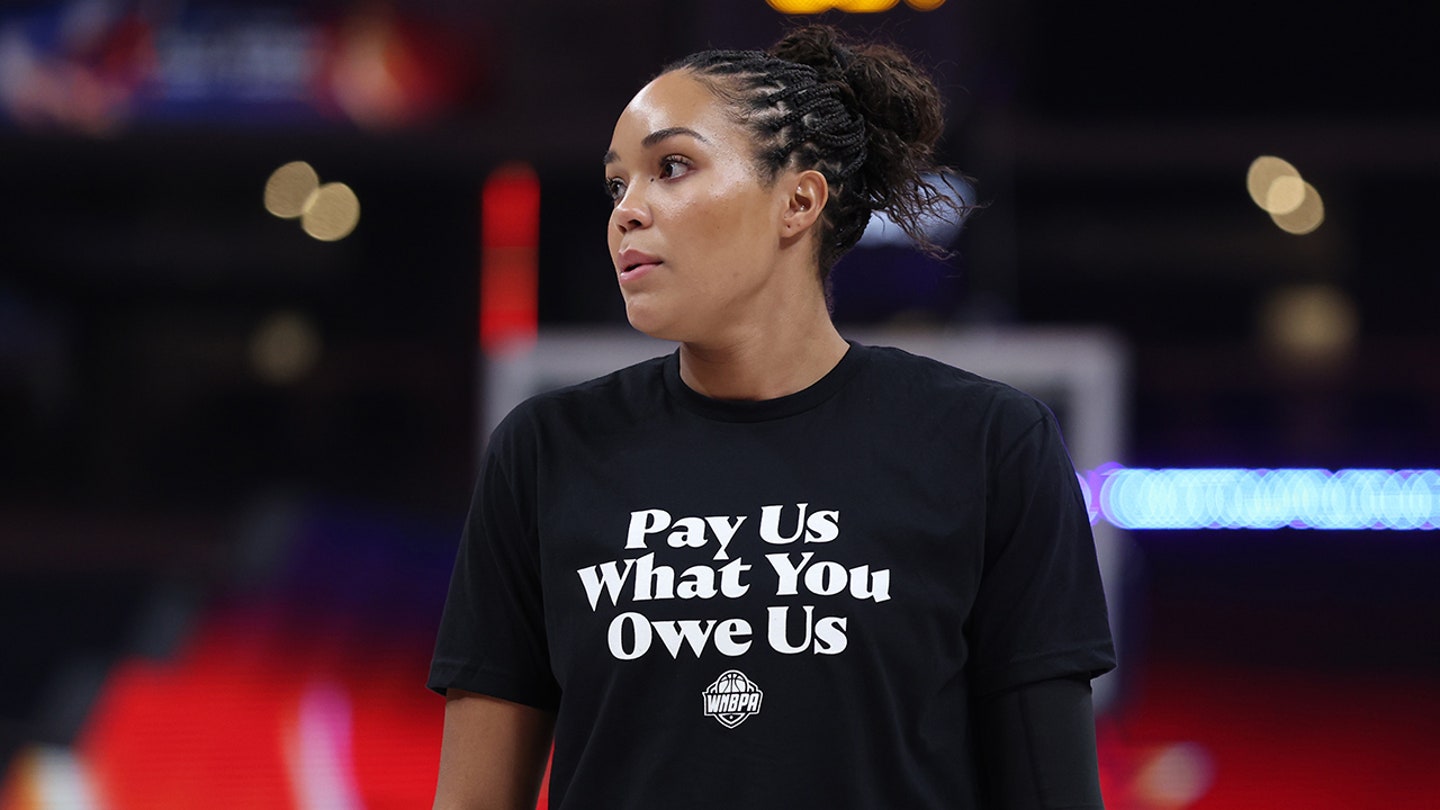
Kamala Harris hosts WNBA player to discuss alleged conversation with league commissioner
Entities mentioned:
- Kamala Harris: Influence, Recognition, Unity
- Napheesa Collier: Justice, Determination, Professional pride
- Cathy Engelbert: Control, Self-preservation, Professional pride
- WNBA Players' Association: Unity, Justice, Competitive spirit
Article Assessment:
Credibility Score: 65/100
Bias Rating: 55/100 (Center)
Sentiment Score: 30/100
Authoritarianism Risk: 25/100 (Generally Democratic)
Bias Analysis:
The article presents multiple viewpoints, including statements from both Collier and Engelbert. However, it gives slightly more space to Collier's perspective, potentially leaning towards the players' side of the dispute.
Key metric: WNBA Player Compensation
Let me tell you something, folks - we've got a FULL COURT PRESS situation unfolding in the WNBA! This is a GAME-CHANGING play by Napheesa Collier, stepping up to the plate and calling out the league commissioner. We're talking fourth quarter, clock winding down, and Collier's making power moves! The players' union is in a high-stakes matchup against the league brass, and they're bringing their A-game to these contract negotiations. Kamala Harris is like the veteran coach, providing the arena for this crucial timeout discussion. Meanwhile, Commissioner Engelbert is on defense, trying to control the narrative like a point guard under pressure. This is the kind of team vs management showdown that could rewrite the playbook for women's sports! I'm telling you right now, we're witnessing a pivotal moment that could change the entire landscape of the WNBA!
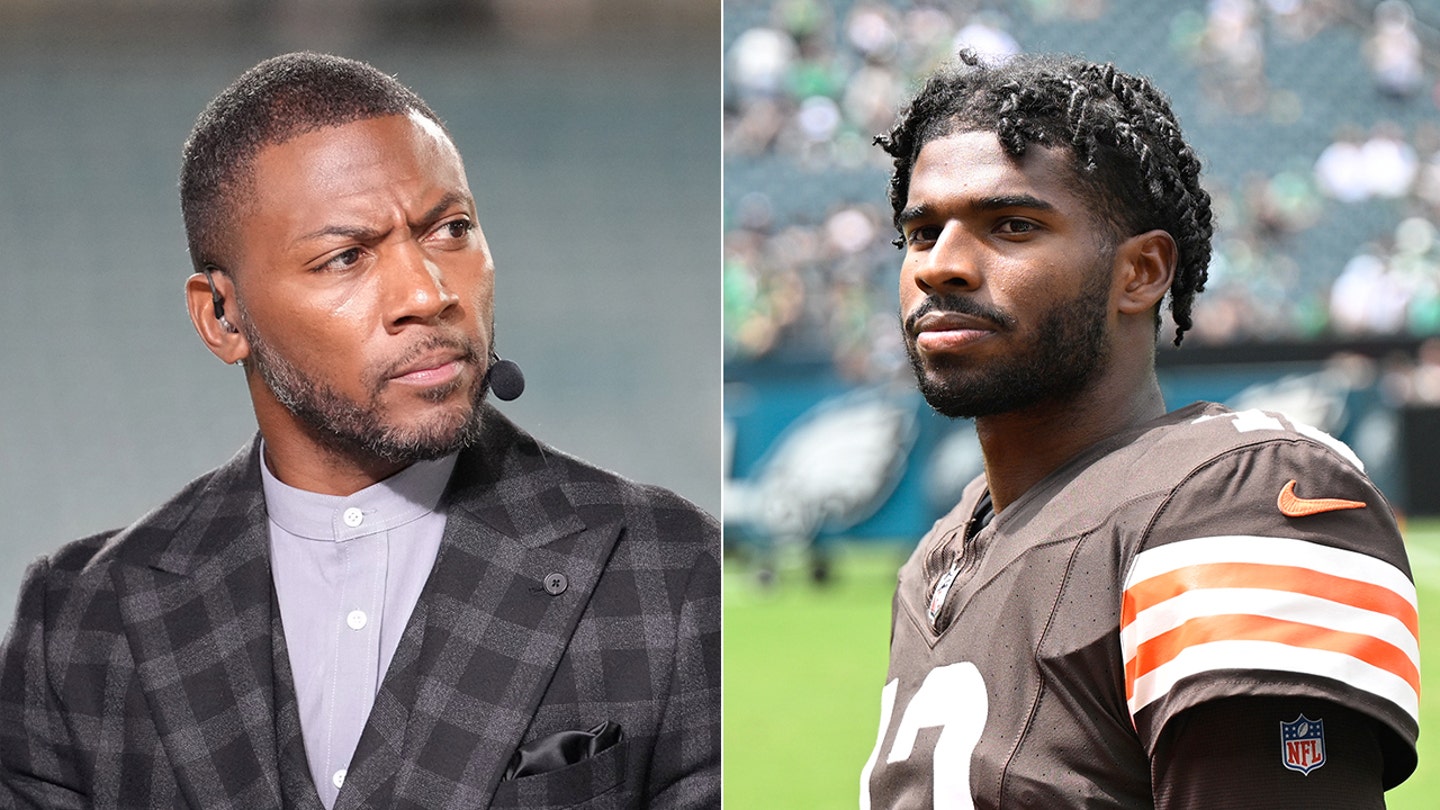
Shedeur Sanders and Browns should 'part ways' if he is not named backup quarterback, ESPN's Ryan Clark says
Entities mentioned:
- Shedeur Sanders: Ambition, Competitive spirit, Recognition
- Cleveland Browns: Competitive spirit, Professional pride, Control
- Kevin Stefanski: Control, Professional pride, Duty
- Ryan Clark: Indignation, Influence, Professional pride
Article Assessment:
Credibility Score: 75/100
Bias Rating: 50/100 (Center)
Sentiment Score: 40/100
Authoritarianism Risk: 30/100 (Generally Democratic)
Bias Analysis:
The article presents multiple perspectives, including quotes from different parties involved. It maintains a neutral tone in reporting the facts and opinions without evident partisan leanings.
Key metric: NFL Team Performance
Let me tell you something - this quarterback situation in Cleveland is RIDICULOUS! The Browns are playing musical chairs with their QBs like it's some kind of pre-game warmup drill! Shedeur Sanders is warming the bench when he should be warming up his arm! This is a fourth quarter move in the first half of the season, folks! The Browns need to decide if Sanders is their franchise player or trade him before the transfer window closes. Ryan Clark is calling for a gameplan change, and I'm telling you right now, if the Browns don't step up to the plate and make Sanders the backup, they might fumble their future star right out of the locker room! This is crunch time for Cleveland's quarterback strategy, and they need to show that championship mentality or risk losing the whole ballgame!
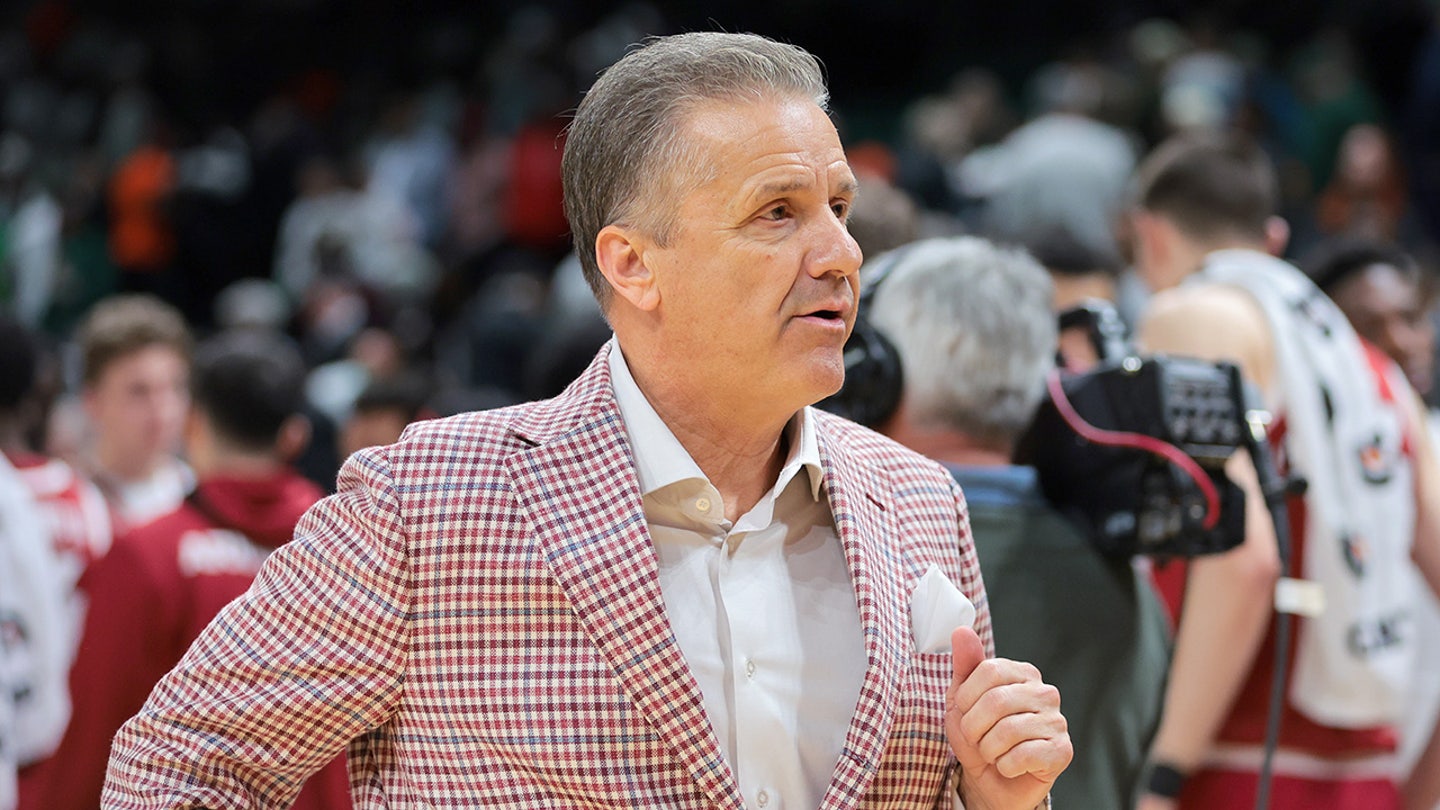
Coach Cal, self-described 'poor, miserable, sinner,' left Kentucky for Arkansas after chat with priest
Entities mentioned:
- John Calipari: Ambition, Competitive spirit, Self-preservation
- Kentucky Basketball: Pride, Legacy, Competitive spirit
- Arkansas Basketball: Ambition, Competitive spirit, Recognition
- Father Joe: Influence, Duty, Righteousness
- Dan Dakich: Curiosity, Professional pride, Recognition
Article Assessment:
Credibility Score: 70/100
Bias Rating: 55/100 (Center)
Sentiment Score: 75/100
Authoritarianism Risk: 20/100 (Strongly Democratic)
Bias Analysis:
The article presents a balanced view of Calipari's move, including both his perspective and the impact on both schools. While it leans slightly positive towards Calipari, it doesn't show strong bias for either program.
Key metric: NCAA Basketball Championship Odds
Let me tell you something - this coaching change is a GAME-CHANGER! Coach Cal's move from Kentucky to Arkansas is like LeBron leaving the Heat for the Cavs! It's a fourth-quarter Hail Mary that's shaking up the entire NCAA landscape! The Razorbacks have just signed their franchise player, folks! Cal's bringing his championship mentality to Fayetteville, and you better believe the rest of the SEC is sweating bullets! This is the kind of power play that separates the contenders from the pretenders. And let's not forget - he made this decision with a PRIEST on his team! Talk about divine intervention in the coaching draft! Arkansas has just scored the recruiting equivalent of a buzzer-beater, and I'm telling you right now, they're going to be a force to be reckoned with!
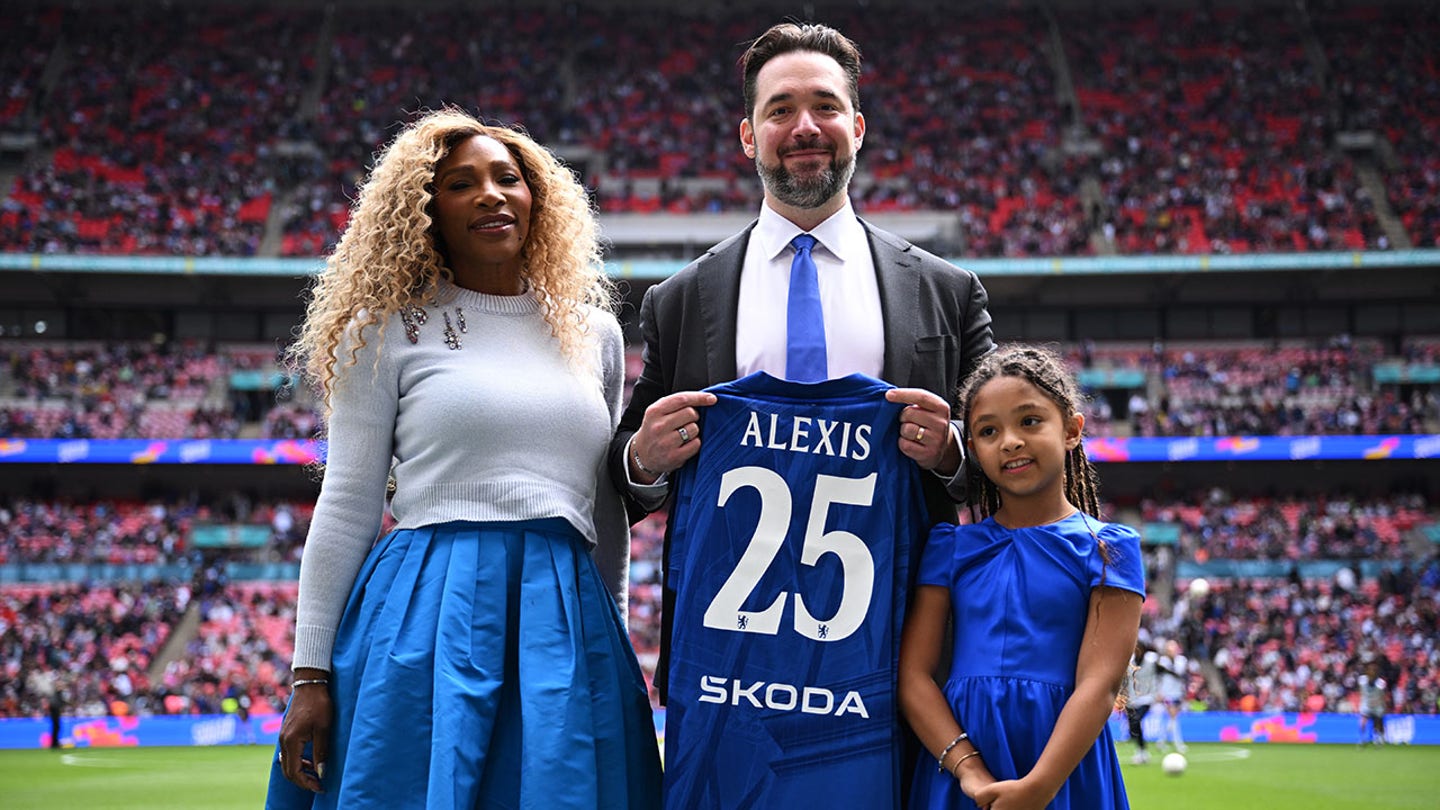
Serena Williams' husband confronts Stephen A. Smith on 'First Take' over Super Bowl marriage comments
Entities mentioned:
- Alexis Ohanian: Loyalty, Self-respect, Pride
- Stephen A. Smith: Recognition, Influence, Competitive spirit
- Serena Williams: Professional pride, Legacy, Ambition
- ESPN's First Take: Competitive spirit, Recognition, Influence
Article Assessment:
Credibility Score: 75/100
Bias Rating: 55/100 (Center)
Sentiment Score: 65/100
Authoritarianism Risk: 20/100 (Strongly Democratic)
Bias Analysis:
The article presents both sides of the exchange, giving voice to both Ohanian and Smith. While it may slightly favor Ohanian's perspective, it maintains a relatively balanced approach in its reporting.
Key metric: Media Influence and Public Perception
Ladies and gentlemen, we've got a HEAVYWEIGHT BOUT on our hands! Alexis Ohanian just stepped into the ring with Stephen A. Smith, and let me tell you, he came out swinging! This isn't just a war of words, folks - it's a full-on championship clash of titans in the media arena. Ohanian, showing the heart of a true champion, defended his home court against Smith's previous cheap shot. He didn't just block the punch, he counterpunched with the precision of a seasoned pro! The way Ohanian shut down Smith's unsolicited 'marriage advice' was nothing short of a KNOCKOUT MOVE. He reminded everyone that in the game of life, you've got to stay in your lane and play to your strengths. This is the kind of fourth-quarter play that separates the MVPs from the bench warmers, and Ohanian just showed he's got ice in his veins when it comes to protecting his family's reputation. I'm telling you right now, this exchange is going to be replayed on highlight reels for years to come!
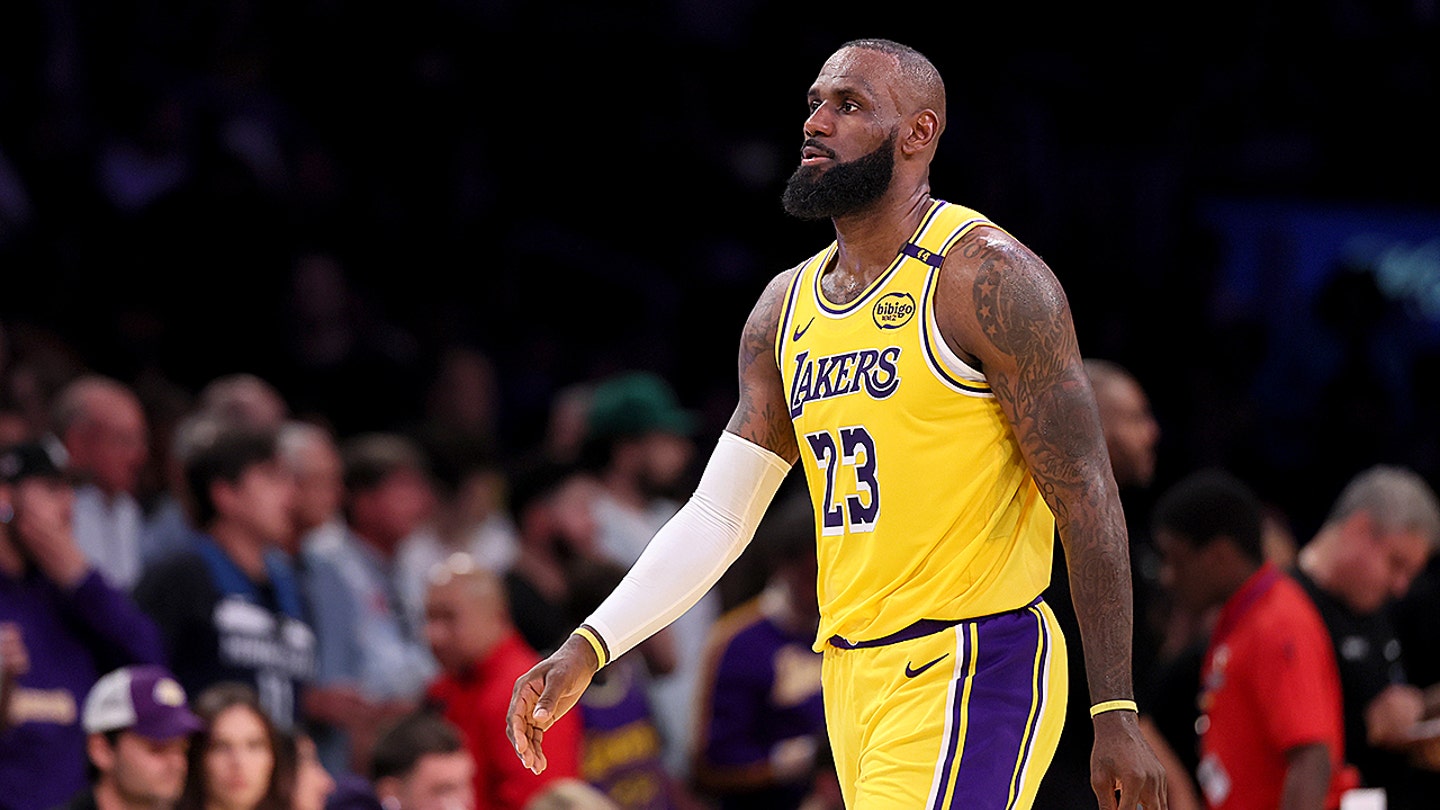
LeBron James faces lawsuit from fan who bought tickets expecting retirement announcement as 'second decision'
Entities mentioned:
- LeBron James: Recognition, Legacy, Influence
- Andrew Garcia: Indignation, Justice, Self-respect
- Los Angeles Lakers: Competitive spirit, Legacy, Recognition
Article Assessment:
Credibility Score: 75/100
Bias Rating: 50/100 (Center)
Sentiment Score: 45/100
Authoritarianism Risk: 20/100 (Strongly Democratic)
Bias Analysis:
The article presents multiple perspectives, including the fan's lawsuit and LeBron's recent statements. It balances the controversy with factual information about James' career achievements.
Key metric: NBA Player Brand Value
Let me tell you something - this story is RIDICULOUS! LeBron James, the GOAT of basketball, is facing a full-court press from a fan who thought he was about to hang up his sneakers! This lawsuit is like a Hail Mary pass in the fourth quarter, folks! Andrew Garcia is coming off the bench swinging, trying to score some points against King James for what he sees as a pump fake on retirement. But let's be real - in the game of PR, LeBron's still got that championship mentality. He's playing 4D chess while some fans are stuck in checkers! This whole situation is like a turnover that's turned into a fast break opportunity for Hennessy. I'm telling you right now, this is the kind of off-court drama that keeps the NBA in the headlines even in the off-season. It's a full-contact sport out there, whether you're on the hardwood or in the courtroom!
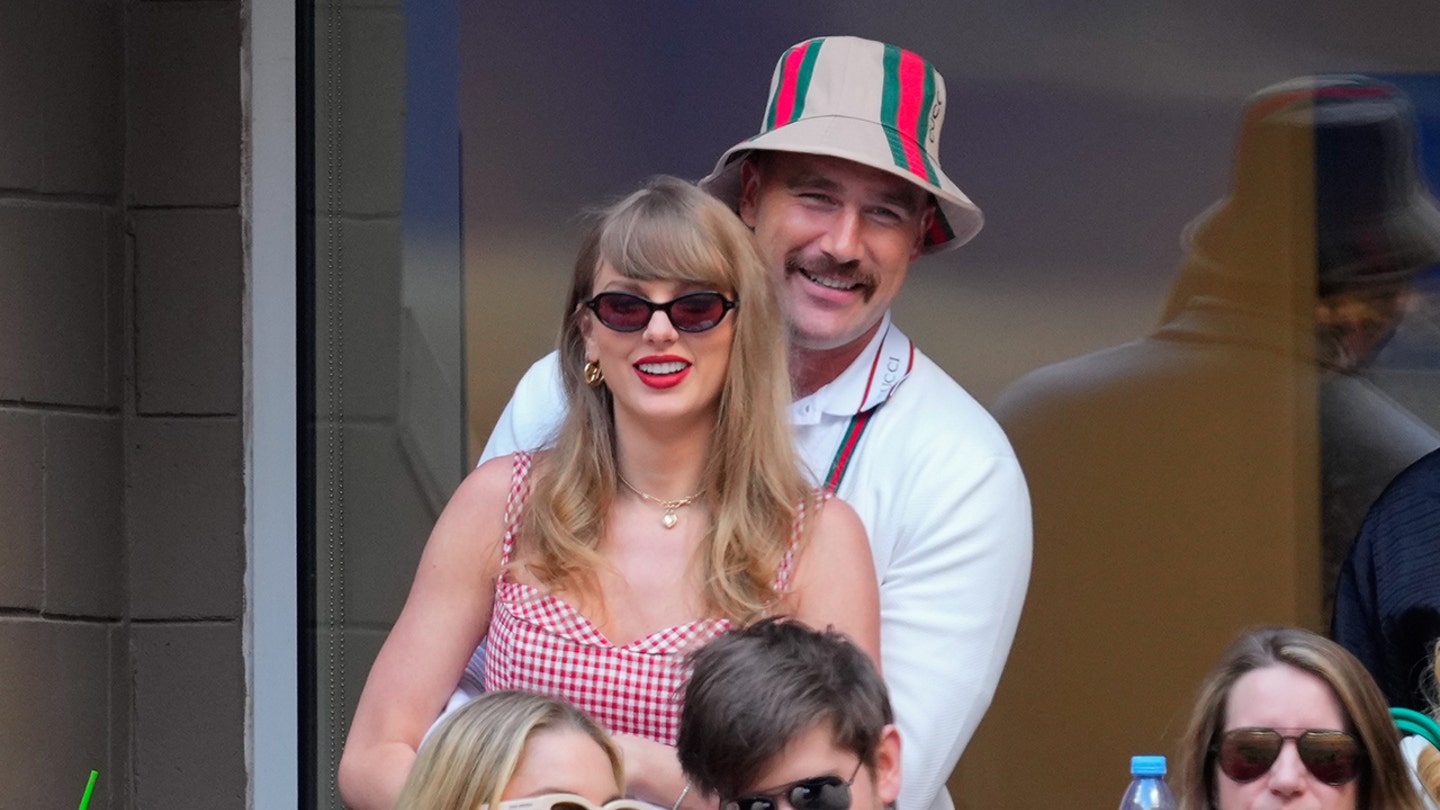
Travis Kelce is 'terrified' of his dad hearing Taylor Swift's raunchy song; Kylie Kelce reacts to it
Entities mentioned:
- Taylor Swift: Ambition, Recognition, Self-expression
- Travis Kelce: Pride, Self-preservation, Wariness
- Kylie Kelce: Unity, Loyalty, Enthusiasm
- Jason Kelce: Competitive spirit, Loyalty, Enthusiasm
Article Assessment:
Credibility Score: 70/100
Bias Rating: 55/100 (Center)
Sentiment Score: 65/100
Authoritarianism Risk: 20/100 (Strongly Democratic)
Bias Analysis:
The article presents a balanced view of reactions to Swift's album, including both positive and potentially uncomfortable responses. It relies on direct quotes and factual information about the album's performance.
Key metric: Music Industry Market Share
Let me tell you something - this story is RIDICULOUS! Taylor Swift has just thrown a Hail Mary pass with her new album that's got everyone talking! She's not just playing the game, she's changing it! Swift's lyrical playbook is pushing boundaries and scoring big time with fans. Travis Kelce might be a champion on the field, but he's in unfamiliar territory now, folks! He's gone from tight end to tight-lipped, terrified of his dad hearing Swift's raunchy lyrics. Talk about a false start! Meanwhile, Kylie Kelce is showing true team spirit, supporting her sister-in-law's bold offensive strategy. This is what we call a POWER PLAY in the music industry, and Swift is dominating the scoreboard with record-breaking pre-saves and streams. I'm telling you right now, she's not just winning the game, she's rewriting the rulebook!
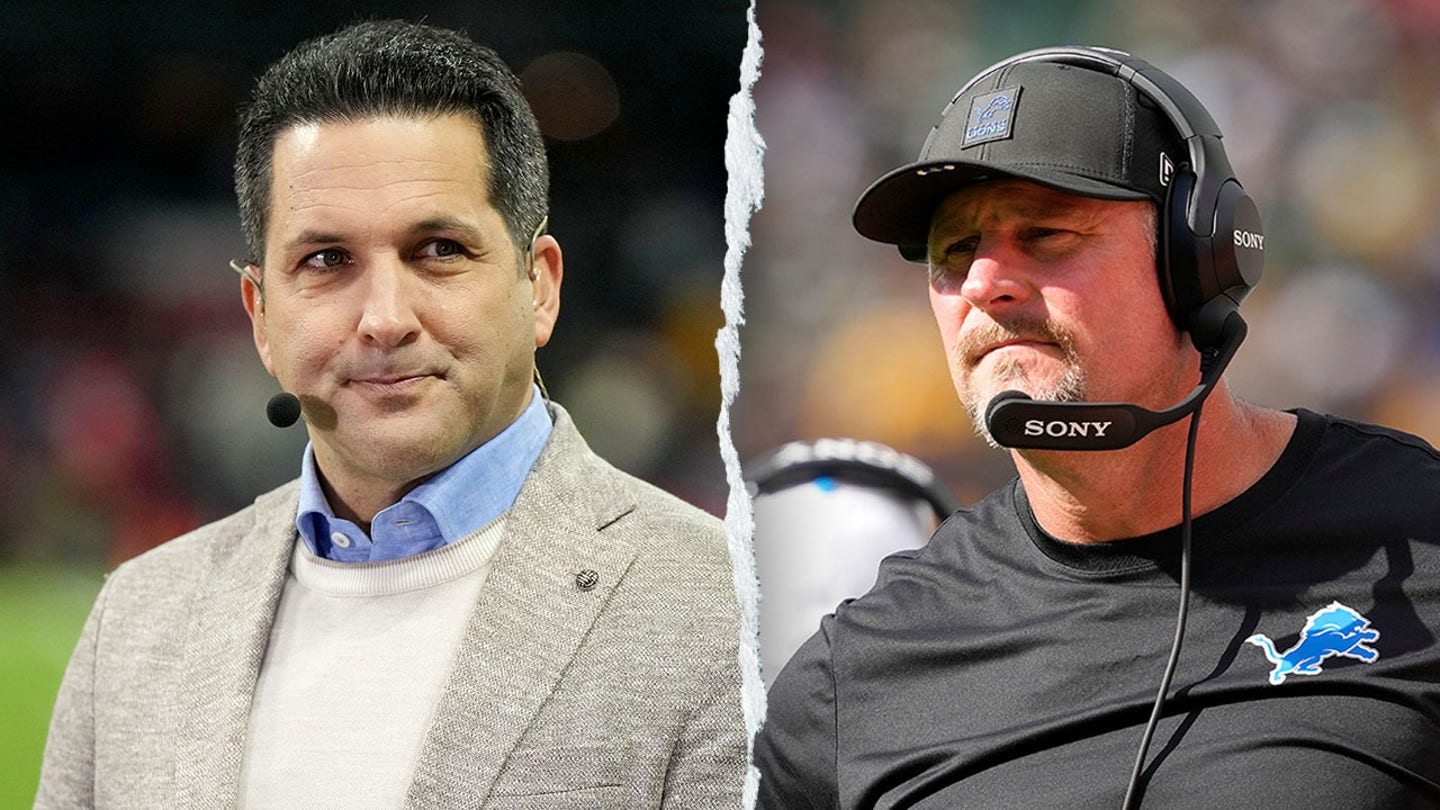
Lions' Dan Campbell blasts 'bogus' ESPN report on Aidan Hutchinson hits
Entities mentioned:
- Dan Campbell: Righteousness, Loyalty, Professional pride
- Adam Schefter: Recognition, Influence, Competitive spirit
- Detroit Lions: Competitive spirit, Loyalty, Self-preservation
- Aidan Hutchinson: Determination, Competitive spirit, Professional pride
- NFL: Control, Professional pride, Security
Article Assessment:
Credibility Score: 65/100
Bias Rating: 55/100 (Center)
Sentiment Score: 45/100
Authoritarianism Risk: 25/100 (Generally Democratic)
Bias Analysis:
The article presents both sides of the story, quoting Campbell and Schefter directly. It maintains a relatively neutral stance, letting the conflicting accounts speak for themselves.
Key metric: NFL Team Performance and Player Safety
Let me tell you something - this is a FULL-ON BLITZ between the Lions and ESPN! Coach Campbell is coming out swinging, folks, calling an audible against Schefter's play-by-play. The Lions are showing true team spirit, circling the wagons around their star defender Hutchinson. It's like they're in the red zone, protecting their quarterback from those low hits! But Schefter isn't backing down - he's doubling down on his offensive strategy. This is a fourth-quarter showdown between media playmakers and team management, and I'm telling you right now, the implications for player safety and team dynamics are HUGE! We're seeing a championship mentality from the Lions as they step up to the plate for their rising star. This is the kind of team cohesion that wins championships, folks!