
YouTube
Entities mentioned:
- UK Fish and Chip Shops: Self-preservation, Professional pride, Anxiety
- The Guardian: Duty, Influence, Curiosity
- British Fishing Industry: Self-preservation, Legacy, Anxiety
Article Assessment:
Credibility Score: 75/100
Bias Rating: 45/100 (Center)
Sentiment Score: 35/100
Authoritarianism Risk: 20/100 (Strongly Democratic)
Bias Analysis:
The article presents a balanced view of the issue, focusing on factual information about the fish and chip industry's challenges. While it leans towards sympathy for the industry, it doesn't appear to take a strong political stance.
Key metric: Economic Health Index
As a social scientist, I analyze that this article highlights a significant threat to a cultural institution and economic sector in the UK. The potential closure of up to half of the country's fish and chip shops indicates severe economic pressures on small businesses, likely due to rising costs and changing consumer habits. This situation reflects broader economic challenges, including inflation and supply chain issues, which are impacting traditional industries. The article's focus on a specific region (Yorkshire and Humber coast) suggests localized economic impacts that could have ripple effects throughout communities reliant on fishing and related industries. The transformation of a once-affordable national dish into a luxury item symbolizes wider economic disparities and changing social dynamics in the UK.
- Read more about YouTube
- Log in to post comments
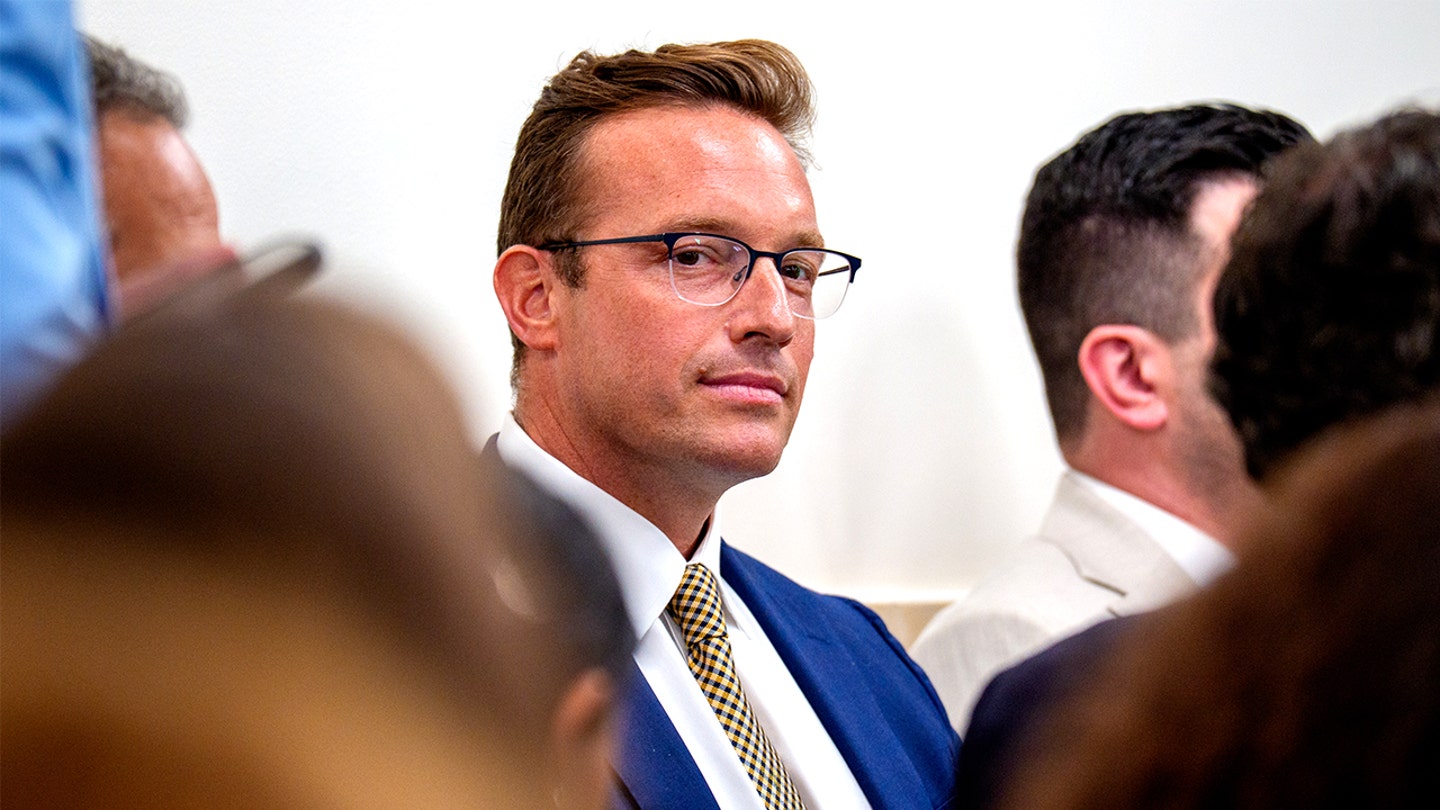
Benny Johnson scolds White House reporters who 'lie' about D.C. being safe during press briefing
Entities mentioned:
- Benny Johnson: Righteousness, Moral outrage, Influence
- Karoline Leavitt: Loyalty, Duty, Professional pride
- Donald Trump: Power, Control, Legacy
- Nancy Pelosi: Opposition, Power, Influence
- Hillary Clinton: Opposition, Influence, Legacy
- Democratic Party: Opposition, Power, Control
Article Assessment:
Credibility Score: 55/100
Bias Rating: 75/100 (Lean Right)
Sentiment Score: 30/100
Authoritarianism Risk: 65/100 (Authoritarian Tendencies)
Bias Analysis:
The article leans right, evidenced by its favorable portrayal of Trump administration actions and critical stance towards Democrats. It primarily presents conservative viewpoints and anecdotes, with limited counterbalancing perspectives.
Key metric: Crime Rate in Major Cities
As a social scientist, I analyze that this article highlights the politicization of crime and safety in Washington D.C., using personal anecdotes to challenge media narratives. The focus on Trump's actions to address crime suggests a shift in federal involvement in local law enforcement, which could have significant implications for crime rates and perceptions of safety in major cities. The article frames the issue as a success for the Trump administration, potentially influencing public opinion on crime policies and federal intervention. The confrontational tone towards other media outlets and opposition party members indicates a polarized discourse on urban crime and safety.

Vance visits US troops during high-stakes UK trip ahead of Trump's Putin meeting
Entities mentioned:
- JD Vance: Duty, Influence, Loyalty
- Donald Trump: Power, Control, Legacy
- Vladimir Putin: Power, Control, Self-preservation
- David Lammy: Duty, Cooperation, Security
- U.S. Military: Duty, Security, Professional pride
- European allies: Security, Cooperation, Self-preservation
- Ukraine: Self-preservation, Freedom, Justice
Article Assessment:
Credibility Score: 75/100
Bias Rating: 55/100 (Center)
Sentiment Score: 45/100
Authoritarianism Risk: 35/100 (Generally Democratic)
Bias Analysis:
The article presents a relatively balanced view, incorporating multiple perspectives and sources. However, there's a slight lean towards emphasizing the Trump administration's viewpoint, particularly in quoting Trump and Vance directly.
Key metric: International Relations and Diplomacy
As a social scientist, I analyze that this article highlights the complex interplay of international diplomacy, military strategy, and geopolitical tensions surrounding the ongoing Ukraine conflict. Vice President Vance's trip to the UK serves multiple purposes: reinforcing US-UK relations, pressuring European allies to take greater responsibility in the Ukraine conflict, and setting the stage for President Trump's meeting with Putin. The shift in Trump's rhetoric towards Putin suggests a potential recalibration of US-Russia relations. The article also underscores the significant financial commitment the US has made to Ukraine, and the administration's apparent desire to reduce this burden. This diplomatic maneuvering could have far-reaching implications for NATO alliance dynamics, the future of the Ukraine conflict, and the balance of power in Eastern Europe.
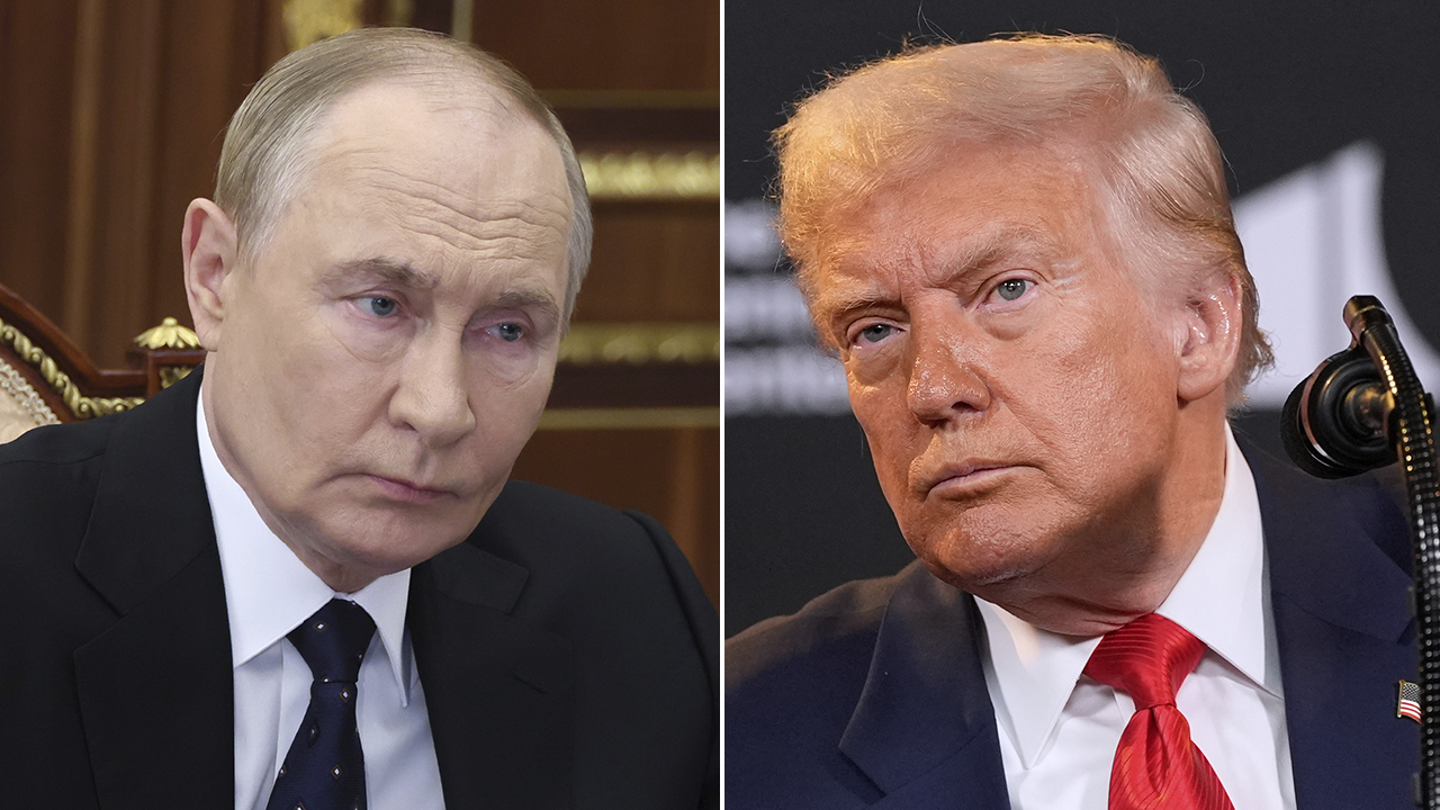
Trump threatens 'very severe' consequences if Russia doesn't agree to end Ukraine war
Entities mentioned:
- Donald Trump: Power, Influence, Recognition
- Vladimir Putin: Power, Control, Self-preservation
- Joe Biden: Duty, Influence, Legacy
- Volodymyr Zelenskyy: Determination, Unity, Justice
- Russia: Power, Control, Self-preservation
- Ukraine: Self-preservation, Freedom, Justice
- United States: Influence, Security, Duty
Article Assessment:
Credibility Score: 70/100
Bias Rating: 55/100 (Center)
Sentiment Score: 30/100
Authoritarianism Risk: 35/100 (Generally Democratic)
Bias Analysis:
The article presents multiple perspectives, including Trump's, Zelenskyy's, and implied Russian actions. While it focuses more on Trump's statements, it provides context and counterpoints, maintaining a relatively balanced approach.
Key metric: International Diplomacy Effectiveness
As a social scientist, I analyze that this article highlights the complex dynamics of international diplomacy and conflict resolution. Trump's threat of 'very severe consequences' for Russia demonstrates an attempt to leverage U.S. power in negotiations, but also reveals a potential lack of concrete strategy. The mention of previous ineffective conversations with Putin suggests limitations in diplomatic efforts. Zelenskyy's statement reinforces the ongoing nature of the conflict and the need for coordinated international pressure. The article indicates a challenging diplomatic landscape where threats and negotiations have yet to yield significant progress in ending the Ukraine war, impacting the U.S.'s perceived effectiveness in international conflict resolution.
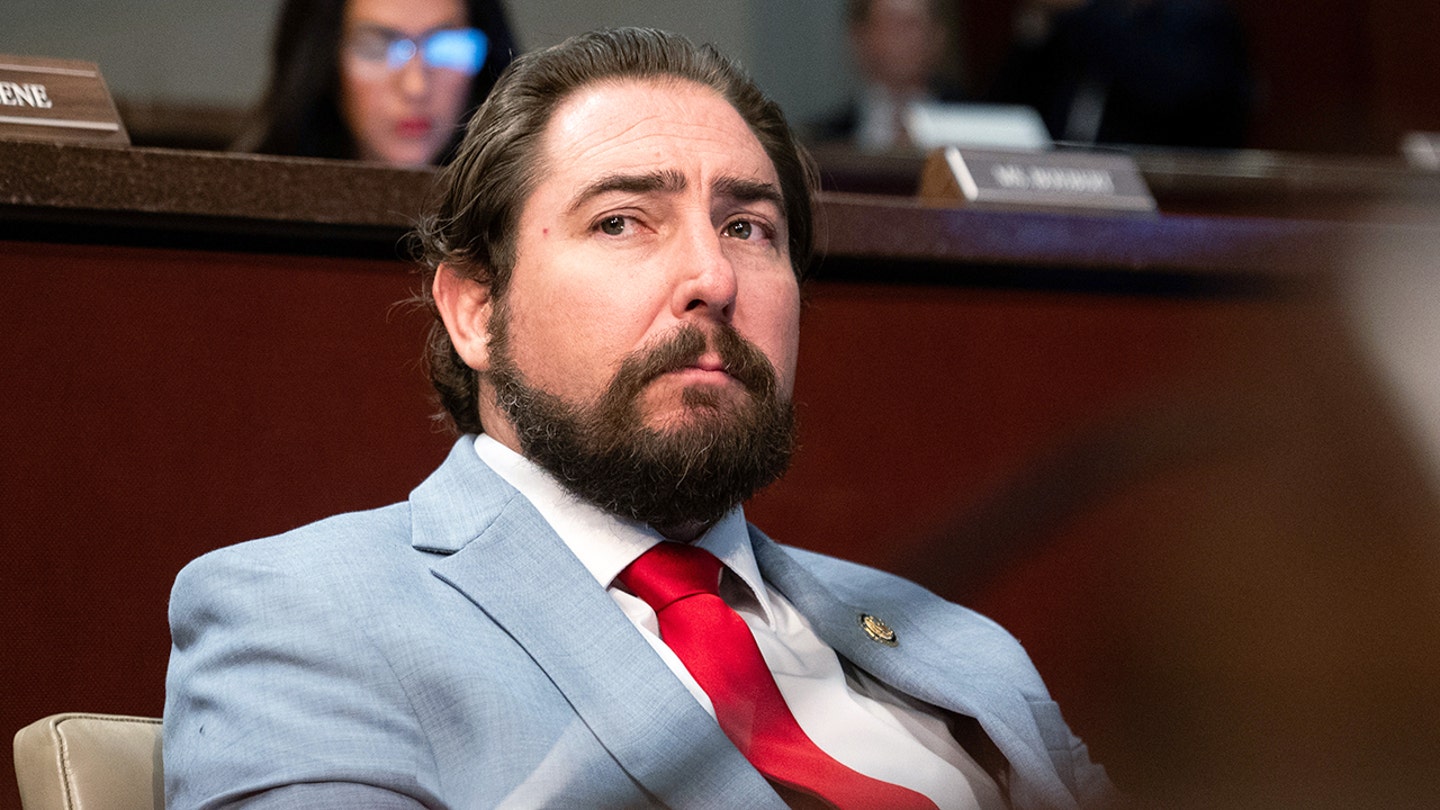
Former Navy SEAL Rep. Eli Crane fires off message for ex-President Obama: 'Probably best to sit this one out'
Entities mentioned:
- Eli Crane: Righteousness, Loyalty, Duty
- Barack Obama: Legacy, Influence, Justice
- Mike Lee: Competitive spirit, Righteousness, Duty
- Scott Walker: Righteousness, Professional pride, Influence
- Kush Desai: Loyalty, Duty, Competitive spirit
- Donald Trump: Competitive spirit, Power, Legacy
Article Assessment:
Credibility Score: 70/100
Bias Rating: 65/100 (Lean Right)
Sentiment Score: 35/100
Authoritarianism Risk: 30/100 (Generally Democratic)
Bias Analysis:
The article leans right, giving more space to Republican critiques of the ACA. While it includes Obama's perspective, it provides multiple opposing viewpoints, including a critical White House statement, suggesting a slight conservative bias.
Key metric: Healthcare Affordability Index
As a social scientist, I analyze that this article highlights ongoing political tensions surrounding the Affordable Care Act (ACA). The debate centers on the efficacy and impact of the healthcare law, with Republicans criticizing its effects on affordability and Democrats defending its benefits. The involvement of various political figures, including a former president, current lawmakers, and administration officials, underscores the continued significance of healthcare policy in American politics. This discourse may influence public perception of healthcare accessibility and affordability, potentially impacting voter behavior and policy decisions.
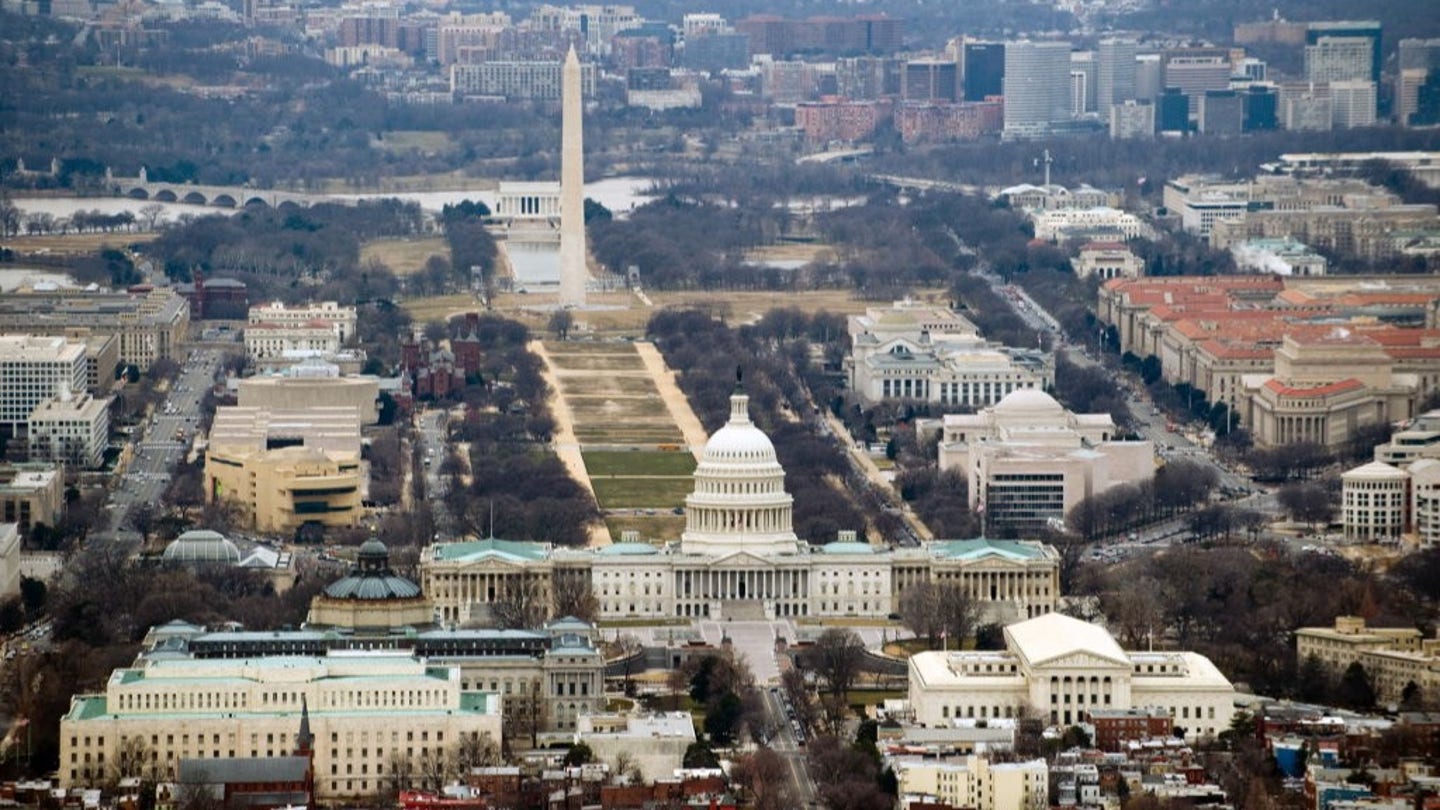
DAVID MARCUS: Trump understands that safety is for every citizen, not just the lucky few
Entities mentioned:
- Donald Trump: Ambition, Power, Legacy
- Democrats: Competitive spirit, Loyalty, Control
- Sen. Sheldon Whitehouse: Righteousness, Loyalty, Indignation
- Rep. Eric Swalwell: Competitive spirit, Recognition, Influence
- Rudy Giuliani: Determination, Legacy, Professional pride
- Mayor Muriel Bowser: Duty, Security, Pragmatism
Article Assessment:
Credibility Score: 45/100
Bias Rating: 75/100 (Lean Right)
Sentiment Score: 65/100
Authoritarianism Risk: 65/100 (Authoritarian Tendencies)
Bias Analysis:
The article heavily favors Trump's perspective and criticizes Democrats, using loaded language and selective examples. It presents a one-sided view of the crime situation and policy responses, aligning closely with right-wing talking points.
Key metric: Violent Crime Rate
As a social scientist, I analyze that this article focuses on President Trump's initiative to address crime in Washington D.C., framing it as a bold and necessary action. The article draws parallels to historical figures and past successful crime reduction efforts, particularly Rudy Giuliani's work in New York City. It portrays Democrats as obstructionist and out of touch with the realities of crime, while painting Trump as a decisive leader addressing a critical issue. The emphasis on public safety as a fundamental right and governmental responsibility is central to the article's argument. This initiative could potentially impact the violent crime rate in D.C. and, by extension, influence national crime statistics and policies. However, the article's strong partisan framing and lack of diverse perspectives limit its comprehensive analysis of the complex factors contributing to urban crime rates.
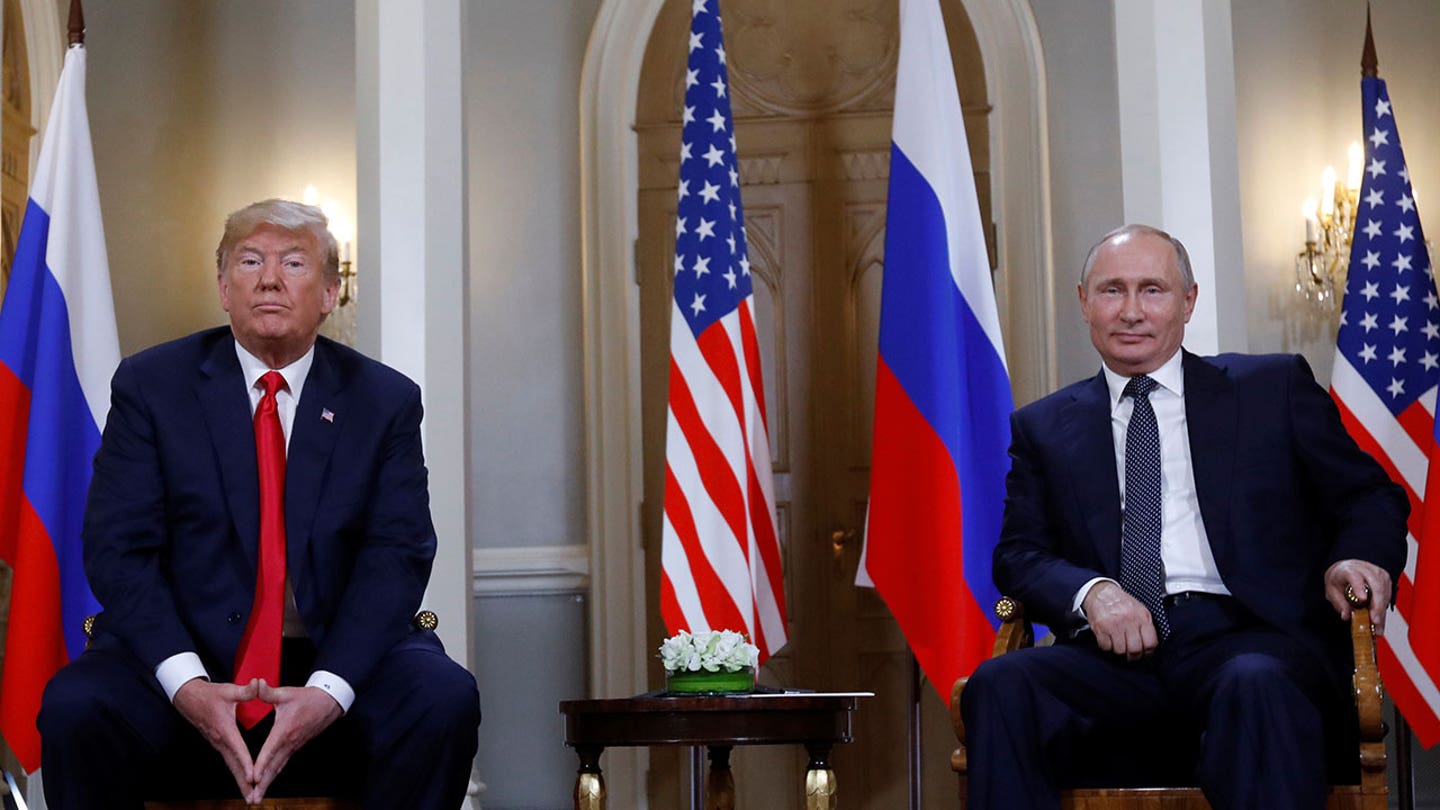
What we know about Trump’s meeting with Vladimir Putin in Alaska
Entities mentioned:
- Donald Trump: Ambition, Legacy, Power
- Vladimir Putin: Power, Control, Influence
- Volodymyr Zelenskyy: Determination, Righteousness, Self-preservation
- Karoline Leavitt: Duty, Loyalty, Professional pride
- Kaja Kallas: Security, Unity, Justice
- Dan Hoffman: Professional pride, Wariness, Curiosity
- Kirill Dmitriev: Influence, Loyalty, Pride
- Recep Tayyip Erdoğan: Influence, Recognition, Power
Article Assessment:
Credibility Score: 75/100
Bias Rating: 55/100 (Center)
Sentiment Score: 45/100
Authoritarianism Risk: 35/100 (Generally Democratic)
Bias Analysis:
The article presents multiple perspectives and quotes from various sources, indicating an attempt at balanced reporting. However, there's a slight lean towards emphasizing Western viewpoints and concerns, particularly those of Ukraine and its allies.
Key metric: International Relations and Diplomacy
As a social scientist, I analyze that this article highlights a significant diplomatic event with potential far-reaching consequences for international relations, particularly regarding the ongoing conflict in Ukraine. The proposed meeting between Trump and Putin in Alaska represents a high-stakes attempt at conflict resolution, bypassing traditional diplomatic channels and raising questions about the roles of other key stakeholders, especially Ukraine and European allies. The article underscores the complexities of international negotiations, the delicate balance of power dynamics, and the potential risks and opportunities in direct leader-to-leader diplomacy. It also reflects the ongoing tensions between national interests, territorial integrity, and the challenges of achieving lasting peace in a complex geopolitical landscape.
Vance to visit US troops during high-stakes UK trip ahead of Trump's Putin meeting
Entities mentioned:
- JD Vance: Duty, Influence, Professional pride
- Donald Trump: Power, Legacy, Control
- Vladimir Putin: Power, Control, Influence
- David Lammy: Duty, Influence, Unity
- U.S. Military: Duty, Security, Professional pride
- European allies: Security, Unity, Self-preservation
- Ukraine: Self-preservation, Freedom, Justice
Article Assessment:
Credibility Score: 75/100
Bias Rating: 55/100 (Center)
Sentiment Score: 45/100
Authoritarianism Risk: 35/100 (Generally Democratic)
Bias Analysis:
The article presents multiple viewpoints and sources, including both U.S. and European perspectives. However, there's a slight lean towards emphasizing the U.S. stance and actions, particularly those of Trump and Vance.
Key metric: U.S. Global Leadership
As a social scientist, I analyze that this article highlights a shift in U.S. foreign policy approach towards the Ukraine conflict. Vice President Vance's trip to the UK and his meetings with European leaders suggest a strategic move to redefine the U.S. role in the conflict. The emphasis on European allies taking greater responsibility indicates a potential reduction in U.S. financial commitment. This, coupled with Trump's upcoming meeting with Putin, signals a possible realignment of U.S. global leadership strategy. The article suggests a more transactional approach to international relations, which could impact the U.S.'s perceived role as a global leader. The mention of 'land swapping' in potential peace negotiations also indicates a pragmatic, rather than idealistic, approach to conflict resolution, which could have significant implications for U.S. foreign policy and global influence.
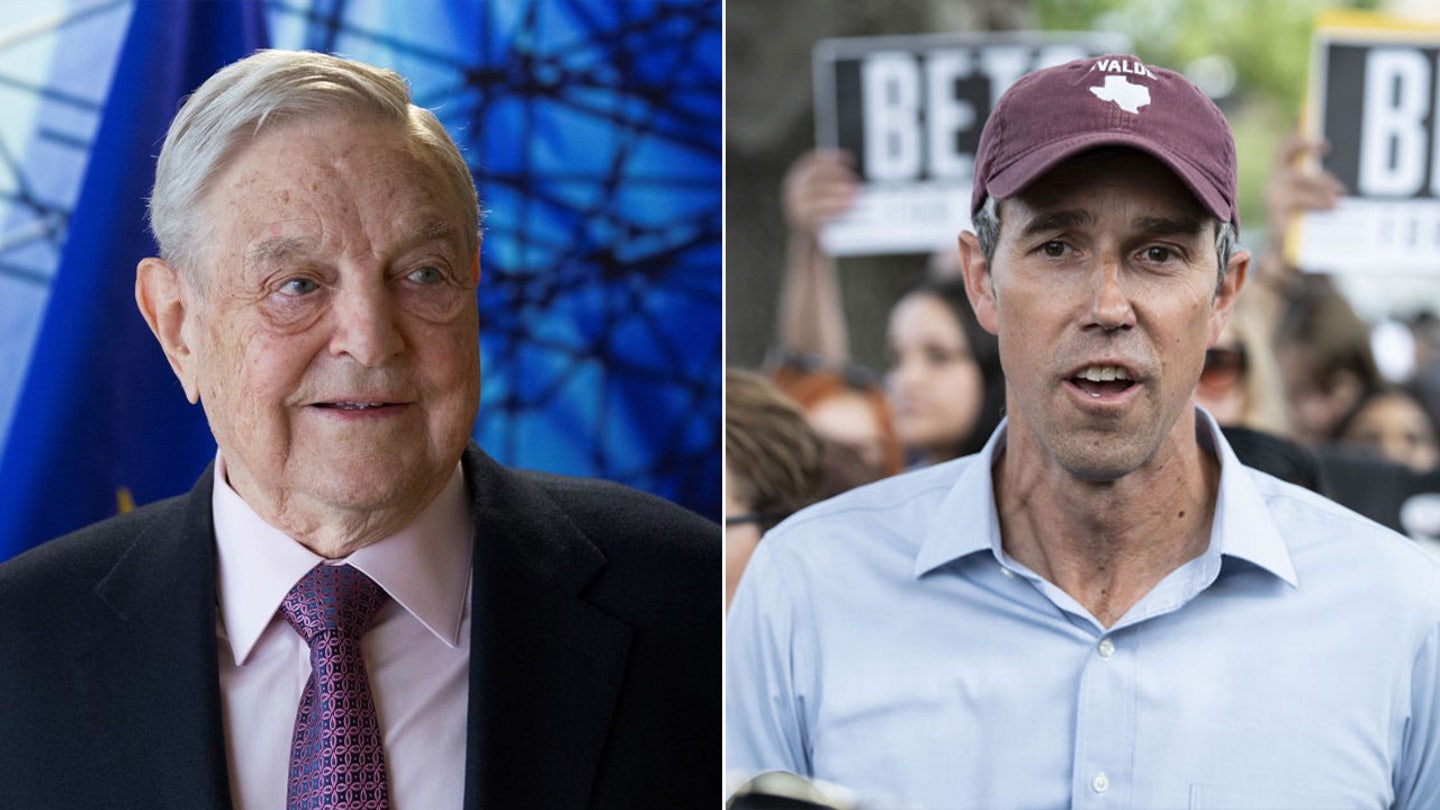
O'Rourke, Soros-linked groups face call for DOJ probe over alleged funding of Texas Dem walkout
Entities mentioned:
- John Cornyn: Justice, Duty, Righteousness
- Beto O'Rourke: Influence, Power, Unity
- George Soros: Influence, Power, Legacy
- Texas Democrats: Determination, Righteousness, Moral outrage
- Greg Abbott: Control, Power, Duty
- Ken Paxton: Ambition, Justice, Competitive spirit
- Department of Justice: Justice, Duty, Control
Article Assessment:
Credibility Score: 65/100
Bias Rating: 75/100 (Lean Right)
Sentiment Score: 30/100
Authoritarianism Risk: 55/100 (Mixed/Neutral)
Bias Analysis:
The article leans right, evidenced by its 'FIRST ON FOX' claim and focus on Republican perspectives. It presents Democratic actions negatively while highlighting Republican efforts to investigate and stop them.
Key metric: Political Polarization Index
As a social scientist, I analyze that this article highlights increasing political polarization in Texas and nationally. The conflict over redistricting and the dramatic actions taken by Texas Democrats to prevent it demonstrate deep partisan divides. The involvement of high-profile political figures and PACs in funding and supporting these actions further intensifies the polarization. The calls for federal investigation into the funding of the Democrats' exodus suggest a potential escalation of the conflict beyond state borders, which could contribute to broader national political tensions. This situation may lead to decreased trust in democratic processes and institutions, potentially impacting voter turnout and civic engagement in future elections.
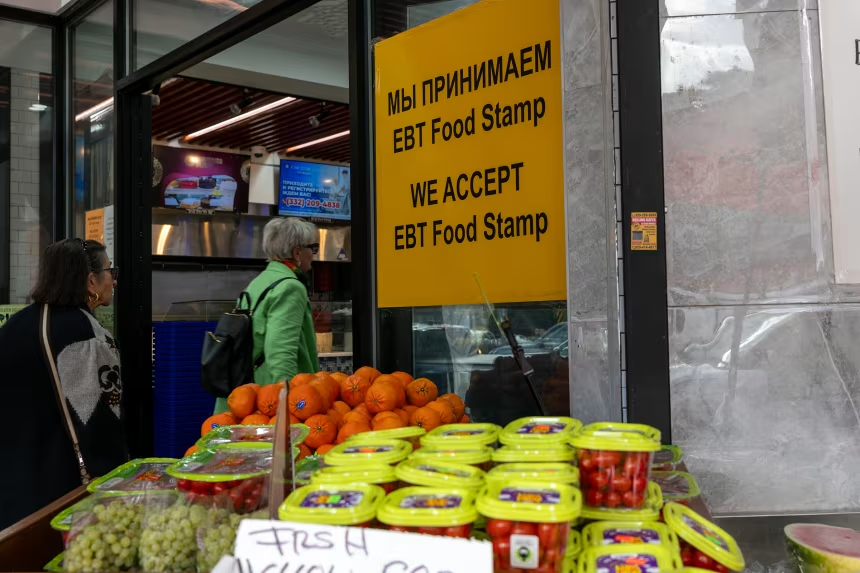
2.4 million people expected to lose food stamps after Trump agenda law broadened work requirements, CBO says
Entities mentioned:
- Republican lawmakers: Righteousness, Fiscal responsibility, Control
- President Donald Trump: Power, Legacy, Influence
- Congressional Budget Office: Duty, Professional pride, Obligation
- Food Research & Action Center: Justice, Moral outrage, Advocacy
- Justin Wolfers: Professional pride, Influence, Obligation
Article Assessment:
Credibility Score: 75/100
Bias Rating: 40/100 (Lean Left)
Sentiment Score: 30/100
Authoritarianism Risk: 45/100 (Mixed/Neutral)
Bias Analysis:
The article leans slightly left, emphasizing the negative impacts on low-income groups and quoting left-leaning sources. However, it also includes factual data from the CBO and presents some counterarguments, maintaining a degree of balance.
Key metric: Poverty Rate
As a social scientist, I analyze that this article highlights significant changes to social welfare programs, particularly SNAP (food stamps) and Medicaid, due to new work requirements. These changes are projected to reduce the number of beneficiaries and potentially increase poverty and food insecurity among vulnerable populations. The CBO's analysis suggests that while the law aims to promote work, it may disproportionately impact low-income families, potentially exacerbating income inequality. The projected increase in uninsured Americans and reduction in food assistance could lead to poorer health outcomes and increased economic stress for affected households, potentially increasing the poverty rate.