
Witkoff meets with Putin as Trump’s sanctions threat looms
Entities mentioned:
- Donald Trump: Power, Control, Determination
- Steve Witkoff: Duty, Influence, Ambition
- Vladimir Putin: Power, Control, Self-preservation
- Volodymyr Zelensky: Self-preservation, Determination, Unity
- Kirill Dmitriev: Duty, Loyalty, Influence
- Dmitry Medvedev: Loyalty, Influence, Power
- Marco Rubio: Professional pride, Influence, Duty
- Scott Bessent: Duty, Influence, Professional pride
- Xi Jinping: Power, Influence, Unity
- Keith Kellogg: Duty, Influence, Professional pride
Article Assessment:
Credibility Score: 75/100
Bias Rating: 45/100 (Center)
Sentiment Score: 35/100
Authoritarianism Risk: 25/100 (Generally Democratic)
Bias Analysis:
The article presents multiple perspectives and cites various sources, including state media and unnamed officials. While it leans slightly towards a US-centric view, it attempts to provide balanced coverage of the complex situation.
Key metric: International Relations Score
As a social scientist, I analyze that this article highlights the complex dynamics of international relations, particularly between the US and Russia. The potential for new sanctions against Russia and the diplomatic efforts to avoid them demonstrate the delicate balance of power and negotiation in global politics. Trump's approach, combining threats of sanctions with diplomatic outreach, reflects a strategy of creating leverage. The involvement of other countries like China and India in Russian energy purchases adds layers of complexity to the situation. This diplomatic dance has significant implications for global stability, economic relations, and the ongoing conflict in Ukraine.
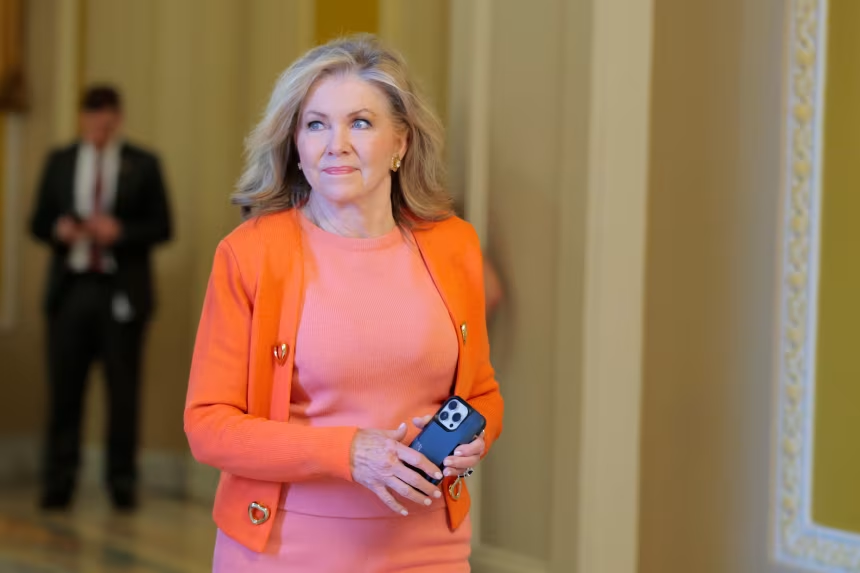
Republican US Sen. Marsha Blackburn joins Tennessee race for governor
Entities mentioned:
- Marsha Blackburn: Ambition, Power, Influence
- John Rose: Competitive spirit, Ambition, Power
- Bill Lee: Legacy, Duty
- Donald Trump: Influence, Power, Legacy
- Republican Party: Control, Power, Influence
- Democratic Party: Competitive spirit, Influence, Power
Article Assessment:
Credibility Score: 75/100
Bias Rating: 55/100 (Center)
Sentiment Score: 50/100
Authoritarianism Risk: 35/100 (Generally Democratic)
Bias Analysis:
The article presents a balanced view of the political situation, giving space to both Republican and Democratic candidates. While it provides more detail on Republican figures, this reflects the current political reality in Tennessee.
Key metric: Political Party Power Distribution
As a social scientist, I analyze that this article highlights the ongoing power dynamics within the Republican Party in Tennessee. The entry of Senator Marsha Blackburn into the 2026 gubernatorial race signifies a continuation of the rightward shift in Tennessee politics. Her alignment with former President Trump and focus on conservative issues suggests a strategy to appeal to the state's predominantly conservative voter base. The primary challenge from Rep. John Rose, another Trump supporter, indicates potential internal party competition that could influence the GOP's direction in Tennessee. The overwhelming Republican victories mentioned in recent elections underscore the party's dominance in the state, which could have implications for policy-making and governance. The Democrats' multiple candidates suggest an attempt to rebuild their presence, though the article implies their chances may be slim given recent electoral history. This political landscape reflects broader national trends of party polarization and the ongoing influence of Trump-style politics within the Republican Party.
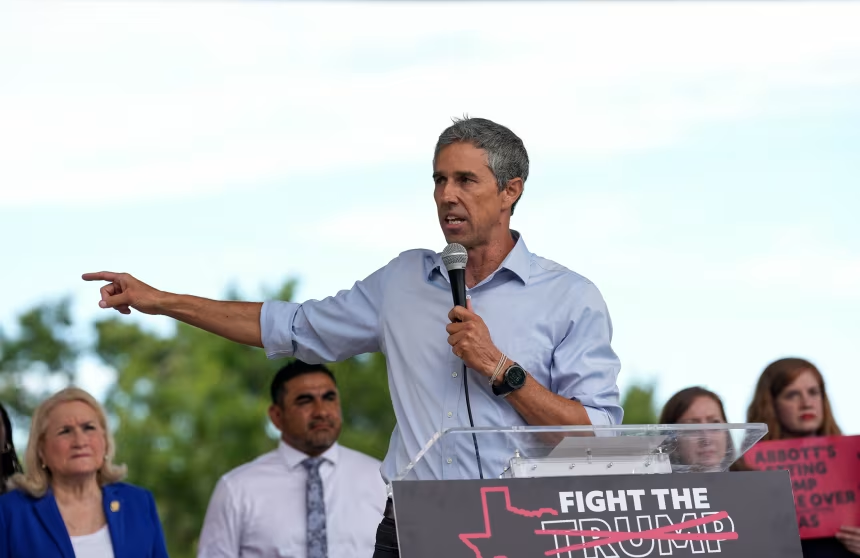
Beto O’Rourke raises funds for Texas Democrats, says 2026 midterms will be decided this summer
Entities mentioned:
- Beto O'Rourke: Ambition, Righteousness, Justice
- Texas Democrats: Justice, Determination, Self-preservation
- Texas Republicans: Power, Control, Ambition
- Greg Abbott: Control, Power, Competitive spirit
- Ken Paxton: Ambition, Power, Competitive spirit
- Alexandria Ocasio-Cortez: Justice, Influence, Loyalty
Article Assessment:
Credibility Score: 70/100
Bias Rating: 35/100 (Lean Left)
Sentiment Score: 30/100
Authoritarianism Risk: 45/100 (Mixed/Neutral)
Bias Analysis:
The article leans left in its framing, giving more space to Democratic perspectives and motivations. While it includes Republican viewpoints, these are often presented in a more critical light.
Key metric: Electoral Integrity
As a social scientist, I analyze that this article highlights a significant political conflict in Texas over redistricting, which has broader implications for national electoral politics. The actions of Texas Democrats leaving the state to prevent a quorum, and the subsequent fundraising efforts led by Beto O'Rourke, represent a high-stakes battle over electoral map-drawing that could impact future Congressional representation. The aggressive response from Republican leadership, including threats of arrest and disqualification, escalates the conflict and raises concerns about the use of state power in partisan struggles. O'Rourke's framing of the issue as a fight against 'authoritarian power' and the potential impact on future elections, including a hypothetical third Trump term, elevates the perceived importance of this local conflict to a national level. This situation reflects broader trends in American politics, including increasing polarization, the use of procedural tactics in legislative battles, and concerns about the fairness of electoral processes.
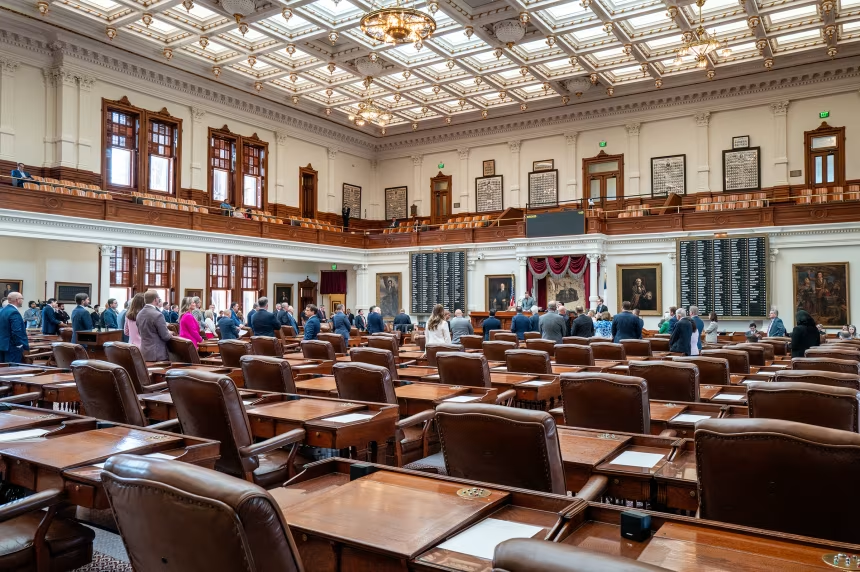
Will Texas Democrats’ walkout work?
Entities mentioned:
- Texas Democrats: Justice, Determination, Righteousness
- Texas Republicans: Power, Control, Ambition
- President Donald Trump: Power, Influence, Control
- Oregon Republicans: Loyalty, Righteousness, Obligation
Article Assessment:
Credibility Score: 75/100
Bias Rating: 45/100 (Center)
Sentiment Score: 35/100
Authoritarianism Risk: 25/100 (Generally Democratic)
Bias Analysis:
The article presents a balanced view, discussing both Democratic and Republican perspectives on walkouts and gerrymandering. While slightly more space is given to Democratic arguments, the piece includes counterpoints and potential criticisms of the walkout strategy.
Key metric: Electoral Integrity
As a social scientist, I analyze that this article highlights the ongoing struggle over redistricting and its impact on electoral integrity in the United States. The Texas Democrats' walkout represents a dramatic escalation in the fight against gerrymandering, particularly mid-decade redistricting efforts. This tactic, while potentially effective in the short term, faces significant challenges in terms of sustainability and public perception. The article suggests that while Americans generally disapprove of gerrymandering, their views can be influenced by partisan loyalty. The success of this strategy will likely depend on the Democrats' ability to frame the issue effectively and maintain public support over an extended period. The long-term implications for electoral integrity are significant, as this confrontation could either lead to fairer districting practices or further entrench partisan manipulation of electoral maps.
- Read more about Will Texas Democrats’ walkout work?
- Log in to post comments

Whitmer is trying to leverage her relationship with Trump again — this time on tariffs and Medicaid
Entities mentioned:
- Gretchen Whitmer: Ambition, Duty, Self-preservation
- Donald Trump: Power, Control, Influence
- JB Pritzker: Competitive spirit, Moral outrage
Article Assessment:
Credibility Score: 75/100
Bias Rating: 45/100 (Center)
Sentiment Score: 55/100
Authoritarianism Risk: 30/100 (Generally Democratic)
Bias Analysis:
The article presents a balanced view of the political dynamics, including perspectives from both parties. While it gives more space to Whitmer's actions, it also includes contrasting approaches from other Democrats, maintaining a relatively neutral stance.
Key metric: Economic Growth
As a social scientist, I analyze that this article highlights the complex interplay between state and federal politics, particularly in the context of economic policy. Governor Whitmer's approach of leveraging a positive relationship with President Trump, despite party differences, demonstrates a pragmatic strategy to benefit her state's economy. The focus on tariffs and Medicaid changes underscores the significant impact federal policies can have on state economies, especially in manufacturing-heavy states like Michigan. This interaction also reveals the delicate balance Democratic politicians must maintain between working with a Republican administration and maintaining their party allegiance, as evidenced by the contrast with Governor Pritzker's more confrontational approach.
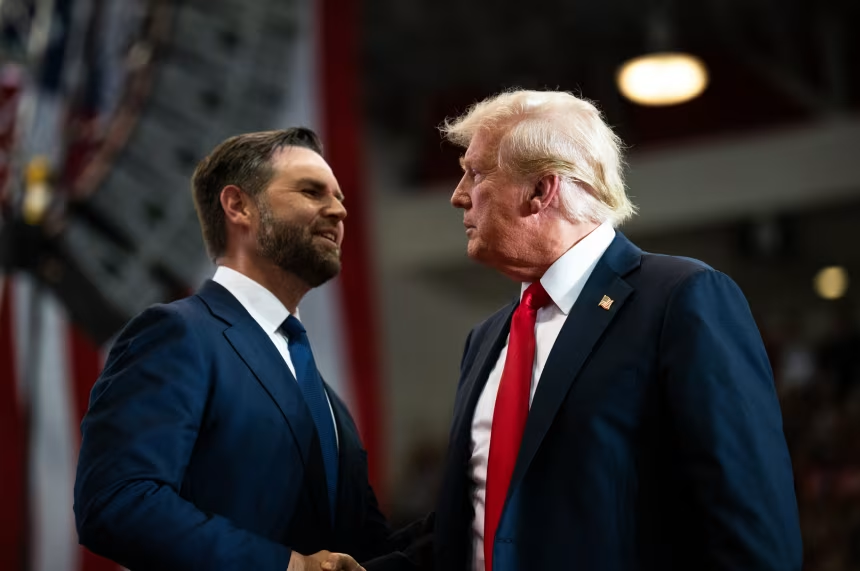
Trump suggests Vance is likely heir apparent to the MAGA movement, the furthest he’s gone in backing VP’s future
Entities mentioned:
- Donald Trump: Power, Influence, Legacy
- JD Vance: Ambition, Loyalty, Recognition
- Marco Rubio: Ambition, Influence, Professional pride
- Kristi Noem: Ambition, Recognition, Power
- Pam Bondi: Loyalty, Professional pride, Recognition
Article Assessment:
Credibility Score: 70/100
Bias Rating: 55/100 (Center)
Sentiment Score: 60/100
Authoritarianism Risk: 45/100 (Mixed/Neutral)
Bias Analysis:
The article presents multiple perspectives and quotes from different sources, maintaining a relatively balanced approach. However, there's a slight lean towards emphasizing Trump's influence and the MAGA movement, which could be interpreted as a subtle center-right bias.
Key metric: Political Stability and Succession Planning
As a social scientist, I analyze that this article highlights the emerging dynamics of succession planning within the Republican Party and the MAGA movement. Trump's endorsement of Vance as a potential heir apparent signifies a shift in party leadership and could impact future electoral strategies. The mention of a possible Vance-Rubio ticket suggests an attempt to unify different factions within the party. This development may influence voter perceptions, party unity, and the long-term direction of conservative politics in the United States. The article also underscores the growing influence of younger politicians like Vance and the continued relevance of established figures like Rubio, indicating a potential generational shift in Republican leadership.
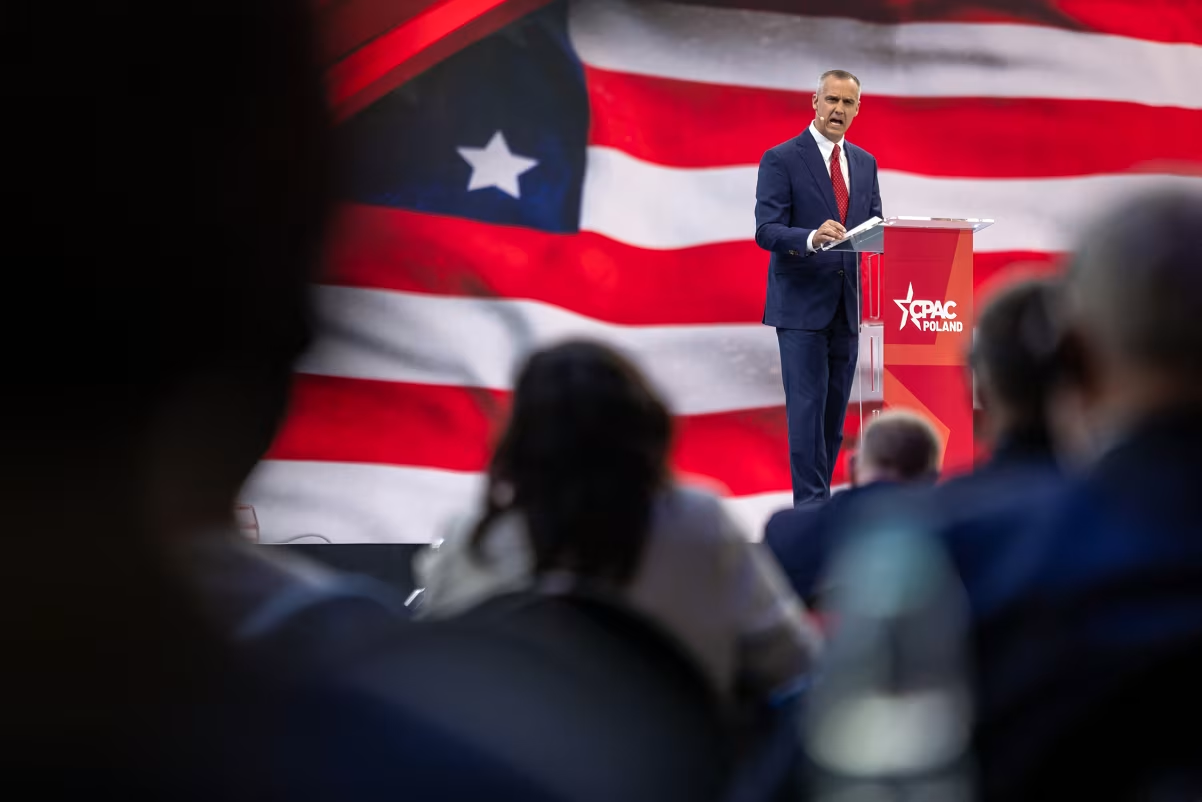
How Corey Lewandowski’s power at the Department of Homeland Security keeps growing
Entities mentioned:
- Corey Lewandowski: Power, Influence, Ambition
- Kristi Noem: Ambition, Loyalty, Control
- Donald Trump: Power, Control, Legacy
- Department of Homeland Security: Security, Control, Duty
- Cameron Hamilton: Professional pride, Duty, Self-preservation
- FEMA: Duty, Security, Self-preservation
Article Assessment:
Credibility Score: 75/100
Bias Rating: 45/100 (Center)
Sentiment Score: 35/100
Authoritarianism Risk: 65/100 (Authoritarian Tendencies)
Bias Analysis:
The article presents multiple perspectives and sources, including official statements and insider accounts. While it highlights concerns about Lewandowski's role, it also includes rebuttals from DHS officials, maintaining a relatively balanced approach.
Key metric: Government Accountability and Transparency
As a social scientist, I analyze that this article highlights a concerning trend of informal power structures within the Department of Homeland Security, potentially undermining established chains of command and democratic accountability. Lewandowski's outsized influence, despite his temporary status, raises questions about the integrity of decision-making processes and the potential for conflicts of interest. The apparent sidelining of career officials and aggressive approach to reshaping agencies like FEMA suggest a prioritization of political loyalty over expertise, which could negatively impact the department's ability to fulfill its core mission of ensuring national security and managing emergencies effectively.

NASA wants US to be the first nation to put nuclear reactor on the moon
Entities mentioned:
- NASA: Ambition, Competitive spirit, Professional pride
- Sean Duffy: Ambition, Competitive spirit, Legacy
- United States: Competitive spirit, Power, Influence
- China: Competitive spirit, Power, Influence
- Russia: Competitive spirit, Power, Influence
- Department of Energy: Professional pride, Duty, Curiosity
Article Assessment:
Credibility Score: 75/100
Bias Rating: 45/100 (Center)
Sentiment Score: 55/100
Authoritarianism Risk: 35/100 (Generally Democratic)
Bias Analysis:
The article presents a balanced view of the situation, including multiple perspectives and factual information. While it focuses on US efforts, it also mentions competing nations' plans, maintaining a relatively neutral stance.
Key metric: Space Technology Leadership
As a social scientist, I analyze that this article highlights the escalating space race between the United States and its competitors, particularly China and Russia. The push for placing a nuclear reactor on the moon represents a critical technological advancement that could determine future lunar exploration capabilities and geopolitical influence in space. NASA's urgency in this matter reflects concerns about falling behind in space technology and potentially losing access to strategic lunar locations. This development could significantly impact the US's position in space exploration, scientific advancement, and global technological leadership. The initiative also underscores the increasing militarization and commercialization of space, raising questions about international space law and cooperation in the future.

Justice Department to seek federal hate crime charges and death penalty in killing of Israeli Embassy staffers
Entities mentioned:
- Justice Department: Justice, Duty, Righteousness
- Elias Rodriguez: Moral outrage, Revenge, Righteousness
- Trump Justice Department: Determination, Justice, Power
- Yaron Lischinsky: Duty, Professional pride
- Sarah Milgrim: Duty, Professional pride
- Jeanine Pirro: Justice, Ambition, Professional pride
Article Assessment:
Credibility Score: 75/100
Bias Rating: 55/100 (Center)
Sentiment Score: 30/100
Authoritarianism Risk: 35/100 (Generally Democratic)
Bias Analysis:
The article presents a balanced view of the case, including both the prosecution's perspective and potential challenges. While it mentions the Trump Justice Department's approach, it does not overtly favor or criticize any political stance.
Key metric: Domestic Terrorism Incidents
As a social scientist, I analyze that this case represents a significant escalation in the US government's approach to hate crimes and terrorism, particularly those targeting the Jewish community. The decision to pursue federal hate crime charges and potentially seek the death penalty indicates a strong stance against antisemitism and violence towards foreign officials. This case may set a precedent for how similar incidents are handled in the future, potentially impacting the frequency and nature of such attacks. The difficulty in proving hate crime motivations, especially when political motivations are intertwined, highlights the complexities in prosecuting these cases. The swift action and high-profile nature of the case may serve as a deterrent, but could also inflame tensions in already polarized communities.
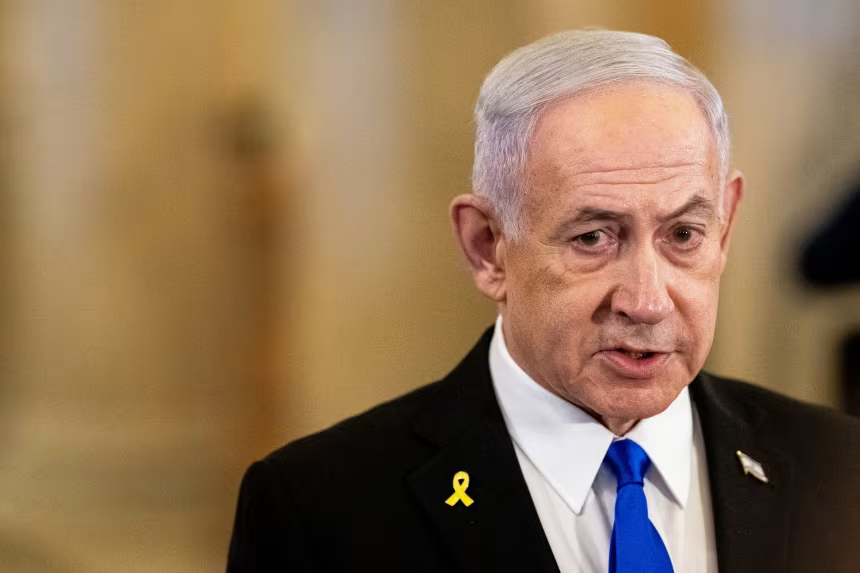
Pro-Israel Democrats try breaking with Netanyahu to stop party’s shift amid Gaza crisis
Entities mentioned:
- Benjamin Netanyahu: Power, Control, Self-preservation
- Democratic Party: Unity, Influence, Self-preservation
- AIPAC: Influence, Loyalty, Power
- Brian Schatz: Justice, Moral outrage, Professional pride
- Mikie Sherrill: Duty, Justice, Self-preservation
- Tim Walz: Ambition, Influence, Professional pride
- Cory Booker: Ambition, Loyalty, Self-preservation
- John Fetterman: Loyalty, Determination, Moral outrage
- Bernie Sanders: Justice, Moral outrage, Influence
- Rahm Emanuel: Ambition, Influence, Self-preservation
Article Assessment:
Credibility Score: 75/100
Bias Rating: 45/100 (Center)
Sentiment Score: 35/100
Bias Analysis:
The article presents multiple perspectives within the Democratic Party, including both pro-Israel and critical voices. While it leans slightly towards highlighting critical views of Netanyahu, it also includes counterpoints and context, maintaining a relatively balanced approach.
Key metric: Democratic Party Unity and Voter Support
As a social scientist, I analyze that this article highlights a significant shift in the Democratic Party's stance towards Israel, particularly in relation to Prime Minister Netanyahu's policies. This shift is driven by moral outrage over the humanitarian crisis in Gaza and a strategic calculation about future voter support, especially among younger Democrats. The party is attempting to balance its traditional pro-Israel stance with criticism of Netanyahu's government, hoping to maintain unity while adapting to changing voter sentiments. This balancing act could have significant implications for party cohesion, future elections, and U.S.-Israel relations. The article suggests that this issue may become a litmus test in upcoming elections, potentially reshaping the Democratic Party's foreign policy platform and its relationship with pro-Israel lobbying groups like AIPAC.