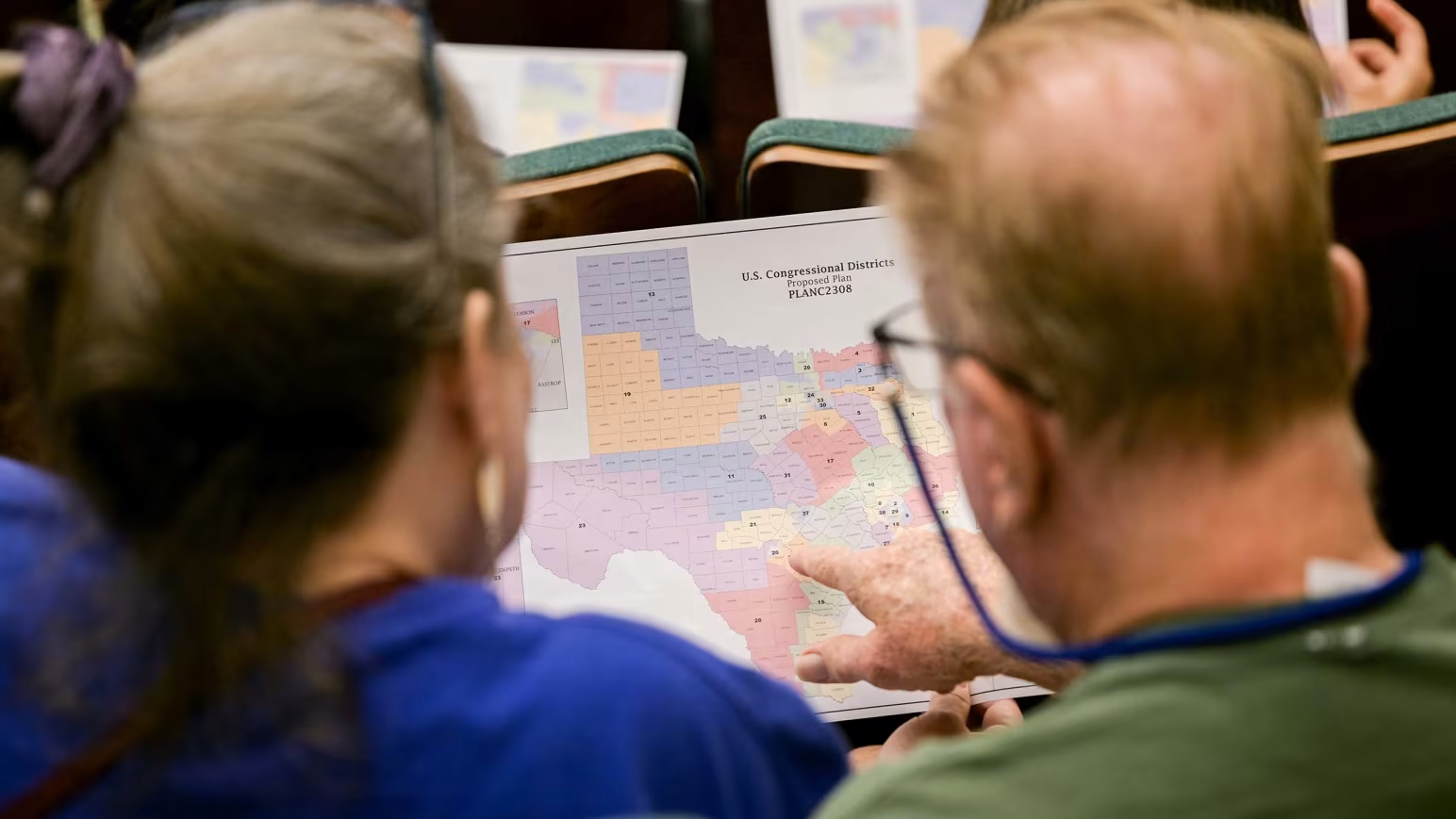
Democrats delay Texas redistricting again, escalating a standoff with GOP leaders
Entities mentioned:
- Texas Democrats: Justice, Determination, Moral outrage
- Texas Republicans: Power, Control, Ambition
- Gov. Greg Abbott: Power, Determination, Control
- House Speaker Dustin Burrows: Power, Control, Duty
- Attorney General Ken Paxton: Power, Ambition, Control
- Sen. John Cornyn: Power, Ambition, Loyalty
- Beto O'Rourke: Justice, Influence, Moral outrage
- Gov. Gavin Newsom: Competitive spirit, Power, Justice
- Gov. JB Pritzker: Justice, Moral outrage, Unity
Article Assessment:
Credibility Score: 75/100
Bias Rating: 55/100 (Center)
Sentiment Score: 30/100
Authoritarianism Risk: 65/100 (Authoritarian Tendencies)
Bias Analysis:
The article presents perspectives from both Democrats and Republicans, quoting multiple sources from each side. While it gives slightly more space to Democratic viewpoints, it also includes Republican justifications and actions, maintaining a relatively balanced approach.
Key metric: Voting Rights and Electoral Integrity
As a social scientist, I analyze that this article highlights a significant political conflict in Texas over redistricting, which has broader implications for national electoral politics. The standoff between Democrats and Republicans demonstrates the high stakes of redistricting in determining future political control. The Democrats' decision to deny quorum by leaving the state reflects the intensity of the conflict and their limited options within the legislative process. The Republicans' aggressive response, including threats of arrest and financial penalties, indicates the importance they place on passing their preferred maps. This conflict is part of a larger national trend of partisan redistricting battles, with potential ripple effects in other states. The involvement of federal officials and out-of-state governors further emphasizes the national significance of this state-level dispute. The conflict raises concerns about the fairness of the redistricting process and its impact on democratic representation, potentially eroding public trust in electoral systems and exacerbating political polarization.
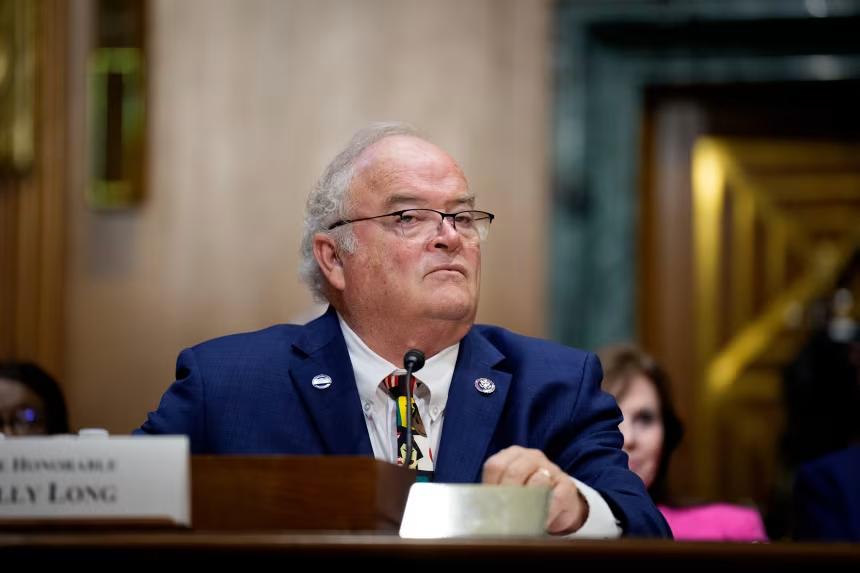
Trump ousts Billy Long as IRS commissioner, names Bessent acting head
Entities mentioned:
- Donald Trump: Power, Control, Influence
- Billy Long: Ambition, Recognition, Professional pride
- Scott Bessent: Duty, Power, Influence
- Internal Revenue Service (IRS): Duty, Professional pride, Obligation
Article Assessment:
Credibility Score: 75/100
Bias Rating: 45/100 (Center)
Sentiment Score: 35/100
Authoritarianism Risk: 65/100 (Authoritarian Tendencies)
Bias Analysis:
The article presents a factual account of events with multiple sources cited. While it highlights issues in the Trump administration's handling of the IRS, it maintains a relatively neutral tone and includes direct quotes and specific details, balancing the presentation.
Key metric: Government Stability and Effectiveness
As a social scientist, I analyze that the frequent turnover in IRS leadership under the Trump administration indicates a significant instability in this crucial government agency. The rapid succession of seven different leaders since the 2024 election, coupled with a 25% workforce reduction, suggests a potential crisis in the agency's ability to function effectively. This turnover may impact tax collection efficiency, policy implementation, and overall government revenue. The appointment of individuals with limited tax experience or controversial backgrounds to lead the IRS raises concerns about the agency's direction and its ability to fulfill its mission impartially. The frequent leadership changes and staff reductions could lead to lowered morale, loss of institutional knowledge, and decreased operational effectiveness, potentially undermining the government's fiscal capabilities.
For Subscribers
Entities mentioned:
- Donald Trump: Power, Influence, Recognition
- James Hagedorn: Influence, Greed, Professional pride
- Terrance Cole: Duty, Control, Professional pride
- Joe Biden: Legacy, Influence, Justice
- Susie Wiles: Duty, Loyalty, Influence
- Joe Rogan: Influence, Freedom, Recognition
- Alex Bruesewitz: Influence, Ambition, Recognition
Article Assessment:
Credibility Score: 75/100
Bias Rating: 55/100 (Center)
Sentiment Score: 50/100
Authoritarianism Risk: 35/100 (Generally Democratic)
Bias Analysis:
The article presents multiple perspectives and cites various sources, indicating an attempt at balanced reporting. However, there's a slight focus on Trump's decision-making process and political considerations, which may suggest a slight center-right lean.
Key metric: Drug Policy and Criminal Justice Reform
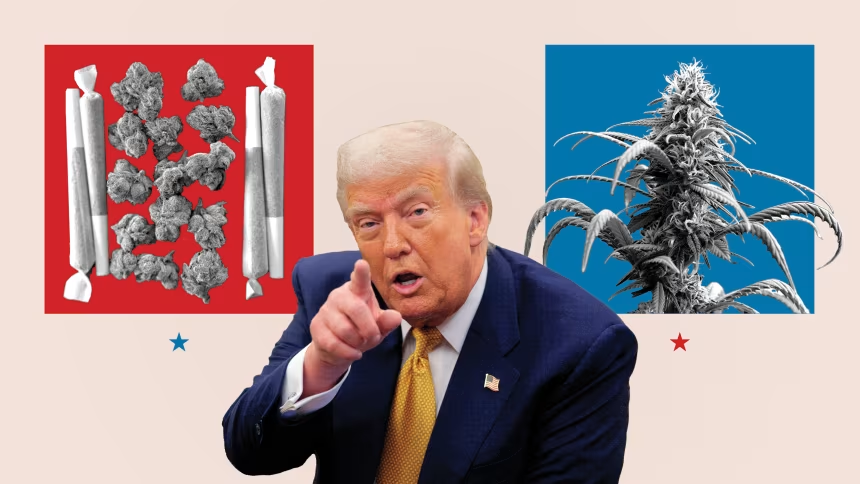
As a social scientist, I analyze that this article highlights the complex political and social dynamics surrounding potential marijuana policy reform under the Trump administration. The president's consideration of rescheduling marijuana reflects a shift in Republican attitudes towards drug policy, driven by changing public opinion and potential political benefits. However, the administration's hesitation and internal disagreements underscore the challenges of implementing such a significant policy change. This situation demonstrates the tension between campaign promises, public opinion, and established institutional practices in shaping drug policy. The involvement of various stakeholders, including industry leaders and political advisors, further complicates the decision-making process, illustrating the multifaceted nature of policy reform in a highly politicized environment.
- Read more about For Subscribers
- Log in to post comments
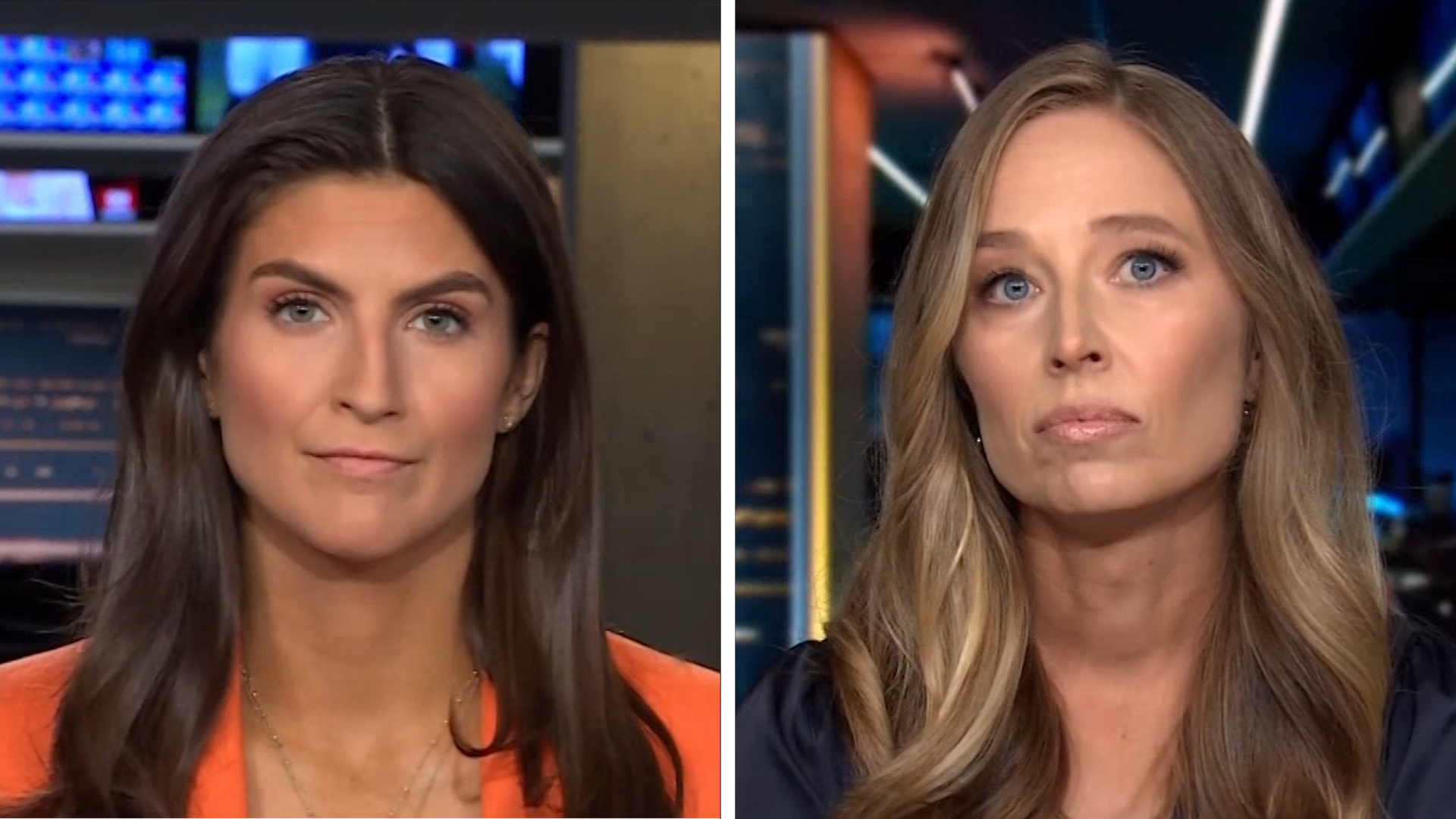
Epstein victims are a growing political threat to Trump
Entities mentioned:
- Jeffrey Epstein: Power, Control, Greed
- Donald Trump: Self-preservation, Power, Control
- Epstein victims: Justice, Recognition, Self-respect
- Pam Bondi: Loyalty, Duty, Self-preservation
- Ghislaine Maxwell: Self-preservation, Loyalty, Control
- Virginia Giuffre: Justice, Recognition, Self-respect
- Sky Roberts: Justice, Moral outrage, Recognition
- JD Vance: Loyalty, Ambition, Self-preservation
- Kash Patel: Loyalty, Duty, Self-preservation
- Annie Farmer: Justice, Recognition, Moral outrage
- Todd Blanche: Duty, Loyalty, Self-preservation
- Jennifer Freeman: Justice, Moral outrage, Professional pride
Article Assessment:
Credibility Score: 75/100
Bias Rating: 35/100 (Lean Left)
Sentiment Score: 25/100
Authoritarianism Risk: 45/100 (Mixed/Neutral)
Bias Analysis:
The article leans left, evidenced by its critical tone towards the Trump administration and sympathetic portrayal of Epstein's victims. While it presents factual information, the framing and language choices suggest a skeptical view of the administration's handling of the situation.
Key metric: Public Trust in Government Institutions
As a social scientist, I analyze that this article highlights a significant tension between political self-preservation and the pursuit of justice for victims of sexual abuse. The handling of the Epstein case by the Trump administration appears to prioritize political damage control over transparency and justice for the victims. This approach risks further eroding public trust in government institutions, particularly the Department of Justice. The victims' increasing vocalization and media attention could potentially shift public opinion and apply pressure on the administration to take more substantive action. The article suggests a growing political threat to Trump from the Epstein victims, which could impact his support base and overall public perception. The lack of representation of survivors in high-level meetings and the administration's apparent focus on political maneuvering rather than addressing victims' concerns indicate a disconnect between government actions and public expectations for justice and accountability.

Who was John F. Kennedy Jr.?
Entities mentioned:
- John F. Kennedy Jr.: Legacy, Recognition, Self-respect
- Kennedy family: Legacy, Power, Influence
- Jacqueline Kennedy Onassis: Legacy, Pride, Security
- Ted Kennedy: Ambition, Power, Legacy
- George magazine: Influence, Recognition, Professional pride
Article Assessment:
Credibility Score: 75/100
Bias Rating: 45/100 (Center)
Sentiment Score: 60/100
Authoritarianism Risk: 20/100 (Strongly Democratic)
Bias Analysis:
The article maintains a relatively neutral tone, presenting factual information about Kennedy's life without obvious political leanings. While it portrays Kennedy in a generally positive light, it also includes some critiques and challenges he faced, providing a balanced perspective.
Key metric: Political Engagement
As a social scientist, I analyze that this article significantly impacts the 'Political Engagement' metric in the US. John F. Kennedy Jr.'s life and career, particularly the launch of George magazine, aimed to increase public interest in politics by making it more accessible and entertaining. This approach could potentially lead to higher political engagement among citizens, especially younger demographics. The article highlights how Kennedy used his celebrity status to create meaningful change, which could inspire others to become more politically active. Additionally, the focus on Kennedy's education and professional journey emphasizes the importance of civic participation and public service, potentially encouraging readers to consider similar paths.
- Read more about Who was John F. Kennedy Jr.?
- Log in to post comments
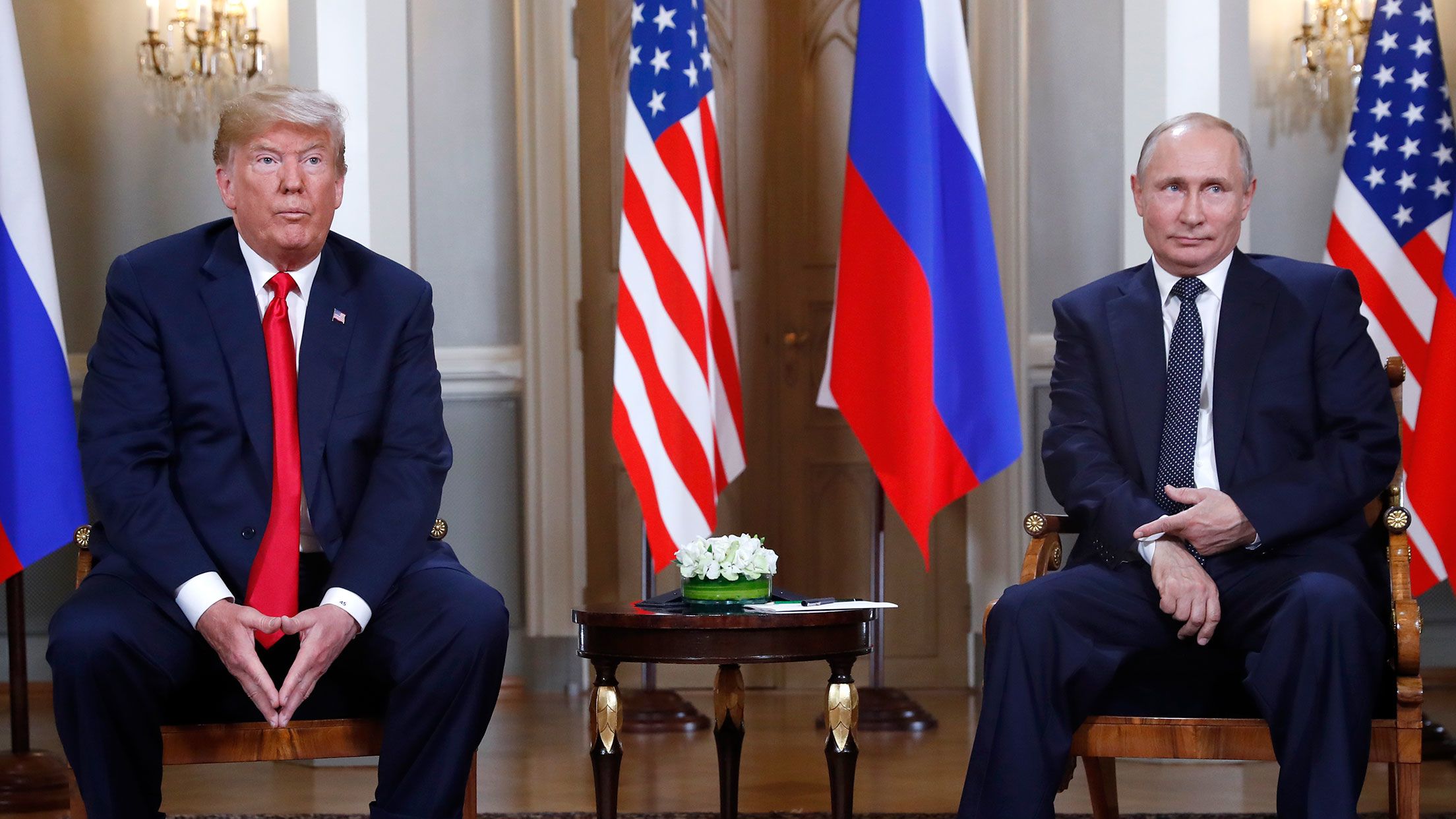
Trump says he’ll meet Putin in Alaska next week
Entities mentioned:
- Donald Trump: Ambition, Power, Legacy
- Vladimir Putin: Power, Control, Influence
- Volodymyr Zelensky: Determination, Loyalty, Self-preservation
- Steve Witkoff: Duty, Influence, Obligation
- Marco Rubio: Duty, Influence, Professional pride
- Yury Ushakov: Duty, Loyalty, Professional pride
Article Assessment:
Credibility Score: 75/100
Bias Rating: 45/100 (Center)
Sentiment Score: 45/100
Authoritarianism Risk: 55/100 (Mixed/Neutral)
Bias Analysis:
The article presents multiple viewpoints and sources, including Trump, Putin, Zelensky, and European officials. It maintains a relatively neutral tone, though it does highlight some concerns about the proposed peace deal.
Key metric: International Relations and Diplomacy
As a social scientist, I analyze that this article highlights a significant shift in US-Russia relations and potential global geopolitical dynamics. The proposed meeting between Trump and Putin, along with the suggested peace deal for Ukraine, could have far-reaching implications for international diplomacy, territorial sovereignty, and the balance of power in Eastern Europe. The article reveals complex negotiations involving multiple stakeholders, each with their own motivations and constraints. The potential territorial concessions from Ukraine are particularly contentious and could set a dangerous precedent for future conflicts. The article also underscores the tensions between realpolitik approaches to conflict resolution and principles of national sovereignty and international law.
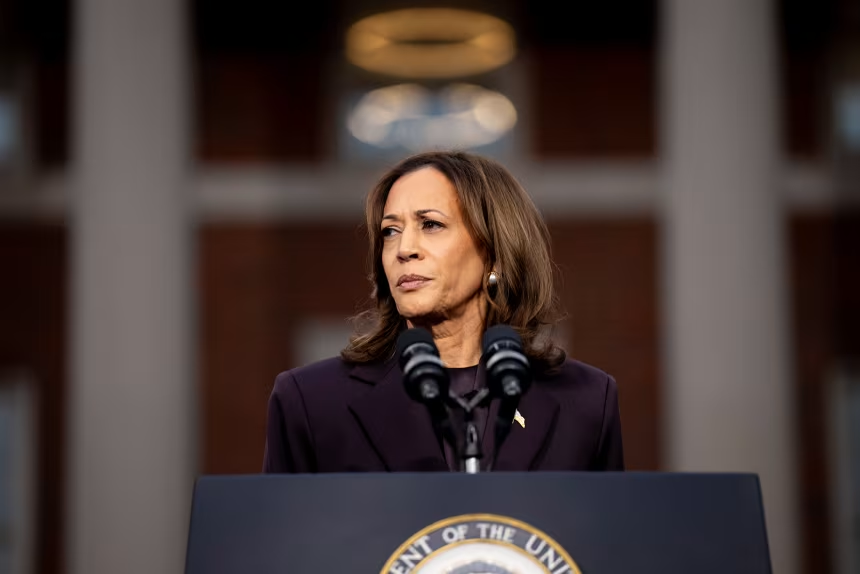
Republicans reprise anti-transgender ‘Kamala is for they/them’ ads for the midterms
Entities mentioned:
- Republicans: Power, Control, Fear
- Roy Cooper: Ambition, Righteousness, Justice
- Senate Leadership Fund: Power, Influence, Control
- Kamala Harris: Justice, Righteousness, Duty
- Donald Trump: Power, Control, Influence
- Jon Ossoff: Justice, Duty, Righteousness
- Chris LaCivita: Competitive spirit, Power, Influence
- Democrats: Justice, Righteousness, Unity
- Viet Shelton: Duty, Righteousness, Justice
- Buddy Carter: Power, Competitive spirit, Loyalty
- Winsome Earle-Sears: Power, Control, Competitive spirit
- Abigail Spanberger: Justice, Duty, Righteousness
- Gavin Newsom: Ambition, Power, Influence
- Pete Buttigieg: Ambition, Influence, Righteousness
- Human Rights Campaign: Justice, Righteousness, Unity
- Tim Walz: Righteousness, Justice, Unity
- Stephen Cloobeck: Ambition, Competitive spirit, Power
Article Assessment:
Credibility Score: 75/100
Bias Rating: 55/100 (Center)
Sentiment Score: 35/100
Authoritarianism Risk: 45/100 (Mixed/Neutral)
Bias Analysis:
The article presents views from both Republican and Democratic sides, quoting various sources. However, it gives slightly more space to critiquing Republican strategies, suggesting a slight center-left lean.
Key metric: Political Polarization Index
As a social scientist, I analyze that this article highlights the increasing political polarization in the United States, particularly around transgender issues. The Republicans' strategy of using anti-transgender messaging in political ads demonstrates an attempt to create wedge issues and mobilize their base. This approach may deepen existing societal divisions and further alienate the LGBTQ+ community. The Democrats' response, while attempting to focus on economic issues, shows some internal disagreement on how to address these attacks. This polarization could lead to increased social tension, policy gridlock, and a decline in civil discourse, potentially impacting the overall functioning of democratic institutions.

Paxton and Cornyn, facing off for Senate, use their official powers in Texas redistricting fight
Entities mentioned:
- Ken Paxton: Power, Ambition, Control
- John Cornyn: Power, Competitive spirit, Self-preservation
- Texas House Democrats: Justice, Righteousness, Determination
- Greg Abbott: Control, Power, Determination
- Beto O'Rourke: Justice, Influence, Recognition
- Dustin Burrows: Control, Duty, Determination
Article Assessment:
Credibility Score: 75/100
Bias Rating: 55/100 (Center)
Sentiment Score: 30/100
Authoritarianism Risk: 65/100 (Authoritarian Tendencies)
Bias Analysis:
The article presents perspectives from both Republican and Democratic sides, quoting various officials. While it gives slightly more space to Republican actions, it also includes Democratic responses, maintaining a relatively balanced approach.
Key metric: Political Polarization Index
As a social scientist, I analyze that this article highlights the intensifying political polarization in Texas, particularly surrounding the redistricting issue. The use of official powers by both Republican and Democratic figures to pressure or support the absent Democrats demonstrates an escalation of partisan tactics. This situation likely increases the Political Polarization Index by showcasing the widening gap between parties and the willingness to use extraordinary measures to achieve political goals. The involvement of federal agencies (FBI) in a state matter further emphasizes the nationalization of local political disputes, potentially exacerbating divisions. The article also illustrates how this conflict is shaping future political races, suggesting long-term impacts on partisan dynamics in Texas and potentially nationally.
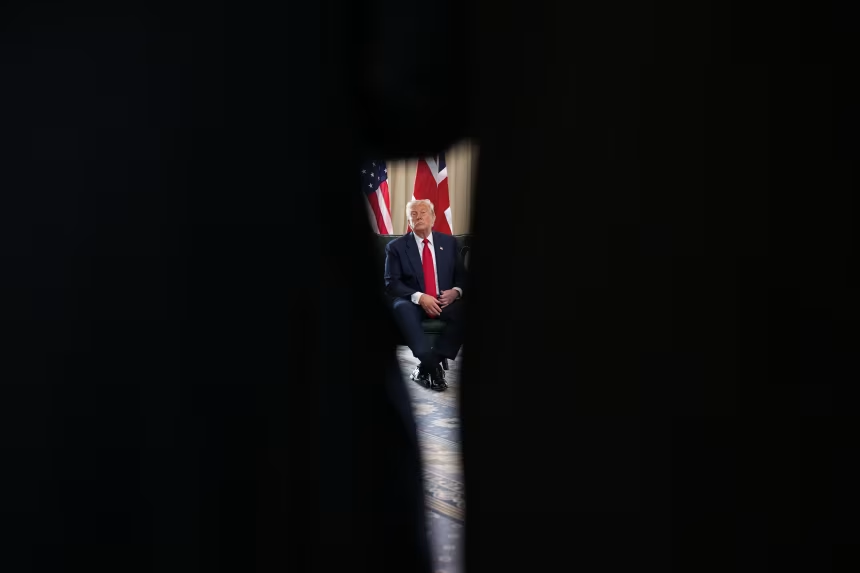
Trump’s legal retribution tour is getting more blatant
Entities mentioned:
- Donald Trump: Revenge, Power, Control
- Pam Bondi: Loyalty, Duty, Ambition
- Letitia James: Justice, Determination, Professional pride
- Adam Schiff: Justice, Duty, Moral outrage
- Barack Obama: Legacy, Duty, Self-preservation
- James Comey: Duty, Justice, Self-preservation
- John Brennan: Duty, Professional pride, Self-preservation
- Liz Cheney: Duty, Moral outrage, Justice
- Eugene Vindman: Duty, Moral outrage, Justice
- Alexander Vindman: Duty, Moral outrage, Justice
- Jack Smith: Justice, Duty, Professional pride
- Miles Taylor: Moral outrage, Duty, Justice
- Christopher Krebs: Duty, Professional pride, Justice
Article Assessment:
Credibility Score: 70/100
Bias Rating: 35/100 (Lean Left)
Sentiment Score: 25/100
Authoritarianism Risk: 65/100 (Authoritarian Tendencies)
Bias Analysis:
The article leans left in its framing, presenting Trump's actions in a critical light. While it presents factual information, the tone and selection of examples suggest a skeptical view of the Trump administration's motivations.
Key metric: Rule of Law Index
As a social scientist, I analyze that this article highlights a concerning pattern of potential retaliatory legal actions against individuals who have previously investigated or criticized former President Trump. This systematic targeting of political opponents and investigators through the legal system poses a significant threat to the Rule of Law Index in the United States. Such actions can erode public trust in the justice system, discourage whistleblowers and investigators from coming forward, and potentially lead to a chilling effect on political dissent. The apparent use of legal mechanisms for political retaliation undermines the principle of equal application of the law and suggests a troubling trend towards weaponizing the justice system for personal or political gain. This could have long-lasting implications for the strength and independence of democratic institutions in the country.

Here’s what Trump has promised to do in a second term
Entities mentioned:
- Donald Trump: Power, Control, Ambition
- Joe Biden: Legacy, Influence, Duty
- Elon Musk: Influence, Ambition, Curiosity
- Vivek Ramaswamy: Ambition, Influence, Recognition
- Robert F. Kennedy Jr.: Influence, Recognition, Righteousness
- Gary Gensler: Duty, Control, Professional pride
- Paul Atkins: Influence, Professional pride, Ambition
Article Assessment:
Credibility Score: 75/100
Bias Rating: 55/100 (Center)
Sentiment Score: 45/100
Authoritarianism Risk: 65/100 (Authoritarian Tendencies)
Bias Analysis:
The article presents a comprehensive overview of Trump's proposed policies without overtly endorsing or criticizing them. It relies on direct quotes and campaign statements, maintaining a relatively neutral tone. However, the selection of policies and their framing may slightly lean towards emphasizing controversial aspects.
Key metric: Political Polarization Index
As a social scientist, I analyze that this article outlines Donald Trump's proposed policies for a potential second term, which could significantly impact political polarization in the United States. The policies described, such as mass deportations, tariffs, and rollbacks of environmental regulations, are likely to exacerbate existing divisions between conservative and liberal factions. Trump's promises to use executive power extensively and to target political opponents through the Justice Department suggest a potential increase in authoritarian tendencies, which could further strain democratic institutions and increase polarization. The proposed economic policies, particularly on trade and taxes, may resonate with his base but could alienate moderates and the opposition, potentially widening the political divide. The article's comprehensive coverage of Trump's proposals across various sectors indicates that polarization would likely intensify across multiple fronts, including immigration, healthcare, education, and foreign policy.