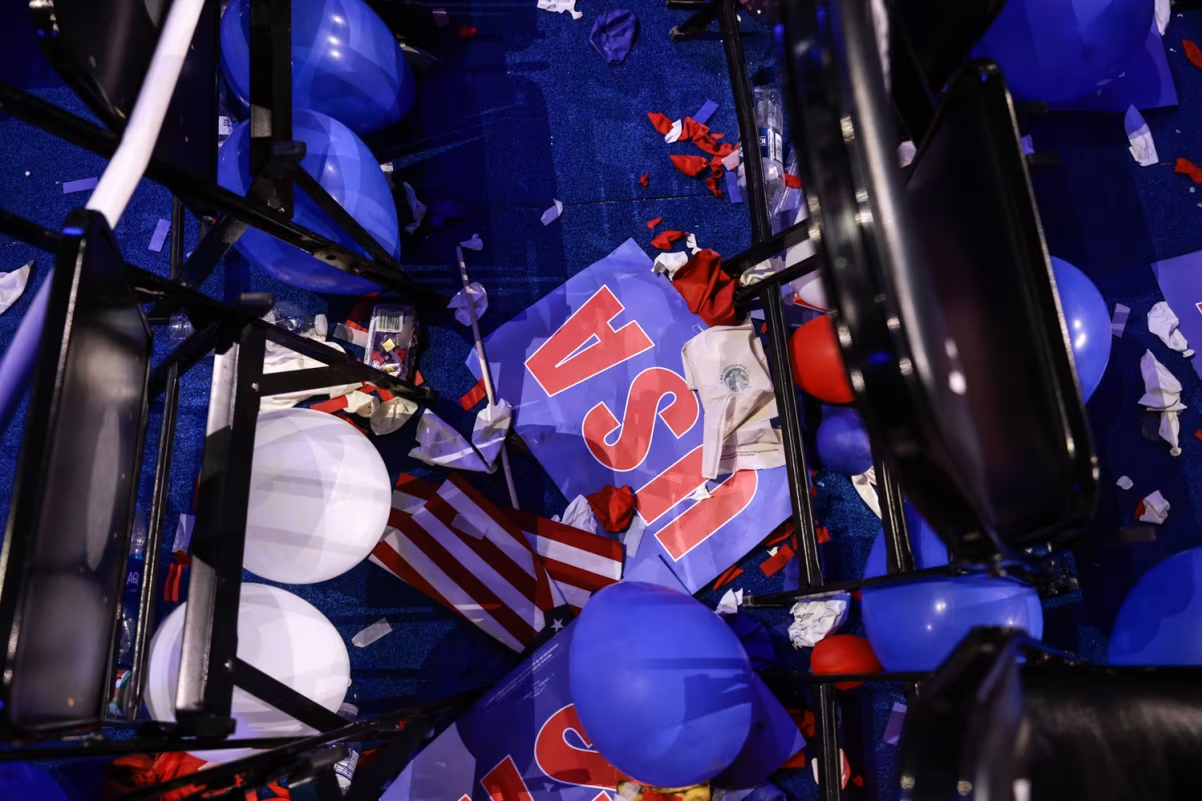
The DNC’s chair inherited a crisis. His critics say he’s part of it
Entities mentioned:
- Ken Martin: Ambition, Determination, Professional pride
- Democratic National Committee (DNC): Unity, Influence, Control
- Joe Biden: Legacy, Self-preservation, Duty
- Kamala Harris: Ambition, Power, Self-preservation
- Republican National Committee (RNC): Competitive spirit, Power, Control
- Donald Trump: Power, Influence, Revenge
Article Assessment:
Credibility Score: 75/100
Bias Rating: 45/100 (Center)
Sentiment Score: 35/100
Authoritarianism Risk: 25/100 (Generally Democratic)
Bias Analysis:
The article presents a balanced view, including perspectives from both Martin's supporters and critics. It relies on multiple sources and provides context for the DNC's challenges, indicating a relatively neutral stance.
Key metric: Democratic Party Fundraising and Unity
As a social scientist, I analyze that this article highlights significant challenges facing the Democratic National Committee (DNC) under the leadership of Ken Martin. The DNC is struggling with financial issues, internal conflicts, and a perceived lack of relevance in the broader political landscape. Martin's ambitious promises to state parties and his management style have created tension within the organization. The article suggests that the DNC's financial struggles, coupled with the Republican National Committee's superior fundraising, could impact the Democratic Party's ability to compete effectively in upcoming elections. The internal discord and lack of coordination with key party leaders indicate a fragmented party structure, which could hinder unified messaging and strategy. This situation may have long-term implications for the Democratic Party's ability to mobilize voters and win elections at various levels of government.
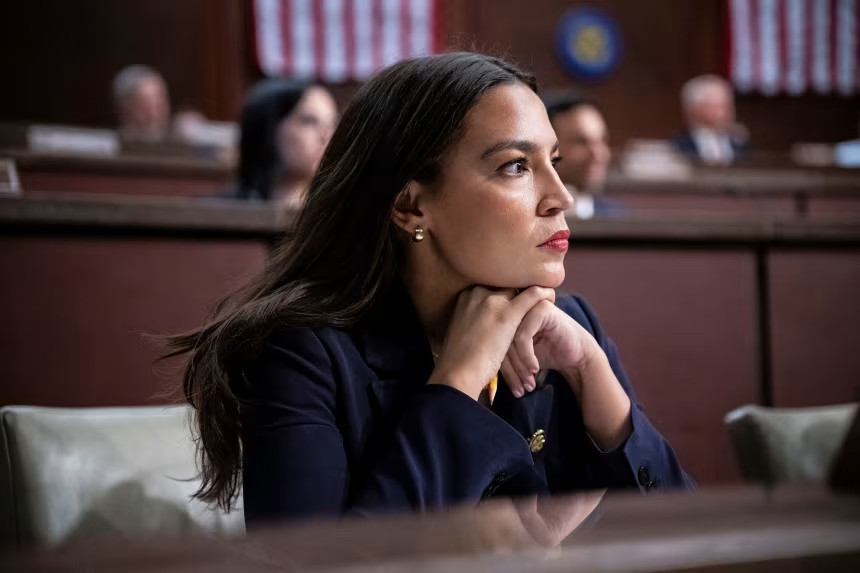
How AOC built a Democratic fundraising juggernaut
Entities mentioned:
- Alexandria Ocasio-Cortez: Influence, Power, Recognition
- Democratic Party: Unity, Control, Power
- Bernie Sanders: Righteousness, Justice, Influence
- Faiz Shakir: Loyalty, Influence, Professional pride
- Waleed Shahid: Influence, Righteousness, Change
- David Axelrod: Analysis, Recognition, Influence
- Oliver Hidalgo-Wohlleben: Loyalty, Professional pride, Duty
- Zohran Mamdani: Ambition, Recognition, Influence
- Chuck Schumer: Power, Control, Legacy
Article Assessment:
Credibility Score: 75/100
Bias Rating: 45/100 (Center)
Sentiment Score: 65/100
Authoritarianism Risk: 25/100 (Generally Democratic)
Bias Analysis:
The article presents a balanced view of AOC's fundraising success, including perspectives from various political strategists. While it highlights her achievements, it also includes neutral observations about potential implications, maintaining a centrist stance.
Key metric: Democratic Party Fundraising and Voter Engagement
As a social scientist, I analyze that this article highlights a significant shift in the Democratic Party's fundraising dynamics, with Alexandria Ocasio-Cortez emerging as a formidable force in small-dollar donations. This trend indicates a potential realignment of power within the party, moving away from traditional big donors towards a more grassroots-funded model. The success of AOC's fundraising strategy, particularly in conjunction with Bernie Sanders, suggests a growing appetite among Democratic voters for more progressive policies and candidates. This could have far-reaching implications for the party's future direction, candidate selection, and policy priorities. The article also hints at the possibility of AOC's future political aspirations, including potential presidential ambitions, which could further reshape the Democratic landscape. The emphasis on small-dollar donations and grassroots support aligns with a broader trend of populist politics and could influence how future campaigns are run and financed across the political spectrum.

Indiana Republican state lawmakers set to visit the White House amid Trump redistricting push
Entities mentioned:
- Republican legislators from Indiana: Power, Loyalty, Influence
- White House: Power, Control, Influence
- President Donald Trump: Power, Control, Ambition
- Democrats: Power, Competitive spirit, Self-preservation
- Rep. Frank Mrvan: Self-preservation, Duty, Loyalty
- Rep. Andre Carson: Self-preservation, Duty, Loyalty
- Todd Huston: Power, Loyalty, Influence
- Rodric Bray: Power, Loyalty, Influence
- Gov. Gavin Newsom: Power, Competitive spirit, Influence
- Gov. Greg Abbott: Power, Loyalty, Influence
- Vice President JD Vance: Loyalty, Influence, Power
- Gov. Mike Braun: Power, Loyalty, Wariness
Article Assessment:
Credibility Score: 75/100
Bias Rating: 55/100 (Center)
Sentiment Score: 40/100
Authoritarianism Risk: 65/100 (Authoritarian Tendencies)
Bias Analysis:
The article presents multiple perspectives, including both Republican and Democratic actions and concerns. While it focuses more on Republican efforts, it does so in the context of a Republican-led initiative, balancing this with mentions of Democratic counteractions and some Republican hesitancy.
Key metric: Electoral Competitiveness
As a social scientist, I analyze that this article highlights a significant push for redistricting efforts by the Republican Party, particularly driven by the White House under Trump's administration. This move aims to consolidate power in the House of Representatives by redrawing congressional maps in Republican-controlled states. The focus on Indiana as a potential 'test case' for mid-decade redistricting suggests a broader strategy that could have far-reaching implications for electoral competitiveness across multiple states. This effort, if successful, could significantly alter the balance of power in the House, potentially undermining the principle of fair representation and exacerbating political polarization. The involvement of high-level officials, including the President and Vice President, in pressuring state lawmakers indicates the high stakes and strategic importance placed on this initiative. However, the article also notes some resistance and skepticism among Republican operatives in Indiana, highlighting the complex political calculations involved in such a controversial move.
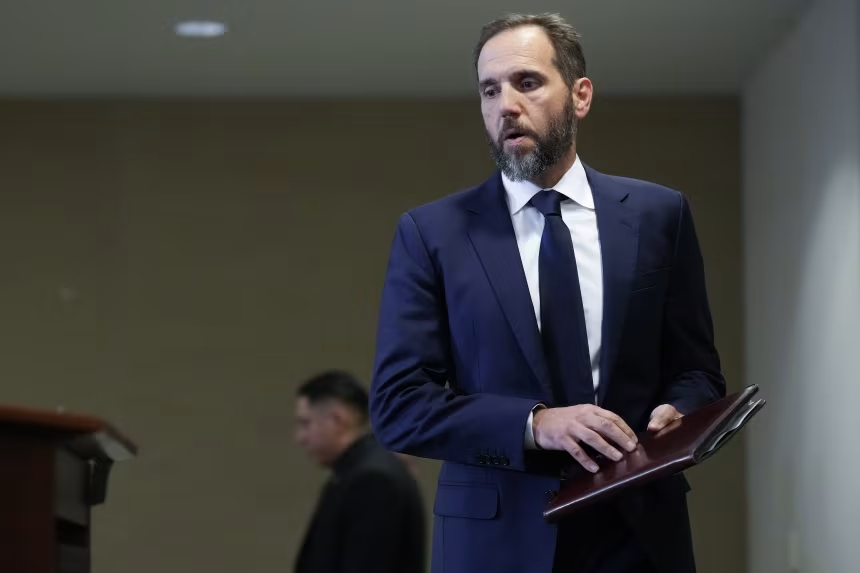
Former special counsel Jack Smith responds to federal investigation against him about his prosecution of Donald Trump
Entities mentioned:
- Jack Smith: Justice, Professional pride, Duty
- Donald Trump: Power, Self-preservation, Control
- Jamieson Greer: Duty, Loyalty, Control
- Tom Cotton: Partisan loyalty, Ambition, Control
- Office of the Special Counsel: Duty, Control, Justice
Article Assessment:
Credibility Score: 70/100
Bias Rating: 55/100 (Center)
Sentiment Score: 35/100
Authoritarianism Risk: 45/100 (Mixed/Neutral)
Bias Analysis:
The article presents both sides of the issue, quoting from Smith's lawyers and mentioning Republican criticism. However, it gives more space to Smith's defense, slightly tilting the perspective.
Key metric: Rule of Law Index
As a social scientist, I analyze that this article highlights a significant tension between the judicial process and political influence in the United States. The investigation into Jack Smith's prosecutions of Donald Trump represents a potential erosion of the independence of the justice system. This situation could impact the Rule of Law Index by potentially undermining public confidence in the impartiality of legal proceedings, especially in high-profile political cases. The assertion that 'justice should yield to politics is antithetical to the rule of law' underscores the core issue at stake. This conflict between political interests and judicial independence could have long-term implications for the strength and perception of the U.S. legal system.

Trump’s new ‘dictator’ comment betrays his trick for expanding his power
Entities mentioned:
- Donald Trump: Power, Control, Self-preservation
- John Bolton: Revenge, Self-preservation, Recognition
- Chris Christie: Ambition, Recognition, Revenge
- US Justice Department: Control, Duty, Power
- US Congress: Control, Duty, Power
Article Assessment:
Credibility Score: 75/100
Bias Rating: 40/100 (Lean Left)
Sentiment Score: 30/100
Authoritarianism Risk: 70/100 (Authoritarian Tendencies)
Bias Analysis:
The article leans slightly left, evidenced by its critical tone towards Trump's actions and framing of his strategies as potential threats to democracy. However, it provides factual information and cites polls to support its claims, maintaining a degree of objectivity.
Key metric: Executive Power and Democratic Institutions
As a social scientist, I analyze that this article highlights Trump's strategy of expanding executive power by targeting unpopular issues or entities. This approach allows him to push the boundaries of presidential authority while minimizing public backlash. The article suggests that by framing his actions as necessary to combat crime or other widely disliked problems, Trump attempts to justify potentially authoritarian measures. This strategy poses a significant risk to the balance of power in American democracy, as it exploits public sentiment to gradually erode institutional checks and balances. The long-term impact on executive power and democratic institutions could be substantial if this approach continues unchallenged or becomes normalized.

DOGE put Americans’ Social Security records at risk, whistleblower says
Entities mentioned:
- Department of Government Efficiency: Efficiency, Duty, Professional pride
- Social Security Administration: Security, Duty, Professional pride
- Charles Borges: Duty, Righteousness, Security
- Government Accountability Project: Justice, Transparency, Duty
- Office of Special Counsel: Justice, Duty, Security
- Trump administration: Power, Control, Influence
- Elon Musk: Ambition, Influence, Control
- DOGE team: Efficiency, Control, Influence
- Supreme Court: Justice, Duty, Control
- Nick Perrine: Professional pride, Security, Duty
Article Assessment:
Credibility Score: 75/100
Bias Rating: 45/100 (Center)
Sentiment Score: 25/100
Authoritarianism Risk: 35/100 (Generally Democratic)
Bias Analysis:
The article presents multiple perspectives, including the whistleblower, the agency, and concerned groups. It maintains a neutral tone while reporting on a controversial issue, balancing criticism with official responses.
Key metric: Data Security and Privacy
As a social scientist, I analyze that this article highlights a significant breach in data security practices within a major government agency, potentially affecting millions of Americans. The whistleblower's complaint suggests a systemic failure in protecting sensitive personal information, which could have far-reaching consequences for individual privacy and national security. The involvement of private sector entities (DOGE team) in accessing government data raises questions about the balance between modernization efforts and data protection. This situation reflects broader tensions between technological advancement, government efficiency, and the safeguarding of personal information in the digital age. The response from the Social Security Administration appears to downplay the severity of the issue, which may indicate a disconnect between internal perceptions of security and actual vulnerabilities. This incident could lead to decreased public trust in government institutions and their ability to protect citizens' data, potentially impacting social cohesion and civic engagement.

Marjorie Taylor Greene joins Bernie Sanders in urging US to end Gaza famine
Entities mentioned:
- Marjorie Taylor Greene: Ambition, Influence, Recognition
- Bernie Sanders: Righteousness, Justice, Moral outrage
- Donald Trump: Power, Control, Self-preservation
- California Governor: Competitive spirit, Determination, Professional pride
- Kilmar Ábrego García: Self-preservation, Security, Freedom
Article Assessment:
Credibility Score: 70/100
Bias Rating: 40/100 (Lean Left)
Sentiment Score: 30/100
Authoritarianism Risk: 45/100 (Mixed/Neutral)
Bias Analysis:
The headlines suggest a slight left-leaning bias, with more critical framing of Trump and conservative policies. However, diverse perspectives are represented, including conservative viewpoints, indicating an attempt at balanced coverage.
Key metric: Immigration and Integration
As a social scientist, I analyze that this collection of headlines reflects a complex political landscape surrounding immigration issues in the United States. The unexpected alignment of far-right Greene with progressive Sanders on Gaza indicates a potential shift in traditional party lines on international humanitarian issues. The Maine oysterman's Senate run suggests growing political engagement from non-traditional candidates, possibly due to dissatisfaction with current leadership. The California governor's confrontational stance against Trump highlights the intensifying political polarization. Trump's legal strategies and focus on immigration demonstrate his continued influence on Republican policy priorities. The decline in US immigrant population after 50 years of growth signifies a major demographic shift, likely influenced by stricter immigration policies and enforcement. This shift could have significant long-term impacts on the US economy, social fabric, and political landscape.
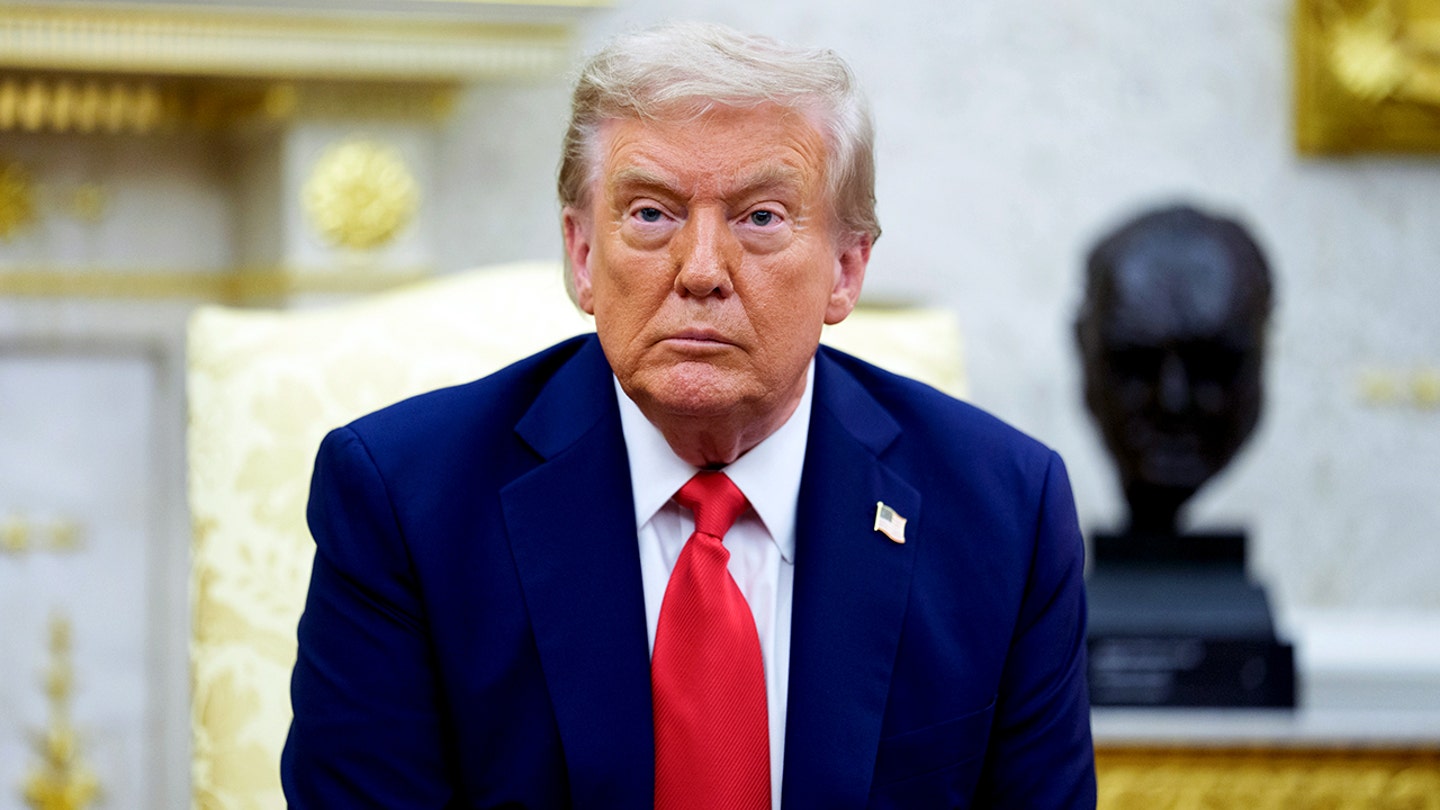
Trump battles John Bolton, Chris Christie and threatens to pull funds from Wes Moore’s Maryland
Entities mentioned:
- Donald Trump: Revenge, Power, Self-preservation
- John Bolton: Self-preservation, Professional pride, Influence
- Chris Christie: Ambition, Revenge, Recognition
- Wes Moore: Duty, Pride, Justice
- Letitia James: Justice, Ambition, Righteousness
Article Assessment:
Credibility Score: 65/100
Bias Rating: 55/100 (Center)
Sentiment Score: 30/100
Authoritarianism Risk: 65/100 (Authoritarian Tendencies)
Bias Analysis:
The article presents multiple viewpoints and criticizes both Trump and his opponents, indicating an attempt at balance. However, there's a slight lean towards critiquing Trump's actions more heavily, though it also acknowledges some of his grievances as valid.
Key metric: Political Polarization Index
As a social scientist, I analyze that this article highlights the increasing political polarization in the United States, particularly centered around Donald Trump. The former president's confrontational approach towards both political opponents and allies who criticize him is likely to exacerbate existing divisions. His threats to withhold funding from Maryland over a personal dispute with its governor exemplify a concerning trend of using governmental power for personal vendettas. This behavior, if continued or escalated, could significantly impact public trust in institutions and the integrity of democratic processes. The article also touches on the cyclical nature of political retaliation, suggesting a potential long-term degradation of political norms and cooperation across party lines.
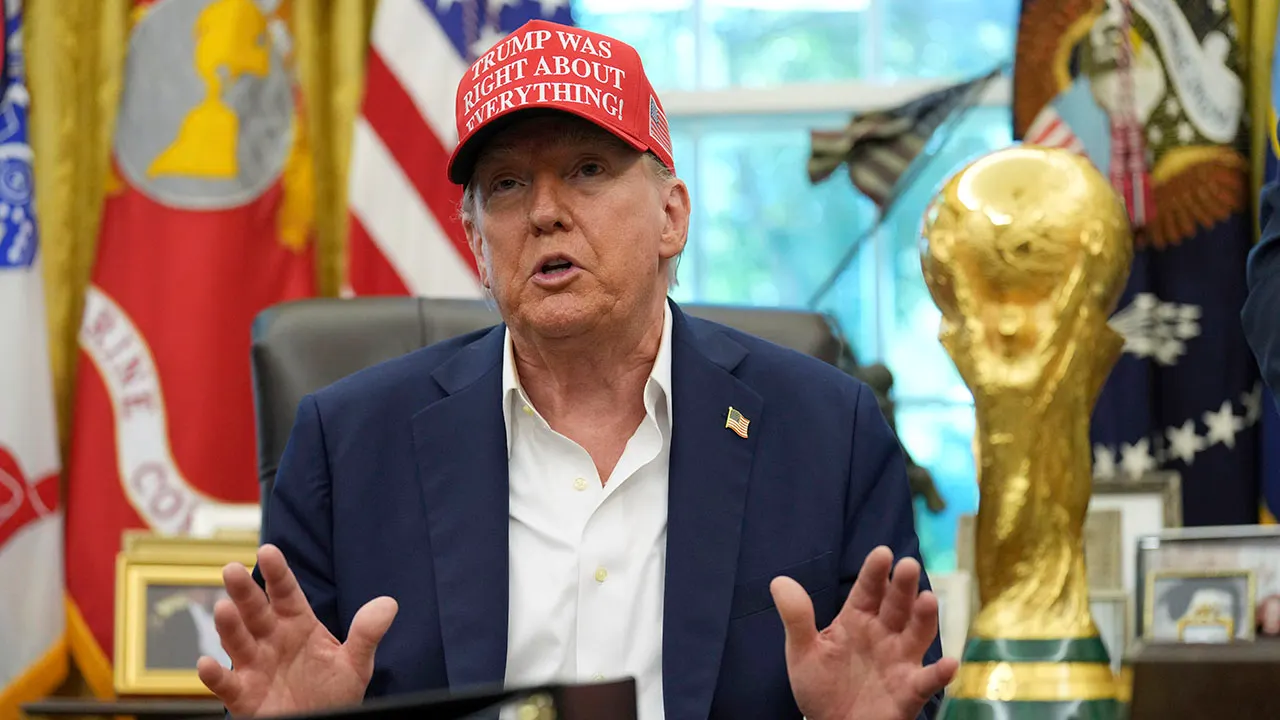
MORNING GLORY: Are President Trump’s tariffs actually working?
Entities mentioned:
- President Trump: Ambition, Competitive spirit, Control
- Congressional Budget Office (CBO): Duty, Professional pride, Influence
- Phillip Swagel: Duty, Professional pride
- Dr. Richard McKenzie: Professional pride, Skepticism, Curiosity
- Peter Navarro: Loyalty, Determination, Influence
- Hugh Hewitt: Curiosity, Influence, Recognition
Article Assessment:
Credibility Score: 65/100
Bias Rating: 70/100 (Lean Right)
Sentiment Score: 55/100
Authoritarianism Risk: 45/100 (Mixed/Neutral)
Bias Analysis:
The article leans right, evidenced by its favorable framing of Trump's policies and skepticism of traditional free-market positions. While it includes some opposing viewpoints, the overall tone suggests support for reconsidering tariffs in a positive light.
Key metric: US Budget Deficit
As a social scientist, I analyze that this article presents a surprising report from the CBO suggesting that President Trump's tariffs could significantly reduce the US budget deficit. The article challenges conventional free-market wisdom about tariffs, presenting data that contradicts expectations of negative economic impacts. It explores the tension between free-trade principles and the potential fiscal benefits of tariffs, while also raising questions about presidential authority to impose such measures. The analysis includes perspectives from economists and considers the broader implications for economic policy and political ideology. The article's framing suggests a potential shift in how tariffs might be viewed by traditionally free-market conservatives, while also acknowledging ongoing debates and legal challenges.
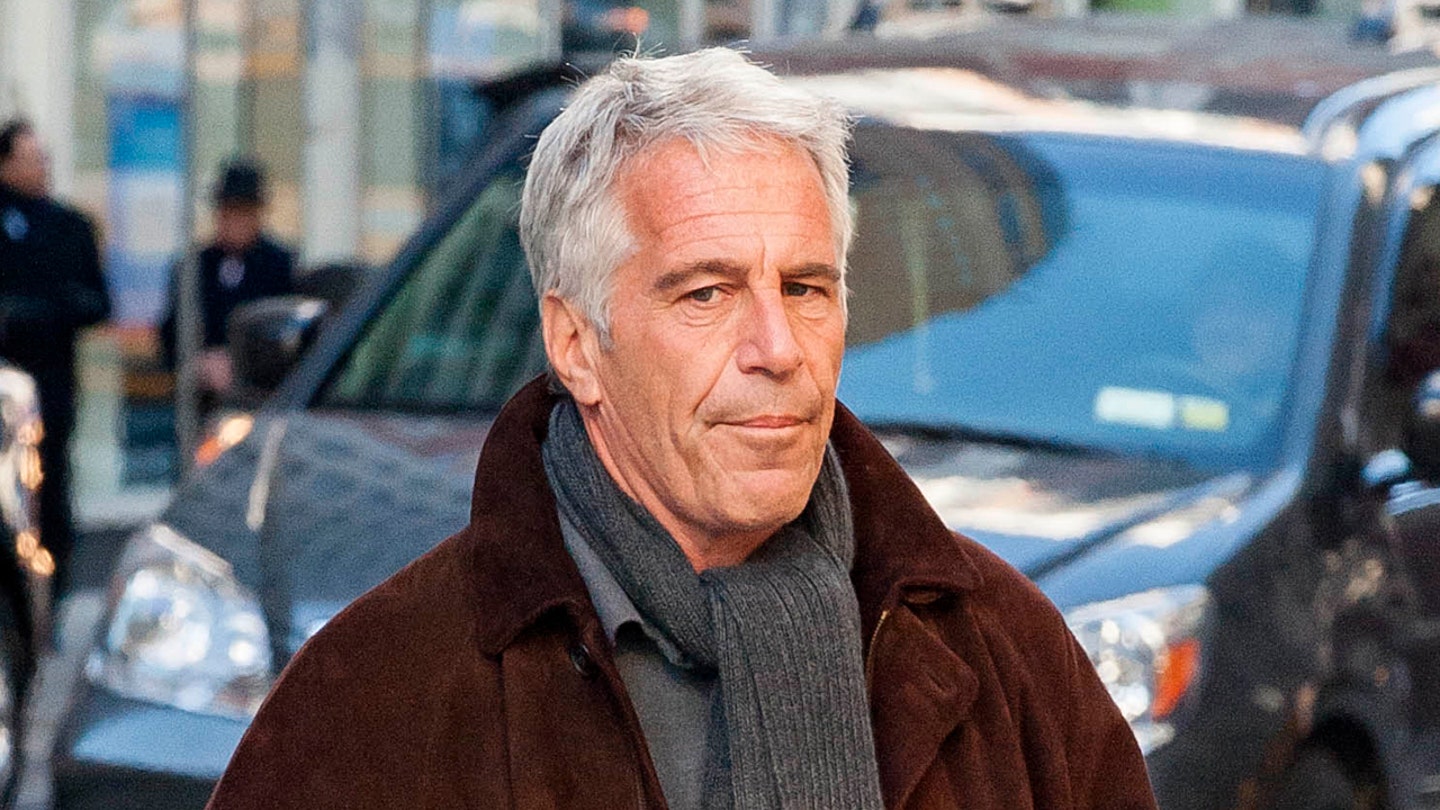
Ex-Bush attorney general faces House Oversight questions on controversial Epstein deal
Entities mentioned:
- Alberto Gonzales: Professional pride, Duty, Self-preservation
- House Oversight Committee: Justice, Duty, Influence
- James Comer: Ambition, Justice, Influence
- Jeffrey Epstein: Power, Control, Greed
- Department of Justice: Justice, Professional pride, Duty
- Democrats: Competitive spirit, Influence, Justice
- Republicans: Competitive spirit, Influence, Justice
Article Assessment:
Credibility Score: 75/100
Bias Rating: 55/100 (Center)
Sentiment Score: 35/100
Authoritarianism Risk: 25/100 (Generally Democratic)
Bias Analysis:
The article presents multiple perspectives and includes information from both Republican and Democratic sources. While it highlights some partisan disagreements, it maintains a relatively balanced tone in reporting the events and statements from different sides.
Key metric: Government Accountability and Transparency
As a social scientist, I analyze that this article highlights ongoing efforts to investigate the handling of the Jeffrey Epstein case, particularly focusing on the controversial non-prosecution agreement. The bipartisan nature of the investigation initially suggests a united front in seeking accountability, but the subsequent partisan divisions indicate the challenges in maintaining objectivity in high-profile political investigations. The involvement of multiple former high-ranking officials, including attorneys general and FBI directors, underscores the gravity and complexity of the case. This investigation could potentially impact public trust in government institutions and the justice system, depending on its outcomes and the level of transparency provided.