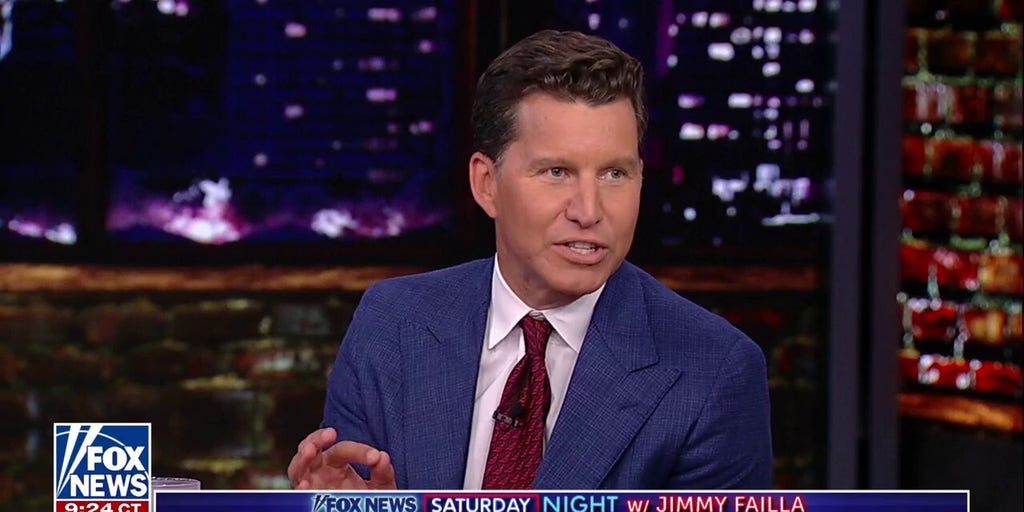
Will Cain weighs in on male cheerleaders and NFL culture
Entities mentioned:
- Will Cain: Influence, Recognition, Professional pride
- Fox News: Influence, Competitive spirit, Control
- NFL: Pride, Influence, Control
- Donald Trump: Power, Recognition, Legacy
- Vladimir Putin: Power, Influence, Control
Article Assessment:
Credibility Score: 55/100
Bias Rating: 75/100 (Lean Right)
Sentiment Score: 50/100
Authoritarianism Risk: 35/100 (Generally Democratic)
Bias Analysis:
The bias rating leans right due to the association with Fox News, known for conservative-leaning coverage. The framing of male cheerleaders as a topic for debate rather than reporting suggests a potentially conservative stance on gender roles in sports.
Key metric: Social Cohesion
As a social scientist, I analyze that this brief segment description touches on two disparate topics - international politics and sports culture - which suggests an attempt to blend serious news with lighter cultural commentary. The juxtaposition of the Trump-Putin summit alongside NFL cheerleading practices indicates a potential effort to maintain viewer engagement through topic variety. The mention of 'male cheerleaders' in the context of NFL culture suggests a focus on changing gender norms in traditionally masculine spaces, which could impact social cohesion by challenging established cultural expectations. However, without more context, it's difficult to determine the depth or direction of the analysis provided in the actual segment.
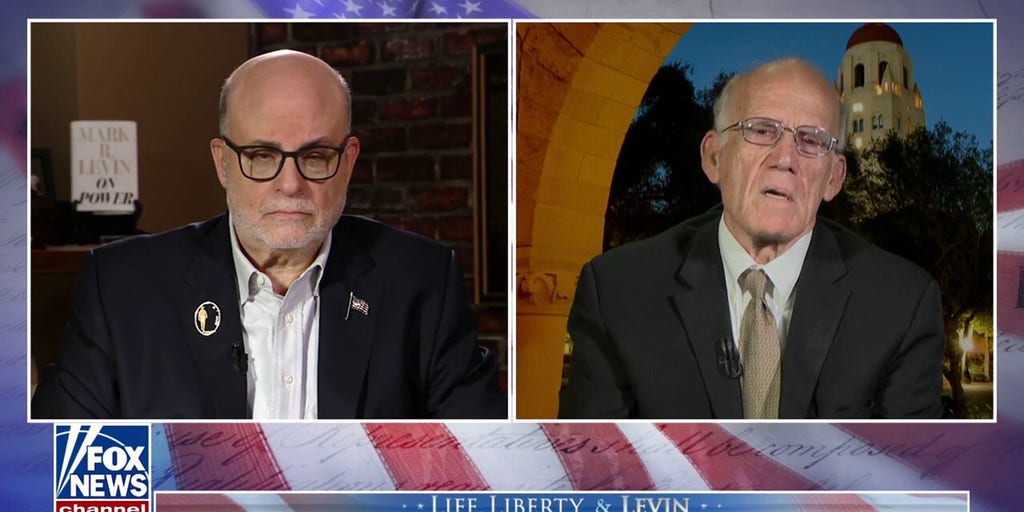
Victor Davis Hanson shares what's setting Democrats 'on fire'
Entities mentioned:
- Victor Davis Hanson: Influence, Recognition, Righteousness
- Democrats: Moral outrage, Fear, Self-preservation
- Donald Trump: Power, Revenge, Influence
- Zohran Mamdani: Ambition, Recognition, Influence
- Hoover Institution: Influence, Legacy, Professional pride
Article Assessment:
Credibility Score: 55/100
Bias Rating: 75/100 (Lean Right)
Sentiment Score: 35/100
Authoritarianism Risk: 45/100 (Mixed/Neutral)
Bias Analysis:
The article leans right, evident in its framing of Democrats negatively and the positive presentation of critiques against 'woke' ideology. The source, featuring a conservative think tank fellow on a right-leaning show, further indicates a rightward bias.
Key metric: Political Polarization Index
As a social scientist, I analyze that this article likely contributes to increased political polarization. The framing of Democrats as 'melting down' and the focus on conflict between political ideologies suggests a deepening divide. The mention of Trump 'targeting the roots of woke-ness' implies an ongoing culture war, which often exacerbates partisan tensions. This type of rhetoric, especially from influential figures like Hanson, can reinforce existing political divides and potentially increase the Political Polarization Index.
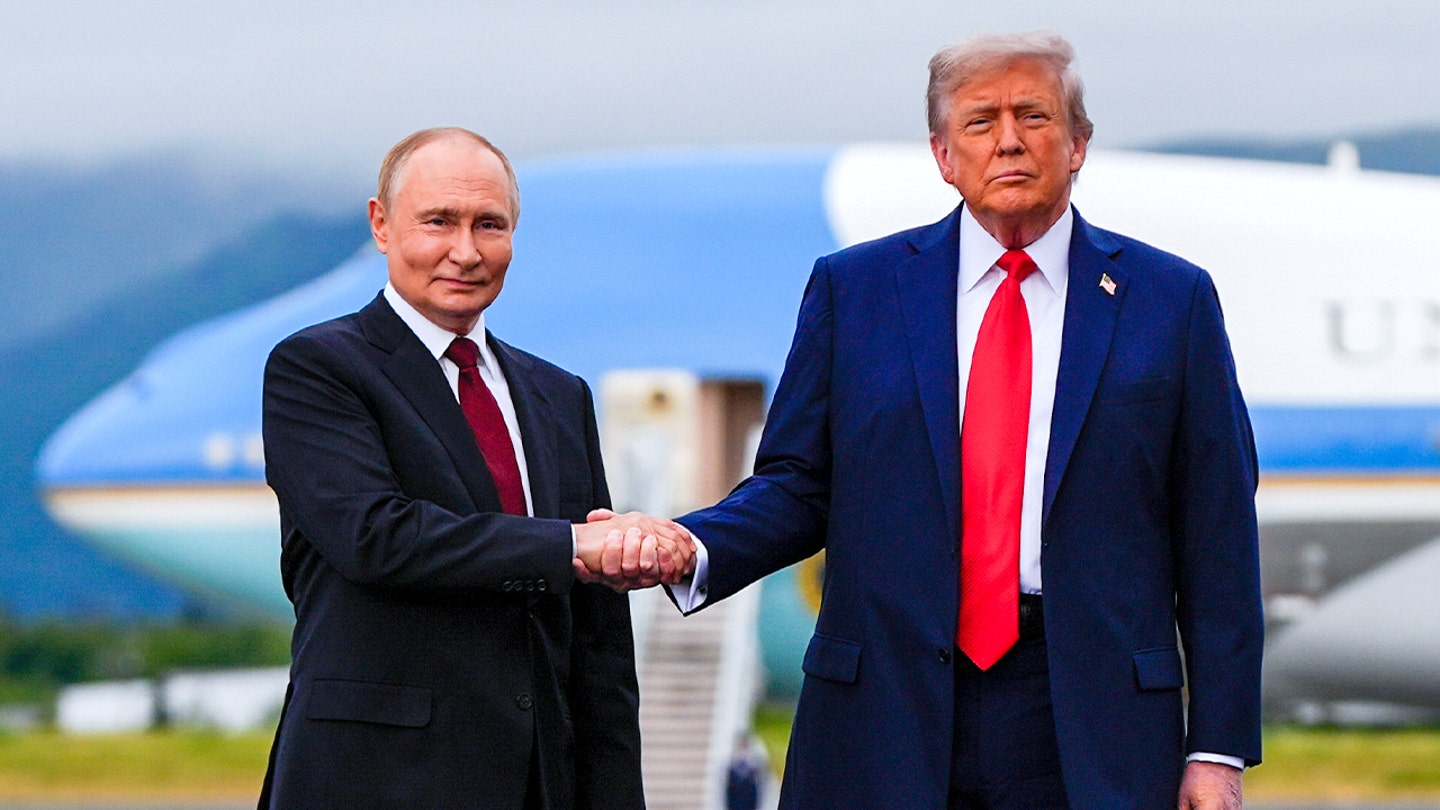
Trump backs Putin's proposal for Russia to take full control of Donbas region in Ukraine
Entities mentioned:
- Vladimir Putin: Power, Control, Influence
- Donald Trump: Influence, Recognition, Legacy
- Volodymyr Zelenskyy: Determination, Duty, Self-preservation
- Friedrich Merz: Duty, Influence, Unity
Article Assessment:
Credibility Score: 65/100
Bias Rating: 55/100 (Center)
Sentiment Score: 35/100
Authoritarianism Risk: 60/100 (Mixed/Neutral)
Bias Analysis:
The article presents multiple viewpoints and cites various sources, including European diplomats and U.S. officials. However, it leans slightly towards emphasizing Trump's actions and their potential impact, which could be seen as centrism with a slight right-leaning tone.
Key metric: International Diplomatic Influence
As a social scientist, I analyze that this article highlights a significant shift in U.S. foreign policy regarding the Russia-Ukraine conflict. Trump's support for Putin's proposal to take control of the Donbas region could drastically alter the course of the war and international relations. This move potentially undermines Ukraine's sovereignty and NATO allies' united front against Russian aggression. The change from supporting a ceasefire to pushing for a peace agreement aligned with Russian interests suggests a major realignment of U.S. policy that could have far-reaching consequences for global geopolitics and the balance of power in Eastern Europe.
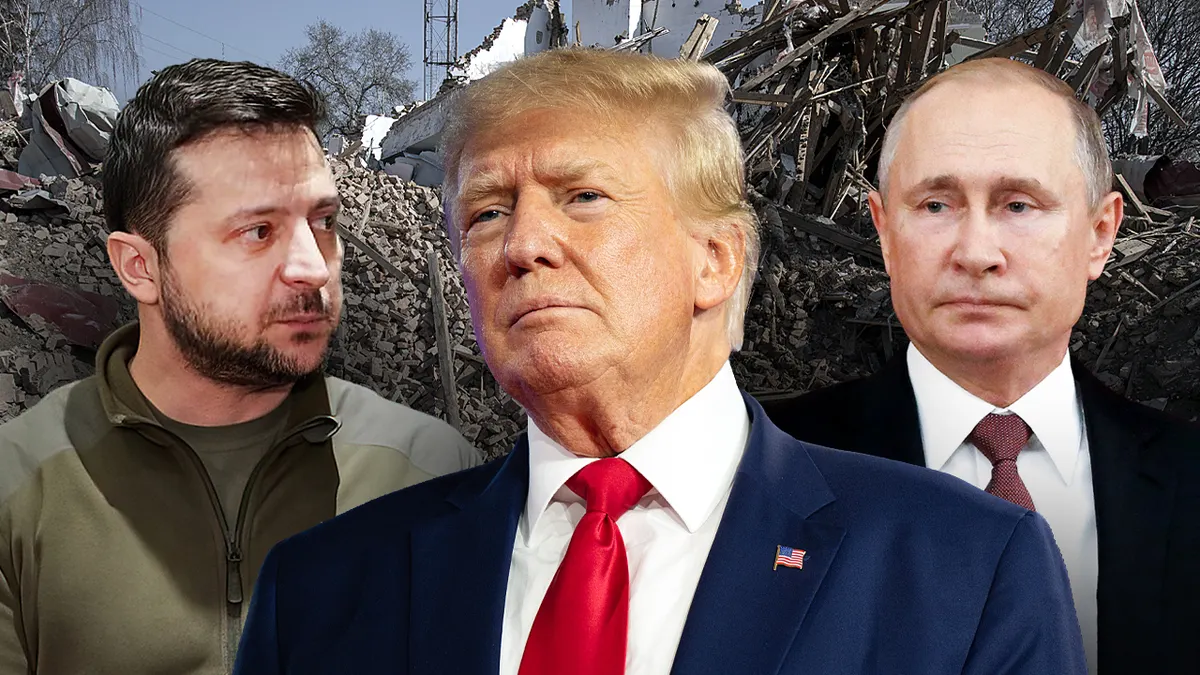
Trump: We're going straight to Russia-Ukraine peace deal, 'not a mere ceasefire'
Entities mentioned:
- Donald Trump: Ambition, Legacy, Power
- Vladimir Putin: Power, Security, Control
- Volodymyr Zelenskyy: Justice, Self-preservation, Unity
- Keir Starmer: Duty, Unity, Influence
- Emmanuel Macron: Influence, Unity, Duty
Article Assessment:
Credibility Score: 65/100
Bias Rating: 55/100 (Center)
Sentiment Score: 65/100
Authoritarianism Risk: 35/100 (Generally Democratic)
Bias Analysis:
The article presents multiple perspectives, including those of Trump, Putin, and Zelenskyy, providing a relatively balanced view. However, there's a slight emphasis on Trump's role and optimism about the peace process, which could indicate a subtle center-right lean.
Key metric: International Diplomacy Effectiveness
As a social scientist, I analyze that this article presents a significant shift in the approach to the Russia-Ukraine conflict, with Trump positioning himself as a key mediator aiming for a comprehensive peace deal rather than a ceasefire. This approach could potentially impact international diplomacy effectiveness by bypassing traditional diplomatic channels and leveraging personal relationships between leaders. The involvement of European leaders suggests a coordinated Western approach, but the effectiveness hinges on Putin's willingness to participate in a trilateral meeting and make concessions. The article implies a potential breakthrough, but the long-term sustainability of any agreement remains uncertain given the complex security concerns and historical context of the conflict.
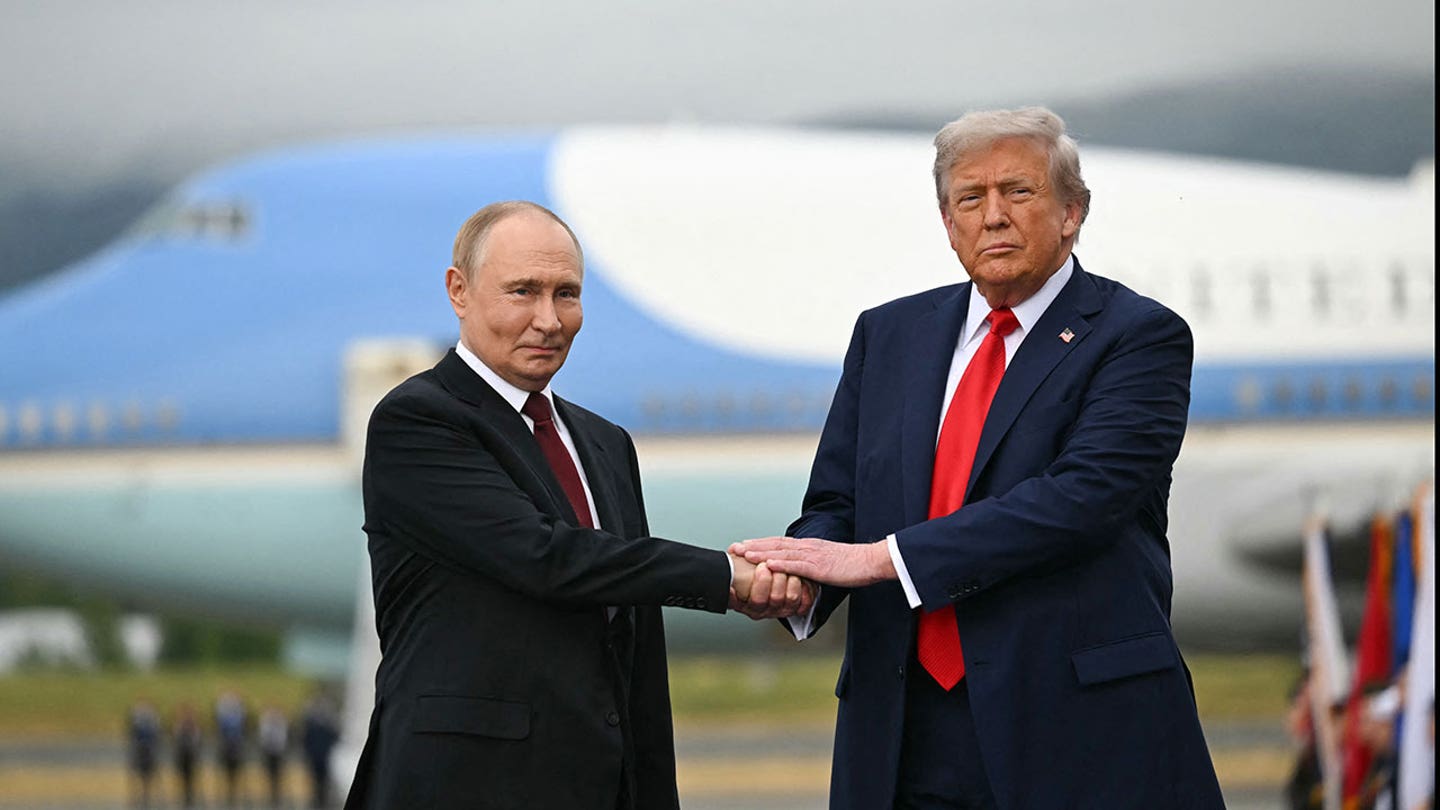
Trump reveals 10 striking takeaways from Putin summit in Hannity interview
Entities mentioned:
- Donald Trump: Power, Recognition, Self-preservation
- Vladimir Putin: Power, Control, Influence
- Sean Hannity: Loyalty, Influence, Professional pride
- Volodymyr Zelenskyy: Unity, Self-preservation, Duty
- Joe Biden: Power, Legacy, Duty
Article Assessment:
Credibility Score: 45/100
Bias Rating: 75/100 (Lean Right)
Sentiment Score: 70/100
Authoritarianism Risk: 55/100 (Mixed/Neutral)
Bias Analysis:
The article leans right, primarily due to its uncritical presentation of Trump's claims and the exclusive use of Trump and Hannity as sources. The framing portrays Trump in an overwhelmingly positive light while implicitly criticizing the current administration.
Key metric: International Relations and Diplomacy
As a social scientist, I analyze that this article presents a significant impact on US international relations and diplomacy. Trump's portrayal of his meeting with Putin as highly successful, coupled with his claims about Russia's newfound respect for America, could influence public perception of US-Russia relations. The emphasis on deal-making and Trump's willingness to participate in trilateral talks suggests a shift towards more direct, personalized diplomacy. However, the inclusion of comments about the 2020 election being rigged introduces domestic political controversy into foreign policy discussions, potentially undermining the credibility of US democratic institutions on the global stage. The article's framing of Trump as a key mediator between Russia and Ukraine, while sidelining current administration efforts, may create confusion about the official US stance on the conflict.

Melania Trump urges Putin to protect children in 'peace letter' delivered at US-Russia summit
Entities mentioned:
- Melania Trump: Righteousness, Influence, Unity
- Vladimir Putin: Power, Control, Influence
- Donald Trump: Ambition, Legacy, Influence
- Volodymyr Zelenskyy: Self-preservation, Unity, Duty
- Joe Biden: Legacy, Influence
Article Assessment:
Credibility Score: 65/100
Bias Rating: 70/100 (Lean Right)
Sentiment Score: 60/100
Authoritarianism Risk: 35/100 (Generally Democratic)
Bias Analysis:
The article leans right, given its exclusive source (Fox News) and positive framing of Trump's diplomatic efforts. It presents the Trump administration's actions in a favorable light while minimizing mention of other diplomatic efforts.
Key metric: International Relations and Diplomacy
As a social scientist, I analyze that this article highlights a significant diplomatic effort by the Trump administration to engage with Russia on the issue of the Ukraine war. The use of a 'peace letter' from Melania Trump to Putin represents an unconventional approach to diplomacy, appealing to humanitarian concerns and shared values of child protection. This strategy attempts to bypass traditional diplomatic channels and leverage personal relationships. The summit's outcomes suggest some progress but no definitive resolution, indicating the complexity of the geopolitical situation. The planned meeting with Zelenskyy demonstrates an attempt at balanced engagement with both sides of the conflict. This approach could potentially impact US-Russia relations and the ongoing situation in Ukraine, but its effectiveness remains uncertain.

New York mayor frontrunner Mamdani trains fire on Trump as Cuomo attacks
Entities mentioned:
- Mamdani: Ambition, Competitive spirit, Recognition
- Donald Trump: Power, Control, Influence
- Andrew Cuomo: Power, Revenge, Self-preservation
Article Assessment:
Credibility Score: 65/100
Bias Rating: 35/100 (Lean Left)
Sentiment Score: 40/100
Authoritarianism Risk: 30/100 (Generally Democratic)
Bias Analysis:
The article leans left, focusing on Democratic candidates and framing Trump negatively. It doesn't provide balanced coverage of Republican perspectives or policies.
Key metric: Political Polarization Index
As a social scientist, I analyze that this article highlights the increasing political polarization in the New York mayoral race. The frontrunner Mamdani's focus on attacking Trump, a national figure, rather than local issues, suggests a strategy to galvanize Democratic voters by tapping into anti-Trump sentiment. Meanwhile, Cuomo's attacks on Mamdani indicate intra-party conflict, which could further divide the electorate. This dynamic is likely to increase the Political Polarization Index, as it emphasizes partisan divisions over local governance issues.

Democrats introduce joint resolution to end Trump’s ‘lawless’ DC takeover
Entities mentioned:
- Democrats: Justice, Righteousness, Control
- Donald Trump: Power, Control, Ambition
- Washington DC: Self-preservation, Freedom, Security
Article Assessment:
Credibility Score: 65/100
Bias Rating: 35/100 (Lean Left)
Sentiment Score: 30/100
Authoritarianism Risk: 55/100 (Mixed/Neutral)
Bias Analysis:
The article leans left in its framing, using terms like 'lawless' that cast Trump's actions in a negative light. The focus on Democratic opposition without equal representation of the administration's perspective suggests a left-leaning bias.
Key metric: Rule of Law Index
As a social scientist, I analyze that this article highlights a significant conflict between the Democratic Party and the Trump administration over control of Washington DC. The introduction of a joint resolution by Democrats to end what they term a 'lawless' takeover of DC by Trump indicates a struggle for power and control over the capital city. This action suggests concerns about potential overreach of executive power and its implications for democratic governance. The use of the term 'lawless' implies that Democrats view Trump's actions as unconstitutional or illegal, which could have serious implications for the rule of law in the United States. This situation may lead to increased political polarization and could potentially erode public trust in governmental institutions.

DC police to share information with federal immigration officers
Entities mentioned:
- Pamela Smith (DC Police Chief): Duty, Obligation, Security
- Donald Trump: Control, Power, Security
- ICE: Duty, Security, Control
- Muriel Bowser (DC Mayor): Self-preservation, Security, Wariness
- Karoline Leavitt (White House Press Secretary): Duty, Loyalty, Control
- Kristi Noem (DHS Secretary): Security, Control, Righteousness
Article Assessment:
Credibility Score: 70/100
Bias Rating: 55/100 (Center)
Sentiment Score: 40/100
Authoritarianism Risk: 65/100 (Authoritarian Tendencies)
Bias Analysis:
The article presents multiple viewpoints, including those of local and federal officials. However, there's slightly more emphasis on perspectives supporting the policy change, suggesting a slight lean towards the center-right.
Key metric: Immigration Enforcement Effectiveness
As a social scientist, I analyze that this executive order represents a significant shift in DC's approach to immigration enforcement cooperation. The policy change aligns local law enforcement more closely with federal immigration efforts, potentially increasing deportations and altering the city's previous sanctuary status. This could lead to increased tensions between local communities and law enforcement, potentially impacting public safety and community trust. The move also highlights the growing federal influence over local policing in DC, raising questions about local autonomy and the balance of power between federal and municipal authorities. The change may result in more effective immigration enforcement from a federal perspective, but could also lead to unintended consequences such as decreased crime reporting from immigrant communities and potential civil rights concerns.
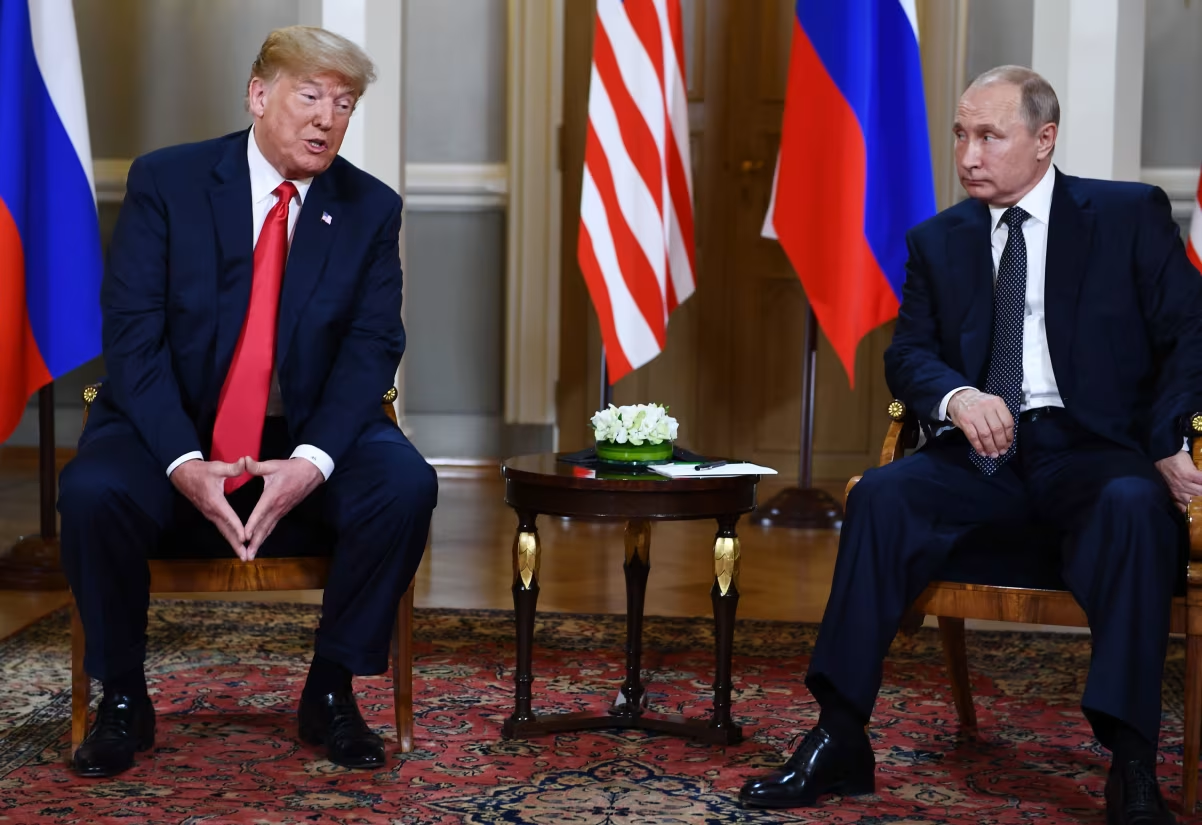
Fooled by Putin again? Trump’s rhetoric suggests he could be
Entities mentioned:
- Donald Trump: Power, Recognition, Legacy
- Vladimir Putin: Control, Power, Influence
- Karoline Leavitt: Duty, Loyalty, Professional pride
- Marco Rubio: Duty, Professional pride, Influence
- Volodymyr Zelensky: Self-preservation, Unity, Justice
- Melania Trump: Loyalty, Self-preservation, Wariness
Article Assessment:
Credibility Score: 75/100
Bias Rating: 35/100 (Lean Left)
Sentiment Score: 30/100
Authoritarianism Risk: 25/100 (Generally Democratic)
Bias Analysis:
The article leans slightly left, evidenced by its critical tone towards Trump's handling of Putin and Russia. While it presents factual information, the framing and language choices suggest a skeptical view of Trump's diplomatic abilities.
Key metric: International Relations and Diplomacy
As a social scientist, I analyze that this article highlights the complex dynamics of US-Russia relations, particularly focusing on President Trump's approach to diplomacy with Vladimir Putin. The article suggests that Trump's rhetoric and actions regarding Putin have been inconsistent and potentially naive, raising concerns about his ability to negotiate effectively. The frequent shifts in Trump's stance on Putin, from warm praise to criticism, indicate a lack of a coherent strategy in dealing with Russia. This inconsistency could potentially weaken the US position in international diplomacy and affect its relationships with allies. The article also points to a disconnect between Trump's public statements and the realities of the situation in Ukraine, which could undermine US credibility on the global stage. The low public confidence in Trump's ability to make wise decisions about the Ukraine war further compounds these concerns, potentially affecting the US's soft power and diplomatic influence.