
Rubio hails Trump as 'only leader in the world' who can broker Ukraine peace deal after talks
Entities mentioned:
- Marco Rubio: Loyalty, Influence, Competitive spirit
- Donald Trump: Power, Recognition, Influence
- Joe Biden: Obligation, Security, Duty
- Volodymyr Zelenskyy: Self-preservation, Duty, Determination
- Vladimir Putin: Power, Control, Influence
- NATO: Security, Unity, Duty
Article Assessment:
Credibility Score: 55/100
Bias Rating: 75/100 (Lean Right)
Sentiment Score: 65/100
Authoritarianism Risk: 45/100 (Mixed/Neutral)
Bias Analysis:
The article leans right, primarily due to its uncritical presentation of Republican viewpoints and criticism of the Biden administration. It relies heavily on Marco Rubio's statements without offering contrasting perspectives or fact-checking claims about Trump's peace-brokering abilities.
Key metric: Diplomatic Influence
As a social scientist, I analyze that this article presents a shift in the U.S. approach to the Ukraine-Russia conflict under the Trump administration. The narrative emphasizes Trump's alleged unique ability to broker peace, contrasting it with the perceived ineffectiveness of the Biden administration. This framing potentially impacts U.S. diplomatic influence by suggesting that Trump's personal relationships with world leaders are key to resolving international conflicts. The article's focus on changing dynamics in weapon supply and funding methods also indicates a potential shift in international perceptions of U.S. foreign policy. However, the heavy reliance on Rubio's statements without significant counterbalancing perspectives raises questions about the comprehensiveness of the analysis presented.
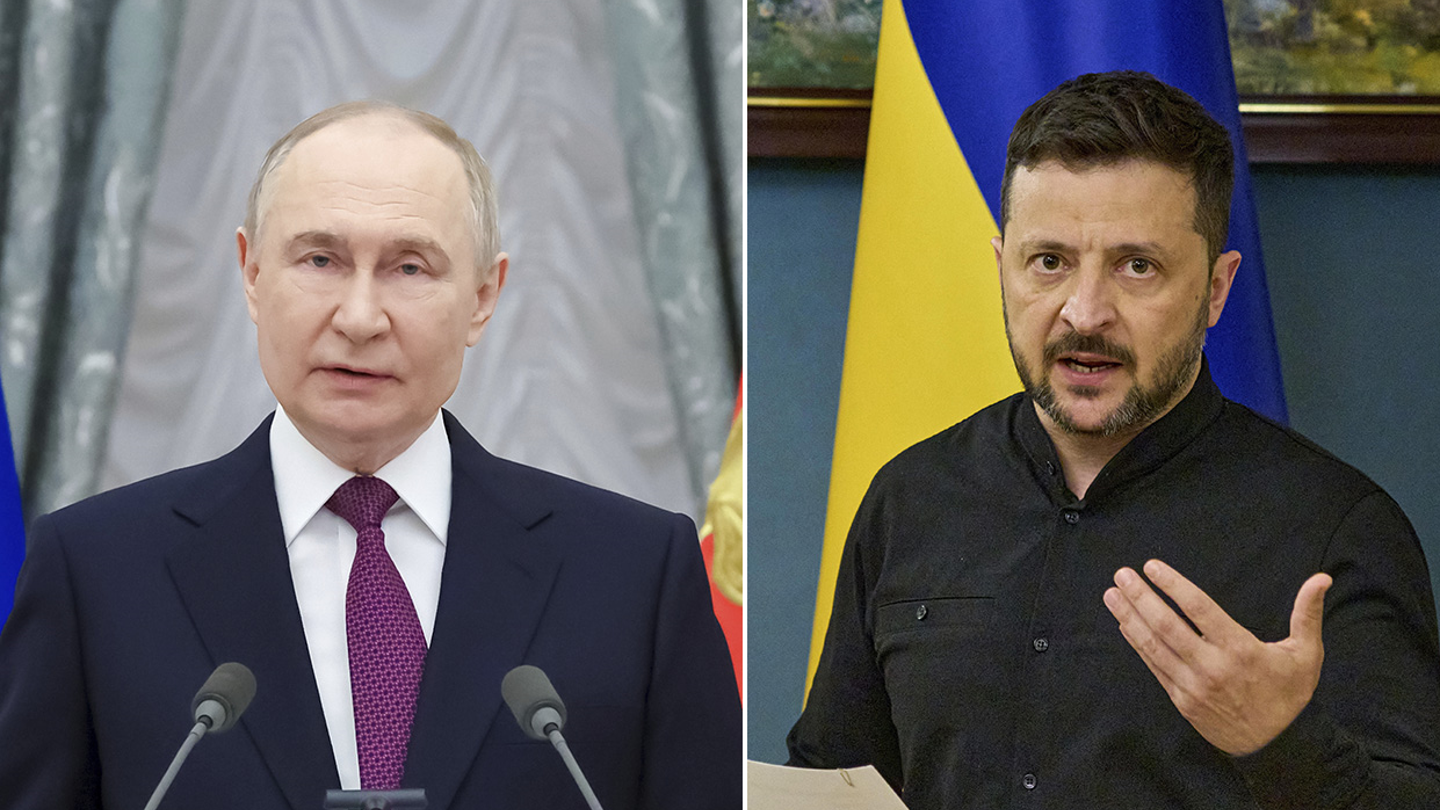
Trump’s push for Putin-Zelenskyy talks hinges on Kremlin's conditions
Entities mentioned:
- Donald Trump: Influence, Legacy, Power
- Vladimir Putin: Power, Control, Pride
- Volodymyr Zelenskyy: Self-preservation, Duty, Unity
- Ivana Stradner: Professional pride, Wariness, Duty
- Kurt Volker: Professional pride, Duty, Wariness
- Karoline Leavitt: Duty, Loyalty, Obligation
- Maria Snegovaya: Professional pride, Curiosity, Wariness
Article Assessment:
Credibility Score: 75/100
Bias Rating: 55/100 (Center)
Sentiment Score: 35/100
Authoritarianism Risk: 45/100 (Mixed/Neutral)
Bias Analysis:
The article presents multiple perspectives, including both US and Russian viewpoints, as well as expert opinions. While it leans slightly towards a Western perspective, it attempts to provide a balanced view of the diplomatic situation.
Key metric: International Diplomatic Influence
As a social scientist, I analyze that this article highlights the complex dynamics of international diplomacy surrounding the Russia-Ukraine conflict. Trump's initiative to arrange talks between Putin and Zelenskyy demonstrates the US's attempt to reassert its global diplomatic influence. However, the reluctance from the Russian side and the skepticism expressed by experts suggest significant challenges in achieving a diplomatic breakthrough. The article underscores the importance of power dynamics, with Putin's motivations centered on projecting Russian strength and equality with the US. The experts' analysis points to a potential stalemate, with Putin unlikely to compromise without significant concessions. This situation impacts the US's diplomatic influence by showcasing both its ability to initiate high-level talks and the limitations of its leverage over Russia. The article also highlights the broader implications for NATO and European security, suggesting that the outcome of this diplomatic effort could have far-reaching consequences for US global leadership and alliance structures.
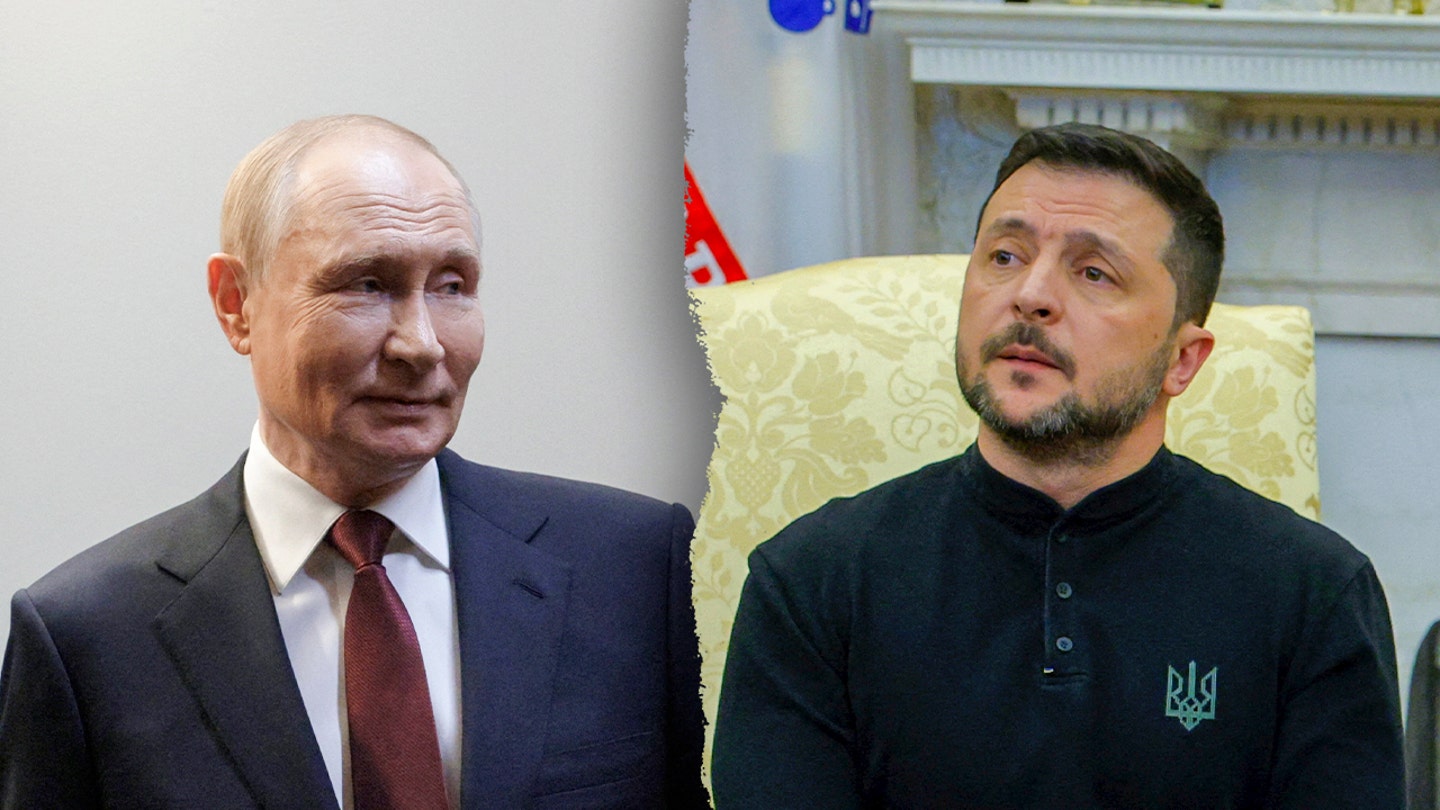
White House announces Putin agreed to bilateral meeting with Zelenskyy
Entities mentioned:
- Vladimir Putin: Power, Control, Self-preservation
- Volodymyr Zelenskyy: Determination, Justice, Unity
- Donald Trump: Legacy, Influence, Recognition
- Karoline Leavitt: Duty, Loyalty, Professional pride
- JD Vance: Duty, Influence, Ambition
- Marco Rubio: Duty, Influence, Professional pride
- Steve Witkoff: Duty, Influence, Professional pride
- Alexander Stubb: Unity, Recognition, Professional pride
- Keir Starmer: Unity, Recognition, Professional pride
- Mark Rutte: Unity, Recognition, Professional pride
Article Assessment:
Credibility Score: 65/100
Bias Rating: 70/100 (Lean Right)
Sentiment Score: 70/100
Authoritarianism Risk: 45/100 (Mixed/Neutral)
Bias Analysis:
The article leans right, focusing heavily on Trump's role and quoting primarily conservative or Trump-aligned sources. It presents a largely positive view of Trump's diplomatic efforts without significant counterbalancing perspectives.
Key metric: International Relations and Diplomacy
As a social scientist, I analyze that this article represents a significant shift in the dynamics of the Russia-Ukraine conflict. The agreement for a bilateral meeting between Putin and Zelenskyy, facilitated by the Trump administration, suggests a potential breakthrough in peace negotiations. This development could have far-reaching implications for global stability, NATO's role, and U.S. foreign policy. The involvement of multiple European leaders and their praise for Trump's efforts indicates a realignment of international diplomatic efforts. However, Putin's statement about the 2020 U.S. election raises questions about the motivations behind Russia's actions and the potential fragility of any peace agreement. The article also highlights concerns about long-term security guarantees for Ukraine, which will be crucial for sustainable peace in the region.
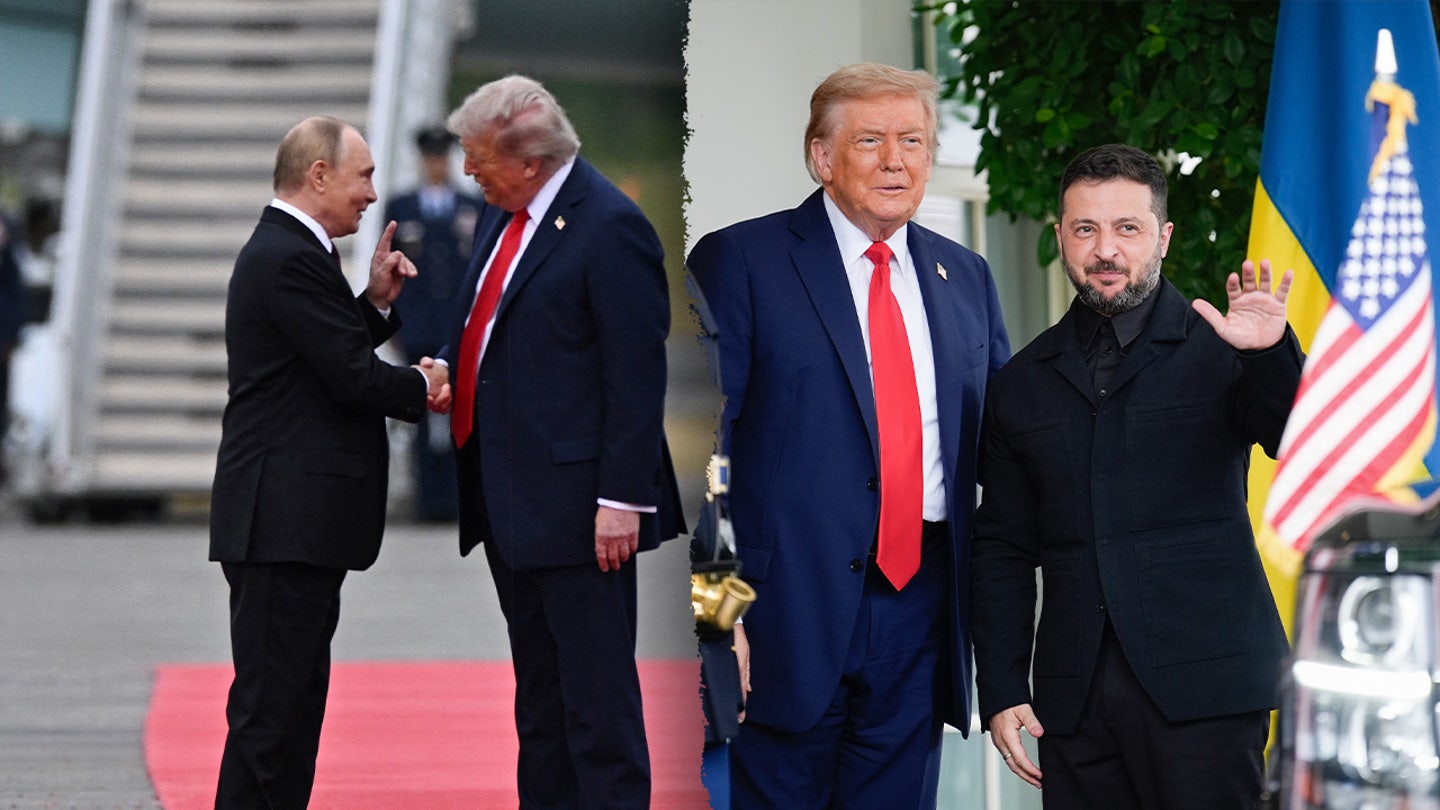
'President of peace': Trump tapped for Nobel Prize amid talks to end Russia-Ukraine war
Entities mentioned:
- Donald Trump: Recognition, Legacy, Power
- Andy Ogles: Loyalty, Influence, Recognition
- Marlin Stutzman: Loyalty, Influence, Recognition
- Vladimir Putin: Power, Control, Influence
- Volodymyr Zelenskyy: Self-preservation, Unity, Security
- House Republicans: Loyalty, Influence, Power
Article Assessment:
Credibility Score: 55/100
Bias Rating: 75/100 (Lean Right)
Sentiment Score: 75/100
Authoritarianism Risk: 40/100 (Generally Democratic)
Bias Analysis:
The article leans heavily right, primarily due to its exclusive focus on positive portrayals of Trump's actions and reliance on Republican sources. The lack of alternative viewpoints or critical analysis of the claims made suggests a significant rightward bias.
Key metric: International Diplomacy and Conflict Resolution
As a social scientist, I analyze that this article presents a highly politicized view of Trump's diplomatic efforts. The nomination for the Nobel Peace Prize by Republican allies appears to be a strategic move to bolster Trump's image as a peacemaker, particularly in the context of the Russia-Ukraine conflict. The article emphasizes Trump's recent meetings with Putin and Zelenskyy, framing them as significant steps towards peace. However, it's important to note that the actual impact of these meetings on the conflict resolution is yet to be seen. The article also references past achievements like the Abraham Accords to strengthen Trump's credentials. This narrative seems designed to position Trump as a unique and effective international negotiator, potentially with an eye towards future political ambitions. The credibility of these claims and their long-term impact on international diplomacy and conflict resolution remain to be evaluated objectively.
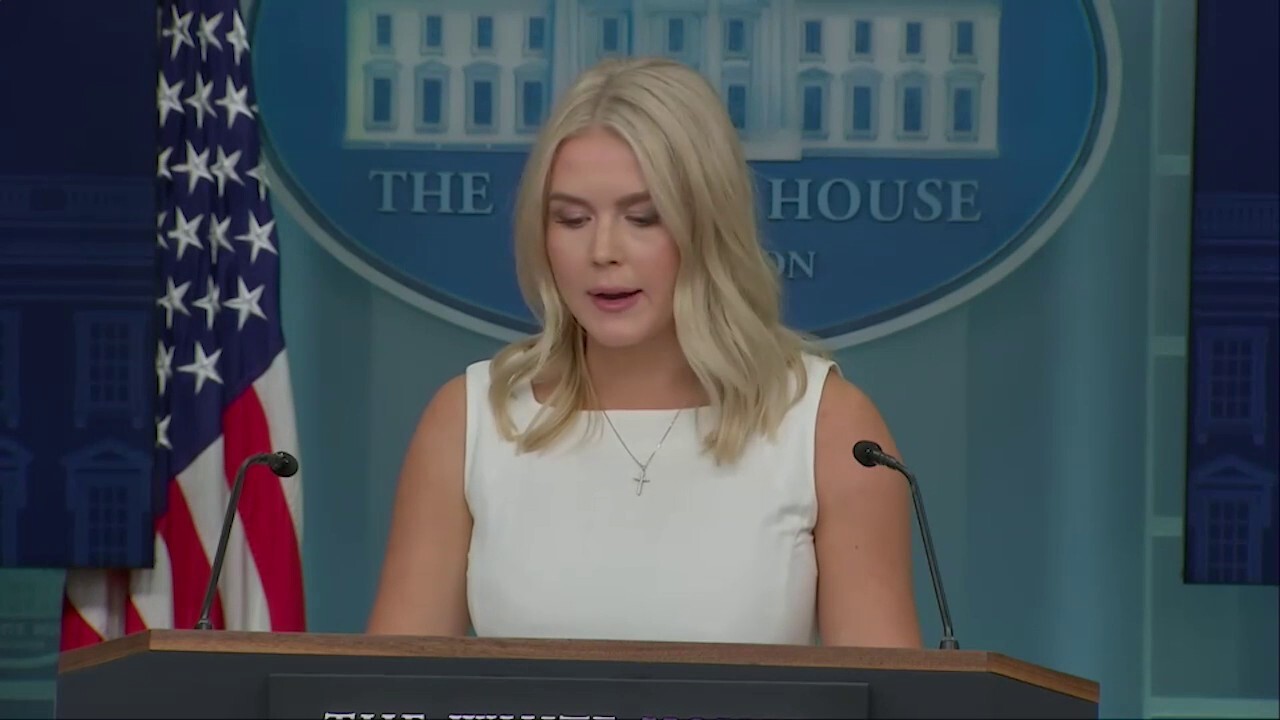
White House rejects ‘blank checks’ for Ukraine, presses NATO to shoulder costs
Entities mentioned:
- White House: Self-preservation, Control, Influence
- President Donald Trump: Ambition, Control, Influence
- Karoline Leavitt: Duty, Loyalty, Professional pride
- NATO: Security, Unity, Obligation
- Congress: Duty, Influence, Security
- JD Vance: Influence, Duty, Righteousness
- Volodymyr Zelenskyy: Self-preservation, Determination, Security
Article Assessment:
Credibility Score: 70/100
Bias Rating: 65/100 (Lean Right)
Sentiment Score: 45/100
Authoritarianism Risk: 35/100 (Generally Democratic)
Bias Analysis:
The article leans slightly right, focusing more on the Trump administration's perspective and quoting primarily Republican officials. While it includes some factual information, the framing tends to present the administration's view more prominently than alternative viewpoints.
Key metric: U.S. Military Spending
As a social scientist, I analyze that this article reflects a significant shift in U.S. foreign policy regarding military aid to Ukraine. The Trump administration is attempting to reduce direct U.S. financial involvement while maintaining support through alternative means, such as facilitating weapon sales through NATO. This approach aims to balance domestic fiscal concerns with international security commitments. The emphasis on European allies taking greater responsibility suggests a recalibration of U.S. global military engagement and spending priorities. This policy shift could have substantial implications for U.S. military spending, potentially reducing direct aid to Ukraine while promoting arms sales to NATO allies. The long-term impact on U.S. global influence and military strategy remains uncertain, as it depends on how effectively this new approach maintains stability in Eastern Europe and deters further Russian aggression.
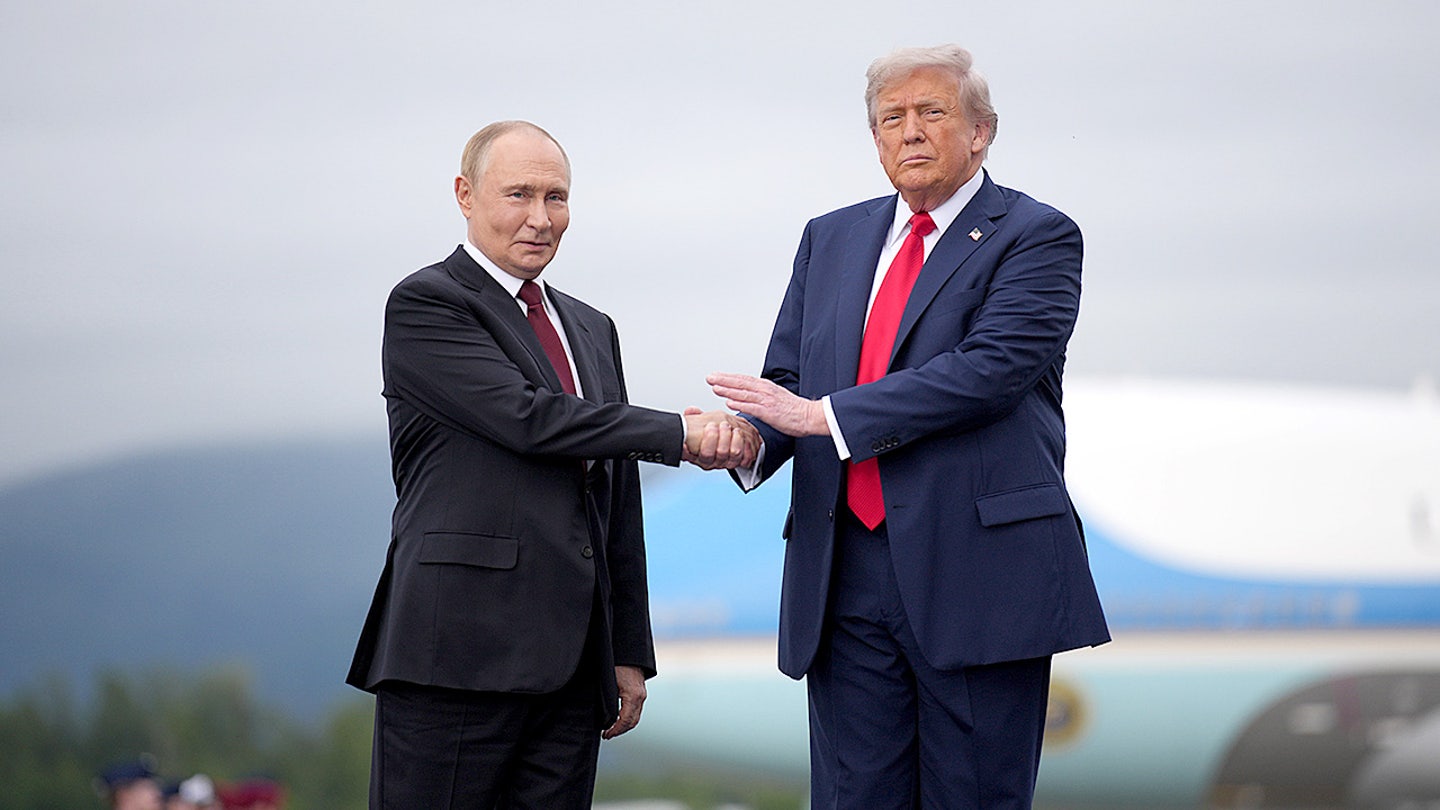
Trump praises Melania’s ‘beautiful note’ to Putin, says Zelenskyy brought letter from wife to first lady
Entities mentioned:
- Melania Trump: Righteousness, Influence, Compassion
- Donald Trump: Power, Influence, Recognition
- Vladimir Putin: Power, Control, Self-preservation
- Volodymyr Zelenskyy: Justice, Duty, Unity
- Dana Perino: Professional pride, Influence, Duty
Article Assessment:
Credibility Score: 65/100
Bias Rating: 70/100 (Lean Right)
Sentiment Score: 55/100
Authoritarianism Risk: 35/100 (Generally Democratic)
Bias Analysis:
The article leans right, primarily due to its reliance on Fox News sources and positive framing of Trump administration actions. It presents a favorable view of Melania Trump's involvement without critically examining the broader context or effectiveness of such interventions.
Key metric: U.S. Diplomatic Influence
As a social scientist, I analyze that this article highlights the use of soft power diplomacy through the involvement of First Lady Melania Trump in the Ukraine-Russia conflict. The personal appeal to Putin, focusing on children's welfare, represents an attempt to leverage emotional and moral arguments in international relations. This approach could potentially impact U.S. diplomatic influence by presenting a more multifaceted and humanitarian-focused foreign policy. However, the effectiveness of such methods in resolving complex geopolitical conflicts remains questionable, especially given the limited decision-making power of first ladies in formal diplomacy.
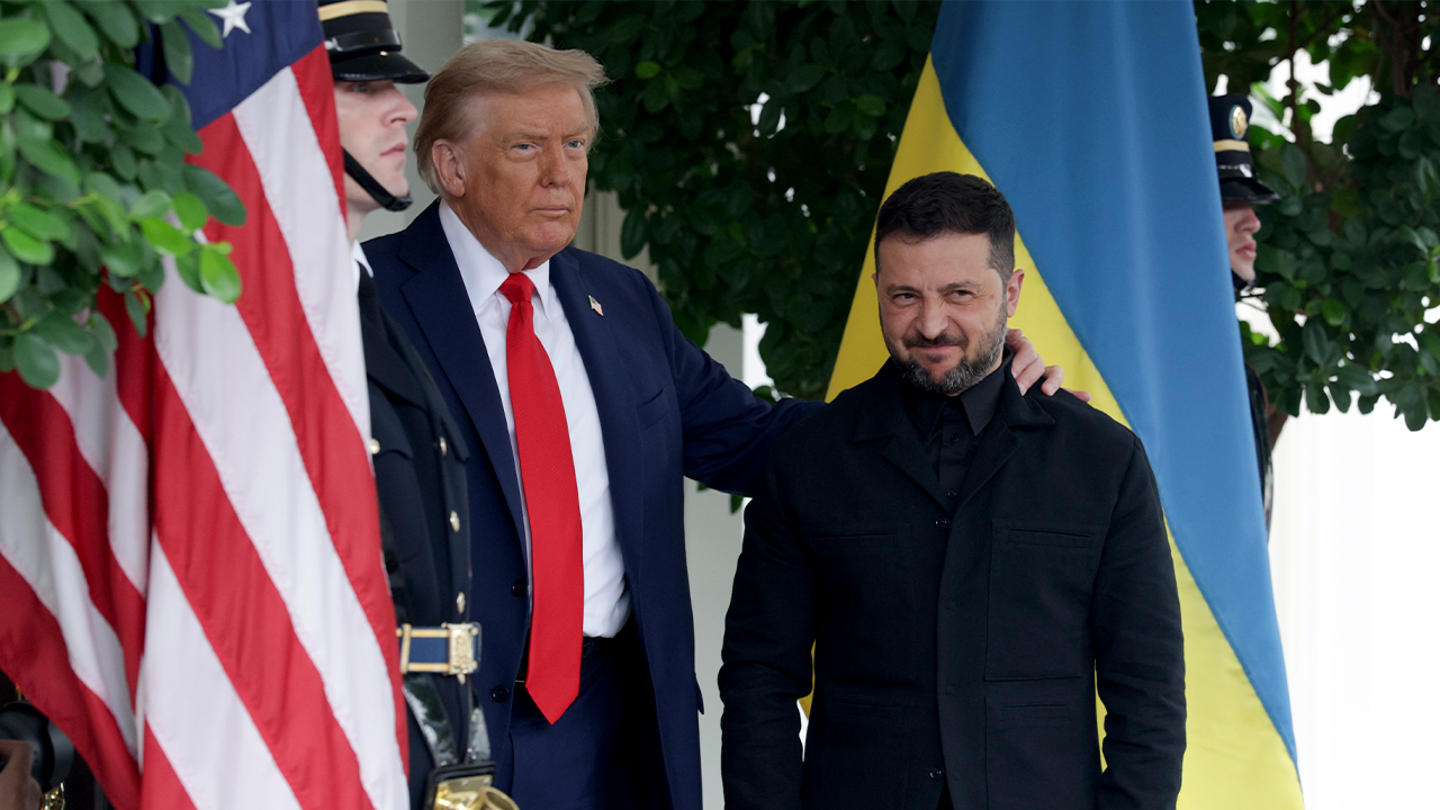
Trump: Zelenskyy meeting not 'end of the road' for US support in securing a peace deal
Entities mentioned:
- Donald Trump: Power, Influence, Legacy
- Volodymyr Zelenskyy: Security, Unity, Determination
- Vladimir Putin: Power, Control, Influence
- Keir Starmer: Duty, Unity, Influence
- Ursula Von der Leyen: Unity, Influence, Duty
- Emmanuel Macron: Influence, Unity, Legacy
- Mark Rutte: Unity, Security, Duty
- Steve Witkoff: Duty, Influence, Professional pride
Article Assessment:
Credibility Score: 70/100
Bias Rating: 55/100 (Center)
Sentiment Score: 45/100
Authoritarianism Risk: 35/100 (Generally Democratic)
Bias Analysis:
The article presents a relatively balanced view, quoting multiple sources and presenting different perspectives. However, there's a slight lean towards emphasizing Trump's role and statements, which could be seen as giving more weight to the US perspective.
Key metric: International Diplomatic Influence
As a social scientist, I analyze that this article highlights the complex diplomatic efforts to end the Russia-Ukraine conflict, with the US playing a central role. Trump's involvement in negotiations with both Ukraine and Russia, along with the presence of key European leaders, demonstrates the international importance of this issue. The potential for US troop deployment and the discussion of NATO-like protections for Ukraine indicate a significant shift in the conflict's dynamics. This development could greatly impact the US's international diplomatic influence, potentially strengthening its position as a global mediator but also risking further tensions with Russia. The article suggests a delicate balancing act between supporting Ukraine and maintaining dialogue with Russia, which could have far-reaching implications for global geopolitics and US foreign policy.

Trump: Europe will ‘take a lot of the burden’ in providing security guarantees for Ukraine
Entities mentioned:
- Donald Trump: Influence, Power, Legacy
- Volodymyr Zelenskyy: Security, Determination, Unity
- Vladimir Putin: Power, Control, Influence
- Steve Witkoff: Duty, Influence, Professional pride
- Emmanuel Macron: Unity, Security, Duty
- European allies: Security, Unity, Obligation
- United States: Influence, Power, Security
- Russia: Power, Control, Influence
- Ukraine: Security, Self-preservation, Freedom
- NATO: Security, Unity, Deterrence
Article Assessment:
Credibility Score: 65/100
Bias Rating: 55/100 (Center)
Sentiment Score: 45/100
Authoritarianism Risk: 35/100 (Generally Democratic)
Bias Analysis:
The article presents multiple perspectives, including those of Trump, Zelenskyy, and Macron, providing a relatively balanced view. However, it leans slightly towards emphasizing Trump's statements and positions, potentially reflecting a slight center-right bias in source selection and framing.
Key metric: Global Influence Index
As a social scientist, I analyze that this article highlights a significant shift in the dynamics of global security arrangements, particularly concerning Ukraine. The proposed security guarantees for Ukraine, with European nations taking a larger role and the U.S. offering support, indicate a potential realignment of international security responsibilities. This shift could impact the U.S.'s Global Influence Index by potentially reducing its direct involvement in Eastern European security while maintaining a supportive role. The discussions around territorial exchanges and Ukraine's NATO aspirations suggest complex negotiations that could reshape regional geopolitics. The emphasis on European nations taking 'a lot of the burden' in providing security guarantees may indicate a U.S. strategy to maintain influence while encouraging greater European autonomy in regional security matters. This approach could either strengthen or strain transatlantic relations, depending on its implementation and outcomes, thus directly affecting the U.S.'s global influence.
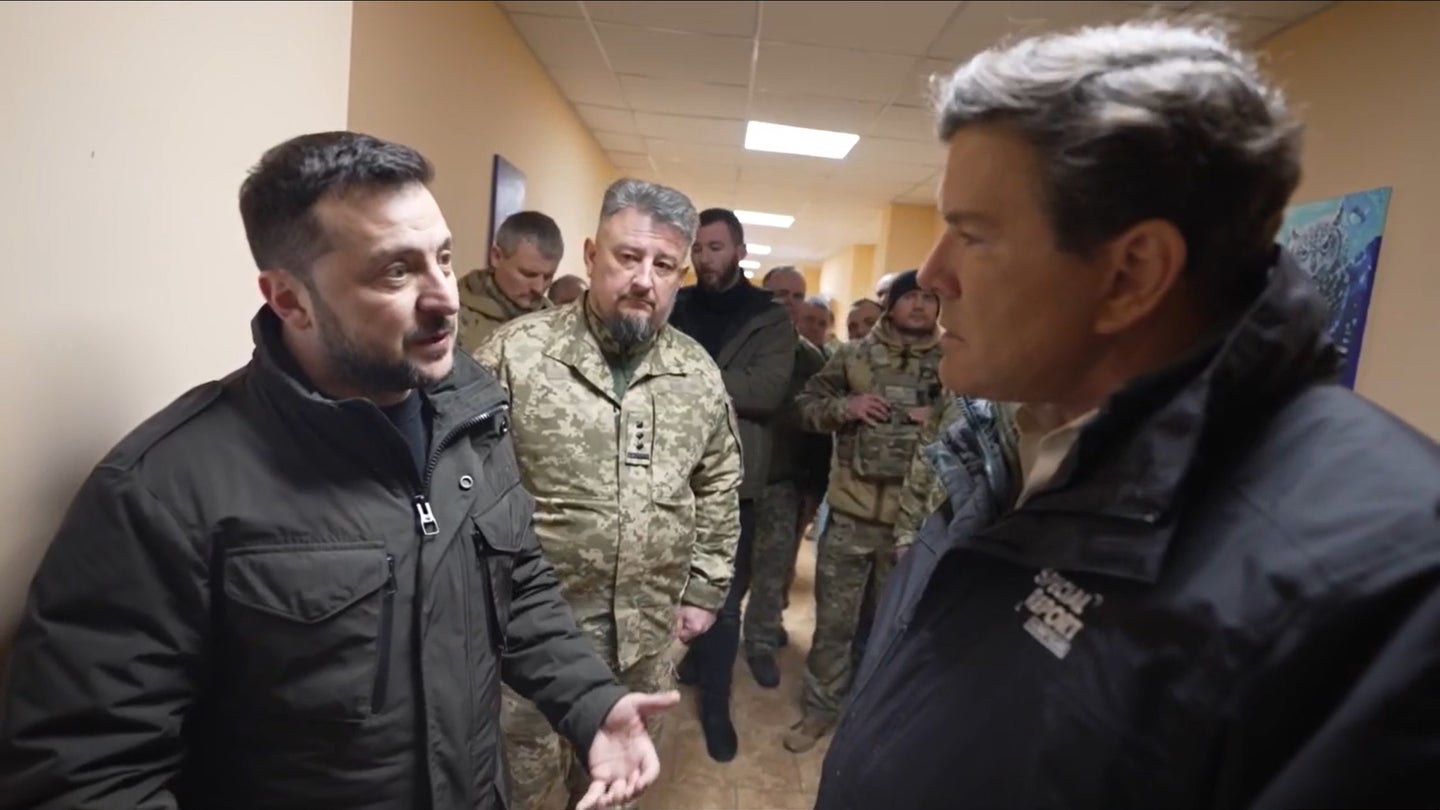
Zelenskyy agrees to Trump-Putin meeting without cease-fire, but will Kremlin dictator go along?
Entities mentioned:
- Donald Trump: Ambition, Power, Recognition
- Vladimir Putin: Power, Control, Self-preservation
- Volodymyr Zelenskyy: Determination, Duty, Self-preservation
- Hillary Clinton: Recognition, Influence
- Gen. Wesley Clark: Professional pride, Duty
- Steve Witkoff: Duty, Loyalty
- Friedrich Merz: Duty, Influence
- Peter Doocy: Curiosity, Professional pride
Article Assessment:
Credibility Score: 65/100
Bias Rating: 55/100 (Center)
Sentiment Score: 40/100
Authoritarianism Risk: 35/100 (Generally Democratic)
Bias Analysis:
The article presents multiple viewpoints but shows slight skepticism towards Trump's approach. While critical of Putin, it also questions Zelenskyy's decision-making, maintaining a relatively balanced perspective.
Key metric: International Diplomacy Effectiveness
As a social scientist, I analyze that this article highlights the complexities of international diplomacy in the context of the Russia-Ukraine conflict. Trump's shift in stance towards Putin and willingness to meet without a ceasefire demonstrates the fluid nature of diplomatic negotiations. Zelenskyy's unexpected agreement to a trilateral meeting suggests a desperate attempt to end the conflict, even at the risk of legitimizing Putin's actions. The article underscores the challenges in balancing national interests, international pressure, and the realities of ongoing warfare. The effectiveness of US diplomacy is called into question, as Trump's approach appears to prioritize personal relationships over established diplomatic norms and previous commitments to Ukraine's sovereignty.
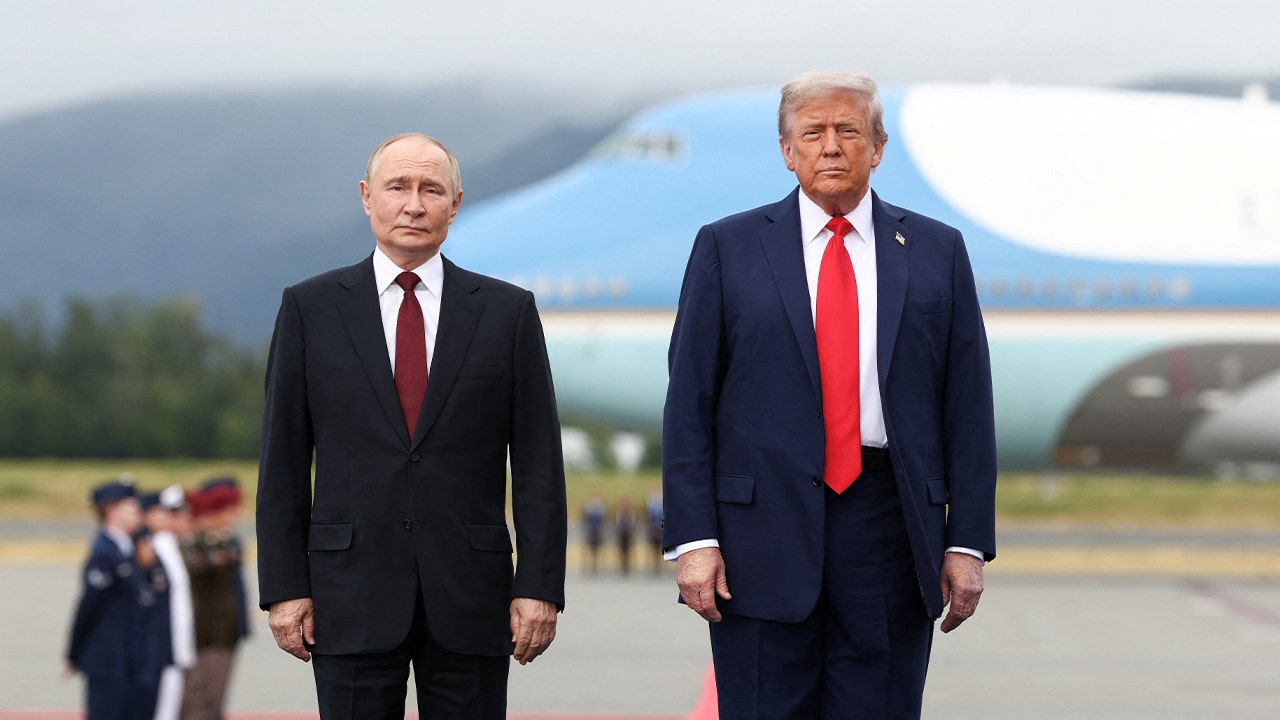
MORNING GLORY: Can President Trump deliver a ceasefire or even a peace agreement between Russia and Ukraine?
Entities mentioned:
- Donald Trump: Power, Influence, Legacy
- Vladimir Putin: Power, Control, Influence
- Volodymyr Zelenskyy: Duty, Self-preservation, Unity
- Donald Rumsfeld: Professional pride, Influence, Security
- Hugh Hewitt: Influence, Professional pride, Curiosity
- Media: Recognition, Influence, Greed
Article Assessment:
Credibility Score: 70/100
Bias Rating: 65/100 (Lean Right)
Sentiment Score: 55/100
Authoritarianism Risk: 35/100 (Generally Democratic)
Bias Analysis:
The article leans right due to its favorable portrayal of Trump's diplomatic efforts and criticism of media reporting. However, it maintains some balance by emphasizing the uncertainty of outcomes and citing examples of successful diplomacy.
Key metric: Diplomatic Influence
As a social scientist, I analyze that this article primarily focuses on the uncertainty surrounding diplomatic negotiations between the US, Russia, and Ukraine. The author, Hugh Hewitt, emphasizes the importance of acknowledging the limits of public knowledge in high-stakes diplomacy. He criticizes media sources claiming inside knowledge of these meetings, suggesting that such claims are either misinformation or clickbait. The article indirectly highlights the potential for US diplomatic influence, particularly through Trump's involvement, but cautions against premature conclusions. This measured approach to assessing diplomatic progress could impact the US's perceived diplomatic influence on the global stage, especially in conflict resolution efforts.