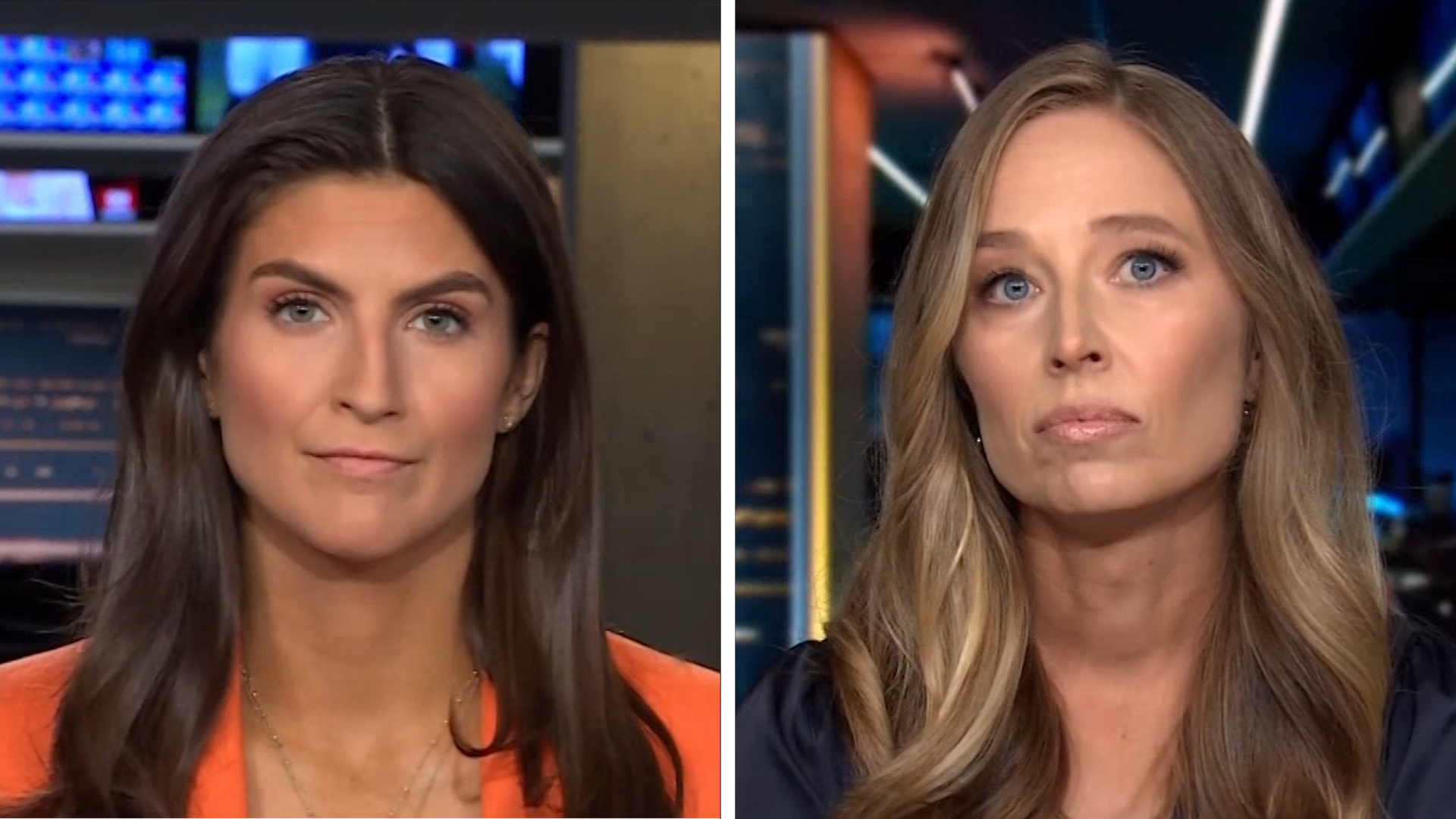
Epstein victims are a growing political threat to Trump
Entities mentioned:
- Jeffrey Epstein: Power, Control, Greed
- Donald Trump: Self-preservation, Power, Control
- Epstein victims: Justice, Recognition, Self-respect
- Pam Bondi: Loyalty, Duty, Self-preservation
- Ghislaine Maxwell: Self-preservation, Loyalty, Control
- Virginia Giuffre: Justice, Recognition, Self-respect
- Sky Roberts: Justice, Moral outrage, Recognition
- JD Vance: Loyalty, Ambition, Self-preservation
- Kash Patel: Loyalty, Duty, Self-preservation
- Annie Farmer: Justice, Recognition, Moral outrage
- Todd Blanche: Duty, Loyalty, Self-preservation
- Jennifer Freeman: Justice, Moral outrage, Professional pride
Article Assessment:
Credibility Score: 75/100
Bias Rating: 35/100 (Lean Left)
Sentiment Score: 25/100
Authoritarianism Risk: 45/100 (Mixed/Neutral)
Bias Analysis:
The article leans left, evidenced by its critical tone towards the Trump administration and sympathetic portrayal of Epstein's victims. While it presents factual information, the framing and language choices suggest a skeptical view of the administration's handling of the situation.
Key metric: Public Trust in Government Institutions
As a social scientist, I analyze that this article highlights a significant tension between political self-preservation and the pursuit of justice for victims of sexual abuse. The handling of the Epstein case by the Trump administration appears to prioritize political damage control over transparency and justice for the victims. This approach risks further eroding public trust in government institutions, particularly the Department of Justice. The victims' increasing vocalization and media attention could potentially shift public opinion and apply pressure on the administration to take more substantive action. The article suggests a growing political threat to Trump from the Epstein victims, which could impact his support base and overall public perception. The lack of representation of survivors in high-level meetings and the administration's apparent focus on political maneuvering rather than addressing victims' concerns indicate a disconnect between government actions and public expectations for justice and accountability.
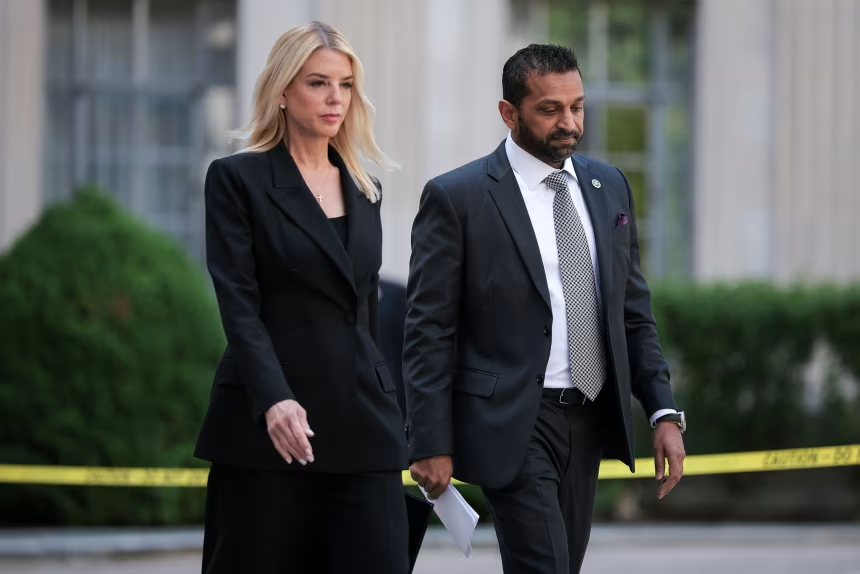
Planned dinner for Trump officials to discuss Epstein appears to have been moved amid media scrutiny
Entities mentioned:
- JD Vance: Unity, Influence, Duty
- Pam Bondi: Power, Recognition, Professional pride
- Kash Patel: Power, Professional pride, Loyalty
- Susie Wiles: Control, Unity, Duty
- Dan Bongino: Self-preservation, Professional pride, Recognition
- Todd Blanche: Duty, Professional pride, Loyalty
- William Martin: Loyalty, Duty, Control
Article Assessment:
Credibility Score: 65/100
Bias Rating: 55/100 (Center)
Sentiment Score: 35/100
Authoritarianism Risk: 45/100 (Mixed/Neutral)
Bias Analysis:
The article presents multiple viewpoints and relies on unnamed sources, which is common in political reporting. While it focuses on internal conflicts in the Trump administration, it maintains a relatively neutral tone in its presentation of facts.
Key metric: Government Transparency and Accountability
As a social scientist, I analyze that this article reveals internal conflicts and attempts at realignment within the Trump administration regarding the handling of the Epstein case. The planned dinner, which was apparently moved or canceled due to media scrutiny, indicates a desire to present a unified front and regain control of the narrative. The tensions between key figures like Bondi, Patel, and Bongino highlight the challenges in managing high-profile cases and maintaining cohesion within the administration. The article suggests a struggle between transparency and control of information, which directly impacts government accountability. The administration's response to media attention by potentially altering their meeting plans also demonstrates the influence of public scrutiny on government operations.
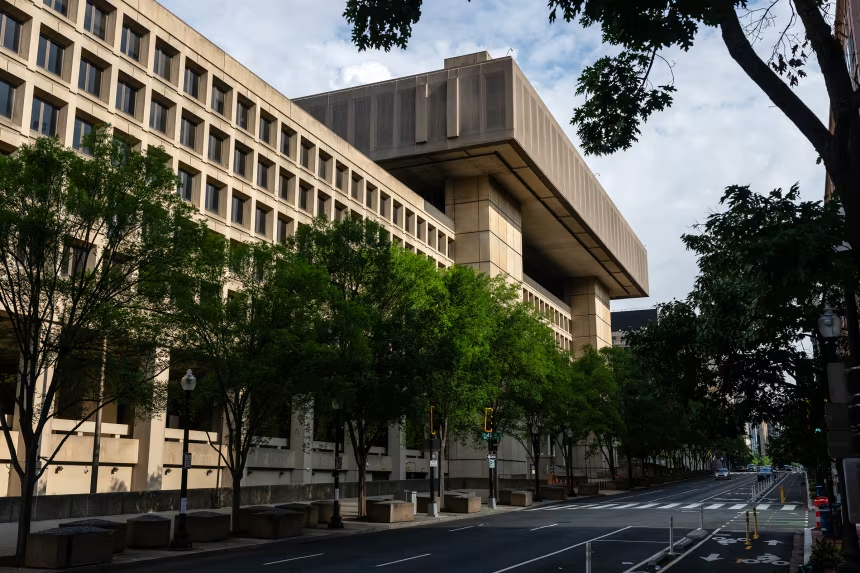
FBI firing senior officials at odds with Trump administration
Entities mentioned:
- FBI: Duty, Professional pride, Justice
- Trump administration: Control, Power, Revenge
- Brian Driscoll: Duty, Loyalty, Professional pride
- Steve Jensen: Duty, Professionalism, Loyalty
- Kash Patel: Power, Loyalty, Control
- Emil Bove: Control, Power, Loyalty
- Dan Bongino: Loyalty, Ambition, Power
- FBI Agents Association: Justice, Duty, Professional pride
- Jeanine Pirro: Loyalty, Duty, Professionalism
Article Assessment:
Credibility Score: 75/100
Bias Rating: 45/100 (Center)
Sentiment Score: 30/100
Authoritarianism Risk: 70/100 (Authoritarian Tendencies)
Bias Analysis:
The article presents multiple perspectives, including those of the administration and concerned FBI officials. While it leans slightly towards portraying the firings negatively, it maintains a relatively balanced tone by including administration viewpoints.
Key metric: Rule of Law Index
As a social scientist, I analyze that this article portrays a significant disruption in the leadership and operations of the FBI, a key law enforcement agency in the United States. The mass firings of senior officials, particularly those who were perceived to be opposed to the Trump administration or involved in investigations related to January 6th, suggest a politicization of law enforcement. This could potentially undermine the FBI's independence and ability to conduct impartial investigations. The demand for names of agents involved in January 6th cases and subsequent personnel actions indicate a possible attempt to influence or obstruct ongoing investigations. These actions could significantly impact the Rule of Law Index, as they suggest a weakening of checks and balances and potential executive overreach into law enforcement matters. The resistance from within the FBI and the FBI Agents Association's concerns highlight the tension between political influence and the professional integrity of law enforcement institutions. This situation could lead to a decrease in public trust in law enforcement and the overall justice system, potentially lowering the U.S. score on the Rule of Law Index.