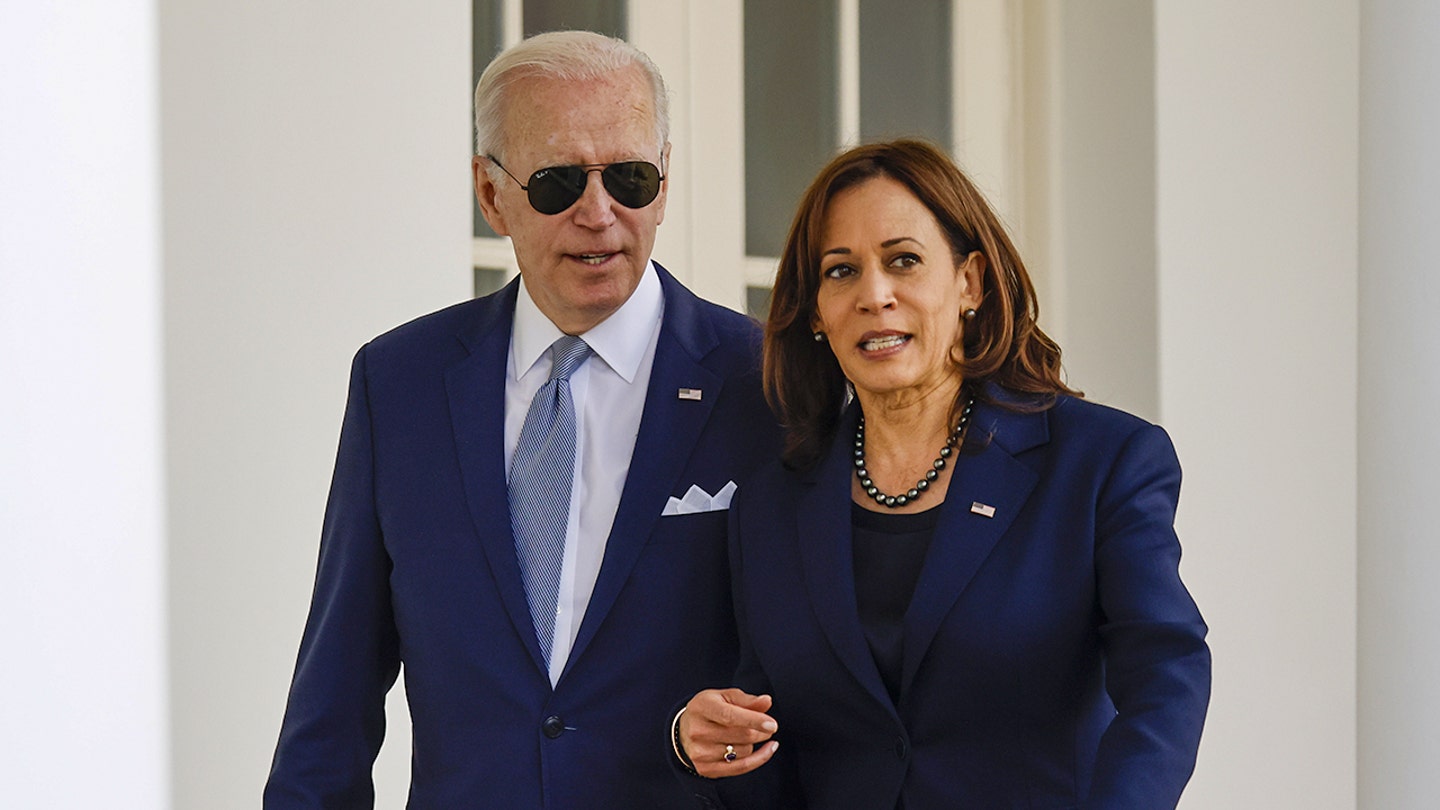
GOP senators push for Kamala Harris' testimony as House Oversight eyes subpoena
Entities mentioned:
- GOP senators: Accountability, Justice, Control
- Kamala Harris: Self-preservation, Loyalty, Duty
- House Oversight Committee: Accountability, Justice, Control
- Joe Biden: Self-preservation, Legacy, Power
- Roger Marshall: Professional pride, Righteousness, Influence
- James Comer: Accountability, Influence, Justice
- Richard Blumenthal: Loyalty, Duty, Self-preservation
- John Hoeven: Accountability, Duty, Influence
Article Assessment:
Credibility Score: 65/100
Bias Rating: 70/100 (Lean Right)
Sentiment Score: 30/100
Authoritarianism Risk: 45/100 (Mixed/Neutral)
Bias Analysis:
The article leans right due to its focus on Republican perspectives and allegations against the Biden administration. While it includes a brief Democratic counterpoint, the majority of the content amplifies GOP criticism and concerns.
Key metric: Political Polarization Index
As a social scientist, I analyze that this article highlights increasing political polarization in the U.S. The GOP's push for Harris' testimony and the focus on Biden's alleged cognitive decline demonstrate a partisan approach to oversight. This could potentially widen the divide between Democrats and Republicans, affecting public trust in institutions and inter-party cooperation. The emphasis on Biden's perceived weaknesses and their alleged impact on national security further intensifies the partisan narrative. This polarization could lead to decreased governmental effectiveness and increased public cynicism towards political processes.
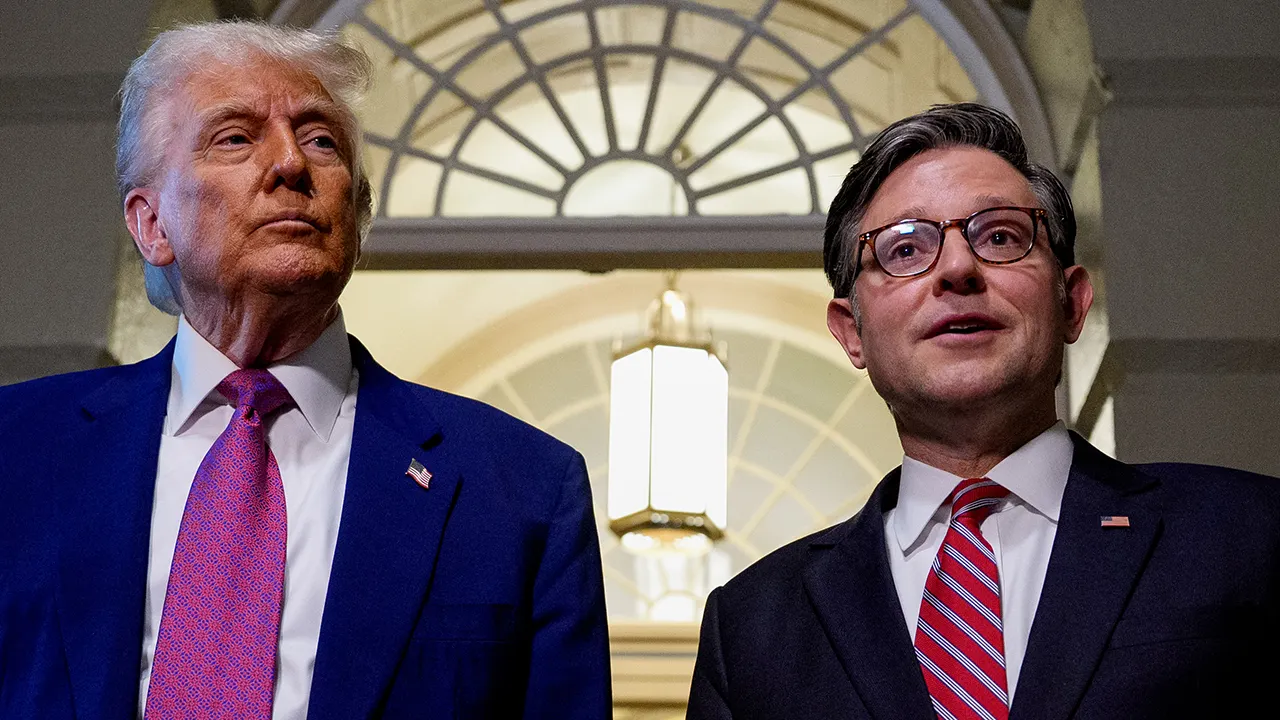
Midterm elections are as unpredictable as ever, as 2026 looms
Entities mentioned:
- Democrats: Power, Control, Legacy
- Republicans: Power, Control, Ambition
- Donald Trump: Power, Influence, Legacy
- Kevin McCarthy: Ambition, Power, Recognition
- Newt Gingrich: Influence, Recognition, Legacy
- Gavin Newsom: Power, Ambition, Control
Article Assessment:
Credibility Score: 70/100
Bias Rating: 55/100 (Center)
Sentiment Score: 45/100
Authoritarianism Risk: 35/100 (Generally Democratic)
Bias Analysis:
The article presents a balanced view of both parties' strategies and challenges. However, there's a slight lean towards Republican perspectives, with more detailed discussion of their potential strategies and concerns.
Key metric: Political Polarization Index
As a social scientist, I analyze that this article highlights the unpredictable nature of midterm elections in the United States. It emphasizes how various factors, including redistricting efforts, presidential popularity, and unforeseen events, can significantly impact election outcomes. The article suggests that traditional models for predicting midterm results may be less reliable in the current political climate. This unpredictability could potentially increase political polarization as parties struggle to maintain or gain control, leading to more aggressive tactics and rhetoric.

'There are 50 swamps': State Freedom Caucus Network helps conservatives fight the 'uniparty'
Entities mentioned:
- Andrew Roth: Righteousness, Determination, Influence
- State Freedom Caucus Network: Influence, Control, Righteousness
- Liberal Republicans: Power, Self-preservation, Ambition
- Democrats: Power, Influence, Self-preservation
- Blake Miguez: Ambition, Competitive spirit, Righteousness
- Bill Cassidy: Power, Self-preservation, Influence
Article Assessment:
Credibility Score: 65/100
Bias Rating: 75/100 (Lean Right)
Sentiment Score: 35/100
Authoritarianism Risk: 55/100 (Mixed/Neutral)
Bias Analysis:
The article leans right, primarily presenting the conservative perspective without significant counterbalancing views. It uncritically presents terms like 'swamp' and 'uniparty', which are typically used by right-wing groups.
Key metric: Political Polarization Index
As a social scientist, I analyze that this article highlights the increasing polarization within the Republican Party and across state legislatures. The State Freedom Caucus Network's efforts to identify and challenge what they perceive as insufficiently conservative Republicans could lead to more ideological purity within the party, but also potentially increase gridlock and reduce bipartisan cooperation. The organization's focus on 'exposing deceitful lawmakers' and labeling moderate Republicans as part of a 'uniparty' with Democrats suggests a strategy of ideological purification that could further entrench political divisions. This approach may intensify intra-party conflicts and potentially affect governance effectiveness at the state level.
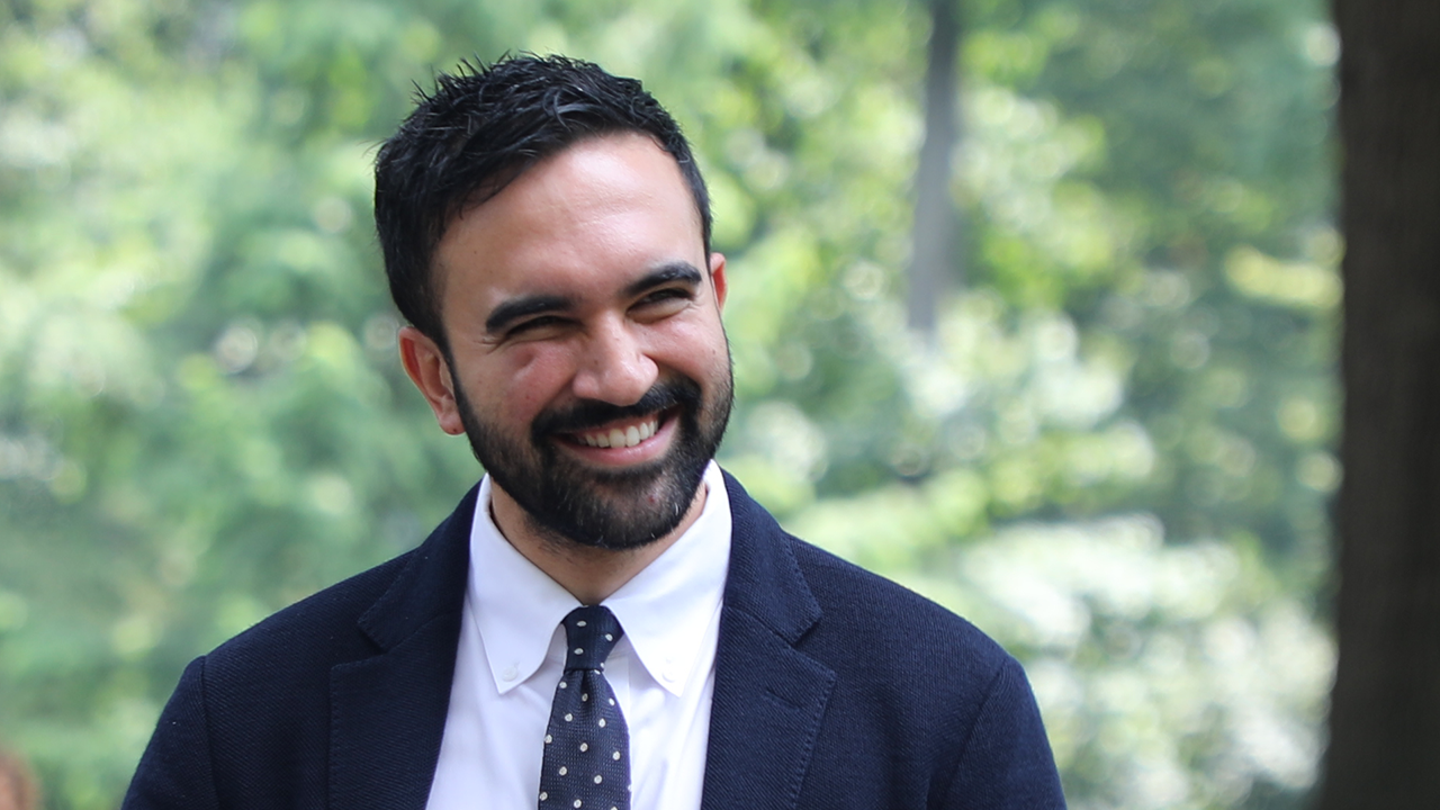
'Maine's Mamdani': Maine GOP chief issues warning about new challenger looking to oust Susan Collins
Entities mentioned:
- Susan Collins: Self-preservation, Loyalty, Influence
- Graham Platner: Ambition, Justice, Influence
- Jason Savage: Competitive spirit, Wariness, Control
- Maine Republican Party: Power, Control, Self-preservation
- Democratic Party: Power, Control, Unity
- Zohran Mamdani: Influence, Justice, Recognition
- Janet Mills: Ambition, Influence, Duty
Article Assessment:
Credibility Score: 65/100
Bias Rating: 75/100 (Lean Right)
Sentiment Score: 35/100
Authoritarianism Risk: 40/100 (Generally Democratic)
Bias Analysis:
The article leans right, primarily quoting Republican sources and framing progressive Democrats negatively. It presents a one-sided view of the political landscape, emphasizing potential threats from left-wing candidates without balanced perspectives.
Key metric: Political Polarization Index
As a social scientist, I analyze that this article highlights the growing ideological divide within the Democratic Party and between Democrats and Republicans. The framing of Graham Platner as 'Maine's Mamdani' suggests an attempt to associate him with more radical left-wing politics, potentially alienating moderate voters. This polarization could impact voter turnout and party unity, ultimately affecting the balance of power in the Senate. The article's focus on ideological extremes and the characterization of progressive policies as 'very unpopular' indicates a potential shift in political discourse towards more polarized positions, which could have long-term effects on bipartisanship and governance.
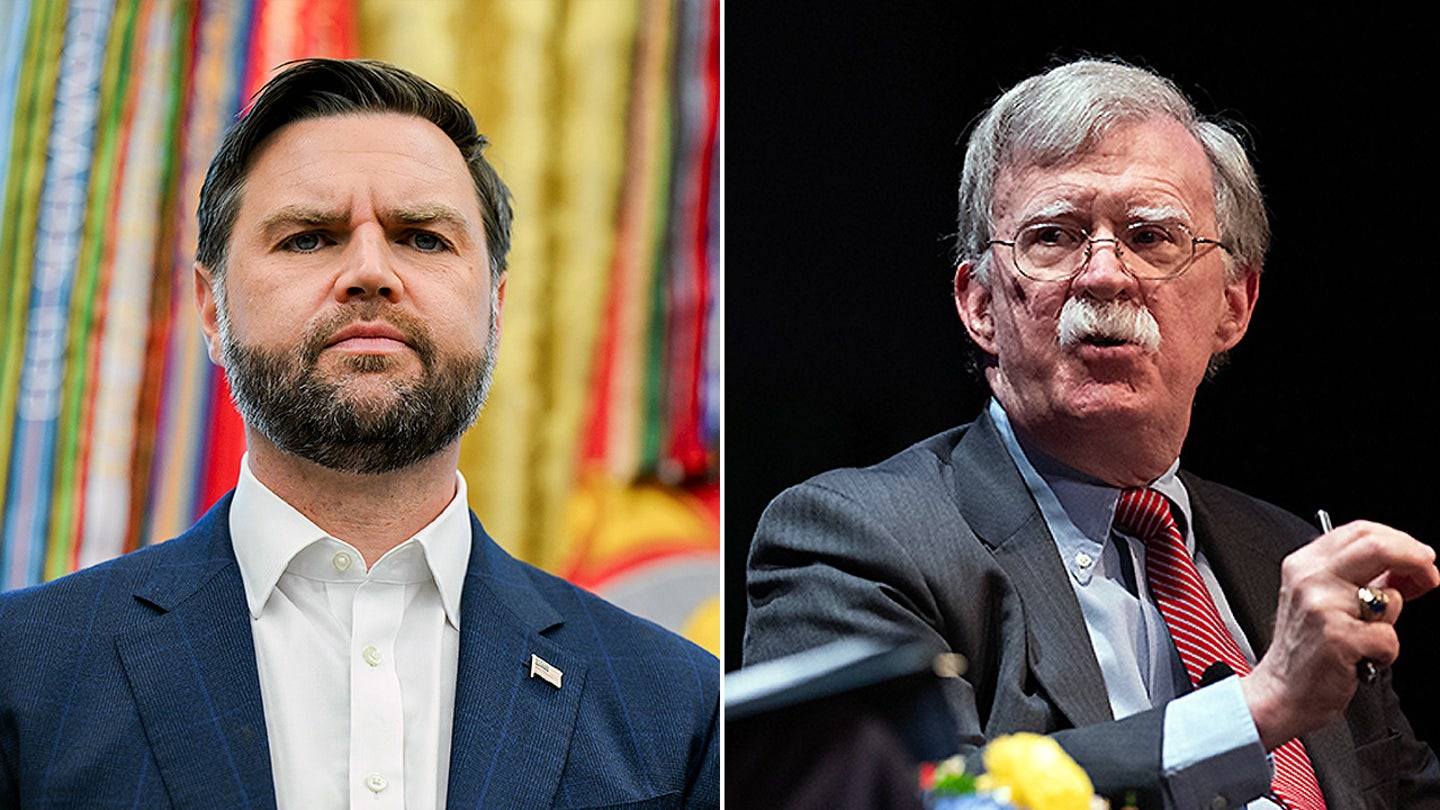
JD Vance insists FBI searching Bolton home ‘not at all’ about political retribution
Entities mentioned:
- JD Vance: Loyalty, Duty, Professional pride
- John Bolton: Self-preservation, Justice, Righteousness
- Donald Trump: Power, Control, Revenge
- FBI: Duty, Justice, Security
- Biden administration: Power, Control, Justice
Article Assessment:
Credibility Score: 70/100
Bias Rating: 55/100 (Center)
Sentiment Score: 35/100
Authoritarianism Risk: 60/100 (Mixed/Neutral)
Bias Analysis:
The article presents multiple viewpoints and includes context from various political perspectives. However, it relies heavily on quotes from Vance, a Trump administration official, which could slightly skew the narrative.
Key metric: Political Polarization Index
As a social scientist, I analyze that this article highlights the ongoing tension between political factions and the use of federal agencies in politically charged investigations. The raid on John Bolton's home, a former Trump administration official turned critic, raises questions about the potential weaponization of law enforcement for political purposes. Vice President Vance's denial of political motivation contrasts with the historical context of Bolton's criticism of Trump and the previous legal battles over his memoir. This event likely exacerbates political polarization, as it can be interpreted differently by various political groups, potentially reinforcing existing beliefs about government overreach or necessary accountability.
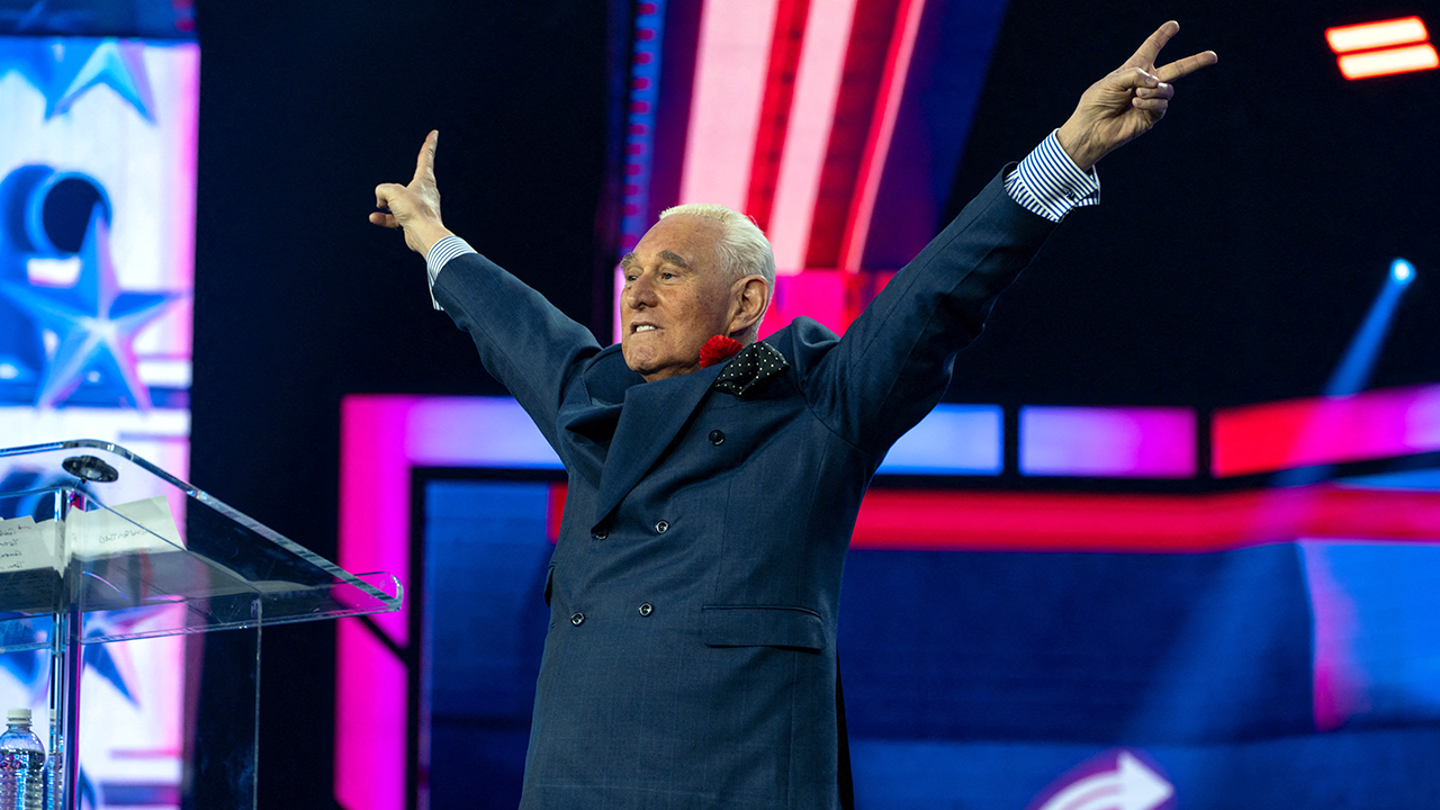
John Bolton blasted by Trump ally Roger Stone, who faced Biden FBI raid: 'Karma is a b----'
Entities mentioned:
- Roger Stone: Revenge, Loyalty, Self-preservation
- John Bolton: Ambition, Self-preservation, Professional pride
- Donald Trump: Power, Loyalty, Control
- FBI: Duty, Justice, Control
Article Assessment:
Credibility Score: 65/100
Bias Rating: 70/100 (Lean Right)
Sentiment Score: 30/100
Authoritarianism Risk: 55/100 (Mixed/Neutral)
Bias Analysis:
The article leans right due to its focus on pro-Trump figures and narratives. It presents Stone's perspective prominently while providing limited context on Bolton's side or the reasons for the FBI raid.
Key metric: Political Polarization Index
As a social scientist, I analyze that this article highlights the increasing polarization within the Republican party and the broader political landscape. The conflict between Roger Stone, a Trump loyalist, and John Bolton, a former Trump advisor turned critic, exemplifies the deepening divides. Stone's gloating over Bolton's FBI raid demonstrates how personal vendettas and loyalty to Trump are shaping political discourse. This event likely exacerbates existing tensions within the GOP and reinforces tribalism among voters, potentially increasing political polarization.
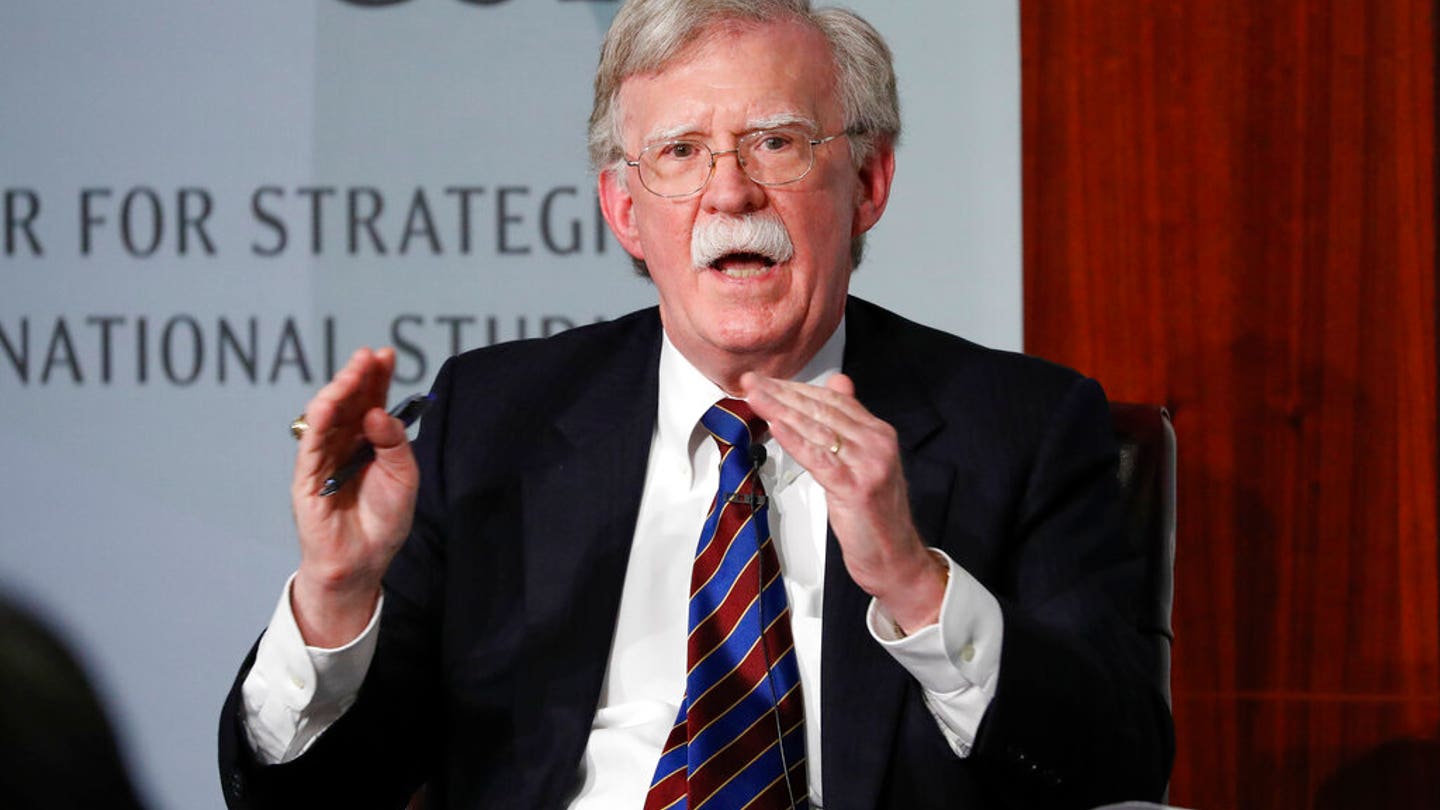
Trump–Bolton feud back in focus after FBI raid: 'Never had a clue … what a dope!'
Entities mentioned:
- Donald Trump: Power, Self-preservation, Revenge
- John Bolton: Recognition, Righteousness, Professional pride
- FBI: Duty, Justice, Security
- Justice Department: Security, Control, Duty
Article Assessment:
Credibility Score: 70/100
Bias Rating: 55/100 (Center)
Sentiment Score: 30/100
Authoritarianism Risk: 45/100 (Mixed/Neutral)
Bias Analysis:
The article presents perspectives from both Trump and Bolton, including direct quotes, which contributes to a relatively balanced view. However, there's a slight emphasis on Bolton's criticisms of Trump, potentially indicating a subtle lean towards anti-Trump sentiment.
Key metric: Political Polarization Index
As a social scientist, I analyze that this article highlights the increasing political polarization in the United States, particularly within the Republican party. The ongoing feud between former President Trump and his ex-National Security Advisor John Bolton exemplifies the internal conflicts and power struggles within conservative circles. The FBI raid on Bolton's property, coupled with Trump's revocation of Bolton's security clearance, suggests potential abuse of power and politicization of government agencies. This situation likely exacerbates public distrust in institutions and deepens partisan divides. The conflicting narratives presented by Trump and Bolton about their working relationship and Bolton's departure further contribute to political instability and confusion among voters. The publication of Bolton's memoir, despite attempts to block it, raises questions about government transparency and the balance between national security concerns and freedom of speech. Overall, this event is likely to increase political polarization by reinforcing negative perceptions of both Trump and the intelligence community among different segments of the population.

Some Texas Democrats rip up agreements to leave House floor under police escort and will spend night in chamber in protest
Entities mentioned:
- Texas state House Democrats: Righteousness, Justice, Determination
- Texas House Republicans: Control, Power, Loyalty
- Nicole Collier: Determination, Righteousness, Self-respect
- Dustin Burrows: Control, Duty, Power
- Kamala Harris: Influence, Unity, Encouragement
- Donald Trump: Power, Control, Influence
Article Assessment:
Credibility Score: 75/100
Bias Rating: 45/100 (Center)
Sentiment Score: 35/100
Authoritarianism Risk: 55/100 (Mixed/Neutral)
Bias Analysis:
The article presents perspectives from both Democrats and Republicans, though it gives more space to Democratic voices. The language used is generally neutral, with some emotive terms balanced between parties.
Key metric: Political Polarization Index
As a social scientist, I analyze that this article highlights the intensifying political polarization in Texas, which reflects broader national trends. The Democrats' protest against the redistricting plan, including their dramatic actions of tearing up agreements and spending the night in the chamber, demonstrates the depth of the divide. This conflict over redistricting, with its potential to significantly alter political representation, exemplifies how structural issues in the political system are exacerbating partisan tensions. The involvement of national figures like former Vice President Harris and the connection to Trump's influence further emphasizes how state-level conflicts are intertwined with national political dynamics. This event is likely to contribute to increased political polarization, potentially reducing bipartisan cooperation and further entrenching partisan identities among voters.
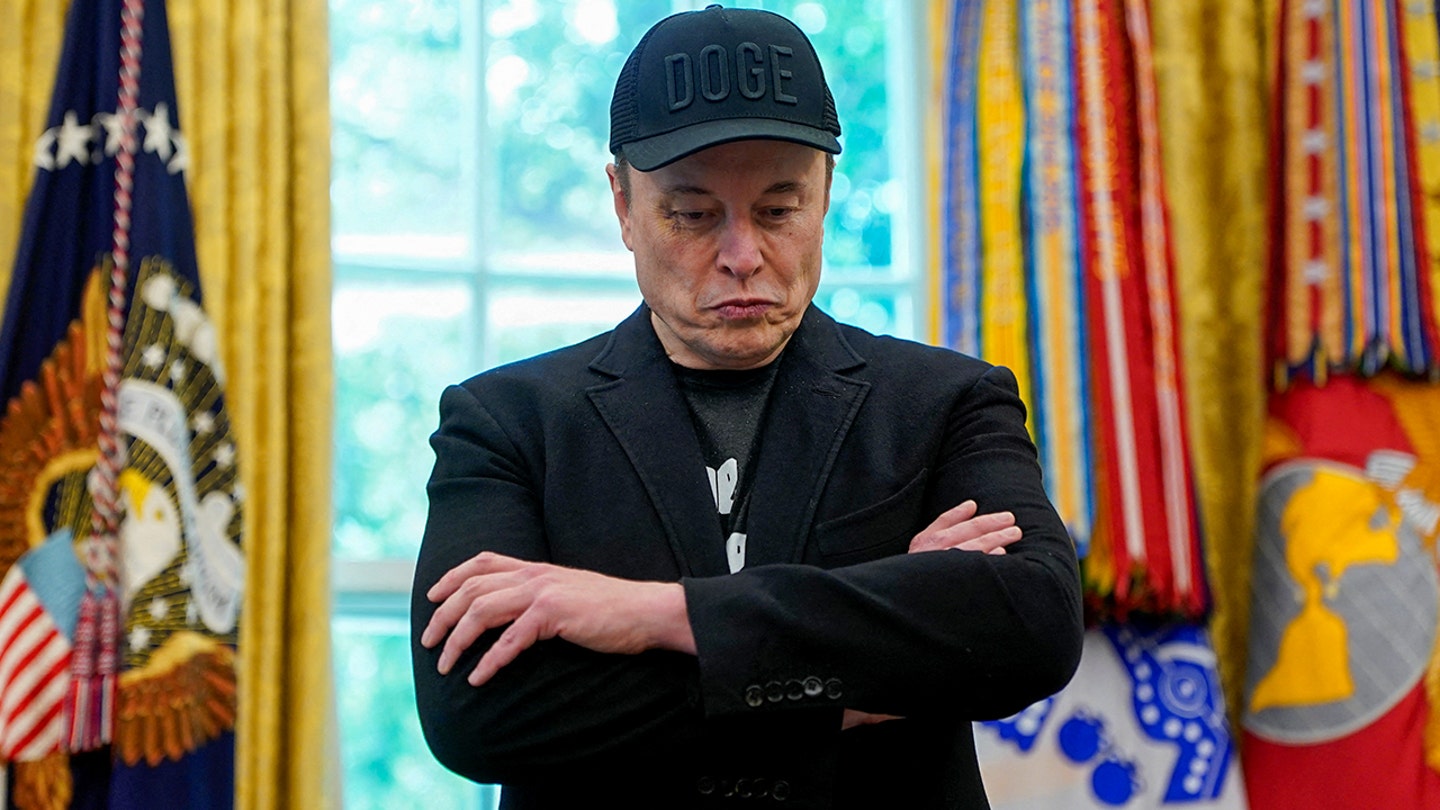
Elon Musk halts plans for new political party, prioritizing business instead: report
Entities mentioned:
- Elon Musk: Ambition, Influence, Self-preservation
- America Party: Unity, Freedom, Change
- Republican Party (GOP): Power, Control, Self-preservation
- JD Vance: Ambition, Power, Loyalty
- Donald Trump: Power, Control, Revenge
- Department of Government Efficiency: Duty, Professional pride, Control
Article Assessment:
Credibility Score: 65/100
Bias Rating: 55/100 (Center)
Sentiment Score: 45/100
Authoritarianism Risk: 35/100 (Generally Democratic)
Bias Analysis:
The article presents a relatively balanced view, incorporating multiple perspectives and sources. However, there's a slight lean towards emphasizing the drama and personal conflicts, which is typical of center-right reporting on political figures.
Key metric: Political Polarization Index
As a social scientist, I analyze that this article highlights the complex interplay between business interests and political ambitions in the American political landscape. Musk's reported decision to halt plans for a new political party reflects the challenges of disrupting the established two-party system. The apparent reconciliation between Musk and Trump, after a period of public conflict, suggests a strategic realignment that could impact political discourse and voter sentiment. This development may contribute to maintaining the status quo in terms of political polarization, as the potential for a significant third-party option seems to have diminished. The article also underscores the influence of high-profile individuals in shaping public opinion and political narratives through social media platforms.
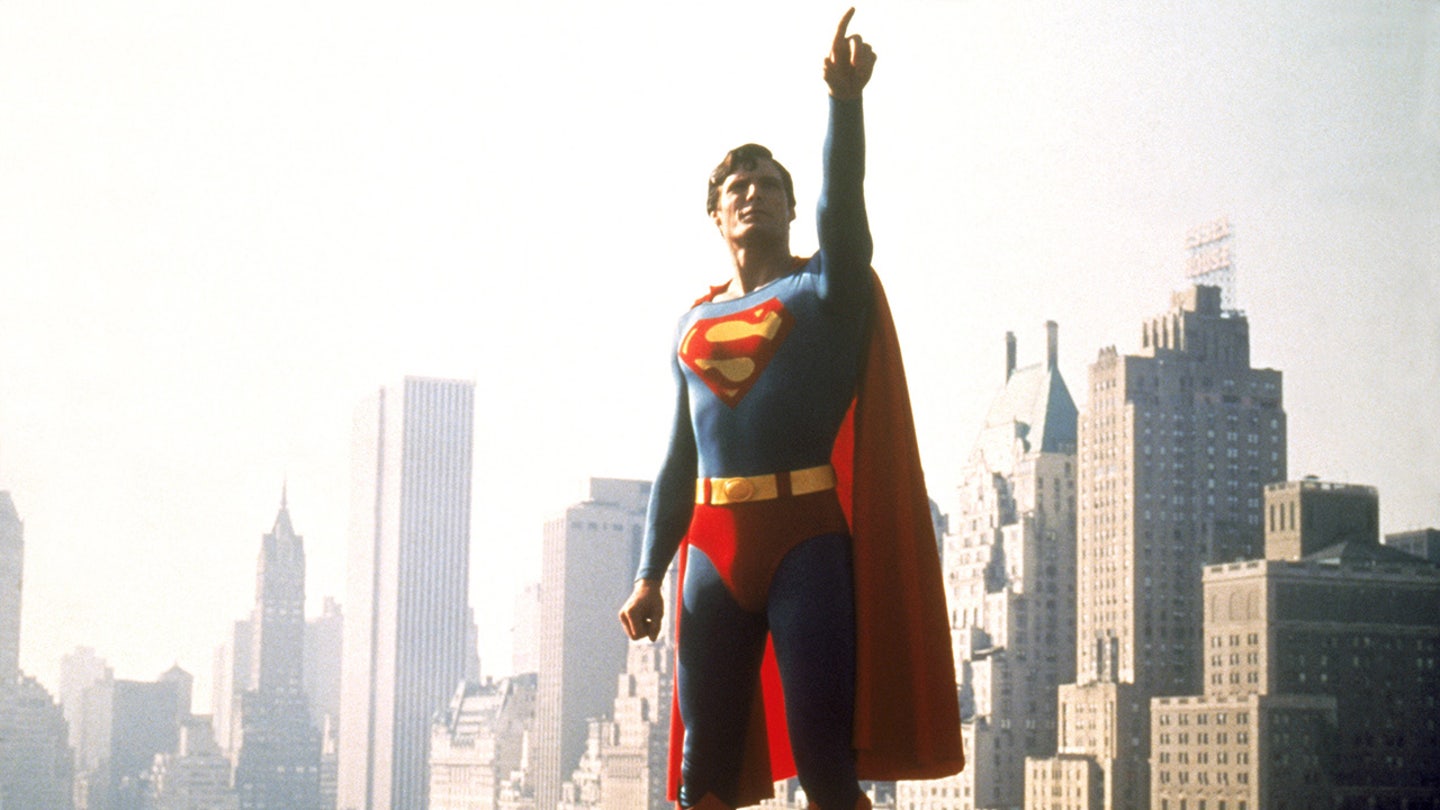
Filmmakers claim the late 'Superman' actor Christopher Reeve would have opposed Donald Trump
Entities mentioned:
- Christopher Reeve: Justice, Righteousness, Influence
- Donald Trump: Ambition, Power, Control
- Peter Ettedgui: Professional pride, Recognition, Influence
- Ian Bonhôte: Professional pride, Recognition, Influence
- Jeff Daniels: Recognition, Loyalty, Influence
- Bill Clinton: Power, Legacy, Influence
- Al Gore: Power, Legacy, Influence
- Ronald Reagan: Power, Legacy, Influence
- George W. Bush: Power, Legacy, Control
Article Assessment:
Credibility Score: 65/100
Bias Rating: 35/100 (Lean Left)
Sentiment Score: 45/100
Authoritarianism Risk: 30/100 (Generally Democratic)
Bias Analysis:
The article leans left due to its focus on criticism of Trump and positive portrayal of Democratic figures. It presents speculative views about Reeve's potential actions without counterbalancing perspectives.
Key metric: Political Polarization Index
As a social scientist, I analyze that this article potentially impacts the Political Polarization Index by framing Christopher Reeve's hypothetical political stance in opposition to Donald Trump. The filmmakers' assertions about Reeve's potential actions and opinions, if he were alive today, contribute to the ongoing narrative of division between political ideologies. This retrospective politicization of a deceased public figure could further entrench existing political divides, as it encourages viewers to align themselves with or against these projected stances. The article's focus on Reeve's past criticisms of Trump and support for Democratic candidates reinforces partisan narratives, potentially increasing political polarization among readers.