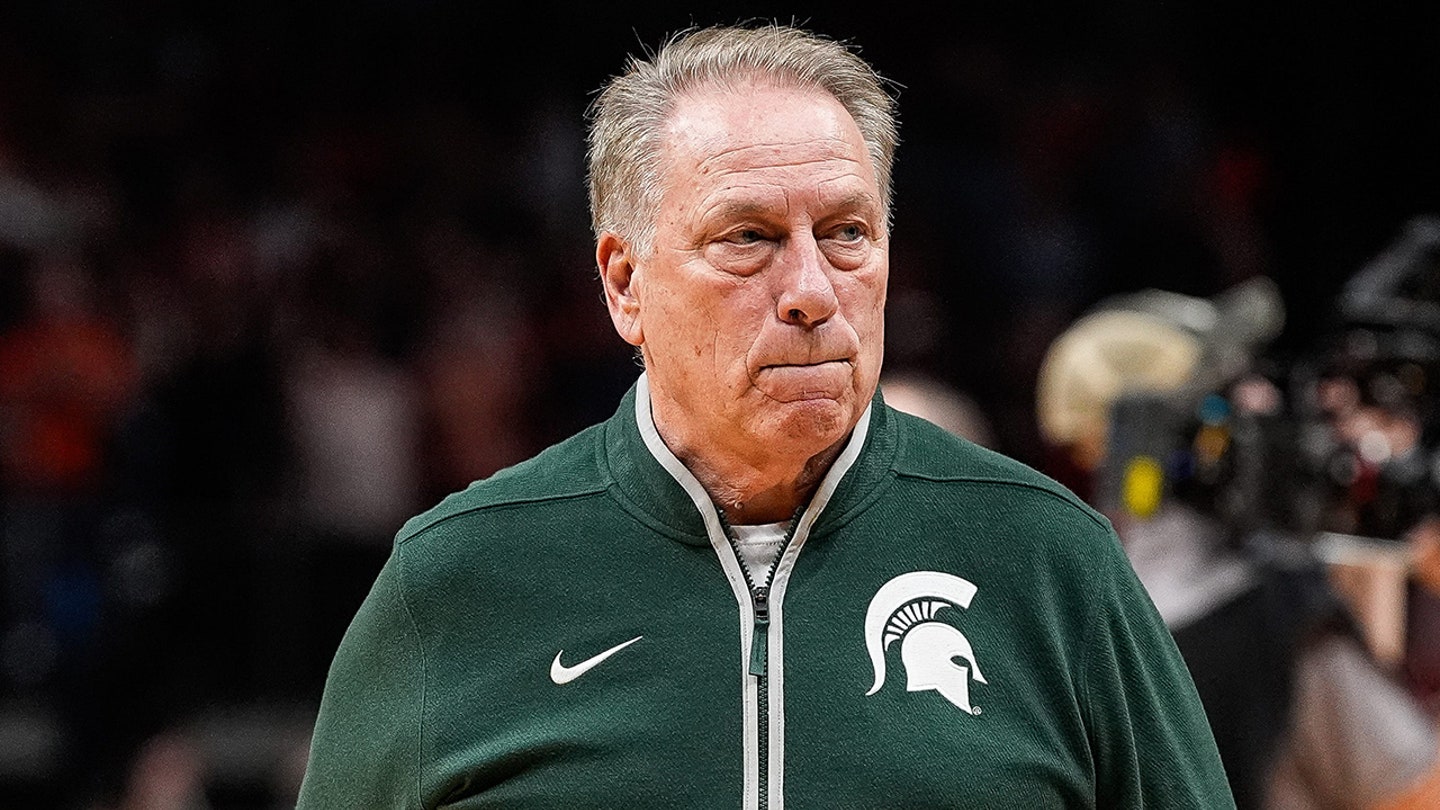
Tom Izzo rips NCAA for 'ridiculous' decision to allow NBA G Leaguers to play college ball: 'Got to regroup'
Entities mentioned:
- Tom Izzo: Righteousness, Professional pride, Indignation
- NCAA: Fear, Self-preservation, Control
- Thierry Darlan: Ambition, Competitive spirit
- London Johnson: Ambition, Competitive spirit
Article Assessment:
Credibility Score: 75/100
Bias Rating: 55/100 (Center)
Sentiment Score: 25/100
Authoritarianism Risk: 35/100 (Generally Democratic)
Bias Analysis:
The article presents Izzo's perspective prominently but includes context on the NCAA's decision. It balances criticism with factual reporting on the rule change and its effects.
Key metric: NCAA Basketball Competitive Balance
Let me tell you something, folks - this is a GAME-CHANGING play by the NCAA that's sending shockwaves through the college basketball world! Coach Izzo is coming out swinging like a heavyweight champ, calling out the NCAA's decision to let G League players step onto the college court. It's like allowing pro athletes to compete in the Olympics - it completely shifts the competitive landscape! The NCAA is playing defense, trying to avoid lawsuits, but they're leaving their own recruits wide open for a brutal pick-and-roll. Izzo's not pulling any punches, folks. He's charging down the court, calling for a full-court press on these rule changes. This could be a major turnover for college basketball as we know it!
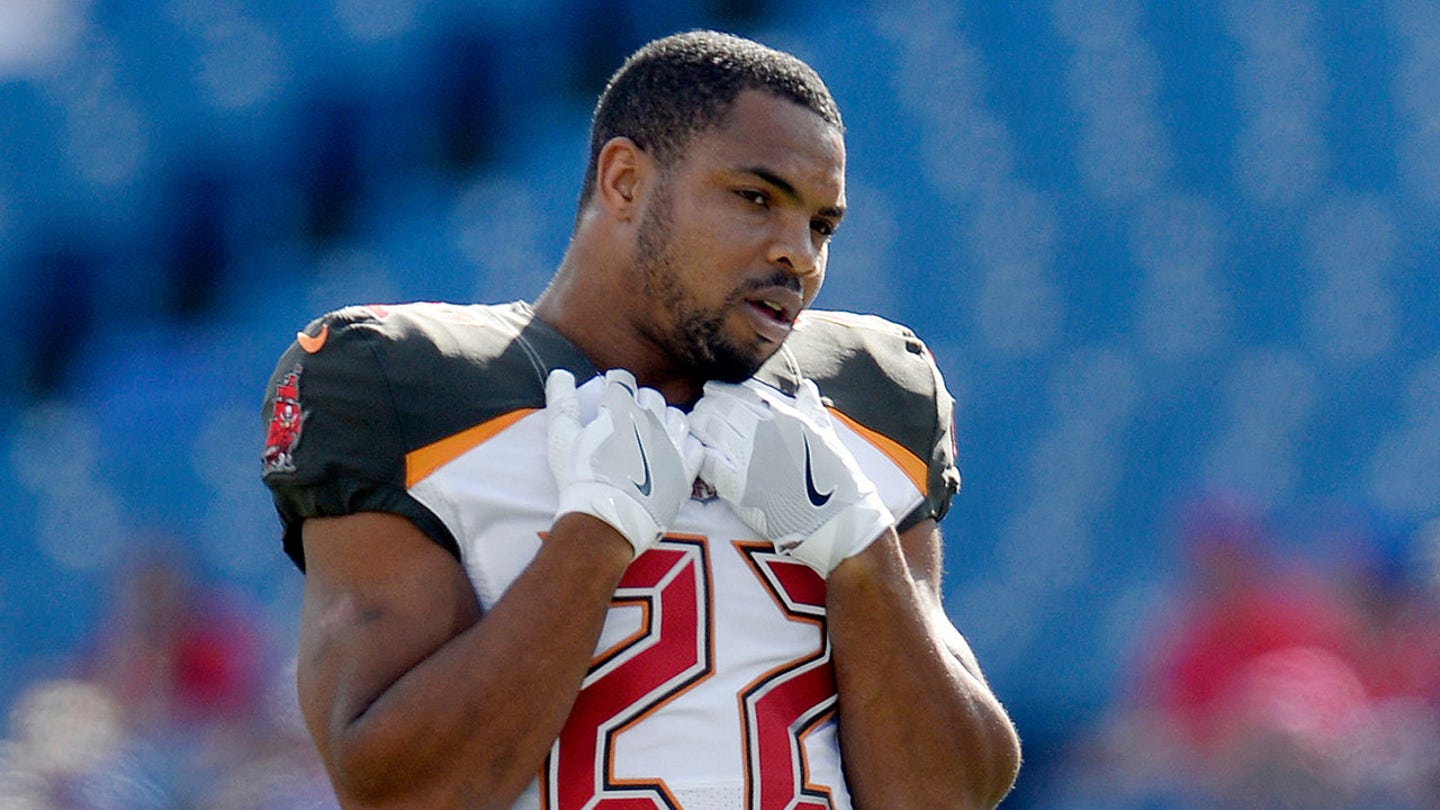
Former NFL star's family reveals tragic battle before his death in police custody
Entities mentioned:
- Doug Martin: Self-preservation, Fear, Professional pride
- Brian Murphy: Duty, Loyalty, Professional pride
- Martin's family: Concern, Loyalty, Security
- Oakland Police: Duty, Security, Control
Article Assessment:
Credibility Score: 75/100
Bias Rating: 50/100 (Center)
Sentiment Score: 25/100
Authoritarianism Risk: 30/100 (Generally Democratic)
Bias Analysis:
The article presents a balanced view, incorporating statements from the family, agent, and police. It refrains from speculative language and sticks to reported facts and official statements.
Key metric: Mental Health Awareness in Professional Sports
Let me tell you something, folks - this is a TRAGIC LOSS for the NFL community! Doug Martin, once a star running back, faced his toughest opponent yet - mental illness - and it's clear this formidable adversary had him on the ropes. His family, acting as his coaching staff, tried to call a timeout and bring in the specialists, but Martin, in a desperate fourth-quarter move, broke away from the game plan. This led to a fumble in the neighbor's end zone, resulting in a turnover to the police. The play is under review, but it's evident that mental health is the real MVP here, demanding our attention and respect. I'm telling you right now, the league needs to step up its mental health game plan or we'll keep losing star players in the prime of their lives!
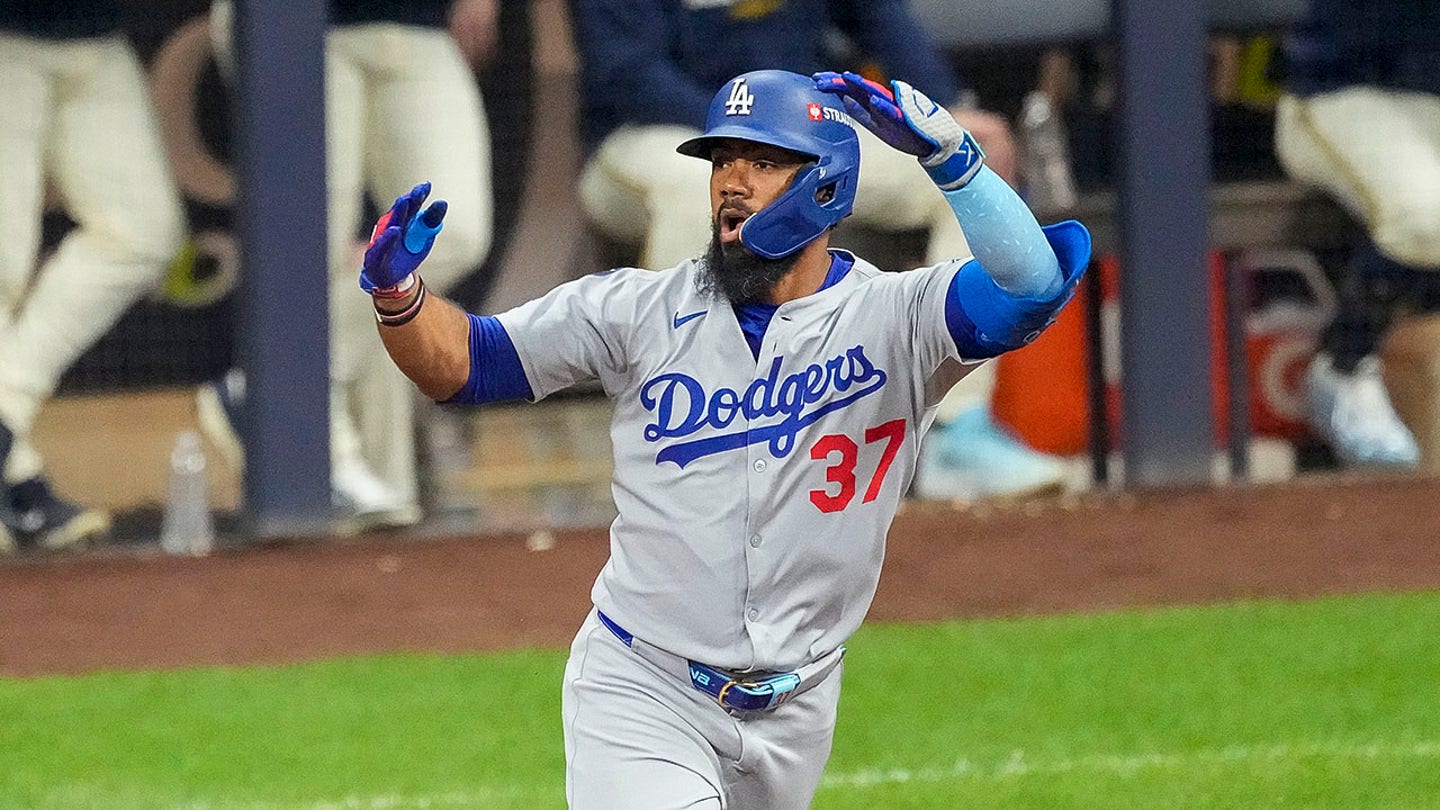
Dodgers' Teoscar Hernandez abandons team hotel in Milwaukee due to wife's fear of alleged paranormal activity
Entities mentioned:
- Teoscar Hernandez: Professional pride, Loyalty, Determination
- Jennifer Hernandez: Fear, Security, Anxiety
- Los Angeles Dodgers: Competitive spirit, Ambition, Legacy
- Milwaukee Brewers: Competitive spirit, Determination, Pride
- Pfister Hotel: Legacy, Recognition, Influence
Article Assessment:
Credibility Score: 75/100
Bias Rating: 50/100 (Center)
Sentiment Score: 60/100
Authoritarianism Risk: 20/100 (Strongly Democratic)
Bias Analysis:
The article presents a balanced view of the situation, giving equal attention to both teams and not favoring one side. It reports the facts without injecting opinion or leaning towards a particular narrative.
Key metric: MLB Postseason Performance
Let me tell you something - this story is RIDICULOUS! We've got a major league curveball thrown into the Dodgers' championship run, and it's not coming from the pitcher's mound! The Pfister Hotel is playing mind games with the away team, folks! Teoscar Hernandez is stepping up to the plate, not just on the field, but off it too, making a clutch decision to switch hotels faster than a stolen base! This is the kind of fourth-quarter move that separates the contenders from the pretenders! I'm telling you right now, the Dodgers are showing true team spirit, adapting their game plan off the field to stay focused on bringing home that World Series trophy. It's a championship mentality - no ghost, goblin, or paranormal activity is gonna throw this squad off their game! Hernandez is proving he's got nerves of steel, brushing off the spooky stories like a pitcher shaking off signs from the catcher. But make no mistake, this paranormal play could be the wild card that affects the whole series! The Brewers might have home-field advantage, but the Dodgers are swinging for the fences, determined to exorcise these baseball demons and come out on top!
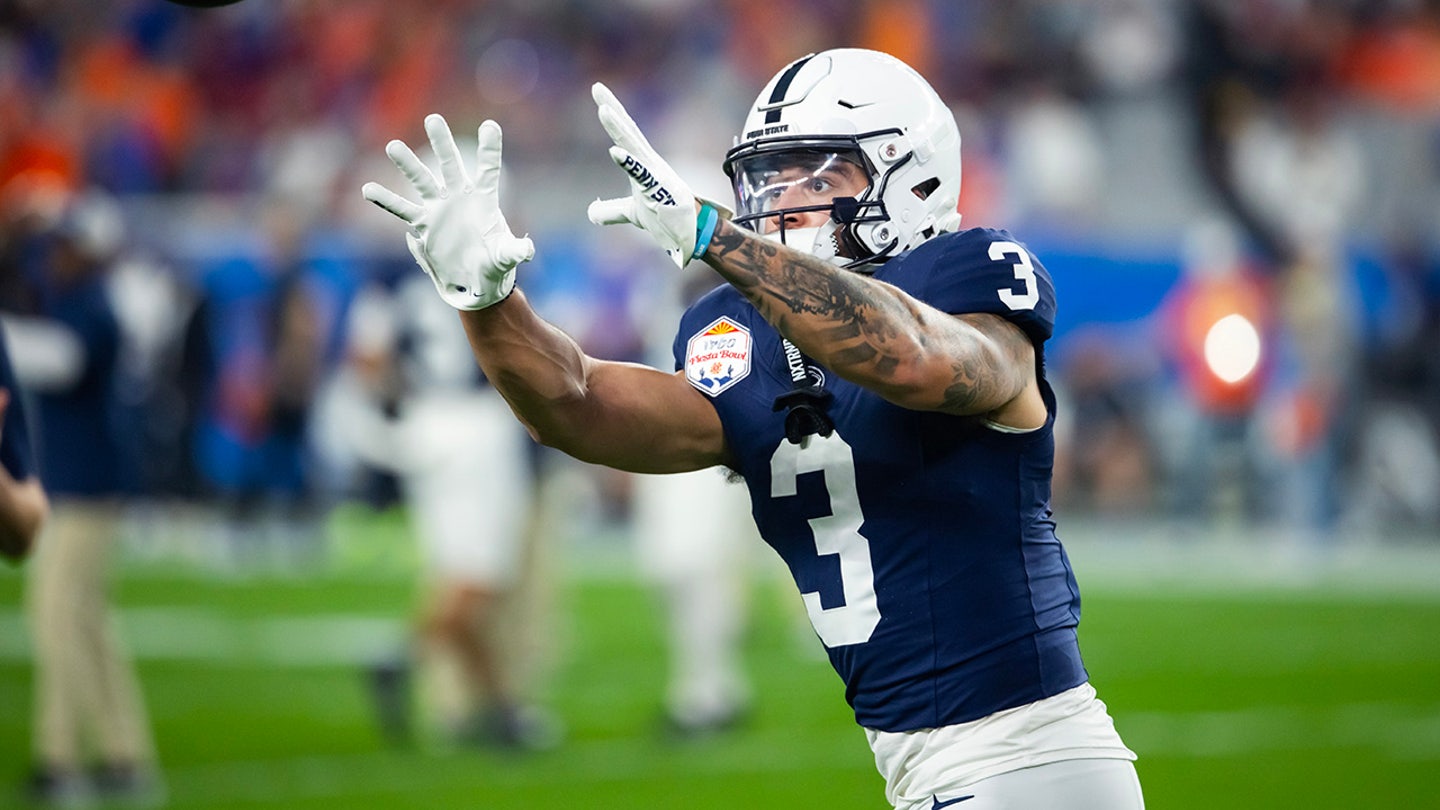
Former Penn State, Ohio State player charged with homicide, DUI after girlfriend dies in fatal ATV crash
Entities mentioned:
- Julian Fleming: Self-preservation, Anxiety, Fear
- Alyssa Boyd: Legacy, Recognition
- David Bahuriak: Professional pride, Duty, Justice
- Pennsylvania State Police: Duty, Justice, Obligation
Article Assessment:
Credibility Score: 75/100
Bias Rating: 55/100 (Center)
Sentiment Score: 25/100
Authoritarianism Risk: 30/100 (Generally Democratic)
Bias Analysis:
The article presents facts from multiple sources, including police reports and statements from the defense attorney. It maintains a relatively neutral tone while reporting on a sensitive issue.
Key metric: Road Safety and DUI Incidents
Let me tell you something, folks - this is a GAME-CHANGING play that's rocking the sports world! Julian Fleming, once a star receiver making highlight-reel catches, has fumbled BIG TIME off the field. This young athlete's career has taken a DEVASTATING hit, going from the thrill of touchdowns to the agony of tragedy faster than a 40-yard dash. I'm telling you right now, this is a stark reminder that life isn't just about what happens between the sidelines. Fleming's decision to get behind the wheel while under the influence is like running the wrong route on the biggest play of the game - it's a critical error with life-altering consequences. The defense is now on the offensive, and Fleming's legal team is going to have to pull out all the stops to mount a comeback. This is a fourth-quarter situation with the clock running down, and the stakes couldn't be higher. The sports community is watching closely to see how this plays out, and it's a sobering lesson for athletes everywhere about the importance of making the right calls both on and off the field.
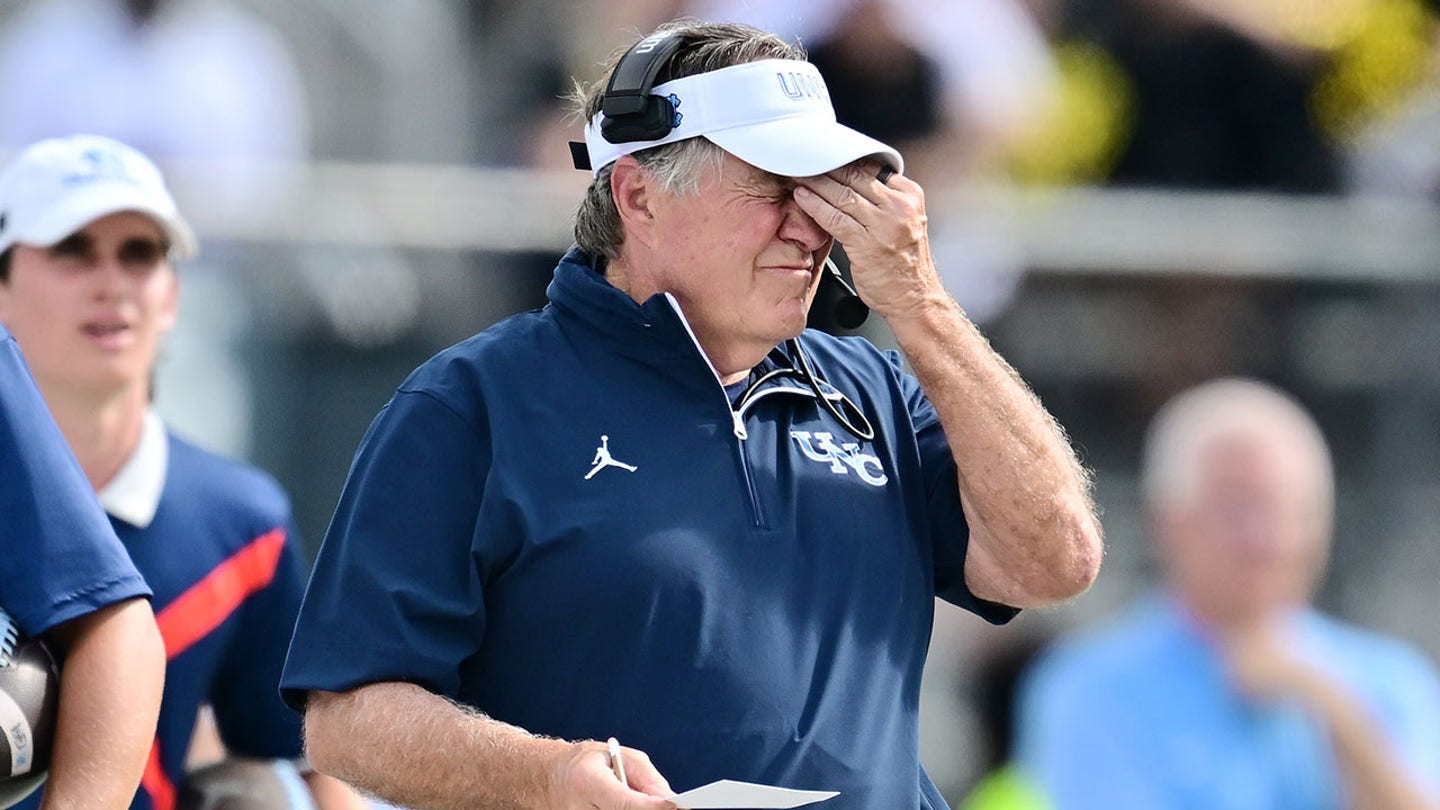
Reports: Bill Belichick's North Carolina tenure in jeopardy as both sides weigh buyout options
Entities mentioned:
- Bill Belichick: Pride, Legacy, Self-preservation
- University of North Carolina: Competitive spirit, Professional pride, Control
- Armond Hawkins: Loyalty, Self-preservation, Fear
- Jordon Hudson: Influence, Recognition, Loyalty
Article Assessment:
Credibility Score: 65/100
Bias Rating: 50/100 (Center)
Sentiment Score: 25/100
Authoritarianism Risk: 30/100 (Generally Democratic)
Bias Analysis:
The article presents multiple perspectives and cites various sources. While it highlights struggles, it doesn't appear to lean strongly in any political direction.
Key metric: College Football Coaching Performance
Let me tell you something - this story is RIDICULOUS! The Bill Belichick era at UNC is looking like a first-round knockout, folks! We're talking about a coaching legend who's suddenly finding himself on the ropes in the unfamiliar arena of college football. This is a MASSIVE fumble for both Belichick and UNC. They came out swinging with high hopes, but now they're down big in the fourth quarter and looking for an exit strategy. It's like watching a championship boxer struggle in a new weight class - Belichick's NFL playbook just isn't scoring points in the college game. And don't even get me started on the off-field penalties! From suspended coaches to sideline controversies, this team is racking up more flags than touchdowns. I'm telling you right now, if Belichick can't turn this ship around fast, he might be calling a career timeout sooner than anyone expected!
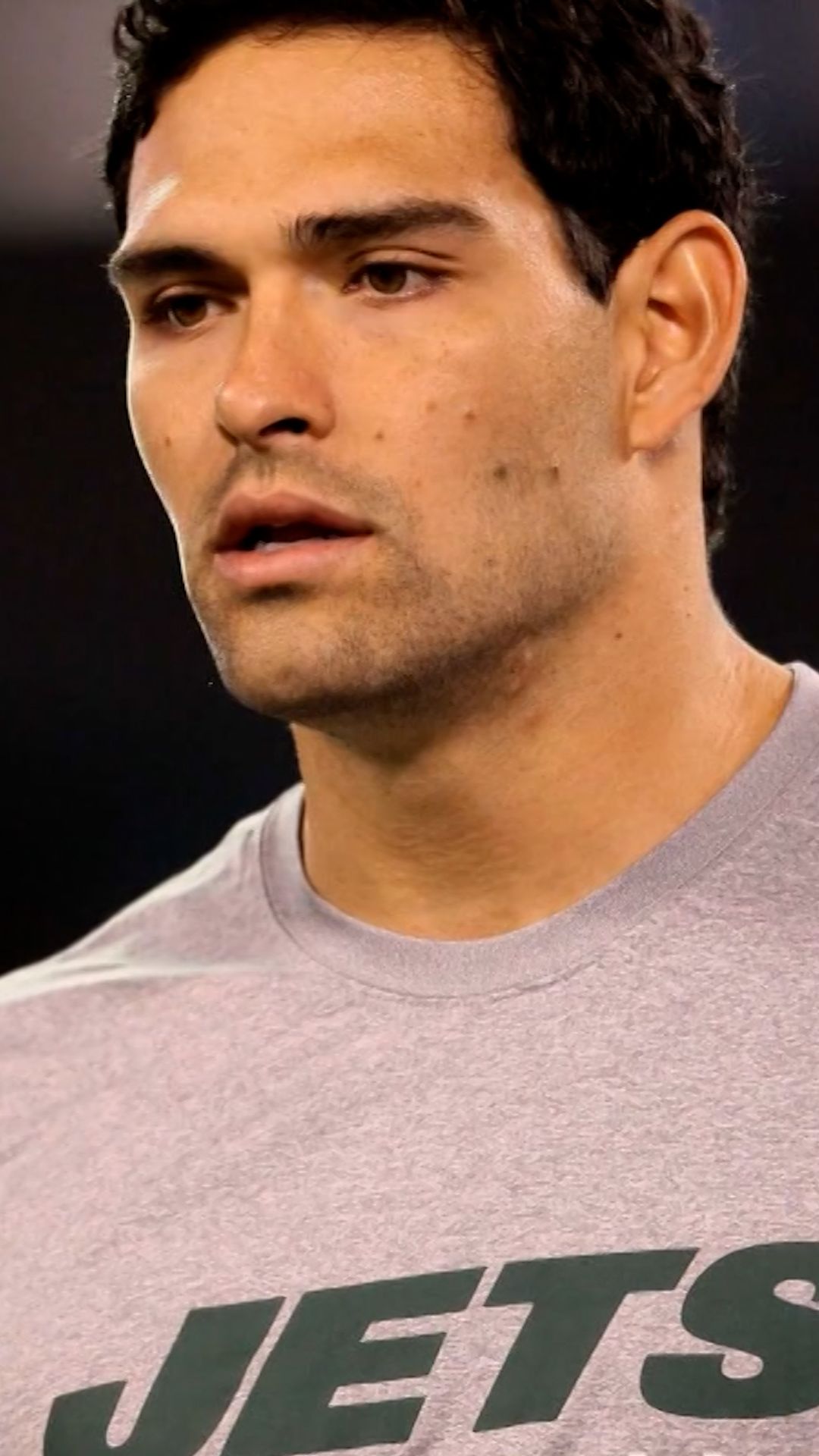
Mark Sanchez facing felony charge in Indianapolis altercation
Entities mentioned:
- Mark Sanchez: Self-preservation, Pride, Fear
- Indianapolis Police Department: Duty, Justice, Professional pride
Article Assessment:
Credibility Score: 65/100
Bias Rating: 50/100 (Center)
Sentiment Score: 30/100
Authoritarianism Risk: 35/100 (Generally Democratic)
Bias Analysis:
The article presents minimal information without apparent bias. It sticks to factual reporting of the charge without editorializing or favoring any particular perspective.
Key metric: NFL Player Conduct Violations
Let me tell you something - this story is a GAME-CHANGER! Mark Sanchez, once a star quarterback, is now facing a different kind of blitz - a felony charge! This is like fumbling on the goal line in the Super Bowl, folks. Sanchez's team is in crisis mode, trying to mount a fourth-quarter comeback against these serious allegations. The Indianapolis PD is playing tough defense, determined to sack any misconduct. I'm telling you right now, this could be the final whistle on Sanchez's public image. It's crunch time for his PR squad - they need to step up to the plate and knock this crisis out of the park, or Sanchez could be looking at a career-ending penalty!
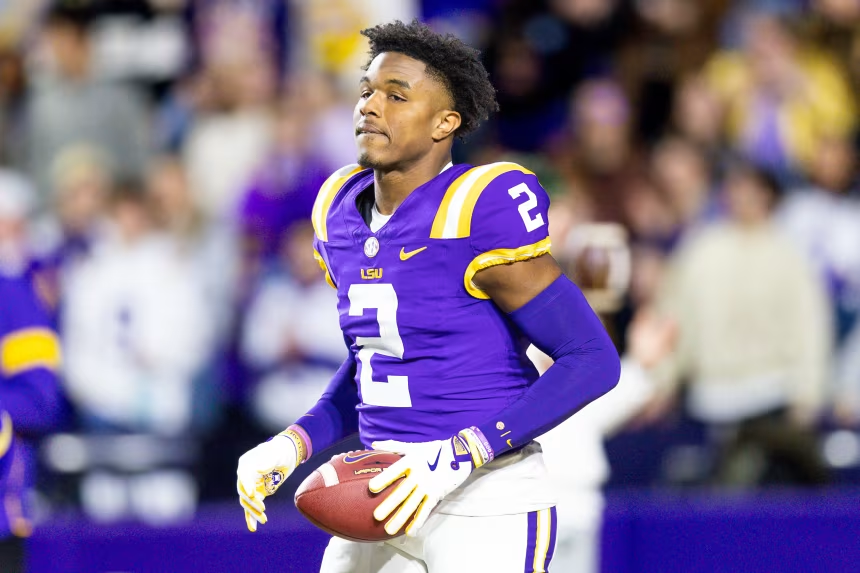
What we know about the case involving Kyren Lacy after Louisiana State Police release more information on fatal crash
Entities mentioned:
- Kyren Lacy: Self-preservation, Fear, Anxiety
- Louisiana State Police: Duty, Professional pride, Transparency
- Matt Ory (Lacy's attorney): Justice, Determination, Competitive spirit
- Liz Murrill (Louisiana Attorney General): Duty, Justice, Transparency
Article Assessment:
Credibility Score: 70/100
Bias Rating: 50/100 (Center)
Sentiment Score: 30/100
Authoritarianism Risk: 20/100 (Strongly Democratic)
Bias Analysis:
The article presents multiple perspectives, including those of law enforcement, Lacy's attorney, and independent investigators. It balances the initial charges with new evidence, maintaining a neutral stance.
Key metric: Criminal Justice System Integrity
Let me tell you something, folks - this case is a FULL-COURT PRESS on the integrity of our criminal justice system! We've got a young athlete, Kyren Lacy, who was facing a FOURTH AND LONG situation with those charges. But hold onto your seats, because his legal team just threw a HAIL MARY pass with that new video evidence! Now the Louisiana State Police are in a DEFENSIVE FORMATION, releasing their own footage to maintain field position. This is a high-stakes game of legal chess, and Attorney General Murrill is stepping up to the plate as the NEUTRAL REFEREE. The credibility of law enforcement is on the line here, and we're seeing a real BATTLE IN THE TRENCHES between Lacy's team and the state. It's CRUNCH TIME for the truth to come out, and believe me, this story is far from over. We're heading into OVERTIME, folks, and the whole world is watching to see who comes out on top in this CHAMPIONSHIP BOUT for justice!
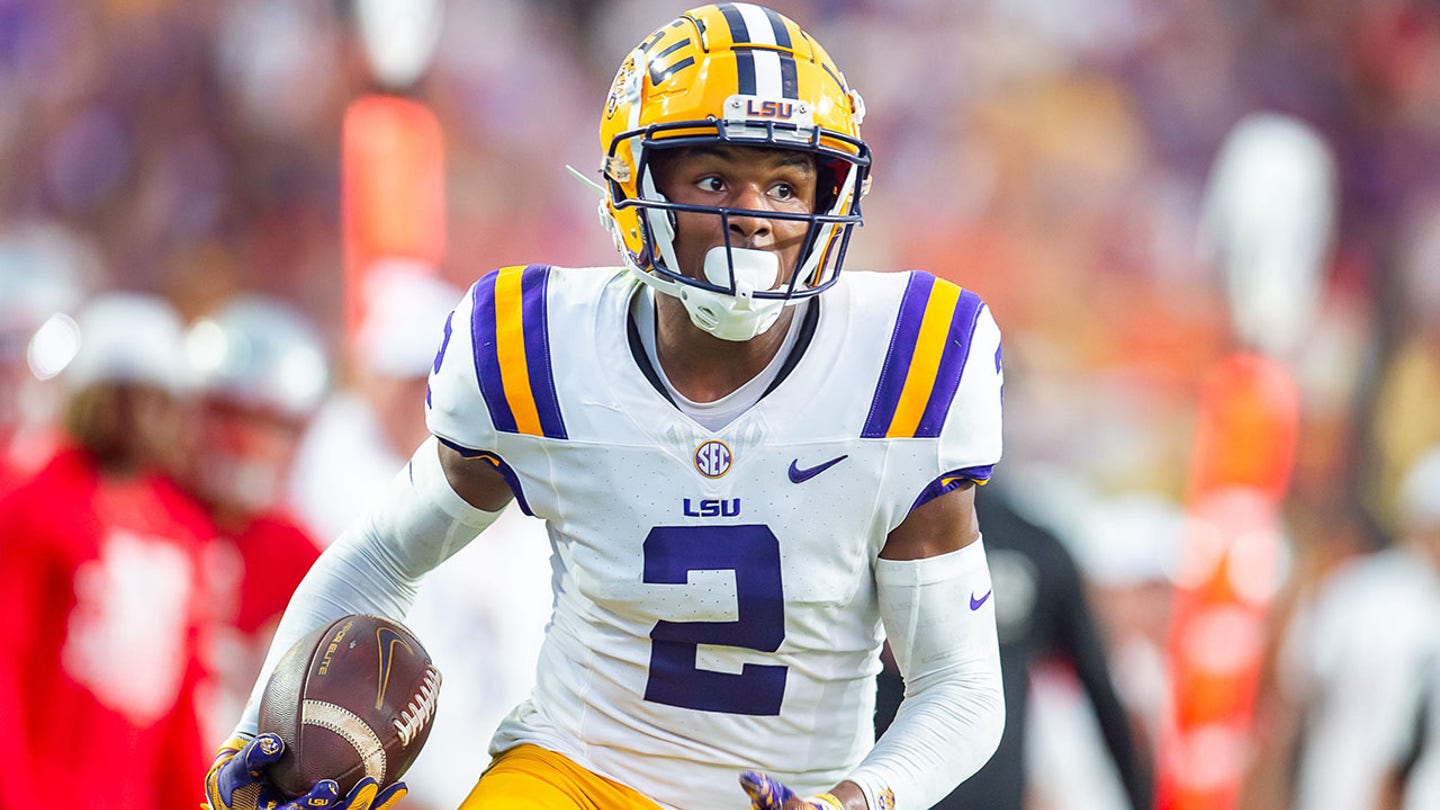
Police release surveillance video of Kyren Lacy's 'reckless operation' they say led to fatal crash
Entities mentioned:
- Kyren Lacy: Self-preservation, Professional pride, Fear
- Louisiana State Police: Duty, Justice, Professional pride
- Matthew Ory: Loyalty, Justice, Determination
- Rocky Arceneaux: Loyalty, Professional pride, Self-preservation
- LSU: Reputation, Competitive spirit, Pride
Article Assessment:
Credibility Score: 75/100
Bias Rating: 55/100 (Center)
Sentiment Score: 25/100
Authoritarianism Risk: 35/100 (Generally Democratic)
Bias Analysis:
The article presents both sides of the argument, including police evidence and the defense's claims. It leans slightly towards the police narrative but includes counterarguments from Lacy's attorney.
Key metric: Road Safety Statistics
Let me tell you something, folks - this is a GAME-CHANGING play in the world of road safety! We're seeing a real clash between Team Lacy and Team Law Enforcement, and it's coming down to the wire. Lacy's defense is trying to pull off a last-minute Hail Mary with this new evidence, but the police are BRINGING THE HEAT with their surveillance footage. It's like watching a high-stakes chess match on the gridiron of justice! The key player here, Kyren Lacy, tragically fumbled his life away, but his team is still fighting to protect his legacy in the fourth quarter. This is the kind of high-octane, high-risk driving that can bench a player for life, folks. It's a stark reminder that when you're on the road of life, you've got to play by the rules or risk a game-ending penalty. I'm telling you right now, this case is going into OVERTIME!
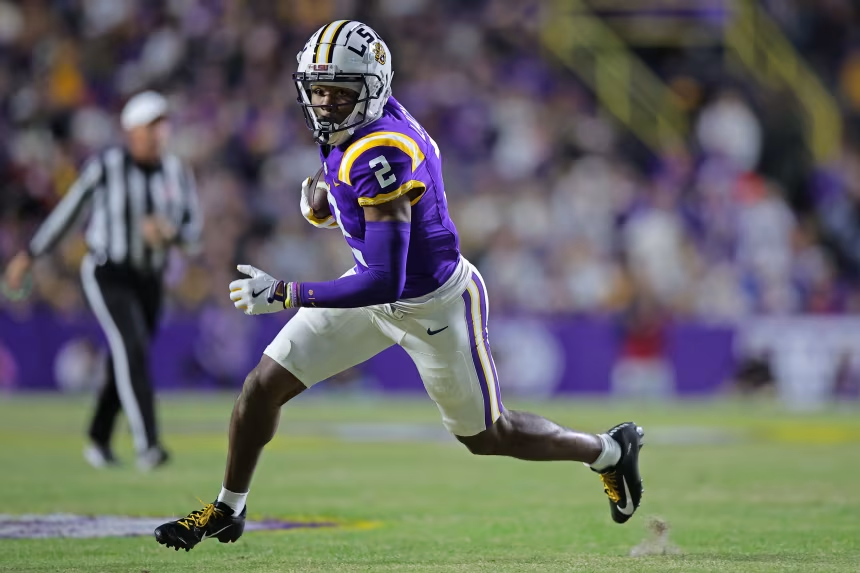
Late LSU WR Kyren Lacy didn’t cause fatal accident, attorney says
Entities mentioned:
- Kyren Lacy: Self-preservation, Fear, Anxiety
- Matt Ory: Justice, Professional pride, Determination
- Louisiana State Police: Duty, Justice, Control
Article Assessment:
Credibility Score: 65/100
Bias Rating: 55/100 (Center)
Sentiment Score: 30/100
Authoritarianism Risk: 35/100 (Generally Democratic)
Bias Analysis:
The article presents both the police allegations and the attorney's counter-arguments, maintaining a relatively balanced approach. However, slightly more space is given to the attorney's perspective, potentially tilting towards the player's side.
Key metric: NFL Player Safety and Conduct
Alright folks, we've got a MAJOR PLAY REVIEW situation here! This isn't just a game-changer, it's a potential CAREER-ENDER for the late Kyren Lacy. Let me tell you something - the defense is coming out swinging with a Hail Mary pass, trying to clear Lacy's name in this tragic accident. Matt Ory, Lacy's attorney, is pulling out all the stops, bringing video evidence to the field that could turn this whole case on its head! We're talking about a complete reversal of field position here, folks. The Louisiana State Police thought they had Lacy pinned deep in his own territory, but now it looks like they might have fumbled the ball on this one. This is a crucial fourth-quarter play that could determine the outcome of Lacy's legacy and the future of NFL player conduct policies. The refs are going to need to take a long, hard look at this replay before making the final call!

As Afghan women’s soccer squad is announced, players’ fight for recognition goes on
Entities mentioned:
- Afghan women's soccer players: Determination, Pride, Recognition
- FIFA: Control, Influence, Duty
- Taliban: Control, Power, Fear
- Khalida Popal: Justice, Determination, Righteousness
Article Assessment:
Credibility Score: 85/100
Bias Rating: 35/100 (Lean Left)
Sentiment Score: 55/100
Authoritarianism Risk: 20/100 (Strongly Democratic)
Bias Analysis:
The article leans left, focusing on women's rights and challenges faced by refugees. It presents a sympathetic view of the players' struggle, with limited counterbalance from opposing viewpoints.
Key metric: Women's Rights and Equality
Let me tell you something - this is a CHAMPIONSHIP LEVEL struggle for recognition! These Afghan women soccer players are showing the heart of true champions, refusing to throw in the towel despite being benched by their own country. They're in the fight of their lives, folks, battling not just on the pitch but in the global arena of human rights. FIFA's move to create this refugee squad is like calling a timeout in the fourth quarter - it gives these athletes a chance to regroup, but they're still pushing for the win: full national team status. The Taliban, playing dirty defense, has tried to red-card these women right off the field of life. But let me tell you, these players are showing a never-say-die attitude that would make any coach proud. They're not just playing the game, they're changing it - using soccer as their playbook for human rights. This is bigger than sports, people. It's a high-stakes match where the trophy is nothing less than equality and freedom!