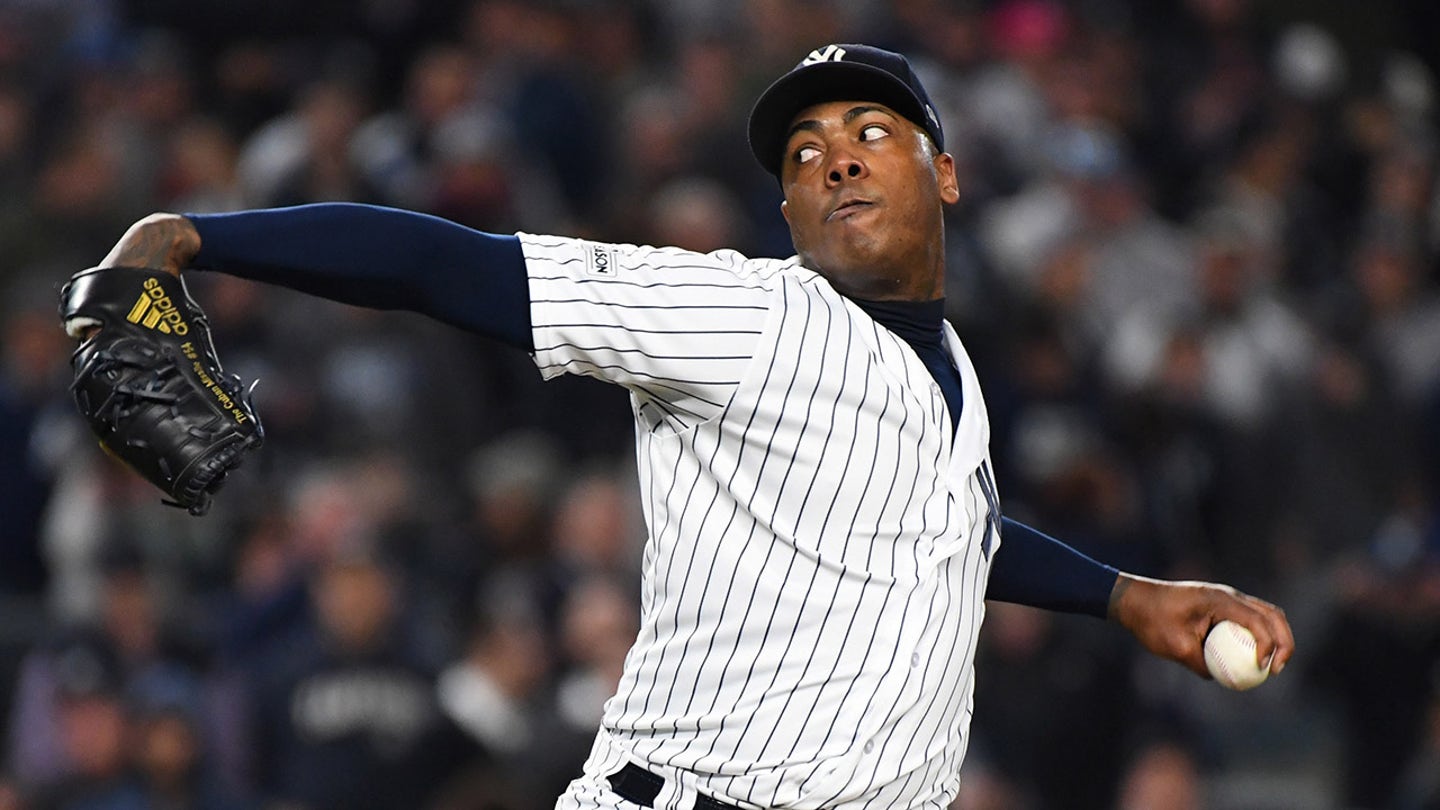
Aroldis Chapman says he'd 'retire on the spot' if ever traded back to Yankees
Entities mentioned:
- Aroldis Chapman: Self-respect, Professional pride, Indignation
- New York Yankees: Competitive spirit, Legacy, Power
- Aaron Boone: Loyalty, Professional pride, Duty
Article Assessment:
Credibility Score: 75/100
Bias Rating: 55/100 (Center)
Sentiment Score: 35/100
Authoritarianism Risk: 20/100 (Strongly Democratic)
Bias Analysis:
The article presents both Chapman's perspective and some context from his Yankees tenure. It leans slightly towards Chapman's view but includes factual information about his career achievements.
Key metric: MLB Player Retention Rate
Let me tell you something - this story is RIDICULOUS! Aroldis Chapman, once the Yankees' star closer, has just thrown a curveball that's rocking the baseball world! He's not just stepping off the mound, folks - he's threatening to hang up his cleats for good if he ever gets traded back to the Bronx Bombers! This is a fourth-quarter bombshell that could change the game for how teams manage their bullpen talent. Chapman's not just playing defense here, he's going on the offensive, calling out the Yankees' front office for what he sees as a major foul in how they treated him. It's like he's challenging the Yankees to a one-on-one showdown, but instead of facing them on the diamond, he's taking his ball and going home! This kind of player power move could spark a whole new ballgame in how free agents negotiate their contracts and protect their careers. The Yankees might have struck out with Chapman, but mark my words, this play could change the whole league's strategy going forward!
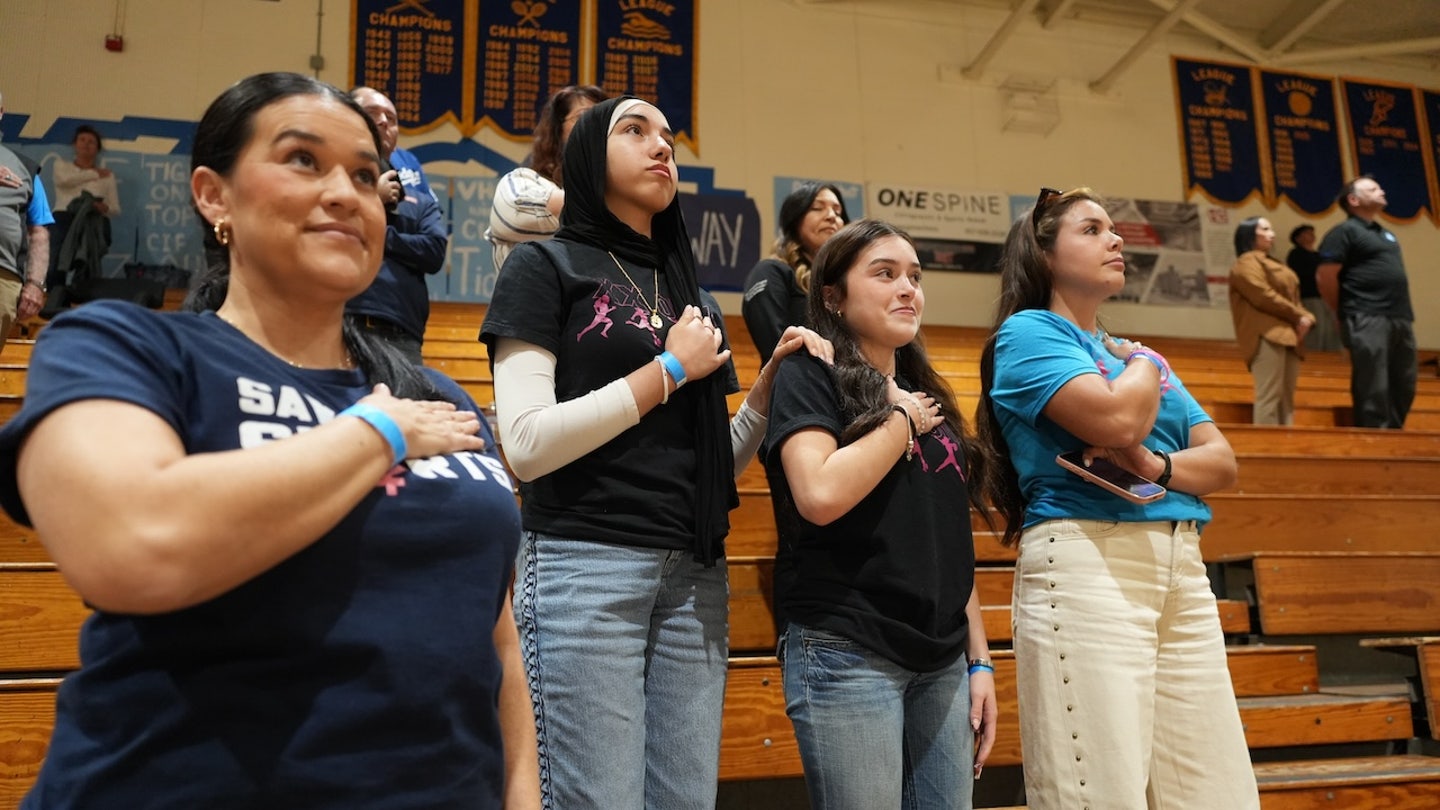
California female athletes open up on alleged treatment from high school after filing Title IX lawsuit
Entities mentioned:
- Hadeel Hazameh: Justice, Competitive spirit, Self-respect
- Alyssa McPherson: Justice, Competitive spirit, Self-respect
- Jurupa Valley High School: Control, Obligation, Unity
- Liana Manu (Coach): Control, Duty, Professional pride
- Trans Athlete: Competitive spirit, Self-respect, Recognition
Article Assessment:
Credibility Score: 65/100
Bias Rating: 70/100 (Lean Right)
Sentiment Score: 30/100
Authoritarianism Risk: 35/100 (Generally Democratic)
Bias Analysis:
The article leans right by focusing heavily on the perspective of the athletes opposing transgender participation. It gives more space to their viewpoint and experiences, while providing limited context from the other side.
Key metric: Gender Equality in Sports
Let me tell you something, folks - this is a GAME-CHANGING play in the world of high school athletics! We've got two star players, Hazameh and McPherson, who've stepped off the court in a bold move that's shaking up the entire league. They're not just sitting on the sidelines, they're taking their fight to the big leagues with a Title IX lawsuit that could rewrite the playbook for girls' sports across the nation! This is a fourth-quarter strategy that's got everyone on the edge of their seats. The coach's decision to bench these players from even sitting with their team? That's a technical foul if I've ever seen one! We're watching a high-stakes match where the rules of the game itself are being challenged. It's not just about one season or one championship - this is about the future of the whole sport! The tension in that gym was thicker than the air in a locker room after triple overtime. These young athletes are showing a championship mentality, folks, standing up for what they believe in even when it means facing off against their own team. This is the kind of grit and determination that separates the all-stars from the bench warmers!
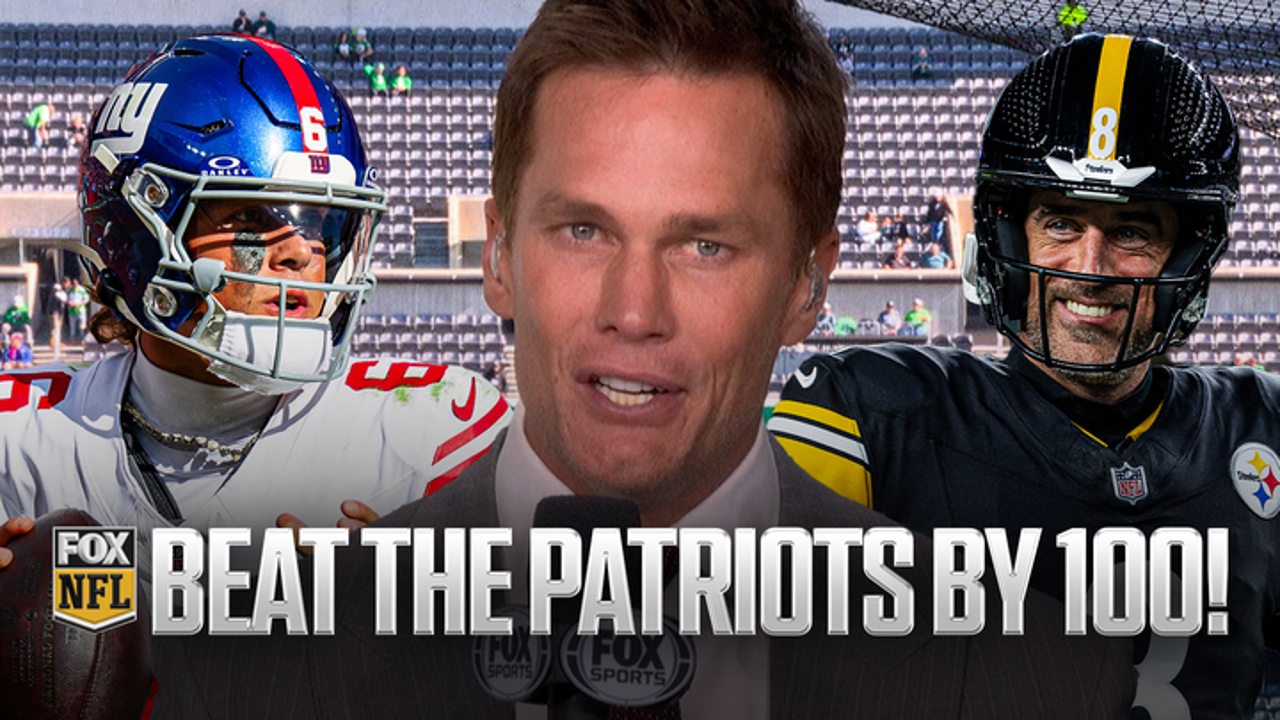
Tom Brady: Giants Rookie Jaxson Dart Has 'All of Those QB1 Traits I Look For'
Entities mentioned:
- Tom Brady: Professional pride, Recognition, Legacy
- Jaxson Dart: Competitive spirit, Determination, Self-respect
- New York Giants: Ambition, Unity, Pride
- Michael Strahan: Enthusiasm, Recognition, Loyalty
Article Assessment:
Credibility Score: 75/100
Bias Rating: 45/100 (Center)
Sentiment Score: 75/100
Authoritarianism Risk: 20/100 (Strongly Democratic)
Bias Analysis:
The article presents a balanced view, quoting different sources and providing context. It leans slightly positive towards Dart but balances praise with factual performance data.
Key metric: NFL Quarterback Performance
Let me tell you something - this story is RIDICULOUS! We've got a rookie quarterback stepping up to the plate like a true champion, and none other than the GOAT Tom Brady is giving him the nod! Jaxson Dart is showing all the signs of a franchise player, folks. He's not just throwing touchdowns, he's throwing down a gauntlet to the entire league! This kid's got the competitive fire that separates the pretenders from the contenders. Brady sees it, Strahan sees it, and let me tell you, the whole city of New York is catching that fever! Dart's not just playing the game, he's rewriting the playbook on rookie success. He's got that championship mentality, taking accountability like a veteran and showing he's got ice in his veins even when the pressure's on. This is the kind of fourth quarter moves that build dynasties, folks! The Giants have found their quarterback of the future, and the rest of the NFL better watch out - there's a new gunslinger in town, and he's not here for participation trophies!
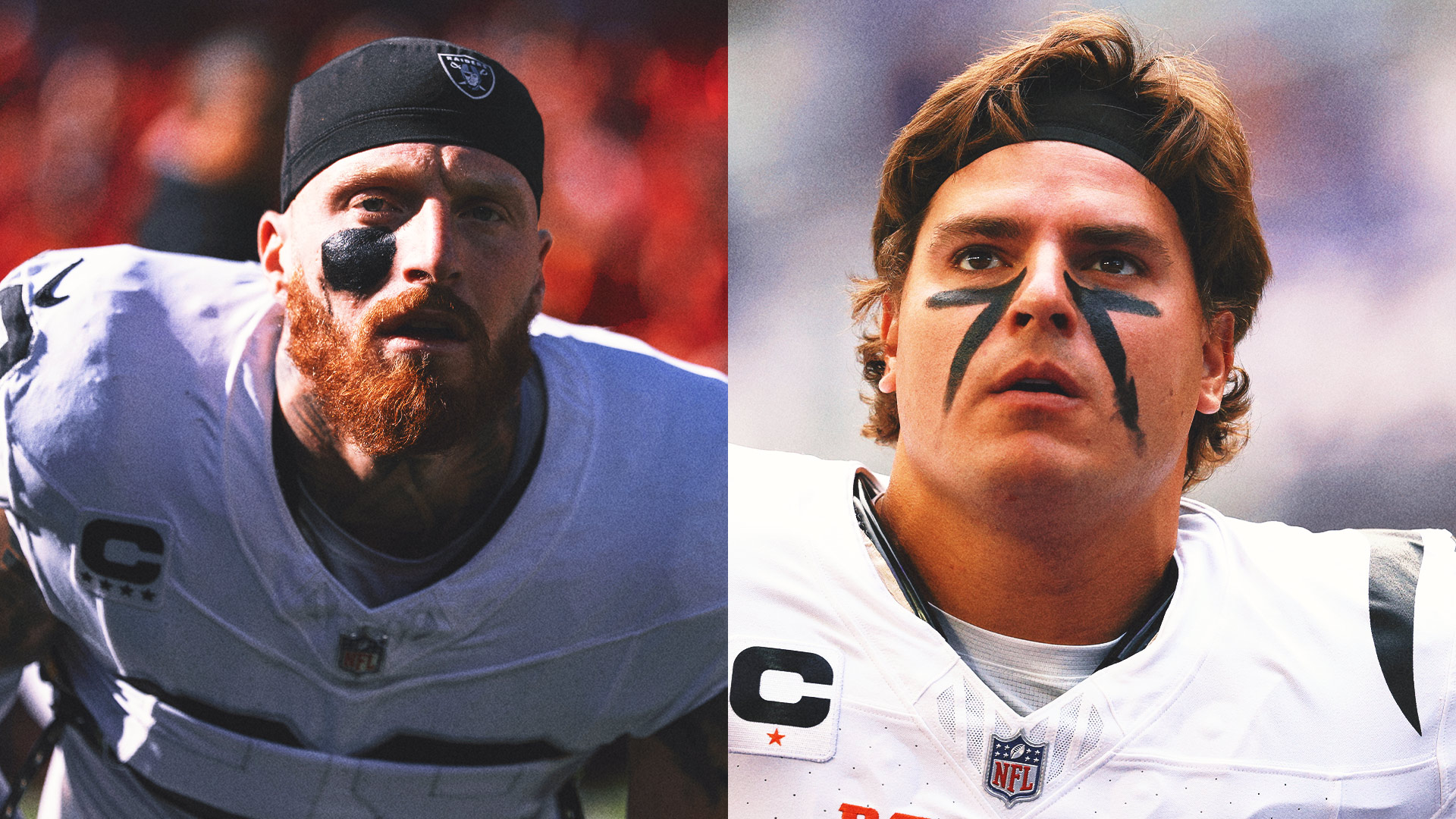
Cowboys Rebuffed in Trade Deadline Calls for Maxx Crosby, Trey Hendrickson
Entities mentioned:
- Dallas Cowboys: Competitive spirit, Ambition, Determination
- Maxx Crosby: Loyalty, Professional pride, Self-respect
- Trey Hendrickson: Competitive spirit, Professional pride, Security
- Las Vegas Raiders: Loyalty, Competitive spirit, Pride
- Cincinnati Bengals: Determination, Competitive spirit, Unity
Article Assessment:
Credibility Score: 75/100
Bias Rating: 50/100 (Center)
Sentiment Score: 45/100
Authoritarianism Risk: 20/100 (Strongly Democratic)
Bias Analysis:
The article presents a balanced view of the trade situation, quoting multiple sources and presenting facts from different perspectives. It doesn't appear to favor any particular team or outcome.
Key metric: NFL Team Defense Rankings
Let me tell you something - this story is RIDICULOUS! The Dallas Cowboys are making fourth quarter moves, trying to bolster their defensive line-up, but they're getting SHUT DOWN left and right! It's like they're running a full-court press, but the Raiders and Bengals are playing lockdown defense. Crosby and Hendrickson are franchise players, folks, and their teams aren't about to trade away their star quarterbacks of defense. The Cowboys are at the bottom of the league in total defense, and they're desperate to find that championship-caliber edge rusher. But I'm telling you right now, they're going to have to look elsewhere because these teams are holding onto their defensive MVPs like a running back clutching the ball in the end zone. It's a high-stakes game of keep-away, and right now, the Cowboys are on the losing end!
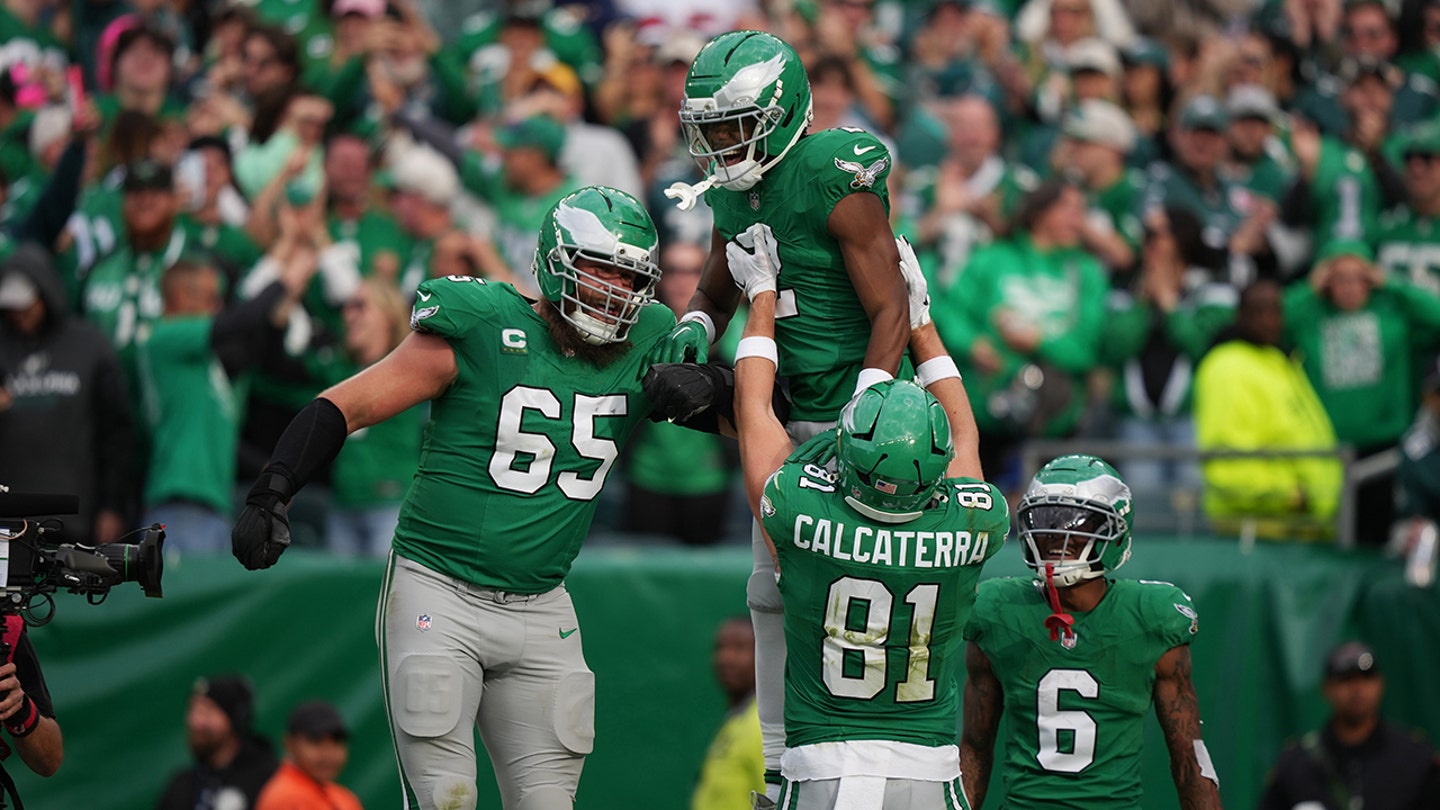
NFL Week 8 scores: Broncos dismantle Cowboys, Jets finally get win
Entities mentioned:
- NFL: Competitive spirit, Recognition, Entertainment
- Denver Broncos: Competitive spirit, Determination, Pride
- Dallas Cowboys: Competitive spirit, Pride, Redemption
- New York Jets: Determination, Competitive spirit, Self-respect
Article Assessment:
Credibility Score: 85/100
Bias Rating: 50/100 (Center)
Sentiment Score: 70/100
Authoritarianism Risk: 10/100 (Strongly Democratic)
Bias Analysis:
The article presents a straightforward account of game results without favoring any particular team. The reporting focuses on facts and scores, maintaining a neutral stance on team performances.
Key metric: NFL Team Performance and Playoff Standings
Let me tell you something - this NFL week was an ABSOLUTE SLUGFEST! We're talking offensive fireworks that lit up the scoreboard like the Fourth of July! The Broncos came out swinging, delivering a KNOCKOUT PUNCH to America's Team. This wasn't just a win, folks - it was a statement game that has the Broncos looking like SERIOUS CONTENDERS. Meanwhile, the Jets finally got off the schneid with a come-from-behind victory that showed the heart of a champion. They may have been down, but they were NEVER OUT! This is the kind of late-game heroics that can turn a season around. As we head into the back half of the season, the playoff picture is starting to take shape. The Bills, Patriots, Bucs, and Colts are all FLEXING THEIR MUSCLES, showing they've got what it takes to go the distance. It's crunch time, folks, and these teams are stepping up to the plate when it matters most!
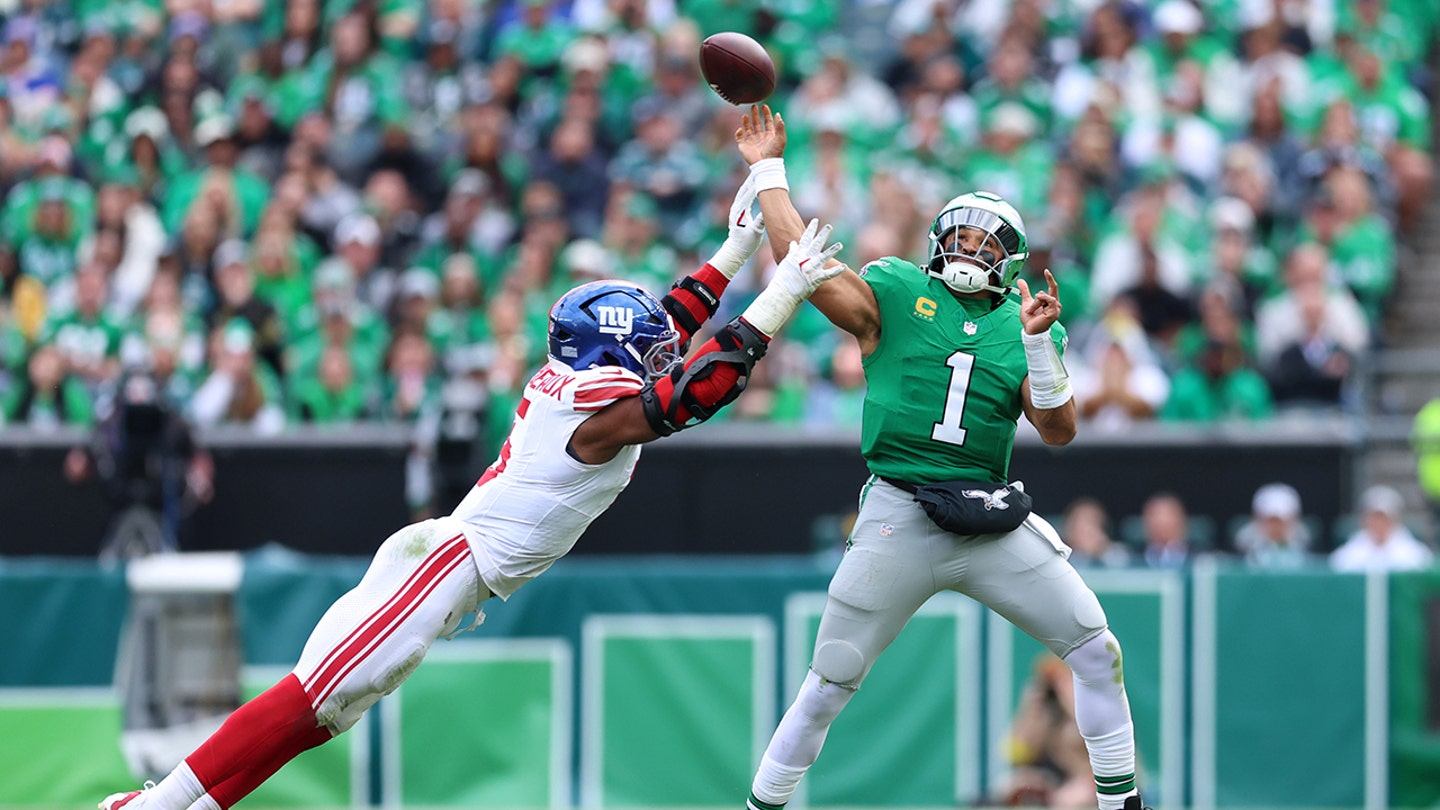
Giants' Kayvon Thibodeaux sounds off after controversial call on tush push vs Eagles
Entities mentioned:
- Kayvon Thibodeaux: Competitive spirit, Indignation, Professional pride
- Philadelphia Eagles: Ambition, Competitive spirit, Pride
- New York Giants: Determination, Competitive spirit, Self-respect
- Jalen Hurts: Competitive spirit, Ambition, Determination
- NFL Referees: Professional pride, Duty, Control
- NFL Owners: Control, Influence, Legacy
Article Assessment:
Credibility Score: 75/100
Bias Rating: 55/100 (Center)
Sentiment Score: 40/100
Authoritarianism Risk: 30/100 (Generally Democratic)
Bias Analysis:
The article presents both sides of the controversy, quoting players and explaining the situation. It leans slightly towards the Giants' perspective but includes balanced context about the ongoing debate.
Key metric: NFL Game Integrity
Let me tell you something, folks - this game was a SLUGFEST from the start! The Giants came out swinging, but that controversial tush push call was like a KNOCKOUT PUNCH to their momentum. Thibodeaux, the young defensive star, thought he'd made the play of the game, stripping that ball like a champ going for gold. But the refs blew the whistle faster than a track star out of the blocks! This is RIDICULOUS! The tush push is becoming the Hail Mary of short-yardage plays, and it's got the league in an uproar. We're seeing a BATTLE ROYALE between old school football purists and new age strategists. The Giants are crying foul, but let's face it - they got BULLDOZED by the Eagles' offensive line. This is a FOURTH QUARTER MOVE by the NFL owners, who are under more pressure than a kicker with the game on the line. They've got to decide: do they want to preserve the integrity of the game or let this new-fangled play change the face of football forever? I'm telling you right now, this controversy is going into OVERTIME!
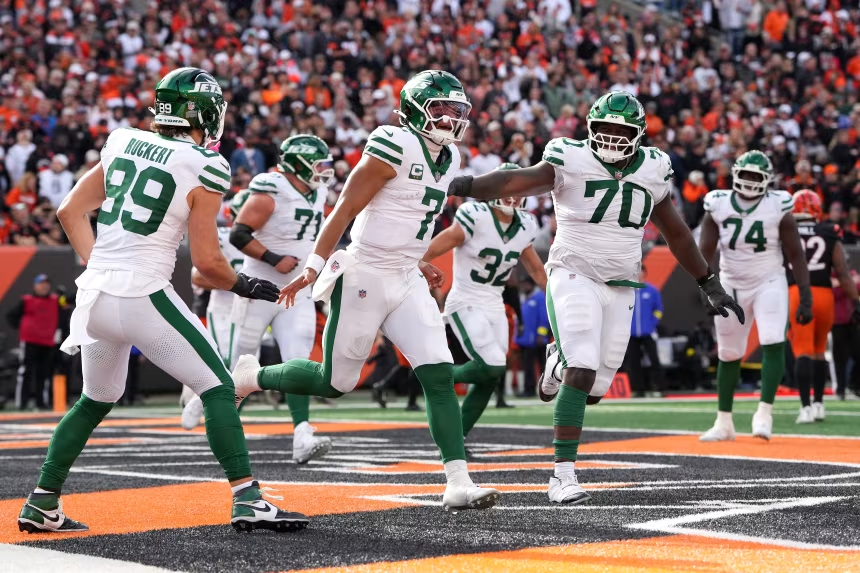
Jets win 1st game of year, QB breaks Cam Newton record and Aaron Rodgers loses against former team: NFL Week 8 Sunday wrap
Entities mentioned:
- New York Jets: Determination, Competitive spirit, Pride
- Aaron Glenn: Professional pride, Determination, Ambition
- Justin Fields: Redemption, Self-respect, Competitive spirit
- Josh Allen: Ambition, Competitive spirit, Legacy
- Aaron Rodgers: Pride, Competitive spirit, Legacy
Article Assessment:
Credibility Score: 85/100
Bias Rating: 50/100 (Center)
Sentiment Score: 70/100
Authoritarianism Risk: 15/100 (Strongly Democratic)
Bias Analysis:
The article presents a balanced view of multiple games and teams, avoiding favoritism. It relies on factual game outcomes and player stats without pushing a particular narrative.
Key metric: NFL Team Win-Loss Records
Let me tell you something - this NFL Sunday was an absolute BARNBURNER! The New York Jets finally got off the schneid, coming from behind like a 4th quarter comeback for the ages! Justin Fields, benched earlier in the week, stepped up to the plate and delivered when it mattered most. Talk about clutch performance under pressure! Meanwhile, Josh Allen continues to be a dual-threat MONSTER, breaking records left and right like he's running the 100-meter dash. But the real drama came in Pittsburgh, where Aaron Rodgers faced his old squad in a battle for the ages. The Packers may have won the day, but this rivalry is just heating up folks! I'm telling you right now, we're in for one heck of a season as these teams jockey for playoff position down the stretch!
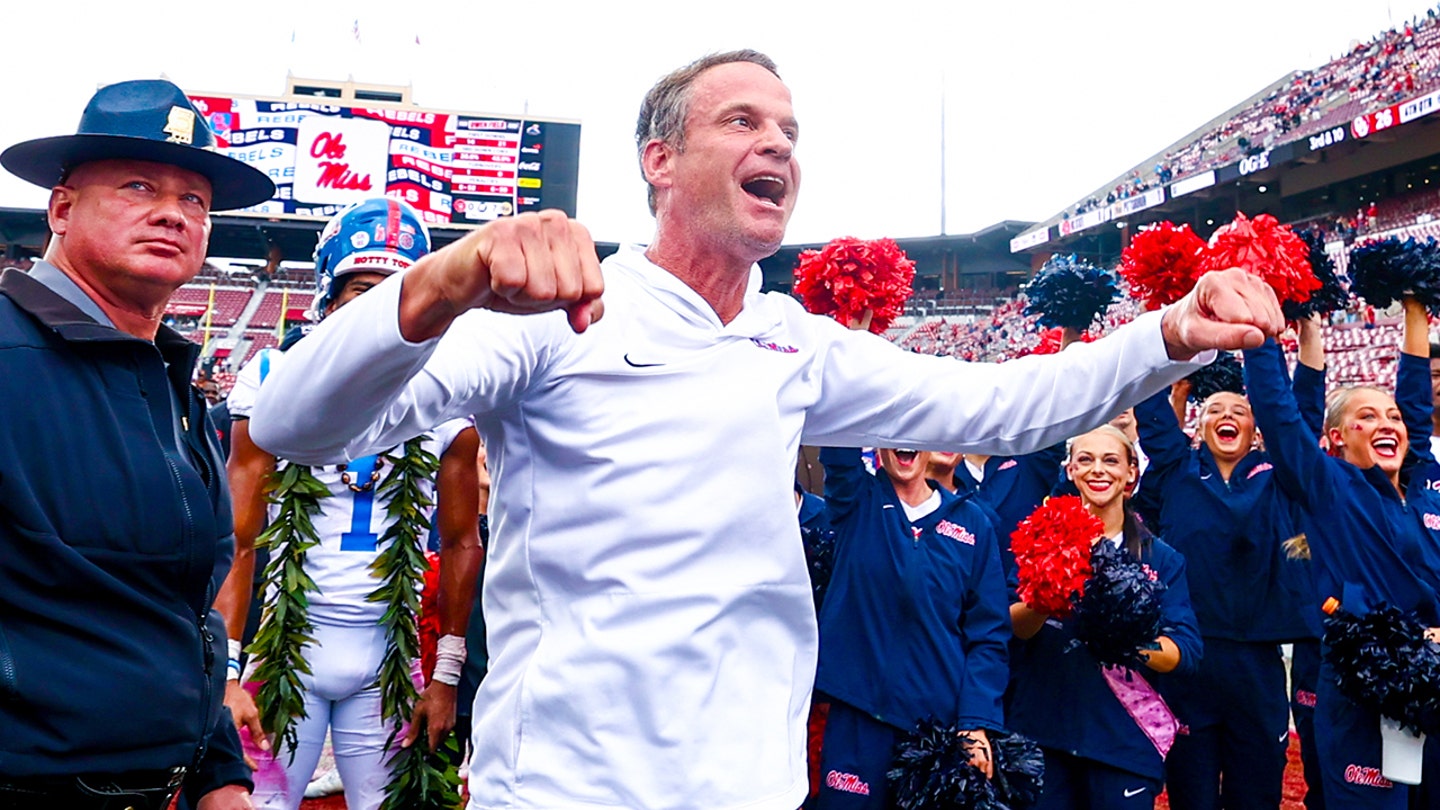
Lane Kiffin gets last laugh on Oklahoma player after Ole Miss earns gritty road victory
Entities mentioned:
- Lane Kiffin: Competitive spirit, Pride, Revenge
- Ole Miss Rebels: Determination, Competitive spirit, Recognition
- Oklahoma Sooners: Pride, Competitive spirit, Ambition
- David Stone: Competitive spirit, Pride, Self-respect
Article Assessment:
Credibility Score: 85/100
Bias Rating: 50/100 (Center)
Sentiment Score: 70/100
Authoritarianism Risk: 20/100 (Strongly Democratic)
Bias Analysis:
The article presents a balanced account of the game, giving credit to both teams for their performances. It doesn't show favoritism towards either team and reports on the coach's behavior without judgment.
Key metric: College Football Rankings
Let me tell you something - this game was an absolute SLUGFEST! The Ole Miss Rebels came into enemy territory and delivered a KNOCKOUT PUNCH to the Oklahoma Sooners. Coach Kiffin showed he's not just a clipboard holder, he's a WARRIOR on the sidelines! This guy's got the competitive fire of a champion, trading verbal jabs with players like he's Muhammad Ali! The Rebels were down on the scorecards in the third quarter, but they dug deep and found that CHAMPIONSHIP MENTALITY to pull off the upset. This is the kind of fourth-quarter performance that separates the contenders from the pretenders, folks! Oklahoma had home-field advantage, but Ole Miss played like they owned the stadium. It's this kind of road win that can catapult a team straight to the playoffs!
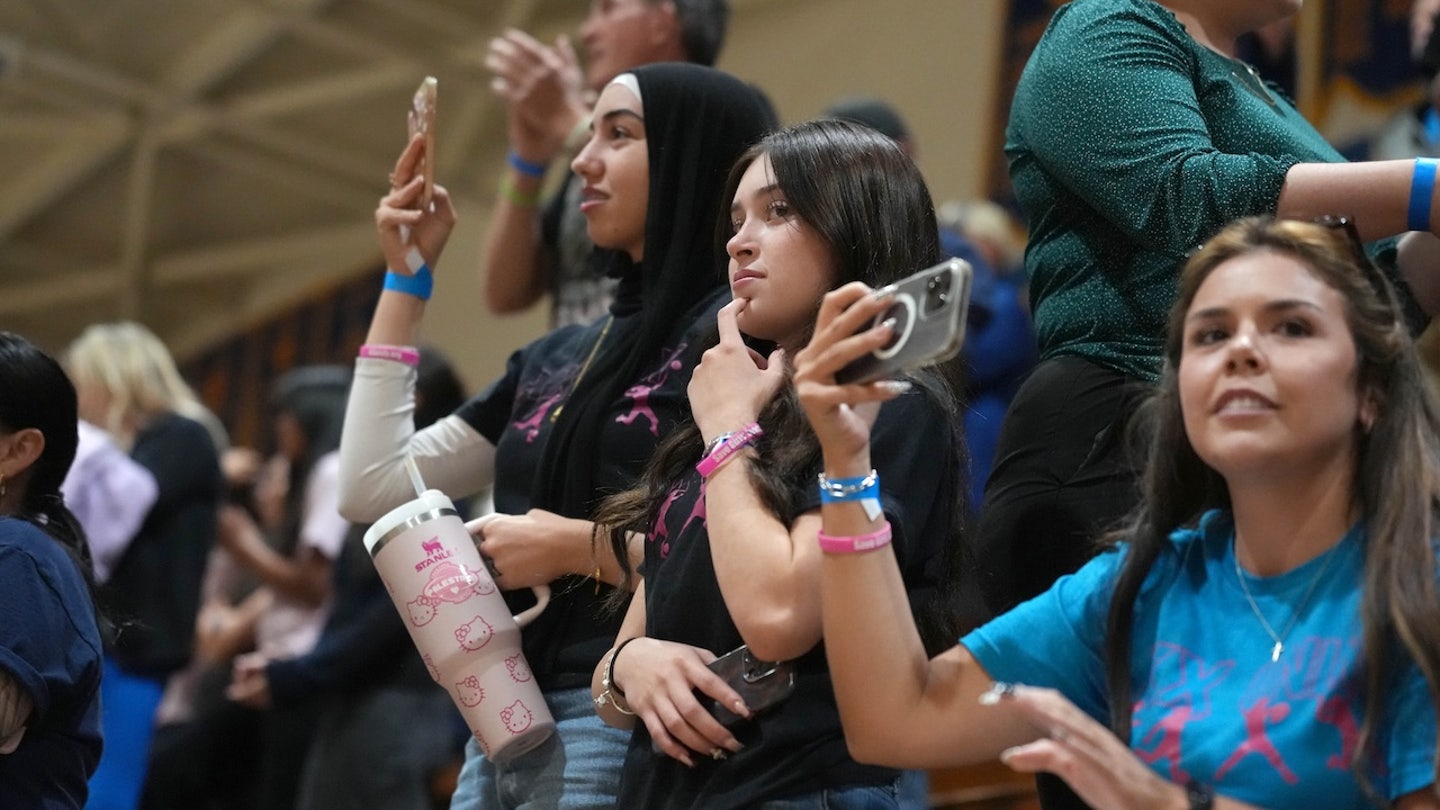
Ted Cruz calls out Californians accused of jeering girls protesting volleyball game involving trans athlete
Entities mentioned:
- Ted Cruz: Righteousness, Moral outrage, Influence
- California residents: Pride, Indignation, Loyalty
- Teenage girl protesters: Justice, Determination, Self-respect
- Trans athlete: Competitive spirit, Recognition, Self-preservation
- Jurupa Valley High School: Competitive spirit, Professional pride, Obligation
- Valencia High School: Competitive spirit, Professional pride, Unity
- U.S. Department of Justice: Justice, Control, Duty
Article Assessment:
Credibility Score: 70/100
Bias Rating: 65/100 (Lean Right)
Sentiment Score: 30/100
Authoritarianism Risk: 35/100 (Generally Democratic)
Bias Analysis:
The article leans right due to its focus on Cruz's perspective and emphasis on protests against trans athletes. It presents multiple viewpoints but gives more weight to those opposing trans participation in women's sports.
Key metric: Gender Equality in Sports
Let me tell you something, folks - this is a FULL COURT PRESS situation! We've got a real slugfest brewing on the field of gender equality in sports. Senator Cruz is coming in hot, throwing some serious heat at these California fans who are playing dirty defense against young female athletes. But make no mistake, this is no ordinary game - it's a championship bout for the very soul of women's sports! The trans athlete stepped up to the plate, but Jurupa Valley High School struck out in straight sets. Meanwhile, we've got players leaving the court faster than a bench-clearing brawl. This isn't just a game anymore, folks - it's turned into an all-out legal scrimmage with lawsuits flying like Hail Mary passes. And now the Department of Justice is suiting up to get in on the action! I'm telling you right now, this is going into overtime and it's anybody's game!
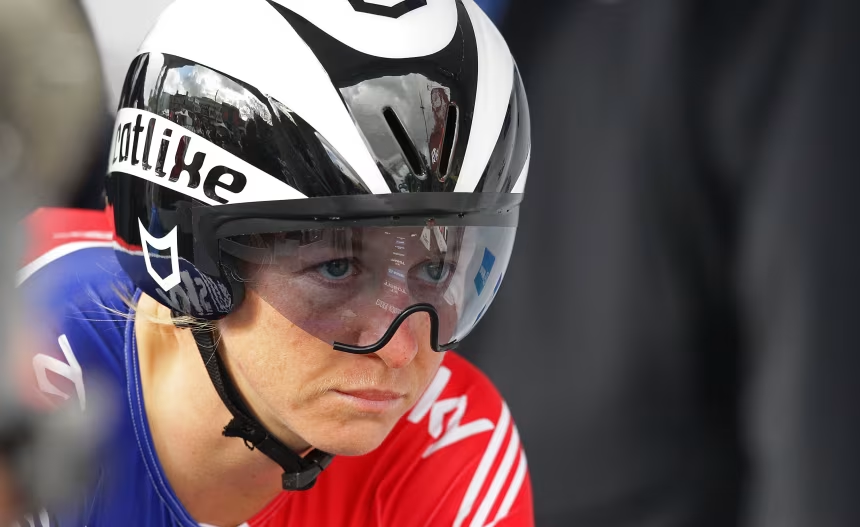
Former cyclist Emma Pooley witnessed ‘unscientific bullying’ around food amid the sport’s high prevalence of eating disorders
Entities mentioned:
- Emma Pooley: Professional pride, Self-respect, Determination
- Cycling Industry: Competitive spirit, Control, Performance
- Union Cycliste Internationale (UCI): Duty, Obligation, Professional pride
Article Assessment:
Credibility Score: 85/100
Bias Rating: 45/100 (Center)
Sentiment Score: 30/100
Authoritarianism Risk: 20/100 (Strongly Democratic)
Bias Analysis:
The article presents a balanced view, including perspectives from athletes, experts, and governing bodies. It doesn't lean heavily towards any particular ideology, focusing on factual reporting of health issues in cycling.
Key metric: Athlete Health and Performance
Ladies and gentlemen, we've got a BOMBSHELL report from the cycling world! Former champion Emma Pooley is stepping up to the plate and calling out the RIDICULOUS pressure cooker environment in professional cycling. This isn't just a small-time scrimmage, folks - we're talking about a FULL COURT PRESS on athletes' health! The peloton has been playing a dangerous game, pushing riders to the brink with unscientific weight-loss tactics. It's like they're trying to win the Tour de France by fielding a team of STICK FIGURES! But Pooley is fighting back, showing the grit of a true champion. She's exposing the ugly underbelly of the sport, where team directors act like overbearing coaches micromanaging every morsel their players eat. This is a critical moment, sports fans - will cycling step up its game and protect its athletes, or will it fumble the ball when it comes to long-term health? The clock is ticking, and the whole world is watching to see if the sport can turn this ship around before it's too late!