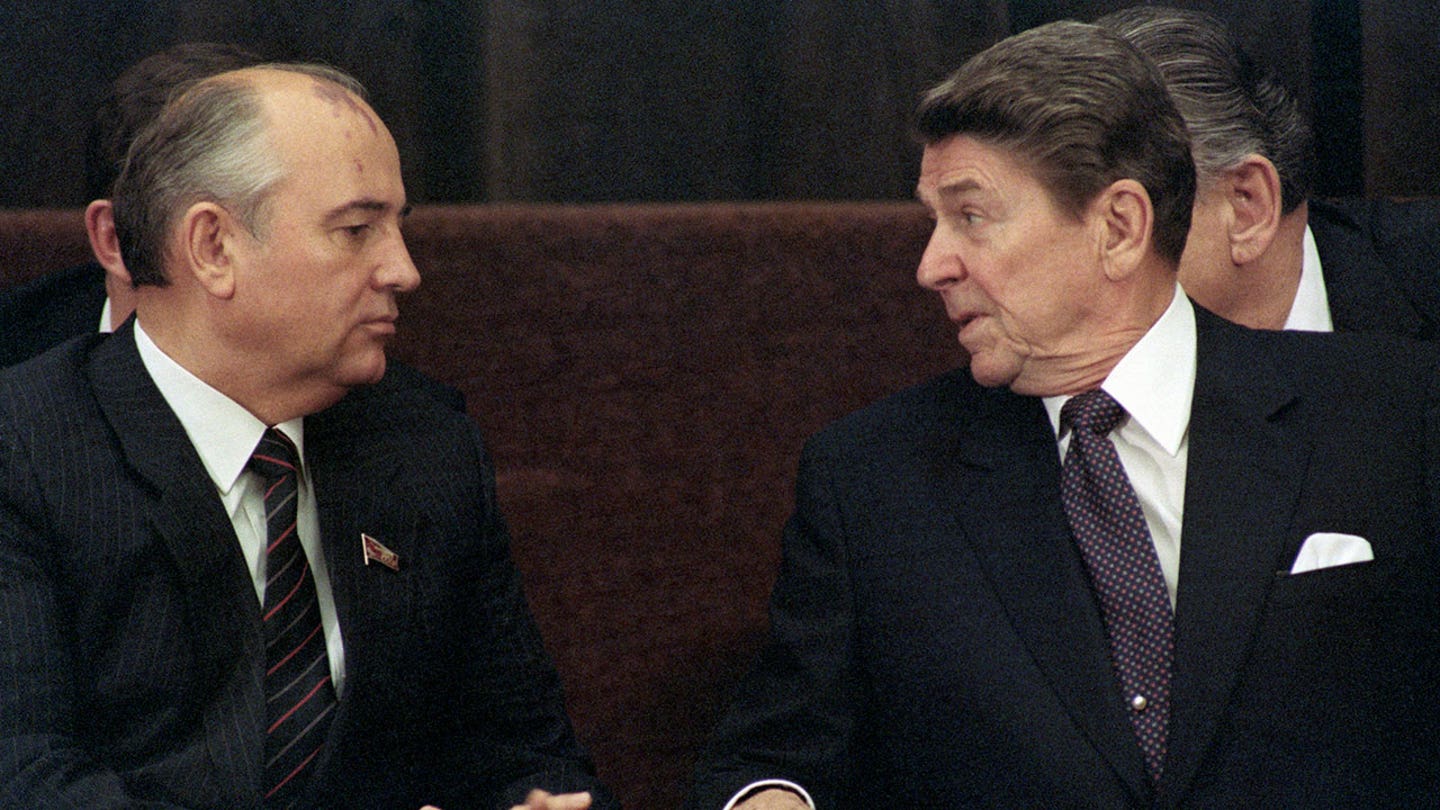
Could Trump's meeting with Putin be the next Reagan-Gorbachev moment?
Entities mentioned:
- Donald Trump: Power, Legacy, Influence
- Vladimir Putin: Control, Power, Self-preservation
- Lindsey Graham: Loyalty, Influence, Duty
- Ronald Reagan: Legacy, Peace, Freedom
- Mikhail Gorbachev: Reform, Peace, Unity
- Fred Fleitz: Loyalty, Professional pride, Influence
- Dan Hoffman: Professional pride, Wariness, Security
- Peter Rough: Professional pride, Influence, Analysis
- Volodymyr Zelenskyy: Self-preservation, Unity, Duty
- Karoline Leavitt: Duty, Loyalty, Professional pride
Article Assessment:
Credibility Score: 75/100
Bias Rating: 55/100 (Center)
Sentiment Score: 55/100
Authoritarianism Risk: 35/100 (Generally Democratic)
Bias Analysis:
The article presents multiple viewpoints, including both supportive and skeptical perspectives on the Trump-Putin meeting. While it leans slightly towards optimism about Trump's approach, it balances this with expert caution, maintaining a relatively centrist stance.
Key metric: Diplomatic Relations
As a social scientist, I analyze that this article highlights a potential shift in US-Russia relations, drawing parallels between the upcoming Trump-Putin meeting and the historic Reagan-Gorbachev talks. The comparison suggests a possible de-escalation of tensions, particularly regarding the Ukraine conflict. However, experts express skepticism about Putin's willingness to end the war, unlike Gorbachev's reformist approach. The article emphasizes Trump's 'peace through strength' strategy, suggesting that economic leverage and diplomatic pressure could influence the outcome. This meeting could significantly impact US diplomatic relations, potentially altering the course of the Ukraine conflict and broader US-Russia dynamics. The emphasis on communication with European allies post-meeting indicates a multilateral approach to potential outcomes.

Facts First
Entities mentioned:
- Donald Trump: Power, Influence, Legacy
- Joe Biden: Duty, Legacy, Unity
- Kamala Harris: Ambition, Recognition, Unity
- Nikki Haley: Ambition, Competitive spirit, Recognition
- Republican Party: Power, Control, Loyalty
- Democratic Party: Unity, Justice, Control
- Voters: Security, Freedom, Self-preservation
Article Assessment:
Credibility Score: 75/100
Bias Rating: 45/100 (Center)
Sentiment Score: 45/100
Authoritarianism Risk: 25/100 (Generally Democratic)
Bias Analysis:
The articles attempt to present diverse voter perspectives from various regions and demographics. While there's a slight lean towards examining Democratic challenges, the content also covers Republican voter sentiments extensively.
Key metric: Voter Engagement and Political Polarization
As a social scientist, I analyze that this collection of articles highlights the deep political divisions and shifting voter sentiments in key battleground states. The content demonstrates how various demographic groups, including blue-collar workers, Hispanic voters, and suburban residents, are responding to major political figures and policy issues. The articles reveal a complex political landscape where traditional party loyalties are being tested, and voters are grappling with concerns about age, economic impacts, and social issues. This ongoing voter engagement and the apparent polarization suggest a highly contested and potentially volatile political environment leading up to the 2024 election.
- Read more about Facts First
- Log in to post comments

‘Chaos, fear and confusion’: Trump-backed crackdown hits DC’s homeless population
Entities mentioned:
- Donald Trump: Power, Control, Influence
- Amber Harding: Justice, Duty, Moral outrage
- Heather Bernard: Self-preservation, Freedom, Self-respect
- Muriel Bowser: Duty, Self-preservation, Wariness
- Charles Allen: Concern, Duty, Wariness
- Karoline Leavitt: Loyalty, Duty, Control
- Edward Wycoff: Justice, Concern, Professional pride
- Isis Burnette: Self-preservation, Freedom, Self-respect
Article Assessment:
Credibility Score: 75/100
Bias Rating: 40/100 (Lean Left)
Sentiment Score: 30/100
Authoritarianism Risk: 65/100 (Authoritarian Tendencies)
Bias Analysis:
The article leans slightly left, giving more voice to homeless advocates and individuals than to supporters of the crackdown. However, it does include perspectives from both sides and provides factual context.
Key metric: Homelessness Rate
As a social scientist, I analyze that this article highlights the complex interplay between federal and local governance in addressing homelessness in Washington, D.C. The Trump administration's aggressive approach to clearing homeless encampments is creating tension with local officials and advocacy groups. This policy shift risks disrupting existing support systems and potentially criminalizing homelessness, which could lead to increased homelessness rates and reduced access to services. The article illustrates the challenges of balancing public safety concerns with the rights and needs of homeless individuals, and the potential consequences of a top-down, enforcement-heavy approach to a complex social issue.
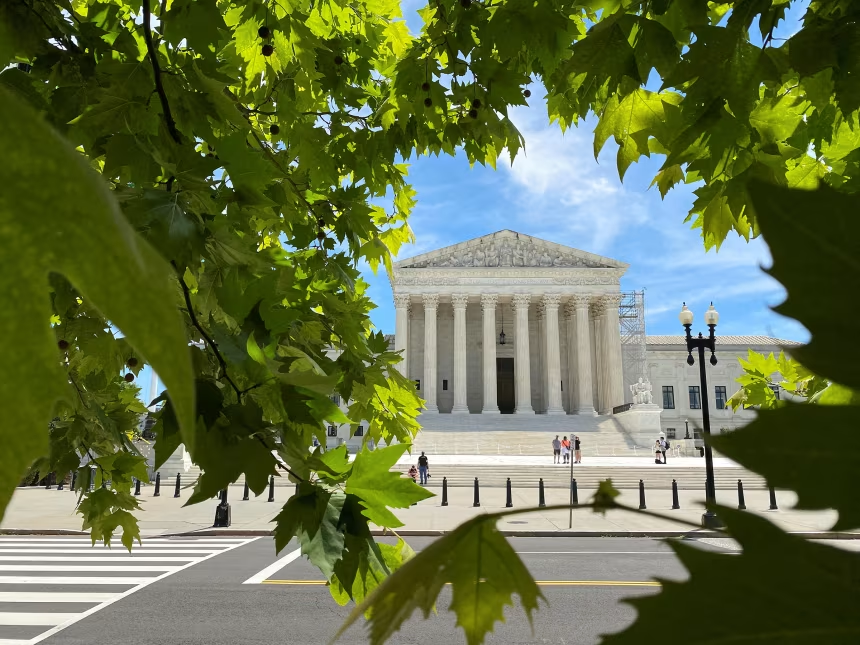
Mississippi may require age verification, parental consent for social media, Supreme Court says
Entities mentioned:
- Supreme Court: Justice, Duty, Influence
- Mississippi: Protection, Control, Moral outrage
- Social Media Companies: Self-preservation, Freedom, Influence
- Justice Brett Kavanaugh: Duty, Wariness, Professional pride
- Electronic Frontier Foundation: Freedom, Justice, Protection
- LGBTQ advocacy groups: Protection, Freedom, Justice
Article Assessment:
Credibility Score: 75/100
Bias Rating: 45/100 (Center)
Sentiment Score: 40/100
Authoritarianism Risk: 55/100 (Mixed/Neutral)
Bias Analysis:
The article presents multiple viewpoints, including those of the state, tech companies, and advocacy groups. It provides context and background, showing a relatively balanced approach to reporting the issue.
Key metric: Online Privacy and Child Safety
As a social scientist, I analyze that this case represents a significant clash between state efforts to protect minors online and concerns over First Amendment rights and internet freedom. The Supreme Court's decision to allow Mississippi to enforce its age verification law for social media platforms marks a potential shift in how online spaces are regulated, particularly concerning minors. This could have far-reaching implications for internet usage, privacy, and the autonomy of young people online. The case highlights the ongoing struggle to balance child safety with free speech and access to information, especially for vulnerable groups like LGBTQ youth. The court's decision, while temporary, may encourage other states to pursue similar legislation, potentially leading to a patchwork of regulations across the country and challenges for both users and tech companies in compliance.
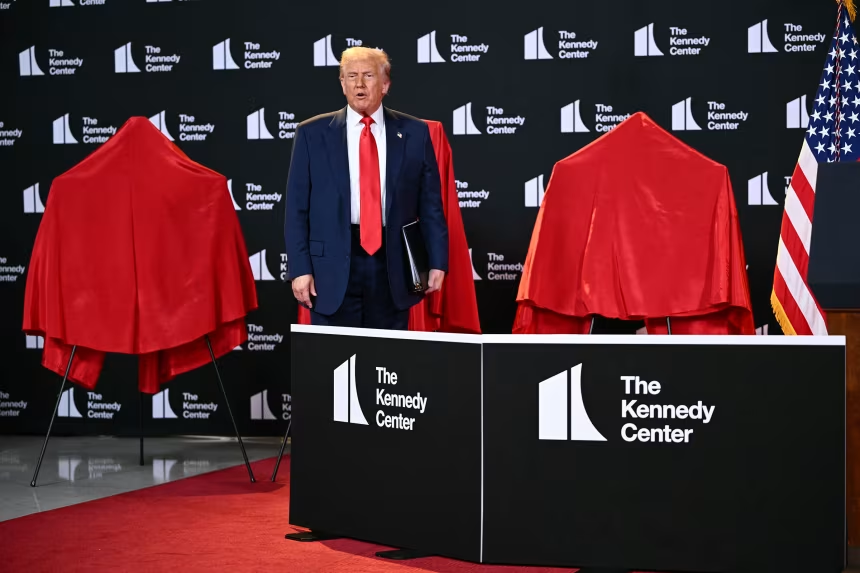
Trump announces Kennedy Center honorees as he tries to put his stamp on DC
Entities mentioned:
- Donald Trump: Power, Control, Legacy
- Kennedy Center: Professional pride, Influence, Recognition
- Republican Party: Loyalty, Power, Control
- Democratic Party: Righteousness, Moral outrage, Resistance
- Washington, DC: Self-preservation, Freedom, Unity
Article Assessment:
Credibility Score: 70/100
Bias Rating: 45/100 (Center)
Sentiment Score: 35/100
Authoritarianism Risk: 65/100 (Authoritarian Tendencies)
Bias Analysis:
The article presents a balanced view of events, including both Trump's actions and criticisms from opponents. While it leans slightly towards emphasizing concerns about Trump's interventions, it also includes his justifications and supporters' viewpoints.
Key metric: Government Control Over Cultural Institutions
As a social scientist, I analyze that this article highlights a significant shift in the relationship between the federal government and cultural institutions in Washington, DC. Trump's aggressive moves to exert control over the Kennedy Center and other DC institutions represent an unprecedented level of federal intervention in traditionally independent cultural spaces. This could have far-reaching implications for artistic freedom, cultural expression, and the separation of politics from the arts. The article suggests a potential politicization of cultural institutions, which may lead to changes in programming, funding, and leadership that align more closely with the current administration's ideology. This shift could impact the diversity of artistic voices and perspectives represented in these institutions, potentially altering the cultural landscape of the nation's capital and, by extension, the country.
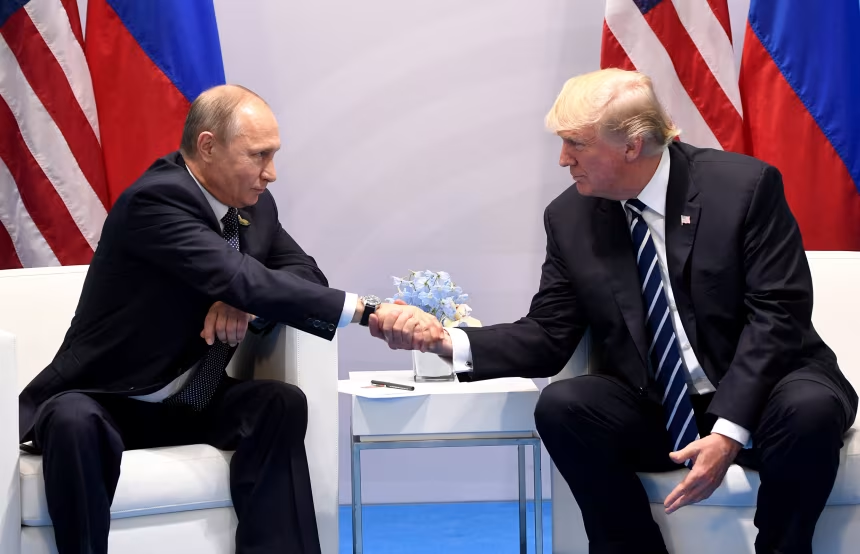
How Trump and Putin’s relationship has evolved since they first met eight years ago
Entities mentioned:
- Donald Trump: Power, Recognition, Influence
- Vladimir Putin: Power, Control, Self-preservation
- United States: Influence, Security, Power
- Russia: Power, Control, Self-preservation
- Ukraine: Self-preservation, Freedom, Security
- White House: Control, Influence, Security
- John Herbst: Professional pride, Duty, Influence
- James Stavridis: Professional pride, Duty, Security
Article Assessment:
Credibility Score: 75/100
Bias Rating: 55/100 (Center)
Sentiment Score: 35/100
Authoritarianism Risk: 45/100 (Mixed/Neutral)
Bias Analysis:
The article presents a relatively balanced view, incorporating various perspectives and historical context. While it includes some critical analysis of Trump's actions, it also presents his viewpoint, maintaining a mostly neutral tone.
Key metric: US-Russia Relations Index
As a social scientist, I analyze that this article highlights the complex and evolving relationship between Donald Trump and Vladimir Putin, as well as the broader US-Russia relations. The article traces the history of their interactions from 2016 to the present, showing how initial optimism has given way to skepticism and tension. The invasion of Ukraine serves as a critical turning point, significantly impacting the US-Russia Relations Index. Trump's changing rhetoric towards Putin, from praise to criticism, reflects the deteriorating diplomatic situation. The article also touches on the lingering effects of the 2016 election interference allegations, which have continually influenced Trump's approach to Russia. This evolving dynamic suggests a potential shift in US foreign policy towards Russia, with implications for global geopolitics and security arrangements.

Crowd in DC outraged by federal law enforcement presence as cars stopped on busy street
Entities mentioned:
- Washington, DC police: Duty, Control, Security
- Federal agents: Control, Security, Duty
- President Donald Trump: Power, Control, Security
- Local community members: Moral outrage, Indignation, Freedom
- National Guard: Duty, Security, Control
- White House official: Loyalty, Duty, Control
- Homeland Security Investigations: Security, Control, Duty
- Enforcement and Removal Operations (ICE): Control, Security, Duty
- Mara Lasko (local resident): Moral outrage, Indignation, Freedom
- Mayor Muriel Bowser: Security, Unity, Duty
Article Assessment:
Credibility Score: 75/100
Bias Rating: 45/100 (Center)
Sentiment Score: 35/100
Authoritarianism Risk: 65/100 (Authoritarian Tendencies)
Bias Analysis:
The article presents multiple perspectives, including those of protesters, local residents, and officials. While it leans slightly towards portraying community concerns, it also includes statements from White House and law enforcement sources.
Key metric: Civil Liberties and Rule of Law
As a social scientist, I analyze that this article highlights a significant tension between federal law enforcement actions and local community reactions in Washington, DC. The increased presence of federal agents and checkpoints in residential areas represents a potential infringement on civil liberties and local autonomy. This situation risks eroding trust between law enforcement and communities, potentially leading to increased social unrest. The federal takeover of local policing, justified by claims of high crime rates (which the article notes have actually decreased), raises concerns about the balance of power between federal and local authorities. This could have long-term implications for democratic governance and the rule of law in the United States.
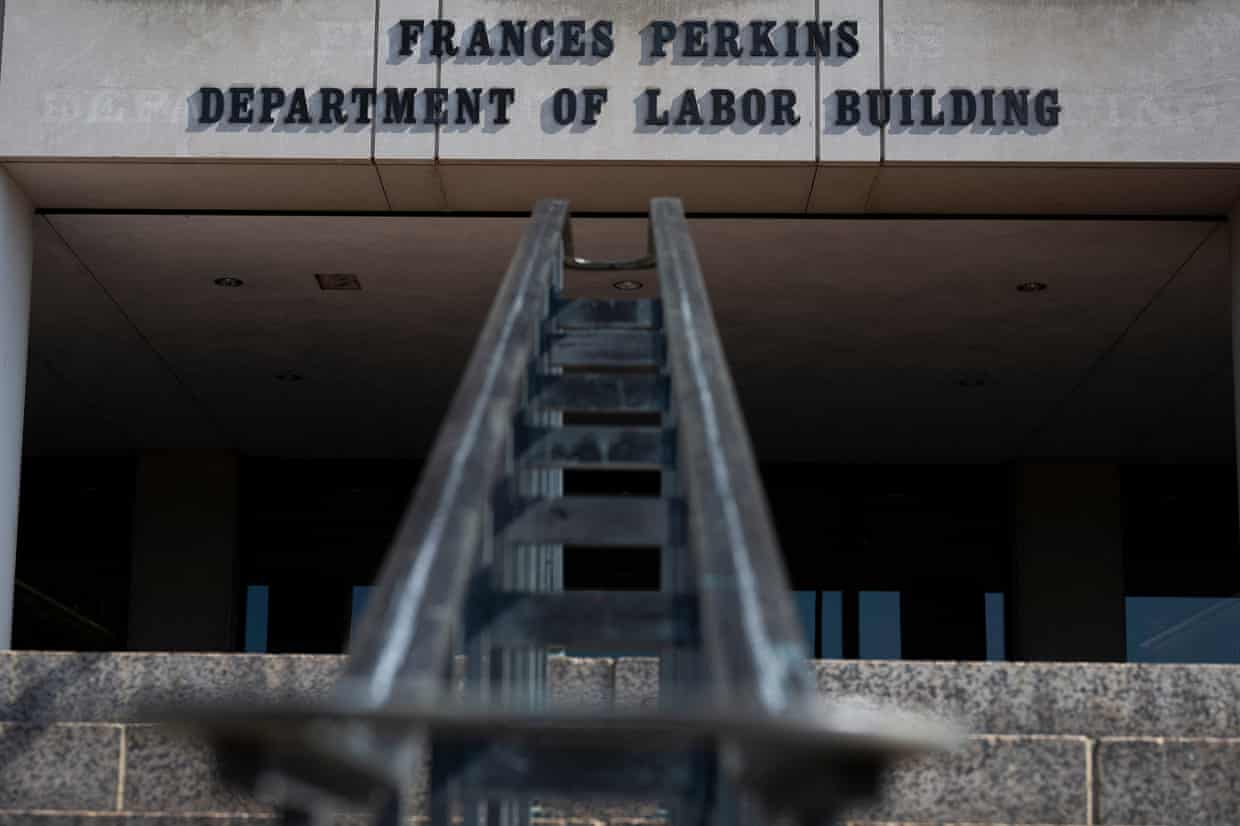
New Trump labor official has history of racist, sexist and conspiratorial posts
Entities mentioned:
- Jessica Bowman: Ambition, Loyalty, Influence
- US Department of Labor: Duty, Control, Professional pride
- Trump administration: Power, Control, Loyalty
- Bureau of International Labor Affairs: Duty, Justice, Influence
- Republican Liberty Caucus: Influence, Loyalty, Freedom
- Kamala Harris: Ambition, Power, Recognition
- Laura Loomer: Influence, Loyalty, Recognition
- Indivisible: Influence, Unity, Justice
Article Assessment:
Credibility Score: 75/100
Bias Rating: 35/100 (Lean Left)
Sentiment Score: 25/100
Authoritarianism Risk: 55/100 (Mixed/Neutral)
Bias Analysis:
The article leans left in its framing, focusing heavily on criticisms of the Trump administration and Republican-affiliated individuals. While it presents factual information, the selection of content and tone suggest a critical stance towards conservative policies and appointments.
Key metric: Government Integrity Index
As a social scientist, I analyze that this article highlights significant concerns about the appointment of Jessica Bowman to a key position in the US Department of Labor. Her history of racist, sexist, and conspiratorial social media posts raises questions about the vetting process and the priorities of the current administration. This appointment could potentially undermine the credibility and effectiveness of the Bureau of International Labor Affairs, whose mission involves ensuring fair treatment of workers globally. The dissemination of conspiracy theories and false claims about election rigging by a government official may contribute to eroding public trust in democratic institutions. Furthermore, the dramatic budget cuts to the department under the current administration, coupled with the appointment of officials with questionable qualifications and extreme views, suggest a potential shift in labor policy that could have far-reaching implications for workers' rights and international labor standards.

Trump Announces $175 Billion Rosie O’Donnell Defense System
Entities mentioned:
- Donald Trump: Revenge, Power, Pride
- Rosie O'Donnell: Self-preservation, Freedom, Indignation
- Pentagon: Duty, Obligation, Wariness
- Roseanne Barr: Self-preservation, Anxiety
Article Assessment:
Credibility Score: 10/100
Bias Rating: 40/100 (Lean Left)
Sentiment Score: 30/100
Authoritarianism Risk: 75/100 (Authoritarian Tendencies)
Bias Analysis:
The article leans left in its criticism of Trump, portraying him as petty and irrational. However, the extreme satirical nature somewhat balances the bias by making the entire scenario too absurd to be taken as serious commentary.
Key metric: Government Spending and Fiscal Responsibility
As a social scientist, I analyze that this satirical article highlights the potential misuse of executive power and government resources for personal vendettas. The exaggerated allocation of $175 billion for a defense system against a private citizen underscores concerns about fiscal irresponsibility and abuse of power. This fictional scenario, while absurd, reflects real-world anxieties about government overreach, misplaced priorities in defense spending, and the blurring of personal and political agendas in leadership roles. The article's hyperbolic nature serves to critique these issues through humor, potentially influencing public perception of government spending and executive authority.

Trump Gives Russia 10-Day Deadline To End Ukraine
Entities mentioned:
- Donald Trump: Power, Control, Influence
- Vladimir Putin: Power, Control, Influence
- Volodymyr Zelensky: Self-preservation, Duty, Determination
- Russia: Power, Control, Influence
- Ukraine: Self-preservation, Freedom, Unity
Article Assessment:
Credibility Score: 5/100
Bias Rating: 40/100 (Lean Left)
Sentiment Score: 15/100
Authoritarianism Risk: 90/100 (Totalitarian Risk)
Bias Analysis:
The article presents an extreme and unlikely scenario without credible sources, suggesting a satirical or misleading intent. The framing appears to mock Trump's communication style and foreign policy approach, indicating a left-leaning bias.
Key metric: International Relations and Diplomacy
As a social scientist, I analyze that this article, if taken at face value, would represent an extreme shift in US foreign policy towards Russia and Ukraine. The alleged statements by Trump, if true, would indicate a severe disregard for international law, human rights, and diplomatic norms. Such a position would likely cause significant damage to US-Ukraine relations, NATO alliances, and overall global stability. However, the extreme nature of the statements and the lack of corroborating sources raise serious doubts about the article's authenticity and reliability.