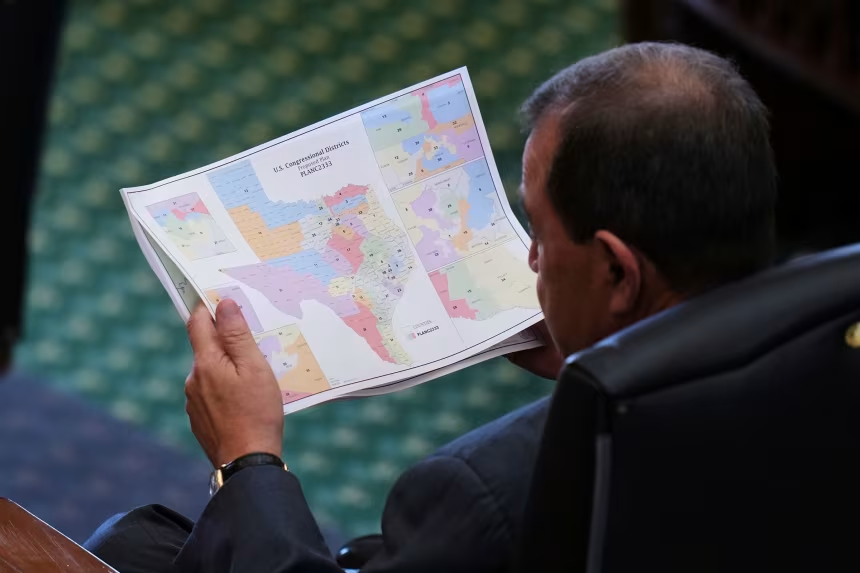
Texas nears final vote on new congressional maps as partisan redistricting race escalates
Entities mentioned:
- Texas Senate: Power, Control, Loyalty
- Texas Republicans: Ambition, Competitive spirit, Power
- Carol Alvarado: Determination, Justice, Moral outrage
- Donald Trump: Power, Influence, Control
- Greg Abbott: Power, Control, Loyalty
- California Democrats: Competitive spirit, Power, Justice
- Gavin Newsom: Ambition, Competitive spirit, Justice
- White House: Power, Control, Influence
- Kathy Hochul: Competitive spirit, Power, Justice
- Todd Hunter: Loyalty, Power, Competitive spirit
- Catherine Blakespear: Justice, Moral outrage, Competitive spirit
- Dustin Burrows: Control, Power, Loyalty
- Nicole Collier: Determination, Justice, Moral outrage
- Gene Wu: Justice, Determination, Moral outrage
- Lloyd Doggett: Self-preservation, Professional pride, Duty
- Charlie Geren: Control, Power, Loyalty
Article Assessment:
Credibility Score: 75/100
Bias Rating: 55/100 (Center)
Sentiment Score: 35/100
Authoritarianism Risk: 65/100 (Authoritarian Tendencies)
Bias Analysis:
The article presents perspectives from both Republican and Democratic sides, quoting various politicians and explaining their actions. While it leans slightly towards criticizing Republican efforts, it also details Democratic counter-measures, maintaining a relatively balanced approach.
Key metric: Congressional Seat Distribution
As a social scientist, I analyze that this article highlights the intensifying partisan struggle over redistricting in the United States, particularly in Texas and California. The actions taken by both Republican and Democratic-led state legislatures demonstrate a clear attempt to manipulate congressional districts to gain political advantage. This process, often referred to as gerrymandering, has significant implications for the balance of power in the U.S. House of Representatives. The unusual mid-decade redistricting efforts in Texas and California's response indicate an escalation in the use of this tactic, potentially setting a precedent for other states to follow. This could lead to increased political polarization, reduced electoral competitiveness, and a disconnect between the popular vote and seat distribution in Congress. The legal challenges mentioned in the article suggest that the judiciary may play a crucial role in determining the final outcome of these redistricting efforts, highlighting the complex interplay between state legislatures, voters, and the court system in shaping American democracy.
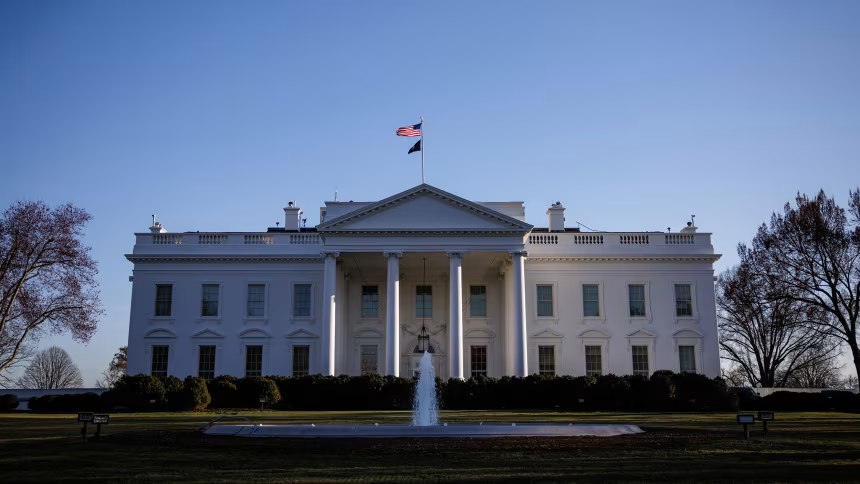
White House joins TikTok after delaying enforcement of sale-or-ban law
Entities mentioned:
- White House: Influence, Recognition, Control
- TikTok: Self-preservation, Influence, Security
- Bytedance: Self-preservation, Control, Security
- Donald Trump: Power, Control, Influence
- Joe Biden: Security, Duty, Control
- United States: Security, Control, Power
- China: Power, Control, Influence
Article Assessment:
Credibility Score: 75/100
Bias Rating: 55/100 (Center)
Sentiment Score: 45/100
Authoritarianism Risk: 40/100 (Generally Democratic)
Bias Analysis:
The article presents a relatively balanced view, incorporating multiple perspectives and historical context. While it leans slightly towards emphasizing the administration's actions, it also includes background on security concerns and bipartisan support for the ban.
Key metric: US-China Relations
As a social scientist, I analyze that the White House's decision to join TikTok amidst ongoing national security concerns and pending legislation reflects a complex interplay of diplomatic, economic, and political factors. This move suggests a potential shift in the US approach to Chinese-owned technology platforms, possibly indicating a desire for engagement rather than isolation. The repeated delays in enforcing the sale-or-ban law demonstrate the administration's struggle to balance national security concerns with the app's popularity and potential diplomatic repercussions. This development could significantly impact US-China relations, as it may be interpreted as a softening stance on Chinese tech influence in the US, potentially affecting broader trade and diplomatic negotiations.
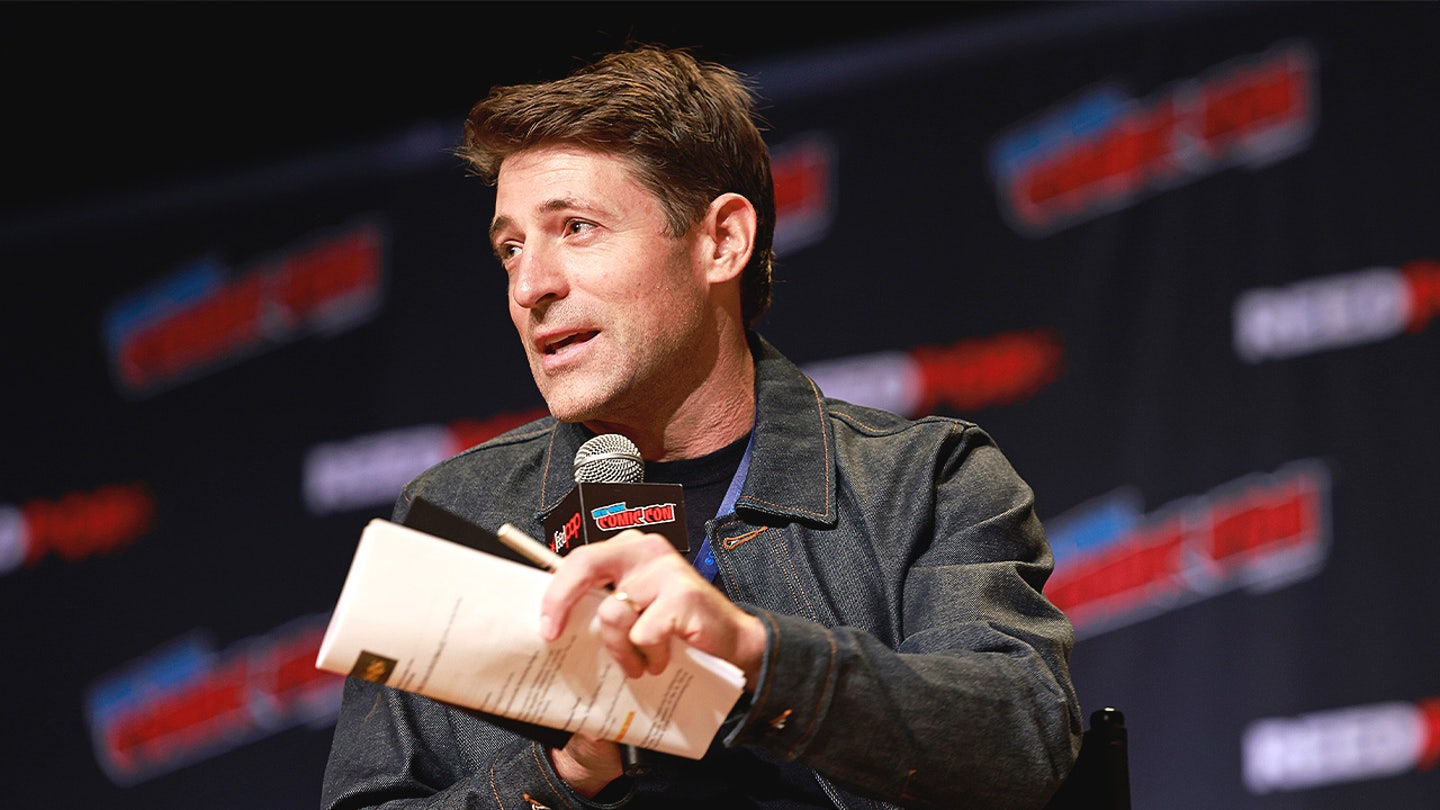
CBS host defends Trump's efforts to de-wokify the Smithsonian's presentation of US history
Entities mentioned:
- Tony Dokoupil: Professional pride, Duty, Influence
- Donald Trump: Control, Legacy, Righteousness
- Smithsonian Institution: Duty, Influence, Legacy
- White House: Control, Legacy, Influence
- Vladimir Duthiers King: Professional pride, Duty, Justice
- Gayle King: Professional pride, Duty, Justice
Article Assessment:
Credibility Score: 70/100
Bias Rating: 55/100 (Center)
Sentiment Score: 45/100
Authoritarianism Risk: 55/100 (Mixed/Neutral)
Bias Analysis:
The article presents multiple viewpoints, including those supporting and questioning Trump's directive. However, it gives slightly more space to perspectives aligning with Trump's position, potentially indicating a slight center-right lean.
Key metric: National Unity
As a social scientist, I analyze that this article highlights a growing tension in how American history is presented in national institutions. The debate centers on balancing a critical examination of historical injustices with a narrative that instills national pride. This conflict reflects broader societal divisions on how to interpret and present American history. The involvement of high-profile political figures and media personalities in this debate suggests its significance in shaping national identity and unity. The potential changes to the Smithsonian's approach could have far-reaching effects on public understanding of American history and, consequently, on national unity and identity formation.
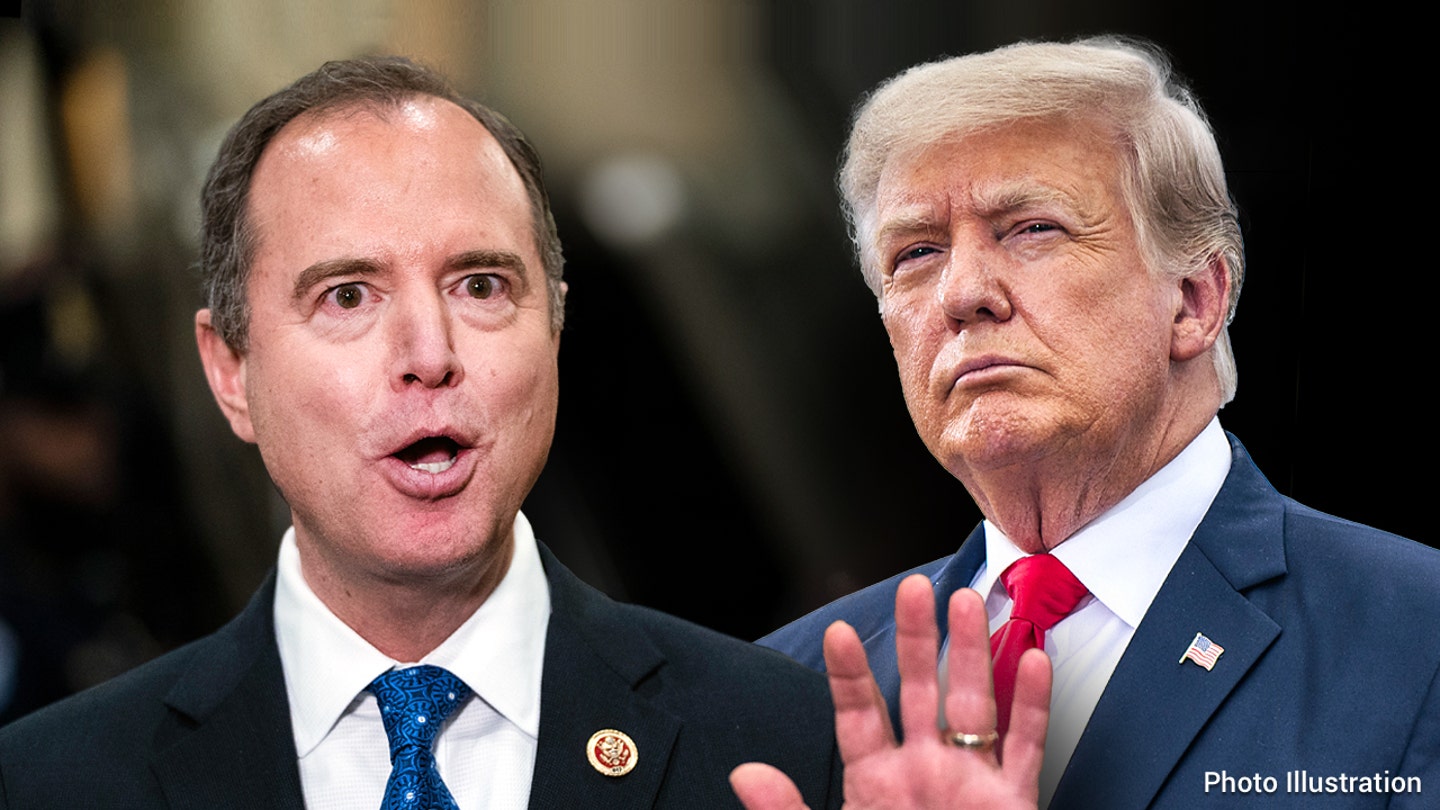
New Schiff leak claim from whistleblower echoes years of similar accusations
Entities mentioned:
- Adam Schiff: Righteousness, Power, Self-preservation
- Donald Trump: Revenge, Power, Self-preservation
- FBI: Duty, Professional pride, Control
- Kash Patel: Loyalty, Justice, Influence
- White House: Control, Influence, Power
- Democratic Party: Power, Control, Self-preservation
- Republican Party: Power, Control, Revenge
Article Assessment:
Credibility Score: 55/100
Bias Rating: 70/100 (Lean Right)
Sentiment Score: 30/100
Authoritarianism Risk: 45/100 (Mixed/Neutral)
Bias Analysis:
The article leans right, primarily due to its heavy reliance on Fox News sources and the framing of allegations against Schiff. While it includes some counterpoints, the overall tone and selection of quotes favor a conservative perspective.
Key metric: Political Polarization Index
As a social scientist, I analyze that this article highlights the ongoing political polarization in the United States, particularly surrounding the allegations against Senator Adam Schiff. The accusations of leaking classified information, if true, could significantly impact public trust in government institutions and elected officials. The back-and-forth nature of the allegations and denials between political parties further exacerbates the divide. This situation may lead to increased skepticism among the public regarding the integrity of political figures and the intelligence community, potentially affecting voter turnout and overall civic engagement. The establishment of a legal defense fund for Schiff also indicates the escalating nature of political conflicts and the financial resources being allocated to these disputes.

Six GOP-led states to send hundreds of National Guard troops to DC as White House escalates police takeover
Entities mentioned:
- Republican Governors: Loyalty, Duty, Security
- President Donald Trump: Control, Power, Security
- Mayor Muriel Bowser: Self-preservation, Freedom, Justice
- White House: Control, Power, Security
- National Guard: Duty, Obligation, Security
- DC Police: Professional pride, Duty, Security
- Protesters: Moral outrage, Freedom, Justice
Article Assessment:
Credibility Score: 75/100
Bias Rating: 45/100 (Center)
Sentiment Score: 35/100
Authoritarianism Risk: 70/100 (Authoritarian Tendencies)
Bias Analysis:
The article presents multiple viewpoints, including those of the Trump administration, local officials, and protesters. However, there is slightly more space given to critics of the federal intervention, suggesting a subtle lean towards skepticism of the administration's actions.
Key metric: Civil Liberties and Rule of Law
As a social scientist, I analyze that this article highlights a significant shift in the balance of power between federal and local authorities in Washington, DC. The deployment of National Guard troops from multiple states, at the request of the Trump administration, represents an unprecedented federal intervention in local law enforcement. This action raises concerns about the erosion of local autonomy and the potential for abuse of federal power. The stated goals of combating crime and 'beautifying' the city appear to be at odds with local crime statistics and may serve as a pretext for consolidating federal control. The lawsuit filed by DC against the federal takeover of its police department underscores the constitutional tensions at play. This situation could have far-reaching implications for federalism, civil liberties, and the separation of powers in the United States.
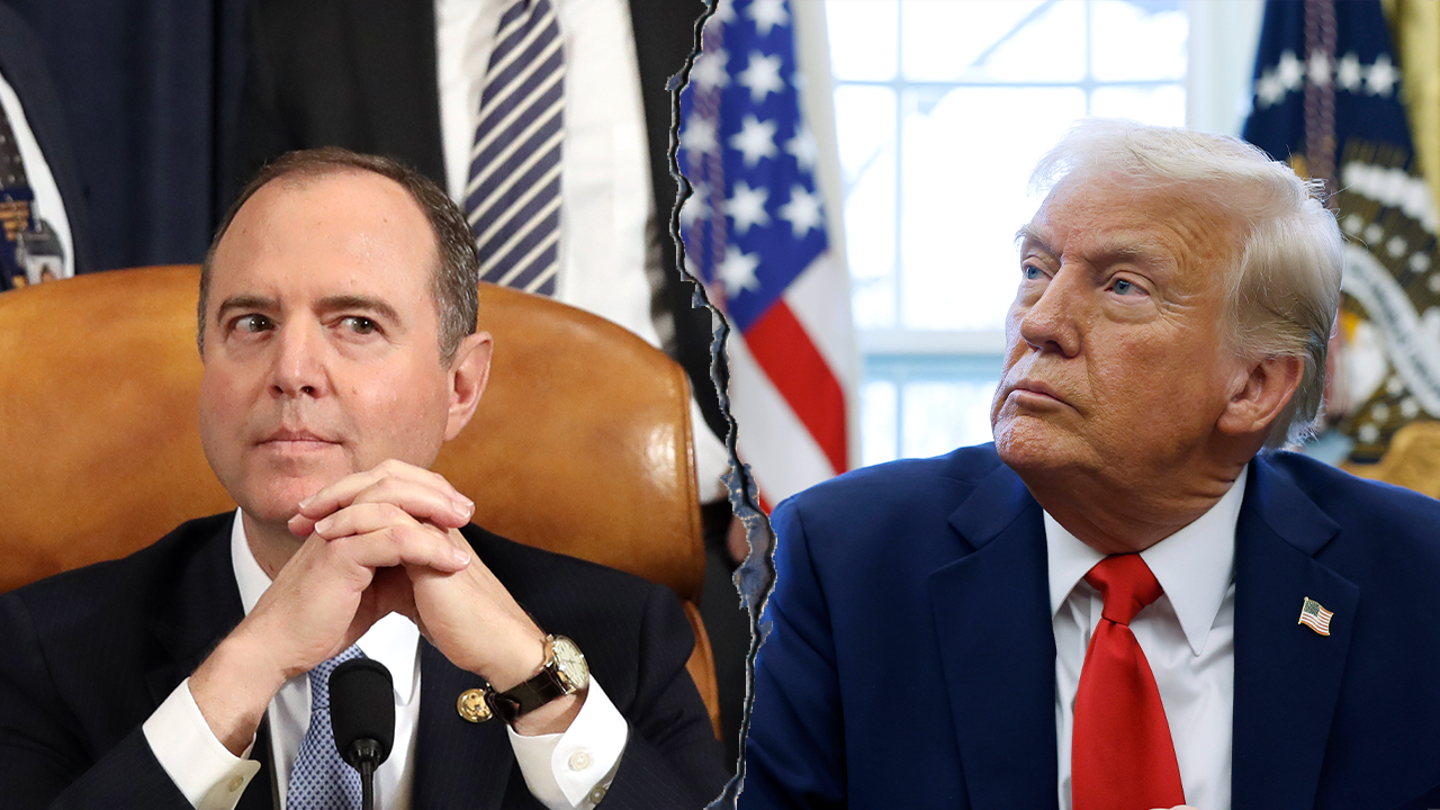
Schiff launches legal defense fund in response to claims Trump is 'weaponizing' justice system
Entities mentioned:
- Adam Schiff: Self-preservation, Justice, Professional pride
- Donald Trump: Revenge, Power, Influence
- White House: Control, Influence, Power
- FBI: Duty, Justice, Security
- Joe Biden: Power, Control, Legacy
Article Assessment:
Credibility Score: 65/100
Bias Rating: 65/100 (Lean Right)
Sentiment Score: 30/100
Authoritarianism Risk: 45/100 (Mixed/Neutral)
Bias Analysis:
The article leans right, evidenced by its heavy reliance on Trump and White House statements criticizing Schiff. While it includes Schiff's perspective, the framing and choice of details emphasize allegations against him.
Key metric: Political Polarization Index
As a social scientist, I analyze that this article highlights the ongoing political polarization in the United States. The establishment of Schiff's legal defense fund in response to alleged 'weaponization' of the justice system by Trump and his allies indicates a deepening divide between political factions. This situation likely contributes to increased distrust in governmental institutions and the justice system, potentially eroding public confidence in democratic processes. The article's focus on accusations and counter-accusations between high-profile political figures may further entrench partisan attitudes among the public, making bipartisan cooperation more challenging and potentially impacting governance effectiveness.
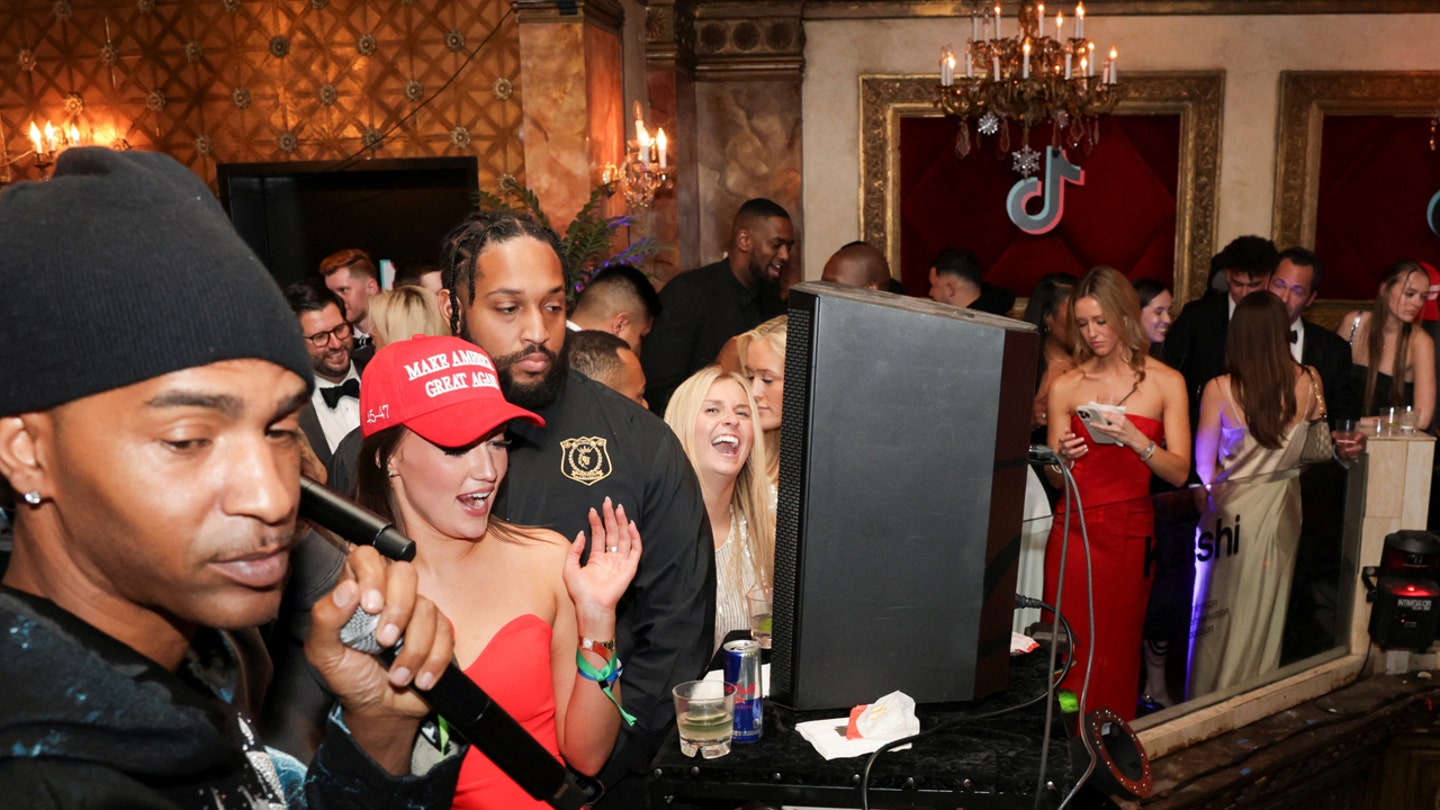
White House launches official TikTok account with Trump featured prominently in debut video
Entities mentioned:
- White House: Influence, Recognition, Ambition
- Donald Trump: Power, Influence, Recognition
- Karoline Leavitt: Duty, Loyalty, Professional pride
- Kai Trump: Recognition, Influence, Enthusiasm
- ByteDance: Self-preservation, Security, Control
- Congress: Security, Control, Duty
Article Assessment:
Credibility Score: 70/100
Bias Rating: 65/100 (Lean Right)
Sentiment Score: 65/100
Authoritarianism Risk: 35/100 (Generally Democratic)
Bias Analysis:
The article leans slightly right, focusing predominantly on Trump and his administration's perspective. While it mentions the previous ban attempt, it doesn't deeply explore opposing viewpoints or potential controversies surrounding the White House's use of TikTok.
Key metric: Political Engagement of Young Voters
As a social scientist, I analyze that the White House's adoption of TikTok represents a significant shift in political communication strategies, aimed at engaging younger demographics. This move could potentially increase political participation among Gen Z and younger Millennials, traditionally harder-to-reach voter groups. The emphasis on Trump in the debut video suggests a personalization of politics, which could either galvanize supporters or alienate critics. The apparent reversal of Trump's previous stance on TikTok raises questions about policy consistency and the influence of social media platforms on governance. This development may lead to increased scrutiny of the relationship between social media companies and government, particularly regarding data security and foreign influence.
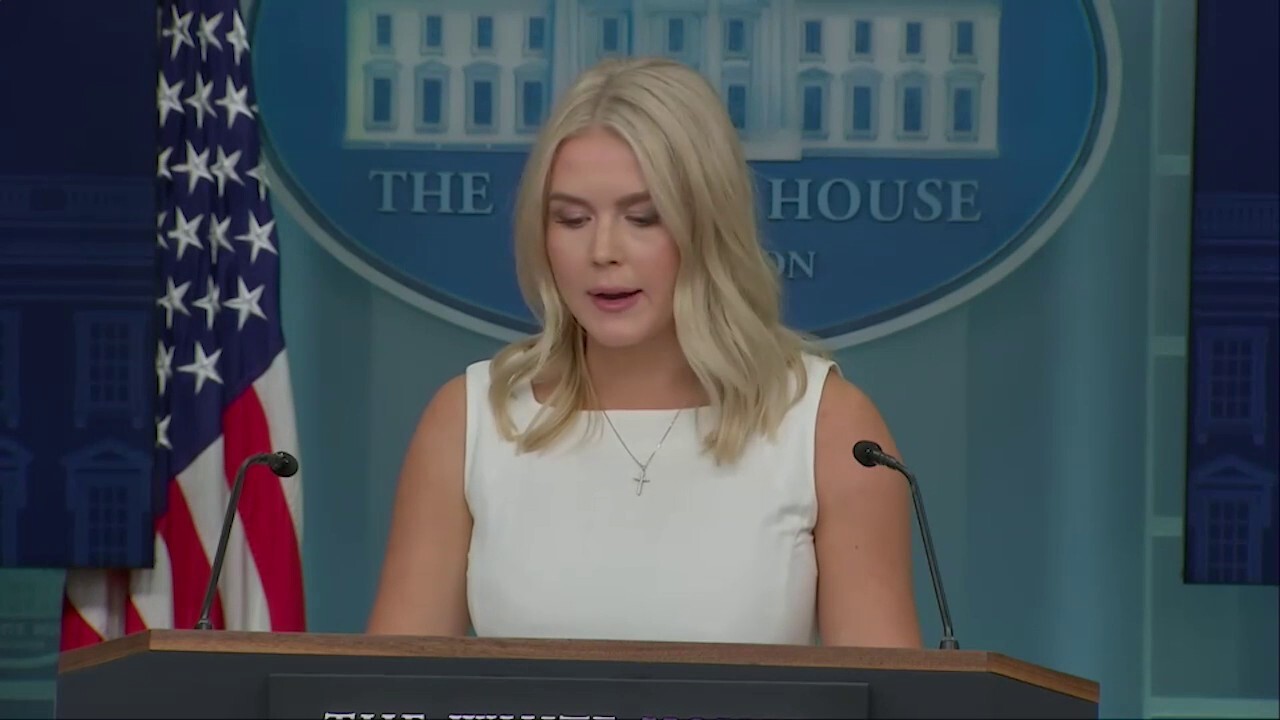
White House rejects ‘blank checks’ for Ukraine, presses NATO to shoulder costs
Entities mentioned:
- White House: Self-preservation, Control, Influence
- President Donald Trump: Ambition, Control, Influence
- Karoline Leavitt: Duty, Loyalty, Professional pride
- NATO: Security, Unity, Obligation
- Congress: Duty, Influence, Security
- JD Vance: Influence, Duty, Righteousness
- Volodymyr Zelenskyy: Self-preservation, Determination, Security
Article Assessment:
Credibility Score: 70/100
Bias Rating: 65/100 (Lean Right)
Sentiment Score: 45/100
Authoritarianism Risk: 35/100 (Generally Democratic)
Bias Analysis:
The article leans slightly right, focusing more on the Trump administration's perspective and quoting primarily Republican officials. While it includes some factual information, the framing tends to present the administration's view more prominently than alternative viewpoints.
Key metric: U.S. Military Spending
As a social scientist, I analyze that this article reflects a significant shift in U.S. foreign policy regarding military aid to Ukraine. The Trump administration is attempting to reduce direct U.S. financial involvement while maintaining support through alternative means, such as facilitating weapon sales through NATO. This approach aims to balance domestic fiscal concerns with international security commitments. The emphasis on European allies taking greater responsibility suggests a recalibration of U.S. global military engagement and spending priorities. This policy shift could have substantial implications for U.S. military spending, potentially reducing direct aid to Ukraine while promoting arms sales to NATO allies. The long-term impact on U.S. global influence and military strategy remains uncertain, as it depends on how effectively this new approach maintains stability in Eastern Europe and deters further Russian aggression.
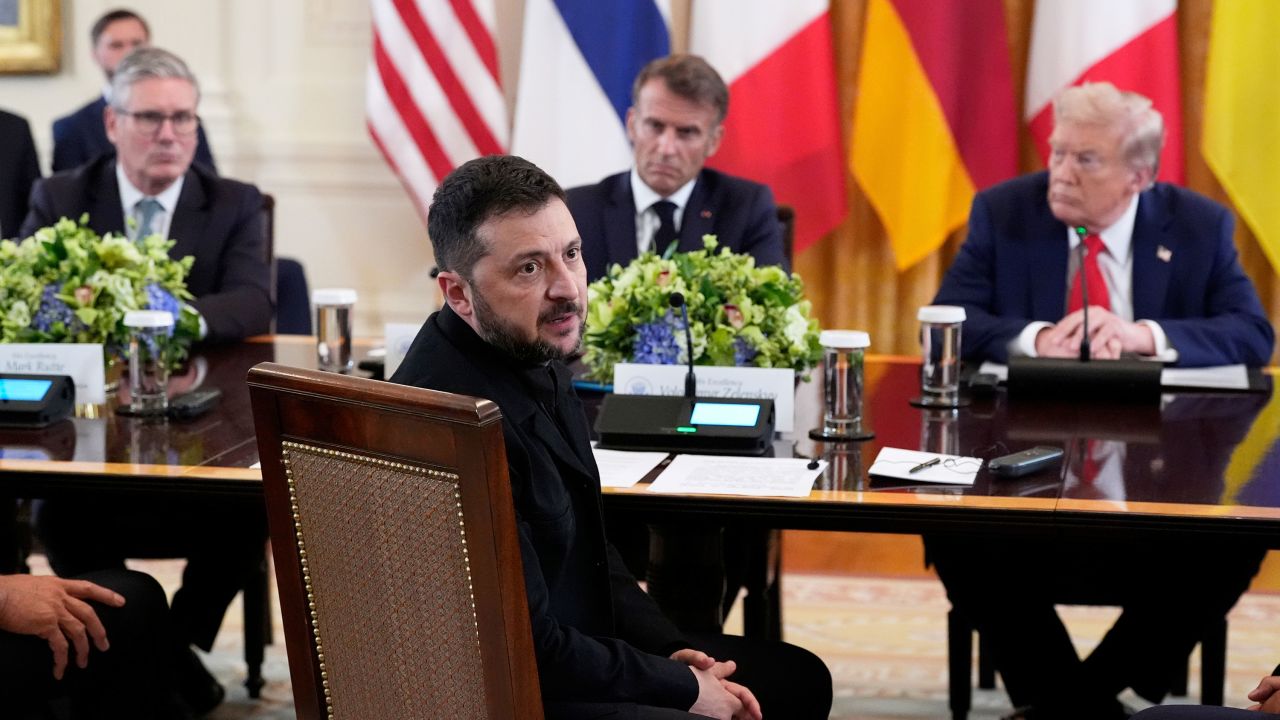
Trump changes his tone in latest meeting with Zelensky
Entities mentioned:
- Donald Trump: Power, Recognition, Control
- Volodymyr Zelensky: Duty, Unity, Self-preservation
- White House: Influence, Power, Control
Article Assessment:
Credibility Score: 65/100
Bias Rating: 50/100 (Center)
Sentiment Score: 60/100
Authoritarianism Risk: 35/100 (Generally Democratic)
Bias Analysis:
The article presents a neutral stance, focusing on the change in tone without explicit political leaning. The lack of detailed context or commentary maintains a centrist position, avoiding partisan framing.
Key metric: International Relations and Diplomacy
As a social scientist, I analyze that this meeting between Trump and Zelensky represents a shift in diplomatic tone, potentially signaling an attempt to improve US-Ukraine relations. The change from a 'contentious' February meeting to a more positive interaction suggests a strategic realignment, possibly influenced by domestic or international pressures. This shift could impact US foreign policy, particularly concerning Eastern Europe and Russia. The article's brevity limits comprehensive analysis, but the emphasis on tone change implies potential policy or strategic adjustments in the US-Ukraine relationship.
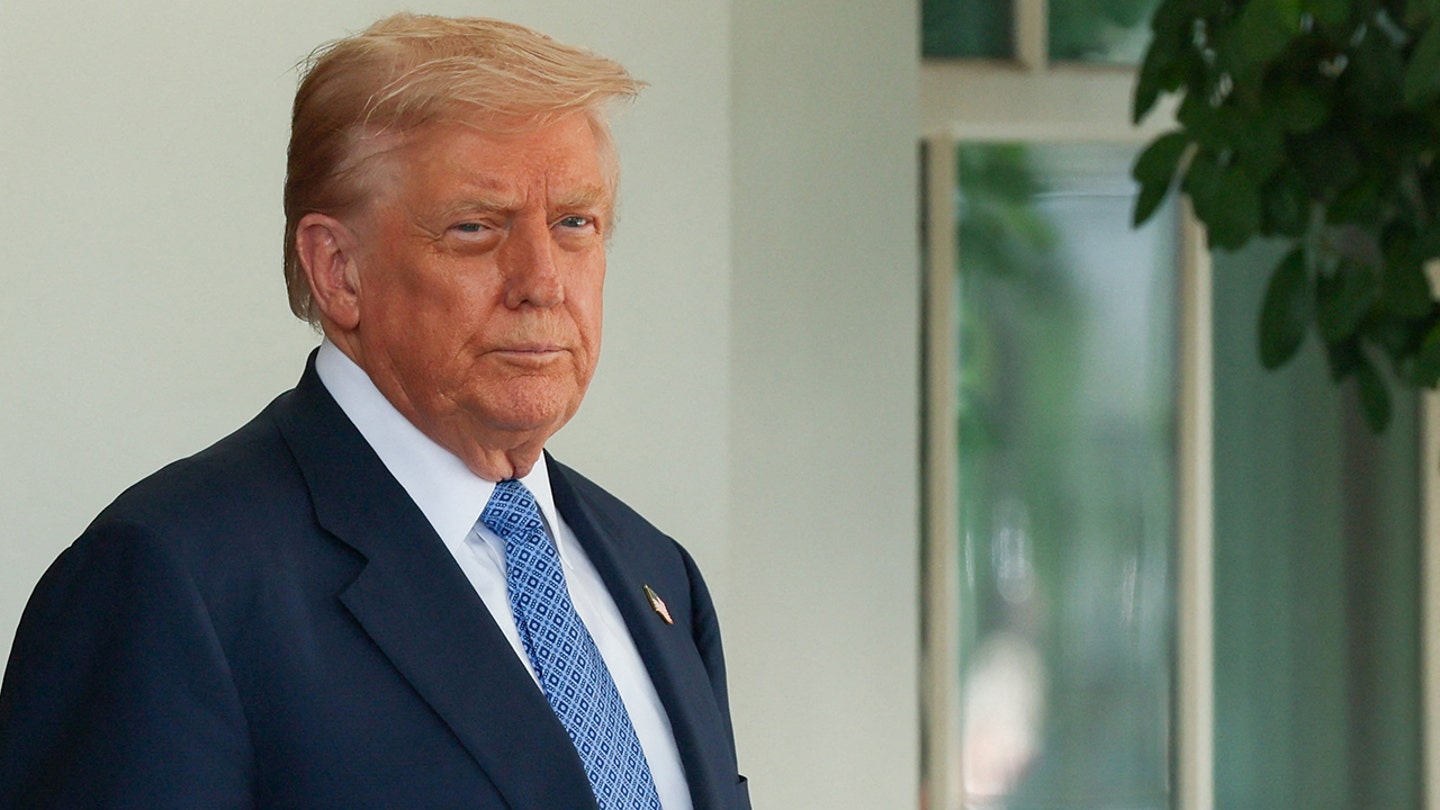
American history won't be displayed 'in a woke manner' at Smithsonian, Trump says
Entities mentioned:
- Donald Trump: Control, Patriotism, Legacy
- Smithsonian Institution: Professional pride, Duty, Obligation
- Stephen Miller: Righteousness, Loyalty, Patriotism
- JD Vance: Control, Duty, Patriotism
- White House: Control, Influence, Legacy
Article Assessment:
Credibility Score: 70/100
Bias Rating: 65/100 (Lean Right)
Sentiment Score: 35/100
Authoritarianism Risk: 65/100 (Authoritarian Tendencies)
Bias Analysis:
The article leans slightly right, giving more space to Trump administration views and using terms like 'woke' without critique. However, it does include some balance by quoting the Smithsonian's response and mentioning opposing viewpoints.
Key metric: National Unity
As a social scientist, I analyze that this article highlights a growing tension between political ideology and historical representation in national institutions. The Trump administration's push for 'fair' and 'accurate' representation of American history at the Smithsonian appears to be an attempt to reshape the narrative of national identity. This intervention in cultural institutions could significantly impact national unity by potentially polarizing public opinion on how American history should be presented. The administration's focus on 'American exceptionalism' and removal of 'divisive narratives' suggests a desire to promote a more positive, patriotic view of American history, which could either unite or divide the population depending on individual perspectives on historical interpretation.