
‘Chaos, fear and confusion’: Trump-backed crackdown hits DC’s homeless population
Entities mentioned:
- Donald Trump: Power, Control, Influence
- Amber Harding: Justice, Duty, Moral outrage
- Heather Bernard: Self-preservation, Freedom, Self-respect
- Muriel Bowser: Duty, Self-preservation, Wariness
- Charles Allen: Concern, Duty, Wariness
- Karoline Leavitt: Loyalty, Duty, Control
- Edward Wycoff: Justice, Concern, Professional pride
- Isis Burnette: Self-preservation, Freedom, Self-respect
Article Assessment:
Credibility Score: 75/100
Bias Rating: 40/100 (Lean Left)
Sentiment Score: 30/100
Authoritarianism Risk: 65/100 (Authoritarian Tendencies)
Bias Analysis:
The article leans slightly left, giving more voice to homeless advocates and individuals than to supporters of the crackdown. However, it does include perspectives from both sides and provides factual context.
Key metric: Homelessness Rate
As a social scientist, I analyze that this article highlights the complex interplay between federal and local governance in addressing homelessness in Washington, D.C. The Trump administration's aggressive approach to clearing homeless encampments is creating tension with local officials and advocacy groups. This policy shift risks disrupting existing support systems and potentially criminalizing homelessness, which could lead to increased homelessness rates and reduced access to services. The article illustrates the challenges of balancing public safety concerns with the rights and needs of homeless individuals, and the potential consequences of a top-down, enforcement-heavy approach to a complex social issue.
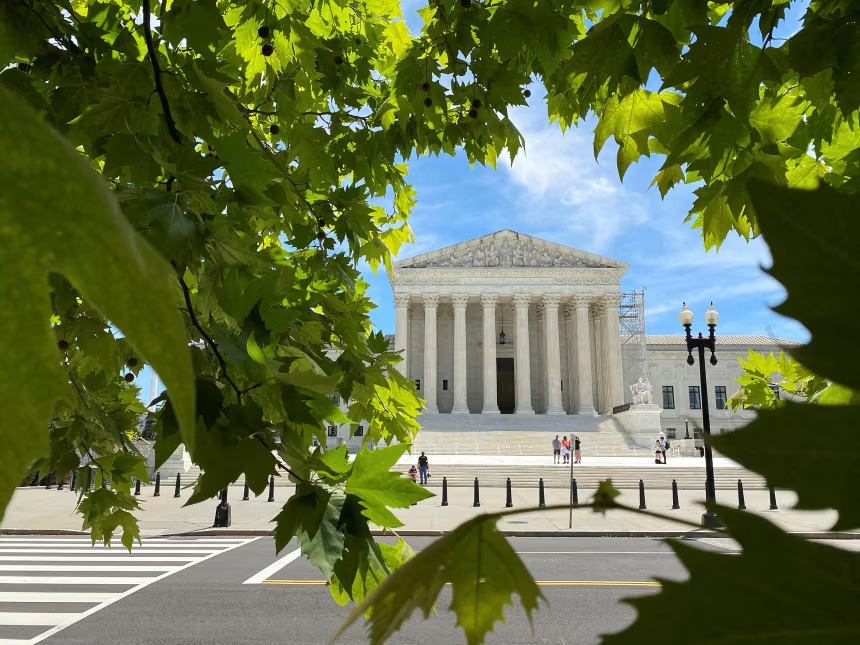
Mississippi may require age verification, parental consent for social media, Supreme Court says
Entities mentioned:
- Supreme Court: Justice, Duty, Influence
- Mississippi: Protection, Control, Moral outrage
- Social Media Companies: Self-preservation, Freedom, Influence
- Justice Brett Kavanaugh: Duty, Wariness, Professional pride
- Electronic Frontier Foundation: Freedom, Justice, Protection
- LGBTQ advocacy groups: Protection, Freedom, Justice
Article Assessment:
Credibility Score: 75/100
Bias Rating: 45/100 (Center)
Sentiment Score: 40/100
Authoritarianism Risk: 55/100 (Mixed/Neutral)
Bias Analysis:
The article presents multiple viewpoints, including those of the state, tech companies, and advocacy groups. It provides context and background, showing a relatively balanced approach to reporting the issue.
Key metric: Online Privacy and Child Safety
As a social scientist, I analyze that this case represents a significant clash between state efforts to protect minors online and concerns over First Amendment rights and internet freedom. The Supreme Court's decision to allow Mississippi to enforce its age verification law for social media platforms marks a potential shift in how online spaces are regulated, particularly concerning minors. This could have far-reaching implications for internet usage, privacy, and the autonomy of young people online. The case highlights the ongoing struggle to balance child safety with free speech and access to information, especially for vulnerable groups like LGBTQ youth. The court's decision, while temporary, may encourage other states to pursue similar legislation, potentially leading to a patchwork of regulations across the country and challenges for both users and tech companies in compliance.
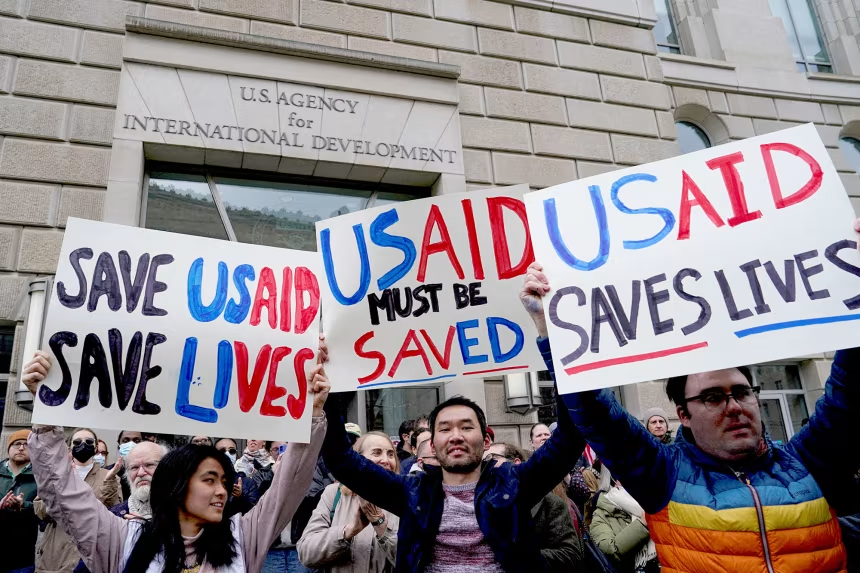
Appeals court allows Trump to continue ending foreign aid grants
Entities mentioned:
- President Donald Trump: Power, Control, Influence
- US DC Circuit Court of Appeals: Duty, Justice, Obligation
- Congress: Power, Control, Obligation
- State Department: Duty, Obligation, Influence
- USAID: Duty, Obligation, Professional pride
- Judge Karen Henderson: Duty, Justice, Professional pride
- Lauren Bateman: Justice, Moral outrage, Duty
- Judge Greg Katsas: Duty, Loyalty, Professional pride
- Judge Florence Pan: Justice, Moral outrage, Duty
- Steve Vladeck: Justice, Professional pride, Moral outrage
Article Assessment:
Credibility Score: 75/100
Bias Rating: 55/100 (Center)
Sentiment Score: 35/100
Authoritarianism Risk: 65/100 (Authoritarian Tendencies)
Bias Analysis:
The article presents multiple viewpoints, including the court's decision, dissenting opinion, and expert commentary. While it leans slightly towards criticism of the ruling, it provides factual information about the decision and its potential impacts.
Key metric: Separation of Powers Index
As a social scientist, I analyze that this court ruling significantly impacts the balance of power between the executive and legislative branches of the US government. By limiting the ability to challenge presidential budget decisions to only the Comptroller General, the court has potentially increased executive power at the expense of legislative oversight. This could lead to a shift in the Separation of Powers Index, potentially weakening checks and balances. The decision may also have far-reaching consequences for foreign aid distribution, potentially affecting US soft power and global health initiatives. The dissenting opinion and expert commentary suggest that this ruling could be seen as a departure from established constitutional norms, which may lead to further legal challenges or attempts to address this through legislation.
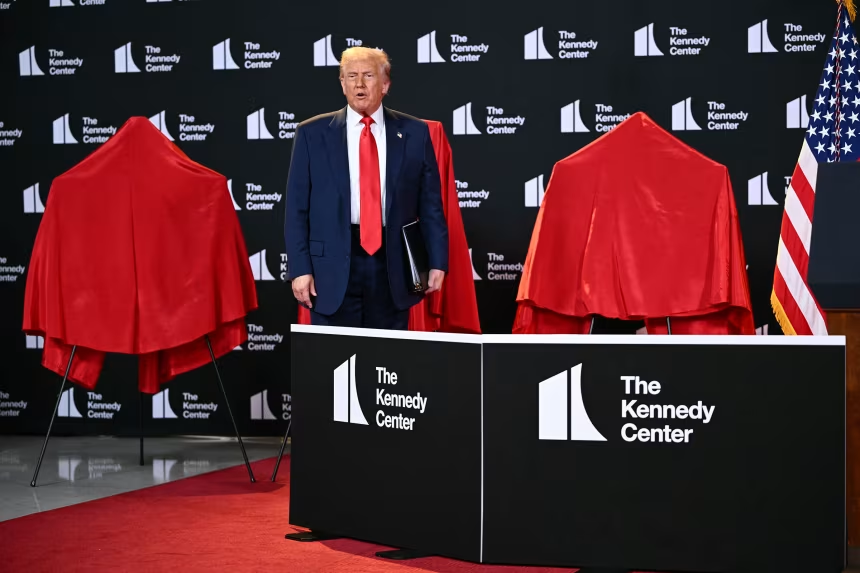
Trump announces Kennedy Center honorees as he tries to put his stamp on DC
Entities mentioned:
- Donald Trump: Power, Control, Legacy
- Kennedy Center: Professional pride, Influence, Recognition
- Republican Party: Loyalty, Power, Control
- Democratic Party: Righteousness, Moral outrage, Resistance
- Washington, DC: Self-preservation, Freedom, Unity
Article Assessment:
Credibility Score: 70/100
Bias Rating: 45/100 (Center)
Sentiment Score: 35/100
Authoritarianism Risk: 65/100 (Authoritarian Tendencies)
Bias Analysis:
The article presents a balanced view of events, including both Trump's actions and criticisms from opponents. While it leans slightly towards emphasizing concerns about Trump's interventions, it also includes his justifications and supporters' viewpoints.
Key metric: Government Control Over Cultural Institutions
As a social scientist, I analyze that this article highlights a significant shift in the relationship between the federal government and cultural institutions in Washington, DC. Trump's aggressive moves to exert control over the Kennedy Center and other DC institutions represent an unprecedented level of federal intervention in traditionally independent cultural spaces. This could have far-reaching implications for artistic freedom, cultural expression, and the separation of politics from the arts. The article suggests a potential politicization of cultural institutions, which may lead to changes in programming, funding, and leadership that align more closely with the current administration's ideology. This shift could impact the diversity of artistic voices and perspectives represented in these institutions, potentially altering the cultural landscape of the nation's capital and, by extension, the country.
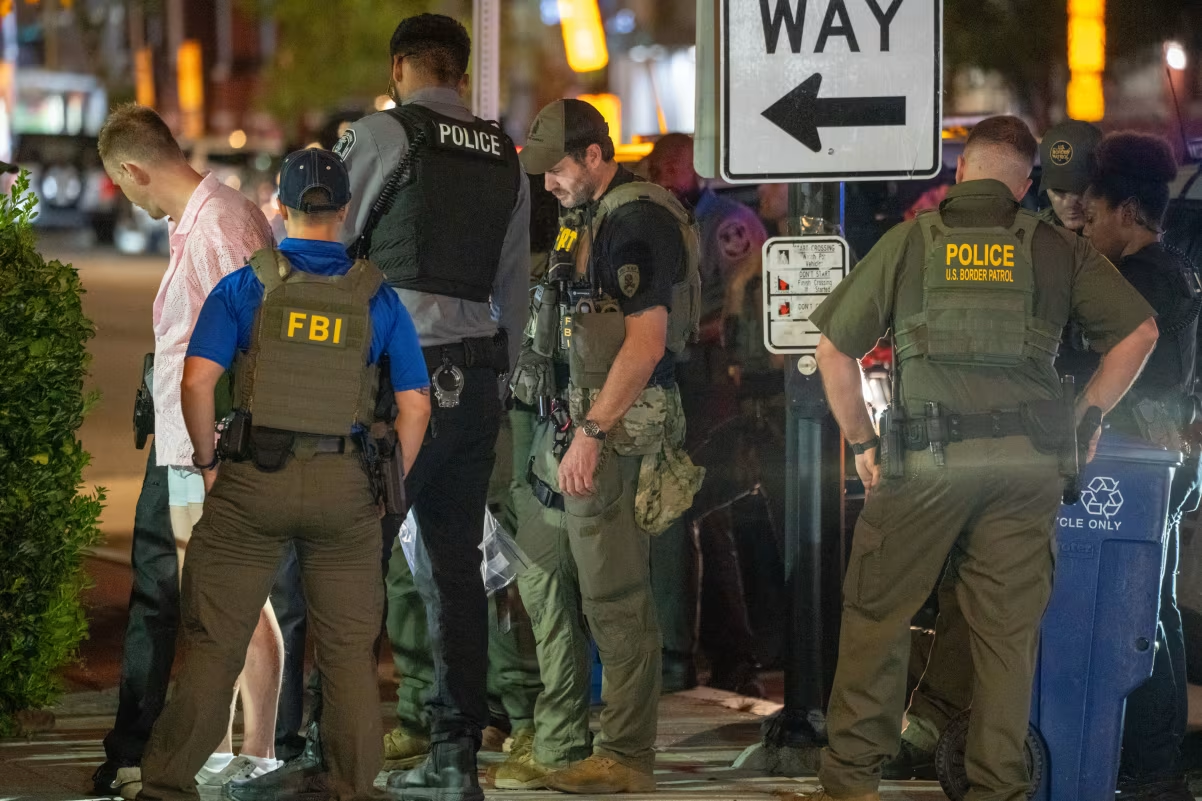
Man charged with felony for allegedly throwing sandwich at federal law enforcement officer in DC
Entities mentioned:
- Sean Charles Dunn: Moral outrage, Indignation, Self-respect
- Pam Bondi: Power, Control, Professional pride
- Donald Trump: Power, Control, Security
- Jeanine Pirro: Loyalty, Righteousness, Power
- Abigail Jackson: Duty, Loyalty, Professional pride
Article Assessment:
Credibility Score: 70/100
Bias Rating: 65/100 (Lean Right)
Sentiment Score: 30/100
Authoritarianism Risk: 65/100 (Authoritarian Tendencies)
Bias Analysis:
The article leans slightly right due to its emphasis on law enforcement perspectives and inclusion of quotes from Trump administration officials. While it includes some context about crime statistics, it doesn't provide balanced viewpoints from critics of the increased federal presence.
Key metric: Public Trust in Government Institutions
As a social scientist, I analyze that this incident reflects growing tensions between federal authorities and citizens, particularly in the context of increased federal law enforcement presence in Washington, DC. The disproportionate response to a relatively minor incident (throwing a sandwich) with a felony charge and immediate termination of employment suggests an escalation in the government's approach to dissent. This could lead to a chilling effect on free speech and protest, potentially eroding public trust in government institutions. The framing of the incident as part of a 'Deep State' narrative by high-ranking officials further polarizes the situation and may contribute to increased societal divisions.
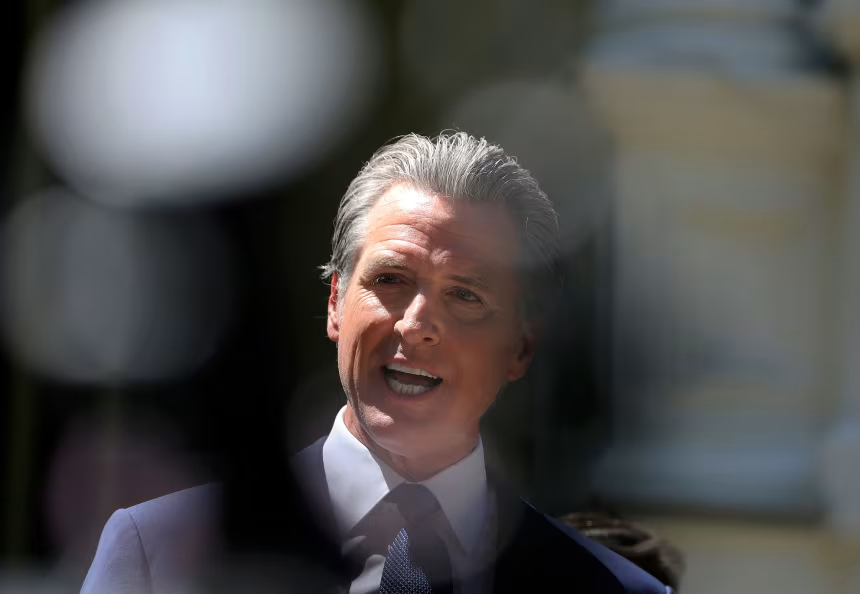
Newsom’s California redistricting push sets up a standoff with Republican-led opposition
Entities mentioned:
- Gavin Newsom: Power, Justice, Determination
- Donald Trump: Power, Control, Competitive spirit
- Greg Abbott: Power, Competitive spirit, Loyalty
- Arnold Schwarzenegger: Justice, Legacy, Righteousness
- Charles Munger Jr.: Justice, Influence, Determination
- Common Cause: Justice, Influence, Wariness
- League of Women Voters: Justice, Unity, Moral outrage
- Steve Hilton: Ambition, Justice, Competitive spirit
- Kevin Kiley: Justice, Self-preservation, Duty
Article Assessment:
Credibility Score: 75/100
Bias Rating: 55/100 (Center)
Sentiment Score: 35/100
Authoritarianism Risk: 45/100 (Mixed/Neutral)
Bias Analysis:
The article presents multiple viewpoints and includes quotes from various stakeholders, indicating an attempt at balance. However, there's slightly more space given to Democratic perspectives and framing of the issue as a response to Republican actions.
Key metric: Electoral Fairness and Representation
As a social scientist, I analyze that this article highlights a significant political conflict over redistricting in California, with potential national implications. Governor Newsom's push to redraw congressional maps is presented as a response to Republican-led efforts in other states, particularly Texas. This creates a tension between maintaining California's independent redistricting commission and strategically countering perceived gerrymandering elsewhere. The involvement of various political figures, advocacy groups, and potential legal challenges underscores the complexity of the issue. The debate touches on core democratic principles such as fair representation and the balance of power between state and federal governments. The potential impact on future elections and party control in Congress makes this a critical issue for electoral fairness and representation across the United States.
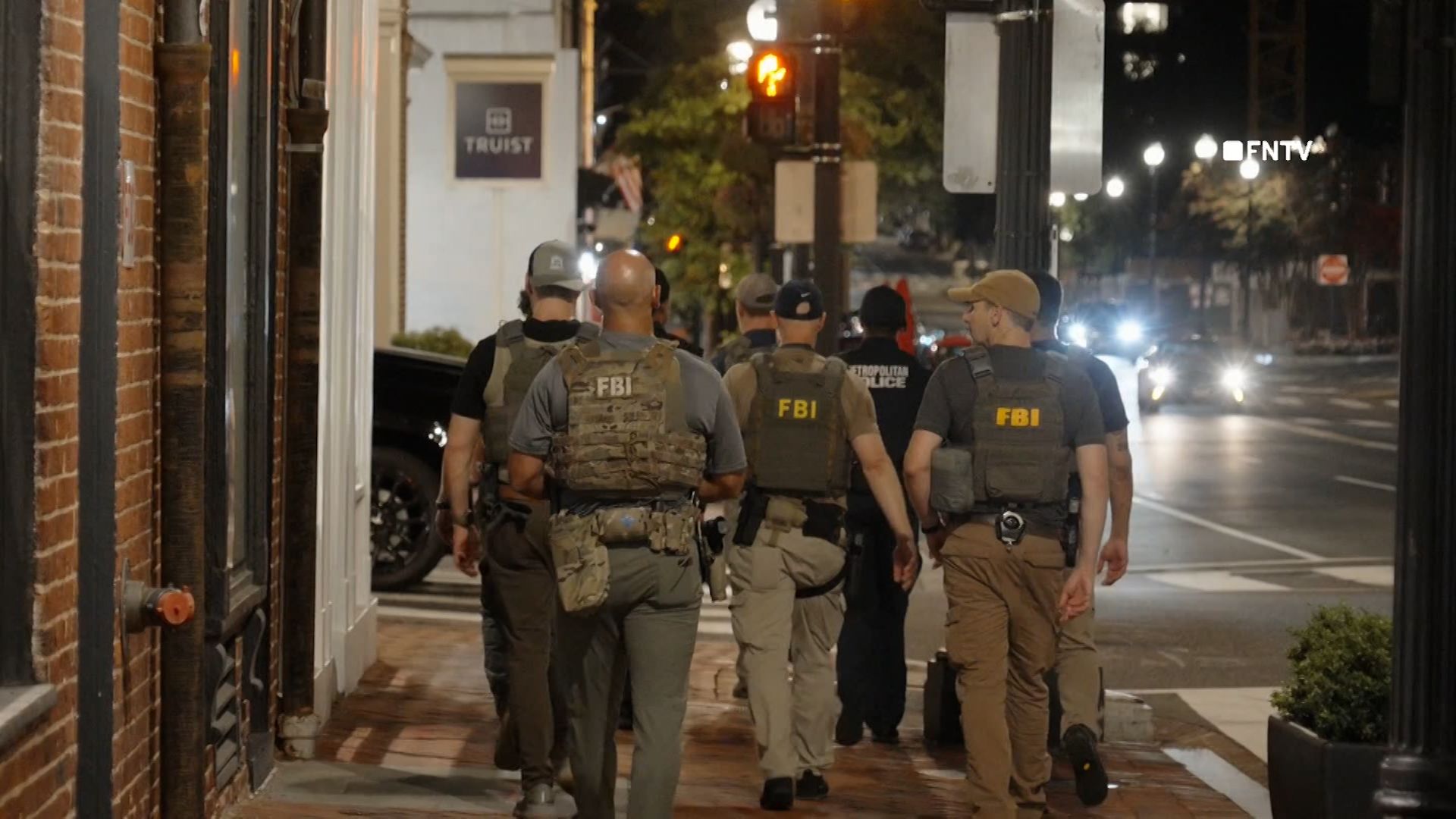
Crowd in DC outraged by federal law enforcement presence as cars stopped on busy street
Entities mentioned:
- Washington, DC police: Duty, Control, Security
- Federal agents: Control, Security, Duty
- President Donald Trump: Power, Control, Security
- Local community members: Moral outrage, Indignation, Freedom
- National Guard: Duty, Security, Control
- White House official: Loyalty, Duty, Control
- Homeland Security Investigations: Security, Control, Duty
- Enforcement and Removal Operations (ICE): Control, Security, Duty
- Mara Lasko (local resident): Moral outrage, Indignation, Freedom
- Mayor Muriel Bowser: Security, Unity, Duty
Article Assessment:
Credibility Score: 75/100
Bias Rating: 45/100 (Center)
Sentiment Score: 35/100
Authoritarianism Risk: 65/100 (Authoritarian Tendencies)
Bias Analysis:
The article presents multiple perspectives, including those of protesters, local residents, and officials. While it leans slightly towards portraying community concerns, it also includes statements from White House and law enforcement sources.
Key metric: Civil Liberties and Rule of Law
As a social scientist, I analyze that this article highlights a significant tension between federal law enforcement actions and local community reactions in Washington, DC. The increased presence of federal agents and checkpoints in residential areas represents a potential infringement on civil liberties and local autonomy. This situation risks eroding trust between law enforcement and communities, potentially leading to increased social unrest. The federal takeover of local policing, justified by claims of high crime rates (which the article notes have actually decreased), raises concerns about the balance of power between federal and local authorities. This could have long-term implications for democratic governance and the rule of law in the United States.
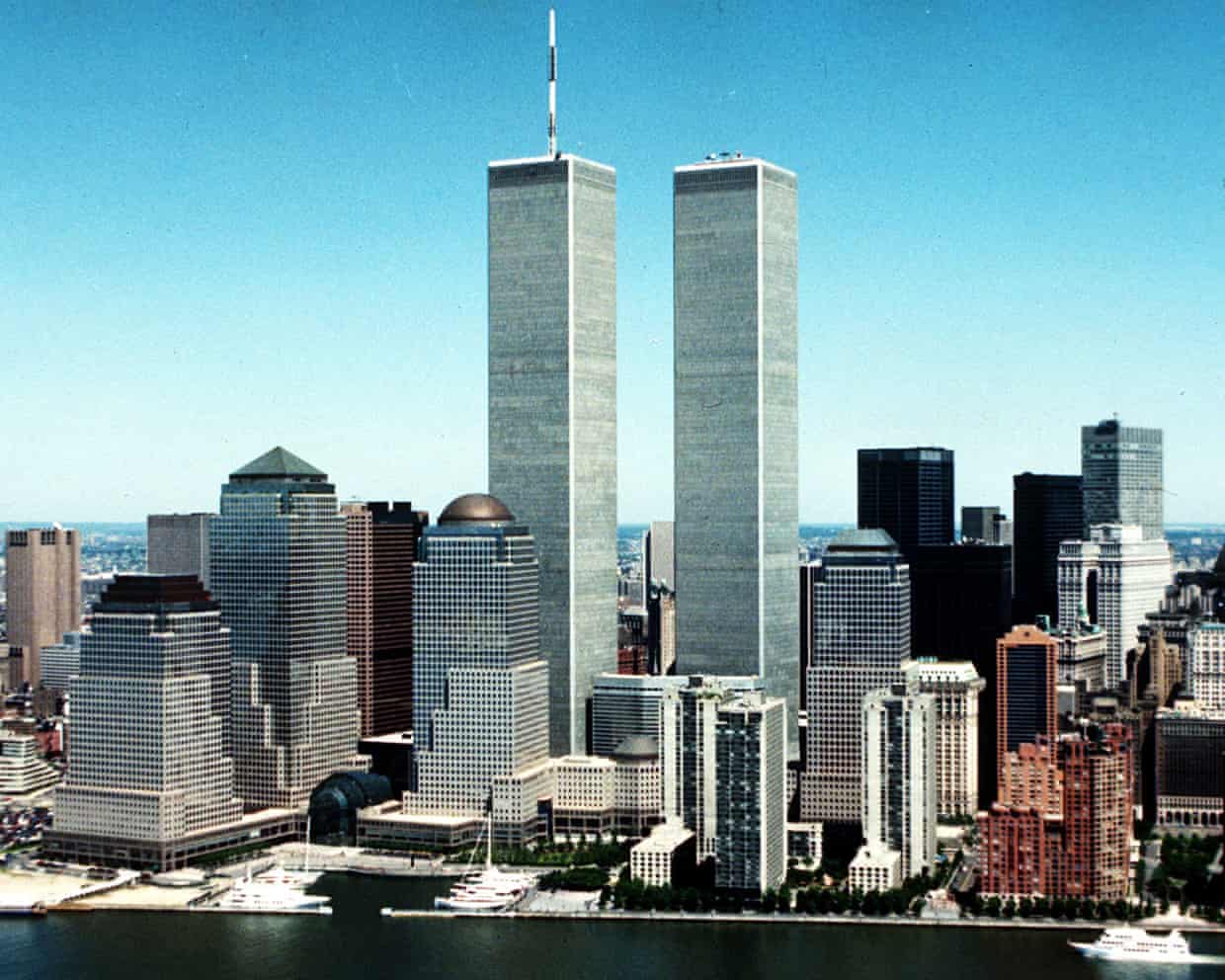
‘Looming over the city like gods’: the men who changed New York for better and worse
Entities mentioned:
- Jonathan Mahler: Curiosity, Professional pride, Legacy
- Ed Koch: Ambition, Pride, Legacy
- Rudy Giuliani: Ambition, Power, Control
- David Dinkins: Justice, Unity, Legacy
- Donald Trump: Power, Recognition, Greed
- Al Sharpton: Justice, Influence, Recognition
- Larry Kramer: Moral outrage, Justice, Determination
- Linda Fairstein: Justice, Professional pride, Revenge
Article Assessment:
Credibility Score: 75/100
Bias Rating: 45/100 (Center)
Sentiment Score: 50/100
Authoritarianism Risk: 25/100 (Generally Democratic)
Bias Analysis:
The article presents a balanced view of historical events and figures, offering both positive and negative aspects of key personalities. While it leans slightly left in its framing of social issues, it maintains a generally neutral tone in its historical analysis.
Key metric: Urban Social Cohesion
As a social scientist, I analyze that this article provides a comprehensive historical overview of New York City's political and social landscape from 1986 to 1990, drawing parallels to current issues. The narrative highlights the cyclical nature of urban challenges, particularly focusing on political power dynamics, racial tensions, and economic disparities. The author's examination of key figures like Ed Koch, Rudy Giuliani, and Donald Trump illustrates how personal ambitions and the pursuit of attention can shape a city's trajectory. The article underscores the complexities of urban governance, showing how leaders' decisions can have long-lasting impacts on social cohesion and economic development. This historical perspective offers valuable insights into the ongoing challenges of maintaining social unity and equitable progress in large, diverse urban centers.

‘A literal gut punch’: Missouri workers devastated by Republican repeal of paid sick leave
Entities mentioned:
- Bill Thompson: Self-preservation, Justice, Moral outrage
- Missouri Republicans: Power, Control, Loyalty
- Missouri chamber of commerce and industry: Greed, Influence, Control
- Richard Eiker: Justice, Moral outrage, Self-preservation
- Richard von Glahn: Justice, Moral outrage, Influence
- Mike Kehoe: Loyalty, Power, Control
- Ray McCarty: Influence, Greed, Self-preservation
Article Assessment:
Credibility Score: 75/100
Bias Rating: 35/100 (Lean Left)
Sentiment Score: 25/100
Authoritarianism Risk: 40/100 (Generally Democratic)
Bias Analysis:
The article leans left in its framing, focusing primarily on the perspectives of workers and labor advocates. While it includes some opposing viewpoints, they are given less prominence and depth compared to pro-worker arguments.
Key metric: Labor Force Participation Rate
As a social scientist, I analyze that the repeal of the paid sick leave mandate in Missouri will likely have a negative impact on the Labor Force Participation Rate. The article highlights how the lack of paid sick leave forces workers to choose between their health and financial stability, potentially leading to reduced workforce participation, especially among vulnerable populations. The repeal may disproportionately affect lower-income workers, women, and those with health issues or caregiving responsibilities. This could result in increased absenteeism, lower productivity, and higher turnover rates, all of which can contribute to a decrease in overall labor force participation. The strong public support for the original mandate (58% approval) suggests that a significant portion of the workforce recognizes the importance of paid sick leave, and its repeal may lead to dissatisfaction and potential labor disputes. The article also points to research showing that paid sick leave policies can improve workforce participation, particularly for women, which further supports the potential negative impact of this repeal on the Labor Force Participation Rate.

Trump Condemns Vance Boelter’s Incomplete Hit List
Entities mentioned:
- Trump: Power, Influence, Self-preservation
- Vance Boelter: Revenge, Moral outrage, Control
Article Assessment:
Credibility Score: 20/100
Bias Rating: 50/100 (Center)
Sentiment Score: 60/100
Authoritarianism Risk: 20/100 (Strongly Democratic)
Bias Analysis:
The content shows no clear political bias as it's a non-political horoscope. The misleading title could be seen as an attempt at clickbait, but without clear partisan lean.
Key metric: Political Stability
As a social scientist, I analyze that this article is actually not a news piece, but rather a horoscope for Leo. The title mentioning Trump and Vance Boelter appears to be unrelated to the content. The horoscope itself is humorous and not serious. This mismatch between title and content raises significant concerns about the credibility and purpose of the piece. It does not impact any real US performance metrics or political stability.