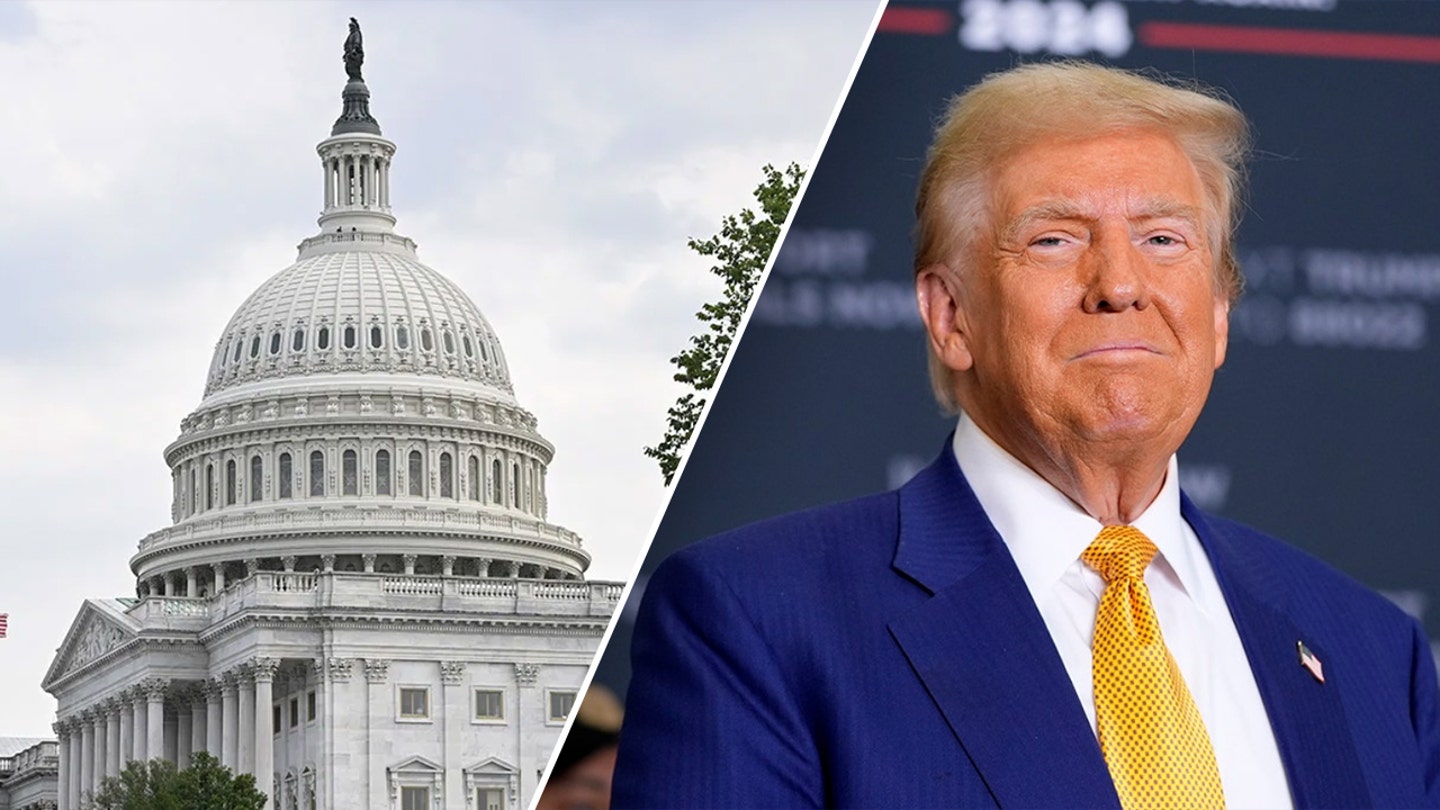
Conservative roadmap targets Medicaid, student loans for Trump's 'big, beautiful' sequel
Entities mentioned:
- Economic Policy Innovation Center (EPIC): Influence, Competitive spirit, Righteousness
- Republican Party: Power, Control, Righteousness
- Donald Trump: Legacy, Power, Ambition
- Democratic Party: Justice, Moral outrage, Self-preservation
- Paul Winfree: Influence, Professional pride, Ambition
- Brittany Madni: Professional pride, Influence, Duty
- Mike Johnson: Ambition, Power, Loyalty
Article Assessment:
Credibility Score: 70/100
Bias Rating: 65/100 (Lean Right)
Sentiment Score: 55/100
Authoritarianism Risk: 40/100 (Generally Democratic)
Bias Analysis:
The article leans right due to its primary focus on conservative policy proposals and reliance on conservative sources. While it mentions Democratic opposition, it provides more detailed coverage of Republican perspectives and strategies.
Key metric: Federal Budget Deficit
As a social scientist, I analyze that this article highlights a significant push by conservative groups to influence future Republican policy-making, particularly focusing on fiscal reforms and social conservative priorities. The proposed changes to Medicaid, student loans, and other federal programs could substantially impact the federal budget deficit. The emphasis on using budget reconciliation to achieve these goals suggests a strategy to bypass potential Democratic opposition, which could lead to more partisan policy-making and potentially increase political polarization. The focus on social conservative issues like abortion and transgender rights indicates an attempt to merge fiscal policy with cultural wedge issues, which could further divide the electorate and impact future elections.

Kristi Noem reveals striking new layer in Trump’s border wall strategy
Entities mentioned:
- Kristi Noem: Duty, Loyalty, Security
- Donald Trump: Control, Security, Influence
- Border Patrol: Duty, Security, Professional pride
- Walter Slosar: Security, Professional pride, Duty
- Biden administration: Righteousness, Moral outrage, Obligation
Article Assessment:
Credibility Score: 65/100
Bias Rating: 75/100 (Lean Right)
Sentiment Score: 70/100
Authoritarianism Risk: 65/100 (Authoritarian Tendencies)
Bias Analysis:
The article leans right, presenting the Trump administration's border policies in a positive light while criticizing the Biden administration. It relies heavily on statements from officials aligned with the current administration, offering limited counterpoints or alternative perspectives.
Key metric: Immigration and Border Security
As a social scientist, I analyze that this article highlights a significant shift in border security policy under the Trump administration. The decision to paint the border wall black represents a hardening of physical deterrents, while the reported decrease in apprehensions and 'gotaways' suggests increased effectiveness of enforcement measures. The stark contrast drawn between current policies and those of the Biden administration implies a narrative of improved security and law enforcement morale. However, this approach may exacerbate tensions surrounding immigration policy and human rights concerns. The emphasis on physical barriers and stricter enforcement could impact diplomatic relations with neighboring countries and influence public perception of immigrants. The long-term socioeconomic effects of these policies on both sides of the border warrant careful consideration.
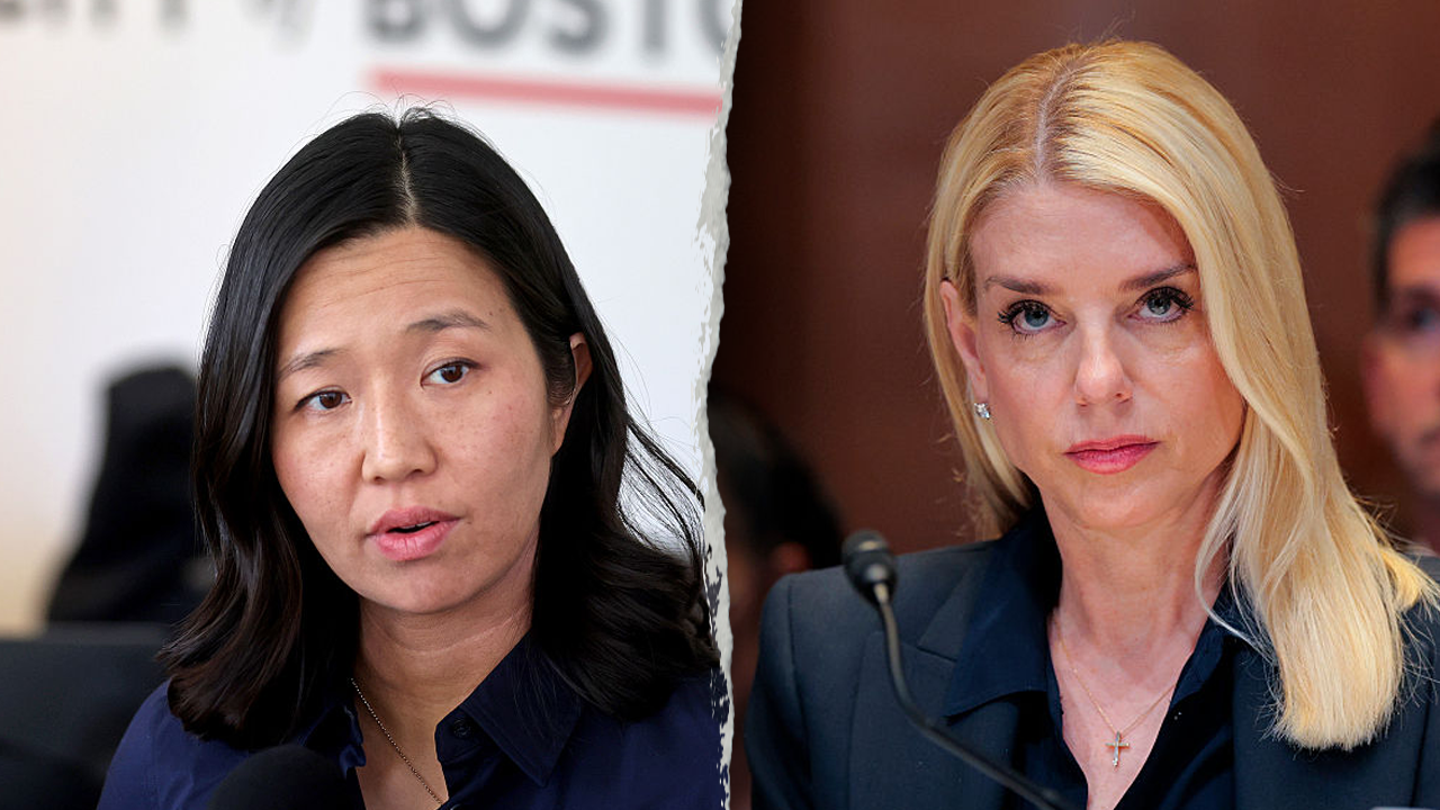
Boston’s Wu fires back at Bondi, citing Revolution, as other cities slam feds over ‘sanctuary’ warnings
Entities mentioned:
- Michelle Wu: Righteousness, Moral outrage, Determination
- Pam Bondi: Control, Power, Duty
- Trump administration: Control, Power, Fear
- Bob Ferguson: Righteousness, Determination, Loyalty
- William Tong: Justice, Determination, Duty
- Renee Garcia: Duty, Wariness, Professional pride
Article Assessment:
Credibility Score: 70/100
Bias Rating: 35/100 (Lean Left)
Sentiment Score: 30/100
Authoritarianism Risk: 45/100 (Mixed/Neutral)
Bias Analysis:
The article leans left in its framing, giving more space and detail to the arguments of Democratic leaders opposing the Trump administration's policies. While it includes some opposing viewpoints, the tone and selection of quotes favor the sanctuary city perspective.
Key metric: Immigration Enforcement Cooperation
As a social scientist, I analyze that this article highlights the growing tension between federal and local governments regarding immigration enforcement policies. The conflict centers on 'sanctuary city' policies, which limit local cooperation with federal immigration authorities. This disagreement impacts the key metric of Immigration Enforcement Cooperation, as it demonstrates a significant rift in how different levels of government approach immigration issues. The strong pushback from city and state leaders against federal threats suggests a potential decrease in local-federal cooperation on immigration matters, which could lead to reduced effectiveness of federal immigration policies and increased protection for undocumented immigrants in certain jurisdictions. This conflict also underscores broader issues of federalism and the balance of power between state and federal governments in the United States.

Kristi Noem: Sen. Padilla Had Even Deadlier Opinion That Failed To Go Off
Entities mentioned:
- Kristi Noem: Self-preservation, Control, Fear
- Alex Padilla: Righteousness, Moral outrage, Duty
- Homeland Security: Control, Security, Power
- Federal agents: Duty, Security, Professional pride
Article Assessment:
Credibility Score: 30/100
Bias Rating: 35/100 (Lean Left)
Sentiment Score: 25/100
Authoritarianism Risk: 70/100 (Authoritarian Tendencies)
Bias Analysis:
The article leans left, using satire to criticize right-wing figures and policies. It exaggerates conservative rhetoric about security threats, mocking the idea that dissenting opinions are dangerous.
Key metric: Freedom of Speech Index
As a social scientist, I analyze that this article satirically portrays a hyperbolic reaction to political dissent, exaggerating the perceived threat of opposing viewpoints. It metaphorically equates opinions with weapons, suggesting an environment where free speech is under threat. The piece ironically frames differing political views as potentially lethal, highlighting concerns about the suppression of diverse perspectives in democratic discourse. This satire underscores tensions between security measures and civil liberties, particularly freedom of speech, in the current political climate.
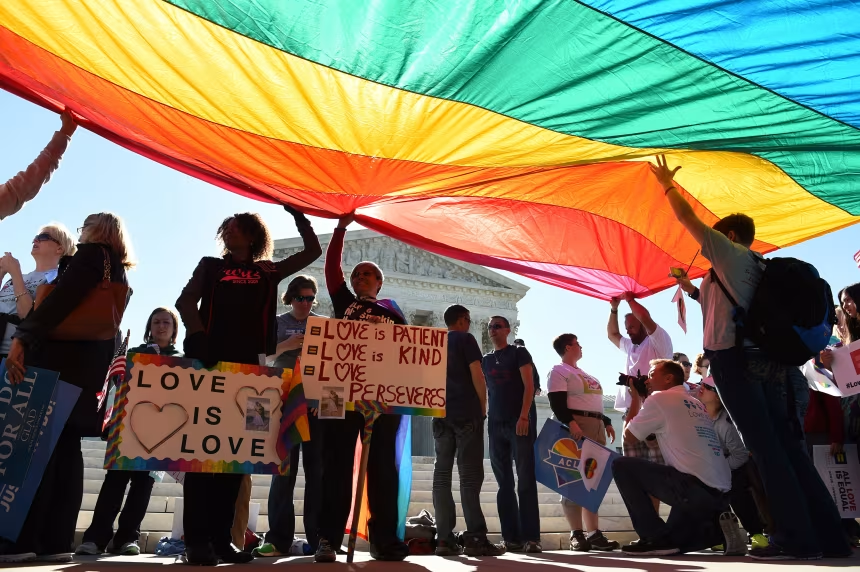
How the Supreme Court could wind up scrapping high-profile precedents in coming months
Entities mentioned:
- Supreme Court: Power, Legacy, Justice
- Donald Trump: Power, Control, Ambition
- John Roberts: Legacy, Justice, Professional pride
- Elena Kagan: Justice, Duty, Professional pride
- Kim Davis: Righteousness, Moral outrage, Self-respect
- Clarence Thomas: Justice, Legacy, Determination
Article Assessment:
Credibility Score: 75/100
Bias Rating: 45/100 (Center)
Sentiment Score: 35/100
Authoritarianism Risk: 55/100 (Mixed/Neutral)
Bias Analysis:
The article presents a balanced view of potential changes in Supreme Court decisions, citing both conservative and liberal perspectives. While it highlights concerns about overturning precedents, it also provides context for why some argue these changes are necessary.
Key metric: Judicial Independence and Stability
As a social scientist, I analyze that this article highlights a potential shift in the Supreme Court's approach to precedent, which could significantly impact judicial independence and stability in the US legal system. The Court's willingness to reconsider long-standing precedents on issues ranging from executive power to voting rights and religious freedom suggests a more activist approach that could reshape fundamental aspects of American law and governance. This trend may lead to increased uncertainty in legal interpretations and potentially undermine public trust in the judiciary's consistency and impartiality.

DC students head back to school amid Trump focus on cleaning up juvenile crime in the district
Entities mentioned:
- Donald Trump: Control, Power, Recognition
- DC students: Security, Fear, Self-preservation
- Dara Baldwin: Moral outrage, Justice, Concern
- Muriel Bowser: Duty, Security, Control
- Kelsye Adams: Justice, Moral outrage, Freedom
- Abigail Jackson: Loyalty, Righteousness, Security
- Kim Hall: Security, Wariness, Self-preservation
- Anthony Motley: Security, Duty, Legacy
- Sharelle Stagg: Wariness, Concern, Professional pride
- Tahir Duckett: Professional pride, Justice, Concern
- Carlos Wilson: Justice, Moral outrage, Unity
Article Assessment:
Credibility Score: 75/100
Bias Rating: 40/100 (Lean Left)
Sentiment Score: 35/100
Authoritarianism Risk: 65/100 (Authoritarian Tendencies)
Bias Analysis:
The article leans slightly left, giving more voice to critics of the federal intervention and emphasizing potential negative impacts on minority communities. However, it does include some balanced perspectives and official data, maintaining a degree of objectivity.
Key metric: Juvenile Crime Rate
As a social scientist, I analyze that this article highlights the complex intersection of federal intervention, local governance, and community response to juvenile crime in Washington DC. The deployment of federal troops and increased law enforcement presence is framed as a contentious issue, with divided opinions on its potential effectiveness and impact on the community, particularly on Black and Latino youth. The article presents data showing fluctuations in juvenile crime rates, suggesting that local initiatives may have had some positive impact. However, the federal intervention is portrayed as potentially counterproductive, with concerns about over-policing and the psychological impact on students. The divergent views from community members, activists, and officials underscore the multifaceted nature of addressing juvenile crime and the challenges in balancing security concerns with community trust and well-being.

US suspends visitor visas for people from Gaza
Entities mentioned:
- Marco Rubio: Security, Duty, Control
- State Department: Security, Control, Duty
- Hamas: Power, Control, Influence
- Trump administration: Security, Control, Power
- Laura Loomer: Moral outrage, Influence, Fear
- HEAL Palestine: Duty, Compassion, Justice
- Donald Trump: Power, Influence, Recognition
- Benjamin Netanyahu: Power, Control, Security
Article Assessment:
Credibility Score: 65/100
Bias Rating: 55/100 (Center)
Sentiment Score: 30/100
Authoritarianism Risk: 65/100 (Authoritarian Tendencies)
Bias Analysis:
The article presents multiple viewpoints, including government officials and humanitarian organizations. However, it gives more space to the administration's perspective, while critiques are less elaborated.
Key metric: Immigration and Border Control Effectiveness
As a social scientist, I analyze that this policy change reflects a significant shift in the US approach to humanitarian visas for Palestinians, particularly those from Gaza. The suspension of visitor visas, justified by alleged links to terrorist groups, indicates a prioritization of national security concerns over humanitarian considerations. This decision may have far-reaching implications for US-Palestine relations, humanitarian aid efforts, and the perception of the US in the international community. The involvement of far-right figures like Laura Loomer suggests potential political motivations beyond stated security concerns. The contrast between Trump's acknowledgment of the humanitarian crisis and this policy decision highlights the complex interplay between foreign policy, domestic politics, and humanitarian obligations. This move could potentially exacerbate the humanitarian situation in Gaza while altering the US's role in providing medical aid to conflict-affected populations.
- Read more about US suspends visitor visas for people from Gaza
- Log in to post comments
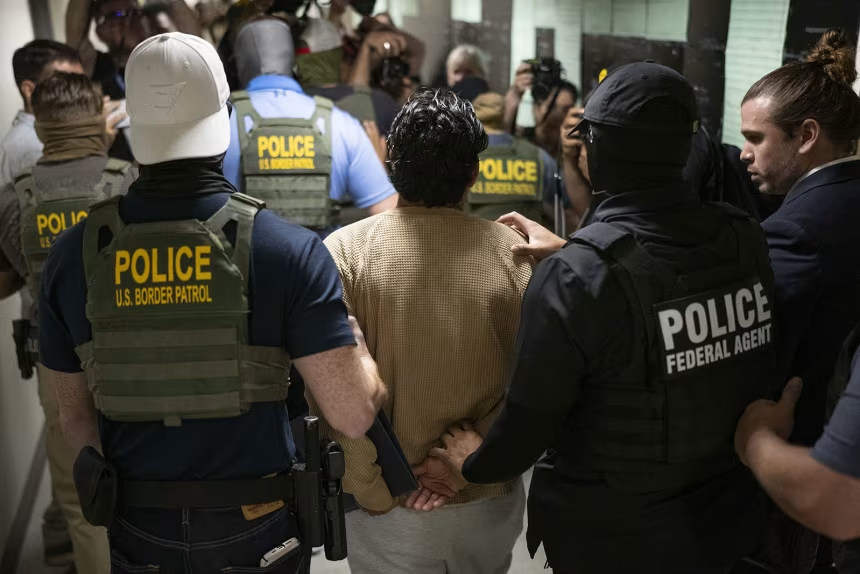
Democratic states sue to force Trump to hand over crime grant money in immigration fight
Entities mentioned:
- Trump administration: Control, Power, Influence
- Democratic states: Justice, Righteousness, Indignation
- Justice Department: Control, Duty, Influence
- Immigration and Customs Enforcement (ICE): Duty, Control, Security
- Rob Bonta: Justice, Moral outrage, Duty
- Pam Bondi: Duty, Loyalty, Control
Article Assessment:
Credibility Score: 75/100
Bias Rating: 40/100 (Lean Left)
Sentiment Score: 30/100
Authoritarianism Risk: 65/100 (Authoritarian Tendencies)
Bias Analysis:
The article leans slightly left, primarily due to its focus on Democratic states' perspective and use of terms like 'brazen attempt' and 'strong-arm'. However, it does present some factual information about the administration's actions.
Key metric: Immigration Enforcement Effectiveness
As a social scientist, I analyze that this article highlights a significant conflict between federal and state governments over immigration policy and funding allocation. The Trump administration's attempt to leverage crime victim support funds to enforce immigration policies demonstrates a contentious approach to federal-state relations. This conflict could potentially impact the effectiveness of both immigration enforcement and victim support programs. The lawsuit by Democratic states represents a pushback against what they perceive as federal overreach, emphasizing the tension between state autonomy and federal immigration priorities. This situation may lead to decreased cooperation between state and federal agencies, potentially reducing overall immigration enforcement effectiveness while also risking the stability of crime victim support programs.
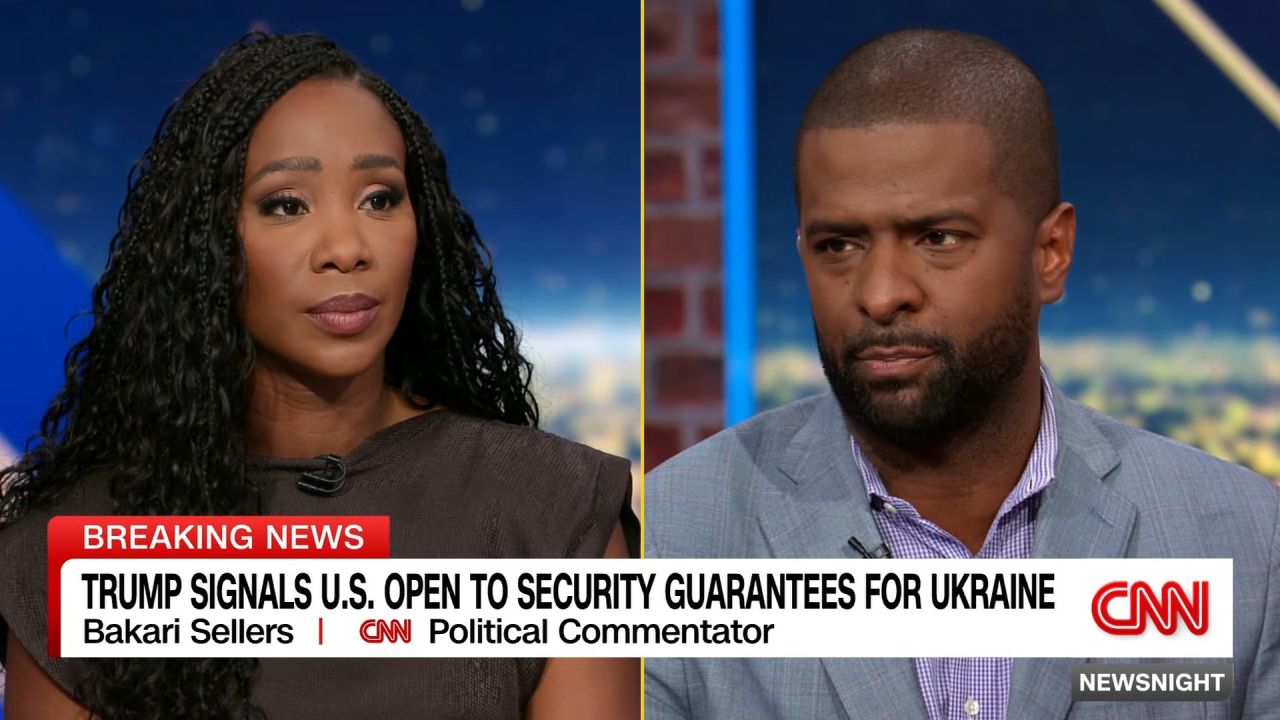
Bakari Sellers to Republican: Name one threat Trump’s followed through on against Putin
Entities mentioned:
- Donald Trump: Power, Influence, Legacy
- Volodymyr Zelensky: Security, Duty, Unity
- Bakari Sellers: Moral outrage, Justice, Indignation
- MAGA supporters: Loyalty, Pride, Fear
Article Assessment:
Credibility Score: 65/100
Bias Rating: 35/100 (Lean Left)
Sentiment Score: 45/100
Authoritarianism Risk: 30/100 (Generally Democratic)
Bias Analysis:
The article leans slightly left, evidenced by its focus on criticism of Trump and MAGA supporters from a CNN commentator. However, it does present factual information about Trump's meeting with Zelensky, balancing the bias somewhat.
Key metric: US Foreign Policy Effectiveness
As a social scientist, I analyze that this article highlights the shifting dynamics in US foreign policy towards Ukraine and Russia. Trump's apparent openness to using US troops for Ukraine's security marks a potential departure from his previous stance, which could impact US-Russia relations and America's role in Eastern European conflicts. The criticism from Bakari Sellers points to perceived inconsistencies in the MAGA base's foreign policy views, suggesting potential political polarization on international intervention issues. This shift could affect the US's global standing and its ability to form consistent, long-term foreign policy strategies.
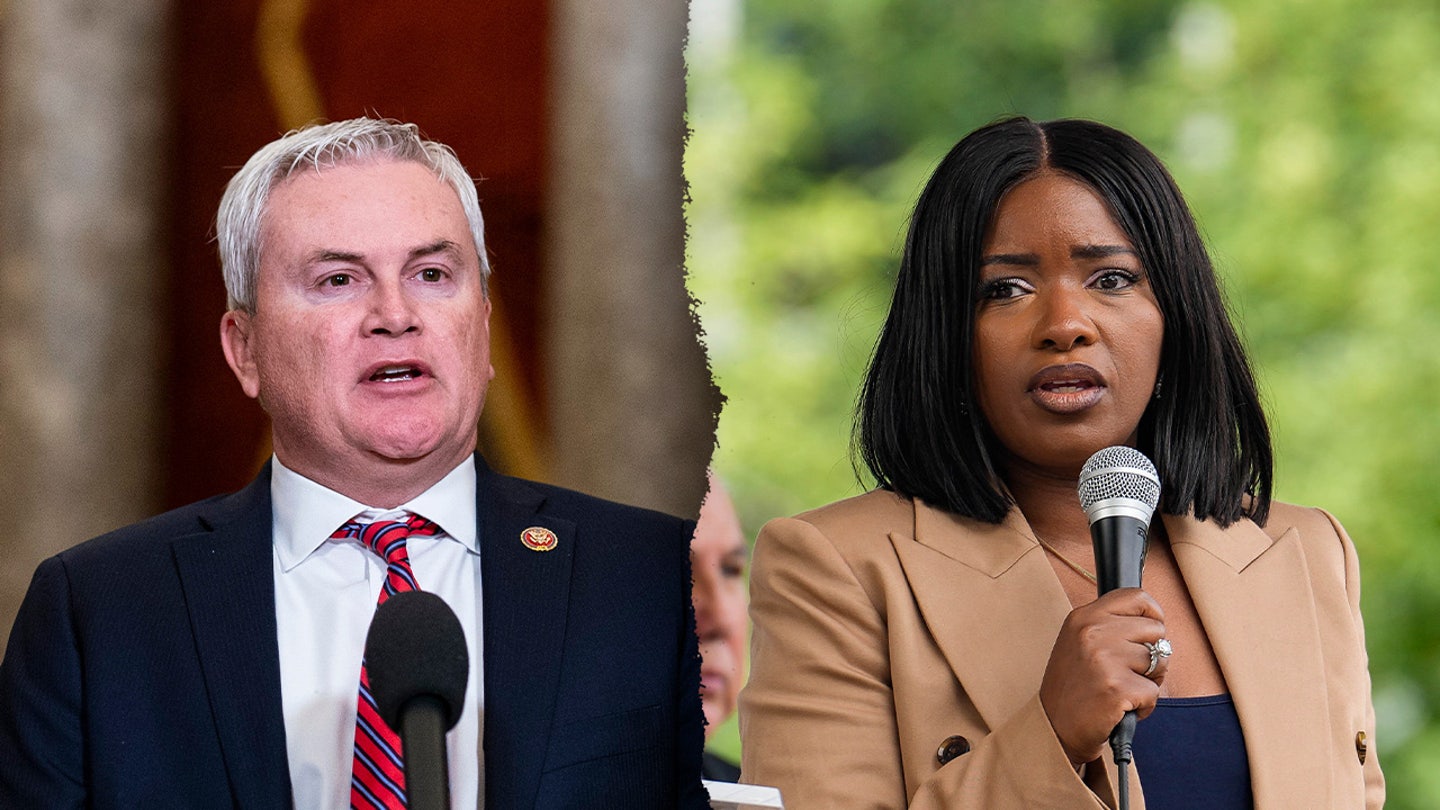
Comer, Crockett clash over Barr’s Epstein testimony as ex-Trump AG ends four-hour House grilling
Entities mentioned:
- Bill Barr: Duty, Professional pride, Self-preservation
- Jasmine Crockett: Righteousness, Moral outrage, Justice
- Suhas Subramanyam: Righteousness, Justice, Suspicion
- James Comer: Duty, Transparency, Justice
- Donald Trump: Self-preservation, Power, Control
- Jeffrey Epstein: Power, Control, Greed
Article Assessment:
Credibility Score: 75/100
Bias Rating: 55/100 (Center)
Sentiment Score: 40/100
Authoritarianism Risk: 35/100 (Generally Democratic)
Bias Analysis:
The article presents viewpoints from both Democratic and Republican representatives, attempting to balance perspectives. However, there's slightly more detail and space given to Republican viewpoints, particularly Comer's responses to Democratic criticisms.
Key metric: Government Transparency and Accountability
As a social scientist, I analyze that this article highlights the ongoing partisan divide in Congress, even when investigating a bipartisan issue like the Epstein case. The conflicting interpretations of Barr's testimony by Democrats and Republicans demonstrate how political motivations can influence the perception and presentation of information. This impacts government transparency and accountability by potentially obscuring the truth behind partisan rhetoric. The investigation's effectiveness may be compromised by political posturing, affecting public trust in governmental processes. The article also underscores the challenges in conducting impartial investigations when high-profile political figures are involved, potentially influencing the depth and direction of the inquiry.