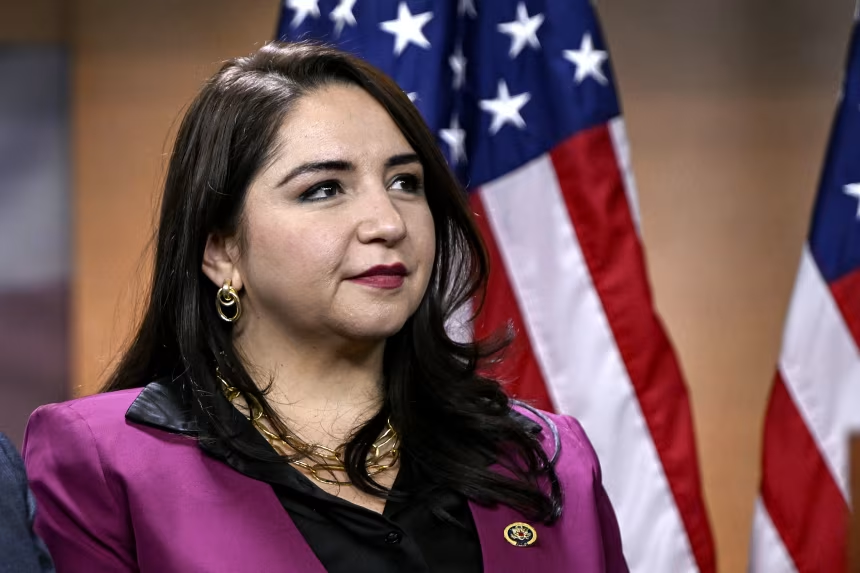
GOP lawmaker pushes to strip Democrat of committee assignment after saying she’s ‘a proud Guatemalan before I am an American’
Entities mentioned:
- Carlos Gimenez: Righteousness, Patriotism, Duty
- Delia Ramirez: Pride, Self-respect, Justice
- Republican Party: Control, Power, Loyalty
- Democratic Party: Unity, Justice, Influence
- House Homeland Security Committee: Security, Control, Duty
- Clay Higgins: Righteousness, Control, Duty
- LaMonica McIver: Justice, Moral outrage, Duty
Article Assessment:
Credibility Score: 75/100
Bias Rating: 55/100 (Center)
Sentiment Score: 30/100
Authoritarianism Risk: 55/100 (Mixed/Neutral)
Bias Analysis:
The article presents multiple viewpoints and includes direct quotes from both sides. However, there's slightly more space given to the Republican perspective, which may suggest a subtle lean towards center-right.
Key metric: Political Polarization Index
As a social scientist, I analyze that this article highlights increasing political polarization in the United States, particularly around issues of immigration and national identity. The attempt to remove Rep. Ramirez from her committee assignment based on her comments about her heritage demonstrates a growing tension between multicultural identities and perceived loyalty to the nation. This incident may exacerbate existing divisions and potentially impact legislative effectiveness on homeland security issues. The parallel situation with Rep. McIver further illustrates the intensifying partisan conflicts within government institutions. These actions could lead to decreased cooperation between parties and potentially undermine the functioning of important committees. The debate also reflects broader societal discussions about what it means to be American in a diverse nation, and how cultural heritage intersects with national identity and loyalty.

Fault Lines
Entities mentioned:
- Donald Trump: Power, Influence, Legacy
- Joe Biden: Legacy, Duty, Influence
- Republican Party: Control, Power, Competitive spirit
- Democratic Party: Competitive spirit, Justice, Influence
- Mike Lux: Professional pride, Influence, Justice
- Brad Todd: Professional pride, Loyalty, Competitive spirit
- Celinda Lake: Professional pride, Influence, Curiosity
Article Assessment:
Credibility Score: 75/100
Bias Rating: 45/100 (Center)
Sentiment Score: 40/100
Authoritarianism Risk: 25/100 (Generally Democratic)
Bias Analysis:
The article presents perspectives from both Republican and Democratic strategists, offering a relatively balanced view. However, there's a slight lean towards Democratic critiques of the bill, potentially reflecting the source's editorial stance.
Key metric: Economic Inequality
As a social scientist, I analyze that this article highlights the complex interplay between policy decisions and political strategy in the context of a major tax and budget bill. The legislation, signed by Trump, is presented as potentially harmful to many Republican-held districts, particularly through cuts to Medicaid and clean energy incentives. However, the analysis suggests that these economic impacts may not translate directly into political consequences due to entrenched cultural and ideological factors. The article points to a disconnect between economic self-interest and voting patterns in many rural and working-class areas, which could maintain Republican support despite potential negative impacts from the bill. The Democrats are portrayed as seeing an opportunity to appeal to working-class voters by framing the bill as favoring the wealthy at the expense of average Americans. This situation underscores the ongoing realignment of political coalitions and the challenges faced by both parties in navigating changing demographic and economic landscapes.
- Read more about Fault Lines
- Log in to post comments
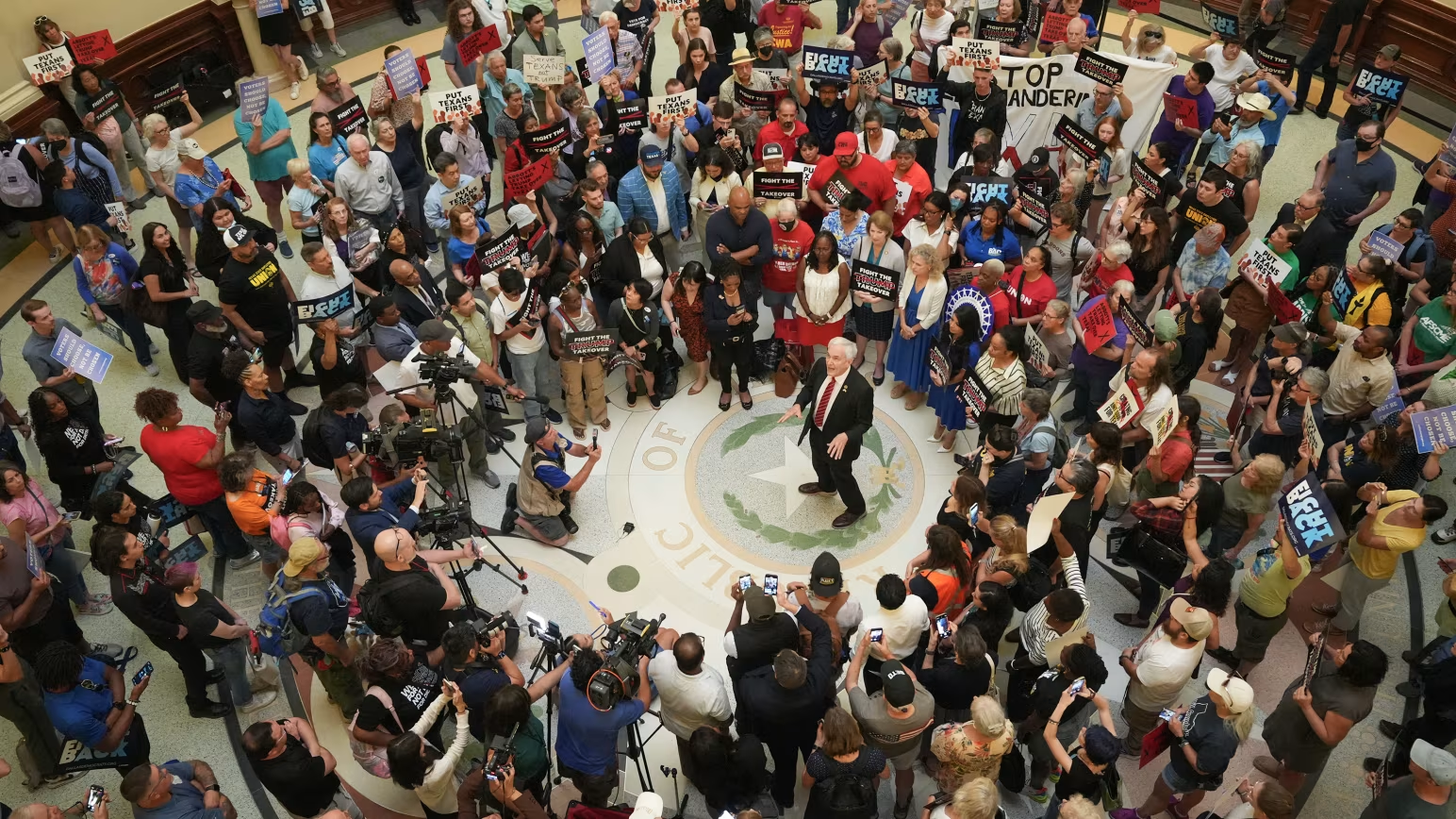
Why Trump’s Texas battle over the House could end up affecting every American
Entities mentioned:
- Donald Trump: Power, Control, Ambition
- Democratic Party: Competitive spirit, Self-preservation, Justice
- Republican Party: Power, Control, Competitive spirit
- Texas State Lawmakers (Democratic): Righteousness, Determination, Resistance
- Kathy Hochul: Competitive spirit, Determination, Power
- Gavin Newsom: Ambition, Competitive spirit, Justice
- Greg Abbott: Loyalty, Power, Control
- Mike Johnson: Power, Loyalty, Control
Article Assessment:
Credibility Score: 65/100
Bias Rating: 35/100 (Lean Left)
Sentiment Score: 30/100
Authoritarianism Risk: 55/100 (Mixed/Neutral)
Bias Analysis:
The article leans slightly left, focusing more on Democratic perspectives and strategies. While it mentions Republican actions, it frames them more negatively and gives more space to Democratic justifications.
Key metric: Electoral Integrity
As a social scientist, I analyze that this article highlights a significant escalation in the ongoing battle over redistricting and its impact on electoral integrity in the United States. The Democrats' shift towards more aggressive tactics in response to Republican gerrymandering efforts in Texas represents a potential turning point in how both parties approach electoral map-drawing. This development could have far-reaching consequences for the balance of power in the House of Representatives and the overall health of American democracy. The article suggests that Democrats are abandoning previous commitments to nonpartisan redistricting commissions in favor of a more combative approach, mirroring Republican tactics. This shift indicates a growing concern among Democrats about losing ground in the electoral landscape and a willingness to engage in similar practices they have previously criticized. The potential for a 'race to the bottom' in gerrymandering could further erode public trust in the electoral system and exacerbate political polarization. The focus on Texas as a battleground for this issue underscores the state's importance in national politics and its role as a bellwether for broader trends in electoral strategy.
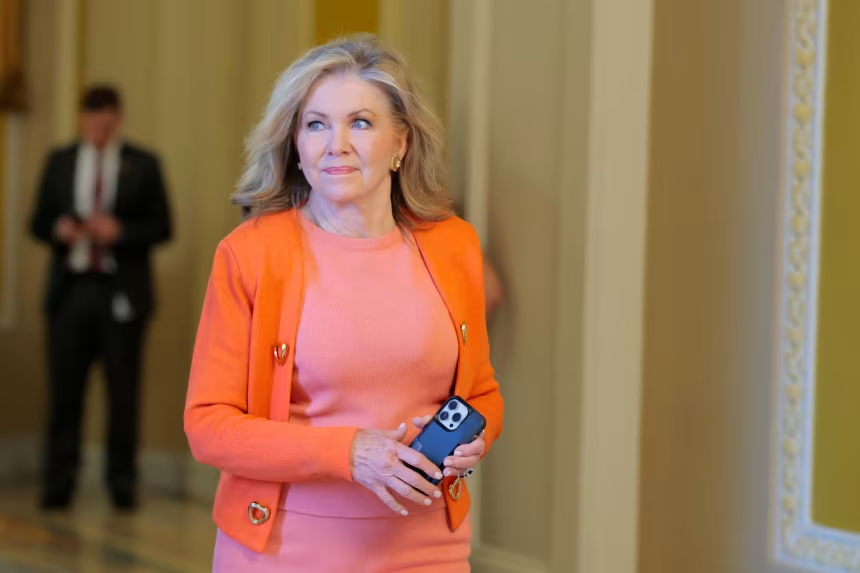
Republican US Sen. Marsha Blackburn joins Tennessee race for governor
Entities mentioned:
- Marsha Blackburn: Ambition, Power, Influence
- John Rose: Competitive spirit, Ambition, Power
- Bill Lee: Legacy, Duty
- Donald Trump: Influence, Power, Legacy
- Republican Party: Control, Power, Influence
- Democratic Party: Competitive spirit, Influence, Power
Article Assessment:
Credibility Score: 75/100
Bias Rating: 55/100 (Center)
Sentiment Score: 50/100
Authoritarianism Risk: 35/100 (Generally Democratic)
Bias Analysis:
The article presents a balanced view of the political situation, giving space to both Republican and Democratic candidates. While it provides more detail on Republican figures, this reflects the current political reality in Tennessee.
Key metric: Political Party Power Distribution
As a social scientist, I analyze that this article highlights the ongoing power dynamics within the Republican Party in Tennessee. The entry of Senator Marsha Blackburn into the 2026 gubernatorial race signifies a continuation of the rightward shift in Tennessee politics. Her alignment with former President Trump and focus on conservative issues suggests a strategy to appeal to the state's predominantly conservative voter base. The primary challenge from Rep. John Rose, another Trump supporter, indicates potential internal party competition that could influence the GOP's direction in Tennessee. The overwhelming Republican victories mentioned in recent elections underscore the party's dominance in the state, which could have implications for policy-making and governance. The Democrats' multiple candidates suggest an attempt to rebuild their presence, though the article implies their chances may be slim given recent electoral history. This political landscape reflects broader national trends of party polarization and the ongoing influence of Trump-style politics within the Republican Party.

A California plan is likely the Democrats’ best option in the redistricting wars
Entities mentioned:
- Texas Republicans: Power, Control, Competitive spirit
- California Democrats: Competitive spirit, Righteousness, Power
- Gavin Newsom: Determination, Competitive spirit, Justice
- Democratic Party: Self-preservation, Power, Competitive spirit
- Republican Party: Power, Control, Competitive spirit
- Kathy Hochul: Determination, Justice, Competitive spirit
- Kevin Kiley: Righteousness, Duty, Professional pride
- Mike Johnson: Leadership, Power, Control
- JB Pritzker: Competitive spirit, Power, Influence
- David Moon: Justice, Competitive spirit, Power
Article Assessment:
Credibility Score: 75/100
Bias Rating: 45/100 (Center)
Sentiment Score: 35/100
Authoritarianism Risk: 55/100 (Mixed/Neutral)
Bias Analysis:
The article presents perspectives from both Democratic and Republican sides, attempting to provide a balanced view of the redistricting issue. However, there is slightly more focus on Democratic strategies and quotes from Democratic officials, which is balanced by critical analysis of the limitations they face.
Key metric: Congressional Seat Distribution
As a social scientist, I analyze that this article highlights the intensifying partisan battle over redistricting, with both major parties seeking to gain or maintain power through the redrawing of congressional districts. The focus on California's potential response to Texas' redistricting efforts underscores the tit-for-tat nature of this political maneuvering. This struggle significantly impacts the distribution of congressional seats, potentially altering the balance of power in the U.S. House of Representatives. The article reveals a complex landscape where some states have independent commissions to prevent gerrymandering, while others allow for more partisan control. This situation raises concerns about the fairness of representation and the integrity of the democratic process, as both parties appear willing to exploit redistricting for political gain. The potential for mid-decade redistricting in multiple states could lead to increased political instability and further erosion of public trust in electoral systems.

House Oversight Committee subpoenas Justice Department for Epstein files, high-profile former officials for depositions
Entities mentioned:
- House Oversight Committee: Justice, Duty, Influence
- Justice Department: Duty, Control, Self-preservation
- Jeffrey Epstein: Power, Control, Greed
- Republican Party: Influence, Righteousness, Power
- Democratic Party: Self-preservation, Influence, Justice
- Mike Johnson: Control, Self-preservation, Loyalty
- James Comer: Justice, Influence, Duty
- Ghislaine Maxwell: Self-preservation, Control, Fear
- Donald Trump: Power, Influence, Self-preservation
Article Assessment:
Credibility Score: 75/100
Bias Rating: 55/100 (Center)
Sentiment Score: 35/100
Authoritarianism Risk: 25/100 (Generally Democratic)
Bias Analysis:
The article presents a relatively balanced view, including perspectives from both Republican and Democratic sides. While it focuses more on Republican-led actions, it also mentions Democratic initiatives, maintaining a fairly neutral stance.
Key metric: Government Transparency and Accountability
As a social scientist, I analyze that this article highlights a significant push for transparency and accountability in a high-profile case involving Jeffrey Epstein. The House Oversight Committee's issuance of subpoenas to various former high-ranking officials and the Justice Department indicates a strong desire to uncover potentially hidden information. This action could significantly impact government transparency, as it challenges the boundaries between congressional oversight and executive branch authority. The bipartisan nature of the subpoenas, targeting both Republican and Democratic figures, suggests a broader concern for justice beyond party lines. However, the resistance from some quarters, including House Speaker Mike Johnson, demonstrates the complex political dynamics at play. This situation could potentially lead to increased public trust in government institutions if handled transparently, or conversely, could further erode trust if perceived as politically motivated or obstructed. The involvement of former presidents and high-ranking officials also underscores the gravity of the investigation and its potential implications for public perception of political elites.

Pro-Israel Democrats try breaking with Netanyahu to stop party’s shift amid Gaza crisis
Entities mentioned:
- Benjamin Netanyahu: Power, Control, Self-preservation
- Democratic Party: Unity, Influence, Self-preservation
- AIPAC: Influence, Loyalty, Power
- Brian Schatz: Justice, Moral outrage, Professional pride
- Mikie Sherrill: Duty, Justice, Self-preservation
- Tim Walz: Ambition, Influence, Professional pride
- Cory Booker: Ambition, Loyalty, Self-preservation
- John Fetterman: Loyalty, Determination, Moral outrage
- Bernie Sanders: Justice, Moral outrage, Influence
- Rahm Emanuel: Ambition, Influence, Self-preservation
Article Assessment:
Credibility Score: 75/100
Bias Rating: 45/100 (Center)
Sentiment Score: 35/100
Bias Analysis:
The article presents multiple perspectives within the Democratic Party, including both pro-Israel and critical voices. While it leans slightly towards highlighting critical views of Netanyahu, it also includes counterpoints and context, maintaining a relatively balanced approach.
Key metric: Democratic Party Unity and Voter Support
As a social scientist, I analyze that this article highlights a significant shift in the Democratic Party's stance towards Israel, particularly in relation to Prime Minister Netanyahu's policies. This shift is driven by moral outrage over the humanitarian crisis in Gaza and a strategic calculation about future voter support, especially among younger Democrats. The party is attempting to balance its traditional pro-Israel stance with criticism of Netanyahu's government, hoping to maintain unity while adapting to changing voter sentiments. This balancing act could have significant implications for party cohesion, future elections, and U.S.-Israel relations. The article suggests that this issue may become a litmus test in upcoming elections, potentially reshaping the Democratic Party's foreign policy platform and its relationship with pro-Israel lobbying groups like AIPAC.
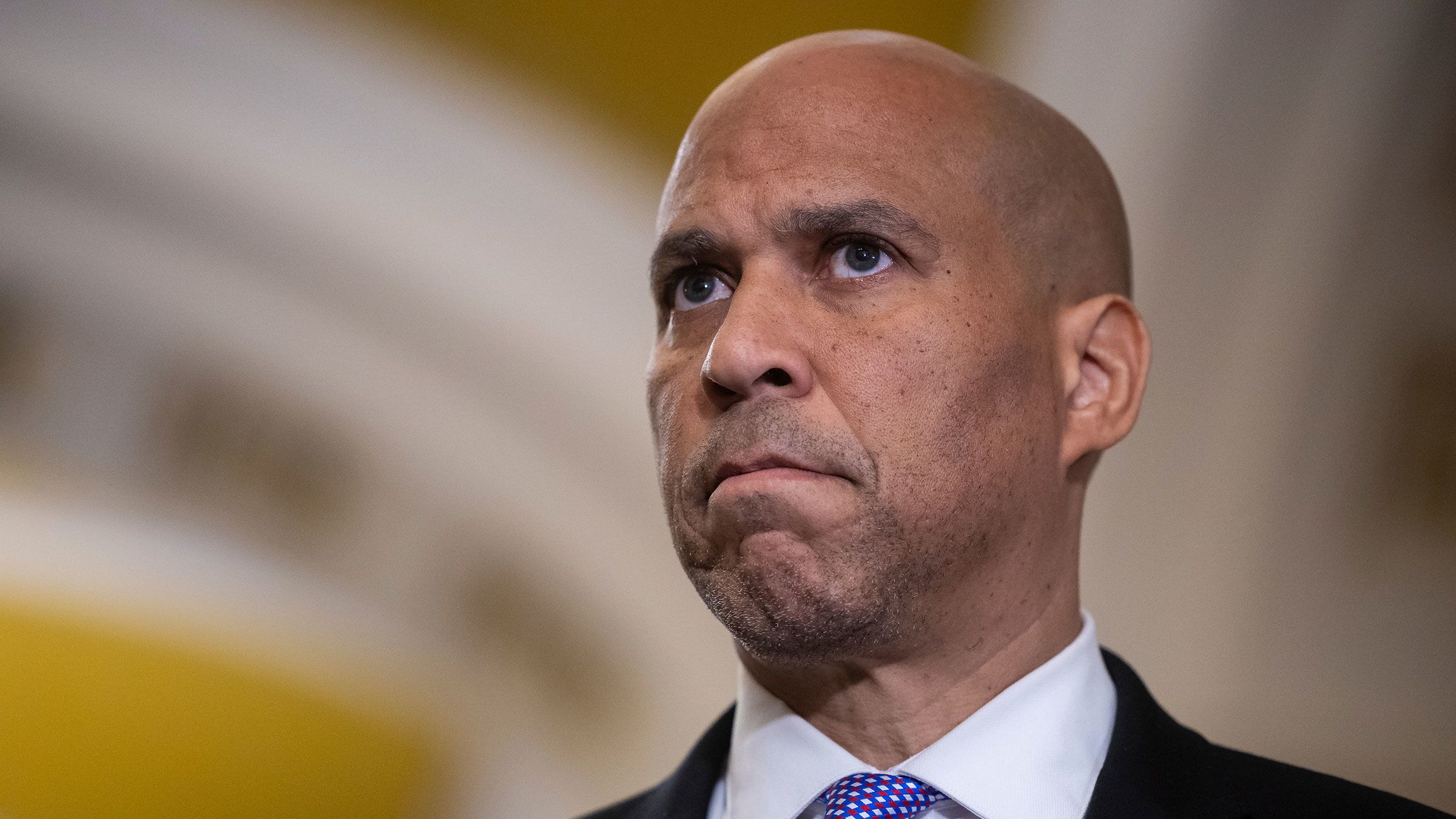
Cory Booker’s message to the Democratic Party: Don’t bend the knee to Trump
Entities mentioned:
- Cory Booker: Righteousness, Moral outrage, Determination
- Donald Trump: Power, Control, Influence
- Democratic Party: Unity, Self-preservation, Power
- Republican Party: Power, Control, Competitive spirit
Article Assessment:
Credibility Score: 75/100
Bias Rating: 40/100 (Lean Left)
Sentiment Score: 35/100
Bias Analysis:
The article leans slightly left, primarily due to its focus on a Democratic senator's perspective and criticism of Trump. While it includes some counterpoints, the overall framing favors Democratic viewpoints and concerns.
Key metric: Political Polarization Index
As a social scientist, I analyze that this article highlights the growing polarization in American politics, with Senator Booker calling for a more aggressive stance against President Trump. This approach could potentially increase political divisions and affect governance. Booker's rhetoric about 'bending the knee' and fighting against 'authoritarianism' suggests a deepening of party lines and a possible escalation of political conflict. His call for Democrats to engage in partisan redistricting, despite previous stances on nonpartisan approaches, indicates a shift towards more aggressive political tactics. This could further erode trust in democratic institutions and processes, potentially leading to increased voter cynicism and decreased faith in the political system.
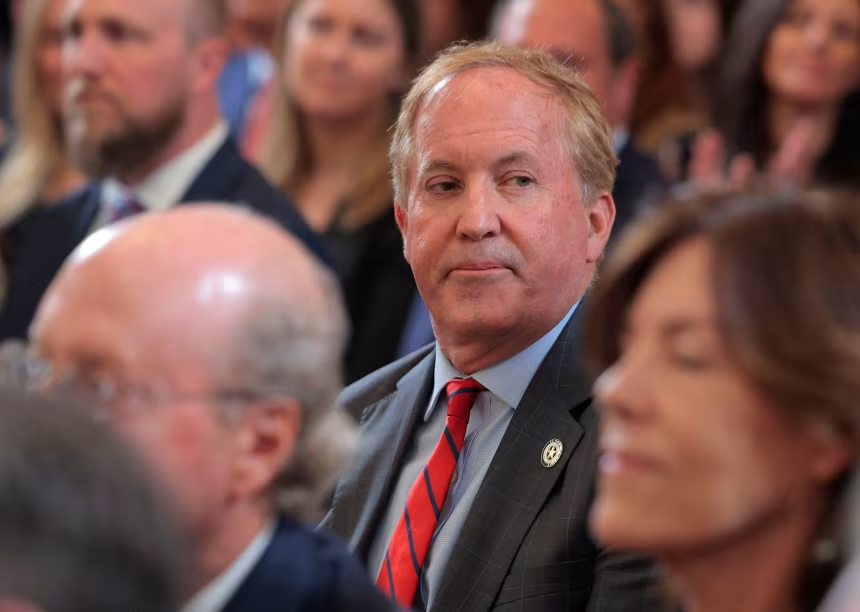
Ken Paxton’s long-distance quest for a Trump endorsement
Entities mentioned:
- Ken Paxton: Ambition, Power, Recognition
- Donald Trump: Influence, Power, Control
- John Cornyn: Self-preservation, Power, Loyalty
- John Thune: Unity, Control, Loyalty
- Wesley Hunt: Ambition, Loyalty, Recognition
- Republican Party: Power, Control, Unity
- Democratic Party: Power, Competitive spirit, Control
Article Assessment:
Credibility Score: 75/100
Bias Rating: 55/100 (Center)
Sentiment Score: 45/100
Bias Analysis:
The article presents multiple perspectives and includes information from various sources, including both Republican and Democratic viewpoints. While it focuses more on Republican internal dynamics, it maintains a relatively neutral tone in its reporting.
Key metric: Political Party Control of the US Senate
As a social scientist, I analyze that this article highlights the intense competition within the Republican Party for control of a key Senate seat in Texas. The pursuit of Trump's endorsement by both Paxton and Cornyn demonstrates the former president's continued influence in GOP politics. This intra-party conflict could potentially impact the Republican Party's ability to maintain control of the Senate in the 2026 midterms. The article suggests that a divisive primary could weaken the eventual Republican nominee, potentially giving Democrats an opportunity in a traditionally red state. This situation exemplifies how internal party dynamics and the influence of key political figures can have broader implications for national political outcomes.
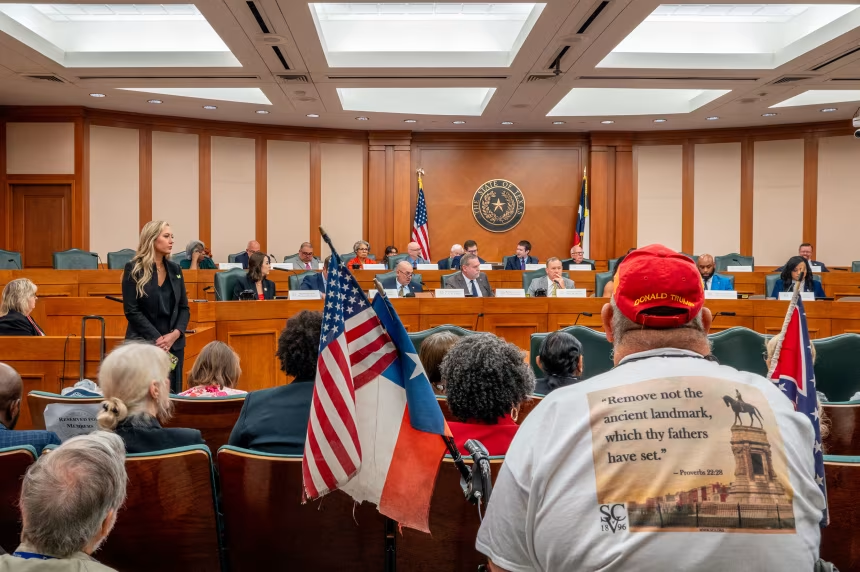
Chief Justice John Roberts enabled Texas’ gambit to gerrymander the state for the GOP
Entities mentioned:
- Chief Justice John Roberts: Power, Control, Professional pride
- US Supreme Court: Power, Control, Influence
- Republican Party: Power, Control, Self-preservation
- Democratic Party: Power, Control, Self-preservation
- Donald Trump: Power, Control, Ambition
- Justice Elena Kagan: Justice, Righteousness, Duty
Article Assessment:
Credibility Score: 75/100
Bias Rating: 35/100 (Lean Left)
Sentiment Score: 30/100
Bias Analysis:
The article leans left in its framing, focusing more on criticisms of the Supreme Court decision and Republican actions. While it mentions Democratic counter-strategies, it portrays Republican efforts more negatively. The source selection and language used suggest a left-leaning perspective.
Key metric: Electoral Integrity
As a social scientist, I analyze that the Supreme Court's 2019 decision in Rucho v. Common Cause has significantly impacted electoral integrity in the United States. By ruling that federal courts cannot review partisan gerrymandering cases, the Court has effectively removed a crucial check on extreme redistricting practices. This has emboldened political parties, particularly Republicans in Texas, to engage in aggressive gerrymandering to entrench their power. The decision has sparked a partisan arms race in redistricting, potentially leading to more polarized and less competitive elections. This undermines the principle of fair representation and could erode public trust in democratic institutions. The long-term consequences may include decreased voter engagement, increased political polarization, and a weakening of the democratic process.