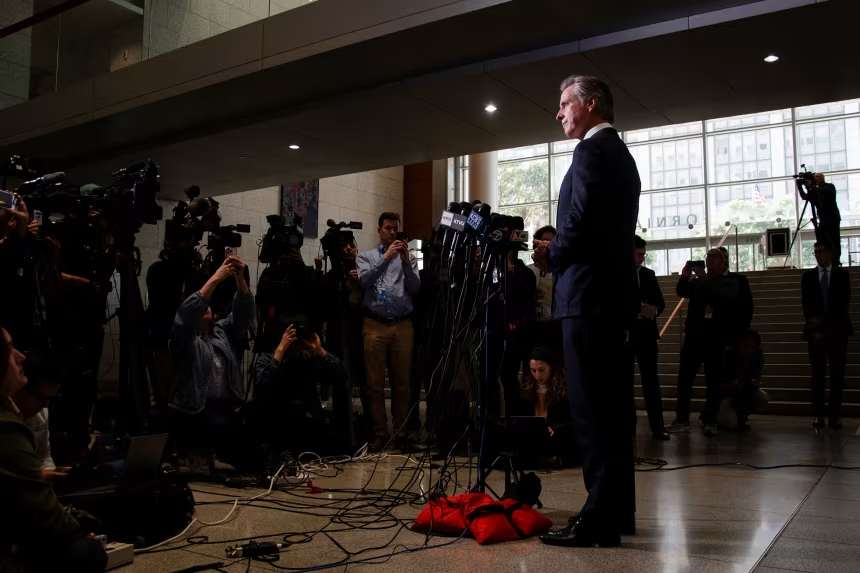
Gavin Newsom is owning the MAGAs. How far can he take it?
Entities mentioned:
- Gavin Newsom: Ambition, Competitive spirit, Power
- Democratic Party: Unity, Self-preservation, Power
- Donald Trump: Power, Control, Influence
- Republican Party: Power, Control, Competitive spirit
Article Assessment:
Credibility Score: 70/100
Bias Rating: 40/100 (Lean Left)
Sentiment Score: 55/100
Authoritarianism Risk: 35/100 (Generally Democratic)
Bias Analysis:
The article leans slightly left, focusing more on Democratic perspectives and Newsom's potential. While it includes some criticism of Newsom, it generally frames his actions in a positive light compared to Republican strategies.
Key metric: Political Polarization Index
As a social scientist, I analyze that this article highlights the increasing political polarization in the United States, with Gavin Newsom emerging as a potential counterforce to MAGA rhetoric. The focus on redistricting battles and Newsom's confrontational approach towards Trump and Republicans suggests a deepening divide between the two major parties. This polarization could significantly impact voter engagement and governance effectiveness. Newsom's rising profile within the Democratic Party, despite mixed public opinion, indicates a shift towards more combative political strategies. This trend may further entrench partisan divisions and potentially alienate moderate voters, affecting the overall political landscape and policy-making processes.
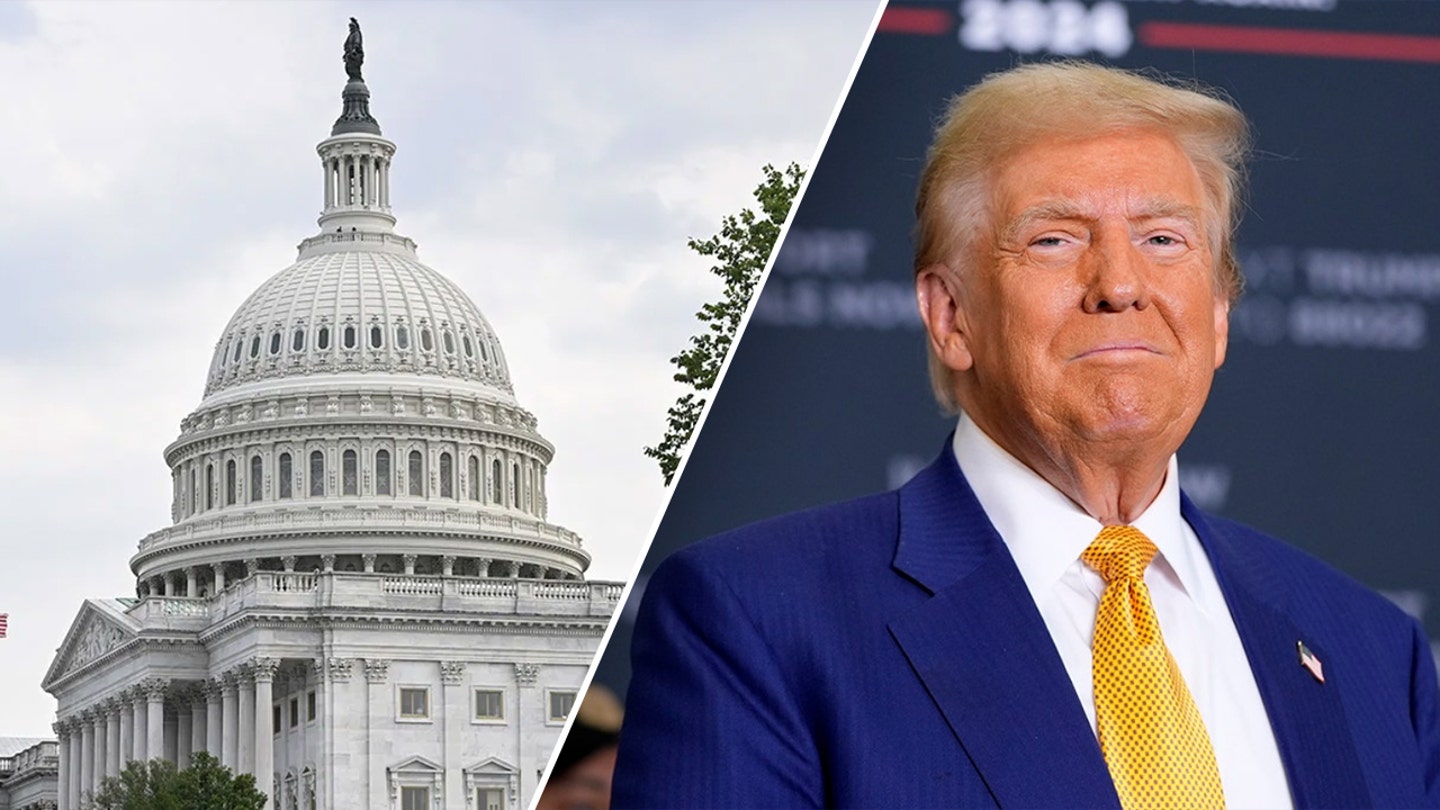
Conservative roadmap targets Medicaid, student loans for Trump's 'big, beautiful' sequel
Entities mentioned:
- Economic Policy Innovation Center (EPIC): Influence, Competitive spirit, Righteousness
- Republican Party: Power, Control, Righteousness
- Donald Trump: Legacy, Power, Ambition
- Democratic Party: Justice, Moral outrage, Self-preservation
- Paul Winfree: Influence, Professional pride, Ambition
- Brittany Madni: Professional pride, Influence, Duty
- Mike Johnson: Ambition, Power, Loyalty
Article Assessment:
Credibility Score: 70/100
Bias Rating: 65/100 (Lean Right)
Sentiment Score: 55/100
Authoritarianism Risk: 40/100 (Generally Democratic)
Bias Analysis:
The article leans right due to its primary focus on conservative policy proposals and reliance on conservative sources. While it mentions Democratic opposition, it provides more detailed coverage of Republican perspectives and strategies.
Key metric: Federal Budget Deficit
As a social scientist, I analyze that this article highlights a significant push by conservative groups to influence future Republican policy-making, particularly focusing on fiscal reforms and social conservative priorities. The proposed changes to Medicaid, student loans, and other federal programs could substantially impact the federal budget deficit. The emphasis on using budget reconciliation to achieve these goals suggests a strategy to bypass potential Democratic opposition, which could lead to more partisan policy-making and potentially increase political polarization. The focus on social conservative issues like abortion and transgender rights indicates an attempt to merge fiscal policy with cultural wedge issues, which could further divide the electorate and impact future elections.

All Over the Map with John King
Entities mentioned:
- Donald Trump: Power, Influence, Legacy
- Joe Biden: Power, Duty, Legacy
- Kamala Harris: Ambition, Power, Recognition
- Nikki Haley: Ambition, Competitive spirit, Recognition
- Republican Party: Power, Control, Loyalty
- Democratic Party: Power, Unity, Justice
- Voters: Self-preservation, Security, Freedom
Article Assessment:
Credibility Score: 75/100
Bias Rating: 50/100 (Center)
Sentiment Score: 45/100
Authoritarianism Risk: 30/100 (Generally Democratic)
Bias Analysis:
The articles present a balanced view, covering perspectives from both Republican and Democratic voters. While there's slightly more focus on Trump, it's balanced by coverage of Biden, Harris, and other candidates.
Key metric: Voter Sentiment and Electoral Trends
As a social scientist, I analyze that this collection of articles focuses heavily on voter sentiment across various demographics and regions, particularly in battleground states. The articles track shifting opinions, concerns, and motivations of voters over time, especially in response to key political events and policy changes. There's a strong emphasis on the impact of economic policies, immigration, and social issues on voter behavior. The coverage spans multiple election cycles, showing how voter attitudes have evolved. This comprehensive voter analysis is crucial for understanding the complex dynamics of American electoral politics and predicting future voting patterns.
- Read more about All Over the Map with John King
- Log in to post comments

The common thread in Trump’s latest moves: squeezing big blue cities
Entities mentioned:
- Donald Trump: Power, Control, Revenge
- Democratic Party: Self-preservation, Unity, Resistance
- Republican Party: Power, Control, Loyalty
- ICE: Duty, Control, Security
- National Guard: Duty, Security, Control
- Big Cities: Self-preservation, Resistance, Unity
Article Assessment:
Credibility Score: 70/100
Bias Rating: 35/100 (Lean Left)
Sentiment Score: 25/100
Authoritarianism Risk: 70/100 (Authoritarian Tendencies)
Bias Analysis:
The article leans left, presenting Trump's actions as primarily negative for cities. While it includes some factual information and expert opinions, the language and framing consistently portray Trump's policies as harmful to urban areas and beneficial to his political goals.
Key metric: Urban-Rural Political Divide
As a social scientist, I analyze that this article highlights a growing trend of federal intervention in urban governance, potentially exacerbating the urban-rural political divide in the United States. The actions described, such as deploying federal forces to cities and redistricting efforts, appear to be systematically reducing the political influence of large metropolitan areas. This could lead to decreased representation for urban populations in national politics, despite their significant contributions to economic growth and innovation. The approach may also intensify social tensions and challenge the traditional balance of federal-local power dynamics in the US political system.
Transgender Democrat accuses Trump of 'all-out assault' against 'American democracy'
Entities mentioned:
- Sarah McBride: Righteousness, Moral outrage, Justice
- Donald Trump: Power, Control, Influence
- Democratic Party: Power, Influence, Justice
- Republican Party: Power, Control, Competitive spirit
Article Assessment:
Credibility Score: 65/100
Bias Rating: 70/100 (Lean Right)
Sentiment Score: 30/100
Authoritarianism Risk: 45/100 (Mixed/Neutral)
Bias Analysis:
The article leans right, evidenced by more coverage of Republican viewpoints and critiques of Democratic policies. The framing of issues, particularly around immigration and election integrity, aligns more closely with conservative talking points.
Key metric: Political Polarization Index
As a social scientist, I analyze that this article highlights the growing political polarization in the United States. The accusation by Rep. Sarah McBride, a transgender Democrat, that Trump is waging an 'all-out assault' on American democracy exemplifies the extreme rhetoric used by both sides of the political spectrum. This type of language further deepens the divide between Democrats and Republicans, potentially increasing distrust in democratic institutions and processes. The article's presentation of various political conflicts, from local town halls to state legislatures and federal issues, demonstrates how this polarization permeates all levels of government. This heightened tension could lead to decreased cooperation across party lines and may impact the functionality of democratic processes.
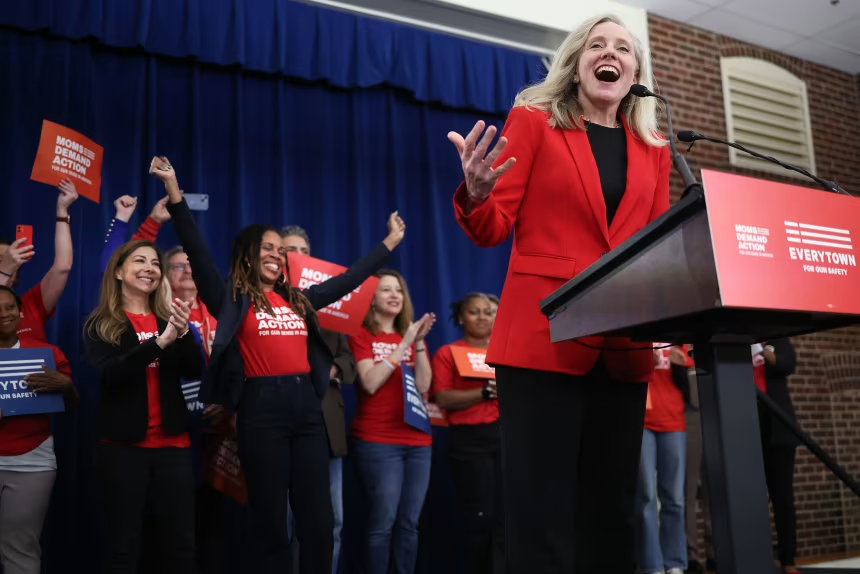
Progressive veterans group seeks to boost Spanberger in Virginia governor’s race with $500,000 ad campaign
Entities mentioned:
- VoteVets: Influence, Unity, Professional pride
- Abigail Spanberger: Ambition, Duty, Influence
- Winsome Earle-Sears: Ambition, Loyalty, Competitive spirit
- Donald Trump: Power, Influence, Legacy
- Democratic Party: Power, Control, Influence
- Republican Party: Power, Control, Competitive spirit
Article Assessment:
Credibility Score: 75/100
Bias Rating: 45/100 (Center)
Sentiment Score: 55/100
Authoritarianism Risk: 20/100 (Strongly Democratic)
Bias Analysis:
The article presents information from both Democratic and Republican perspectives, though slightly more space is given to Democratic strategies and viewpoints. The language used is generally neutral, with factual reporting of campaign activities and financial data.
Key metric: Political Party Power Balance
As a social scientist, I analyze that this article highlights the significance of the Virginia gubernatorial race as a bellwether for national political sentiment. The involvement of VoteVets, a progressive veterans' organization, demonstrates the increasing importance of candidates with military backgrounds in shaping party image and voter appeal. The focus on cost-of-living issues and the criticism of GOP policies indicate that economic concerns are likely to be central to the campaign. The article also reveals the strategies employed by both parties, with Democrats emphasizing affordability and Republicans focusing on cultural issues and alignment with national party figures. The financial disparity between the candidates and the advertising investments suggest that Democrats are currently in a stronger position, but the race remains competitive given recent Republican successes in the state.
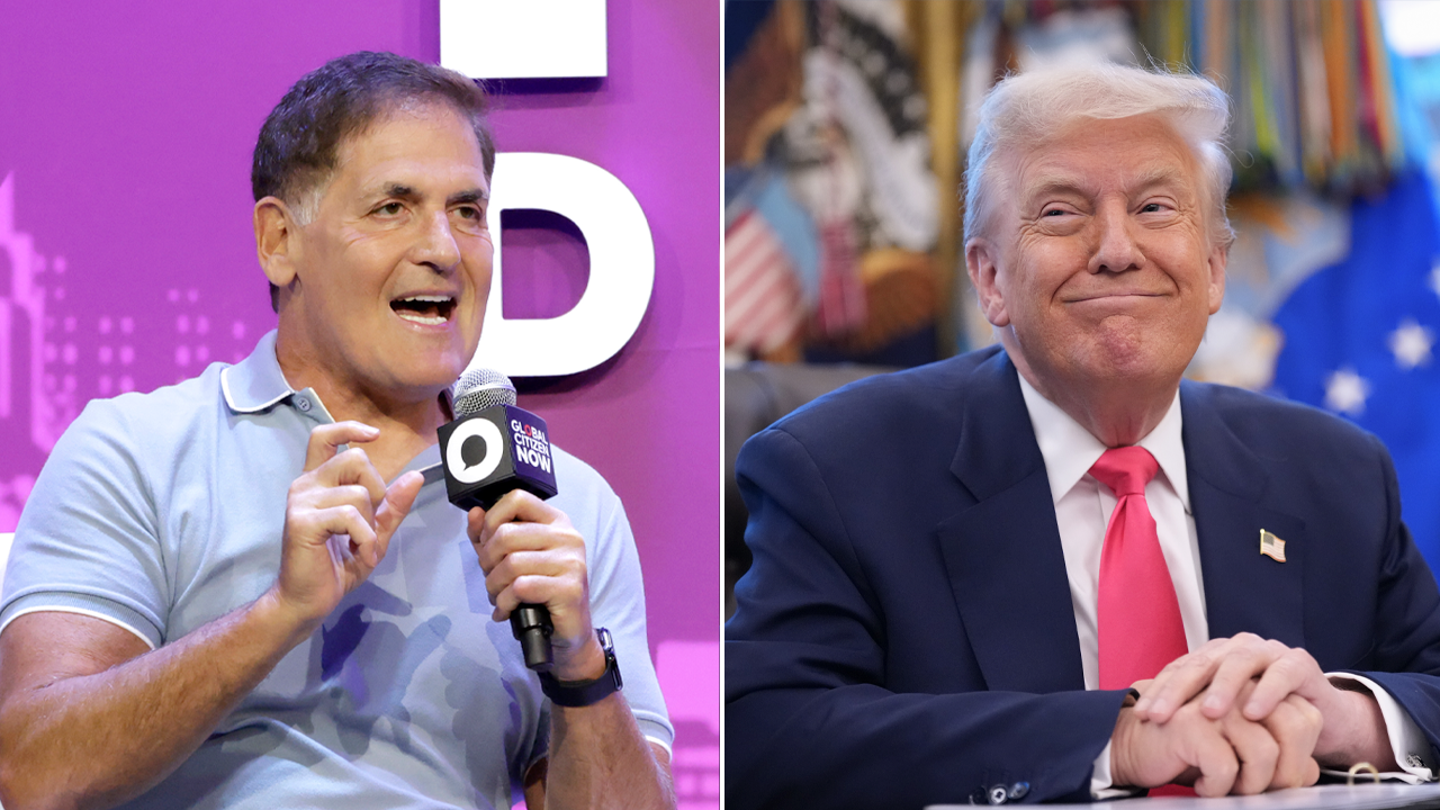
Mark Cuban says Trump running for a third term would push him into 2028 race
Entities mentioned:
- Mark Cuban: Duty, Self-preservation, Righteousness
- Donald Trump: Power, Ambition, Legacy
- Democratic Party: Unity, Power, Influence
- J.D. Vance: Ambition, Loyalty, Power
- Scott Galloway: Ambition, Recognition, Influence
- Jon Stewart: Influence, Righteousness, Recognition
- James Talarico: Ambition, Influence, Recognition
Article Assessment:
Credibility Score: 70/100
Bias Rating: 55/100 (Center)
Sentiment Score: 45/100
Authoritarianism Risk: 35/100 (Generally Democratic)
Bias Analysis:
The article presents multiple perspectives and quotes directly from the primary source. However, it leans slightly right by focusing on Democratic Party struggles and Trump's influence, while not deeply exploring alternative viewpoints.
Key metric: Political Stability Index
As a social scientist, I analyze that this article highlights the ongoing political uncertainty in the United States, particularly within the Democratic Party. Mark Cuban's conditional stance on running for presidency underscores the lingering influence of Donald Trump on the political landscape, even after his presidency. The mention of Trump potentially seeking a third term, though unconstitutional, suggests a persistent challenge to democratic norms. The Democratic Party's struggle to find new leadership indicates a period of transition and potential ideological shift. Cuban's preference for non-traditional political figures as potential candidates reflects a growing disillusionment with established politicians, which could impact future voter behavior and party dynamics. This situation could lead to increased political polarization and instability, potentially affecting the country's Political Stability Index.
Facts First
Entities mentioned:
- Donald Trump: Power, Influence, Legacy
- Joe Biden: Duty, Legacy, Unity
- Kamala Harris: Ambition, Recognition, Unity
- Nikki Haley: Ambition, Competitive spirit, Recognition
- Republican Party: Power, Control, Loyalty
- Democratic Party: Unity, Justice, Control
- Voters: Security, Freedom, Self-preservation
Article Assessment:
Credibility Score: 75/100
Bias Rating: 45/100 (Center)
Sentiment Score: 45/100
Authoritarianism Risk: 25/100 (Generally Democratic)
Bias Analysis:
The articles attempt to present diverse voter perspectives from various regions and demographics. While there's a slight lean towards examining Democratic challenges, the content also covers Republican voter sentiments extensively.
Key metric: Voter Engagement and Political Polarization
As a social scientist, I analyze that this collection of articles highlights the deep political divisions and shifting voter sentiments in key battleground states. The content demonstrates how various demographic groups, including blue-collar workers, Hispanic voters, and suburban residents, are responding to major political figures and policy issues. The articles reveal a complex political landscape where traditional party loyalties are being tested, and voters are grappling with concerns about age, economic impacts, and social issues. This ongoing voter engagement and the apparent polarization suggest a highly contested and potentially volatile political environment leading up to the 2024 election.
- Read more about Facts First
- Log in to post comments

Do Democrats have a Zohran Mamdani problem?
Entities mentioned:
- Zohran Mamdani: Ambition, Recognition, Influence
- Democratic Party: Self-preservation, Power, Unity
- Republican Party: Competitive spirit, Power, Control
- Barack Obama: Influence, Legacy, Unity
Article Assessment:
Credibility Score: 75/100
Bias Rating: 45/100 (Center)
Sentiment Score: 50/100
Authoritarianism Risk: 25/100 (Generally Democratic)
Bias Analysis:
The article presents a balanced view, offering both positive and negative aspects of Mamdani's candidacy and its potential impact. It cites various polls and presents multiple perspectives, indicating an effort to maintain neutrality.
Key metric: Democratic Party Approval Rating
As a social scientist, I analyze that Zohran Mamdani's rise to prominence as the Democratic nominee for New York City mayor poses both opportunities and challenges for the Democratic Party. His socialist policies and controversial past statements on issues like policing and Israel could potentially alienate moderate voters and damage the party's image. However, polling suggests that some of his progressive ideas are popular among voters, and the evolving public opinion on issues like Israel might mitigate some potential negative impacts. The Democratic Party's response, including hesitancy from some members to endorse him, reflects concern about how Mamdani's candidacy might affect their broader electoral prospects. The Republicans' eagerness to use Mamdani as a campaign tool against Democrats nationally indicates they see his candidacy as a vulnerability for their opponents. The article suggests that while Mamdani's socialist label and some past statements could be problematic, the impact on the Democratic Party will largely depend on how he campaigns and potentially governs, as well as how effectively he moderates his image and message.
- Read more about Do Democrats have a Zohran Mamdani problem?
- Log in to post comments
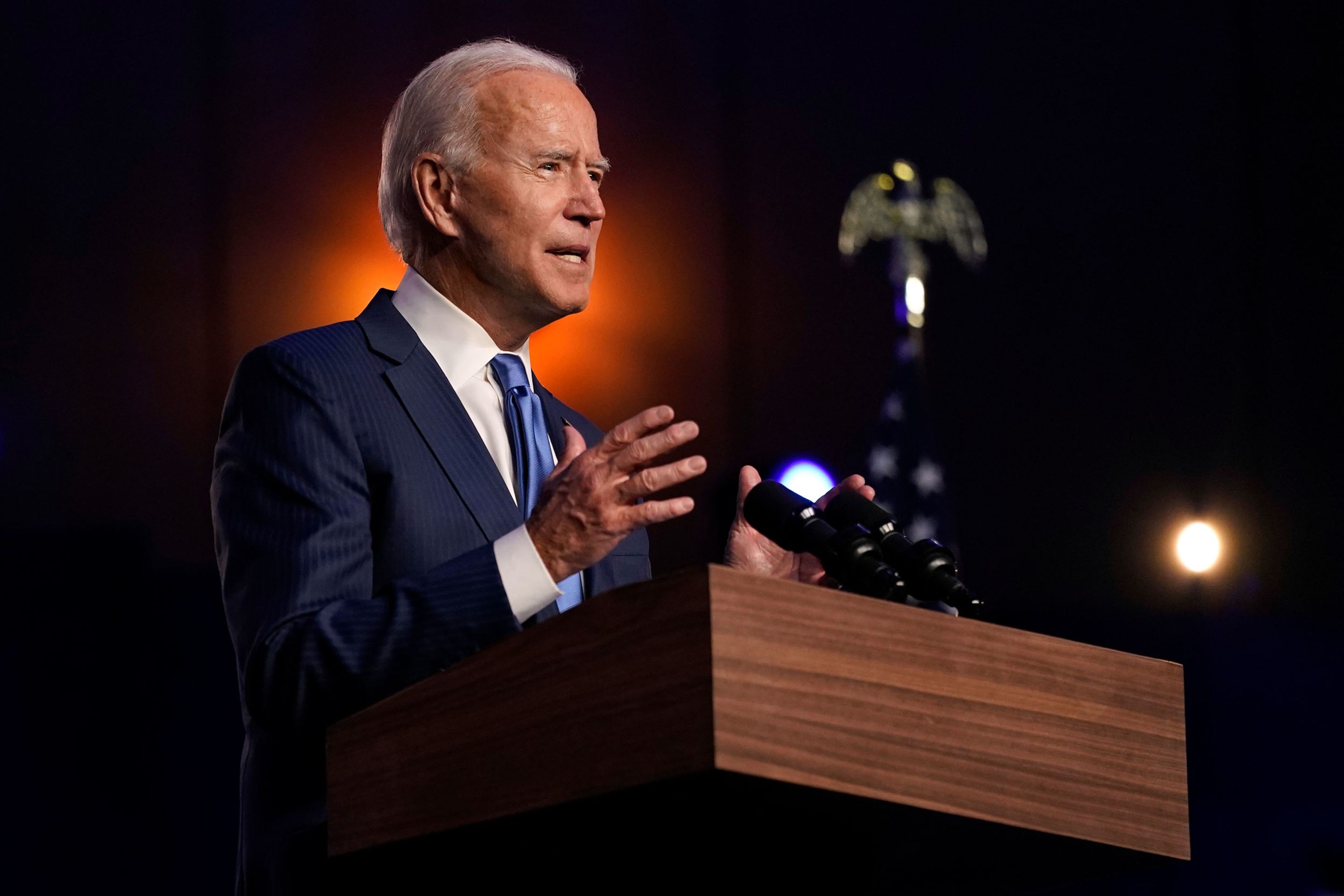
In pictures: Former President Joe Biden
Entities mentioned:
- Joe Biden: Ambition, Legacy, Duty
- Donald Trump: Power, Competitive spirit
- Kamala Harris: Ambition, Loyalty, Unity
- Barack Obama: Legacy, Influence
- Jacquelyn Brittany: Recognition, Enthusiasm, Loyalty
- Democratic Party: Unity, Power, Self-preservation
Article Assessment:
Credibility Score: 70/100
Bias Rating: 40/100 (Lean Left)
Sentiment Score: 55/100
Authoritarianism Risk: 25/100 (Generally Democratic)
Bias Analysis:
The article leans slightly left, evidenced by its sympathetic portrayal of Biden and positive framing of Democratic figures. However, it maintains a relatively balanced tone by including factual information about Biden's career and electoral history.
Key metric: Political Stability and Absence of Violence
As a social scientist, I analyze that this article highlights significant shifts in the U.S. political landscape, particularly focusing on Joe Biden's career trajectory and the events leading to his withdrawal from the 2024 presidential race. The emphasis on Biden's decision to step aside for the 'good of the party and country' suggests a prioritization of party unity and political stability over personal ambition. The inclusion of Jacquelyn Brittany's story underscores the importance of relatability and personal connection in political narratives. The transition of support to Kamala Harris indicates a potential shift in party leadership and strategy, which could have substantial implications for the Democratic Party's future direction and electoral prospects. This political reshuffling may impact the country's political stability metric by introducing uncertainty in leadership transition and potentially altering policy directions.
- Read more about In pictures: Former President Joe Biden
- Log in to post comments