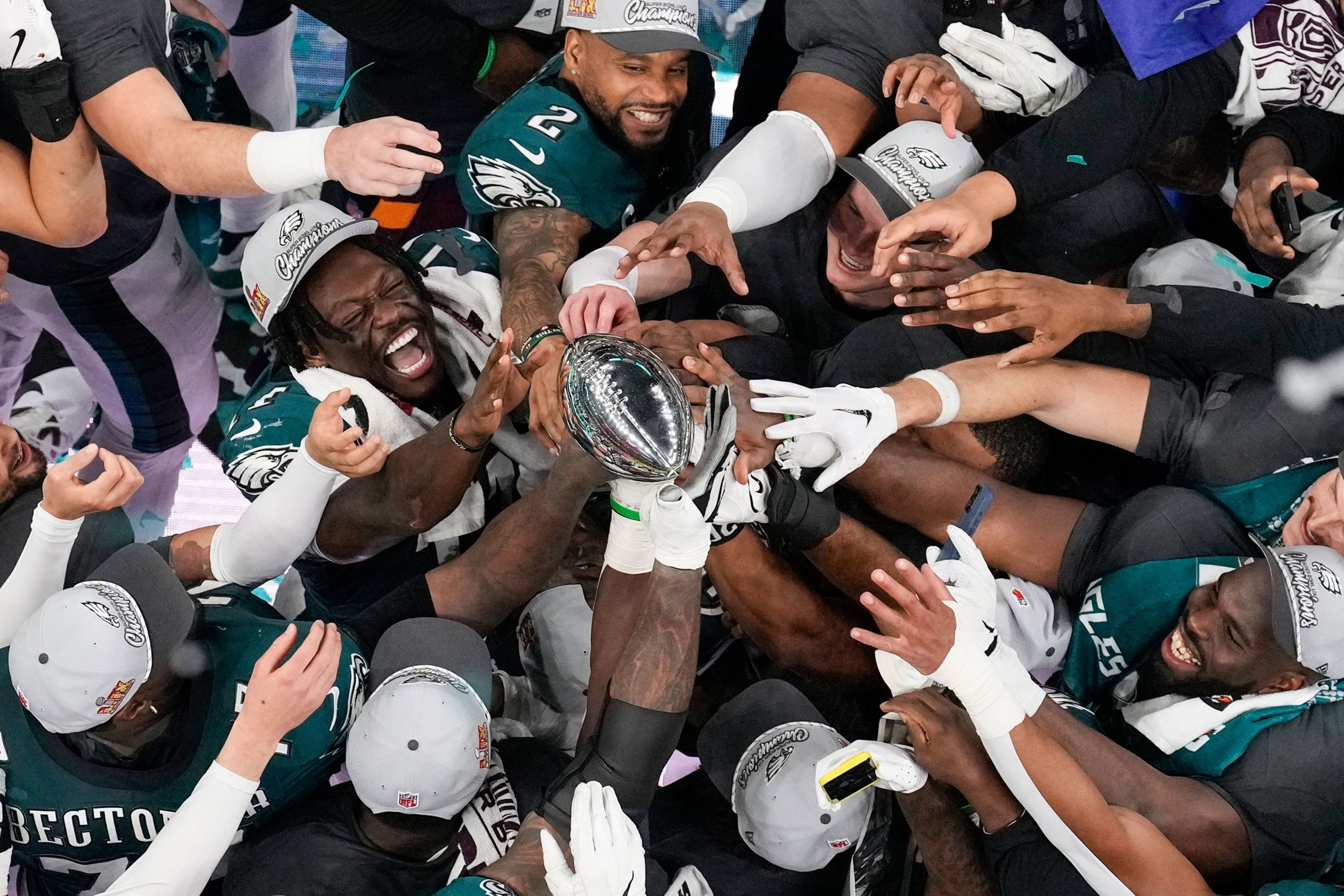
The best photos from the 2025 Super Bowl
Entities mentioned:
- Kansas City Chiefs: Ambition, Competitive spirit, Legacy
- Philadelphia Eagles: Determination, Competitive spirit, Revenge
- Jalen Hurts: Professional pride, Ambition, Recognition
- Patrick Mahomes: Competitive spirit, Legacy, Professional pride
Article Assessment:
Credibility Score: 85/100
Bias Rating: 50/100 (Center)
Sentiment Score: 65/100
Authoritarianism Risk: 15/100 (Strongly Democratic)
Bias Analysis:
The article presents a balanced account of the game, giving credit to the Eagles' performance while acknowledging the Chiefs' attempt at history. It provides factual information without favoring either team excessively.
Key metric: Sports and Entertainment Industry Performance
As a social scientist, I analyze that this Super Bowl outcome significantly impacts the sports and entertainment industry performance in the US. The Eagles' decisive victory over the Chiefs, who were aiming for a historic three-peat, demonstrates the unpredictable nature of sports, which drives fan engagement and media interest. This result may lead to increased viewership and revenue for future NFL games, particularly those involving the Eagles or featuring rematches of recent Super Bowls. The performance of key players like Jalen Hurts and the struggle of established star Patrick Mahomes could influence fan loyalty, merchandise sales, and player marketability, all of which contribute to the overall economic impact of the NFL and related industries.
- Read more about The best photos from the 2025 Super Bowl
- Log in to post comments
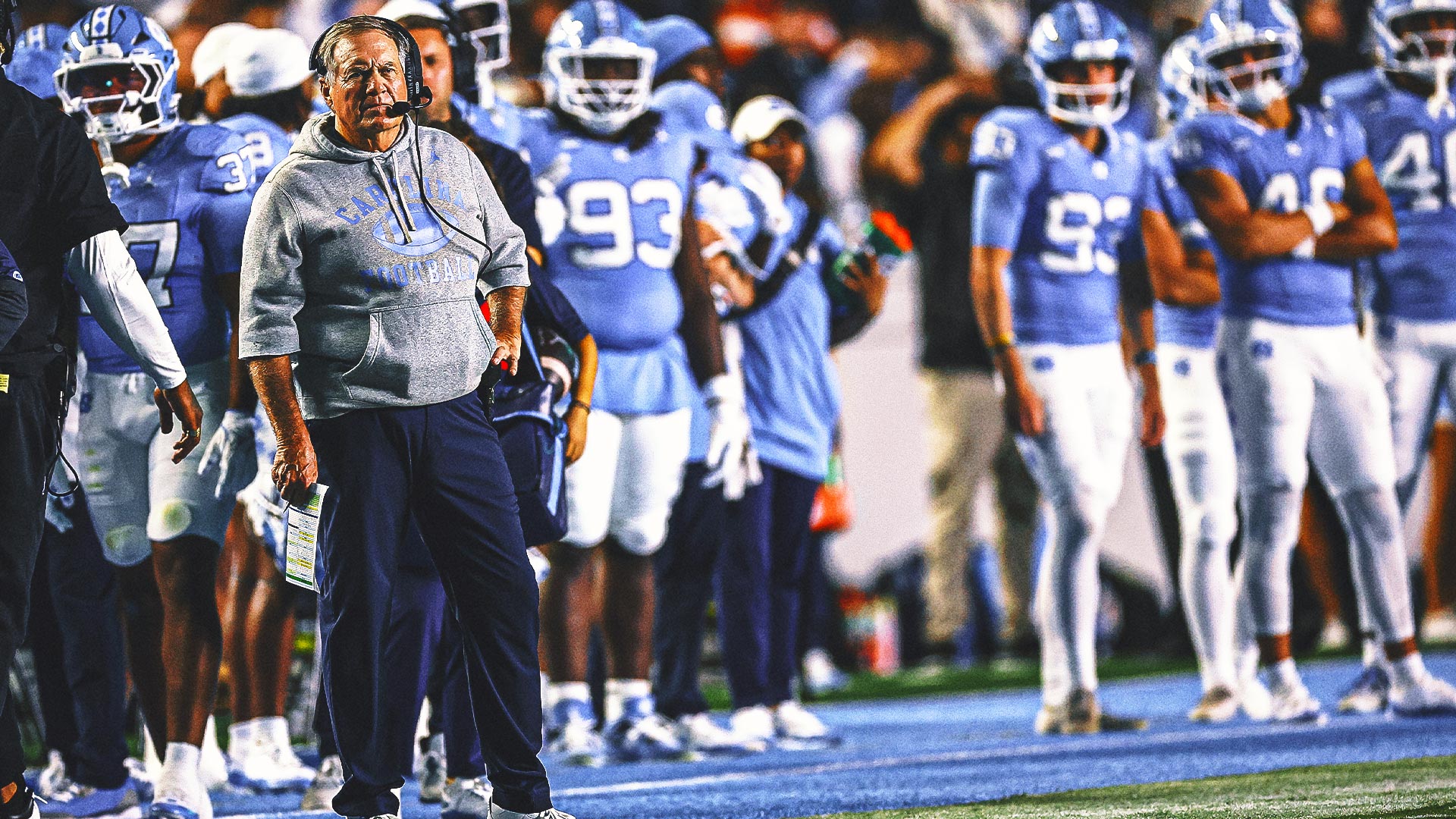
UNC's Loss to TCU Was Utterly Embarrassing. Only Bill Belichick Is To Blame
Entities mentioned:
- Bill Belichick: Pride, Ambition, Legacy
- Sonny Dykes: Competitive spirit, Professional pride, Revenge
- TCU: Competitive spirit, Recognition, Determination
- UNC: Ambition, Recognition, Pride
- Deion Sanders: Ambition, Competitive spirit, Recognition
Article Assessment:
Credibility Score: 65/100
Bias Rating: 55/100 (Center)
Sentiment Score: 25/100
Authoritarianism Risk: 20/100 (Strongly Democratic)
Bias Analysis:
The article presents a balanced view of the game's outcome, providing statistics and quotes from both sides. However, there's a slight lean towards criticizing Belichick, which is justified by the game's result but could be seen as somewhat sensationalized.
Key metric: NCAA Football Program Performance
As a social scientist, I analyze that this article highlights the challenges faced by established NFL coaches transitioning to college football. The stark contrast between Bill Belichick's NFL success and his initial college football failure underscores the different skill sets required for these two levels of the sport. This outcome may impact recruitment strategies, coaching transitions, and the perceived value of NFL experience in college football programs. The article also demonstrates the importance of adaptability and understanding the unique aspects of college football, including recruitment and the absence of professional-style resources.

Wrestler released from hospital, reveals extent of injuries after being beaten by son of former UFC champion Rampage Jackson
Entities mentioned:
- Syko Stu (Stuart Smith): Self-preservation, Professional pride, Justice
- Raja Jackson: Aggression, Power, Revenge
- Rampage Jackson: Duty, Self-respect, Obligation
- Contessa Patterson: Loyalty, Justice, Unity
- KnokX Pro Wrestling Academy: Professional pride, Self-preservation, Obligation
Article Assessment:
Credibility Score: 75/100
Bias Rating: 50/100 (Center)
Sentiment Score: 30/100
Authoritarianism Risk: 20/100 (Strongly Democratic)
Bias Analysis:
The article presents a balanced account, including statements from multiple parties involved. It refrains from overtly taking sides, presenting facts and quotes without apparent political or ideological slant.
Key metric: Public Safety and Violence Prevention
As a social scientist, I analyze that this incident highlights the potential risks and consequences of blurring the lines between scripted entertainment and real violence. The unexpected escalation of a planned wrestling spot into a serious assault raises concerns about safety protocols in combat sports and entertainment. The public response, including significant fundraising efforts for the victim, indicates a strong societal disapproval of such uncontrolled violence. This event may lead to increased scrutiny of safety measures in wrestling and similar entertainment forms, potentially impacting regulations and public perception of these industries. The incident also underscores the importance of mental health considerations for athletes, as Raja Jackson's recent concussion may have played a role in his actions.

Saturday Belongs to Julian Sayin — and All of College Football Is Watching
Entities mentioned:
- Julian Sayin: Ambition, Determination, Professional pride
- Ohio State: Competitive spirit, Pride, Legacy
- Texas: Competitive spirit, Revenge, Pride
- Ryan Day: Competitive spirit, Professional pride, Duty
- Nick Saban: Legacy, Competitive spirit, Professional pride
- Arch Manning: Ambition, Legacy, Competitive spirit
- Brian Hartline: Professional pride, Ambition, Duty
Article Assessment:
Credibility Score: 75/100
Bias Rating: 55/100 (Center)
Sentiment Score: 65/100
Authoritarianism Risk: 20/100 (Strongly Democratic)
Bias Analysis:
The article maintains a relatively neutral stance, balancing perspectives from both teams. While there's slightly more focus on Ohio State and Sayin, it's justified by the narrative of his first start.
Key metric: College Football Playoff Rankings
As a social scientist, I analyze that this article significantly impacts the College Football Playoff Rankings by highlighting a crucial game between two top-ranked teams. The focus on Julian Sayin's debut as Ohio State's quarterback against the number one ranked Texas team suggests that the outcome of this game could have substantial implications for both teams' playoff chances. The historical context provided, including the rarity of first-time starting quarterbacks beating top-ranked teams, adds weight to the potential impact of this game on the rankings. The performance of Sayin, as a highly touted recruit, could shift perceptions of Ohio State's strength and affect their position in future rankings, ultimately influencing their path to the playoffs.
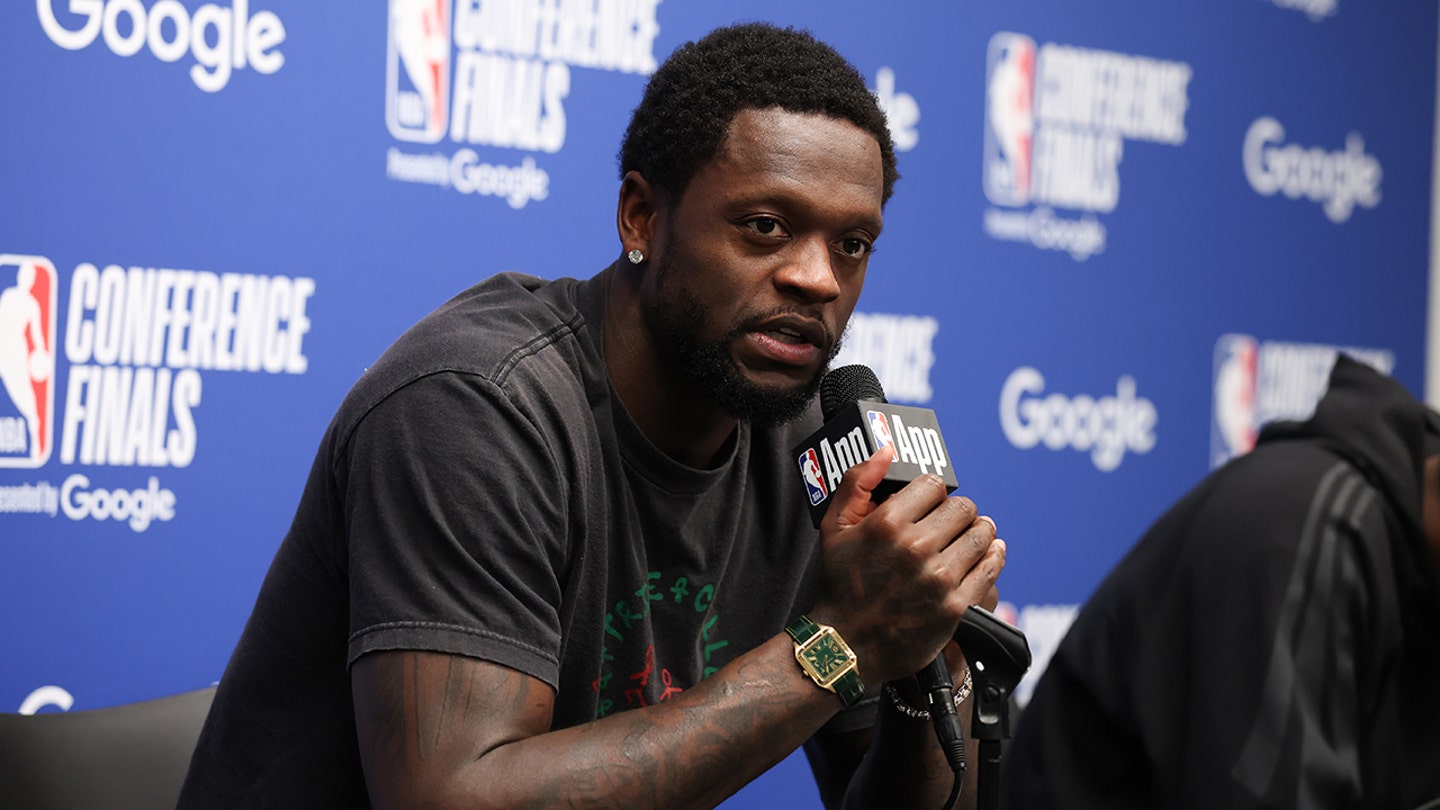
Timberwolves star Julius Randle reacts to tragic Minneapolis mass shooting: 'We gotta be better'
Entities mentioned:
- Julius Randle: Moral outrage, Fear, Obligation
- Minnesota Timberwolves: Unity, Obligation, Compassion
- Minneapolis Police Chief Brian O'Hara: Duty, Indignation, Justice
- Gunman: Revenge, Moral outrage, Control
Article Assessment:
Credibility Score: 75/100
Bias Rating: 55/100 (Center)
Sentiment Score: 20/100
Authoritarianism Risk: 30/100 (Generally Democratic)
Bias Analysis:
The article presents a fairly balanced view, quoting various sources and providing factual details. While it leans slightly emotional due to the nature of the event, it maintains a neutral stance in reporting.
Key metric: Violent Crime Rate
As a social scientist, I analyze that this tragic event significantly impacts the violent crime rate metric for Minneapolis and potentially the broader state of Minnesota. The mass shooting at a church, targeting children and worshippers, represents a severe spike in violent crime that will likely influence both statistics and public perception of safety. The reaction from local sports teams and figures like Julius Randle demonstrates the community-wide impact and the potential for this event to spark discussions on gun control, mental health, and public safety measures. The incident may lead to increased security measures in places of worship and schools, potentially affecting community cohesion and trust. The emphasis on the shooter's deliberate targeting of children could also lead to heightened anxiety among parents and educational institutions, possibly influencing school attendance and community participation rates in the short term.
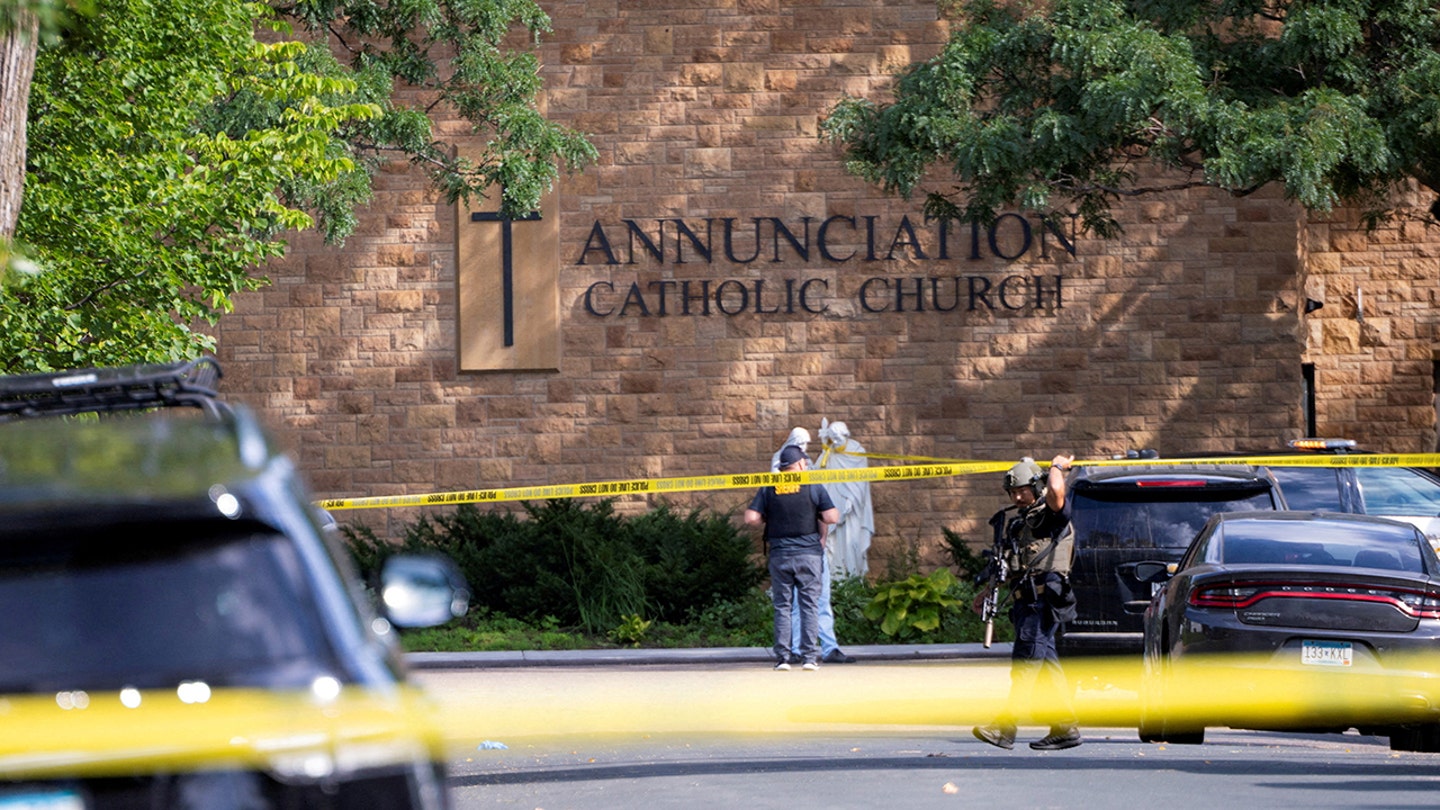
WNBA star Sophie Cunningham sends prayers to victims of 'pure evil' Minneapolis shooting
Entities mentioned:
- Sophie Cunningham: Righteousness, Moral outrage, Compassion
- FBI: Justice, Duty, Security
- Kash Patel: Duty, Justice, Professional pride
- Robin/Robert Westman: Revenge, Moral outrage, Recognition
- Brian O'Hara: Duty, Security, Professional pride
Article Assessment:
Credibility Score: 75/100
Bias Rating: 55/100 (Center)
Sentiment Score: 25/100
Authoritarianism Risk: 35/100 (Generally Democratic)
Bias Analysis:
The article presents a relatively balanced account of the incident, including multiple perspectives and official sources. However, the focus on the shooter's gender identity change might be seen as unnecessary emphasis, potentially skewing the narrative.
Key metric: Violent Crime Rate
As a social scientist, I analyze that this article highlights a significant violent crime incident that impacts the national Violent Crime Rate metric. The mass shooting at a Catholic school in Minneapolis, resulting in fatalities and multiple injuries, represents a severe case of violence that will likely influence crime statistics and public perception of safety. The involvement of the FBI in investigating this as a potential hate crime against Catholics adds another layer of complexity to the incident, potentially affecting inter-community relations and religious tensions. The shooter's apparent manifesto and disturbing online content suggest premeditation and ideological motivations, which could have broader implications for discussions on gun control, mental health, and online radicalization. The reaction from public figures like Sophie Cunningham demonstrates the widespread impact of such events on society, influencing public discourse and potentially policy responses.
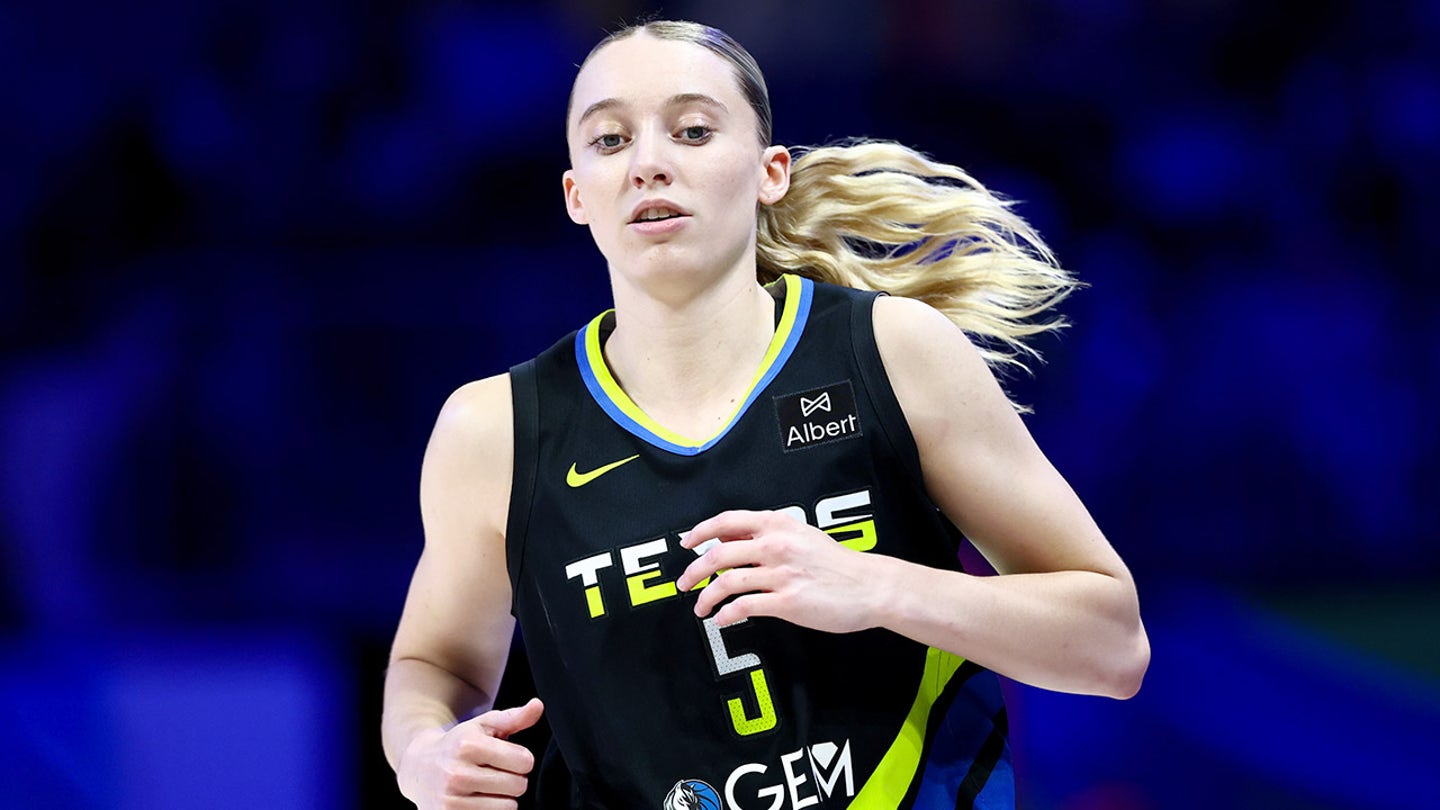
WNBA star Paige Bueckers calls for tight gun control laws after Minnesota Catholic church shooting
Entities mentioned:
- Paige Bueckers: Moral outrage, Justice, Righteousness
- Robert/Robin Westman: Revenge, Moral outrage, Fear
- Annunciation Church: Unity, Security, Freedom
- Minneapolis Police: Duty, Justice, Security
Article Assessment:
Credibility Score: 70/100
Bias Rating: 55/100 (Center)
Sentiment Score: 25/100
Authoritarianism Risk: 30/100 (Generally Democratic)
Bias Analysis:
The article presents a balanced view, including quotes from Bueckers and factual information from authorities. While it leans slightly right due to the Fox News source, the content itself remains mostly neutral in its presentation of the event and reactions.
Key metric: Gun Violence Rates
As a social scientist, I analyze that this article highlights the ongoing issue of gun violence in the United States, specifically in public spaces like schools and churches. The call for stricter gun control laws by a prominent athlete reflects growing public concern and could potentially influence policy discussions. The incident's impact on a religious institution may also affect perceptions of public safety and community cohesion. The involvement of children as victims is likely to intensify emotional responses and debates around gun control measures.
Twins denounce fatal shooting at Minnesota Catholic church as 'incomprehensible' attack
Entities mentioned:
- Minnesota Twins: Compassion, Unity, Professional pride
- Minneapolis Police Chief Brian O'Hara: Duty, Justice, Indignation
- Minnesota Vikings: Compassion, Unity, Professional pride
- Minnesota Timberwolves and Lynx: Compassion, Unity, Professional pride
- Tom Wyatt: Duty, Professional pride, Compassion
- Gunman: Revenge, Moral outrage, Fear
Article Assessment:
Credibility Score: 75/100
Bias Rating: 45/100 (Center)
Sentiment Score: 20/100
Authoritarianism Risk: 25/100 (Generally Democratic)
Bias Analysis:
The article presents a balanced view, quoting multiple sources and providing factual information. While it focuses on statements from local organizations, it doesn't appear to lean towards any particular political stance.
Key metric: Public Safety and Crime Rate
As a social scientist, I analyze that this tragic event significantly impacts public safety perceptions and crime rates in Minnesota. The shooting at a church, targeting children during a religious service, represents a severe breach of societal norms and expectations of safety in places of worship and education. This incident is likely to increase fear and anxiety within the community, potentially leading to decreased participation in public gatherings and religious services. The swift and unified response from local sports teams demonstrates community cohesion in the face of tragedy, which may help in the healing process. However, the event's severity and targeting of children could lead to long-lasting trauma and a persistent sense of vulnerability, potentially affecting social behavior and trust in public institutions. The incident may also spark debates on gun control and security measures in schools and religious institutions, potentially leading to policy changes.
Grand jury declines to indict alleged Washington DC sandwich thrower
Entities mentioned:
- NAACP: Justice, Righteousness, Influence
- Donald Trump: Power, Control, Revenge
- Harvard University: Self-preservation, Professional pride, Legacy
- Federal Reserve: Independence, Professional pride, Duty
- Lisa Cook: Self-preservation, Professional pride, Justice
- Elon Musk: Influence, Power, Recognition
- Gavin Newsom: Ambition, Competitive spirit, Influence
Article Assessment:
Credibility Score: 70/100
Bias Rating: 35/100 (Lean Left)
Sentiment Score: 30/100
Authoritarianism Risk: 55/100 (Mixed/Neutral)
Bias Analysis:
The article leans slightly left in its framing, giving more space to criticisms of Trump and Republican actions. While it covers various topics, there's a noticeable emphasis on Trump's controversial moves and Democratic responses.
Key metric: Political Polarization Index
As a social scientist, I analyze that this article highlights increasing political tensions and polarization in the United States. The multiple lawsuits, conflicts between the Trump administration and various entities (including the Federal Reserve), and the racial redistricting issues all point to deepening divides in American politics. The attempts to influence key institutions like the Federal Reserve and redraw congressional maps suggest a struggle for power and control over democratic processes. This heightened conflict and the undermining of institutional independence could lead to increased political polarization, potentially affecting governance, policy-making, and public trust in democratic institutions.
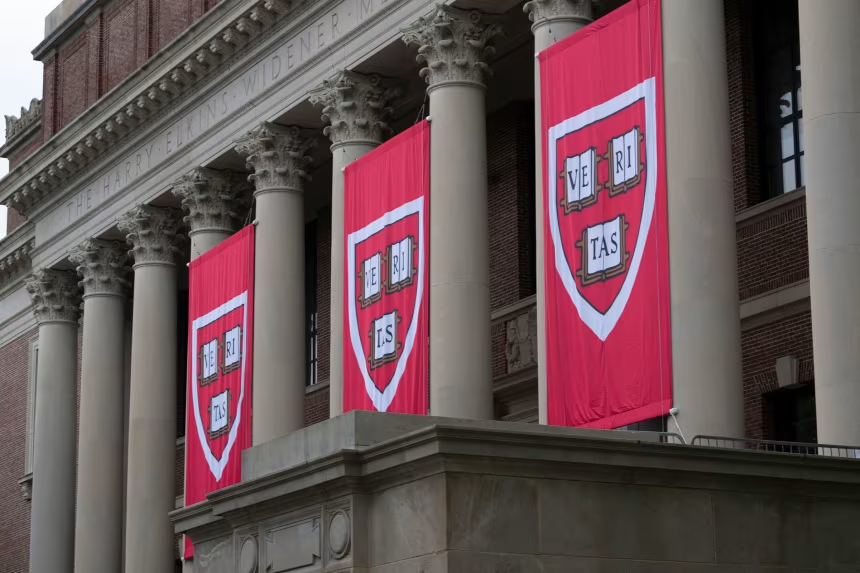
‘Don’t negotiate, Linda’: Trump calls for $500 million Harvard settlement
Entities mentioned:
- Donald Trump: Power, Control, Revenge
- Harvard University: Self-preservation, Academic freedom, Professional pride
- Linda McMahon: Duty, Loyalty, Control
- Howard Lutnick: Competitive spirit, Loyalty, Power
- Allison Burroughs: Justice, Duty, Righteousness
- Alan Garber: Self-preservation, Professional pride, Duty
Article Assessment:
Credibility Score: 75/100
Bias Rating: 55/100 (Center)
Sentiment Score: 30/100
Authoritarianism Risk: 65/100 (Authoritarian Tendencies)
Bias Analysis:
The article presents multiple viewpoints and includes factual information from various sources. However, it gives more space to the administration's perspective and actions, slightly tilting the balance of presentation.
Key metric: Higher Education Federal Funding
As a social scientist, I analyze that this article highlights a significant conflict between the Trump administration and elite universities, particularly Harvard. The administration's aggressive stance, demanding large settlements and increased control over research patents, could have far-reaching implications for higher education funding and academic freedom. This approach appears to be driven by political motivations, leveraging public sentiment against elite institutions. The potential $500 million settlement and patent ownership changes could severely impact Harvard's operations and set a precedent for federal intervention in university affairs. This conflict represents a broader ideological battle over the role of government in higher education and the balance between oversight and institutional autonomy.