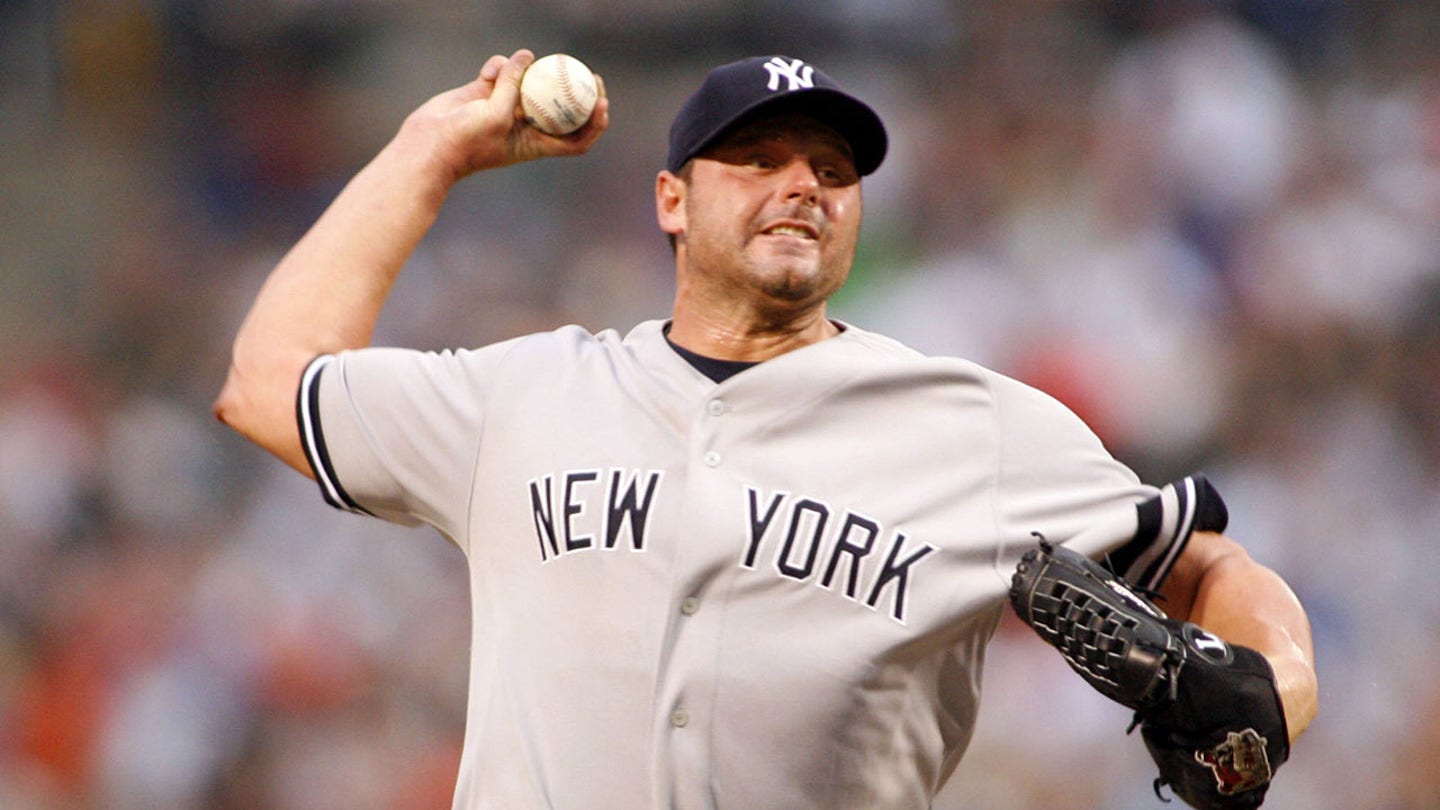
MLB legend Roger Clemens reacts to conviction of man who tried to assassinate Trump
Entities mentioned:
- Roger Clemens: Loyalty, Pride, Duty
- Ryan Wesley Routh: Revenge, Moral outrage, Anxiety
- Donald Trump: Power, Competitive spirit, Self-preservation
- Barack Obama: Legacy, Unity, Influence
Article Assessment:
Credibility Score: 75/100
Bias Rating: 65/100 (Lean Right)
Sentiment Score: 45/100
Authoritarianism Risk: 35/100 (Generally Democratic)
Bias Analysis:
The article leans right due to its focus on a Trump supporter's perspective and positive framing of Trump. However, it includes some balanced elements like Clemens' comments on supporting Obama.
Key metric: Political Stability Index
Let me tell you something - this story is a GAME-CHANGER! We've got a real nail-biter here, folks! Roger Clemens, the legendary pitcher, is stepping up to the plate to defend his teammate, President Trump, after a would-be assassin tried to take out the Commander-in-Chief right on the golf course! This is like trying to tackle the quarterback in his own end zone - it's RIDICULOUS! Clemens is showing true team spirit, rallying behind his captain even when the opposition is playing dirty. But let's not forget, folks, this isn't just about one player - it's about the whole league. Clemens is calling for unity, asking everyone to root for the success of the presidency, no matter which jersey they're wearing. That's the kind of sportsmanship that makes America the greatest game in town! This conviction is a huge defensive play, sending a clear message to anyone thinking about taking a cheap shot at our democracy. It's fourth quarter time for political stability, and Team USA just scored a crucial touchdown!
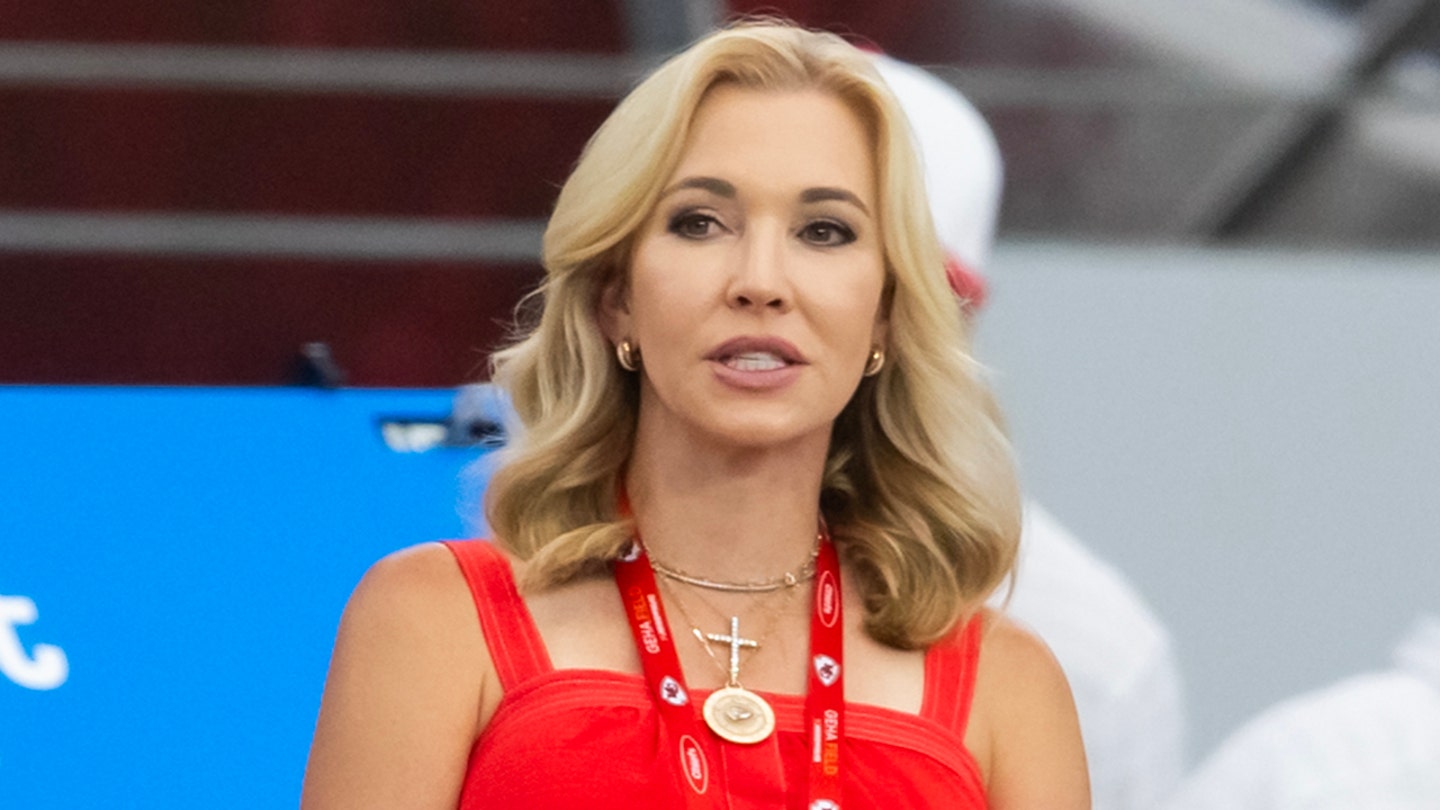
Chiefs CEO's wife slams critics celebrating Charlie Kirk's assassination
Entities mentioned:
- Tavia Hunt: Righteousness, Moral outrage, Unity
- Charlie Kirk: Influence, Legacy, Determination
- Erika Kirk: Righteousness, Forgiveness, Unity
- Tyler Robinson: Anger, Revenge, Fear
Article Assessment:
Credibility Score: 75/100
Bias Rating: 65/100 (Lean Right)
Sentiment Score: 30/100
Authoritarianism Risk: 35/100 (Generally Democratic)
Bias Analysis:
The article leans right, focusing on conservative figures and their responses. It presents the assassination critically and highlights conservative perspectives, though it includes factual reporting.
Key metric: Political Polarization Index
Let me tell you something, folks - this story is a GAME CHANGER! We're seeing a major player, Tavia Hunt, stepping up to the plate and swinging for the fences against those celebrating a tragic loss. This is the kind of fourth-quarter move that could shift the entire political playing field! Charlie Kirk, a true MVP in conservative circles, has been taken out of the game in a shocking turn of events. But his wife, Erika, is showing true championship mentality by preaching forgiveness in the face of this unthinkable personal foul. This is the kind of sportsmanship that transcends the game, folks! I'm telling you right now, the way both sides react to this could be the deciding factor in the upcoming political season. It's crunch time, and every player needs to decide: are they going to take the high road or play dirty? This is RIDICULOUS, and it's testing the very fabric of our national team spirit!
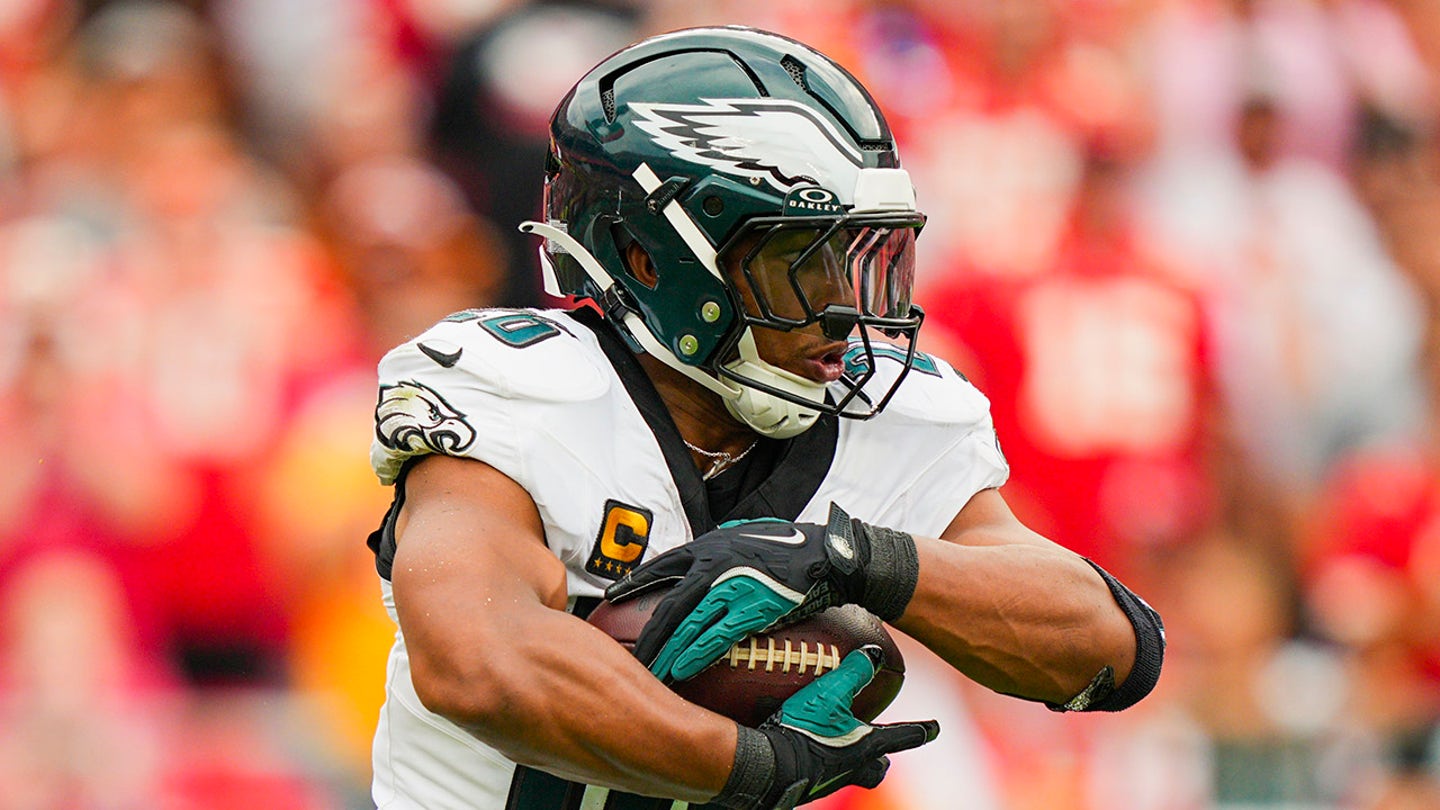
NFL hits Eagles' Saquon Barkley with $46K fine for dangerous helmet violation vs Chiefs
Entities mentioned:
- Saquon Barkley: Competitive spirit, Determination, Professional pride
- NFL: Control, Safety, Justice
- Philadelphia Eagles: Competitive spirit, Ambition, Unity
- Travis Kelce: Pride, Competitive spirit, Recognition
- Kansas City Chiefs: Competitive spirit, Revenge, Pride
Article Assessment:
Credibility Score: 85/100
Bias Rating: 50/100 (Center)
Sentiment Score: 40/100
Authoritarianism Risk: 35/100 (Generally Democratic)
Bias Analysis:
The article presents a balanced view of the fines and controversies, quoting official sources and providing context. It doesn't show favoritism towards any team or player involved.
Key metric: NFL Player Safety Violations
Let me tell you something - this story is RIDICULOUS! We've got a HEAVYWEIGHT BATTLE brewing between the league office and some of the NFL's biggest stars! Saquon Barkley, the Eagles' offensive juggernaut, just got SACKED with a $46K fine for leading with his helmet. This is a HUGE hit to his wallet, folks! But make no mistake, Barkley isn't the only player in the penalty box. Chiefs' tight end Travis Kelce is also feeling the heat with a fine for an unsportsmanlike celebration. These players are in the RED ZONE of the NFL's patience, and they better shape up or risk being BENCHED by even bigger fines. The league is playing FULL-COURT PRESS on player safety and conduct, sending a clear message that even the brightest stars aren't above the rules. As we head into Week 3, all eyes will be on the officials. They're under pressure to call a tighter game, especially on that controversial 'tush push' play. It's fourth and inches in the NFL's game of safety vs. excitement, and I'm telling you right now, this season is going to be a NAIL-BITER!
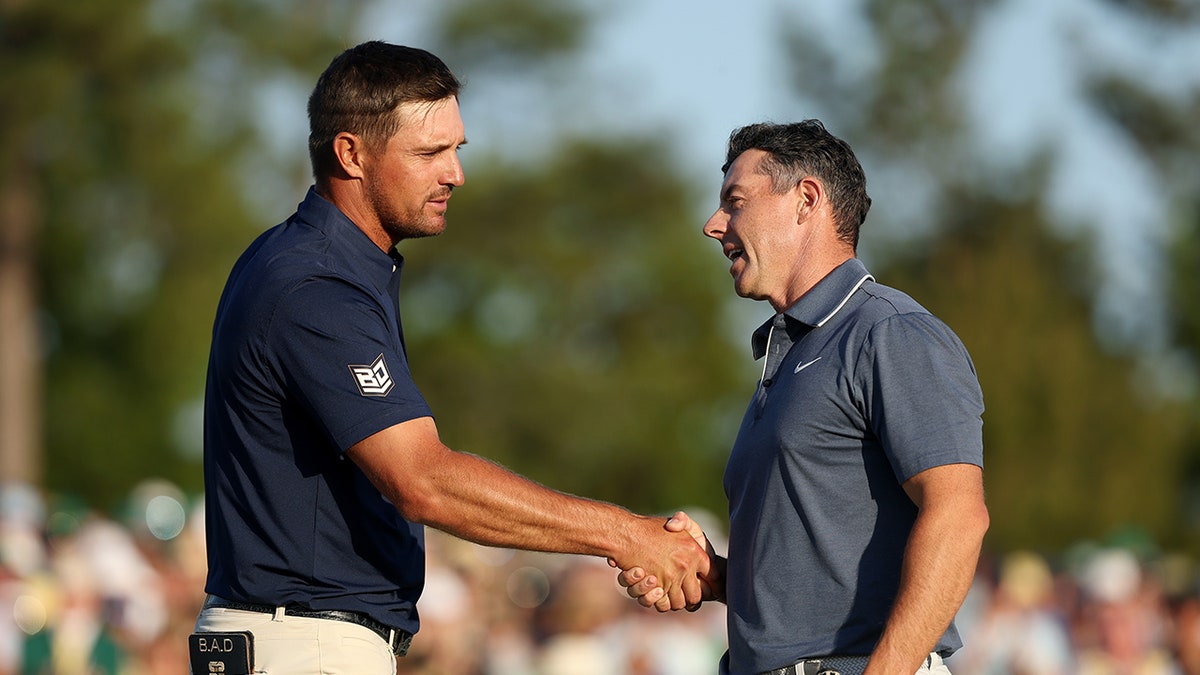
Rory McIlroy fires back at Bryson DeChambeau's trash talk ahead of Ryder Cup
Entities mentioned:
- Rory McIlroy: Competitive spirit, Pride, Professional pride
- Bryson DeChambeau: Ambition, Recognition, Competitive spirit
- Team Europe: Unity, Competitive spirit, Pride
- Team USA: Competitive spirit, Revenge, Pride
Article Assessment:
Credibility Score: 75/100
Bias Rating: 55/100 (Center)
Sentiment Score: 65/100
Authoritarianism Risk: 15/100 (Strongly Democratic)
Bias Analysis:
The article presents quotes from both sides and provides context for the rivalry. While it focuses more on McIlroy's perspective, it doesn't overtly favor either player or team.
Key metric: Ryder Cup Performance
Let me tell you something - this Ryder Cup showdown is shaping up to be an ALL-OUT WAR! We've got two heavyweights, McIlroy and DeChambeau, trading verbal jabs like prizefighters before the main event. McIlroy's coming out swinging, folks, calling DeChambeau's trash talk nothing more than a desperate play for attention. It's clear these two are bringing a championship mentality to Bethpage Black, and I'm telling you right now, the tension on that first tee is going to be thicker than a New York slice! With 50,000 fans expected daily, this is going to be a pressure cooker of epic proportions. Team USA is looking to bounce back after taking it on the chin in Rome, while Team Europe is stepping up to the plate with the confidence of defending champs. This is RIDICULOUS, folks - we're not just talking about a golf tournament, we're talking about a battle for national pride on the biggest stage in team golf!
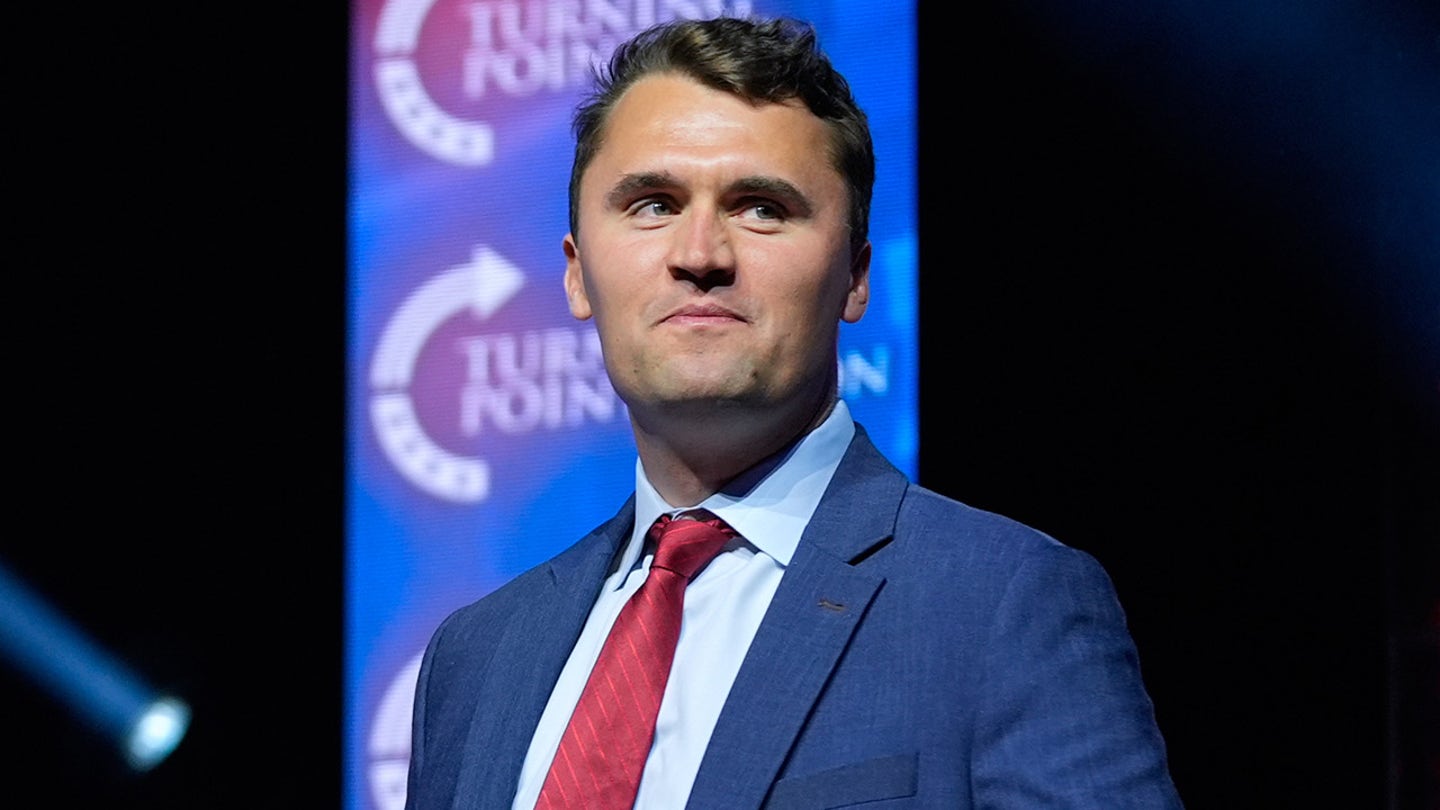
UFC CEO Dana White calls for unity, normalcy after Charlie Kirk assassination
Entities mentioned:
- Dana White: Unity, Righteousness, Loyalty
- Charlie Kirk: Legacy, Influence, Recognition
- Tyler Robinson: Revenge, Moral outrage, Control
- Donald Trump: Power, Influence, Legacy
Article Assessment:
Credibility Score: 70/100
Bias Rating: 65/100 (Lean Right)
Sentiment Score: 30/100
Authoritarianism Risk: 35/100 (Generally Democratic)
Bias Analysis:
The article leans right due to its focus on a conservative figure and platforming of Trump supporters. However, it maintains some balance by including factual details about the charges against the alleged assassin.
Key metric: National Unity Index
Let me tell you something, folks - this is a GAME-CHANGING play in the political arena! The assassination of Charlie Kirk has thrown the whole league into CHAOS. Dana White, the UFC's star quarterback, is calling an audible here, pushing for unity in a divided locker room. He's stepping up to the plate, trying to rally the team in the fourth quarter of what's been a brutal season. But make no mistake, this is no easy layup - we're talking about a Hail Mary pass to bring the country back together. White's looking to coach this nation back to normalcy, but he's facing a full-court press from extremists on both sides. I'm telling you right now, this is the kind of clutch performance that separates the champions from the also-rans. Can White's call for unity score the touchdown America needs? Or will this political grudge match go into overtime? Stay tuned, sports fans - this is one for the history books!
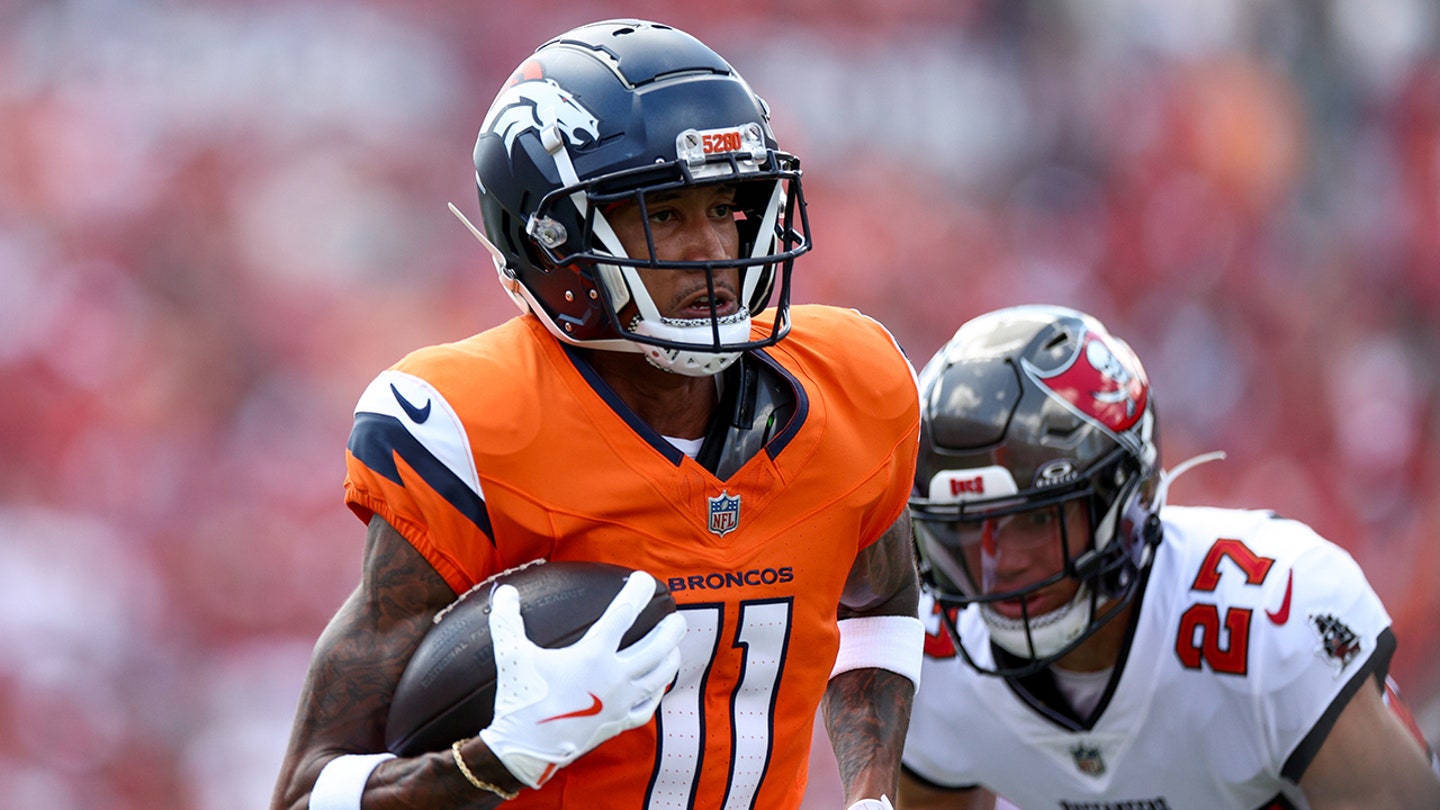
Jets receiver Josh Reynolds shot at in 2024 after mistakenly identified as part of drug-deal scam: report
Entities mentioned:
- Josh Reynolds: Self-preservation, Determination, Professional pride
- Denver Broncos: Loyalty, Obligation, Professional pride
- New York Jets: Ambition, Competitive spirit, Recognition
- Burr Charlesworth: Fear, Greed, Revenge
Article Assessment:
Credibility Score: 75/100
Bias Rating: 50/100 (Center)
Sentiment Score: 30/100
Authoritarianism Risk: 25/100 (Generally Democratic)
Bias Analysis:
The article presents a balanced account of the incident, citing court documents and official statements. It refrains from sensationalizing the event or taking sides, maintaining a neutral stance.
Key metric: NFL Player Safety
Let me tell you something, folks - this is RIDICULOUS! We've got a star wide receiver, Josh Reynolds, who's been through the gauntlet like it's fourth and long with no timeouts! This guy took hits that weren't even on the field, showing the kind of toughness you can't coach. Reynolds has been playing defense against real-life opponents, dodging bullets instead of tackles! But like a true champion, he's bounced back, going from the Broncos' injured list to the Jets' starting lineup. This is the kind of resilience that separates the pros from the amateurs, folks! The NFL's got to step up its game plan for player safety off the field, because this ain't no fantasy football - it's real life, and the stakes are higher than any Super Bowl!
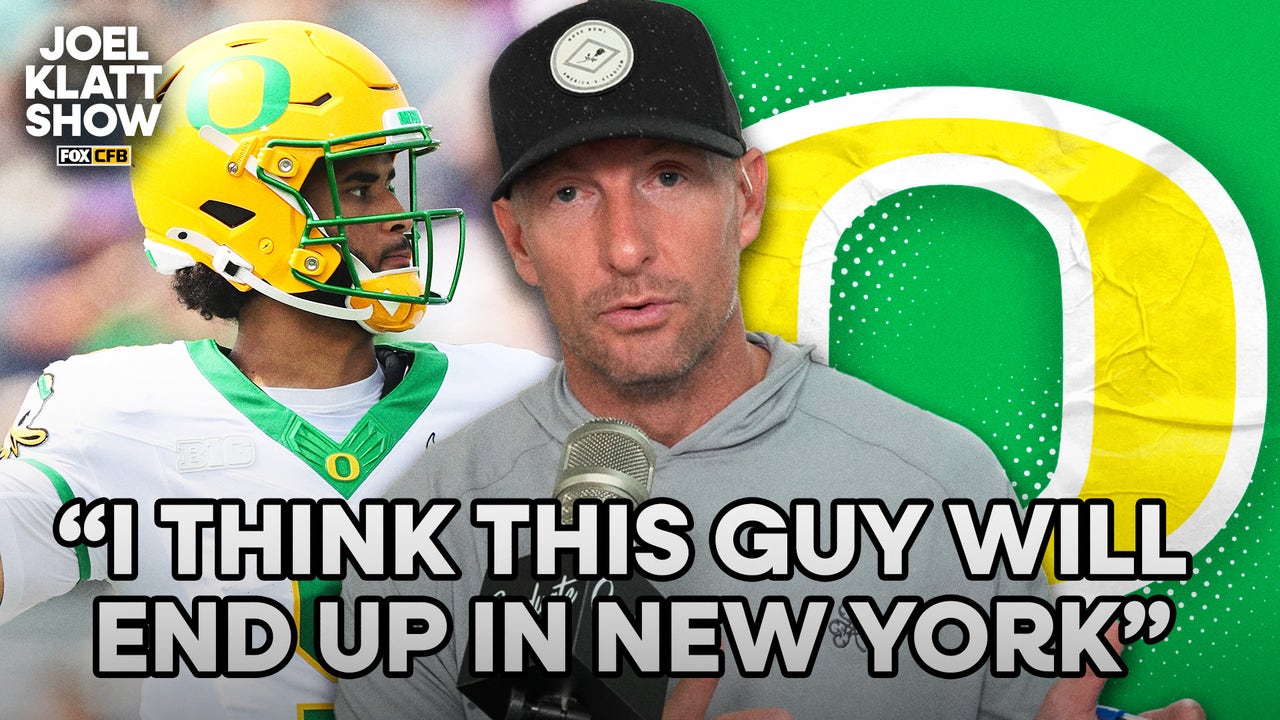
College Football Week 4 Picks, Preview: What To Expect in TX Tech-Utah, UM-Nebraska
Entities mentioned:
- Texas Tech: Competitive spirit, Ambition, Pride
- Utah: Competitive spirit, Determination, Professional pride
- Michigan: Competitive spirit, Legacy, Ambition
- Nebraska: Competitive spirit, Recognition, Determination
- Oklahoma: Competitive spirit, Ambition, Pride
- Auburn: Competitive spirit, Revenge, Recognition
- Illinois: Competitive spirit, Ambition, Professional pride
- Indiana: Competitive spirit, Recognition, Ambition
Article Assessment:
Credibility Score: 75/100
Bias Rating: 50/100 (Center)
Sentiment Score: 75/100
Authoritarianism Risk: 15/100 (Strongly Democratic)
Bias Analysis:
The article presents a balanced view of multiple teams and conferences. While there's enthusiasm for certain players and teams, it's consistent with typical sports commentary rather than political bias.
Key metric: College Football Rankings
Let me tell you something - this weekend's college football lineup is ELECTRIC! We've got a Big 12 showdown that's going to separate the contenders from the pretenders. Texas Tech and Utah are stepping into the ring, and folks, this is a heavyweight bout that could determine who's wearing the conference championship belt come season's end. But that's just the appetizer! We've got Michigan looking to avoid a knockout blow against Nebraska, Oklahoma aiming to land a haymaker on Auburn, and Illinois squaring off with Indiana in a Big Ten clash that could have playoff implications. I'm telling you right now, these teams are bringing their A-game, leaving it all on the field, and playing with that championship mentality. It's fourth quarter, two-minute drill time for these programs - win now or go home! The coaches are drawing up their X's and O's like it's the Super Bowl, and these young athletes are ready to make SportsCenter Top 10 plays. Buckle up, sports fans - we're in for a wild ride!
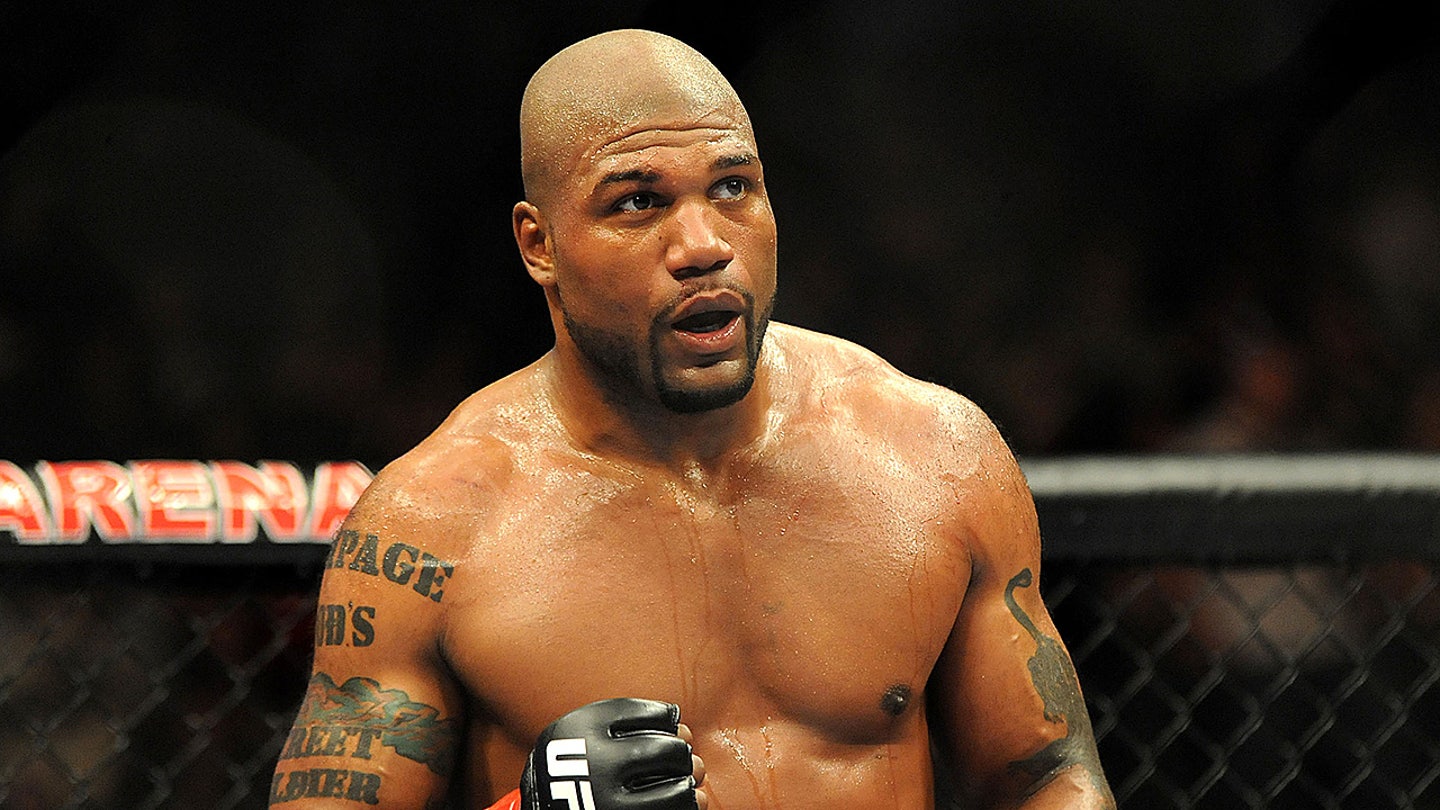
UFC champion's son charged with felony assault for viral beatdown of pro wrestler in stunt that 'went wrong'
Entities mentioned:
- Raja Jackson: Revenge, Power, Self-preservation
- Stuart Smith (Syko Stu): Professional pride, Self-preservation, Recognition
- Rampage Jackson: Loyalty, Self-preservation, Obligation
- KnokX Pro Wrestling Academy: Professional pride, Self-preservation, Duty
Article Assessment:
Credibility Score: 75/100
Bias Rating: 50/100 (Center)
Sentiment Score: 20/100
Authoritarianism Risk: 25/100 (Generally Democratic)
Bias Analysis:
The article presents a balanced account, including statements from multiple parties involved. It refrains from taking sides, offering a neutral presentation of the events and their consequences.
Key metric: Violent Crime Rate
Let me tell you something, folks - this is a BOMBSHELL in the world of combat sports! We've got a young fighter who's clearly stepped WAY out of bounds, turning what should have been a scripted wrestling match into a full-on CAGE FIGHT! Raja Jackson, son of UFC legend Rampage Jackson, has committed the ultimate personal foul here, folks. He's not just crossed the line, he's OBLITERATED it! This isn't just unsportsmanlike conduct, it's a CRIMINAL OFFENSE! We're talking about a player who's gone from the squared circle to the courthouse in record time. The victim, Syko Stu, has been sidelined with injuries that would make even the toughest linebackers wince. This is a HUGE setback for the wrestling community, and it's going to take some serious defensive strategy from Raja's legal team to keep him out of the penalty box long-term. I'm telling you right now, this kind of behavior has no place in the ring, on the field, or anywhere else in sports!
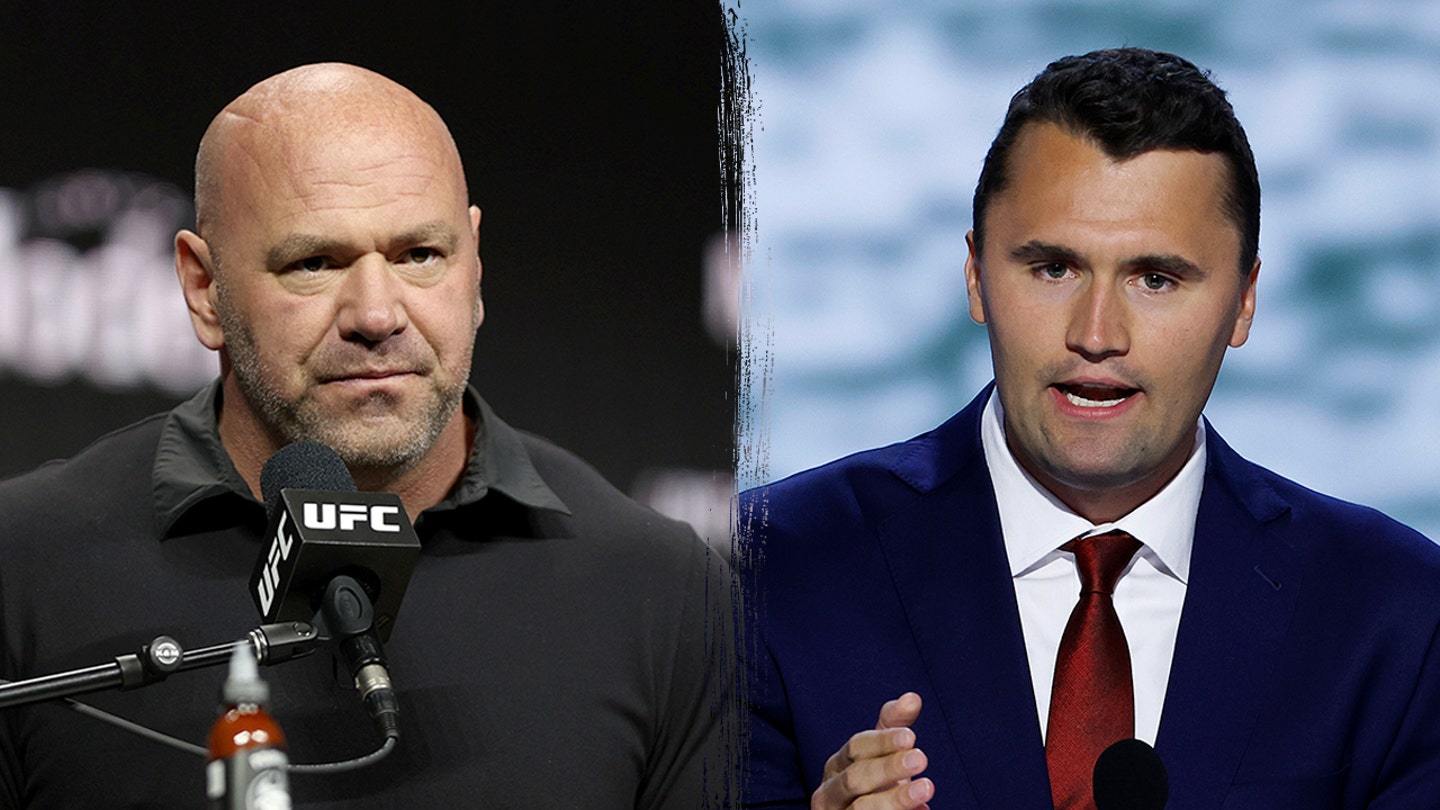
Dana White 'blown away' by Charlie Kirk's assassination, says daughter is 'destroyed'
Entities mentioned:
- Dana White: Moral outrage, Loyalty, Professional pride
- Charlie Kirk: Righteousness, Influence, Legacy
- Logan Paul: Moral outrage, Recognition, Influence
- Tyler Robinson: Revenge, Moral outrage, Control
Article Assessment:
Credibility Score: 75/100
Bias Rating: 55/100 (Center)
Sentiment Score: 20/100
Authoritarianism Risk: 25/100 (Generally Democratic)
Bias Analysis:
The article presents multiple perspectives and quotes directly from involved parties. While there's sympathy for Kirk, it doesn't overtly push a political agenda.
Key metric: Political Violence Incidents
Let me tell you something - this story is a GAME-CHANGER! The political arena just saw a horrific play that's left everyone stunned. Charlie Kirk, a star player in the debate game, has been taken out in the most unsportsmanlike conduct we've ever seen. Dana White, the UFC's head coach, is stepping up to the plate with a powerful statement. He's not just calling foul, he's showing how this tragedy is affecting his whole team, right down to the rookie players like his daughter. Logan Paul is jumping in as a commentator, framing this as an attack on the very rulebook of American democracy. This isn't just a loss for one side, folks - it's a devastating blow to the whole league of civil discourse. The opposition has made a dirty play that goes against everything in the playbook of democratic fair play. We're in the fourth quarter of a critical match for the soul of our nation's political sportsmanship, and this move could change the entire game plan going forward!
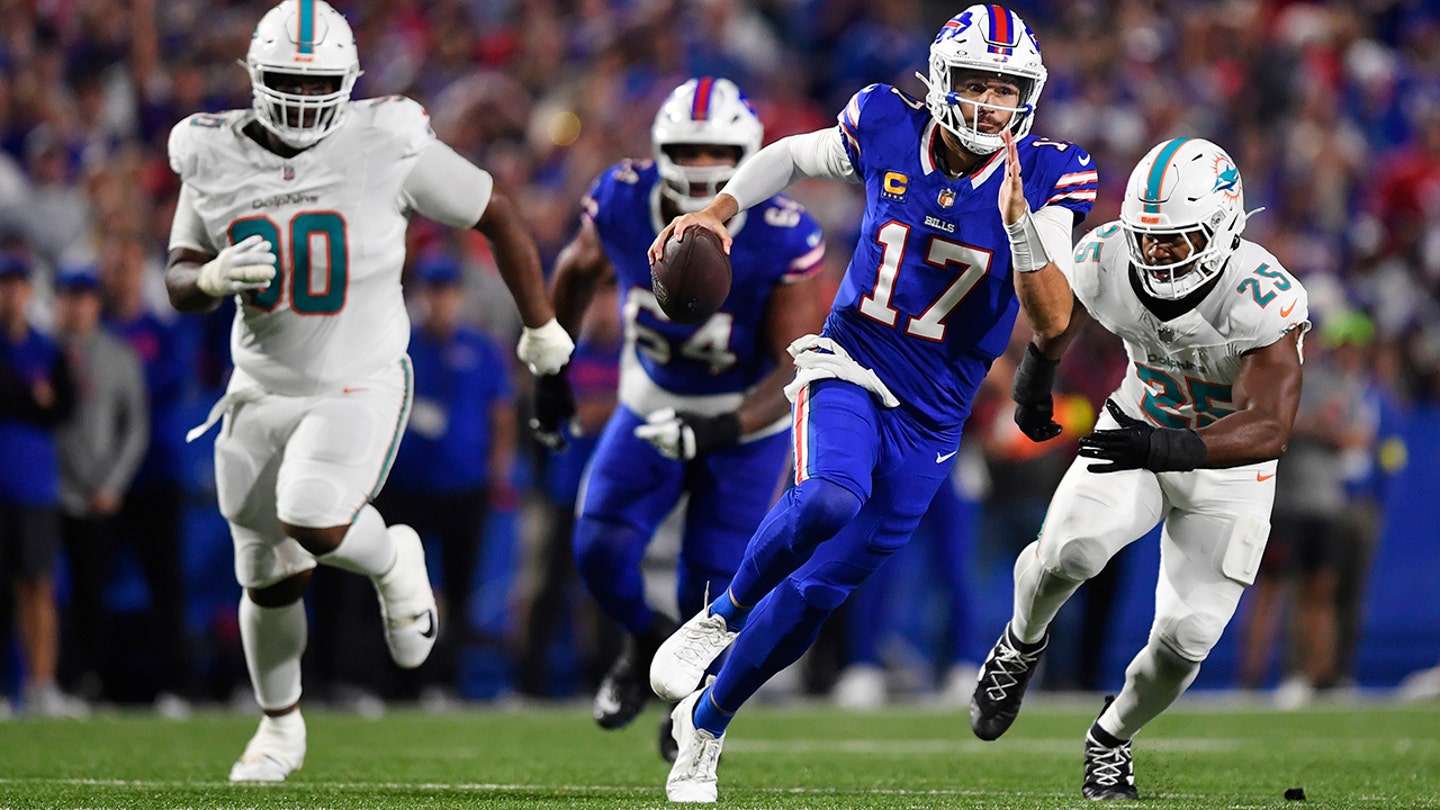
Bills' Josh Allen surpasses Patrick Mahomes' touchdown mark in win over Dolphins
Entities mentioned:
- Josh Allen: Competitive spirit, Ambition, Professional pride
- Buffalo Bills: Competitive spirit, Determination, Pride
- Miami Dolphins: Competitive spirit, Determination, Revenge
- Tua Tagovailoa: Competitive spirit, Ambition, Professional pride
Article Assessment:
Credibility Score: 85/100
Bias Rating: 50/100 (Center)
Sentiment Score: 65/100
Authoritarianism Risk: 15/100 (Strongly Democratic)
Bias Analysis:
The article presents a balanced view of both teams' performances, giving credit where due. It relies on factual game statistics and events without favoring either side.
Key metric: NFL Team Performance
Let me tell you something - this game was an absolute SLUGFEST! Josh Allen came out swinging, folks, breaking records left and right like he's in a home run derby! The Bills' quarterback is playing with championship mentality, folks, surpassing even the great Patrick Mahomes in the race to 300 career touchdowns. But don't count out the Dolphins - they came to play, showing true grit and determination in the fourth quarter. It was a back-and-forth battle that had us on the edge of our seats! The Bills defense stepped up when it mattered most, with Terrel Bernard making a game-changing interception that was like a walk-off grand slam! This is the kind of performance that separates the contenders from the pretenders, folks. The Bills are showing they have what it takes to go all the way, while the Dolphins are still trying to find their footing in this highly competitive division. I'm telling you right now, this AFC East race is going to be a marathon, not a sprint!