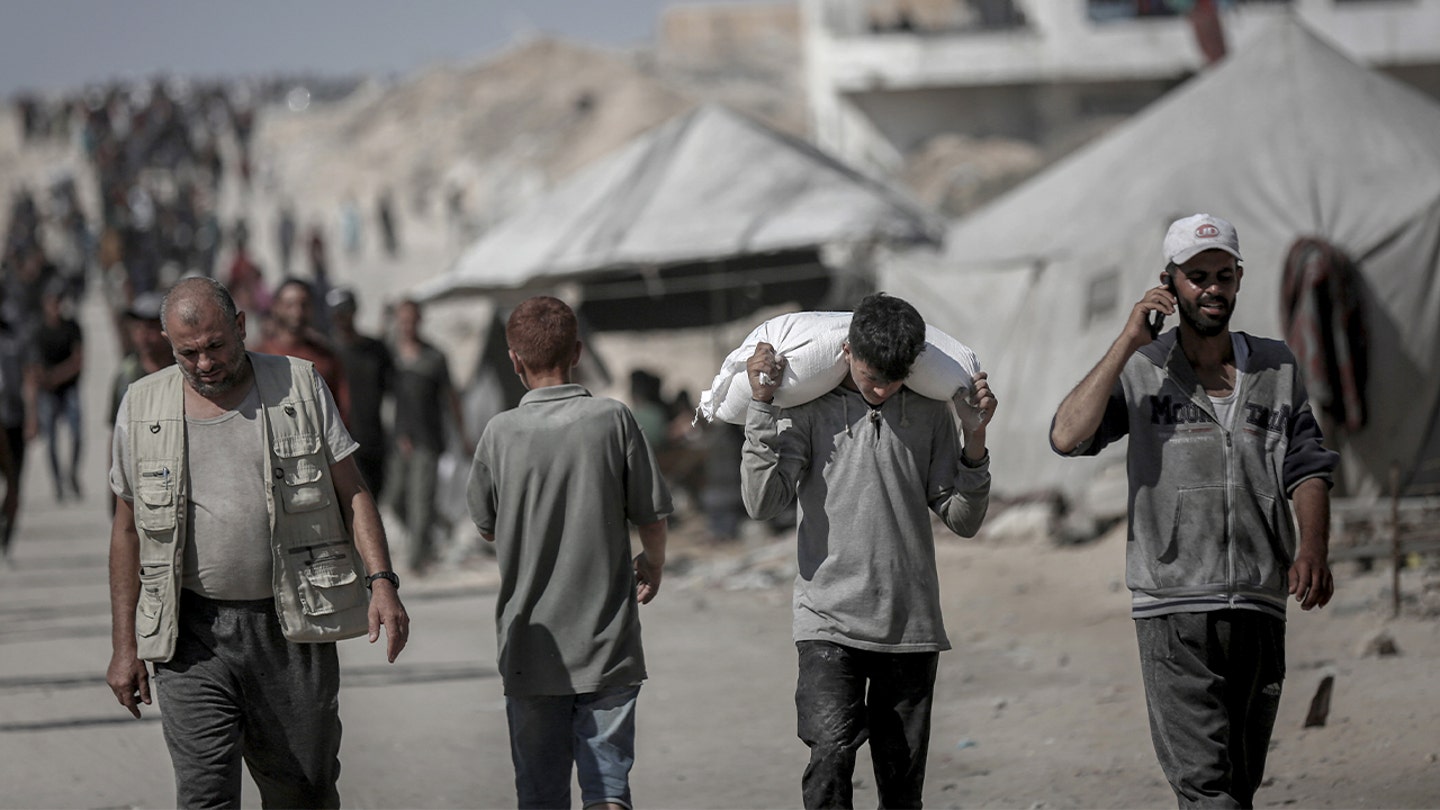
State Department stops issuing all visitor visas for individuals from Gaza
Entities mentioned:
- State Department: Security, Control, Duty
- Marco Rubio: Security, Righteousness, Duty
- Hamas: Power, Control, Revenge
- Trump administration: Security, Control, Nationalism
- France: Security, Justice, Self-preservation
- Jean-Noël Barrot: Security, Justice, Duty
- Nour Attaalah: Self-preservation, Fear, Loyalty
- Palestinian Central Bureau of Statistics: Professional pride, Duty, Recognition
Article Assessment:
Credibility Score: 75/100
Bias Rating: 55/100 (Center)
Sentiment Score: 30/100
Authoritarianism Risk: 55/100 (Mixed/Neutral)
Bias Analysis:
The article presents a relatively balanced view, including perspectives from multiple sources and countries. However, there's a slight lean towards emphasizing security concerns over humanitarian aspects, which could be interpreted as a centrist to slightly right-leaning position.
Key metric: Immigration and Border Security
As a social scientist, I analyze that this article highlights a significant shift in U.S. immigration policy towards individuals from Gaza, reflecting heightened security concerns and stricter vetting processes. The sudden halt in visitor visas suggests a reactive measure to potential security threats, possibly linked to the ongoing Israel-Hamas conflict. This policy change aligns with a broader trend of increased scrutiny in visa issuance, as evidenced by the Trump administration's prior actions and similar measures taken by other countries like France. The impact on the Immigration and Border Security metric is substantial, as it demonstrates a tightening of borders and more stringent control over who enters the country, particularly from conflict-prone regions. This could lead to reduced immigration numbers from certain areas and potentially affect diplomatic relations. The article also touches on the broader humanitarian implications of the ongoing conflict, as indicated by the population decline in Gaza, which adds complexity to the immigration issue.
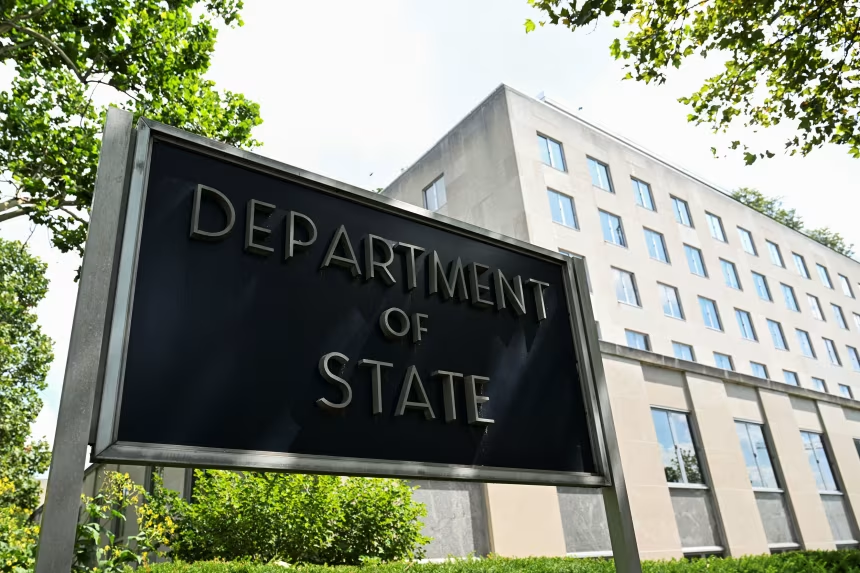
State Department human rights report scaled back, omits details on abuses in politically allied countries
Entities mentioned:
- US State Department: Control, Influence, Duty
- Trump administration: Power, Control, Influence
- Marco Rubio: Loyalty, Power, Influence
- Michael Honigstein: Professional pride, Duty, Righteousness
- Tammy Bruce: Loyalty, Duty, Control
- El Salvador government: Power, Control, Self-preservation
- Israeli government: Self-preservation, Power, Control
- Hamas: Power, Control, Revenge
- Russian government: Power, Control, Influence
- Chinese government: Power, Control, Unity
Article Assessment:
Credibility Score: 65/100
Bias Rating: 55/100 (Center)
Sentiment Score: 30/100
Authoritarianism Risk: 55/100 (Mixed/Neutral)
Bias Analysis:
The article presents multiple perspectives and cites specific examples of changes in the report. However, it leans slightly critical of the administration's approach, which may reflect a slight center-left bias in framing.
Key metric: Global Democracy Index
As a social scientist, I analyze that the significant reduction in detail and criticism within the State Department's human rights report suggests a shift in US foreign policy priorities. This change appears to downplay human rights concerns in countries politically aligned with the current administration, potentially impacting the Global Democracy Index. The omission of specific sections on issues like LGBTQ+ rights, women's rights, and racial violence indicates a narrowing focus on human rights reporting. This could lead to decreased international pressure on human rights violators and potentially embolden authoritarian regimes. The report's streamlining may reduce its effectiveness as a tool for human rights advocacy and diplomatic leverage, potentially weakening the US's role in promoting global democracy and human rights standards.

Crisis in Gaza seems hopeless. Here’s a potential pathway for a 90-day solution
Entities mentioned:
- Brett McGurk: Professional pride, Duty, Influence
- Hamas: Power, Control, Revenge
- Israel: Security, Self-preservation, Justice
- United States: Influence, Security, Duty
- Qatar: Influence, Power, Recognition
- Egypt: Influence, Security, Stability
- France: Influence, Moral outrage, Justice
- United Kingdom: Influence, Moral outrage, Justice
- Benjamin Netanyahu: Power, Self-preservation, Security
- Joe Biden: Influence, Duty, Legacy
Article Assessment:
Credibility Score: 75/100
Bias Rating: 55/100 (Center)
Sentiment Score: 45/100
Bias Analysis:
The article presents a relatively balanced view, considering multiple perspectives and options. However, it leans slightly towards a US-centric perspective, given the author's background and focus on US involvement in the solution.
Key metric: US Global Influence and Diplomatic Effectiveness
As a social scientist, I analyze that this article presents a complex geopolitical situation with multiple stakeholders and competing interests. The proposed 'Option 6' solution seeks to balance humanitarian concerns, hostage release, and long-term stability in Gaza. This approach could potentially enhance US diplomatic effectiveness by positioning it as a problem-solver in a seemingly intractable conflict. However, the success of this strategy depends on the willingness of all parties to cooperate, particularly Hamas, which has shown resistance to previous proposals. The article highlights the challenges of international diplomacy and the need for creative solutions in conflict resolution. The impact on US global influence will depend on the outcome of this proposed strategy and how it is perceived by the international community.