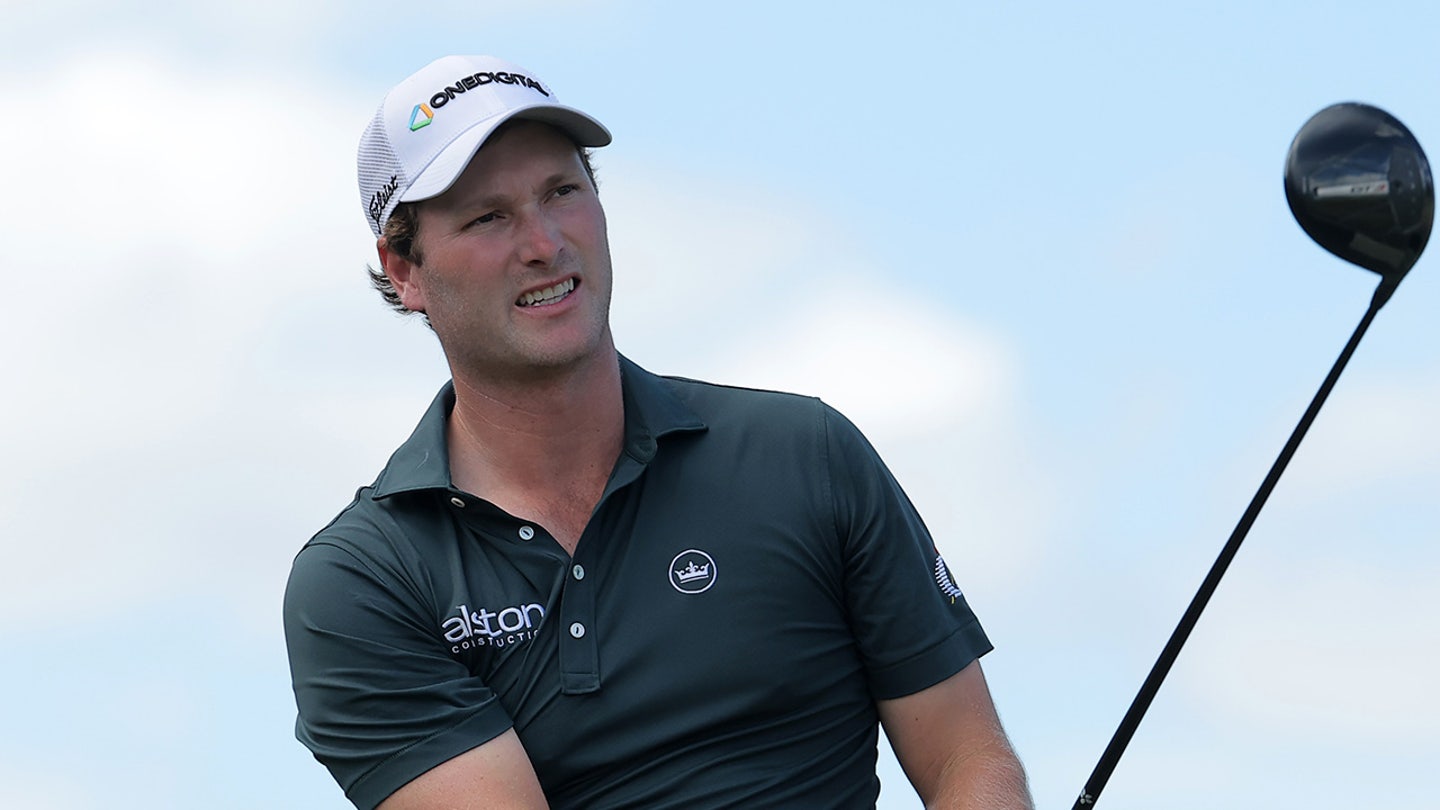
Alligator keeps close eye on PGA Tour golfer Vince Whaley while he takes swing near water
Entities mentioned:
- Vince Whaley: Determination, Self-preservation, Professional pride
- PGA Tour: Competitive spirit, Recognition, Legacy
- Alligator: Self-preservation, Control, Wariness
Article Assessment:
Credibility Score: 85/100
Bias Rating: 50/100 (Center)
Sentiment Score: 70/100
Authoritarianism Risk: 15/100 (Strongly Democratic)
Bias Analysis:
The article presents a straightforward account of the event with quotes from the golfer. It doesn't lean towards any particular political or ideological stance, maintaining a neutral, factual tone throughout.
Key metric: PGA Tour Player Performance
Let me tell you something - this story is RIDICULOUS! We've got a real-life battle of man versus beast out on the links, folks! Vince Whaley stepped up to the plate in a high-stakes game of chicken with a 6-foot gator lurking in the shadows. This is the kind of fourth-quarter pressure that separates the pros from the amateurs! Whaley showed true championship mentality, keeping his cool under the watchful eye of this scaly spectator. He executed a clutch par save while literally in the jaws of danger. That's what I call playing defense and offense at the same time! This performance proves Whaley's got nerves of steel and the heart of a true competitor. He didn't just face down a hazard, he stared down a predator and came out on top. That's the kind of mental toughness that wins tournaments, folks!
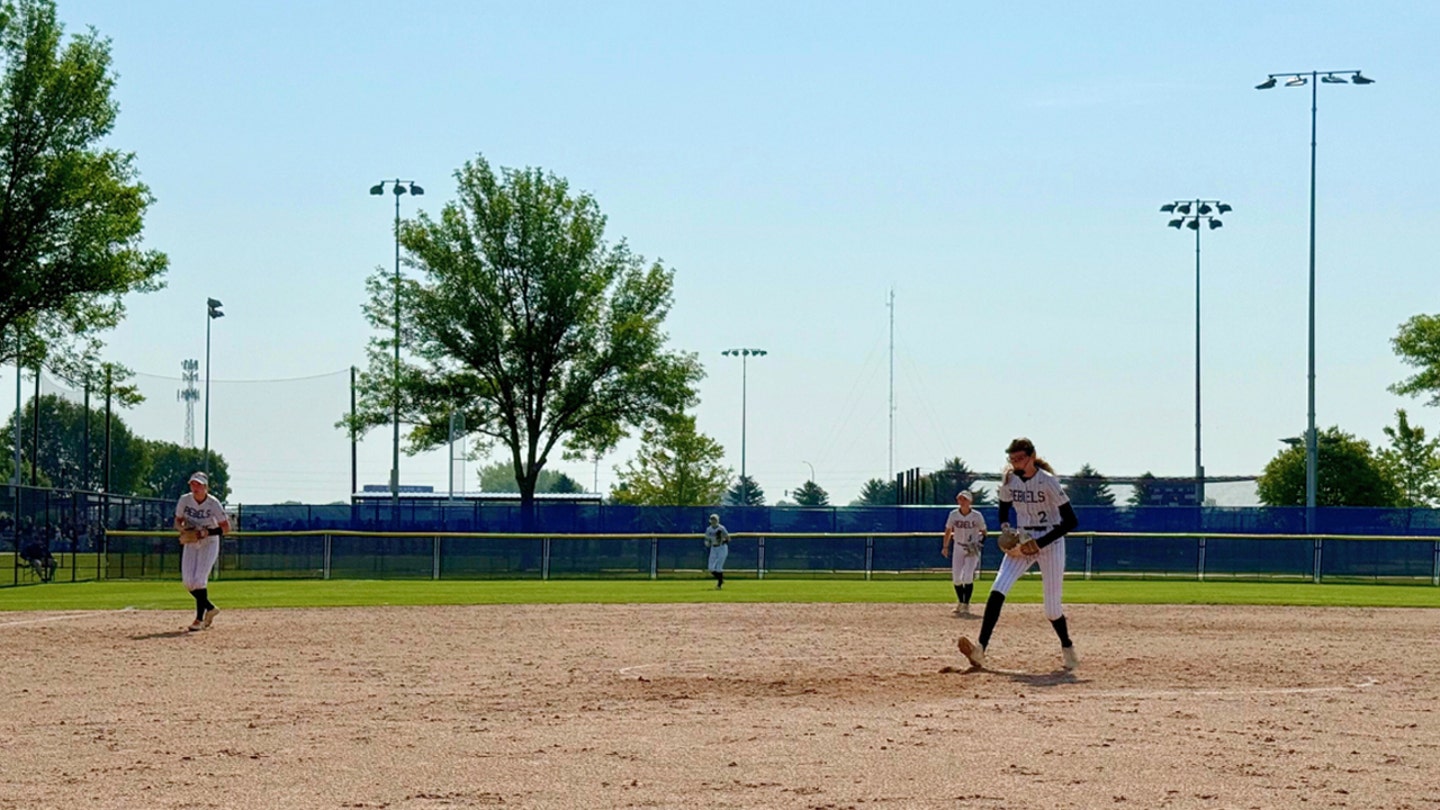
Minnesota teen softball player opens up on trans pitcher playoff game as Trump admin vows Title IX enforcement
Entities mentioned:
- Kendall Kotzmacher: Competitive spirit, Justice, Determination
- Marissa Rothenberger: Competitive spirit, Recognition, Self-respect
- Trump Administration: Justice, Control, Righteousness
- Minnesota Department of Education: Obligation, Unity, Wariness
- Minnesota State High School League: Obligation, Unity, Wariness
- Gov. Tim Walz: Loyalty, Unity, Righteousness
- Attorney General Keith Ellison: Justice, Righteousness, Pride
Article Assessment:
Credibility Score: 65/100
Bias Rating: 70/100 (Lean Right)
Sentiment Score: 30/100
Authoritarianism Risk: 45/100 (Mixed/Neutral)
Bias Analysis:
The article leans right, focusing heavily on perspectives critical of transgender athletes in girls' sports. It gives more space to those opposing transgender participation, while providing limited counterarguments.
Key metric: Title IX Compliance in High School Athletics
Let me tell you something, folks - this is a GAME-CHANGING moment in the world of high school sports! We've got a real David vs. Goliath situation here, with young athletes like Kendall Kotzmacher stepping up to the plate against a system that's throwing them curveballs left and right. The Trump administration is coming in like a relief pitcher in the bottom of the ninth, ready to enforce Title IX with the intensity of a championship-winning closer. But watch out! Minnesota's leadership is digging in their cleats, refusing to back down in this high-stakes showdown. This isn't just another inning, folks - it's a full-on battle for the future of girls' sports, and believe me, both sides are playing hardball. We're seeing power plays, strategic moves, and some serious defensive maneuvers that would make any coach proud. The scoreboard is lit up with legal challenges, executive orders, and passionate activism from both teams. I'm telling you right now, this is the kind of political athletics that will be studied in playbooks for years to come!
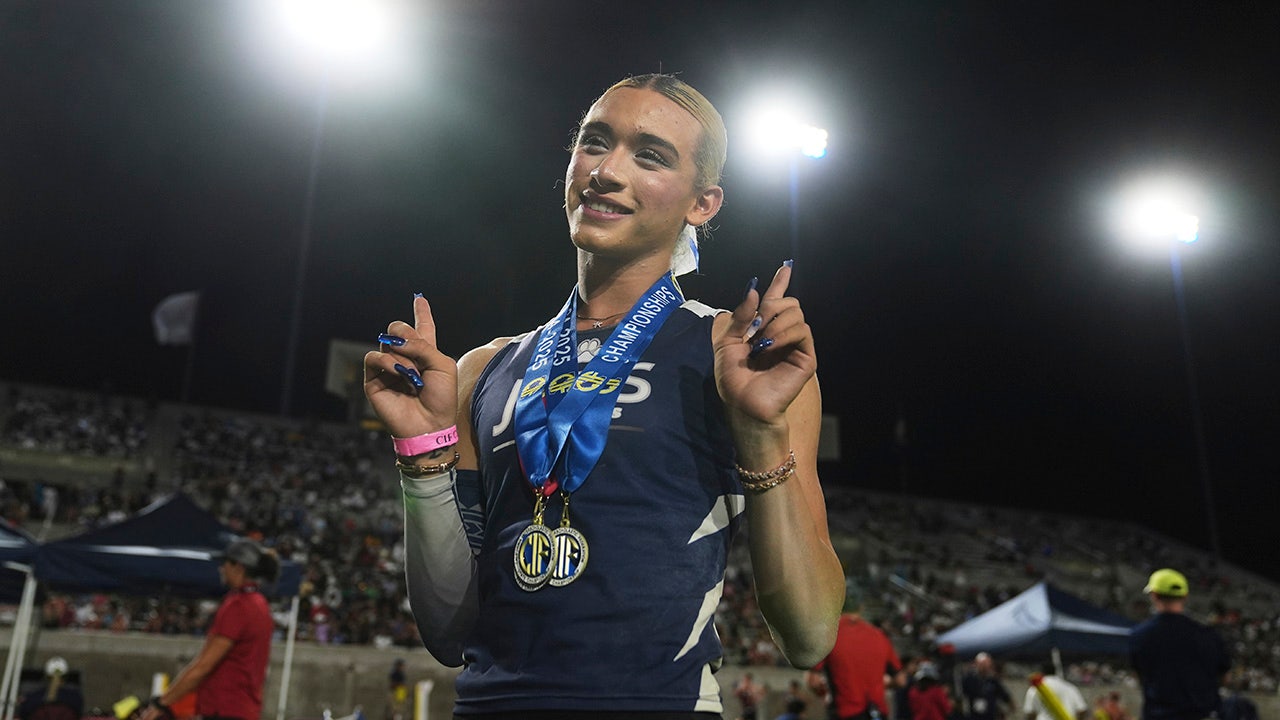
California volleyball team with trans player stays undefeated in league play, in first place after forfeits
Entities mentioned:
- Jurupa Valley High School Girls Volleyball Team: Competitive spirit, Pride, Unity
- AB Hernandez: Determination, Self-respect, Competitive spirit
- Opposing Teams: Moral outrage, Loyalty, Self-preservation
- Jurupa Unified School District: Obligation, Unity, Justice
- Gov. Gavin Newsom: Self-preservation, Duty, Wariness
- California Legislature: Control, Justice, Righteousness
Article Assessment:
Credibility Score: 75/100
Bias Rating: 55/100 (Center)
Sentiment Score: 35/100
Authoritarianism Risk: 40/100 (Generally Democratic)
Bias Analysis:
The article presents multiple viewpoints, including those supporting and opposing trans athletes. However, it gives slightly more space to opposition arguments and emotive language.
Key metric: Gender Equality in Sports Participation
Let me tell you something - this story is a GAME-CHANGER in the world of high school sports! We're seeing a HEAVYWEIGHT BATTLE between inclusion and tradition playing out on the volleyball court. Jurupa Valley High School's team is DOMINATING the league, but they're facing more forfeits than spikes! It's like they're winning by technical knockout before the first serve! This transgender athlete has become the MVP of controversy, with opposing teams RUNNING SCARED instead of facing them on the court. It's a FULL COURT PRESS of legal challenges and political maneuvers, with the Governor trying to avoid getting caught in the crossfire like a rookie caught between two power hitters. The California Legislature is playing DEFENSE, blocking bills faster than a middle blocker at the net. This is the kind of high-stakes matchup that will be talked about for seasons to come, folks!

Tom Brady calls critics of his dual career as TV analyst and team owner ‘paranoid and distrustful’
Entities mentioned:
- Tom Brady: Ambition, Competitive spirit, Legacy
- NFL: Control, Professional pride, Integrity
- Las Vegas Raiders: Competitive spirit, Ambition, Professional pride
- Fox Sports: Professional pride, Competitive spirit, Influence
- Ben Johnson: Professional pride, Competitive spirit, Wariness
Article Assessment:
Credibility Score: 75/100
Bias Rating: 55/100 (Center)
Sentiment Score: 45/100
Authoritarianism Risk: 30/100 (Generally Democratic)
Bias Analysis:
The article presents multiple viewpoints, including criticism and support for Brady's dual roles. It balances Brady's perspective with concerns from others, maintaining a relatively neutral stance.
Key metric: NFL League Integrity
Let me tell you something - this story is a GAME-CHANGER! Tom Brady, the G.O.A.T., is playing both sides of the field and some folks are crying FOUL! But Brady's not backing down, he's STEPPING UP TO THE PLATE and defending his dual roles like it's fourth and goal! This is a classic case of a seasoned veteran trying to navigate the tricky waters of post-playing career moves. The NFL, acting like a cautious defensive coordinator, initially limited Brady's access, but now they've loosened up their coverage. It's like they're playing a risky zone defense, and only time will tell if it pays off! The Raiders are sitting pretty with Brady in their corner, it's like having an extra coach on the sidelines! But make no mistake, this is a high-stakes game of strategy and integrity. Brady's calling out his critics like they're second-string cornerbacks, accusing them of being 'paranoid and distrustful'. This is CHAMPIONSHIP MENTALITY, folks! He's not just playing the game, he's redefining it! The question is, will this bold play lead to a touchdown for Brady and the NFL, or will it result in a costly turnover? I'm telling you right now, all eyes will be on this developing situation as we head into the crucial stages of the season!
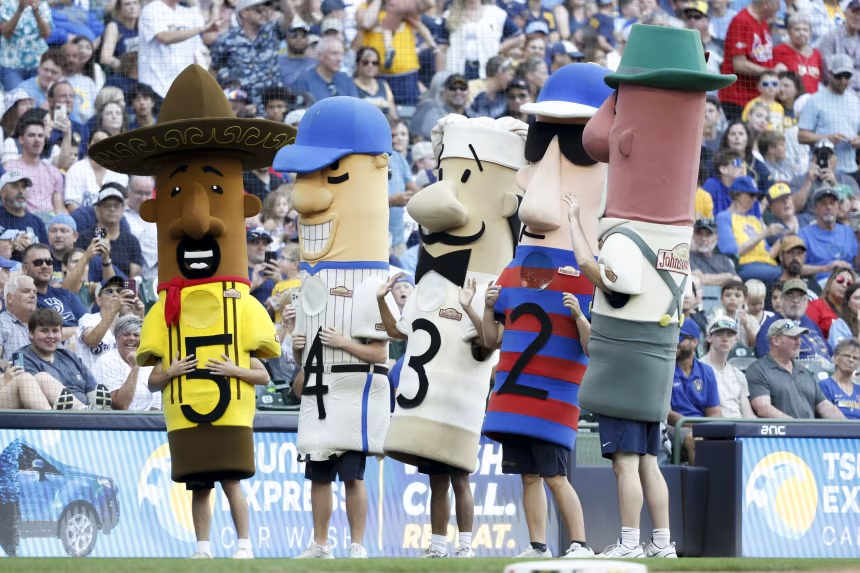
How Milwaukee’s silly sausages became one of the most beloved spectacles in baseball
Entities mentioned:
- Milwaukee Brewers: Competitive spirit, Pride, Recognition
- Rick Schlesinger: Professional pride, Enthusiasm, Legacy
- Michael Dillon: Creativity, Recognition, Legacy
- Gabe Paul Junior: Ambition, Wariness, Professional pride
Article Assessment:
Credibility Score: 85/100
Bias Rating: 50/100 (Center)
Sentiment Score: 75/100
Authoritarianism Risk: 10/100 (Strongly Democratic)
Bias Analysis:
The article presents a balanced view of the sausage race, including its history and impact. It includes multiple perspectives and factual information without favoring any particular stance.
Key metric: MLB Fan Engagement
Let me tell you something - this story is a GRAND SLAM for fan engagement! The Milwaukee Brewers have knocked it out of the park with their sausage race, folks! It's like they've created their own All-Star lineup of meat mascots that fans can't get enough of. This isn't just a seventh-inning stretch, it's a full-on sprint to the finish line of entertainment! The Brewers have stepped up to the plate and delivered a home run of an idea that's got the whole league playing catch-up. It's not just about the players on the field anymore - these sausages are the MVPs of mid-game entertainment! And let's not forget, this wacky race has become such a heavy hitter that it's inspired copycats across the league. That's what I call a championship mentality in fan engagement, folks!
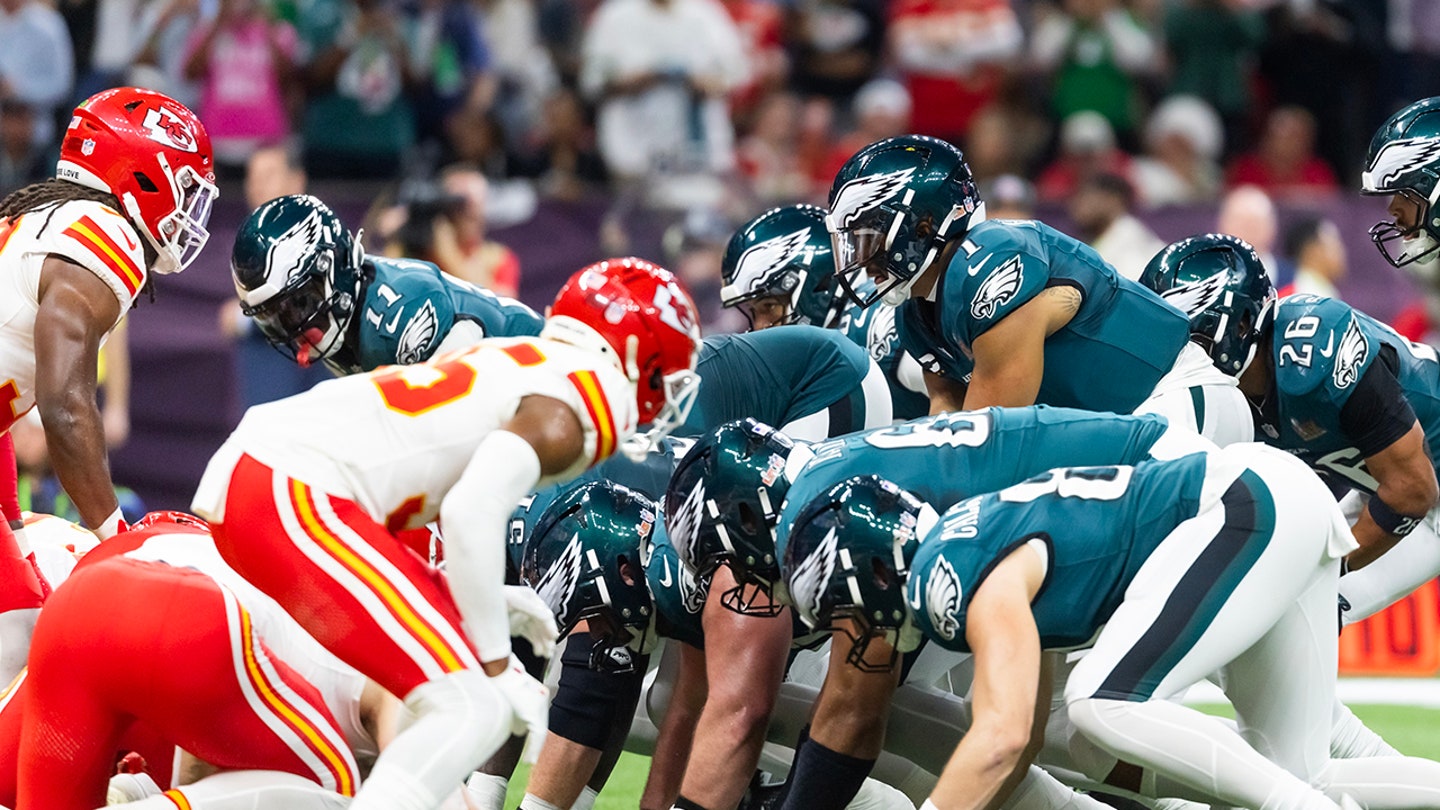
Pennsylvanians weigh in on Eagles' controversial 'tush push' as team remains undefeated through Week 4
Entities mentioned:
- Philadelphia Eagles: Competitive spirit, Ambition, Pride
- NFL: Control, Professional pride, Wariness
- Green Bay Packers: Competitive spirit, Justice, Indignation
- Quinnipiac University: Curiosity, Recognition, Influence
- Pennsylvania football fans: Loyalty, Enthusiasm, Pride
Article Assessment:
Credibility Score: 75/100
Bias Rating: 55/100 (Center)
Sentiment Score: 70/100
Authoritarianism Risk: 20/100 (Strongly Democratic)
Bias Analysis:
The article presents multiple viewpoints, including those for and against the 'tush push'. While it leans slightly positive towards the Eagles, it also mentions criticisms and controversies, maintaining a relatively balanced approach.
Key metric: NFL Team Performance
Let me tell you something - this 'tush push' controversy is HEATING UP the gridiron! The Philadelphia Eagles are DOMINATING the field with their secret weapon, leaving other teams in the dust! It's a GAME-CHANGER, folks! The Packers tried to throw a flag on this play, but they fumbled the ball in the league office. Now, Quinnipiac University is bringing the fans into the huddle, and boy, are they FIRED UP! Pennsylvania's pigskin patriots are rallying behind their Eagles like a 12th man on the field. This isn't just a play, it's a CHAMPIONSHIP MENTALITY! The Eagles are UNDEFEATED, folks! They're not just pushing forward, they're STEAMROLLING the competition! It's fourth quarter, and the Eagles are showing us what a clutch performance looks like. The rest of the league better step up their game, or they'll be watching the Eagles soar to another Super Bowl from the sidelines!
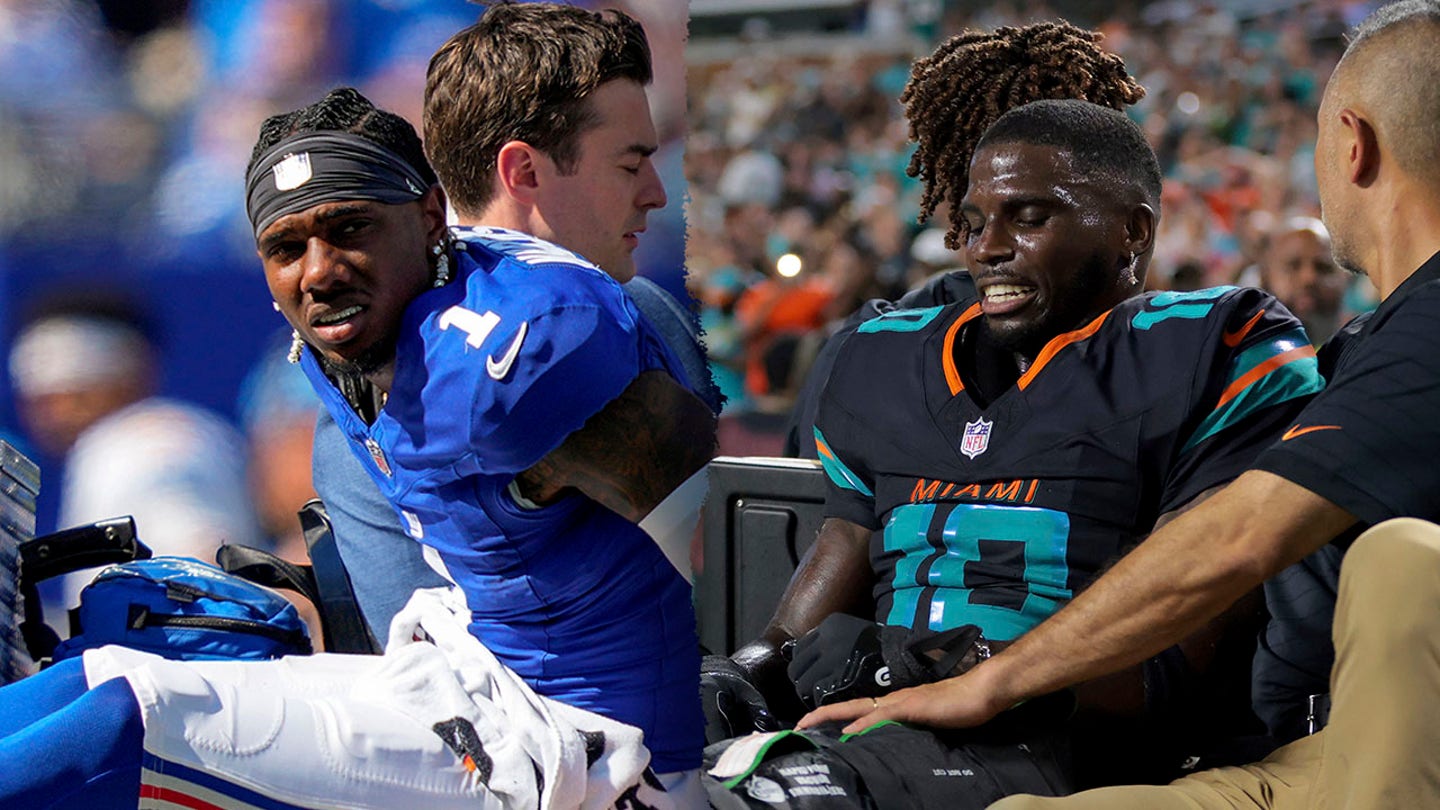
Larry Fitzgerald says grass fields aren't 'feasible in most places' despite players' injuries
Entities mentioned:
- Larry Fitzgerald: Professional pride, Duty, Wariness
- NFL Players Association: Safety, Influence, Unity
- NFL: Control, Profit, Obligation
Article Assessment:
Credibility Score: 75/100
Bias Rating: 50/100 (Center)
Sentiment Score: 40/100
Authoritarianism Risk: 30/100 (Generally Democratic)
Bias Analysis:
The article presents multiple viewpoints, including player opinions and league considerations. It balances arguments for both grass and turf, showing a relatively centrist approach to the issue.
Key metric: Player Safety and Injury Prevention
Let me tell you something - this turf vs grass debate is HEATING UP like a fourth-quarter comeback! We've got injuries piling up faster than tackles on a goal-line stand, folks! Larry Fitzgerald, that iron man of the gridiron, is stepping up to the plate with a REALITY CHECK. He's saying grass fields aren't the magic play-call some think they are. But the Players Association? They're running a full-court press for an all-grass league! It's a clash of titans, with player safety hanging in the balance like a Hail Mary pass! The NFL's caught in a defensive stance, trying to balance player demands with stadium logistics. This is a CRUCIAL DRIVE in the game of football's future, and I'm telling you right now, whoever wins this tug-of-war could change the face of the sport!
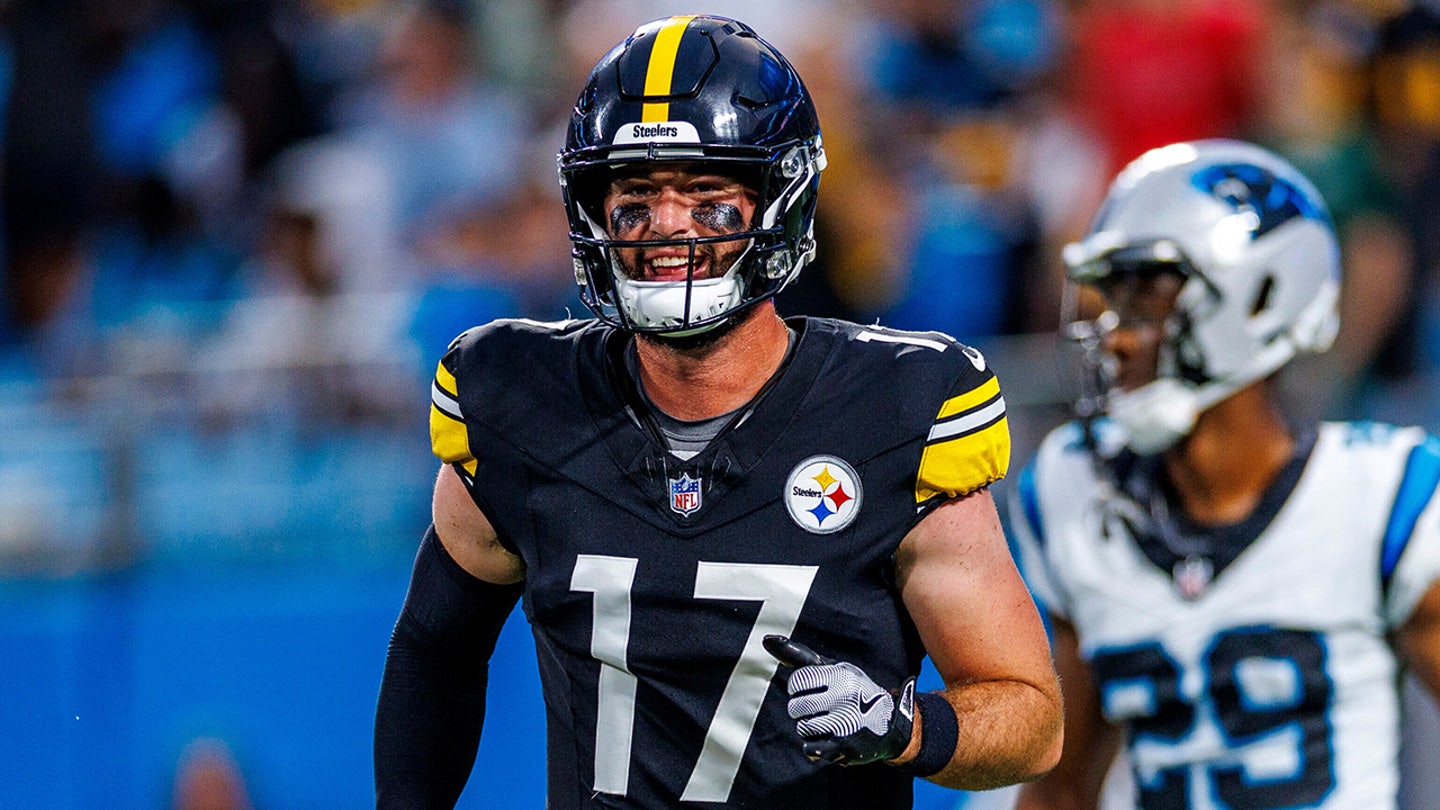
New details emerge in reported robbery involving Steelers' Skylar Thompson in Dublin
Entities mentioned:
- Skylar Thompson: Self-preservation, Security, Professional pride
- Pittsburgh Steelers: Loyalty, Competitive spirit, Unity
- Irish police: Duty, Wariness, Professionalism
- NFL: Influence, Control, Professional pride
- NFL Players Association: Duty, Protection, Unity
Article Assessment:
Credibility Score: 65/100
Bias Rating: 50/100 (Center)
Sentiment Score: 35/100
Authoritarianism Risk: 20/100 (Strongly Democratic)
Bias Analysis:
The article presents multiple perspectives, including statements from various parties involved. It maintains a neutral tone, avoiding partisan language or overtly favoring any particular viewpoint.
Key metric: NFL Player Safety
Let me tell you something - this story is RIDICULOUS! We've got a potential game-changing play unfolding off the field, folks! Skylar Thompson, the Steelers' backup quarterback, finds himself in a high-stakes situation that's more challenging than any blitz he's ever faced. This is a fourth-quarter, goal-line stand for player safety in international games! The NFL and the Players Association are huddling up, trying to come up with a championship-level strategy to protect their players. But here's the kicker - we've got conflicting reports from the Irish police, creating more confusion than a trick play gone wrong! The Steelers are playing defense, keeping their cards close to the vest. This is a crucial moment, folks - how the league handles this could be the difference between a touchdown for player safety or a fumble on the global stage!
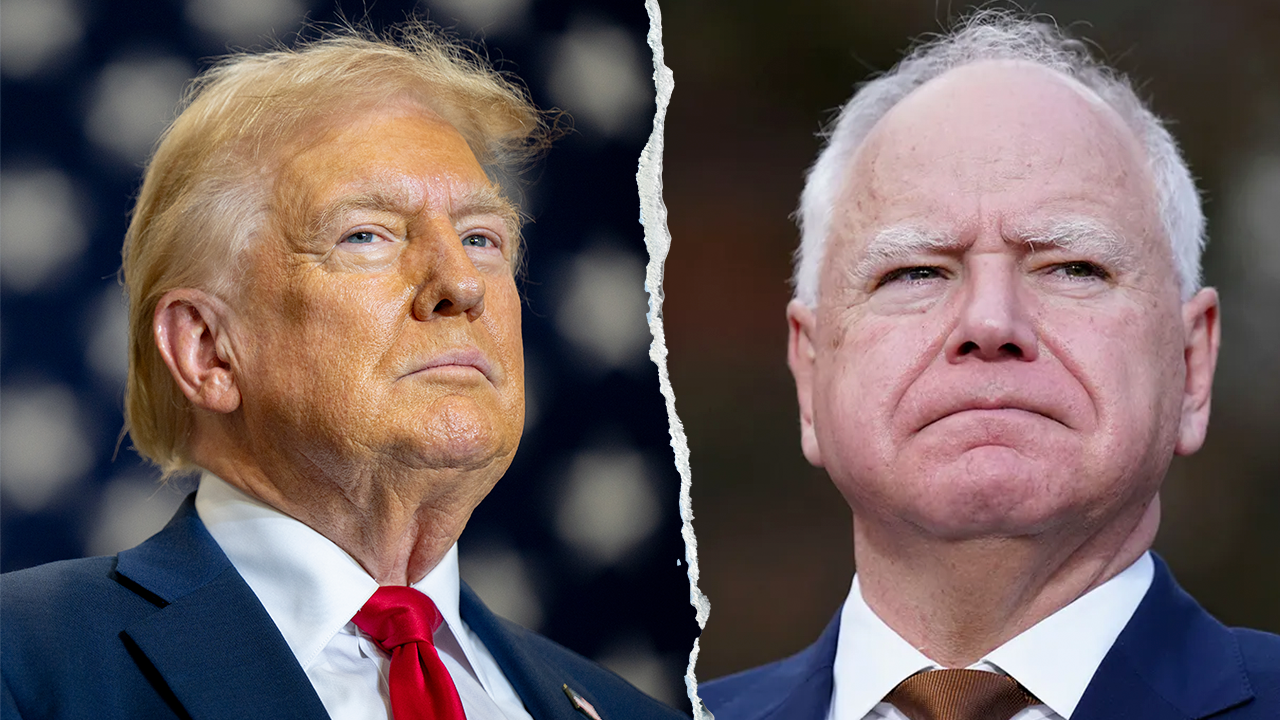
Trump admin finds Minnesota violated Title IX by letting males in girls' sports, citing trans softball pitcher
Entities mentioned:
- Trump Administration: Righteousness, Competitive spirit, Justice
- Minnesota Department of Education: Obligation, Wariness, Self-preservation
- Minnesota State High School League: Obligation, Wariness, Self-preservation
- Keith Ellison: Competitive spirit, Righteousness, Pride
- Female Athletes: Competitive spirit, Justice, Self-respect
- Marissa Rothenberger: Competitive spirit, Ambition, Recognition
Article Assessment:
Credibility Score: 65/100
Bias Rating: 70/100 (Lean Right)
Sentiment Score: 30/100
Authoritarianism Risk: 55/100 (Mixed/Neutral)
Bias Analysis:
The article leans right, heavily focusing on the Trump administration's actions and quoting conservative viewpoints. It presents transgender athlete participation as problematic, with limited counterbalancing perspectives.
Key metric: Gender Equality in Sports
Ladies and gentlemen, we've got a CHAMPIONSHIP SHOWDOWN on our hands! The Trump Administration is coming in hot, throwing HEAT at Minnesota's education agencies for what they're calling a MAJOR LEAGUE VIOLATION of Title IX. This isn't just a game, folks - we're talking about the BIG LEAGUES of civil rights here! The feds are stepping up to the plate, swinging for the fences to keep biological males out of girls' sports. It's fourth quarter, two-minute drill time for Minnesota - they've got 10 days to change their game plan or face the ultimate penalty: disqualification from federal funding! Meanwhile, we've got female athletes in the trenches, fighting an uphill battle against what they see as an unfair advantage. This is a real test of endurance, folks - a true iron man competition of legal and ethical proportions. The clock is ticking, the pressure is mounting, and we're all waiting to see who's got the championship mentality to come out on top in this high-stakes match-up!
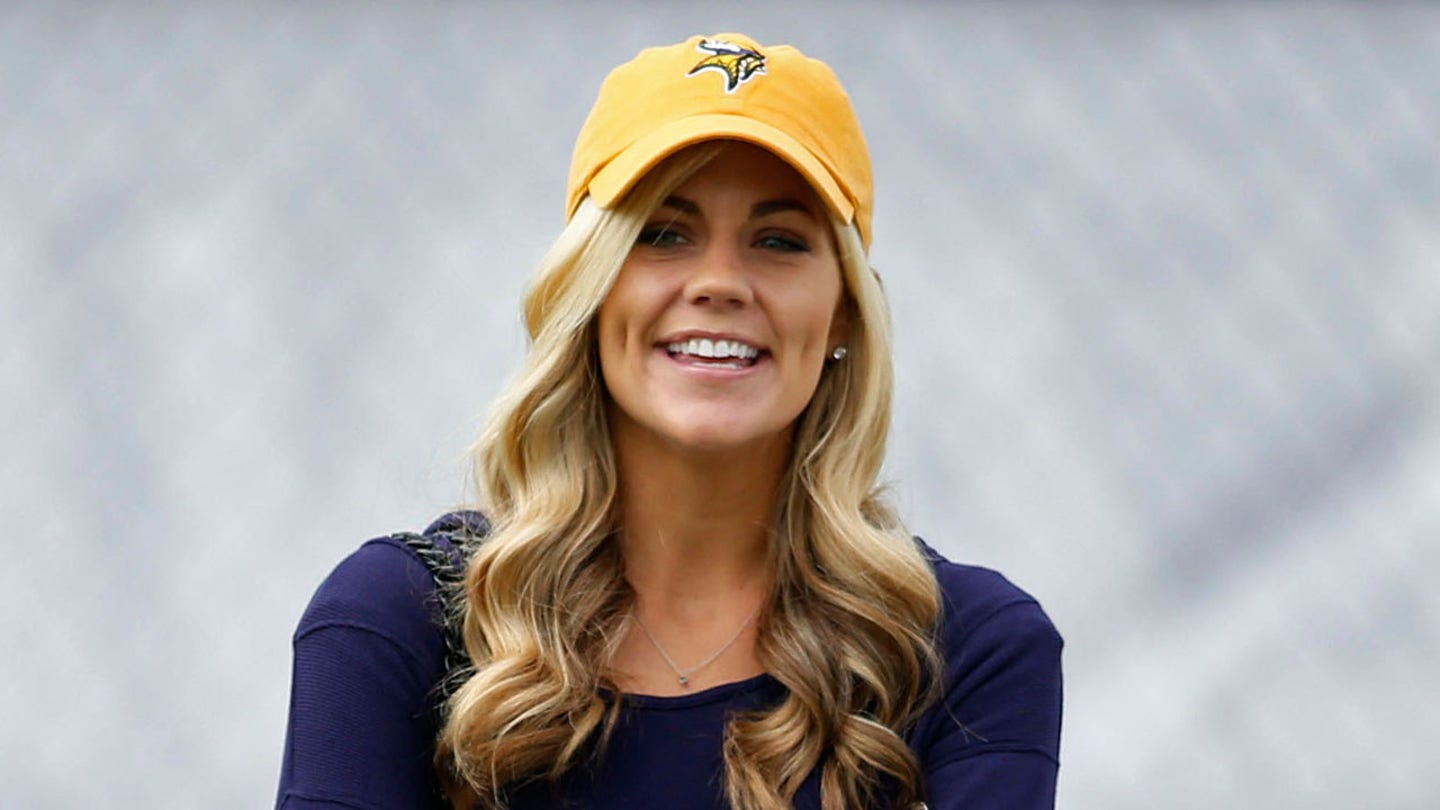
Ex-ESPN host makes stance on men in women's sports clear: 'We know this is ridiculous'
Entities mentioned:
- Samantha Ponder: Righteousness, Justice, Professional pride
- Donald Trump: Power, Control, Legacy
- NCAA: Self-preservation, Influence, Wariness
Article Assessment:
Credibility Score: 70/100
Bias Rating: 65/100 (Lean Right)
Sentiment Score: 30/100
Authoritarianism Risk: 55/100 (Mixed/Neutral)
Bias Analysis:
The article leans right, focusing on conservative viewpoints and Trump's executive order. It presents transgender athlete participation as problematic without exploring alternative perspectives.
Key metric: Gender Equality in Sports
Ladies and gentlemen, we've got a HUGE matchup on our hands! Samantha Ponder is coming off the bench with a GAME-CHANGING play, folks! She's stepping up to the plate and swinging for the fences on this transgender athlete issue. Let me tell you something - this is a fourth-quarter move that could shift the entire landscape of women's sports! The Trump administration is running a full-court press, demanding schools get in line with Title IX. Meanwhile, the NCAA is playing defense, trying to protect their endzone from controversy. This is a high-stakes game of political football, and Ponder is bringing that championship mentality, refusing to let men compete on the women's team. It's crunch time for women's sports, and these players are leaving it ALL on the field!