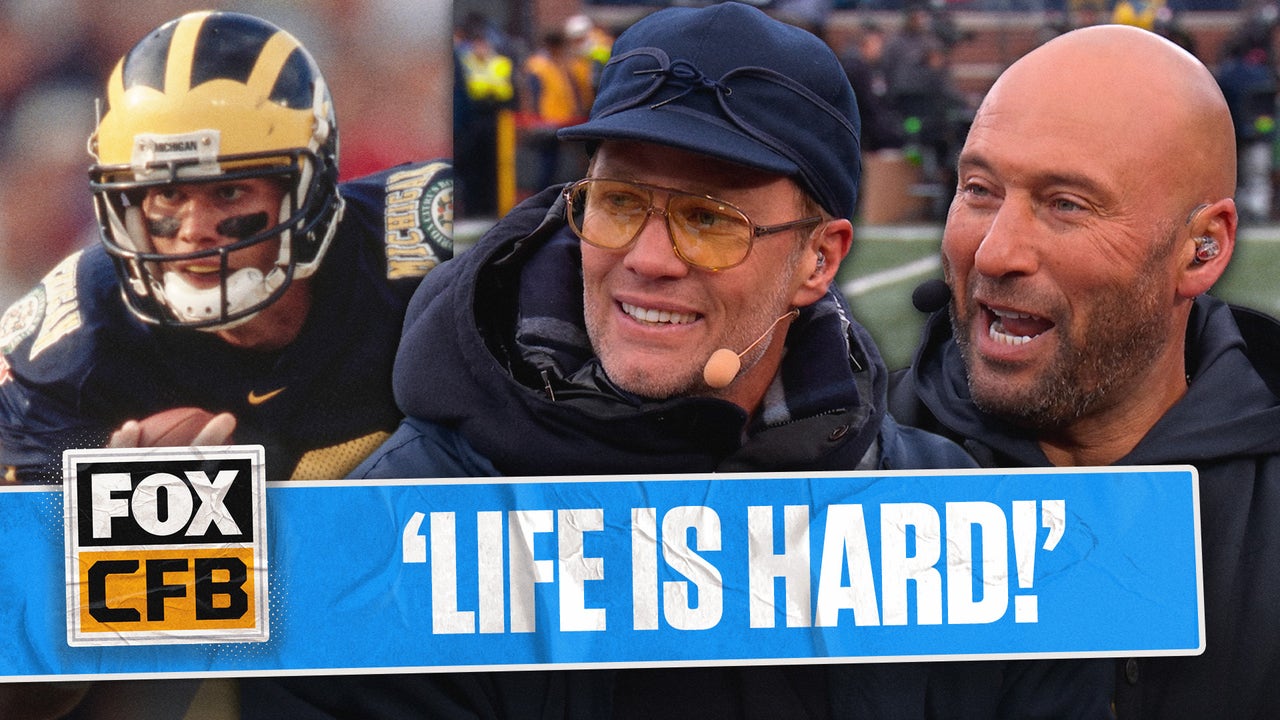
Tom Brady’s Worst Practice Ever — and the Lesson He Wants Michigan to Remember
Entities mentioned:
- Tom Brady: Competitive spirit, Pride, Legacy
- Michigan Wolverines: Ambition, Competitive spirit, Legacy
- Ohio State Buckeyes: Competitive spirit, Pride, Ambition
Article Assessment:
Credibility Score: 85/100
Bias Rating: 55/100 (Center)
Sentiment Score: 75/100
Authoritarianism Risk: 15/100 (Strongly Democratic)
Bias Analysis:
The article presents both Michigan and Ohio State perspectives, with a slight lean towards Michigan due to Brady's connection. However, it maintains overall balance in reporting the stakes for both teams.
Key metric: College Football Team Performance
Let me tell you something - this story is HUGE! Tom Brady, the GOAT himself, is stepping up to the plate for his alma mater in this EPIC clash of titans! The Michigan-Ohio State rivalry is like the Super Bowl of college football, folks! Brady's throwing his championship mentality into the ring, urging the Wolverines to embrace the grind, to face adversity head-on like it's fourth and goal with the clock winding down! This isn't just a game, it's a battle for legacy, for pride, for the very soul of college football! Brady's message is clear: it's time for Michigan to show that RIDICULOUS toughness, that never-say-die attitude that separates the champions from the also-rans! The Wolverines are in the red zone of history, with a chance to score a fifth straight win against their archrivals - a feat not seen in nearly a century! This is the kind of high-stakes showdown that defines careers and cements legacies! I'm telling you right now, the energy in that stadium is going to be electric, with both teams leaving it ALL on the field in this winner-take-all slugfest!
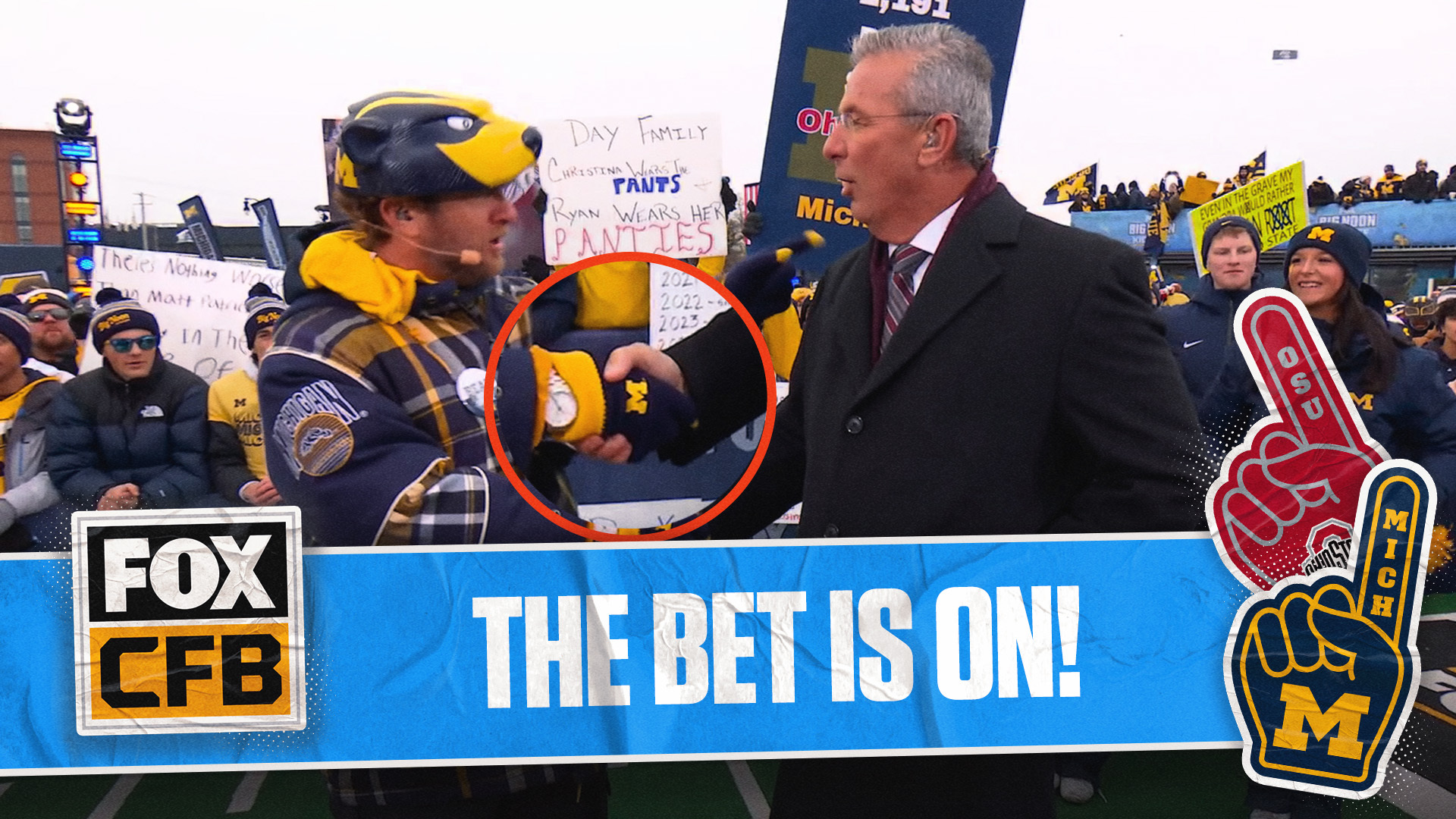
Dave Portnoy, Urban Meyer Put $1,000 in NIL Funds on Ohio-State Michigan Showdown
Entities mentioned:
- Dave Portnoy: Competitive spirit, Pride, Loyalty
- Urban Meyer: Competitive spirit, Pride, Professional pride
- Ohio State: Competitive spirit, Determination, Ambition
- Michigan: Competitive spirit, Determination, Revenge
Article Assessment:
Credibility Score: 75/100
Bias Rating: 50/100 (Center)
Sentiment Score: 70/100
Authoritarianism Risk: 20/100 (Strongly Democratic)
Bias Analysis:
The article presents both teams fairly, giving equal attention to Ohio State and Michigan. It includes perspectives from both Portnoy (Michigan alum) and Meyer (former Ohio State coach), balancing the narrative.
Key metric: College Football National Rankings
Let me tell you something - this story is RIDICULOUS! We've got a high-stakes showdown between two college football POWERHOUSES, and the competitive spirit is off the charts! Dave Portnoy and Urban Meyer are stepping up to the plate with a $1,000 bet that's going straight to the NIL funds. This is fourth-quarter strategy at its finest, folks! Ohio State is coming in with a championship mentality, looking to break their losing streak against Michigan. But don't count out the Wolverines - they're hungry for another victory! This game is going to be a battle of titans, with both teams leaving it all on the field. It's do-or-die time, and these players are going to have to dig deep and show us what they're made of. I'm telling you right now, this matchup is going to be one for the history books!
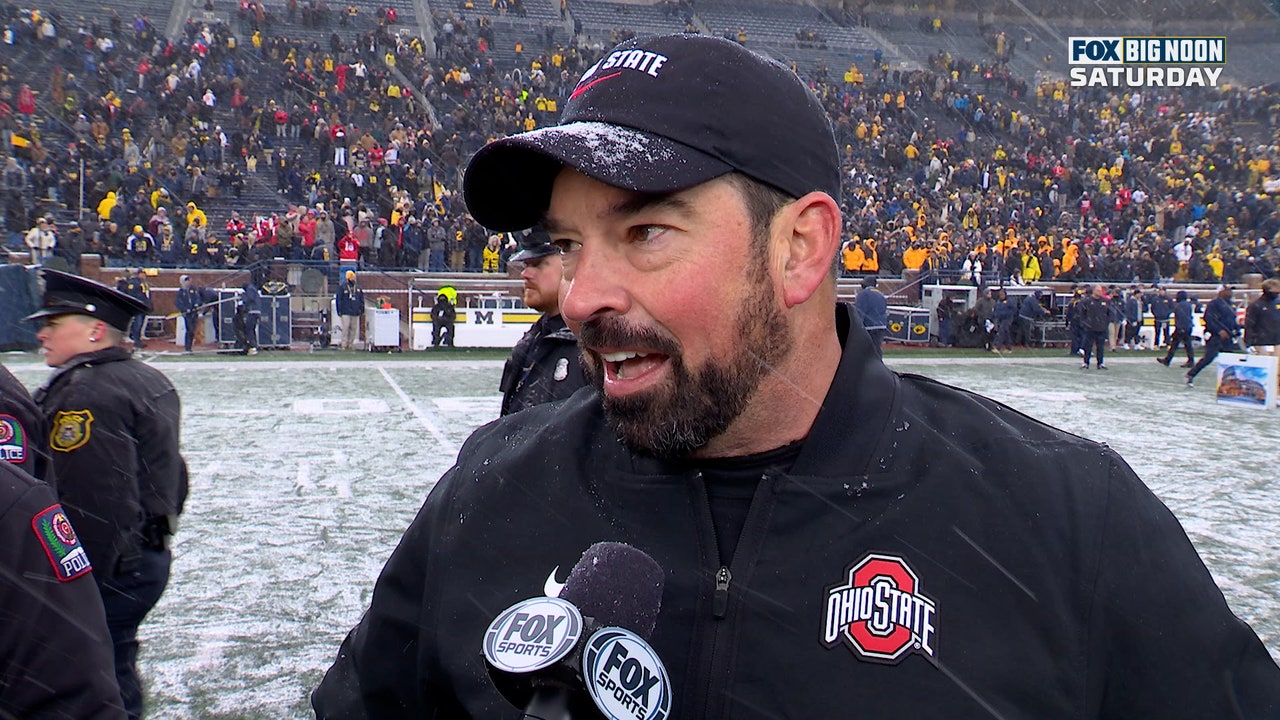
Ohio State HC Ryan Day on Beating Michigan: 'I'm Just Happy for a Lot of People'
Entities mentioned:
- Ryan Day: Competitive spirit, Pride, Loyalty
- Ohio State Buckeyes: Determination, Revenge, Competitive spirit
- Michigan Wolverines: Pride, Competitive spirit, Self-preservation
- Julian Sayin: Ambition, Competitive spirit, Recognition
Article Assessment:
Credibility Score: 85/100
Bias Rating: 55/100 (Center)
Sentiment Score: 75/100
Authoritarianism Risk: 20/100 (Strongly Democratic)
Bias Analysis:
The article presents a balanced view of the game, quoting both teams and providing statistical context. However, there's slightly more emphasis on Ohio State's perspective, likely due to their victory.
Key metric: College Football National Championship Odds
Let me tell you something - this game was an ABSOLUTE SLUGFEST! The Buckeyes came out swinging like heavyweight champs, delivering a knockout punch to their arch-rivals! Coach Day's team showed true championship mentality, dominating the line of scrimmage like seasoned pros. This wasn't just a win, folks - it was a statement! Ohio State stepped up to the plate and hit a grand slam in the biggest game of their season. The Wolverines? They looked like they forgot how to play ball, getting shut out in the second half like rookies in spring training. I'm telling you right now, this victory is a game-changer that could propel the Buckeyes all the way to the national title!
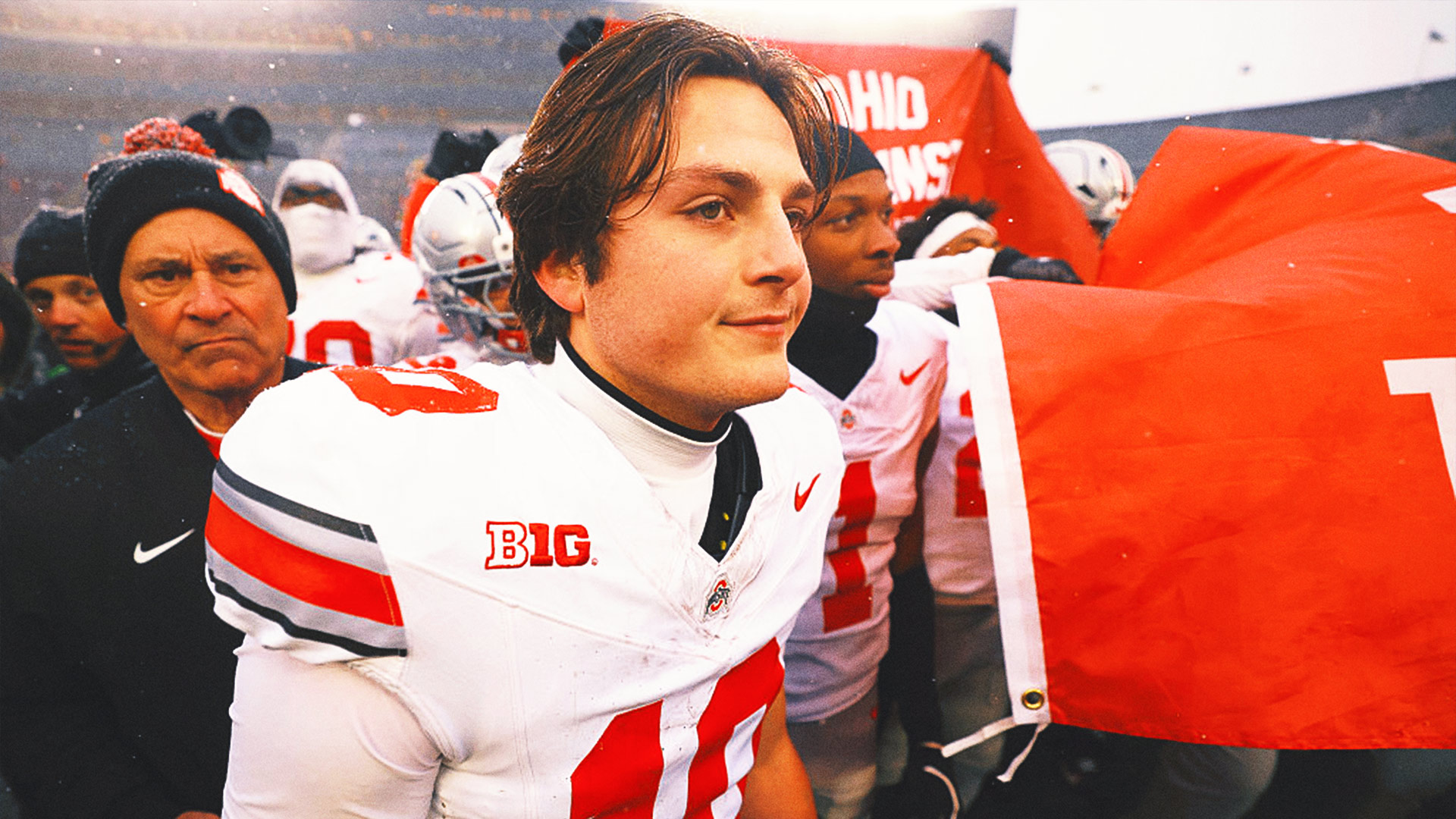
Carnell Tate, Julian Sayin Revel In 1st Win over Michigan: 'It Means Everything'
Entities mentioned:
- Carnell Tate: Revenge, Competitive spirit, Pride
- Julian Sayin: Ambition, Competitive spirit, Professional pride
- Ohio State Buckeyes: Redemption, Pride, Competitive spirit
- Michigan Wolverines: Competitive spirit, Pride, Legacy
Article Assessment:
Credibility Score: 75/100
Bias Rating: 55/100 (Center)
Sentiment Score: 75/100
Authoritarianism Risk: 20/100 (Strongly Democratic)
Bias Analysis:
The article presents a balanced view of the game, quoting players from Ohio State but acknowledging Michigan's past successes. The focus is slightly more on Ohio State's victory, but this is expected given the game's outcome.
Key metric: College Football Playoff Rankings
Let me tell you something - this is a GAME-CHANGING victory for the Buckeyes! After being stuck in a two-year slump against their arch-rivals, Ohio State finally stepped up to the plate and knocked it out of the park! Carnell Tate and Julian Sayin came out swinging, showing the heart of champions and the eye of the tiger. This wasn't just a win, folks - it was a statement! The Buckeyes have reclaimed their throne in this heated rivalry, and you can bet your bottom dollar that this victory will light a fire under them as they charge towards the playoffs. Michigan got a taste of their own medicine, and I'm telling you right now, this could be the momentum shift that propels Ohio State to the national championship! The fourth quarter of the season is here, and the Buckeyes are peaking at just the right time!

Jason Kelce sends Eagles fans into frenzy, shirtless in belly-bucking competition before Black Friday game
Entities mentioned:
- Jason Kelce: Enthusiasm, Unity, Competitive spirit
- Philadelphia Eagles: Competitive spirit, Pride, Determination
- Chicago Bears: Ambition, Competitive spirit, Recognition
- Caleb Williams: Ambition, Competitive spirit, Recognition
Article Assessment:
Credibility Score: 75/100
Bias Rating: 50/100 (Center)
Sentiment Score: 65/100
Authoritarianism Risk: 20/100 (Strongly Democratic)
Bias Analysis:
The article presents a balanced view of both teams' performances, giving credit to the Bears for their win while acknowledging the Eagles' strong season. It doesn't lean heavily towards favoring either team's narrative.
Key metric: NFL Team Performance
Let me tell you something - this story is RIDICULOUS! Jason Kelce, the Eagles' veteran center, just showed us what it means to have a championship mentality! This guy's out there in the parking lot, shirtless, going toe-to-toe with fans in a belly-bucking showdown! Talk about stepping up to the plate! But folks, when the whistle blew and the real game kicked off, it was the Bears who came to play! They marched into enemy territory and snatched victory from the jaws of defeat! The Eagles' defense, usually a fortress, got steamrolled by Chicago's dynamic duo of running backs! This is a GAME-CHANGER, people! The Bears just proved they're not paper tigers - they've got the heart of a champion and they're ready to rumble! As for the Eagles, they've got some serious film study ahead if they want to stay in the playoff hunt. This loss is a wake-up call, and they need to answer it fast!
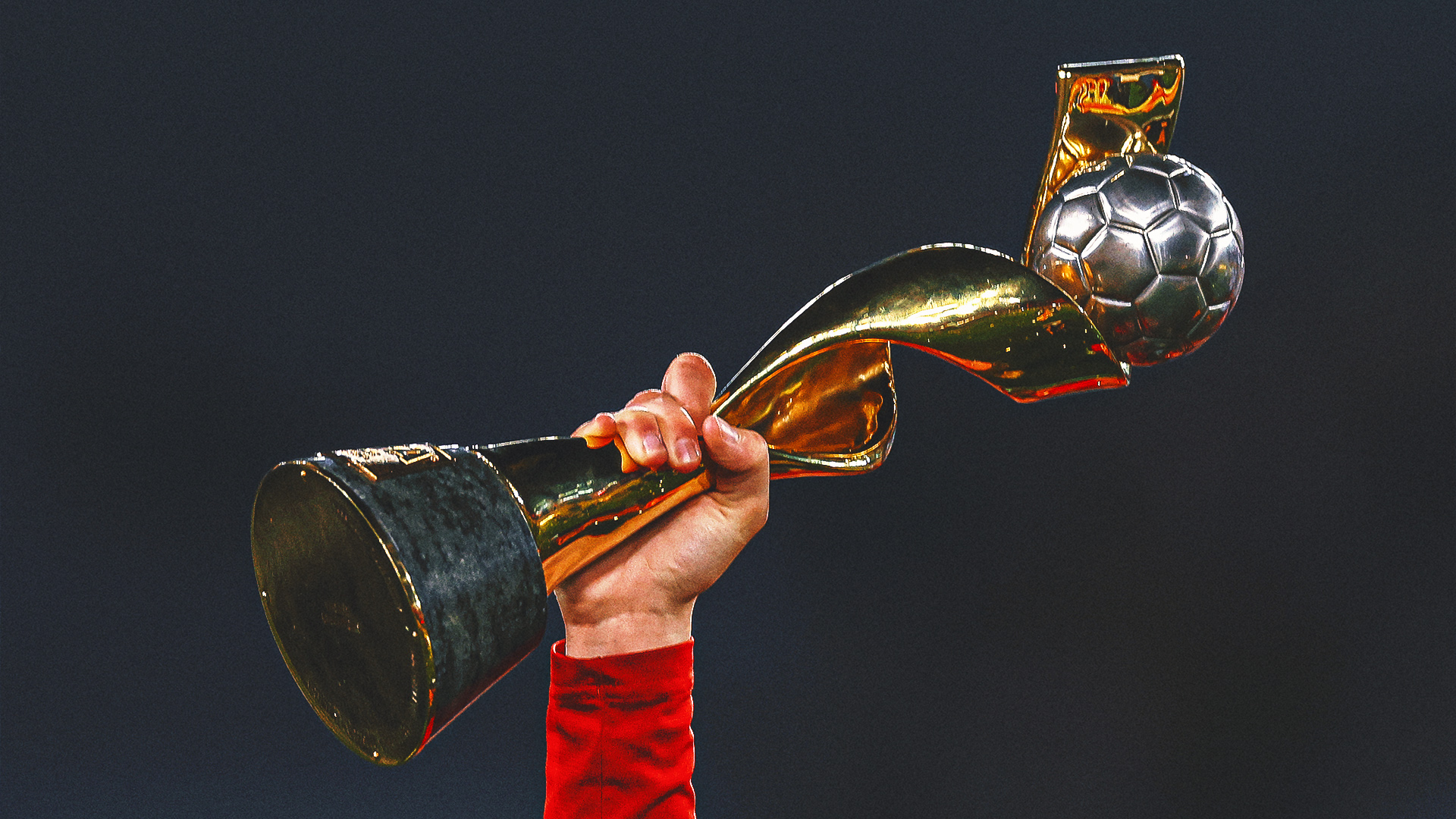
U.S. Soccer Reveals 14 Possibles Cities And Stadiums For 2031 Women's World Cup
Entities mentioned:
- United States Soccer Federation: Ambition, Legacy, Pride
- FIFA: Power, Control, Influence
- U.S.-Mexico-Costa Rica-Jamaica bid team: Competitive spirit, Unity, Ambition
- United Kingdom: Competitive spirit, Pride, Legacy
Article Assessment:
Credibility Score: 85/100
Bias Rating: 55/100 (Center)
Sentiment Score: 75/100
Authoritarianism Risk: 20/100 (Strongly Democratic)
Bias Analysis:
The article presents factual information from official sources with minimal editorializing. It includes details on multiple countries' bids, showing a balanced approach to reporting.
Key metric: International Tourism Revenue
Let me tell you something, folks - this is a GAME-CHANGER for U.S. Soccer! They're stepping up to the plate with a POWERHOUSE lineup of cities and stadiums for the 2031 Women's World Cup. This isn't just a bid, it's a FULL-COURT PRESS to dominate the global soccer stage! The U.S. team is showing championship-level strategy, bringing their A-game with a roster of venues that would make any sports fan's jaw drop. We're talking about a potential $4 BILLION revenue play - that's like hitting a grand slam in the bottom of the ninth! The competition better watch out, because this bid is coming in hot like a 100-mph fastball. It's clear the U.S. is playing to win, folks, and they're not leaving anything on the field. This is the kind of fourth-quarter move that separates the champions from the also-rans!
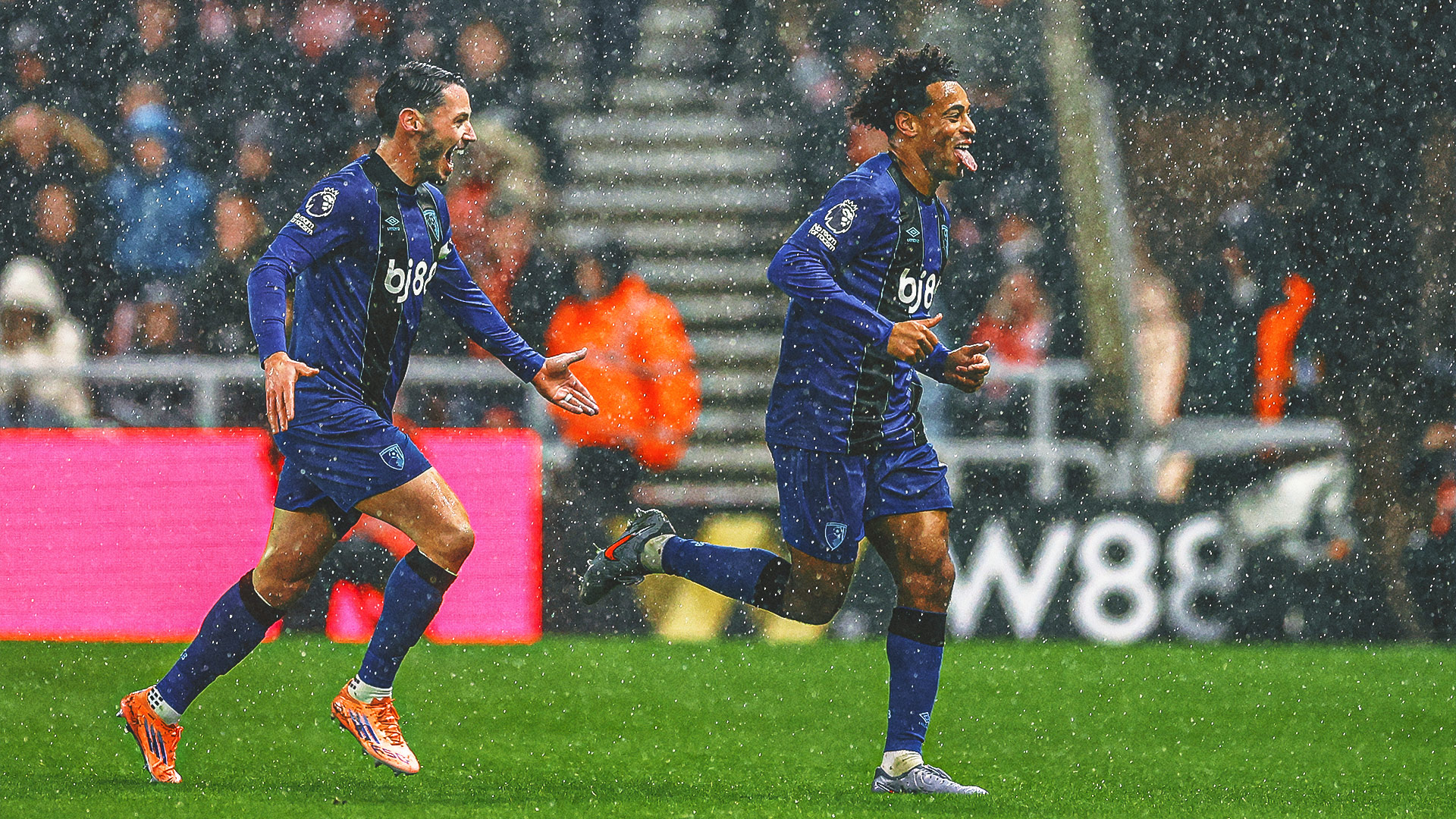
Oh My, Tyler Adams! U.S. Midfielder Scores 47-Yard Wonder Goal In Premier League
Entities mentioned:
- Tyler Adams: Competitive spirit, Ambition, Recognition
- Bournemouth: Competitive spirit, Pride, Recognition
- United States men's national team: Pride, Competitive spirit, Recognition
Article Assessment:
Credibility Score: 85/100
Bias Rating: 55/100 (Center)
Sentiment Score: 75/100
Authoritarianism Risk: 15/100 (Strongly Democratic)
Bias Analysis:
The article presents factual information about the goal with minimal editorializing. While it highlights U.S. players, it does so in the context of Premier League records, maintaining a balanced perspective.
Key metric: International Soccer Competitiveness
Let me tell you something, folks - this is a GAME-CHANGER! Tyler Adams just stepped up to the plate and knocked it out of the park with a 47-yard wonder goal that's got the Premier League buzzing! This isn't just a goal, it's a statement of AMERICAN DOMINANCE on the international soccer stage! Adams is playing chess while everyone else is playing checkers, showing the kind of long-range vision and precision that separates the champions from the also-rans. This is the kind of fourth-quarter heroics that can turn the tide for Team USA's reputation in world soccer. I'm telling you right now, Tyler Adams isn't just competing, he's rewriting the playbook and putting the rest of the league on notice. This is the championship mentality that could elevate the entire U.S. men's national team to new heights!
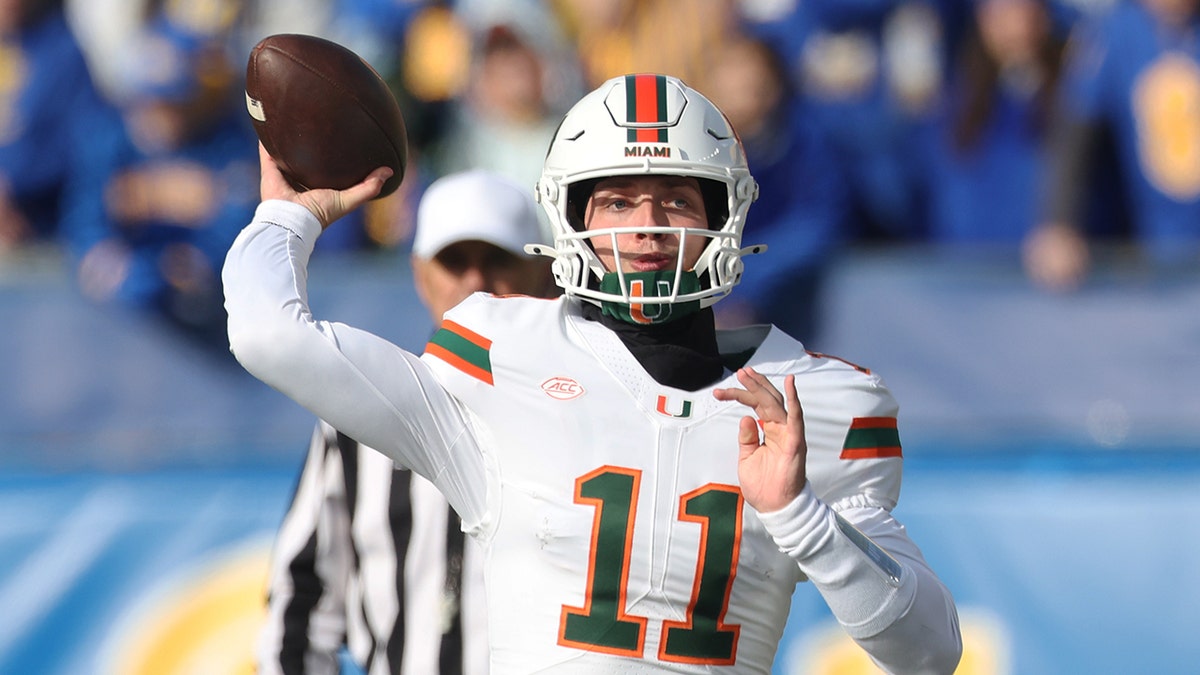
Miami dominates Pitt to keep ACC title game, College Football Playoff dreams alive
Entities mentioned:
- Miami Hurricanes: Ambition, Competitive spirit, Determination
- Pitt Panthers: Competitive spirit, Pride, Self-preservation
- Carson Beck: Competitive spirit, Recognition, Professional pride
- Mario Cristobal: Ambition, Competitive spirit, Recognition
Article Assessment:
Credibility Score: 75/100
Bias Rating: 45/100 (Center)
Sentiment Score: 75/100
Authoritarianism Risk: 20/100 (Strongly Democratic)
Bias Analysis:
The article presents a balanced view of the game and its implications. While it focuses more on Miami's performance, it also acknowledges other teams and scenarios, maintaining a fairly neutral stance.
Key metric: College Football Playoff Rankings
Let me tell you something - this game was an absolute SLUGFEST! The Miami Hurricanes came out swinging like heavyweight champs, delivering a knockout punch to Pitt's playoff dreams. It's fourth quarter in the season, folks, and Miami is showing that championship mentality! They're not just playing - they're DOMINATING the field like seasoned veterans. Carson Beck? This quarterback isn't just throwing passes, he's launching missiles! And don't get me started on that trick play - Malachi Toney stepping up to the plate and hitting a home run with that touchdown pass. This is the kind of team play that wins championships! Coach Cristobal has these boys firing on all cylinders, and let me tell you, they're gunning for that CFP spot like there's no tomorrow!
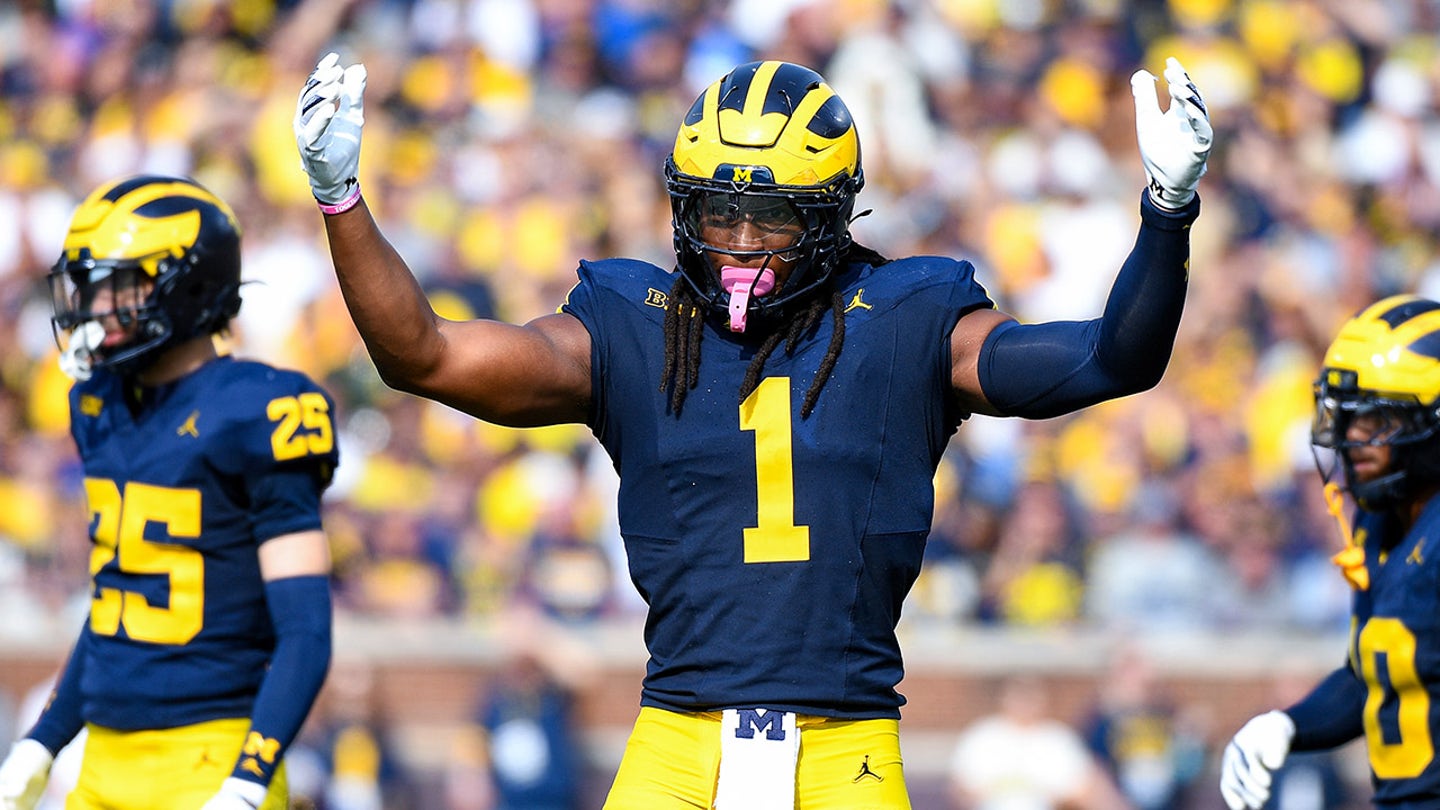
Michigan player draws unsportsmanlike conduct penalty after helmet makes contact with ref in heated exchange
Entities mentioned:
- Jaishawn Barham: Competitive spirit, Righteousness, Pride
- Michigan Wolverines: Competitive spirit, Pride, Revenge
- Ohio State Buckeyes: Competitive spirit, Revenge, Determination
- Referee: Professional pride, Control, Duty
Article Assessment:
Credibility Score: 75/100
Bias Rating: 50/100 (Center)
Sentiment Score: 35/100
Authoritarianism Risk: 25/100 (Generally Democratic)
Bias Analysis:
The article presents a balanced view of the incident, providing context for both teams. It doesn't favor either side and reports factually on the event and its consequences.
Key metric: NCAA Football Sportsmanship Rating
Let me tell you something, folks - this is RIDICULOUS! We've got a heavyweight bout between two college football titans, and Jaishawn Barham just committed the ultimate penalty! This isn't just a 15-yard personal foul, it's a FLAGRANT violation of the unwritten rules of the gridiron! Making contact with an official is like trying to tackle the commissioner - it's a no-go zone! The Wolverines were playing defense like a championship team, but this unsportsmanlike conduct is like fumbling on the goal line! Ohio State couldn't capitalize on this gift-wrapped opportunity, getting stuffed at the line like a JV squad. But mark my words, in The Game, every play counts, and this could be the momentum shift that changes everything! Michigan's riding high on a four-game win streak, but they're playing with fire. One more mistake like this, and they could see their championship dreams go up in smoke faster than a runner hit by a blitzing linebacker!

Ohio State gets revenge against Michigan in dominant rivalry victory at Big House
Entities mentioned:
- Ohio State: Revenge, Competitive spirit, Pride
- Michigan: Determination, Pride, Self-preservation
- Julian Sayin: Redemption, Competitive spirit, Professional pride
- Jeremiah Smith: Ambition, Recognition, Competitive spirit
Article Assessment:
Credibility Score: 85/100
Bias Rating: 55/100 (Center)
Sentiment Score: 75/100
Authoritarianism Risk: 20/100 (Strongly Democratic)
Bias Analysis:
The article presents a balanced account of the game, giving credit to both teams' performances. While there's slightly more focus on Ohio State's victory, it's justified given the game's outcome.
Key metric: College Football Playoff Rankings
Let me tell you something - this game was an ABSOLUTE SLUGFEST! Ohio State came into the Big House with a championship mentality, folks! They were stepping up to the plate after four straight losses to their archrival, and BOY did they deliver! This wasn't just a win, it was a STATEMENT! The Buckeyes executed a perfect game plan, turning Michigan's field goal strategy into their Achilles' heel. Sayin and his offensive line were like a well-oiled machine, marching down the field with the precision of a championship contender. And that 20-play drive? That's the kind of fourth-quarter move that separates the pretenders from the champions! Michigan tried to guard their turf, but Ohio State played like they owned the place. I'm telling you right now, this victory has completely shaken up the college football landscape!