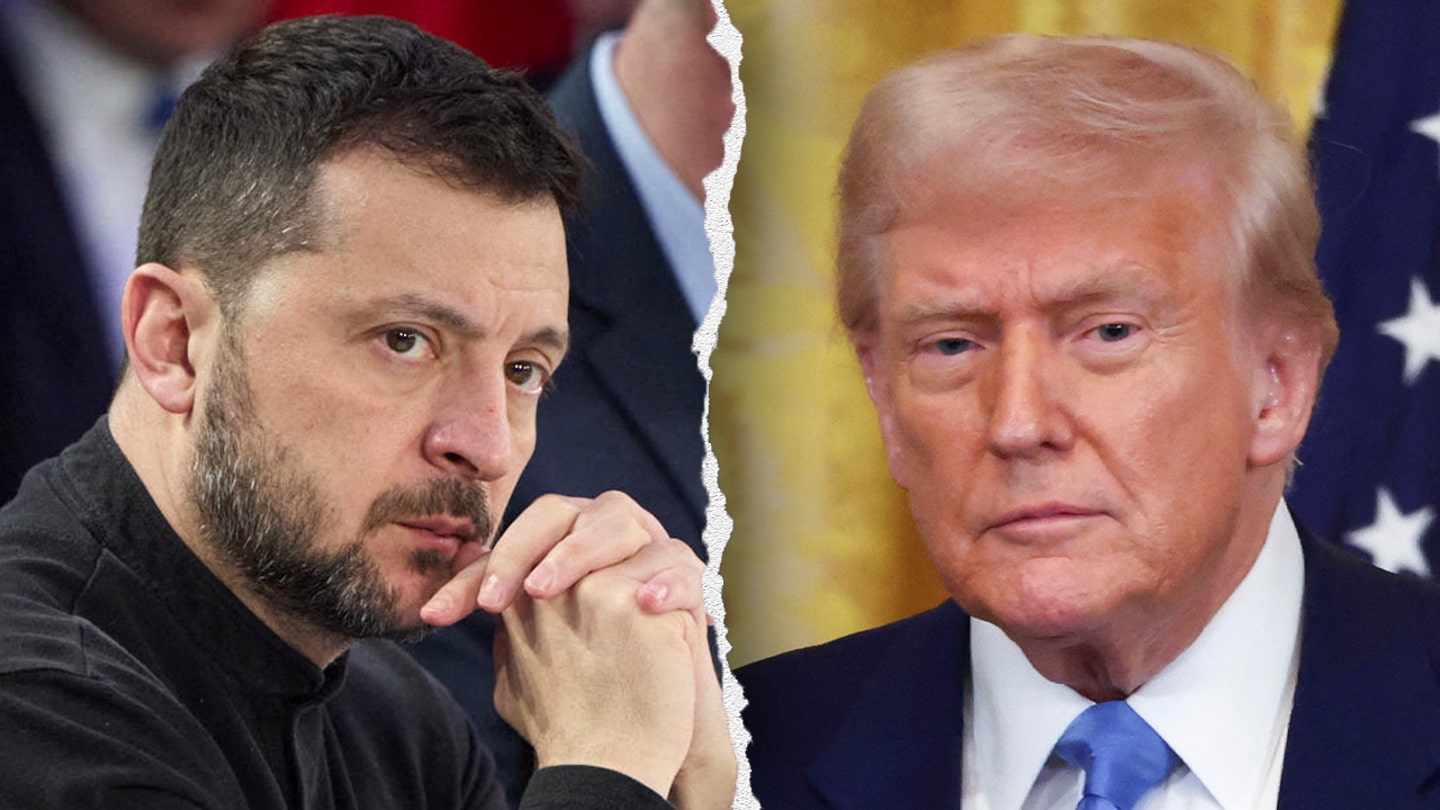
Zelenskyy outlines peace demands before high-stakes White House meeting with Trump
Entities mentioned:
- Volodymyr Zelenskyy: Justice, Self-preservation, Determination
- Donald Trump: Legacy, Influence, Power
- Vladimir Putin: Power, Control, Influence
- European Leaders: Security, Unity, Influence
Article Assessment:
Credibility Score: 75/100
Bias Rating: 55/100 (Center)
Sentiment Score: 45/100
Authoritarianism Risk: 35/100 (Generally Democratic)
Bias Analysis:
The article presents multiple perspectives, including those of Zelenskyy, Trump, Putin, and European leaders, providing a relatively balanced view. However, there's slightly more emphasis on Trump's role and statements, which could indicate a slight center-right lean.
Key metric: International Relations and Diplomacy
As a social scientist, I analyze that this article highlights the complex diplomatic efforts to end the Russia-Ukraine war. The involvement of key global players like the US, Russia, and European nations demonstrates the international significance of the conflict. Zelenskyy's firm stance on achieving 'real peace' and his wariness of Russian treachery indicate Ukraine's determination to protect its sovereignty. Trump's pivot from seeking a ceasefire to pursuing a peace agreement suggests a shift in US diplomatic strategy. The European leaders' insistence on Ukraine's security guarantees and sovereignty reflects their cautious approach to peace negotiations. This high-stakes diplomacy could significantly impact global power dynamics and the future of international conflict resolution.
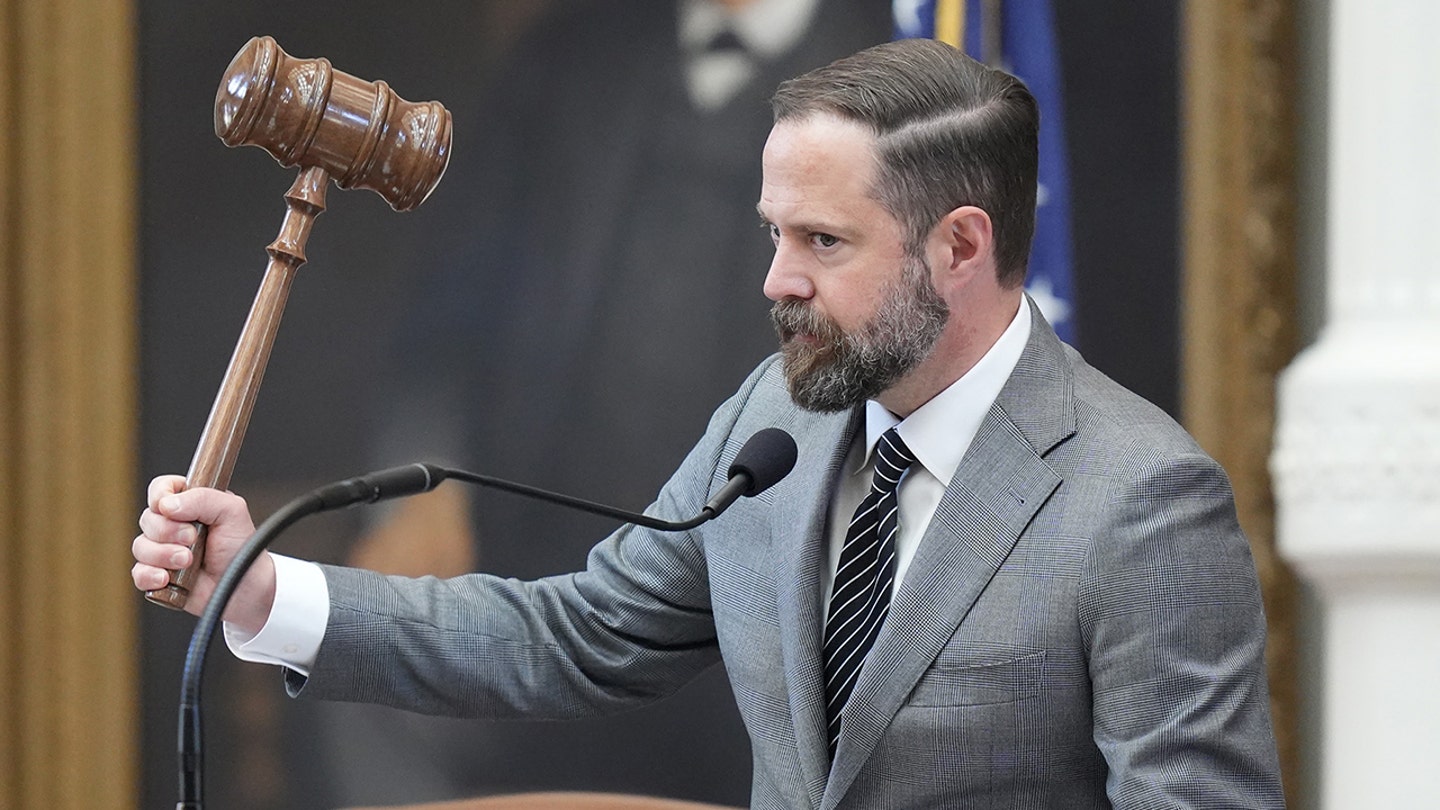
Texas House Speaker vows runaway Dems will be arrested if they try to sneak home over weekend
Entities mentioned:
- Dustin Burrows: Control, Power, Determination
- Texas Democrats: Righteousness, Justice, Self-preservation
- Greg Abbott: Power, Control, Determination
- Gavin Newsom: Ambition, Competitive spirit, Power
- Donald Trump: Power, Control, Influence
- Gene Wu: Justice, Righteousness, Determination
- Ken Paxton: Power, Control, Loyalty
Article Assessment:
Credibility Score: 70/100
Bias Rating: 55/100 (Center)
Sentiment Score: 30/100
Authoritarianism Risk: 65/100 (Authoritarian Tendencies)
Bias Analysis:
The article presents both Republican and Democratic perspectives, but slightly more space is given to Republican actions and quotes. The framing of Democrats as 'runaway' and 'fleeing' suggests a subtle lean towards Republican narrative.
Key metric: Electoral Competitiveness
As a social scientist, I analyze that this article highlights the intense political maneuvering around congressional redistricting in Texas and California, which directly impacts electoral competitiveness. The actions of both Republican and Democratic parties demonstrate a concerted effort to gain political advantage through map-drawing, potentially reducing the number of competitive districts. This could lead to increased polarization and decreased representation of diverse viewpoints. The use of tactics such as fleeing the state to prevent quorum and threats of arrest indicate a heightened level of partisan conflict, which may erode democratic norms and public trust in the electoral process. The contrasting approaches in Texas and California also reflect the broader national debate on redistricting methods and their impact on fair representation.
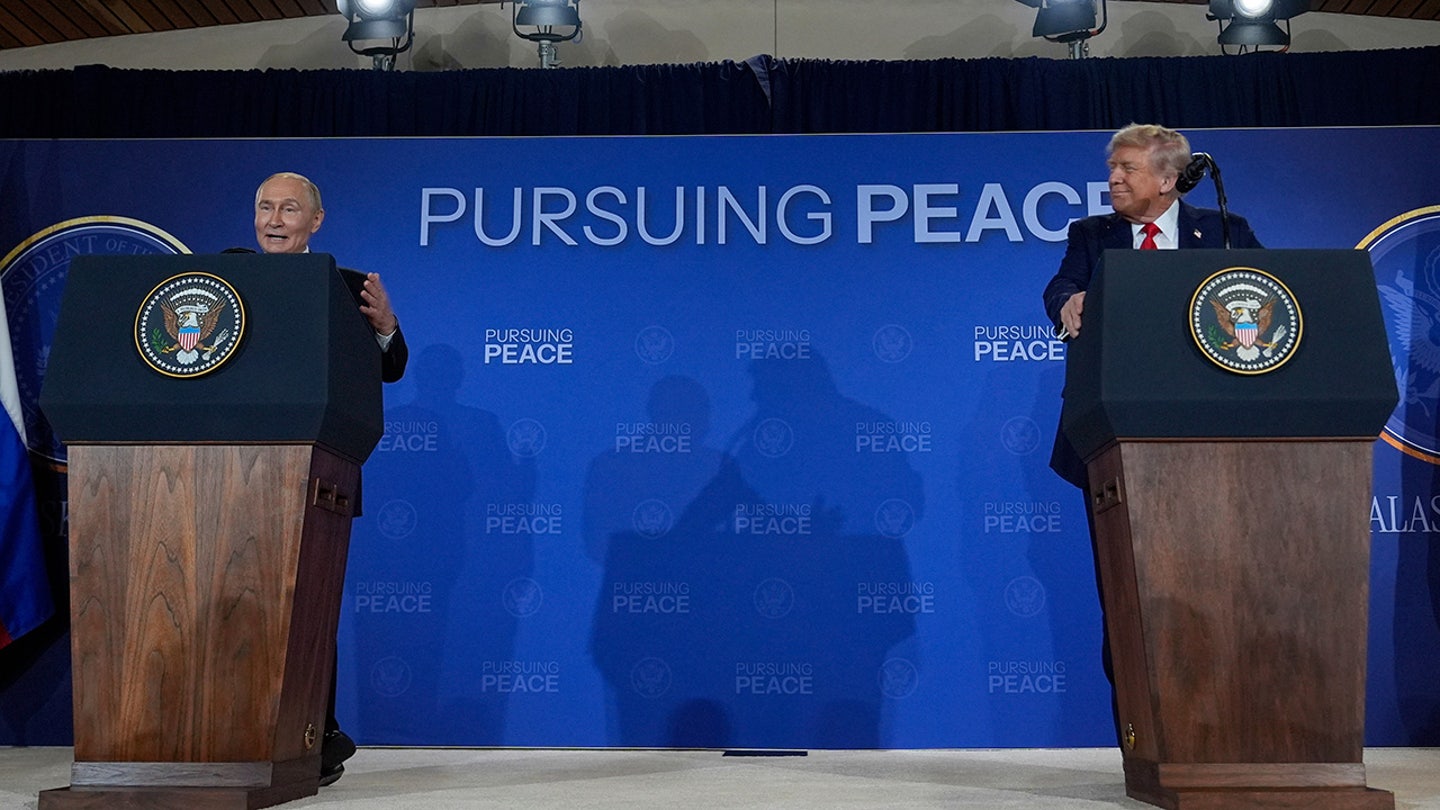
Putin backs Trump's claim that the Ukraine war would not have happened if he’d won 2020 election
Entities mentioned:
- Vladimir Putin: Power, Influence, Control
- Donald Trump: Ambition, Power, Influence
- Joe Biden: Duty, Influence, Security
- Volodymyr Zelenskyy: Self-preservation, Duty, Determination
Article Assessment:
Credibility Score: 55/100
Bias Rating: 65/100 (Lean Right)
Sentiment Score: 45/100
Authoritarianism Risk: 55/100 (Mixed/Neutral)
Bias Analysis:
The article leans right, favoring Trump's narrative and giving substantial space to Putin's supportive comments. It presents criticism of the Biden administration without equal counterbalance, suggesting a right-leaning bias in its framing and source selection.
Key metric: International Relations and Diplomacy
As a social scientist, I analyze that this article presents a significant shift in US-Russia relations under Trump's presidency. Putin's endorsement of Trump's claims about preventing the Ukraine war suggests a potential realignment of global power dynamics. This could impact US diplomatic standing, particularly with NATO allies and Ukraine. The article highlights a stark contrast between Trump's approach to Russia and that of the Biden administration, potentially influencing future US foreign policy. The meeting's optics and Putin's praise for Trump may raise concerns about US commitment to its traditional allies and democratic values on the global stage.
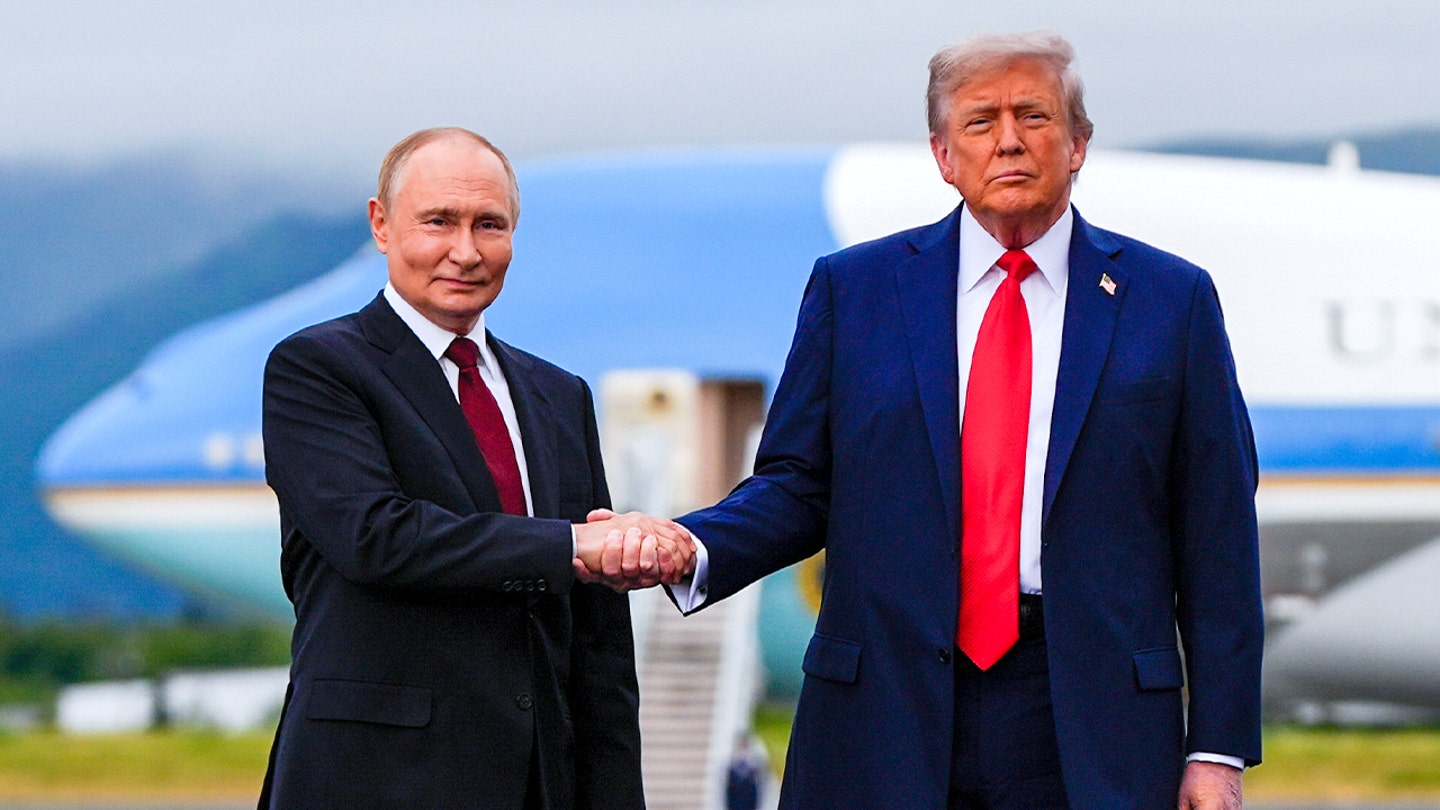
Trump backs Putin's proposal for Russia to take full control of Donbas region in Ukraine
Entities mentioned:
- Vladimir Putin: Power, Control, Influence
- Donald Trump: Influence, Recognition, Legacy
- Volodymyr Zelenskyy: Determination, Duty, Self-preservation
- Friedrich Merz: Duty, Influence, Unity
Article Assessment:
Credibility Score: 65/100
Bias Rating: 55/100 (Center)
Sentiment Score: 35/100
Authoritarianism Risk: 60/100 (Mixed/Neutral)
Bias Analysis:
The article presents multiple viewpoints and cites various sources, including European diplomats and U.S. officials. However, it leans slightly towards emphasizing Trump's actions and their potential impact, which could be seen as centrism with a slight right-leaning tone.
Key metric: International Diplomatic Influence
As a social scientist, I analyze that this article highlights a significant shift in U.S. foreign policy regarding the Russia-Ukraine conflict. Trump's support for Putin's proposal to take control of the Donbas region could drastically alter the course of the war and international relations. This move potentially undermines Ukraine's sovereignty and NATO allies' united front against Russian aggression. The change from supporting a ceasefire to pushing for a peace agreement aligned with Russian interests suggests a major realignment of U.S. policy that could have far-reaching consequences for global geopolitics and the balance of power in Eastern Europe.
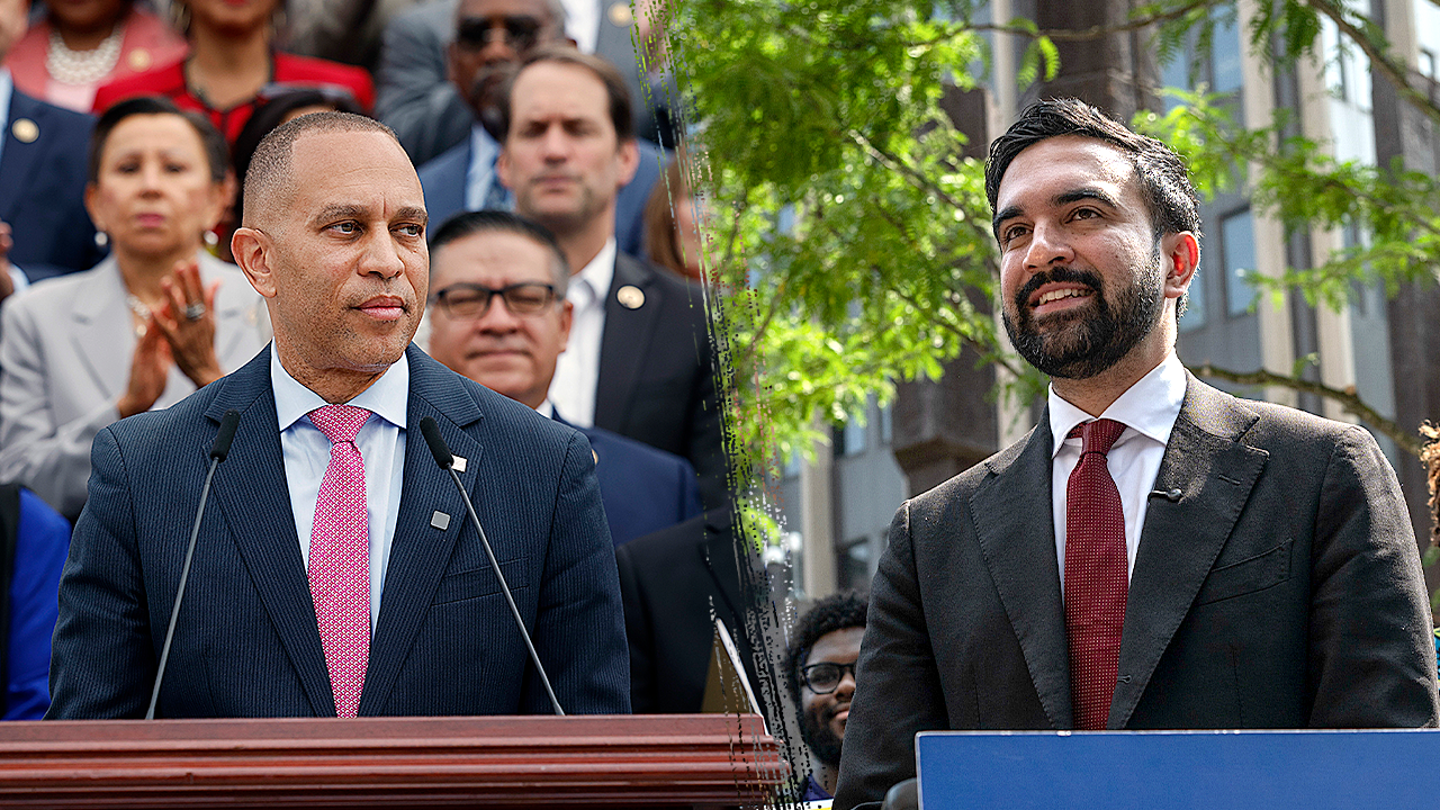
Top House Dem sides with Mamdani critics on key controversy surrounding his campaign
Entities mentioned:
- Hakeem Jeffries: Political calculation, Duty, Self-preservation
- Zohran Mamdani: Ambition, Justice, Influence
- Andrew Cuomo: Revenge, Political calculation, Power
- Dora Pekec: Loyalty, Righteousness, Determination
- Alex Bradley: Moral outrage, Loyalty, Indignation
- Michael Koncewicz: Moral outrage, Indignation, Righteousness
Article Assessment:
Credibility Score: 70/100
Bias Rating: 55/100 (Center)
Sentiment Score: 30/100
Authoritarianism Risk: 35/100 (Generally Democratic)
Bias Analysis:
The article presents multiple perspectives, including critics and supporters of Mamdani. However, it gives more space to critical voices and frames the issue as problematic for Mamdani's campaign.
Key metric: Political Party Unity
As a social scientist, I analyze that this article highlights internal Democratic Party tensions surrounding a progressive candidate in New York City. The controversy over Mamdani's housing situation exposes ideological rifts within the party, with establishment figures like Jeffries distancing themselves from more left-leaning candidates. This impacts party unity by potentially alienating progressive voters and activists, while also revealing the challenges Democrats face in reconciling diverse policy positions within their coalition. The situation underscores the ongoing struggle between centrist and progressive factions in the Democratic Party, which could affect voter turnout and party enthusiasm in future elections.
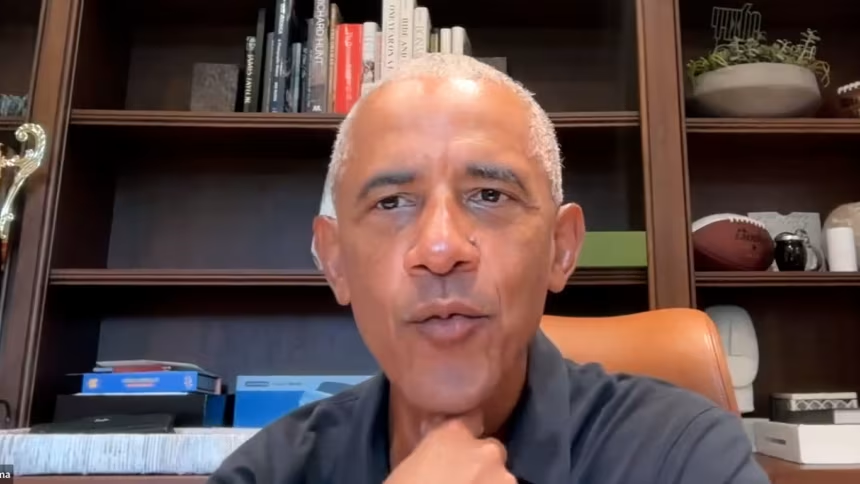
Obama praises Texas Democrats and calls state redistricting effort ‘a systematic assault on democracy’
Entities mentioned:
- Barack Obama: Justice, Democracy, Influence
- Texas House Democrats: Righteousness, Justice, Determination
- Republican Party: Power, Control, Self-preservation
- California: Justice, Competitive spirit, Influence
- Gavin Newsom: Justice, Competitive spirit, Influence
- Eric Holder: Justice, Democracy, Influence
- Donald Trump: Power, Control, Self-preservation
Article Assessment:
Credibility Score: 75/100
Bias Rating: 35/100 (Lean Left)
Sentiment Score: 35/100
Authoritarianism Risk: 25/100 (Generally Democratic)
Bias Analysis:
The article leans left in its framing, giving more voice and positive portrayal to Democratic figures and their motivations. While it includes some Republican perspective, it predominantly presents the Democratic view of the redistricting issue.
Key metric: Electoral Integrity
As a social scientist, I analyze that this article highlights a significant debate over redistricting efforts in Texas, with implications for broader democratic processes in the United States. The involvement of former President Obama lends weight to the Democrats' stance against what they perceive as unfair gerrymandering by Republicans. The article frames the issue as a struggle for democratic integrity, with Republicans portrayed as attempting to manipulate the system for political gain. This conflict reflects deeper tensions in American politics regarding representation, electoral fairness, and the balance of power between parties. The mention of other states like California responding to these actions suggests a potential escalation of partisan map-drawing across the country, which could have long-term effects on electoral outcomes and political polarization. The article also touches on broader concerns about democratic erosion, linking redistricting to other issues such as voter suppression and executive overreach, indicating a complex interplay of factors affecting the key metric of Electoral Integrity.
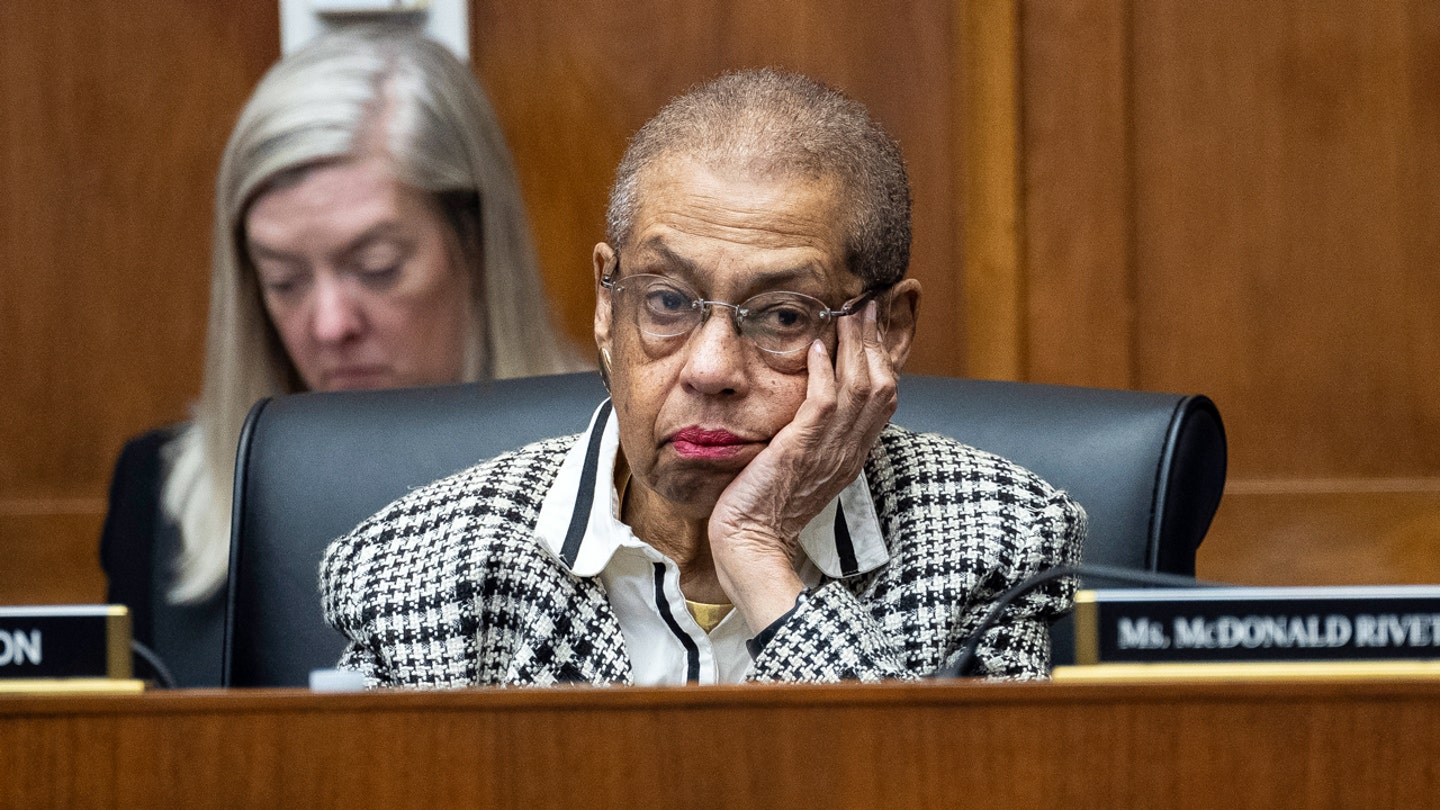
All eyes on Washington, and naught but deafening silence from the District's loudest defender
Entities mentioned:
- Eleanor Holmes Norton: Duty, Justice, Determination
- David Dreier: Control, Power, Influence
- Donald Trump: Power, Control, Influence
- Muriel Bowser: Duty, Self-preservation, Indignation
- Chris Van Hollen: Justice, Moral outrage, Duty
- Brandon Scott: Duty, Justice, Indignation
- Phil Mendelson: Loyalty, Wariness, Duty
- Hakeem Jeffries: Unity, Loyalty, Self-preservation
- Kinney Zalesne: Ambition, Justice, Competitive spirit
Article Assessment:
Credibility Score: 75/100
Bias Rating: 45/100 (Center)
Sentiment Score: 35/100
Authoritarianism Risk: 55/100 (Mixed/Neutral)
Bias Analysis:
The article presents multiple perspectives and quotes from various political figures, maintaining a relatively balanced approach. While it raises questions about Norton's recent inactivity, it also provides context and historical background, avoiding overtly partisan language.
Key metric: Democratic Representation
As a social scientist, I analyze that this article highlights a critical juncture in Washington D.C.'s struggle for full representation and local autonomy. The absence of Eleanor Holmes Norton's typically forceful advocacy during a time of federal intervention in local affairs underscores the precarious position of D.C.'s governance. This situation exemplifies the ongoing tension between federal control and local self-determination in the District, impacting the key metric of Democratic Representation. The deployment of federal forces without local consent and the relative silence of D.C.'s primary congressional advocate raise significant questions about the balance of power and the effectiveness of non-voting representation. This event may serve as a catalyst for renewed discussions on D.C. statehood and the broader implications for democratic representation in the U.S. political system.

Texas Democrats signal they are ready to end redistricting standoff and return to state
Entities mentioned:
- Texas Democratic lawmakers: Justice, Influence, Righteousness
- Texas Republicans: Power, Control, Ambition
- Donald Trump: Influence, Power, Legacy
- California Democrats: Competitive spirit, Justice, Influence
- Greg Abbott: Control, Power, Determination
- Barack Obama: Influence, Unity, Justice
Article Assessment:
Credibility Score: 75/100
Bias Rating: 55/100 (Center)
Sentiment Score: 40/100
Authoritarianism Risk: 35/100 (Generally Democratic)
Bias Analysis:
The article presents perspectives from both Democrats and Republicans, though it provides more detailed coverage of Democratic actions and motivations. While it maintains a generally neutral tone, there's a slight lean towards framing the Democrats' actions more sympathetically.
Key metric: Electoral Competitiveness
As a social scientist, I analyze that this article highlights a significant political struggle over redistricting in Texas, with potential national implications for the balance of power in the U.S. House of Representatives. The Texas Democrats' temporary exodus to deny quorum was a strategic move to delay Republican-led redistricting efforts, which could result in additional Republican seats. This standoff reflects broader tensions in American democracy, particularly regarding voting rights and political representation. The involvement of other states, notably California, in potentially offsetting Texas' redistricting impact, demonstrates the interconnected nature of state-level political maneuvering in shaping national electoral outcomes. This situation underscores the critical role of redistricting in determining electoral competitiveness and representation, potentially affecting the overall health and fairness of the democratic process.
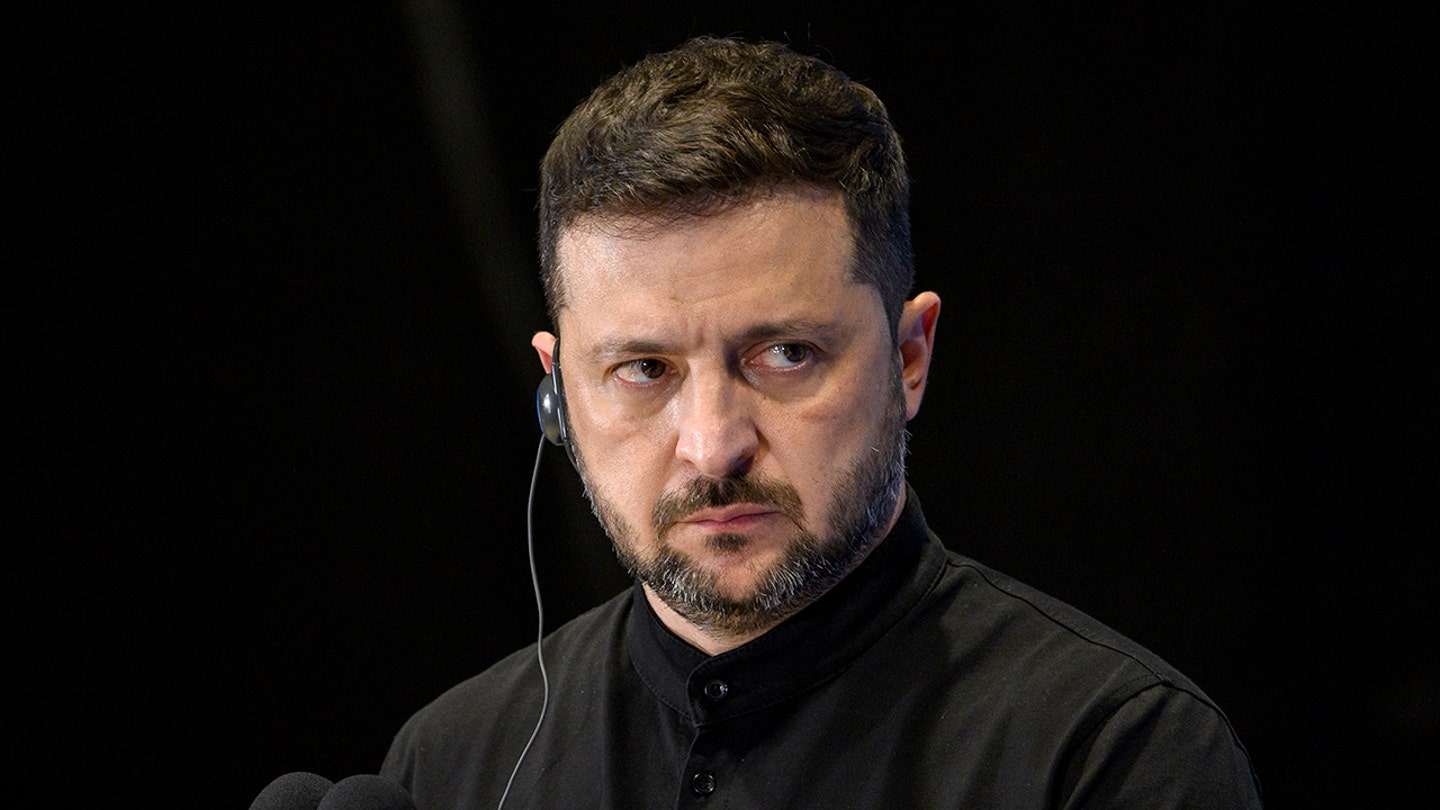
Trump reveals his game plan for meeting with Putin in Alaska: 'It's like chess'
Entities mentioned:
- Donald Trump: Ambition, Power, Legacy
- Vladimir Putin: Power, Control, Self-preservation
- Volodymyr Zelenskyy: Determination, Justice, Self-preservation
- Brian Kilmeade: Curiosity, Professional pride
Article Assessment:
Credibility Score: 70/100
Bias Rating: 55/100 (Center)
Sentiment Score: 45/100
Authoritarianism Risk: 35/100 (Generally Democratic)
Bias Analysis:
The article presents multiple perspectives, including quotes from Trump, Putin, and Zelenskyy, providing a somewhat balanced view. However, there's slightly more focus on Trump's statements and plans, which may indicate a slight center-right lean.
Key metric: International Diplomacy Effectiveness
As a social scientist, I analyze that this article highlights a critical juncture in international diplomacy, focusing on Trump's approach to negotiations between Russia and Ukraine. The framing of the talks as 'chess' suggests a strategic, calculated approach to diplomacy. Trump's disclosure of potential land swap negotiations, despite Zelenskyy's opposition, indicates potential discord among allies. The article presents contrasting views: Trump's optimism about a deal versus Zelenskyy's skepticism, reflecting the complex nature of the conflict resolution process. The mention of potential sanctions against Russia demonstrates the use of economic leverage in diplomatic negotiations. This situation could significantly impact global geopolitical stability and the effectiveness of U.S. foreign policy in conflict resolution.
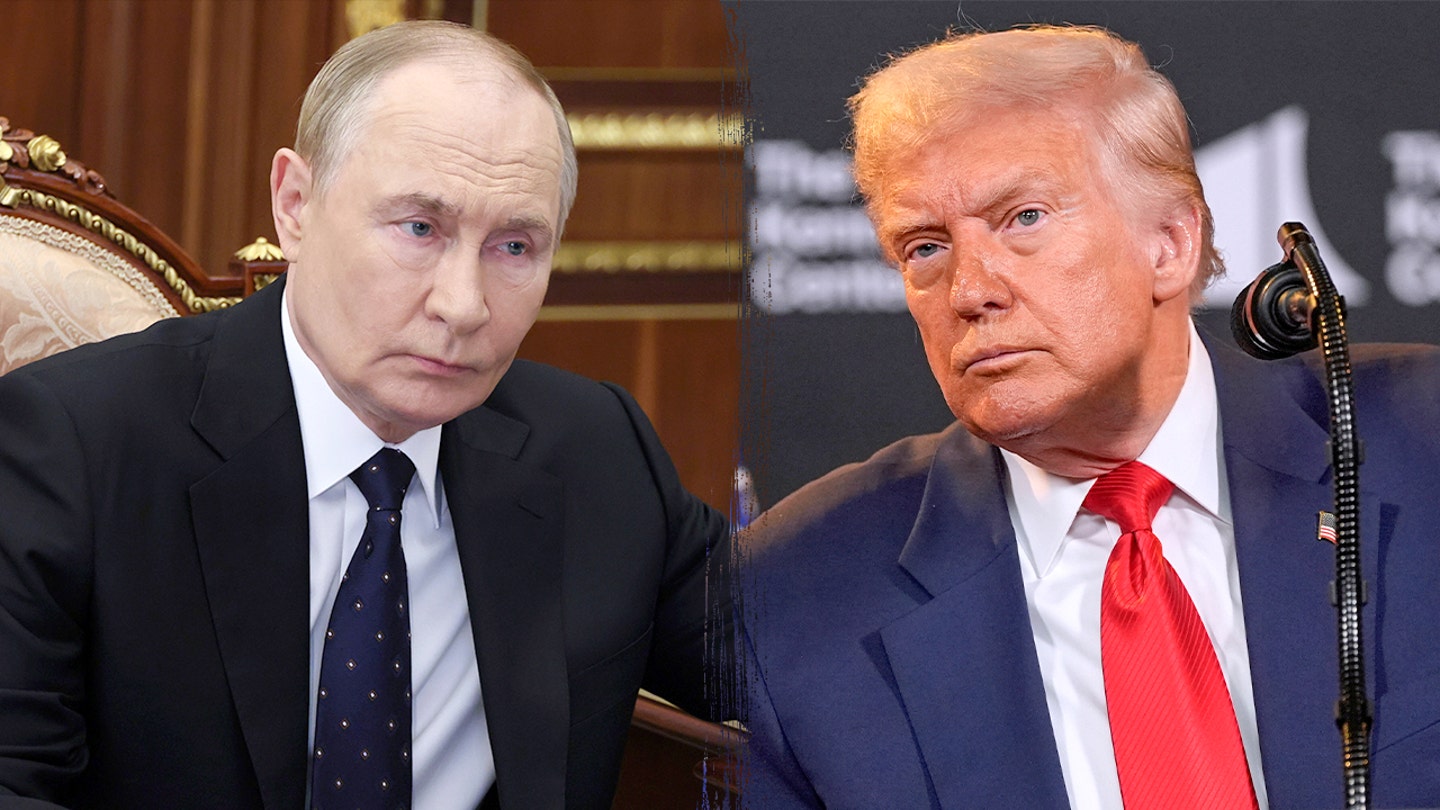
Putin praises Trump’s ‘sincere’ peace efforts, signals possible US-Russia nuclear deal
Entities mentioned:
- Vladimir Putin: Power, Influence, Control
- Donald Trump: Legacy, Recognition, Ambition
- Volodymyr Zelenskyy: Self-preservation, Unity, Determination
- Keir Starmer: Duty, Influence, Unity
- Friedrich Merz: Duty, Influence, Unity
- Emmanuel Macron: Influence, Unity, Leadership
- JD Vance: Duty, Influence, Professional pride
- Gen. Keith Kellogg: Duty, Professional pride, Security
Article Assessment:
Credibility Score: 75/100
Bias Rating: 45/100 (Center)
Sentiment Score: 55/100
Authoritarianism Risk: 35/100 (Generally Democratic)
Bias Analysis:
The article presents multiple perspectives, including those of Russia, the US, and Ukraine, indicating an attempt at balanced reporting. However, there's a slight emphasis on Western viewpoints and actions, which may suggest a subtle Western-centric framing.
Key metric: International Relations and Diplomacy
As a social scientist, I analyze that this article highlights a potential shift in US-Russia relations, centered around nuclear arms control and the ongoing conflict in Ukraine. The upcoming summit between Trump and Putin represents a critical juncture in international diplomacy, with potential ramifications for global security. Putin's praise of US efforts and hints at a possible nuclear deal suggest a strategic positioning ahead of the talks. However, Zelenskyy's skepticism indicates ongoing tensions and complexities in resolving the Ukraine conflict. The involvement of other world leaders and the 'Coalition of the Willing' underscores the global significance of these negotiations. The article suggests a delicate balance of power dynamics, with both Trump and Putin potentially seeking diplomatic victories for domestic and international gain.