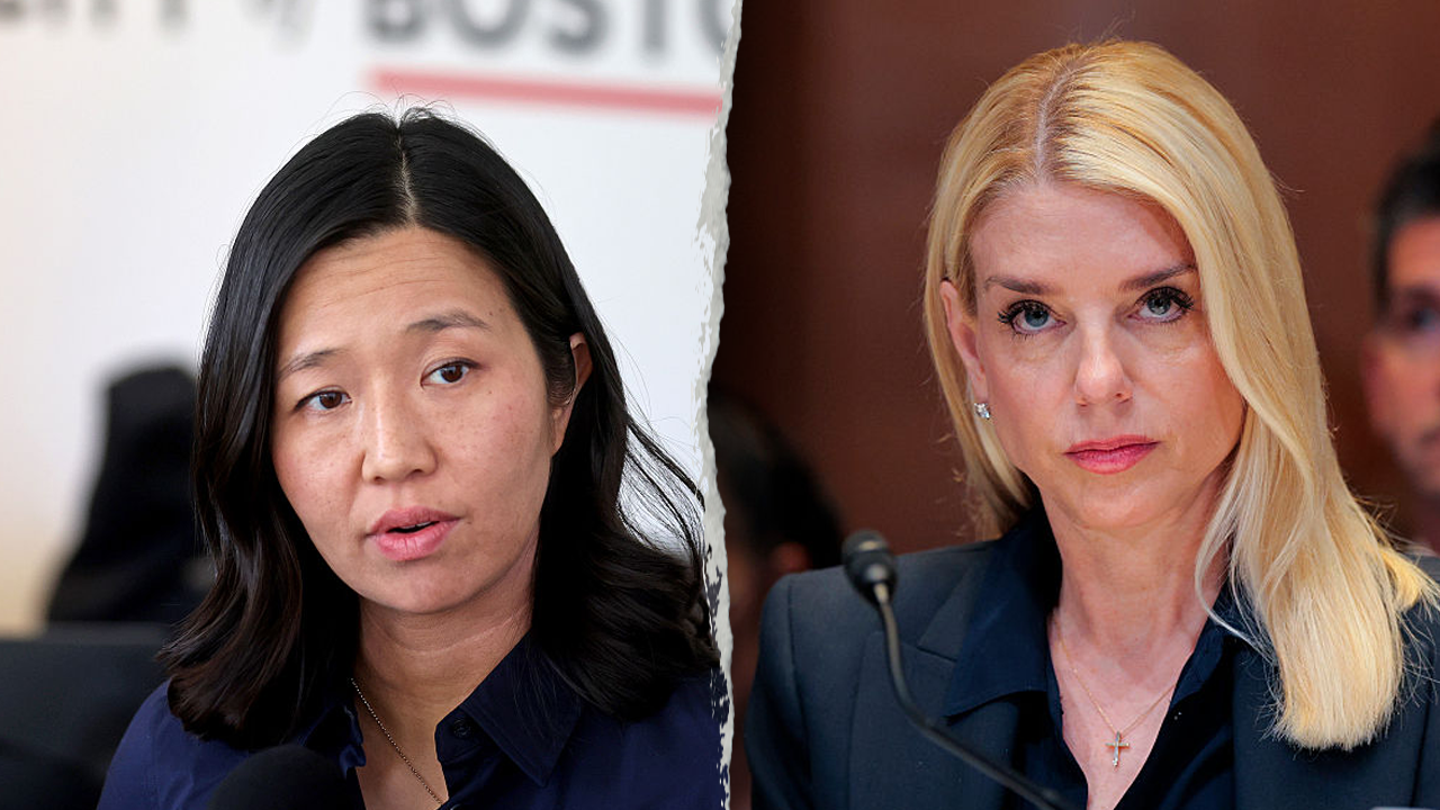
Boston’s Wu fires back at Bondi, citing Revolution, as other cities slam feds over ‘sanctuary’ warnings
Entities mentioned:
- Michelle Wu: Righteousness, Moral outrage, Determination
- Pam Bondi: Control, Power, Duty
- Trump administration: Control, Power, Fear
- Bob Ferguson: Righteousness, Determination, Loyalty
- William Tong: Justice, Determination, Duty
- Renee Garcia: Duty, Wariness, Professional pride
Article Assessment:
Credibility Score: 70/100
Bias Rating: 35/100 (Lean Left)
Sentiment Score: 30/100
Authoritarianism Risk: 45/100 (Mixed/Neutral)
Bias Analysis:
The article leans left in its framing, giving more space and detail to the arguments of Democratic leaders opposing the Trump administration's policies. While it includes some opposing viewpoints, the tone and selection of quotes favor the sanctuary city perspective.
Key metric: Immigration Enforcement Cooperation
As a social scientist, I analyze that this article highlights the growing tension between federal and local governments regarding immigration enforcement policies. The conflict centers on 'sanctuary city' policies, which limit local cooperation with federal immigration authorities. This disagreement impacts the key metric of Immigration Enforcement Cooperation, as it demonstrates a significant rift in how different levels of government approach immigration issues. The strong pushback from city and state leaders against federal threats suggests a potential decrease in local-federal cooperation on immigration matters, which could lead to reduced effectiveness of federal immigration policies and increased protection for undocumented immigrants in certain jurisdictions. This conflict also underscores broader issues of federalism and the balance of power between state and federal governments in the United States.
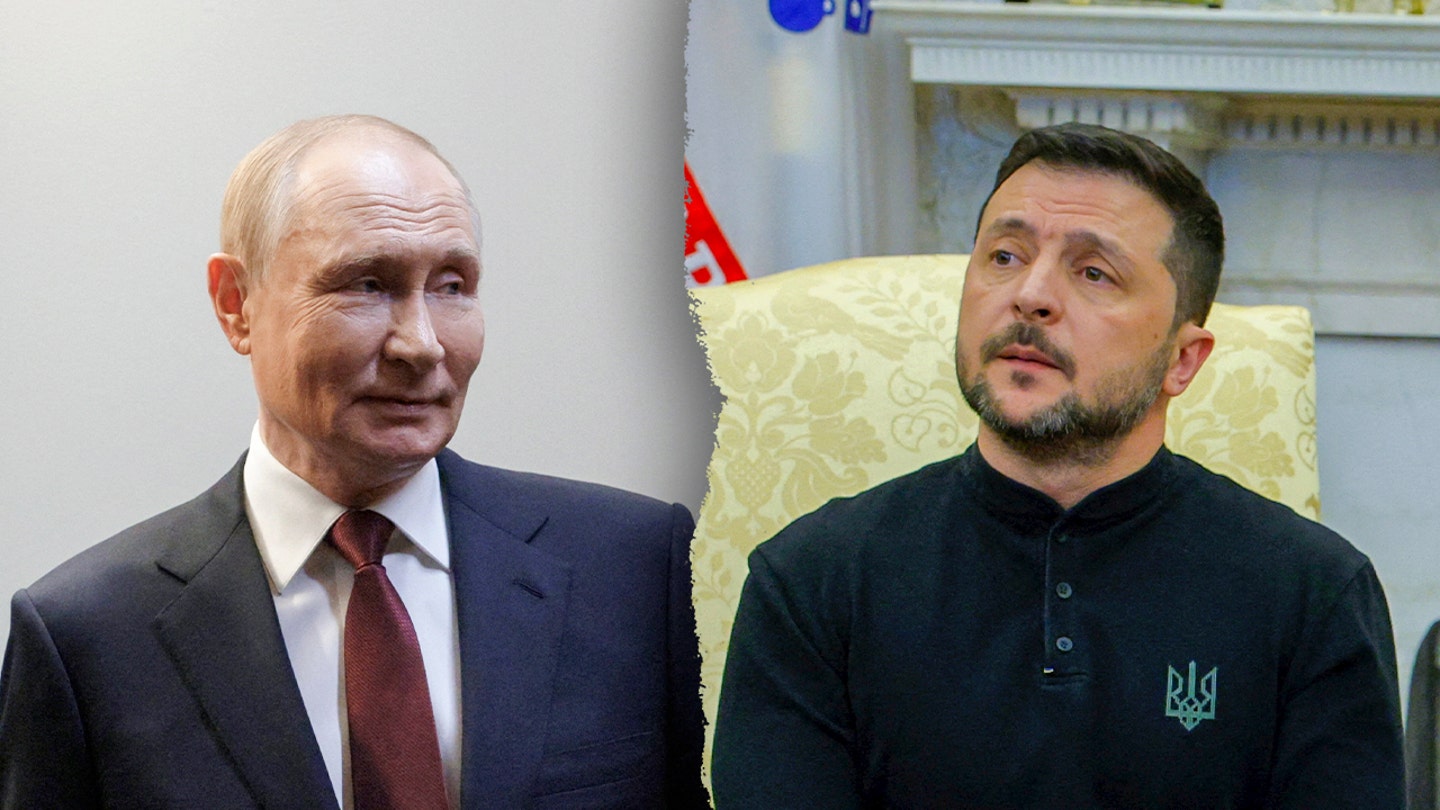
White House announces Putin agreed to bilateral meeting with Zelenskyy
Entities mentioned:
- Vladimir Putin: Power, Control, Self-preservation
- Volodymyr Zelenskyy: Determination, Justice, Unity
- Donald Trump: Legacy, Influence, Recognition
- Karoline Leavitt: Duty, Loyalty, Professional pride
- JD Vance: Duty, Influence, Ambition
- Marco Rubio: Duty, Influence, Professional pride
- Steve Witkoff: Duty, Influence, Professional pride
- Alexander Stubb: Unity, Recognition, Professional pride
- Keir Starmer: Unity, Recognition, Professional pride
- Mark Rutte: Unity, Recognition, Professional pride
Article Assessment:
Credibility Score: 65/100
Bias Rating: 70/100 (Lean Right)
Sentiment Score: 70/100
Authoritarianism Risk: 45/100 (Mixed/Neutral)
Bias Analysis:
The article leans right, focusing heavily on Trump's role and quoting primarily conservative or Trump-aligned sources. It presents a largely positive view of Trump's diplomatic efforts without significant counterbalancing perspectives.
Key metric: International Relations and Diplomacy
As a social scientist, I analyze that this article represents a significant shift in the dynamics of the Russia-Ukraine conflict. The agreement for a bilateral meeting between Putin and Zelenskyy, facilitated by the Trump administration, suggests a potential breakthrough in peace negotiations. This development could have far-reaching implications for global stability, NATO's role, and U.S. foreign policy. The involvement of multiple European leaders and their praise for Trump's efforts indicates a realignment of international diplomatic efforts. However, Putin's statement about the 2020 U.S. election raises questions about the motivations behind Russia's actions and the potential fragility of any peace agreement. The article also highlights concerns about long-term security guarantees for Ukraine, which will be crucial for sustainable peace in the region.
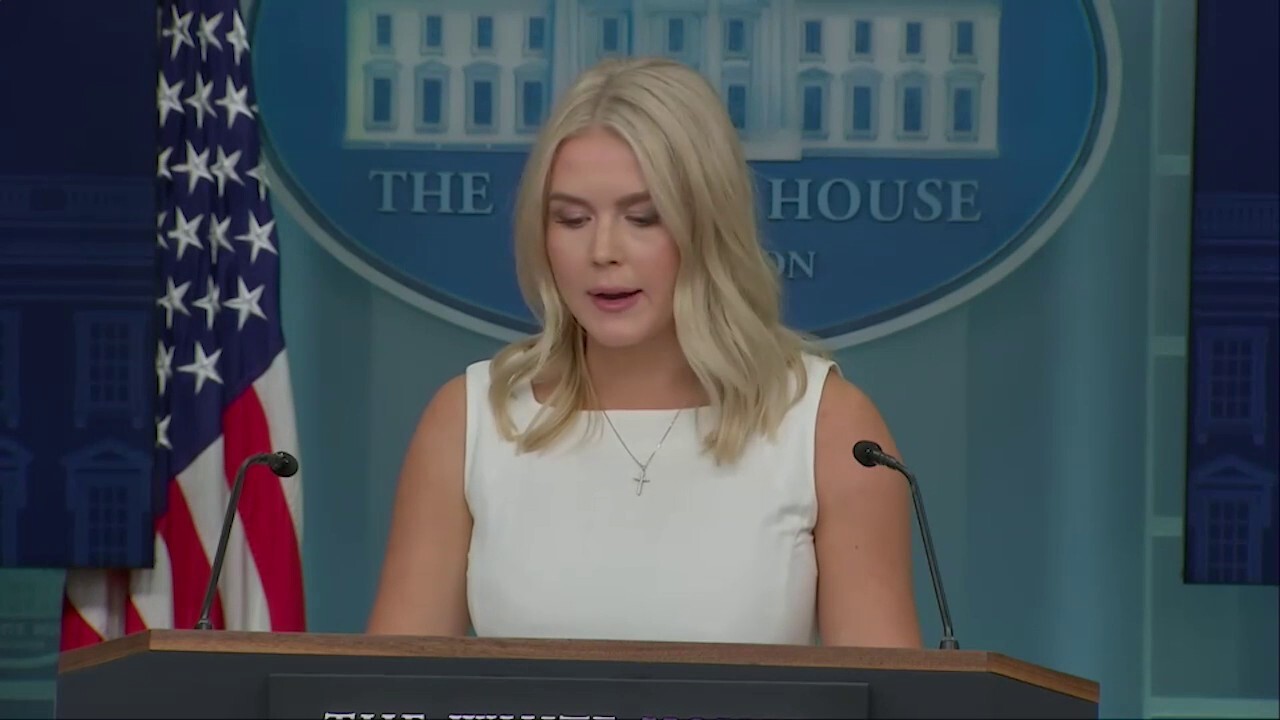
White House rejects ‘blank checks’ for Ukraine, presses NATO to shoulder costs
Entities mentioned:
- White House: Self-preservation, Control, Influence
- President Donald Trump: Ambition, Control, Influence
- Karoline Leavitt: Duty, Loyalty, Professional pride
- NATO: Security, Unity, Obligation
- Congress: Duty, Influence, Security
- JD Vance: Influence, Duty, Righteousness
- Volodymyr Zelenskyy: Self-preservation, Determination, Security
Article Assessment:
Credibility Score: 70/100
Bias Rating: 65/100 (Lean Right)
Sentiment Score: 45/100
Authoritarianism Risk: 35/100 (Generally Democratic)
Bias Analysis:
The article leans slightly right, focusing more on the Trump administration's perspective and quoting primarily Republican officials. While it includes some factual information, the framing tends to present the administration's view more prominently than alternative viewpoints.
Key metric: U.S. Military Spending
As a social scientist, I analyze that this article reflects a significant shift in U.S. foreign policy regarding military aid to Ukraine. The Trump administration is attempting to reduce direct U.S. financial involvement while maintaining support through alternative means, such as facilitating weapon sales through NATO. This approach aims to balance domestic fiscal concerns with international security commitments. The emphasis on European allies taking greater responsibility suggests a recalibration of U.S. global military engagement and spending priorities. This policy shift could have substantial implications for U.S. military spending, potentially reducing direct aid to Ukraine while promoting arms sales to NATO allies. The long-term impact on U.S. global influence and military strategy remains uncertain, as it depends on how effectively this new approach maintains stability in Eastern Europe and deters further Russian aggression.
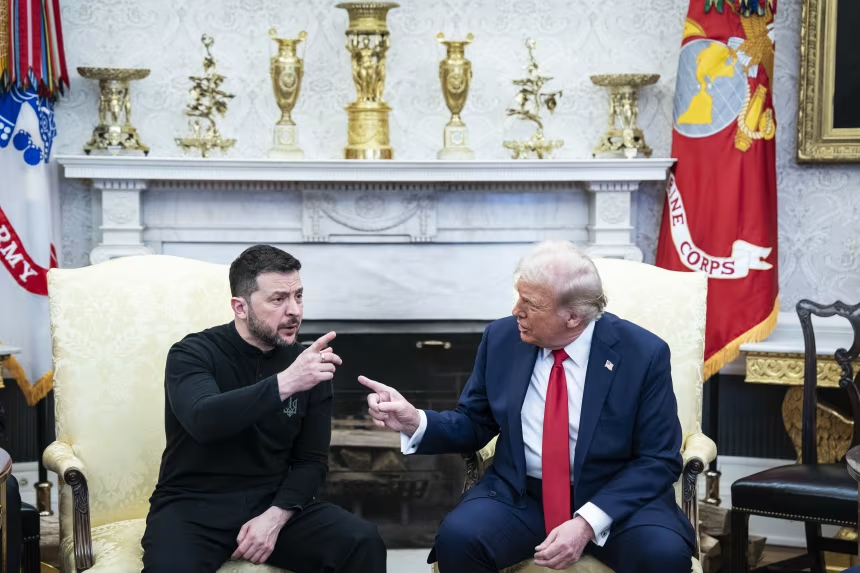
How Trump and Zelensky’s relationship has evolved since remarkable Oval Office shouting match in February
Entities mentioned:
- Donald Trump: Power, Control, Legacy
- Volodymyr Zelensky: Self-preservation, Determination, Unity
- Vladimir Putin: Power, Control, Influence
- European Leaders: Unity, Security, Influence
- JD Vance: Loyalty, Righteousness, Recognition
Article Assessment:
Credibility Score: 75/100
Bias Rating: 45/100 (Center)
Sentiment Score: 35/100
Authoritarianism Risk: 55/100 (Mixed/Neutral)
Bias Analysis:
The article presents multiple perspectives and includes details from various sources, maintaining a relatively balanced view. However, there's a slight lean towards framing Trump's actions as potentially problematic for US-Europe relations.
Key metric: US International Diplomatic Influence
As a social scientist, I analyze that this article highlights a significant shift in US-Ukraine relations and the broader geopolitical landscape. Trump's evolving approach to the Ukraine conflict, from confrontational to seemingly more conciliatory, suggests a potential realignment of US foreign policy priorities. The contrast between Trump's treatment of Putin and Zelensky indicates a complex balancing act that could impact US credibility among allies. The involvement of multiple European leaders in the upcoming talks underscores the international community's concern and desire to influence the outcome. This situation could significantly affect US diplomatic influence, potentially weakening traditional alliances while opening new avenues for negotiation with adversaries.

How the Supreme Court could wind up scrapping high-profile precedents in coming months
Entities mentioned:
- Supreme Court: Power, Legacy, Justice
- Donald Trump: Power, Control, Ambition
- John Roberts: Legacy, Justice, Professional pride
- Elena Kagan: Justice, Duty, Professional pride
- Kim Davis: Righteousness, Moral outrage, Self-respect
- Clarence Thomas: Justice, Legacy, Determination
Article Assessment:
Credibility Score: 75/100
Bias Rating: 45/100 (Center)
Sentiment Score: 35/100
Authoritarianism Risk: 55/100 (Mixed/Neutral)
Bias Analysis:
The article presents a balanced view of potential changes in Supreme Court decisions, citing both conservative and liberal perspectives. While it highlights concerns about overturning precedents, it also provides context for why some argue these changes are necessary.
Key metric: Judicial Independence and Stability
As a social scientist, I analyze that this article highlights a potential shift in the Supreme Court's approach to precedent, which could significantly impact judicial independence and stability in the US legal system. The Court's willingness to reconsider long-standing precedents on issues ranging from executive power to voting rights and religious freedom suggests a more activist approach that could reshape fundamental aspects of American law and governance. This trend may lead to increased uncertainty in legal interpretations and potentially undermine public trust in the judiciary's consistency and impartiality.
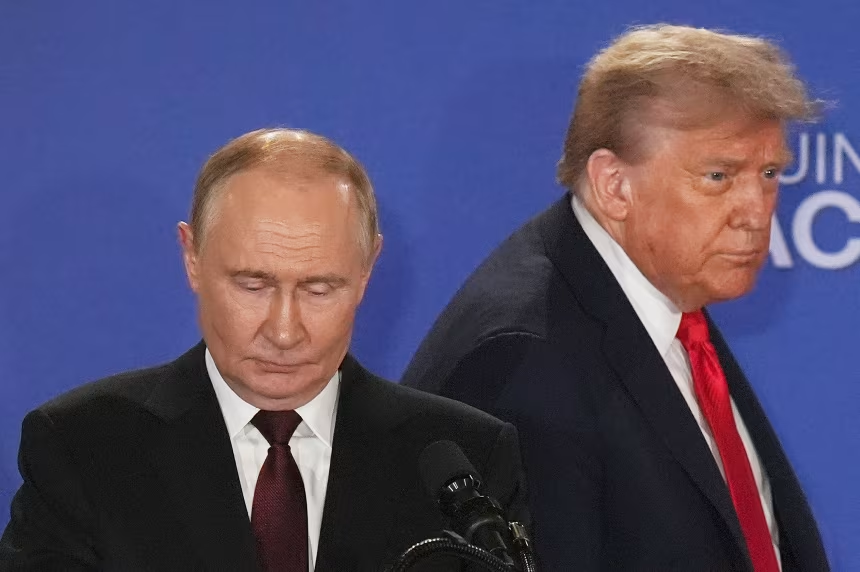
Trump’s empty threats on Russia sanctions
Entities mentioned:
- Donald Trump: Power, Control, Recognition
- Vladimir Putin: Power, Control, Self-preservation
- Volodymyr Zelensky: Unity, Self-preservation, Determination
- Barack Obama: Legacy, Influence, Justice
- Marco Rubio: Influence, Professional pride, Duty
- Lindsey Graham: Influence, Competitive spirit, Duty
- Mike Pence: Ambition, Loyalty, Influence
Article Assessment:
Credibility Score: 75/100
Bias Rating: 45/100 (Center)
Sentiment Score: 35/100
Authoritarianism Risk: 25/100 (Generally Democratic)
Bias Analysis:
The article presents a balanced view, including multiple perspectives and factual information. While critical of Trump's actions, it also provides context and explanations for potential strategy changes, maintaining a relatively centrist approach.
Key metric: Foreign Policy Effectiveness
As a social scientist, I analyze that this article highlights a significant shift in Trump's foreign policy approach towards Russia, particularly regarding sanctions. The repeated threats of sanctions without follow-through undermines U.S. credibility on the international stage. This inconsistency between rhetoric and action could weaken the U.S.'s negotiating position and its ability to influence global events, especially concerning the ongoing conflict in Ukraine. The article suggests that Trump's current stance may be giving Putin more time and leverage, potentially prolonging the conflict. This situation could lead to a decrease in the perceived effectiveness of U.S. foreign policy, as allies and adversaries may question the reliability of U.S. commitments and threats.
- Read more about Trump’s empty threats on Russia sanctions
- Log in to post comments
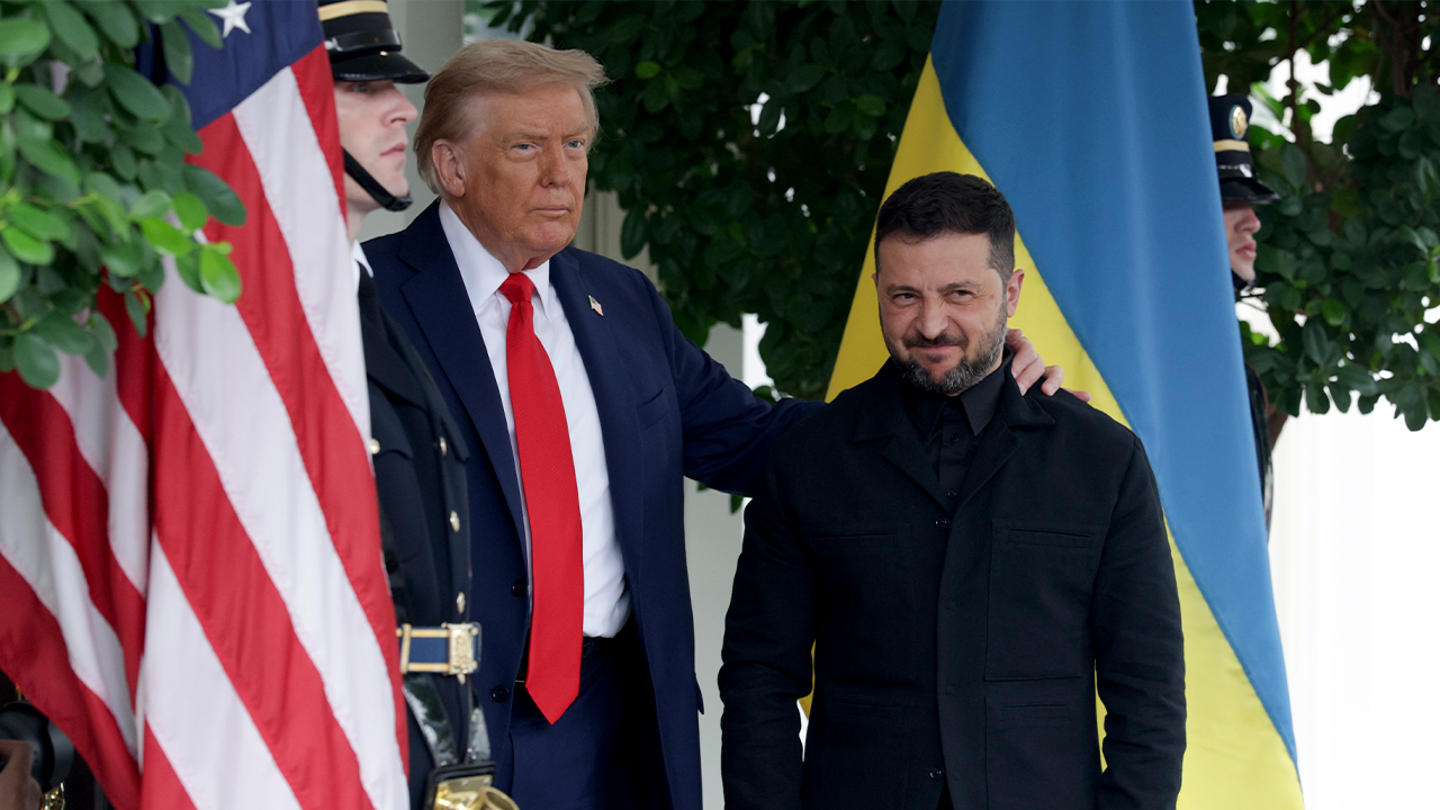
Trump: Zelenskyy meeting not 'end of the road' for US support in securing a peace deal
Entities mentioned:
- Donald Trump: Power, Influence, Legacy
- Volodymyr Zelenskyy: Security, Unity, Determination
- Vladimir Putin: Power, Control, Influence
- Keir Starmer: Duty, Unity, Influence
- Ursula Von der Leyen: Unity, Influence, Duty
- Emmanuel Macron: Influence, Unity, Legacy
- Mark Rutte: Unity, Security, Duty
- Steve Witkoff: Duty, Influence, Professional pride
Article Assessment:
Credibility Score: 70/100
Bias Rating: 55/100 (Center)
Sentiment Score: 45/100
Authoritarianism Risk: 35/100 (Generally Democratic)
Bias Analysis:
The article presents a relatively balanced view, quoting multiple sources and presenting different perspectives. However, there's a slight lean towards emphasizing Trump's role and statements, which could be seen as giving more weight to the US perspective.
Key metric: International Diplomatic Influence
As a social scientist, I analyze that this article highlights the complex diplomatic efforts to end the Russia-Ukraine conflict, with the US playing a central role. Trump's involvement in negotiations with both Ukraine and Russia, along with the presence of key European leaders, demonstrates the international importance of this issue. The potential for US troop deployment and the discussion of NATO-like protections for Ukraine indicate a significant shift in the conflict's dynamics. This development could greatly impact the US's international diplomatic influence, potentially strengthening its position as a global mediator but also risking further tensions with Russia. The article suggests a delicate balancing act between supporting Ukraine and maintaining dialogue with Russia, which could have far-reaching implications for global geopolitics and US foreign policy.

Trump: Europe will ‘take a lot of the burden’ in providing security guarantees for Ukraine
Entities mentioned:
- Donald Trump: Influence, Power, Legacy
- Volodymyr Zelenskyy: Security, Determination, Unity
- Vladimir Putin: Power, Control, Influence
- Steve Witkoff: Duty, Influence, Professional pride
- Emmanuel Macron: Unity, Security, Duty
- European allies: Security, Unity, Obligation
- United States: Influence, Power, Security
- Russia: Power, Control, Influence
- Ukraine: Security, Self-preservation, Freedom
- NATO: Security, Unity, Deterrence
Article Assessment:
Credibility Score: 65/100
Bias Rating: 55/100 (Center)
Sentiment Score: 45/100
Authoritarianism Risk: 35/100 (Generally Democratic)
Bias Analysis:
The article presents multiple perspectives, including those of Trump, Zelenskyy, and Macron, providing a relatively balanced view. However, it leans slightly towards emphasizing Trump's statements and positions, potentially reflecting a slight center-right bias in source selection and framing.
Key metric: Global Influence Index
As a social scientist, I analyze that this article highlights a significant shift in the dynamics of global security arrangements, particularly concerning Ukraine. The proposed security guarantees for Ukraine, with European nations taking a larger role and the U.S. offering support, indicate a potential realignment of international security responsibilities. This shift could impact the U.S.'s Global Influence Index by potentially reducing its direct involvement in Eastern European security while maintaining a supportive role. The discussions around territorial exchanges and Ukraine's NATO aspirations suggest complex negotiations that could reshape regional geopolitics. The emphasis on European nations taking 'a lot of the burden' in providing security guarantees may indicate a U.S. strategy to maintain influence while encouraging greater European autonomy in regional security matters. This approach could either strengthen or strain transatlantic relations, depending on its implementation and outcomes, thus directly affecting the U.S.'s global influence.
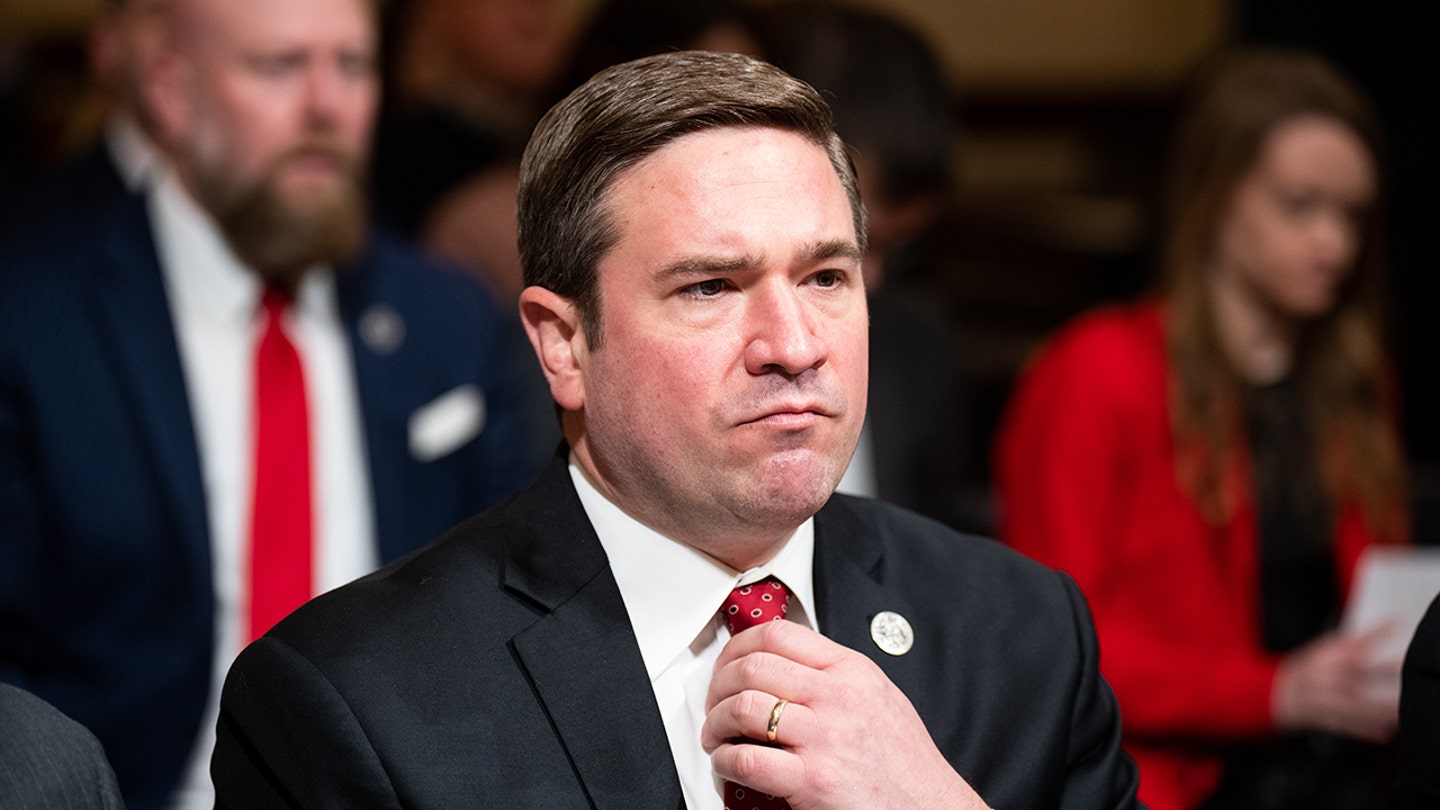
Bondi, Patel tap Missouri AG as additional FBI co-deputy director alongside Bongino
Entities mentioned:
- Pam Bondi: Power, Control, Professional pride
- Kash Patel: Ambition, Loyalty, Determination
- Andrew Bailey: Duty, Justice, Ambition
- Dan Bongino: Loyalty, Competitive spirit, Professional pride
- Donald Trump: Power, Control, Legacy
- FBI: Security, Justice, Control
Article Assessment:
Credibility Score: 45/100
Bias Rating: 75/100 (Lean Right)
Sentiment Score: 70/100
Authoritarianism Risk: 75/100 (Authoritarian Tendencies)
Bias Analysis:
The article leans heavily right, using language that aligns with conservative law-and-order rhetoric. It presents a one-sided view of law enforcement success without addressing potential criticisms or alternative approaches.
Key metric: Violent Crime Rate
As a social scientist, I analyze that this article portrays a significant restructuring of federal law enforcement under a hypothetical future Trump administration. The emphasis on increased arrests, prosecution of 'bad guys', and deportation of 'illegals' suggests a shift towards more aggressive law enforcement tactics. The appointment of state-level officials to high-ranking FBI positions indicates a potential blurring of state and federal law enforcement boundaries. The focus on quantitative metrics (arrest numbers, seizures) rather than systemic reforms or community-oriented policing strategies suggests a prioritization of 'tough on crime' approaches. This could potentially impact the violent crime rate in the short term through increased incarceration, but may not address root causes of crime or improve community-police relations.

Zelenskyy agrees to Trump-Putin meeting without cease-fire, but will Kremlin dictator go along?
Entities mentioned:
- Donald Trump: Ambition, Power, Recognition
- Vladimir Putin: Power, Control, Self-preservation
- Volodymyr Zelenskyy: Determination, Duty, Self-preservation
- Hillary Clinton: Recognition, Influence
- Gen. Wesley Clark: Professional pride, Duty
- Steve Witkoff: Duty, Loyalty
- Friedrich Merz: Duty, Influence
- Peter Doocy: Curiosity, Professional pride
Article Assessment:
Credibility Score: 65/100
Bias Rating: 55/100 (Center)
Sentiment Score: 40/100
Authoritarianism Risk: 35/100 (Generally Democratic)
Bias Analysis:
The article presents multiple viewpoints but shows slight skepticism towards Trump's approach. While critical of Putin, it also questions Zelenskyy's decision-making, maintaining a relatively balanced perspective.
Key metric: International Diplomacy Effectiveness
As a social scientist, I analyze that this article highlights the complexities of international diplomacy in the context of the Russia-Ukraine conflict. Trump's shift in stance towards Putin and willingness to meet without a ceasefire demonstrates the fluid nature of diplomatic negotiations. Zelenskyy's unexpected agreement to a trilateral meeting suggests a desperate attempt to end the conflict, even at the risk of legitimizing Putin's actions. The article underscores the challenges in balancing national interests, international pressure, and the realities of ongoing warfare. The effectiveness of US diplomacy is called into question, as Trump's approach appears to prioritize personal relationships over established diplomatic norms and previous commitments to Ukraine's sovereignty.