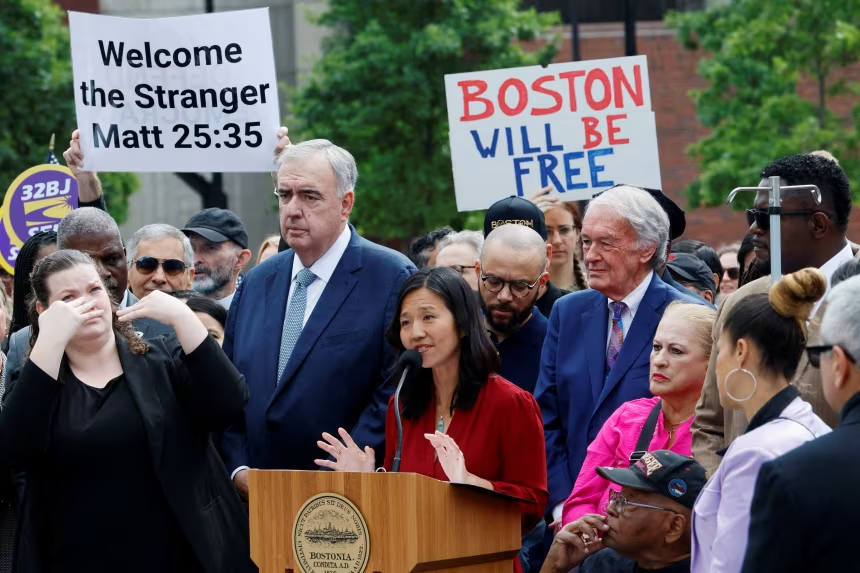
Judge blocks Trump from cutting funding from 34 cities and counties over ‘sanctuary’ policies
Entities mentioned:
- Judge William Orrick: Justice, Duty, Righteousness
- Trump administration: Control, Power, Determination
- Sanctuary cities/counties: Security, Unity, Moral outrage
- President Donald Trump: Ambition, Power, Legacy
- Department of Homeland Security: Control, Security, Duty
- Immigration and Customs Enforcement (ICE): Control, Duty, Security
Article Assessment:
Credibility Score: 75/100
Bias Rating: 45/100 (Center)
Sentiment Score: 40/100
Authoritarianism Risk: 35/100 (Generally Democratic)
Bias Analysis:
The article presents facts from both sides of the issue, including the administration's actions and the judge's ruling. While it gives more space to the judge's decision, it also includes the administration's perspective, maintaining a relatively balanced approach.
Key metric: Immigration Enforcement Effectiveness
As a social scientist, I analyze that this ruling significantly impacts the Trump administration's ability to enforce its immigration policies through financial pressure on sanctuary jurisdictions. The court's decision to block funding cuts to these cities and counties undermines a key strategy of the administration to compel local cooperation with federal immigration efforts. This judicial intervention represents a substantial challenge to the executive branch's authority in immigration enforcement, potentially reducing the overall effectiveness of deportation efforts and the administration's ability to fulfill campaign promises. The conflict between federal and local governments over immigration enforcement highlights deep political divisions and raises questions about the balance of power between different levels of government in the US federal system.
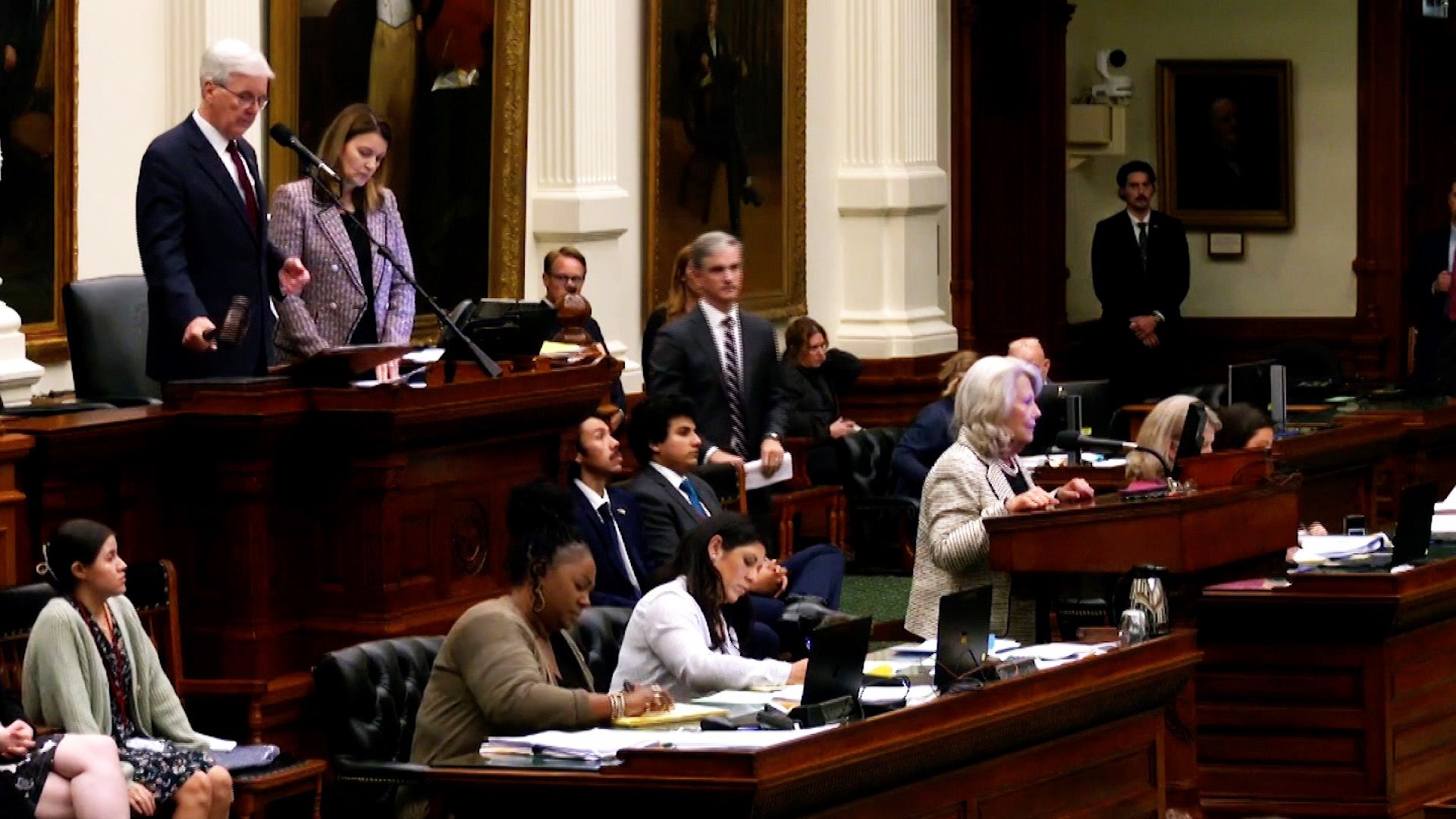
Texas Republicans approve new congressional maps as partisan redistricting race escalates
Entities mentioned:
- Texas Republicans: Power, Control, Competitive spirit
- Donald Trump: Power, Influence, Legacy
- Greg Abbott: Power, Loyalty, Control
- Dan Patrick: Loyalty, Power, Influence
- California Democrats: Competitive spirit, Power, Justice
- Gavin Newsom: Power, Competitive spirit, Justice
- Kathy Hochul: Competitive spirit, Power, Influence
- Todd Hunter: Power, Loyalty, Competitive spirit
- Catherine Blakespear: Justice, Competitive spirit, Moral outrage
- Phil King: Power, Loyalty, Competitive spirit
- Texas Democrats: Justice, Moral outrage, Self-preservation
- Dustin Burrows: Control, Power, Determination
- Nicole Collier: Moral outrage, Self-respect, Determination
- Gene Wu: Justice, Determination, Moral outrage
- Carol Alvarado: Justice, Determination, Moral outrage
- Lloyd Doggett: Self-preservation, Professional pride, Duty
- Greg Casar: Self-preservation, Ambition, Professional pride
- Venton Jones: Justice, Moral outrage, Self-respect
- Charlie Geren: Duty, Control, Power
- Robert Rivas: Power, Competitive spirit, Influence
Article Assessment:
Credibility Score: 75/100
Bias Rating: 55/100 (Center)
Sentiment Score: 35/100
Authoritarianism Risk: 65/100 (Authoritarian Tendencies)
Bias Analysis:
The article presents perspectives from both Republican and Democratic actors, providing a relatively balanced view of the redistricting efforts. However, there's slightly more focus on Democratic opposition and legal challenges, which may suggest a slight center-left lean.
Key metric: Electoral Competitiveness
As a social scientist, I analyze that this article highlights a significant escalation in partisan redistricting efforts, with potential far-reaching consequences for electoral competitiveness in the United States. The actions taken by both Texas Republicans and California Democrats represent a departure from normal redistricting processes, occurring mid-decade rather than following the census. This trend towards more frequent and aggressive redistricting could lead to increased polarization, reduced electoral competitiveness, and a weakening of democratic norms. The use of redistricting as a tool for partisan advantage may result in less representative government and diminished voter faith in the electoral system. The involvement of state legislatures in overriding independent commissions (as in California) also raises concerns about the erosion of checks and balances designed to ensure fair representation.

'There are 50 swamps': State Freedom Caucus Network helps conservatives fight the 'uniparty'
Entities mentioned:
- Andrew Roth: Righteousness, Determination, Influence
- State Freedom Caucus Network: Influence, Control, Righteousness
- Liberal Republicans: Power, Self-preservation, Ambition
- Democrats: Power, Influence, Self-preservation
- Blake Miguez: Ambition, Competitive spirit, Righteousness
- Bill Cassidy: Power, Self-preservation, Influence
Article Assessment:
Credibility Score: 65/100
Bias Rating: 75/100 (Lean Right)
Sentiment Score: 35/100
Authoritarianism Risk: 55/100 (Mixed/Neutral)
Bias Analysis:
The article leans right, primarily presenting the conservative perspective without significant counterbalancing views. It uncritically presents terms like 'swamp' and 'uniparty', which are typically used by right-wing groups.
Key metric: Political Polarization Index
As a social scientist, I analyze that this article highlights the increasing polarization within the Republican Party and across state legislatures. The State Freedom Caucus Network's efforts to identify and challenge what they perceive as insufficiently conservative Republicans could lead to more ideological purity within the party, but also potentially increase gridlock and reduce bipartisan cooperation. The organization's focus on 'exposing deceitful lawmakers' and labeling moderate Republicans as part of a 'uniparty' with Democrats suggests a strategy of ideological purification that could further entrench political divisions. This approach may intensify intra-party conflicts and potentially affect governance effectiveness at the state level.

Zelenskyy seeks 'strong reaction' from US if Putin is not ready for bilateral meeting
Entities mentioned:
- Volodymyr Zelenskyy: Determination, Justice, Self-preservation
- Vladimir Putin: Power, Control, Influence
- Donald Trump: Ambition, Recognition, Influence
- United States: Influence, Security, Unity
- Russia: Power, Control, Influence
- Ukraine: Self-preservation, Freedom, Justice
Article Assessment:
Credibility Score: 75/100
Bias Rating: 45/100 (Center)
Sentiment Score: 40/100
Authoritarianism Risk: 35/100 (Generally Democratic)
Bias Analysis:
The article presents a relatively balanced view, quoting multiple sides and sources. It leans slightly towards a Western perspective but attempts to provide context from all parties involved.
Key metric: International Diplomatic Influence
As a social scientist, I analyze that this article highlights the complex diplomatic maneuvering in the ongoing Russia-Ukraine conflict, with the United States playing a central mediating role. Zelenskyy's call for a 'strong reaction' from the US if Putin declines a bilateral meeting suggests Ukraine's reliance on US support and pressure tactics. Trump's involvement indicates the US's continued influence in international affairs, despite potential domestic controversies. The article underscores the delicate balance of power dynamics, with each leader pursuing their own agenda while navigating the constraints of international diplomacy. The emphasis on territorial concessions and security guarantees reflects the high stakes involved in any potential peace agreement, highlighting the challenges in resolving long-standing geopolitical conflicts.
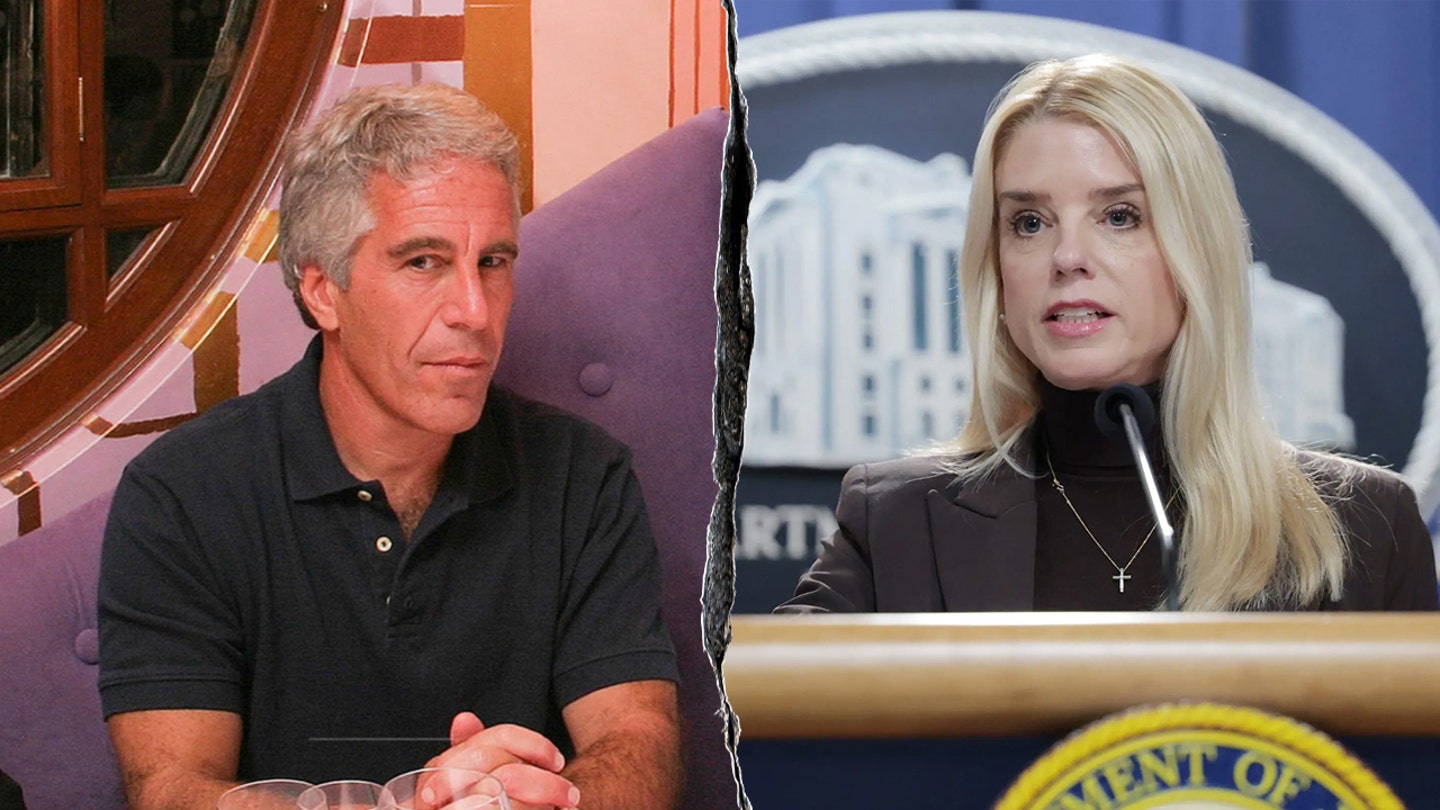
Trump DOJ to begin handing over Epstein files to House Oversight investigators
Entities mentioned:
- Department of Justice: Duty, Transparency, Control
- James Comer: Determination, Transparency, Duty
- House Oversight Committee: Duty, Justice, Transparency
- Trump administration: Transparency, Self-preservation, Control
- Jeffrey Epstein: Power, Greed, Control
- Ghislaine Maxwell: Power, Loyalty, Self-preservation
- Democrats: Competitive spirit, Self-preservation, Influence
- Republicans: Justice, Competitive spirit, Influence
- Jasmine Crockett: Duty, Self-preservation, Professional pride
Article Assessment:
Credibility Score: 75/100
Bias Rating: 55/100 (Center)
Sentiment Score: 45/100
Authoritarianism Risk: 25/100 (Generally Democratic)
Bias Analysis:
The article presents multiple perspectives, including both Republican and Democratic viewpoints, suggesting an attempt at balance. However, there is slightly more focus on Republican actions and statements, which nudges it just right of center.
Key metric: Government Transparency and Accountability
As a social scientist, I analyze that this article highlights a significant development in government transparency and accountability. The DOJ's willingness to release documents related to the Epstein case to the House Oversight Committee represents a step towards increased scrutiny of high-profile cases. This action may impact public trust in government institutions and the justice system. The bipartisan nature of the request suggests a unified interest in uncovering the truth, which could potentially strengthen democratic processes. However, the political undertones and varying priorities between parties indicate that the motivations behind this investigation are complex and multifaceted. The emphasis on protecting victims and handling sensitive information responsibly demonstrates a balance between transparency and ethical considerations. This case may set a precedent for how similar high-profile investigations are handled in the future, potentially influencing public expectations for government accountability.
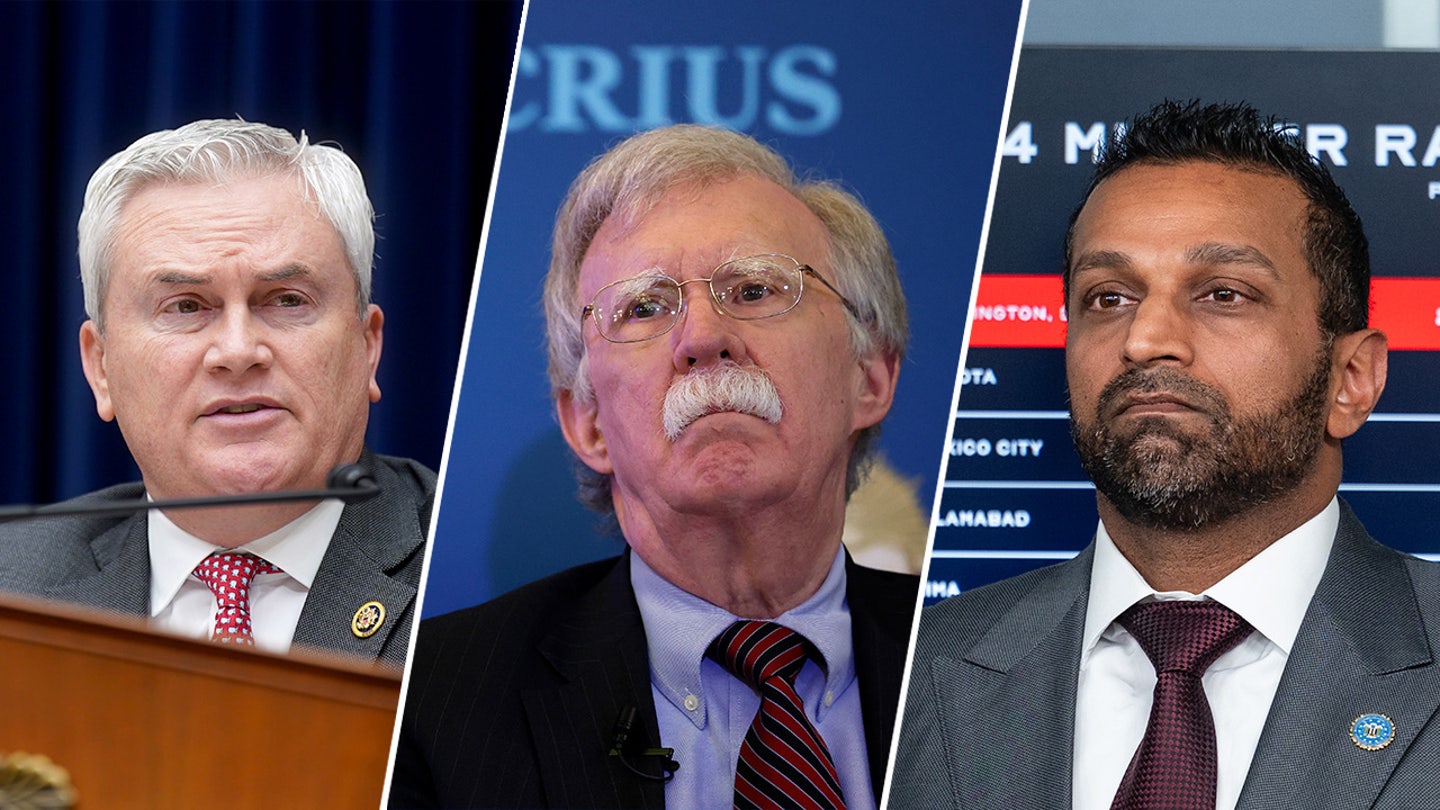
James Comer praises Kash Patel for 'holding deep state accountable' as FBI raids John Bolton's home
Entities mentioned:
- James Comer: Righteousness, Justice, Loyalty
- Kash Patel: Justice, Determination, Professional pride
- John Bolton: Self-preservation, Loyalty, Professional pride
- FBI: Duty, Justice, Control
- Rick Crawford: Duty, Wariness, Professional pride
- Rand Paul: Justice, Indignation, Freedom
- Donald Trump: Power, Control, Revenge
Article Assessment:
Credibility Score: 65/100
Bias Rating: 70/100 (Lean Right)
Sentiment Score: 35/100
Authoritarianism Risk: 55/100 (Mixed/Neutral)
Bias Analysis:
The article leans right, evidenced by the prominence given to Republican voices and the uncritical presentation of 'deep state' narratives. While it includes some balancing information, the overall framing favors a conservative perspective on government accountability.
Key metric: Government Accountability and Transparency
As a social scientist, I analyze that this article highlights increasing tensions between different factions within the US government, particularly regarding the concept of the 'deep state' and the handling of classified information. The raid on John Bolton's property, a former high-ranking official, signifies a heightened focus on potential mishandling of sensitive documents. This event, coupled with the rhetoric from Republican officials, suggests a growing push for what they perceive as accountability within government institutions. However, the partisan nature of the comments and the invocation of the 'deep state' narrative indicate a deepening political divide that could impact public trust in government institutions and processes. The situation also underscores the ongoing influence of Trump-era politics in current governmental operations and investigations.
Trump DOJ releases 'thousands' of Epstein files to House Oversight Committee
Entities mentioned:
- Trump administration: Transparency, Obligation, Control
- House Oversight Committee: Justice, Duty, Righteousness
- James Comer: Determination, Duty, Transparency
- Department of Justice: Obligation, Control, Professional pride
- Jeffrey Epstein: Power, Greed, Self-preservation
- Ghislaine Maxwell: Self-preservation, Loyalty, Power
- Bill and Hillary Clinton: Self-preservation, Legacy, Influence
- Bill Barr: Duty, Professional pride, Self-preservation
- Pam Bondi: Duty, Justice, Professional pride
- Todd Blanche: Duty, Professional pride, Obligation
Article Assessment:
Credibility Score: 75/100
Bias Rating: 55/100 (Center)
Sentiment Score: 45/100
Authoritarianism Risk: 30/100 (Generally Democratic)
Bias Analysis:
The article presents a relatively balanced view, including perspectives from both Republican officials and the DOJ. While it leans slightly right by focusing more on Republican-led efforts, it maintains a generally neutral tone in reporting the facts.
Key metric: Government Transparency and Accountability
As a social scientist, I analyze that this article highlights a significant development in the ongoing investigation of Jeffrey Epstein's case, potentially impacting government transparency and accountability. The Trump administration's willingness to release documents to the House Oversight Committee suggests a move towards greater transparency, albeit under pressure. This action may increase public trust in governmental processes, particularly regarding high-profile cases involving influential individuals. However, the delayed release and potential redactions indicate ongoing tensions between transparency and privacy/security concerns. The bipartisan nature of the investigation, involving both current and former administration officials, as well as prominent political figures, underscores the case's complexity and far-reaching implications. This development could lead to increased scrutiny of how high-profile cases are handled by the justice system and potentially influence future policies regarding prosecutorial decisions and plea agreements.

Some Texas Democrats rip up agreements to leave House floor under police escort and will spend night in chamber in protest
Entities mentioned:
- Texas state House Democrats: Righteousness, Justice, Determination
- Texas House Republicans: Control, Power, Loyalty
- Nicole Collier: Determination, Righteousness, Self-respect
- Dustin Burrows: Control, Duty, Power
- Kamala Harris: Influence, Unity, Encouragement
- Donald Trump: Power, Control, Influence
Article Assessment:
Credibility Score: 75/100
Bias Rating: 45/100 (Center)
Sentiment Score: 35/100
Authoritarianism Risk: 55/100 (Mixed/Neutral)
Bias Analysis:
The article presents perspectives from both Democrats and Republicans, though it gives more space to Democratic voices. The language used is generally neutral, with some emotive terms balanced between parties.
Key metric: Political Polarization Index
As a social scientist, I analyze that this article highlights the intensifying political polarization in Texas, which reflects broader national trends. The Democrats' protest against the redistricting plan, including their dramatic actions of tearing up agreements and spending the night in the chamber, demonstrates the depth of the divide. This conflict over redistricting, with its potential to significantly alter political representation, exemplifies how structural issues in the political system are exacerbating partisan tensions. The involvement of national figures like former Vice President Harris and the connection to Trump's influence further emphasizes how state-level conflicts are intertwined with national political dynamics. This event is likely to contribute to increased political polarization, potentially reducing bipartisan cooperation and further entrenching partisan identities among voters.
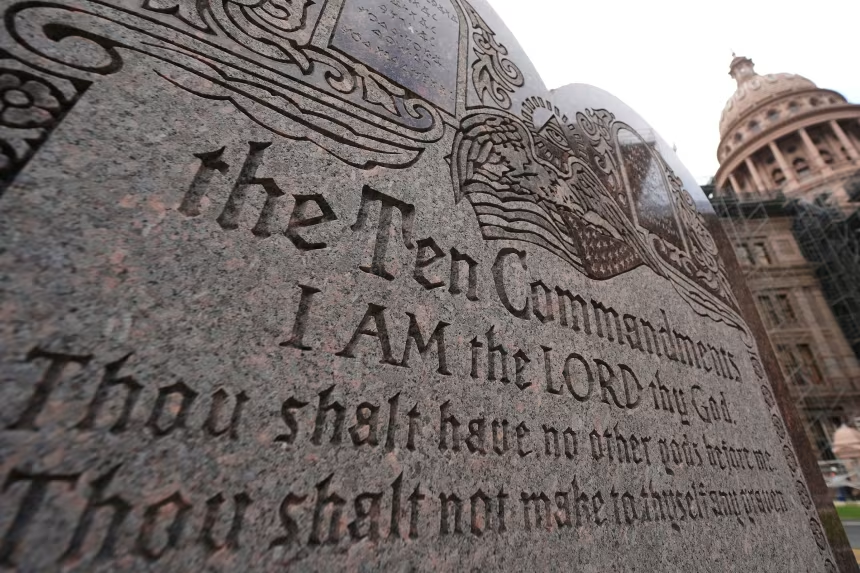
Judge rules that some Texas schools don’t have to display Ten Commandments in classrooms
Entities mentioned:
- Judge Fred Biery: Justice, Righteousness, Duty
- Texas school districts: Obligation, Wariness, Self-preservation
- Texas state legislature: Control, Righteousness, Influence
- Texas families (plaintiffs): Freedom, Justice, Self-respect
- Gov. Greg Abbott: Control, Righteousness, Influence
- Tommy Buser-Clancy (ACLU): Justice, Freedom, Duty
- Ken Paxton: Righteousness, Determination, Influence
Article Assessment:
Credibility Score: 75/100
Bias Rating: 45/100 (Center)
Sentiment Score: 55/100
Authoritarianism Risk: 25/100 (Generally Democratic)
Bias Analysis:
The article presents multiple perspectives, including the judge's ruling, plaintiffs' arguments, and the state's defense. While it gives more space to arguments against the law, it also includes the opposing view from the Texas Attorney General.
Key metric: First Amendment Protections
As a social scientist, I analyze that this ruling significantly impacts First Amendment protections in public schools. The judge's decision to block the enforcement of the Ten Commandments display law in several Texas school districts upholds the separation of church and state. This ruling sets a precedent that could influence similar cases in other states, potentially strengthening First Amendment protections nationwide. The decision reflects a tension between religious conservative efforts to introduce religious symbols in public spaces and the constitutional principle of religious neutrality in government institutions. The judge's detailed and occasionally humorous opinion suggests a strong stance against what he perceives as unconstitutional religious influence in public education, which could have far-reaching implications for similar legislative efforts in other states.
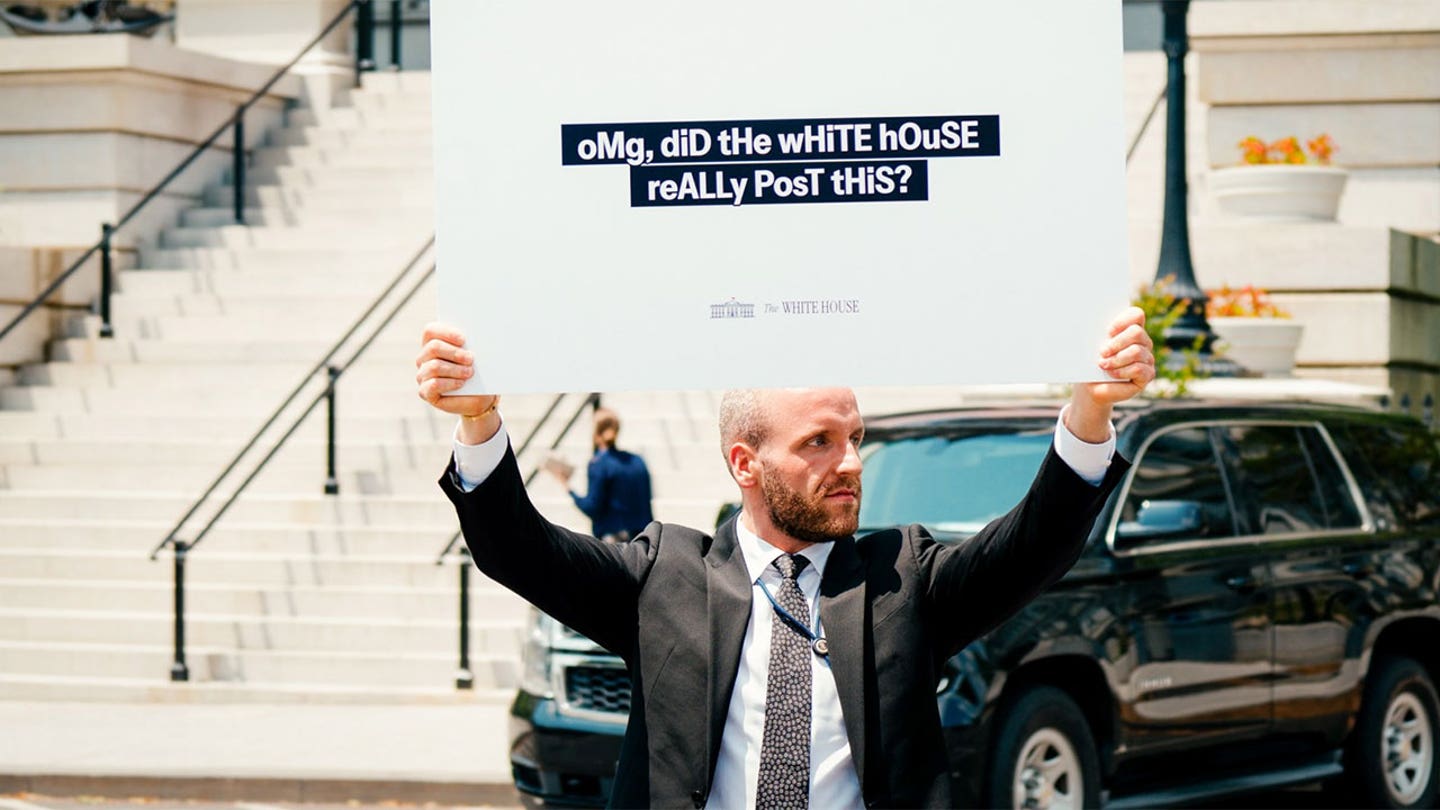
I made memes for the White House. Here’s what I learned
Entities mentioned:
- President Donald Trump: Power, Influence, Recognition
- White House Digital Team: Ambition, Competitive spirit, Influence
- Gavin Newsom: Competitive spirit, Ambition, Influence
- Kaelan Dorr: Determination, Professional pride, Influence
Article Assessment:
Credibility Score: 55/100
Bias Rating: 75/100 (Lean Right)
Sentiment Score: 75/100
Authoritarianism Risk: 65/100 (Authoritarian Tendencies)
Bias Analysis:
The article is written from a first-person perspective of a former Trump administration official, presenting a clearly pro-Trump stance. While it provides insider information, it lacks critical analysis or alternative viewpoints, leaning heavily towards promoting the administration's strategies.
Key metric: Political Engagement of Young Americans
As a social scientist, I analyze that this article highlights a significant shift in political communication strategies, particularly targeting younger demographics. The White House's aggressive use of memes and viral content represents a deliberate attempt to increase political engagement among 18-34 year olds, a traditionally less politically active group. This approach blurs the line between entertainment and political messaging, potentially increasing youth voter turnout but also risking the oversimplification of complex policy issues. The reported success in follower growth and video views suggests a potential increase in political awareness among younger Americans, though it's unclear whether this translates to meaningful civic engagement or merely surface-level interaction with political content.