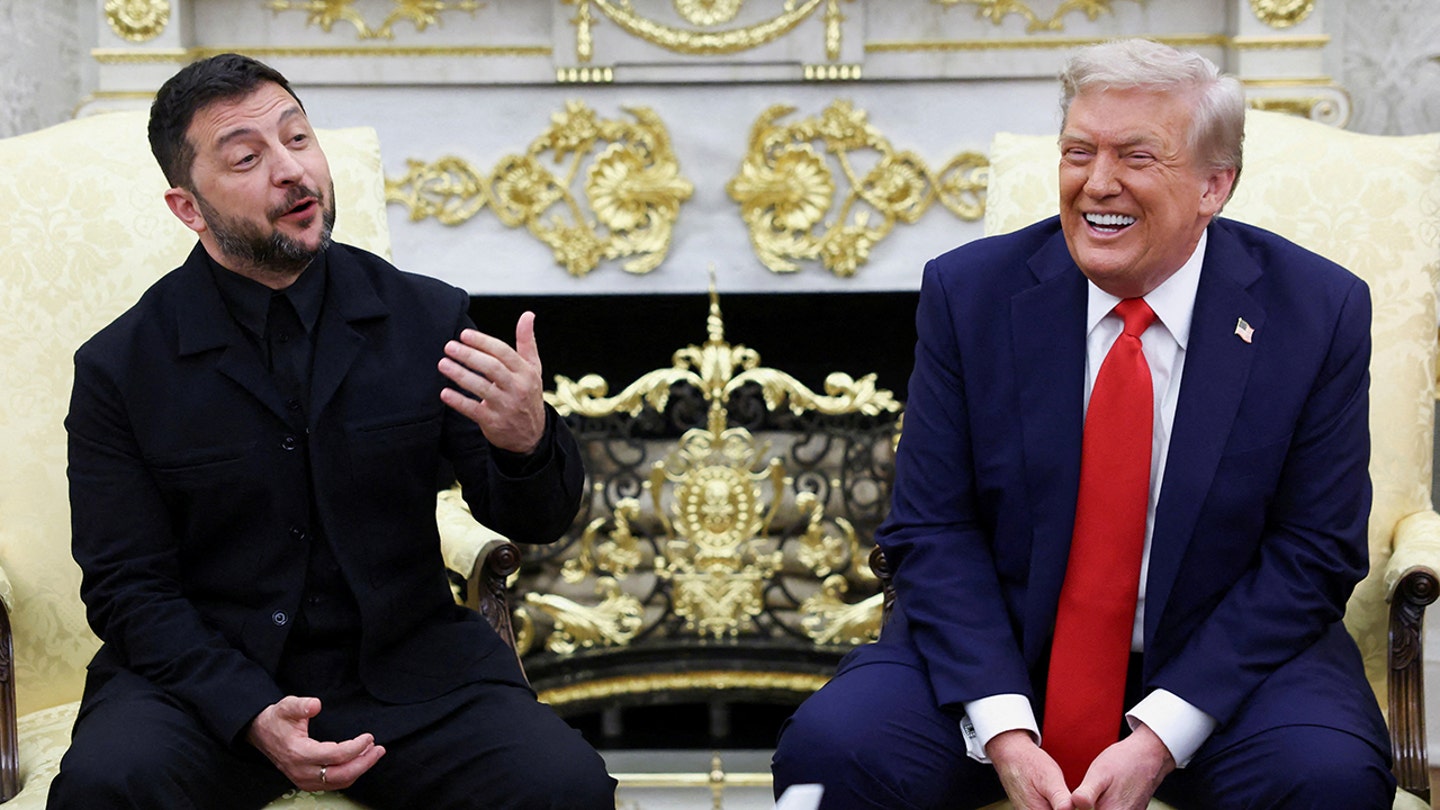
5 key moments inside Trump’s ‘big day’ with Zelenskyy, European leaders
Entities mentioned:
- Donald Trump: Power, Influence, Legacy
- Volodymyr Zelenskyy: Determination, Unity, Self-preservation
- Vladimir Putin: Power, Control, Influence
- JD Vance: Duty, Loyalty, Professional pride
- Ursula von der Leyen: Unity, Security, Peace
- Friedrich Merz: Unity, Security, Peace
- Emmanuel Macron: Unity, Security, Obligation
Article Assessment:
Credibility Score: 70/100
Bias Rating: 65/100 (Lean Right)
Sentiment Score: 65/100
Authoritarianism Risk: 35/100 (Generally Democratic)
Bias Analysis:
The article leans slightly right, focusing heavily on Trump's actions and portraying them in a generally positive light. While it includes multiple perspectives, the framing tends to emphasize Trump's leadership and diplomatic efforts.
Key metric: International Relations and Diplomacy
As a social scientist, I analyze that this article highlights a significant shift in diplomatic approach towards the Russia-Ukraine conflict. Trump's meetings with European leaders and Zelenskyy demonstrate an attempt to broker peace without a ceasefire, which is unconventional. The united European front and Trump's emphasis on Europe taking more responsibility for Ukraine's security indicate a potential realignment of international roles in the conflict. The article suggests a move towards more direct negotiations between conflicting parties, with the U.S. playing a facilitating role. This approach could significantly impact the trajectory of the conflict and reshape international diplomatic norms in conflict resolution.
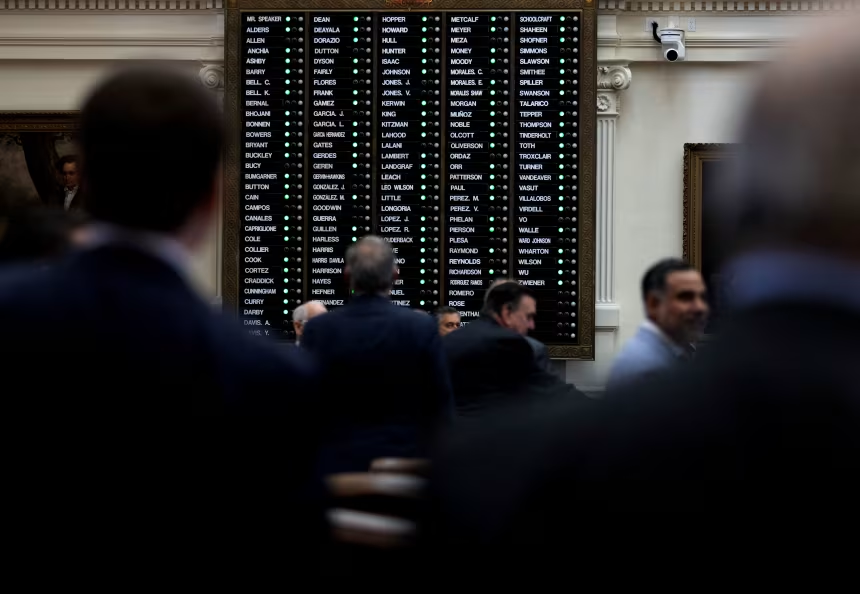
Texas GOP now faces clear path to redraw congressional maps in Trump-backed push
Entities mentioned:
- Texas Republicans: Power, Control, Competitive spirit
- Texas Democrats: Justice, Determination, Self-preservation
- California Democrats: Power, Competitive spirit, Justice
- California Republicans: Justice, Moral outrage, Self-preservation
- Greg Abbott: Power, Control, Determination
- Donald Trump: Influence, Power, Legacy
- Dustin Burrows: Control, Power, Duty
Article Assessment:
Credibility Score: 75/100
Bias Rating: 55/100 (Center)
Sentiment Score: 35/100
Authoritarianism Risk: 65/100 (Authoritarian Tendencies)
Bias Analysis:
The article presents actions from both Republican and Democratic sides, offering a relatively balanced view of the redistricting struggle. However, slightly more space is given to Democratic perspectives and justifications, particularly in the California section.
Key metric: Electoral Competitiveness
As a social scientist, I analyze that this article highlights the intensifying partisan struggle over redistricting in two major states, Texas and California. The actions taken by both parties demonstrate a clear attempt to manipulate electoral maps for political advantage, potentially reducing electoral competitiveness. Texas Republicans are pushing for maps that create more Republican-leaning districts, while California Democrats are countering with their own redistricting efforts to gain more seats. This tit-for-tat approach risks further polarizing the political landscape and reducing the number of competitive districts, which could lead to decreased voter engagement and representation. The use of special sessions, constitutional amendments, and even physical confinement of legislators showcases the lengths to which parties are willing to go to secure electoral advantages, raising concerns about the health of democratic processes and the balance of power.

Russian drone strikes kill 7 in Kharkiv during Zelenskyy's White House meeting with Trump
Entities mentioned:
- Volodymyr Zelenskyy: Unity, Self-preservation, Determination
- Donald Trump: Power, Influence, Recognition
- Vladimir Putin: Power, Control, Influence
- Andriy Yermak: Moral outrage, Loyalty, Justice
- Ihor Terekhov: Duty, Moral outrage, Justice
Article Assessment:
Credibility Score: 75/100
Bias Rating: 45/100 (Center)
Sentiment Score: 25/100
Authoritarianism Risk: 30/100 (Generally Democratic)
Bias Analysis:
The article presents a relatively balanced view, incorporating perspectives from Ukrainian officials and mentioning Trump's meetings with both Zelenskyy and Putin. However, there is slightly more emphasis on Ukrainian suffering, which could be seen as leaning slightly left.
Key metric: International Conflict Resolution Index
As a social scientist, I analyze that this article highlights the ongoing conflict between Russia and Ukraine, and its impact on international diplomacy. The drone strikes in Kharkiv during Zelenskyy's visit to Washington demonstrate Putin's aggressive stance and unwillingness to de-escalate the conflict. This event underscores the challenges in achieving peace and the importance of international support for Ukraine. The timing of the attacks appears strategic, possibly aimed at undermining peace talks and maintaining Russia's position of power. The involvement of the US, particularly Trump's meetings with both Zelenskyy and Putin, indicates the complex geopolitical dynamics at play. The civilian casualties, especially children, emphasize the humanitarian cost of the conflict and may influence public opinion and international response. This situation likely negatively impacts the International Conflict Resolution Index by demonstrating the difficulties in achieving a ceasefire and the ongoing threat to civilian lives.

Democratic Texas lawmaker spent night on state House floor after refusing GOP demand for law enforcement escort
Entities mentioned:
- Nicole Collier: Righteousness, Determination, Self-respect
- Dustin Burrows: Control, Power, Duty
- Texas House Democrats: Resistance, Justice, Unity
- Texas Republicans: Power, Control, Ambition
- Beto O'Rourke: Moral outrage, Righteousness, Loyalty
- Greg Abbott: Power, Ambition, Loyalty
- Donald Trump: Influence, Power, Control
- Gavin Newsom: Competitive spirit, Justice, Power
Article Assessment:
Credibility Score: 75/100
Bias Rating: 55/100 (Center)
Sentiment Score: 35/100
Authoritarianism Risk: 65/100 (Authoritarian Tendencies)
Bias Analysis:
The article presents both Republican and Democratic perspectives, but gives slightly more space to Democratic viewpoints and actions. The framing of Republicans' actions as 'demands' and Democrats as 'protesting' suggests a slight lean towards sympathizing with the Democrats.
Key metric: Electoral Integrity
As a social scientist, I analyze that this article highlights a significant conflict over redistricting in Texas, which has broader implications for national electoral integrity. The Republican-led effort to redraw congressional maps mid-decade is an unusual move that could significantly alter the balance of power in the U.S. House of Representatives. This situation demonstrates the intensifying partisan struggle over electoral maps, with both parties engaging in tactical maneuvers to gain advantage. The Democrats' initial flight from the state and subsequent return under restrictive conditions illustrates the lengths to which political actors will go to influence the redistricting process. Rep. Collier's protest against the imposed restrictions symbolizes broader resistance to what Democrats perceive as an abuse of power. This conflict over redistricting could erode public trust in the electoral system and potentially lead to more extreme gerrymandering practices across the country, ultimately impacting the fairness and representativeness of elections.
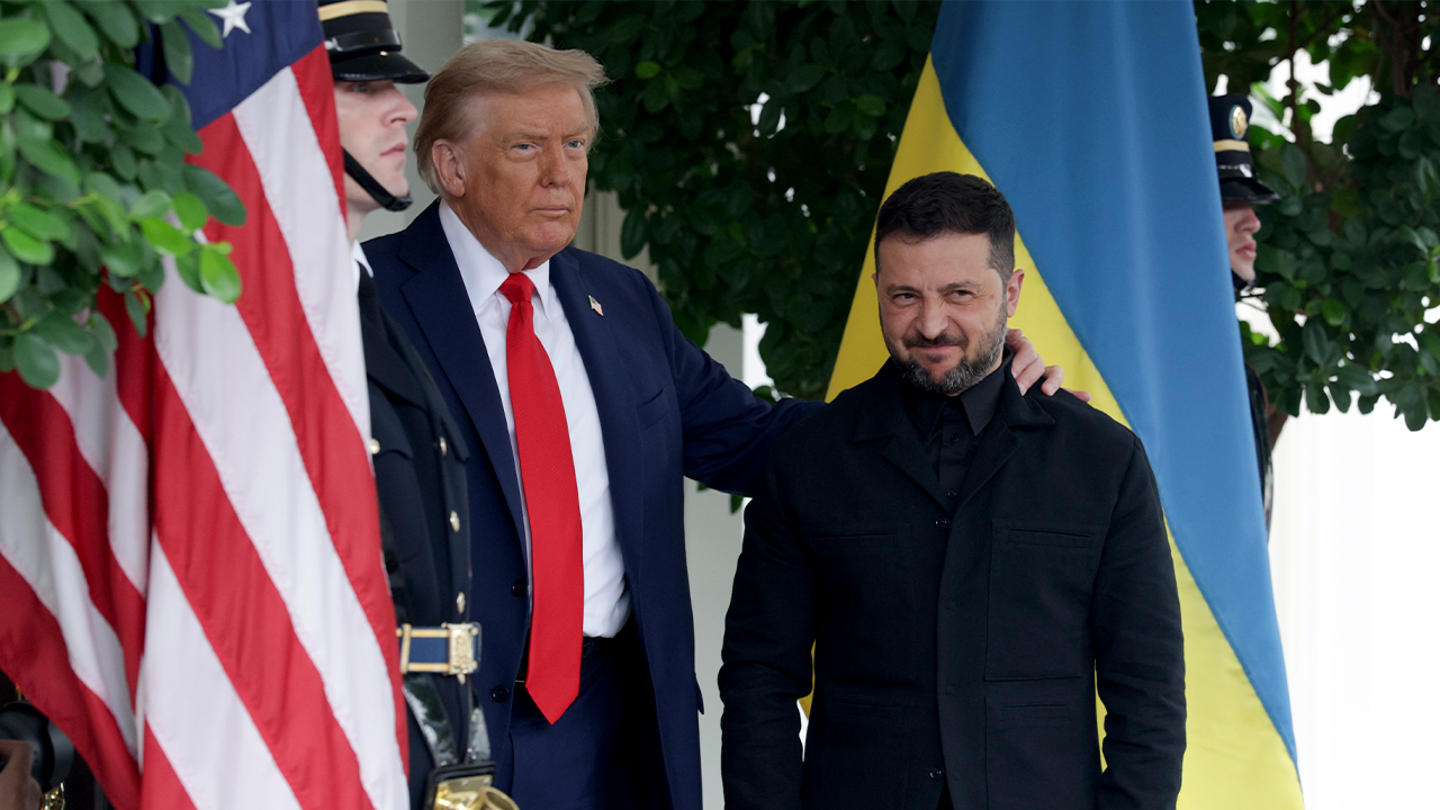
Senate signals readiness to hit Russia with hard sanctions if peace deal fails
Entities mentioned:
- President Donald Trump: Power, Influence, Legacy
- Ukrainian President Volodymyr Zelenskyy: Self-preservation, Duty, Unity
- Russian President Vladimir Putin: Power, Control, Influence
- Senate Republicans: Loyalty, Determination, Security
- Senate Democrats: Moral outrage, Justice, Wariness
- Congress: Control, Influence, Duty
Article Assessment:
Credibility Score: 70/100
Bias Rating: 55/100 (Center)
Sentiment Score: 45/100
Authoritarianism Risk: 35/100 (Generally Democratic)
Bias Analysis:
The article presents views from both Republican and Democratic senators, providing a relatively balanced perspective. However, there's a slight emphasis on Republican viewpoints, with more detailed quotes and positive framing of Trump's actions.
Key metric: International Relations and Diplomacy
As a social scientist, I analyze that this article highlights the complex interplay between domestic politics and international diplomacy in the context of the Russia-Ukraine conflict. The Senate's readiness to impose sanctions on Russia reflects a bipartisan consensus on the need for a strong U.S. response, should diplomatic efforts fail. This stance potentially strengthens the U.S. negotiating position but also risks escalating tensions. The divergent views between Republicans and Democrats on Trump's approach underscore the polarized nature of U.S. politics, even in foreign policy matters. This internal division could potentially weaken the U.S.'s ability to present a unified front in international negotiations. The article also reveals the delicate balance between pursuing diplomatic solutions and maintaining a credible threat of economic penalties, showcasing the multifaceted nature of modern international relations.

Texas Republicans call new special session for redistricting, this time with Democrats expected back
Entities mentioned:
- Greg Abbott: Power, Control, Determination
- Texas House Democrats: Righteousness, Justice, Influence
- Texas Republicans: Power, Control, Competitive spirit
- California legislature: Competitive spirit, Influence, Power
- Dustin Burrows: Duty, Control, Professional pride
- Ann Johnson: Moral outrage, Justice, Righteousness
Article Assessment:
Credibility Score: 75/100
Bias Rating: 55/100 (Center)
Sentiment Score: 35/100
Authoritarianism Risk: 65/100 (Authoritarian Tendencies)
Bias Analysis:
The article presents perspectives from both Republican and Democratic sides, quoting multiple sources. However, there's slightly more space given to Republican viewpoints and actions, which nudges it just right of center.
Key metric: Political Polarization Index
As a social scientist, I analyze that this article highlights the intense partisan struggle over redistricting in Texas, which has significant implications for the balance of power in the U.S. House of Representatives. The actions of both Republicans and Democrats demonstrate a high level of political polarization, with each side employing tactical maneuvers to gain advantage. The involvement of California in offsetting potential Republican gains in Texas further emphasizes the nationalization of local redistricting efforts. This escalation of partisan redistricting battles is likely to increase political polarization, potentially undermining democratic norms and increasing public cynicism towards the political process. The addition of other conservative priorities to the special session agenda also indicates an attempt to consolidate power and push through a broader ideological agenda, which could further exacerbate political divisions.
Scientists rush to bolster climate finding Trump administration aims to undo
Entities mentioned:
- Trump administration: Control, Power, Influence
- Scientists: Professional pride, Duty, Determination
- Donald Trump: Power, Control, Influence
- National Guard: Duty, Obligation, Security
- Democrats: Justice, Righteousness, Moral outrage
Article Assessment:
Credibility Score: 65/100
Bias Rating: 30/100 (Lean Left)
Sentiment Score: 25/100
Authoritarianism Risk: 70/100 (Authoritarian Tendencies)
Bias Analysis:
The article leans left in its framing, focusing on actions by the Trump administration that are presented in a critical light. The language used and the selection of topics covered suggest a perspective more sympathetic to opposition to Trump's policies.
Key metric: Environmental Protection and Climate Change Policy
As a social scientist, I analyze that this article highlights a significant conflict between the scientific community and the Trump administration regarding climate change findings. The administration's efforts to undo or discredit scientific research on climate change could have far-reaching implications for environmental policy and global climate initiatives. The deployment of the National Guard in Washington DC and potential expansion to other cities suggests an escalation of federal power and control over local jurisdictions, which could impact democratic norms and civil liberties. The article also touches on various other issues such as healthcare funding, immigration policy, and electoral processes, indicating a broad range of policy areas under scrutiny or subject to change by the administration.
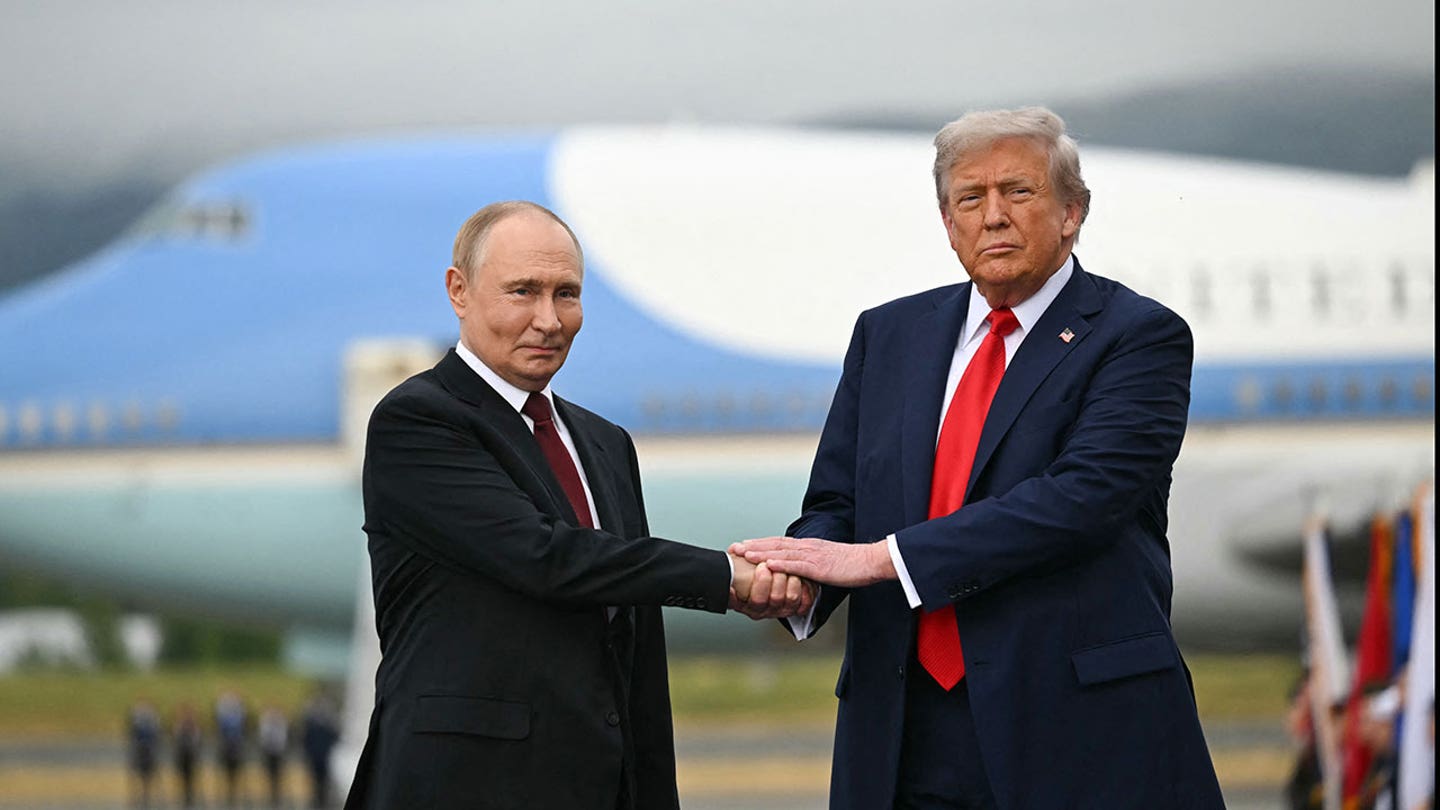
ROBERT MAGINNIS: What comes next for US, Russia and Ukraine after Alaska summit
Entities mentioned:
- Donald Trump: Power, Recognition, Legacy
- Vladimir Putin: Control, Power, Self-preservation
- Volodymyr Zelenskyy: Determination, Justice, Unity
- United States: Influence, Security, Power
- Russia: Control, Power, Self-preservation
- Ukraine: Self-preservation, Freedom, Justice
- NATO: Unity, Security, Influence
- China: Power, Influence, Wariness
Article Assessment:
Credibility Score: 75/100
Bias Rating: 55/100 (Center)
Sentiment Score: 45/100
Authoritarianism Risk: 30/100 (Generally Democratic)
Bias Analysis:
The article presents a balanced view of the summit, offering perspectives from multiple sides. While it leans slightly towards a Western viewpoint, it attempts to provide objective analysis of all parties' motivations and potential outcomes.
Key metric: International Diplomatic Influence
As a social scientist, I analyze that this summit represents a critical juncture in U.S.-Russia relations and the ongoing Ukraine conflict. The meeting, while not producing concrete agreements, establishes a foundation for potential future negotiations. The careful choreography and symbolism of the event underscore its significance in global diplomacy. The article highlights the delicate balance between pursuing peace and maintaining a strong negotiating position, particularly for the U.S. and Ukraine. The emphasis on sanctions as a key leverage point suggests that economic pressure remains a primary tool in international conflict resolution. The involvement of multiple stakeholders, including NATO and European allies, indicates the complex, interconnected nature of this geopolitical situation. The article also points to the broader implications of these negotiations, particularly in terms of global power dynamics and the potential impact on other international actors like China. The analysis provides a nuanced view of the challenges ahead, emphasizing the need for rigorous verification mechanisms and sustained diplomatic efforts.
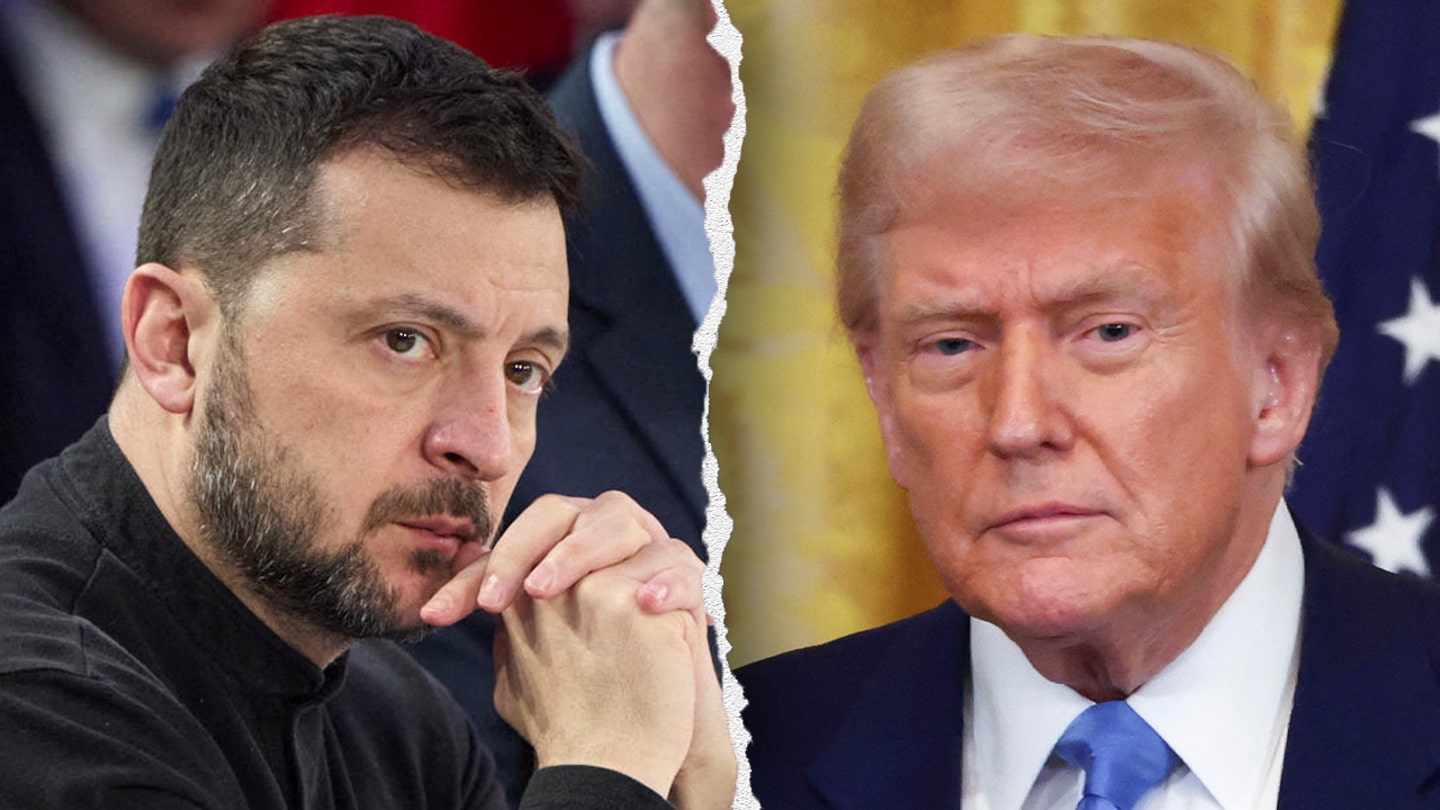
Zelenskyy outlines peace demands before high-stakes White House meeting with Trump
Entities mentioned:
- Volodymyr Zelenskyy: Justice, Self-preservation, Determination
- Donald Trump: Legacy, Influence, Power
- Vladimir Putin: Power, Control, Influence
- European Leaders: Security, Unity, Influence
Article Assessment:
Credibility Score: 75/100
Bias Rating: 55/100 (Center)
Sentiment Score: 45/100
Authoritarianism Risk: 35/100 (Generally Democratic)
Bias Analysis:
The article presents multiple perspectives, including those of Zelenskyy, Trump, Putin, and European leaders, providing a relatively balanced view. However, there's slightly more emphasis on Trump's role and statements, which could indicate a slight center-right lean.
Key metric: International Relations and Diplomacy
As a social scientist, I analyze that this article highlights the complex diplomatic efforts to end the Russia-Ukraine war. The involvement of key global players like the US, Russia, and European nations demonstrates the international significance of the conflict. Zelenskyy's firm stance on achieving 'real peace' and his wariness of Russian treachery indicate Ukraine's determination to protect its sovereignty. Trump's pivot from seeking a ceasefire to pursuing a peace agreement suggests a shift in US diplomatic strategy. The European leaders' insistence on Ukraine's security guarantees and sovereignty reflects their cautious approach to peace negotiations. This high-stakes diplomacy could significantly impact global power dynamics and the future of international conflict resolution.
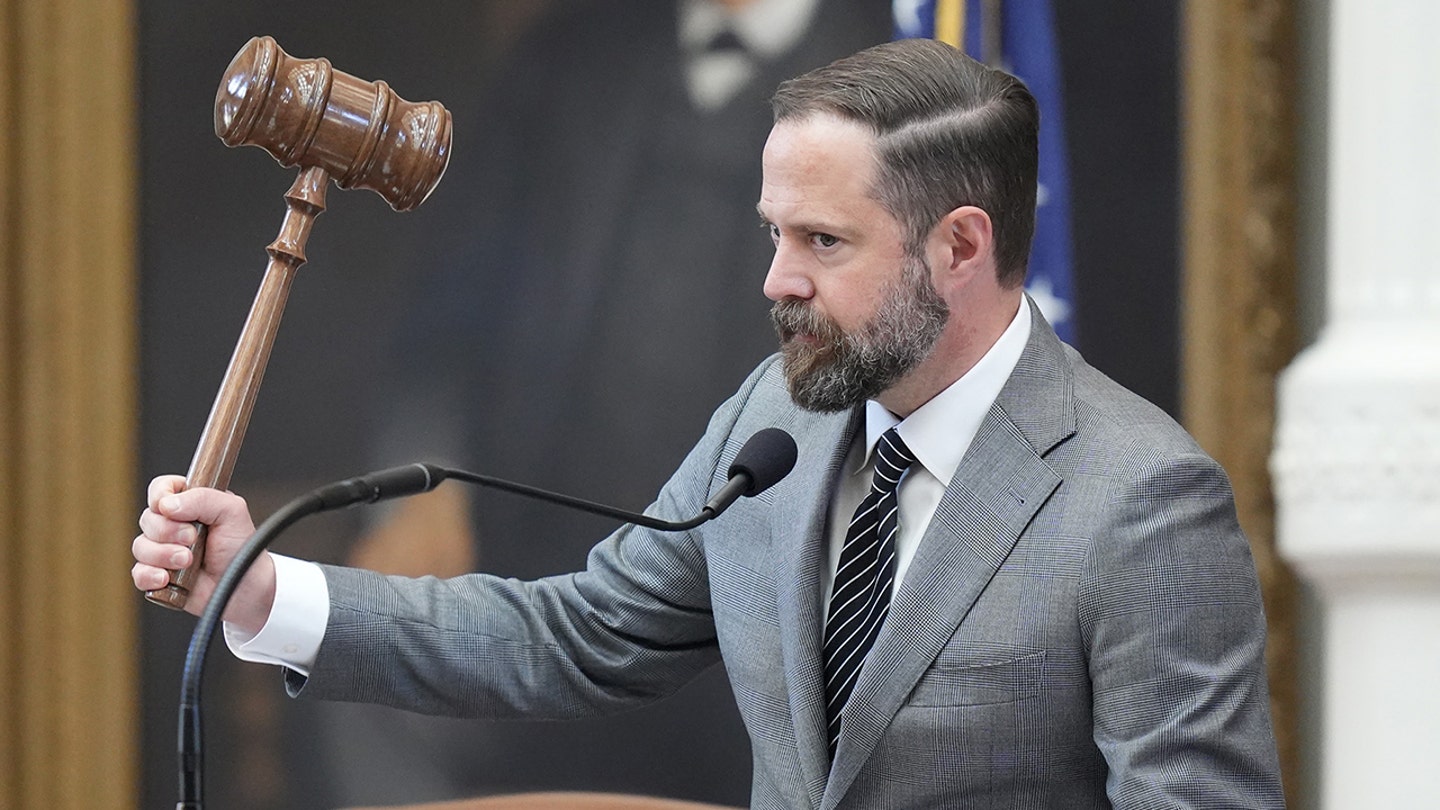
Texas House Speaker vows runaway Dems will be arrested if they try to sneak home over weekend
Entities mentioned:
- Dustin Burrows: Control, Power, Determination
- Texas Democrats: Righteousness, Justice, Self-preservation
- Greg Abbott: Power, Control, Determination
- Gavin Newsom: Ambition, Competitive spirit, Power
- Donald Trump: Power, Control, Influence
- Gene Wu: Justice, Righteousness, Determination
- Ken Paxton: Power, Control, Loyalty
Article Assessment:
Credibility Score: 70/100
Bias Rating: 55/100 (Center)
Sentiment Score: 30/100
Authoritarianism Risk: 65/100 (Authoritarian Tendencies)
Bias Analysis:
The article presents both Republican and Democratic perspectives, but slightly more space is given to Republican actions and quotes. The framing of Democrats as 'runaway' and 'fleeing' suggests a subtle lean towards Republican narrative.
Key metric: Electoral Competitiveness
As a social scientist, I analyze that this article highlights the intense political maneuvering around congressional redistricting in Texas and California, which directly impacts electoral competitiveness. The actions of both Republican and Democratic parties demonstrate a concerted effort to gain political advantage through map-drawing, potentially reducing the number of competitive districts. This could lead to increased polarization and decreased representation of diverse viewpoints. The use of tactics such as fleeing the state to prevent quorum and threats of arrest indicate a heightened level of partisan conflict, which may erode democratic norms and public trust in the electoral process. The contrasting approaches in Texas and California also reflect the broader national debate on redistricting methods and their impact on fair representation.