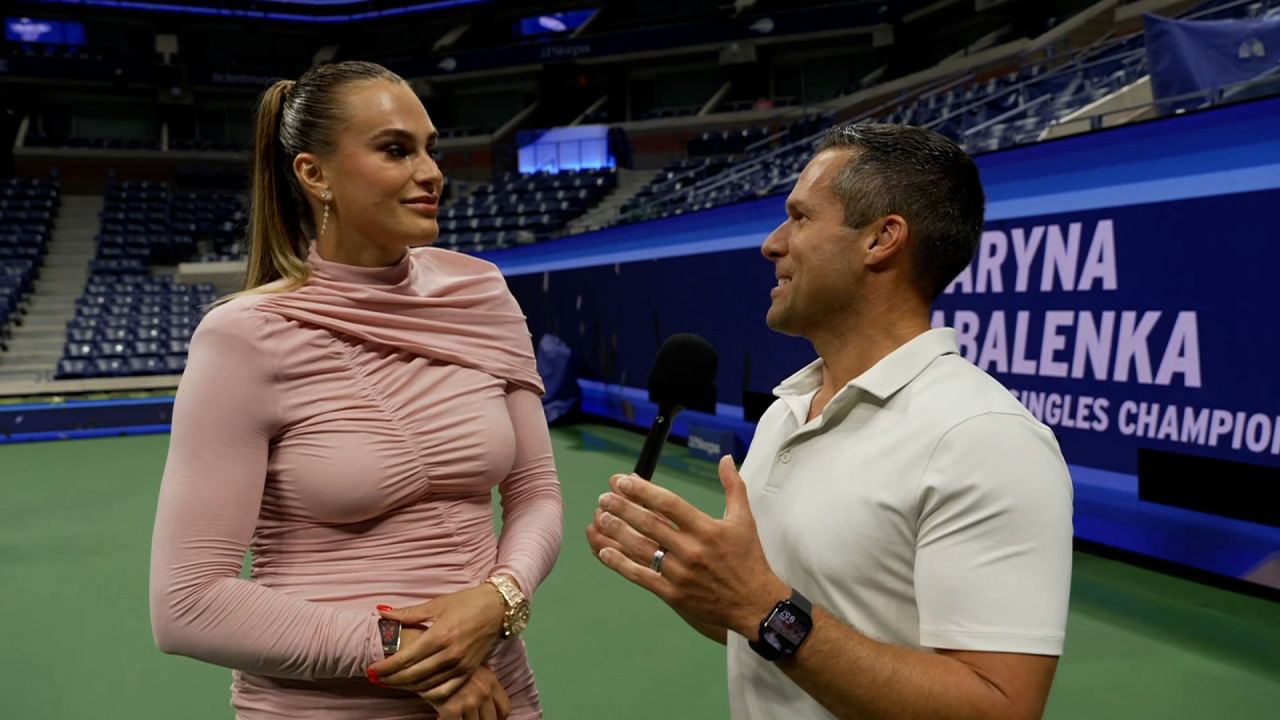
CNN Sports speaks to Aryna Sabalenka after second consecutive US Open title
Entities mentioned:
- Aryna Sabalenka: Competitive spirit, Pride, Recognition
- CNN Sports: Professional pride, Curiosity, Recognition
- Andy Scholes: Professional pride, Curiosity, Enthusiasm
Article Assessment:
Credibility Score: 85/100
Bias Rating: 50/100 (Center)
Sentiment Score: 75/100
Authoritarianism Risk: 15/100 (Strongly Democratic)
Bias Analysis:
The article presents a straightforward report of a post-match interview. There's no apparent political leaning or slant in the brief description provided.
Key metric: US Tennis Performance
Let me tell you something - this is CHAMPIONSHIP MENTALITY at its finest! Aryna Sabalenka has just pulled off a BACK-TO-BACK GRAND SLAM VICTORY, folks! This isn't just a win, it's a DYNASTY in the making! Sabalenka stepped up to the plate and knocked it out of the park, leaving her opponents in the dust. CNN Sports and Andy Scholes are right there on the frontlines, getting the postgame scoop from this tennis titan. This is the kind of fourth-quarter performance that separates the LEGENDS from the amateurs. Sabalenka isn't just playing the game, she's REWRITING THE RULEBOOK!
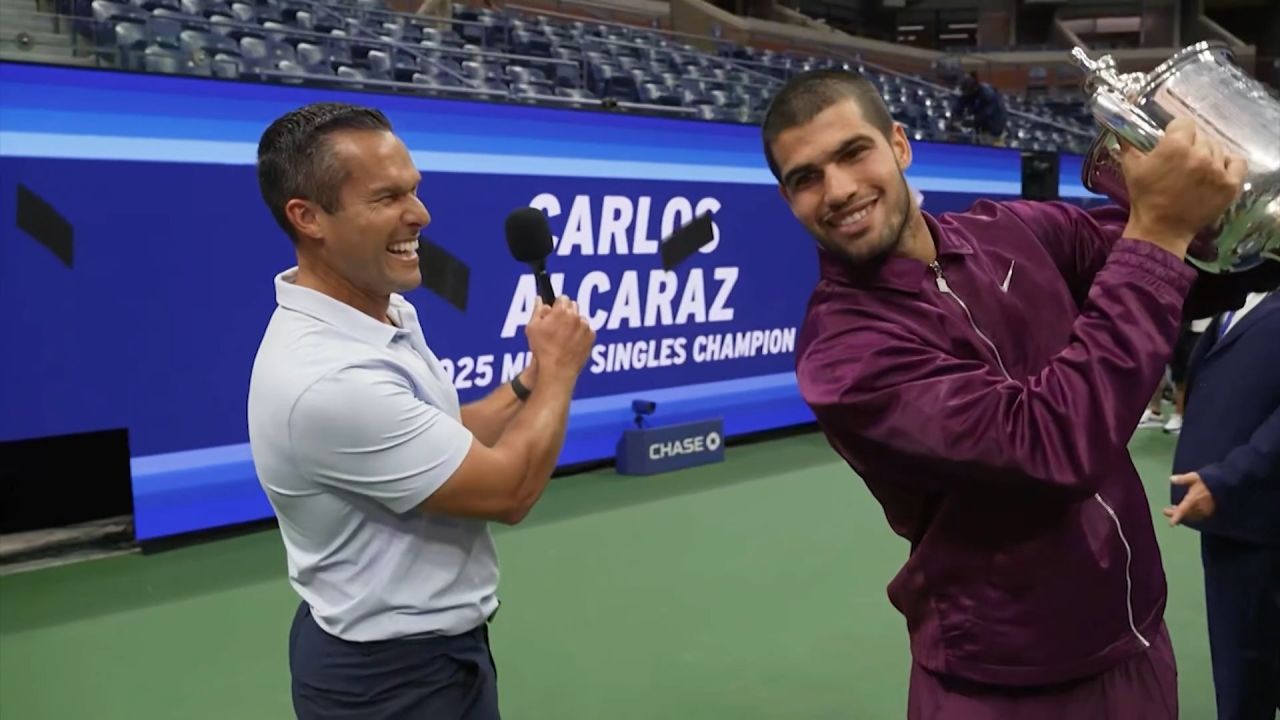
CNN Sports chats to Carlos Alcaraz after second career US Open title
Entities mentioned:
- Carlos Alcaraz: Competitive spirit, Ambition, Pride
- CNN: Professional pride, Recognition, Influence
- Andy Scholes: Curiosity, Enthusiasm, Professional pride
Article Assessment:
Credibility Score: 85/100
Bias Rating: 50/100 (Center)
Sentiment Score: 75/100
Authoritarianism Risk: 15/100 (Strongly Democratic)
Bias Analysis:
The article presents a straightforward report of a post-match interview, without apparent political leaning. The focus is solely on the sporting achievement and the interview itself.
Key metric: US Tennis Performance
Let me tell you something - this is a CHAMPIONSHIP MOMENT, folks! Carlos Alcaraz has just stepped up to the plate and knocked it out of the park with his second US Open title! This young phenom is showing a true champion's mentality, dominating the court like a seasoned veteran. CNN's Andy Scholes is right there on the frontlines, ready to get the post-game scoop from this tennis titan. I'm telling you right now, Alcaraz is playing 4D chess while everyone else is still learning checkers. He's not just winning matches, he's rewriting the playbook for the next generation of tennis superstars!
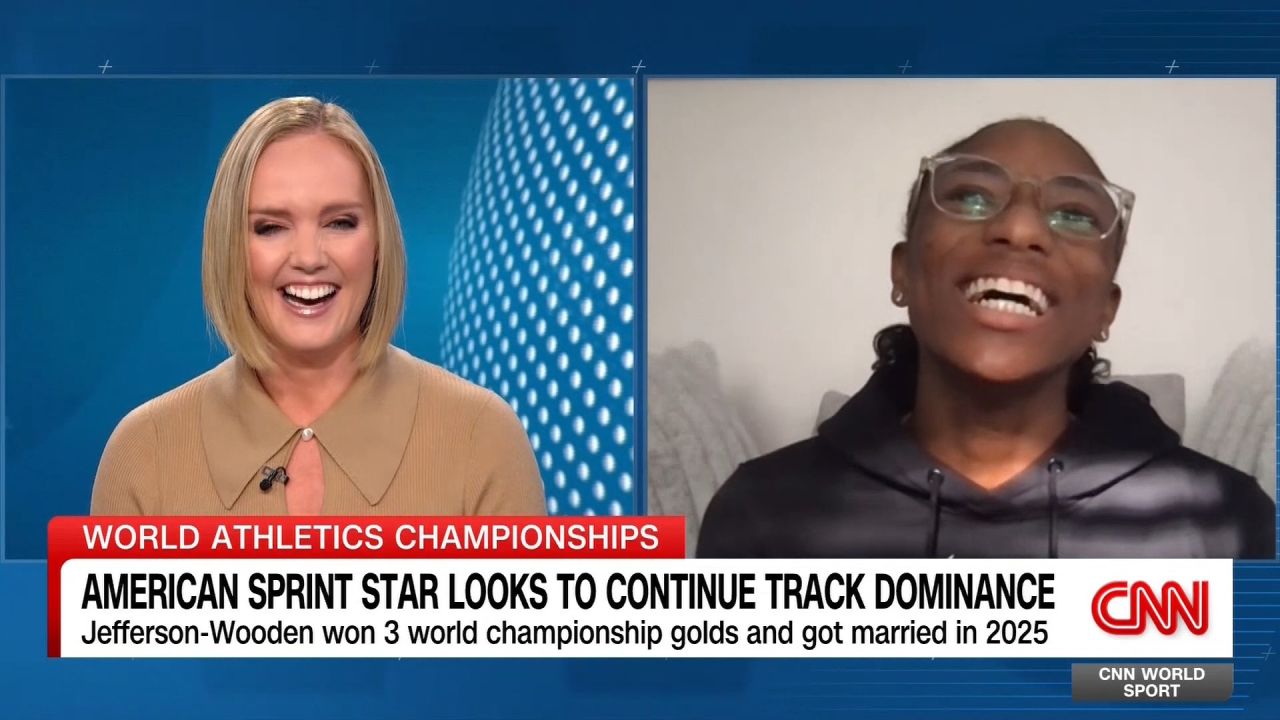
American sprint star Melissa Jefferson-Wooden looks to continue track dominance
Entities mentioned:
- Melissa Jefferson-Wooden: Competitive spirit, Ambition, Legacy
- World Athletics Championships: Recognition, Professional pride, Competitive spirit
- Amanda Davies: Curiosity, Professional pride, Enthusiasm
Article Assessment:
Credibility Score: 75/100
Bias Rating: 50/100 (Center)
Sentiment Score: 75/100
Authoritarianism Risk: 20/100 (Strongly Democratic)
Bias Analysis:
The article presents a balanced view of the athlete's achievements without leaning towards any political stance. It focuses on reporting facts about the sporting event and the athlete's performance.
Key metric: Olympic Medal Count
Let me tell you something - this story is HUGE! Melissa Jefferson-Wooden isn't just running races, she's DOMINATING the track like a champion quarterback controls the field! Her performance at the World Athletics Championships was nothing short of a GRAND SLAM, folks! She's not just crossing finish lines, she's SHATTERING records and leaving the competition in the dust! This is the kind of FOURTH QUARTER HEROICS that defines legends! Jefferson-Wooden is playing chess while everyone else is playing checkers, and I'm telling you right now, she's got that CHAMPIONSHIP MENTALITY that separates the greats from the also-rans. As she steps up to the plate for her next challenge, the world is watching to see if she can keep this WINNING STREAK alive. This isn't just a sprint, it's a marathon of excellence, and Jefferson-Wooden is pacing herself for long-term dominance in the sport!
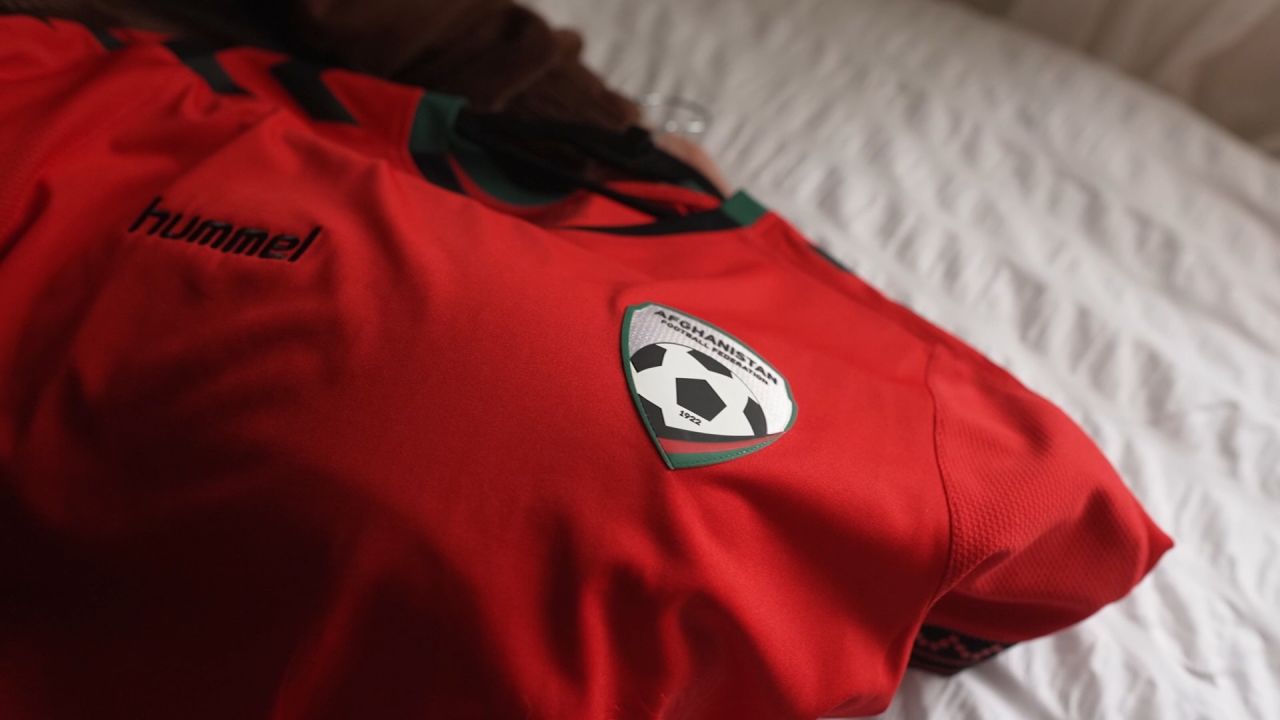
As first Afghan women’s refugee squad is announced, soccer players’ fight for recognition goes on
Entities mentioned:
- Afghan women's soccer team: Determination, Pride, Recognition
- Taliban: Control, Power, Moral outrage
- FIFA: Recognition, Duty, Influence
- Amanda Davies: Curiosity, Enthusiasm, Professional pride
Article Assessment:
Credibility Score: 75/100
Bias Rating: 45/100 (Center)
Sentiment Score: 65/100
Authoritarianism Risk: 20/100 (Strongly Democratic)
Bias Analysis:
The article presents a balanced view of the situation, highlighting the challenges faced by the Afghan women's team while also noting FIFA's efforts. The focus on the players' struggle maintains a neutral stance without overtly criticizing any party.
Key metric: Women's Rights and Representation in Sports
Let me tell you something - this story is RIDICULOUS! The Afghan women's soccer team has been sidelined by the Taliban, but they're not throwing in the towel! These athletes are showing a true championship mentality, fighting for their right to compete on the world stage. FIFA's announcement of the refugee squad is like a game-changing play in the fourth quarter. I'm telling you right now, these women are stepping up to the plate in a big way, showing the kind of heart and determination that defines true champions. They're not just playing for themselves, they're playing for the future of women's sports in their country. This is more than just a game - it's a fight for recognition, for equality, and for the love of the Beautiful Game. These players are proving that sometimes, the biggest victories happen off the field!
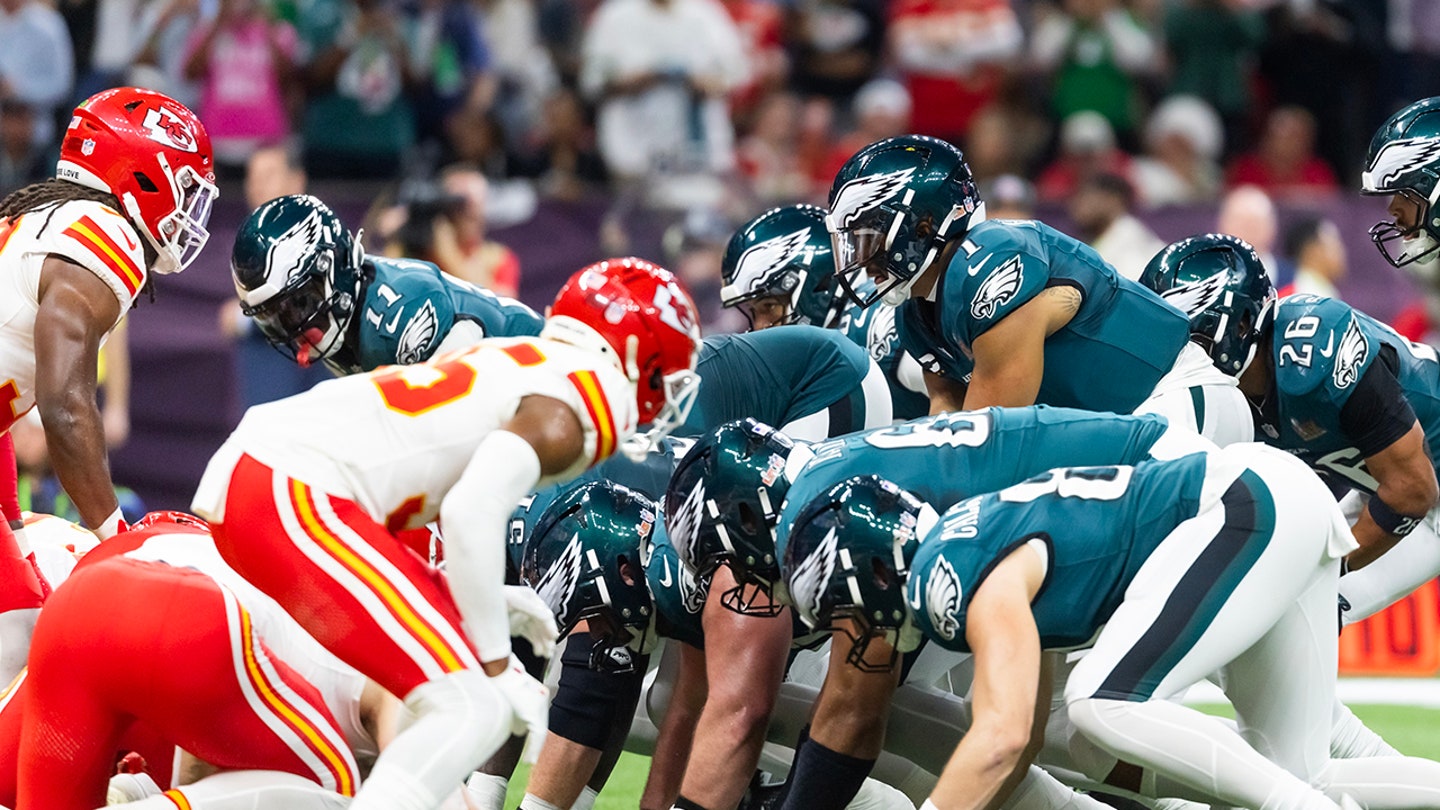
Pennsylvanians weigh in on Eagles' controversial 'tush push' as team remains undefeated through Week 4
Entities mentioned:
- Philadelphia Eagles: Competitive spirit, Ambition, Pride
- NFL: Control, Professional pride, Wariness
- Green Bay Packers: Competitive spirit, Justice, Indignation
- Quinnipiac University: Curiosity, Recognition, Influence
- Pennsylvania football fans: Loyalty, Enthusiasm, Pride
Article Assessment:
Credibility Score: 75/100
Bias Rating: 55/100 (Center)
Sentiment Score: 70/100
Authoritarianism Risk: 20/100 (Strongly Democratic)
Bias Analysis:
The article presents multiple viewpoints, including those for and against the 'tush push'. While it leans slightly positive towards the Eagles, it also mentions criticisms and controversies, maintaining a relatively balanced approach.
Key metric: NFL Team Performance
Let me tell you something - this 'tush push' controversy is HEATING UP the gridiron! The Philadelphia Eagles are DOMINATING the field with their secret weapon, leaving other teams in the dust! It's a GAME-CHANGER, folks! The Packers tried to throw a flag on this play, but they fumbled the ball in the league office. Now, Quinnipiac University is bringing the fans into the huddle, and boy, are they FIRED UP! Pennsylvania's pigskin patriots are rallying behind their Eagles like a 12th man on the field. This isn't just a play, it's a CHAMPIONSHIP MENTALITY! The Eagles are UNDEFEATED, folks! They're not just pushing forward, they're STEAMROLLING the competition! It's fourth quarter, and the Eagles are showing us what a clutch performance looks like. The rest of the league better step up their game, or they'll be watching the Eagles soar to another Super Bowl from the sidelines!
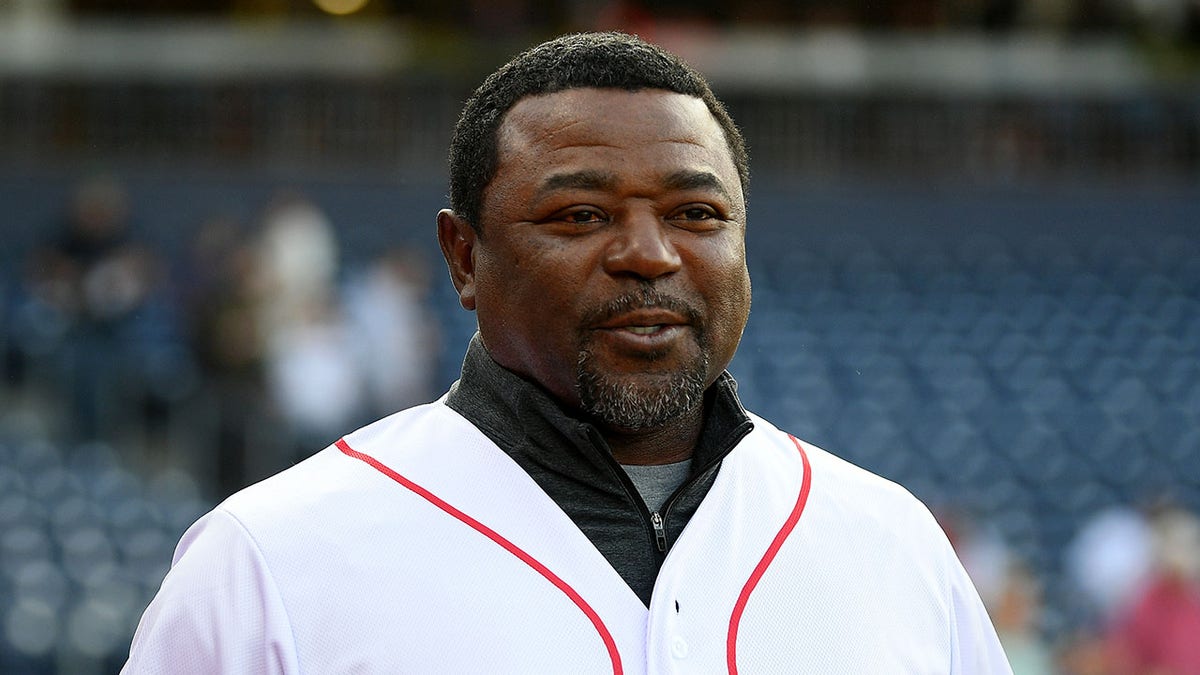
Ex-MLB star Tom Gordon talks becoming subject of Stephen King novel
Entities mentioned:
- Tom Gordon: Pride, Determination, Recognition
- Stephen King: Curiosity, Enthusiasm, Professional pride
- Major League Baseball: Competitive spirit, Legacy, Recognition
- Boston Red Sox: Competitive spirit, Pride, Legacy
Article Assessment:
Credibility Score: 85/100
Bias Rating: 45/100 (Center)
Sentiment Score: 75/100
Authoritarianism Risk: 15/100 (Strongly Democratic)
Bias Analysis:
The article presents a balanced view of Gordon's career and King's book. It relies heavily on direct quotes from Gordon, providing authenticity without pushing a particular agenda.
Key metric: MLB Player Legacy Impact
Let me tell you something - this story is HUGE! Tom 'Flash' Gordon stepped up to the plate in a way that goes beyond the diamond, folks! We're talking about a player who not only dominated on the mound but became a literary LEGEND. This is the kind of cross-industry play that separates the all-stars from the bench warmers. Gordon didn't just close games, he CLOSED THE DEAL with Stephen King, turning his on-field heroics into a cultural touchdo... I mean, HOME RUN! The fact that King, a heavy hitter in the writing world, chose Gordon as his muse shows that Flash's impact went way beyond the ninth inning. This is the kind of legacy play that most athletes can only DREAM about. Gordon didn't just win games, he won the hearts of readers everywhere. That's what I call a GRAND SLAM for personal branding!
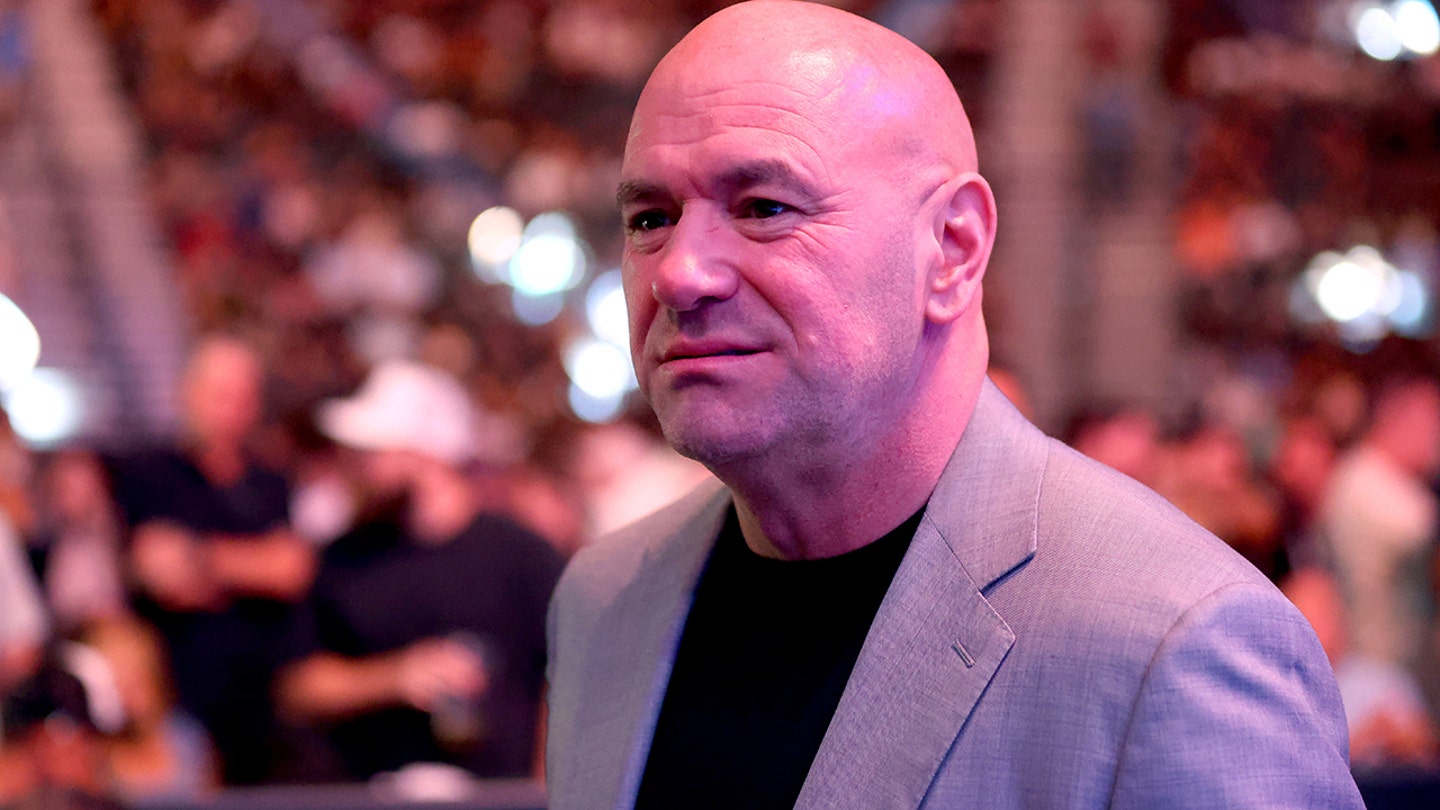
UFC's Dana White takes reporter on wild gambling ride after going down $1.24M
Entities mentioned:
- Dana White: Ambition, Competitive spirit, Power
- Jon Wertheim: Curiosity, Professional pride, Recognition
- UFC: Competitive spirit, Power, Influence
- Bellagio Hotel and Casino: Greed, Control, Recognition
Article Assessment:
Credibility Score: 75/100
Bias Rating: 55/100 (Center)
Sentiment Score: 65/100
Authoritarianism Risk: 30/100 (Generally Democratic)
Bias Analysis:
The article presents a balanced view of Dana White's gambling and his stance on UFC issues. While it highlights his risky behavior, it also gives him a platform to defend his positions.
Key metric: Professional Sports League Revenue
Let me tell you something - this story is RIDICULOUS! Dana White, the heavyweight champion of the UFC, just took us on a rollercoaster ride that would make even the most seasoned athletes dizzy! This man stepped up to the plate at the Bellagio's high-stakes table like it was the Octagon itself, throwing down $400,000 hands like they were nothing more than warmup punches! I'm telling you right now, White's got the heart of a true competitor - down $1.24 million and he's still swinging! But just when you thought he was on the ropes, BAM! He turns it around faster than a knockout punch, walking away $700,000 up! This is the kind of fourth-quarter comeback that legends are made of, folks! And let's not forget, while he's playing this high-stakes game, he's also defending his championship belt as the UFC's top dog. White's showing us he's got that championship mentality both in and out of the casino. He's not just playing the game - he's rewriting the rulebook!
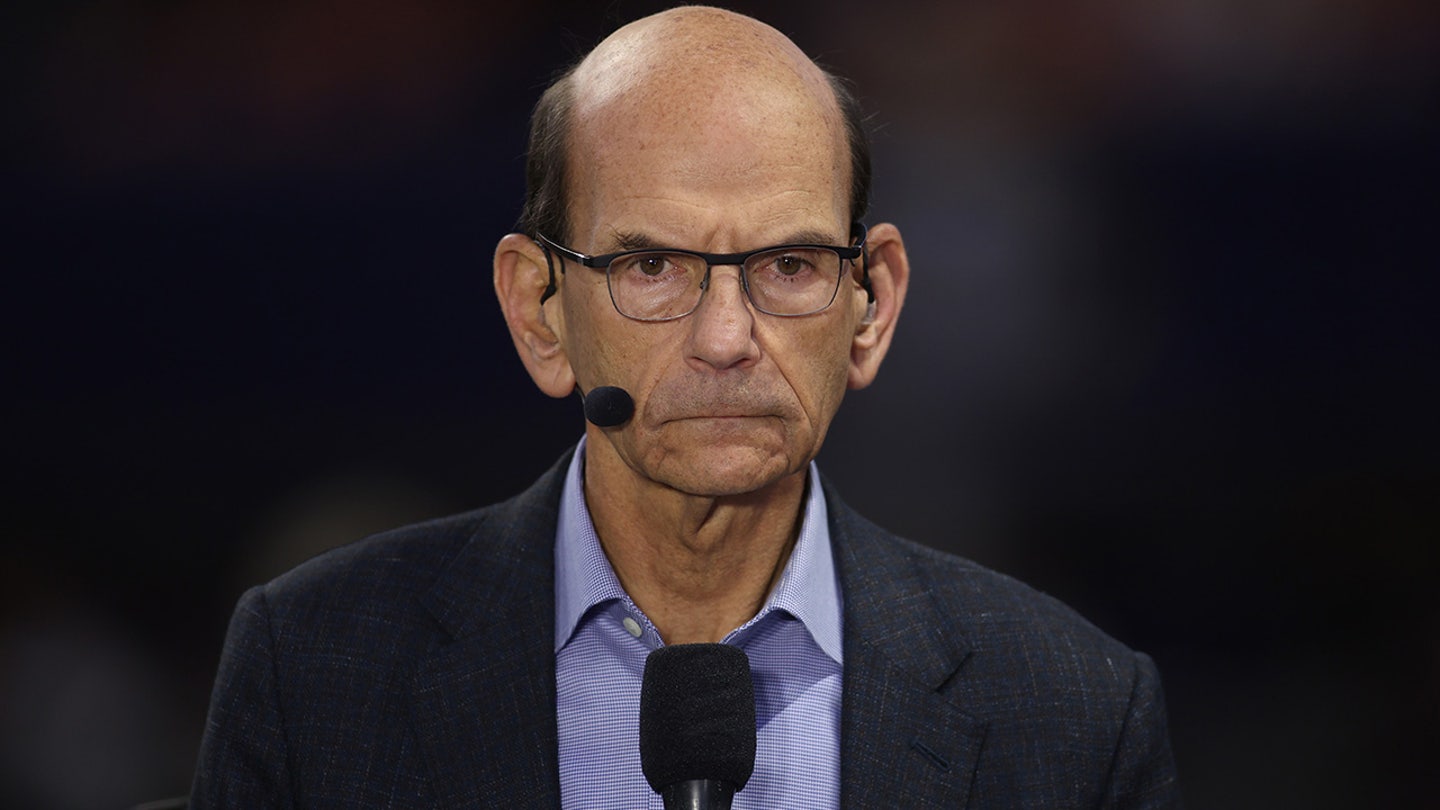
ESPN star Paul Finebaum says network axed potential Trump interview in 2019
Entities mentioned:
- Paul Finebaum: Ambition, Professional pride, Recognition
- ESPN: Control, Wariness, Self-preservation
- Donald Trump: Recognition, Influence, Power
- Clay Travis: Curiosity, Competitive spirit, Influence
Article Assessment:
Credibility Score: 75/100
Bias Rating: 55/100 (Center)
Sentiment Score: 35/100
Authoritarianism Risk: 30/100 (Generally Democratic)
Bias Analysis:
The article presents both sides of the story, including ESPN's perspective and Finebaum's disappointment. It maintains a relatively neutral tone while reporting the events, though it does give more space to Finebaum's viewpoint.
Key metric: Media Independence
Let me tell you something - this story is a GAME CHANGER! Paul Finebaum, ESPN's star player, was about to score the interview of a lifetime with the MVP of politics, Donald Trump. But just as he was stepping up to the plate, ESPN pulled him from the game! This is RIDICULOUS! We're talking about a fourth quarter play that could've changed the whole season. Instead, ESPN decided to play it safe and bench their star player. I'm telling you right now, this kind of conservative playmaking is what loses championships. Finebaum was ready to go the distance, but his own team fumbled the ball. This isn't just about politics folks, it's about having that championship mentality and seizing opportunities when they come your way!
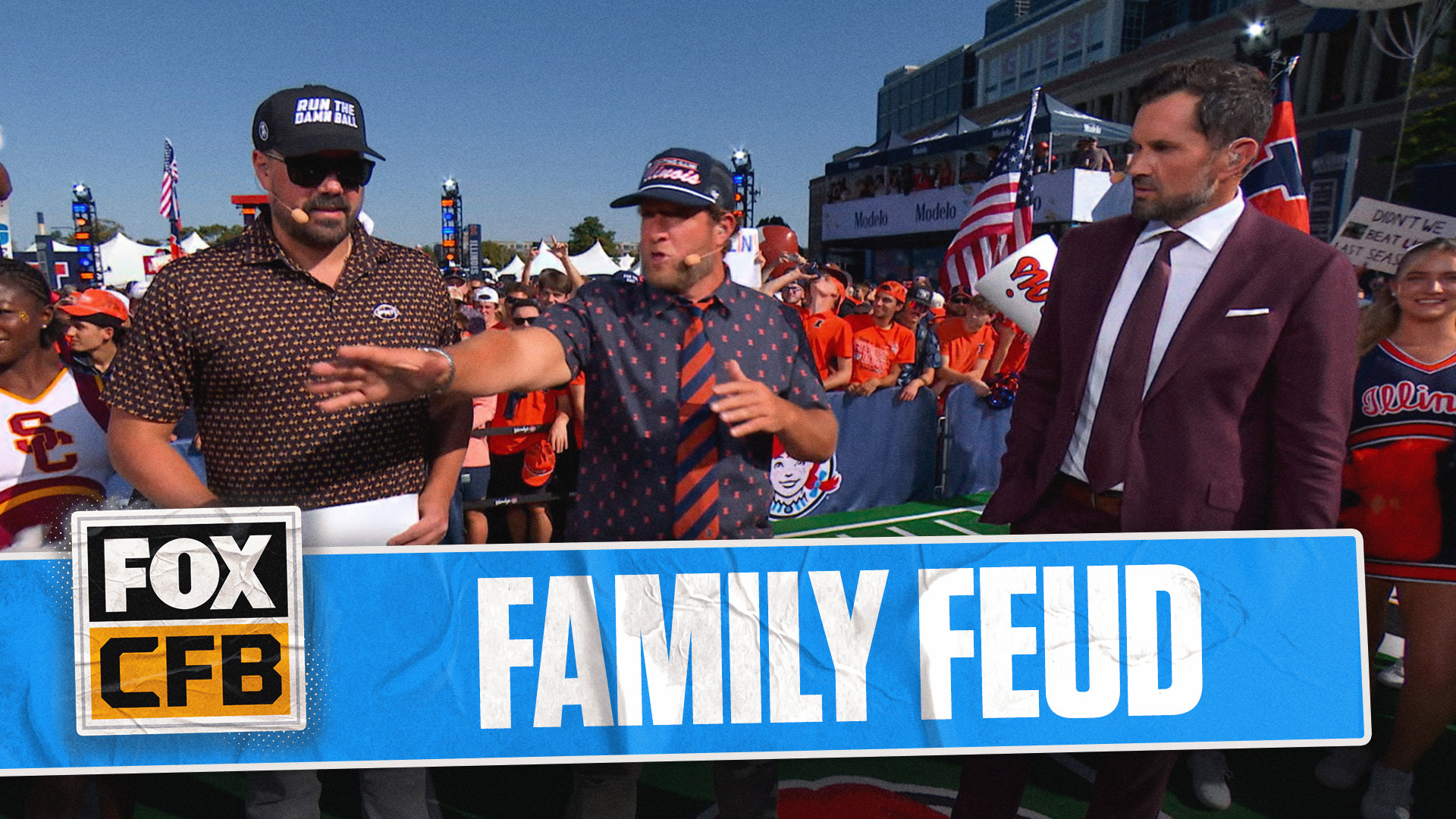
Dave Portnoy on Lane Kiffin's Daughter Dating LSU Star: 'Give Me the Football Player'
Entities mentioned:
- Lane Kiffin: Competitive spirit, Professional pride, Loyalty
- Landry Kiffin: Recognition, Enthusiasm, Pride
- Whit Weeks: Competitive spirit, Ambition, Recognition
- Dave Portnoy: Influence, Curiosity, Recognition
- Ole Miss: Competitive spirit, Pride, Determination
- LSU: Competitive spirit, Pride, Determination
Article Assessment:
Credibility Score: 70/100
Bias Rating: 50/100 (Center)
Sentiment Score: 65/100
Authoritarianism Risk: 20/100 (Strongly Democratic)
Bias Analysis:
The article presents a balanced view of the situation, quoting multiple perspectives. It doesn't lean towards favoring either team or individual involved, maintaining a neutral stance.
Key metric: College Football Fan Engagement
Let me tell you something - this story is RIDICULOUS! We've got a MAJOR league rivalry brewing not just on the field, but off it too! The Ole Miss Rebels and LSU Tigers are facing off in a crucial SEC showdown, but the real game-changer here is the romantic Hail Mary between Coach Kiffin's daughter and LSU's star linebacker! This is like trading your star player to your arch-rival, folks! Dave Portnoy's stepping up to the plate, calling this a non-factor, but I'm telling you right now, this kind of locker room drama could be the fumble that costs Ole Miss the game! It's fourth quarter, tensions are high, and we've got a father-daughter-boyfriend triangle that could make or break team chemistry. This is the kind of curveball that separates the champions from the also-rans. Kiffin needs to keep his head in the game and his eyes on the prize if he wants to outmaneuver this personal foul and lead his team to victory!
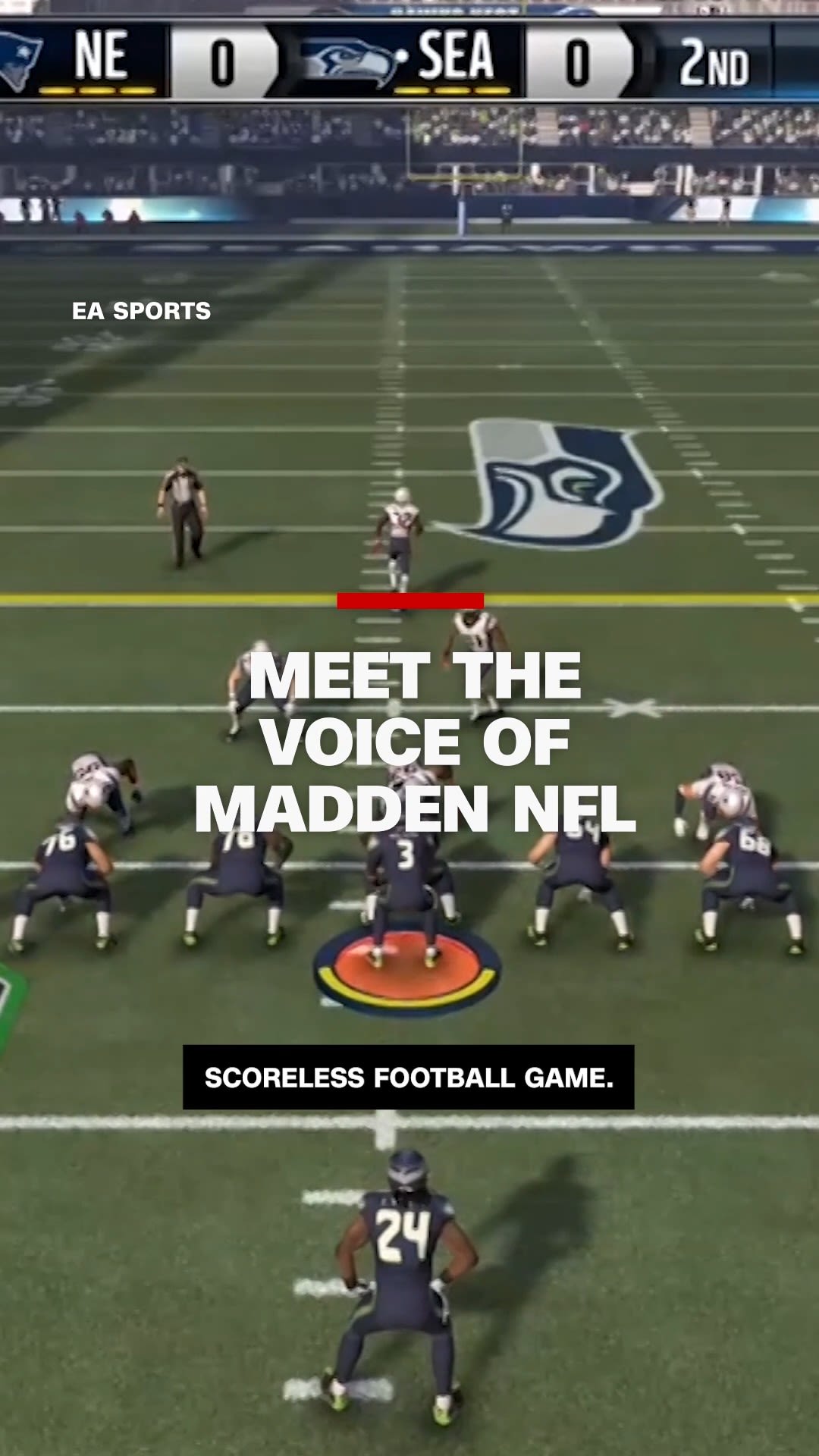
CNN’s Coy Wire meets the voice of the Madden NFL video games
Entities mentioned:
- Coy Wire: Ambition, Curiosity, Enthusiasm
- Madden NFL: Professional pride, Legacy, Recognition
- CNN: Competitive spirit, Recognition, Influence
Article Assessment:
Credibility Score: 75/100
Bias Rating: 50/100 (Center)
Sentiment Score: 70/100
Authoritarianism Risk: 20/100 (Strongly Democratic)
Bias Analysis:
The article appears to be a straightforward report on a media personality meeting a voice actor. There's no apparent political slant or ideological framing, suggesting a neutral, centrist approach to the story.
Key metric: Media Industry Competitiveness
Let me tell you something - this story is a GAME-CHANGER in the media landscape! CNN is making a POWER PLAY by putting Coy Wire in the huddle with the voice of Madden NFL. This is a fourth-quarter move to score big with sports fans and gamers alike. It's like CNN is expanding their playbook, folks! They're not just sticking to their usual game plan - they're going for the Hail Mary pass to capture a whole new audience. This kind of cross-industry teamwork could be the championship strategy that puts CNN ahead in the ratings race. I'm telling you right now, other networks better watch out because CNN is stepping up to the plate and swinging for the fences!