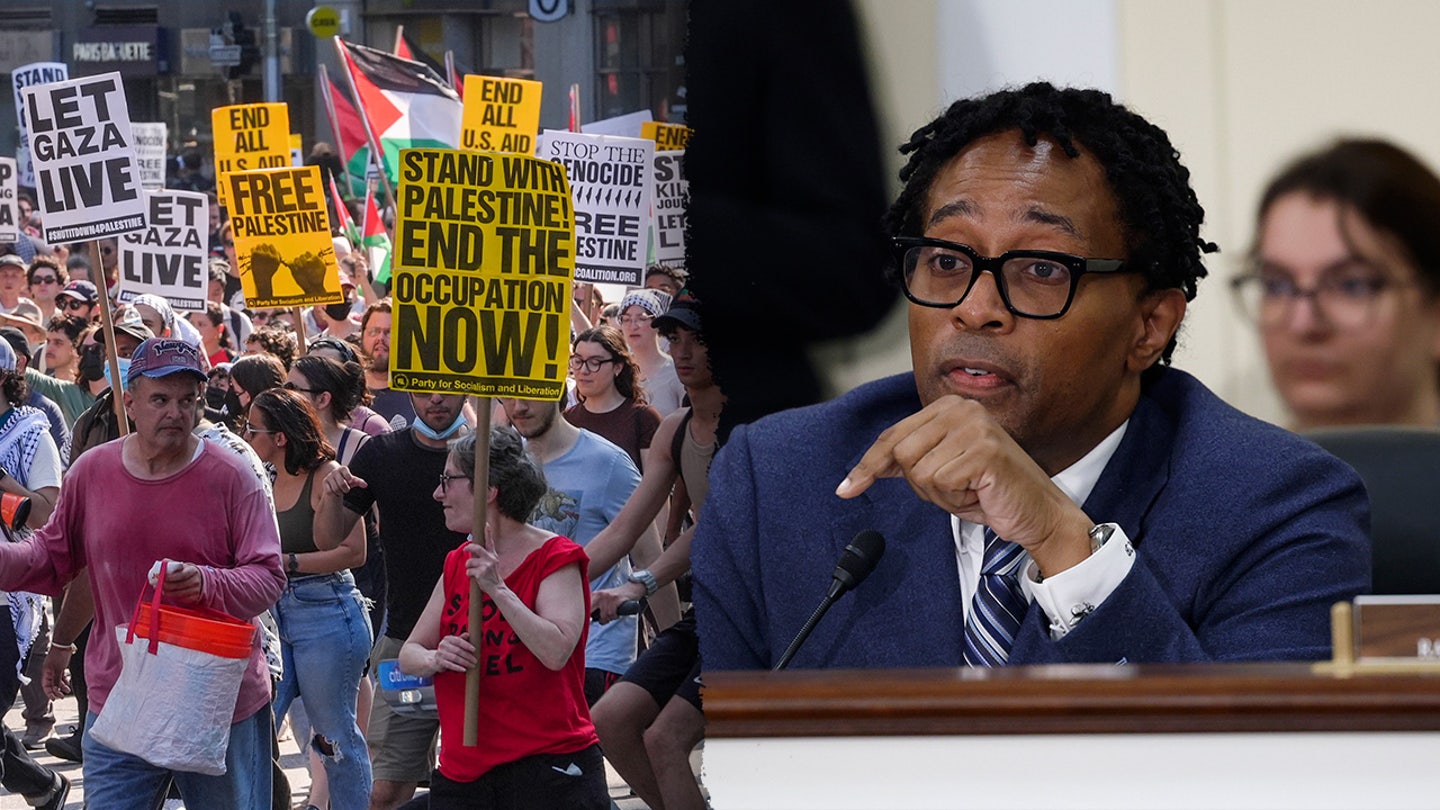
House Democrat clashes with activists over Israel 'genocide' as pro-Palestinian protests derail town hall
Entities mentioned:
- Rep. Wesley Bell: Duty, Professional pride, Unity
- Pro-Palestinian activists: Moral outrage, Justice, Righteousness
- Hamas: Power, Control, Revenge
- Israel: Self-preservation, Security, Justice
Article Assessment:
Credibility Score: 75/100
Bias Rating: 55/100 (Center)
Sentiment Score: 30/100
Authoritarianism Risk: 25/100 (Generally Democratic)
Bias Analysis:
The article presents multiple viewpoints, including those of Rep. Bell, protesters, and supportive attendees. While it leans slightly towards Bell's perspective, it also includes the activists' arguments and attempts to provide context for both sides.
Key metric: Political Polarization
As a social scientist, I analyze that this event demonstrates increasing political polarization in the United States, particularly surrounding the Israel-Palestine conflict. The town hall's disruption by pro-Palestinian activists highlights the growing divide between moderate Democrats and more progressive elements within the party. Rep. Bell's struggle to maintain order and discuss local issues amidst protests over foreign policy reflects the challenges faced by elected officials in addressing both domestic and international concerns. The intense emotions and accusations of genocide indicate a deepening rift in public opinion on the Israel-Gaza conflict, which could potentially impact future policy decisions and electoral outcomes.

Politics Weekly AmericaIs Trump abandoning his ‘America First’ policy for Ukraine? – podcast
Entities mentioned:
- Donald Trump: Power, Control, Influence
- Republican Party: Control, Power, Competitive spirit
- Democratic Party: Power, Justice, Influence
- Gavin Newsom: Ambition, Competitive spirit, Justice
- Immigration and Customs Enforcement (ICE): Control, Duty, Security
- Marriott: Self-preservation, Professional pride, Obligation
- Volodymyr Zelenskyy: Unity, Determination, Security
Article Assessment:
Credibility Score: 65/100
Bias Rating: 35/100 (Lean Left)
Sentiment Score: 30/100
Authoritarianism Risk: 55/100 (Mixed/Neutral)
Bias Analysis:
The article leans slightly left in its framing, giving more space to criticisms of Republican and Trump administration actions. While it includes diverse topics, the language used tends to cast conservative policies in a more negative light.
Key metric: Electoral Integrity and Voter Participation
As a social scientist, I analyze that this article highlights significant political tensions and policy shifts in the United States, particularly focusing on immigration, redistricting, and foreign policy. The content suggests a potential shift in Trump's 'America First' policy regarding Ukraine, indicating changing dynamics in international relations. Domestically, the article points to Republican efforts to influence electoral processes through redistricting and voting restrictions, which could significantly impact electoral integrity and voter participation. The mention of using hotels for immigrant detention and changes in immigration application reviews suggests a tightening of immigration policies. These developments, combined with the pushback from Democratic leaders and local officials, indicate a highly polarized political landscape that could affect citizen trust in democratic institutions and processes.

Republicans sue to block Newsom’s fast-track California redistricting plan
Entities mentioned:
- Republicans: Power, Control, Competitive spirit
- Gavin Newsom: Ambition, Influence, Control
- California: Unity, Justice, Self-preservation
Article Assessment:
Credibility Score: 70/100
Bias Rating: 55/100 (Center)
Sentiment Score: 40/100
Authoritarianism Risk: 35/100 (Generally Democratic)
Bias Analysis:
The article presents a relatively balanced view of the conflict, mentioning both Republican actions and Newsom's plan. However, the framing slightly emphasizes the Republican challenge, potentially suggesting a slight center-right lean in presentation.
Key metric: Electoral Representation
As a social scientist, I analyze that this lawsuit by Republicans against Governor Newsom's redistricting plan reflects ongoing partisan tensions over electoral map-drawing processes. The fast-track approach suggests an attempt to expedite changes, potentially altering the balance of power in California's congressional representation. This legal challenge highlights the high stakes involved in redistricting, as it directly impacts political representation and voting power. The conflict underscores the complex interplay between state executive actions and legislative processes in shaping electoral landscapes, with potential long-term consequences for both parties' political influence in the state.
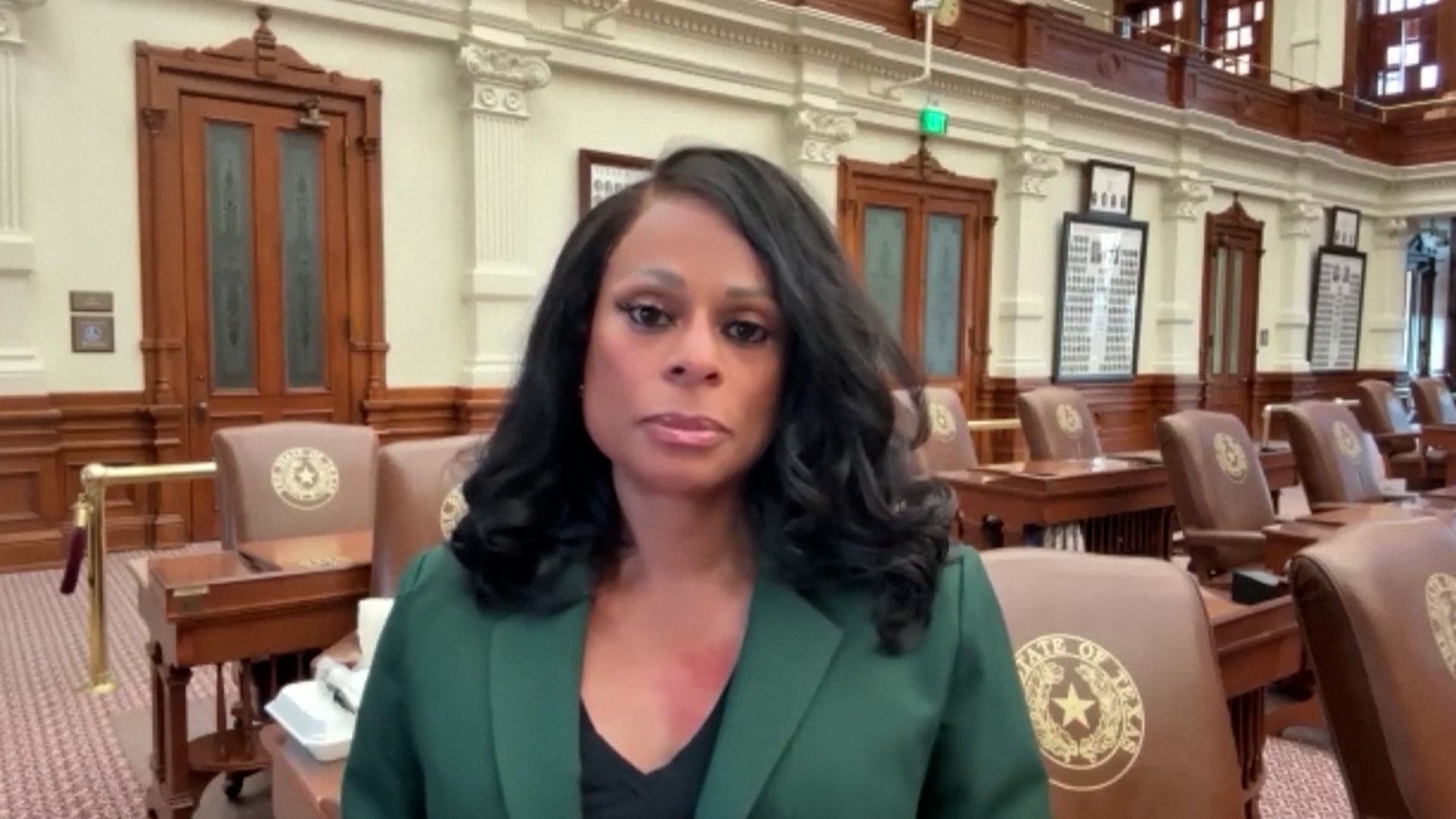
Democratic Texas lawmaker passes 24-hour mark on state House floor after refusing GOP demand for law enforcement escort
Entities mentioned:
- Nicole Collier: Righteousness, Determination, Duty
- Dustin Burrows: Control, Power, Duty
- Texas House Democrats: Resistance, Justice, Self-preservation
- Texas Republicans: Power, Control, Ambition
- Beto O'Rourke: Moral outrage, Unity, Recognition
- Greg Abbott: Power, Ambition, Loyalty
- Donald Trump: Influence, Power, Control
- Gavin Newsom: Competitive spirit, Power, Revenge
Article Assessment:
Credibility Score: 75/100
Bias Rating: 45/100 (Center)
Sentiment Score: 35/100
Authoritarianism Risk: 65/100 (Authoritarian Tendencies)
Bias Analysis:
The article presents perspectives from both Democrats and Republicans, quoting multiple sources. While it gives more space to Democratic viewpoints, it includes Republican statements and contextualizes the broader political landscape.
Key metric: Electoral Integrity
As a social scientist, I analyze that this article highlights a significant conflict over redistricting in Texas, which has broader implications for national electoral integrity. The standoff between Democrats and Republicans over proposed redistricting plans underscores the intensifying partisan struggle for control of the U.S. House of Representatives. Rep. Collier's protest against what she perceives as intimidation tactics reflects growing tensions around voting rights and fair representation. The involvement of law enforcement in monitoring legislators' movements raises concerns about the balance of power between branches of government. This situation exemplifies how gerrymandering and redistricting battles are becoming increasingly contentious, with potential long-term impacts on democratic processes and voter representation. The article also reveals how state-level actions can trigger nationwide responses, as seen in California's proposed countermeasures, indicating a broader, more complex challenge to maintaining electoral integrity across the United States.
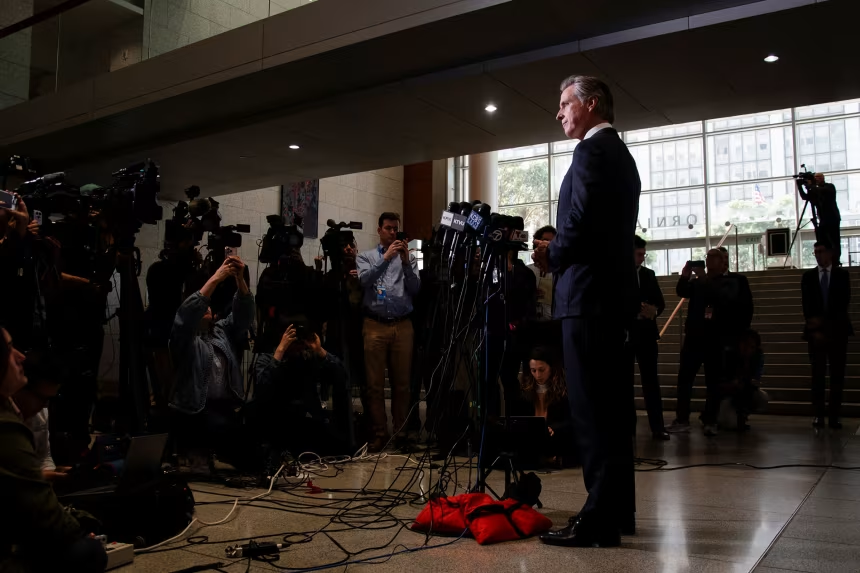
Gavin Newsom is owning the MAGAs. How far can he take it?
Entities mentioned:
- Gavin Newsom: Ambition, Competitive spirit, Power
- Democratic Party: Unity, Self-preservation, Power
- Donald Trump: Power, Control, Influence
- Republican Party: Power, Control, Competitive spirit
Article Assessment:
Credibility Score: 70/100
Bias Rating: 40/100 (Lean Left)
Sentiment Score: 55/100
Authoritarianism Risk: 35/100 (Generally Democratic)
Bias Analysis:
The article leans slightly left, focusing more on Democratic perspectives and Newsom's potential. While it includes some criticism of Newsom, it generally frames his actions in a positive light compared to Republican strategies.
Key metric: Political Polarization Index
As a social scientist, I analyze that this article highlights the increasing political polarization in the United States, with Gavin Newsom emerging as a potential counterforce to MAGA rhetoric. The focus on redistricting battles and Newsom's confrontational approach towards Trump and Republicans suggests a deepening divide between the two major parties. This polarization could significantly impact voter engagement and governance effectiveness. Newsom's rising profile within the Democratic Party, despite mixed public opinion, indicates a shift towards more combative political strategies. This trend may further entrench partisan divisions and potentially alienate moderate voters, affecting the overall political landscape and policy-making processes.

Rubio hails Trump as 'only leader in the world' who can broker Ukraine peace deal after talks
Entities mentioned:
- Marco Rubio: Loyalty, Influence, Competitive spirit
- Donald Trump: Power, Recognition, Influence
- Joe Biden: Obligation, Security, Duty
- Volodymyr Zelenskyy: Self-preservation, Duty, Determination
- Vladimir Putin: Power, Control, Influence
- NATO: Security, Unity, Duty
Article Assessment:
Credibility Score: 55/100
Bias Rating: 75/100 (Lean Right)
Sentiment Score: 65/100
Authoritarianism Risk: 45/100 (Mixed/Neutral)
Bias Analysis:
The article leans right, primarily due to its uncritical presentation of Republican viewpoints and criticism of the Biden administration. It relies heavily on Marco Rubio's statements without offering contrasting perspectives or fact-checking claims about Trump's peace-brokering abilities.
Key metric: Diplomatic Influence
As a social scientist, I analyze that this article presents a shift in the U.S. approach to the Ukraine-Russia conflict under the Trump administration. The narrative emphasizes Trump's alleged unique ability to broker peace, contrasting it with the perceived ineffectiveness of the Biden administration. This framing potentially impacts U.S. diplomatic influence by suggesting that Trump's personal relationships with world leaders are key to resolving international conflicts. The article's focus on changing dynamics in weapon supply and funding methods also indicates a potential shift in international perceptions of U.S. foreign policy. However, the heavy reliance on Rubio's statements without significant counterbalancing perspectives raises questions about the comprehensiveness of the analysis presented.
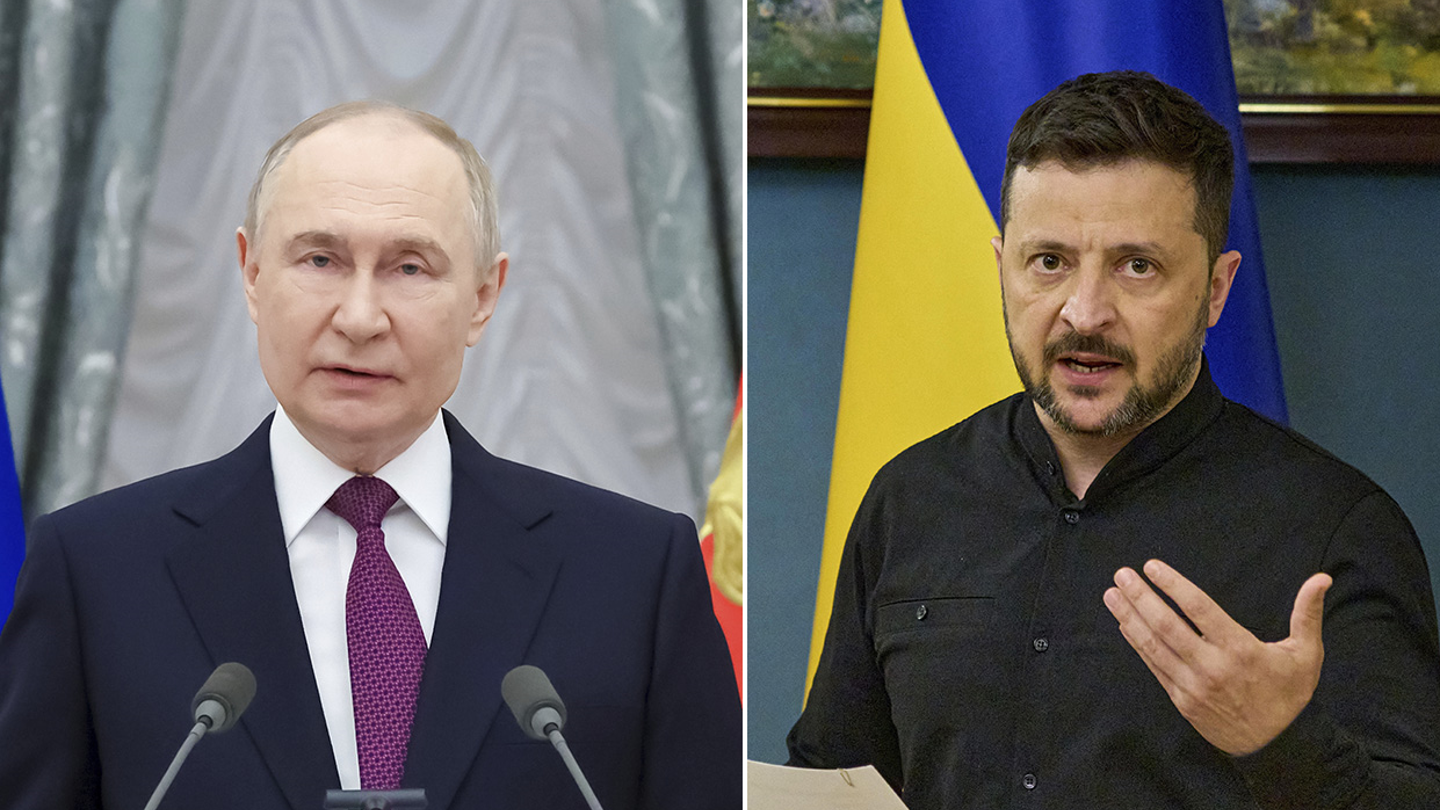
Trump’s push for Putin-Zelenskyy talks hinges on Kremlin's conditions
Entities mentioned:
- Donald Trump: Influence, Legacy, Power
- Vladimir Putin: Power, Control, Pride
- Volodymyr Zelenskyy: Self-preservation, Duty, Unity
- Ivana Stradner: Professional pride, Wariness, Duty
- Kurt Volker: Professional pride, Duty, Wariness
- Karoline Leavitt: Duty, Loyalty, Obligation
- Maria Snegovaya: Professional pride, Curiosity, Wariness
Article Assessment:
Credibility Score: 75/100
Bias Rating: 55/100 (Center)
Sentiment Score: 35/100
Authoritarianism Risk: 45/100 (Mixed/Neutral)
Bias Analysis:
The article presents multiple perspectives, including both US and Russian viewpoints, as well as expert opinions. While it leans slightly towards a Western perspective, it attempts to provide a balanced view of the diplomatic situation.
Key metric: International Diplomatic Influence
As a social scientist, I analyze that this article highlights the complex dynamics of international diplomacy surrounding the Russia-Ukraine conflict. Trump's initiative to arrange talks between Putin and Zelenskyy demonstrates the US's attempt to reassert its global diplomatic influence. However, the reluctance from the Russian side and the skepticism expressed by experts suggest significant challenges in achieving a diplomatic breakthrough. The article underscores the importance of power dynamics, with Putin's motivations centered on projecting Russian strength and equality with the US. The experts' analysis points to a potential stalemate, with Putin unlikely to compromise without significant concessions. This situation impacts the US's diplomatic influence by showcasing both its ability to initiate high-level talks and the limitations of its leverage over Russia. The article also highlights the broader implications for NATO and European security, suggesting that the outcome of this diplomatic effort could have far-reaching consequences for US global leadership and alliance structures.
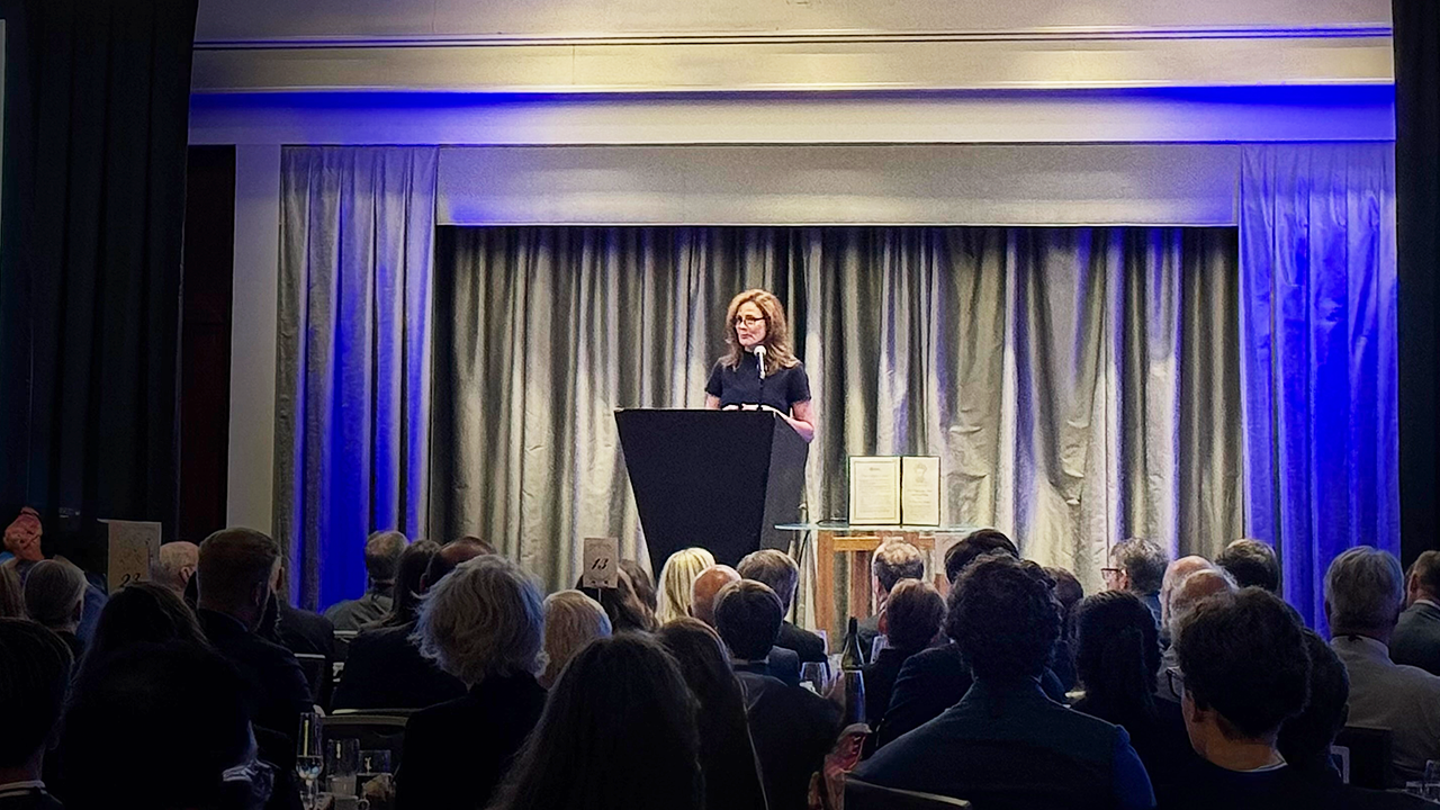
Justice Barrett teases new memoir in abrupt conference exit
Entities mentioned:
- Amy Coney Barrett: Professional pride, Duty, Unity
- Supreme Court: Justice, Duty, Influence
- Seventh Circuit: Professional pride, Duty, Unity
- Antonin Scalia: Legacy, Influence, Justice
- Donald Trump: Power, Control, Ambition
Article Assessment:
Credibility Score: 75/100
Bias Rating: 55/100 (Center)
Sentiment Score: 60/100
Authoritarianism Risk: 30/100 (Generally Democratic)
Bias Analysis:
The article presents a balanced view of Barrett, including both conservative and liberal perspectives on her tenure. While it leans slightly right by focusing on a conservative justice, it maintains a generally neutral tone and includes criticisms from both sides.
Key metric: Judicial Independence
As a social scientist, I analyze that this article primarily impacts the metric of Judicial Independence. Barrett's emphasis on maintaining professionalism and respect among judges, despite ideological differences, suggests a commitment to preserving the integrity and independence of the judiciary. Her brief appearance and limited remarks, coupled with the anticipation of her memoir, indicate a cautious approach to public engagement that may be aimed at protecting the court's perceived neutrality. The article's mention of the Supreme Court's rulings on Trump administration policies highlights the ongoing challenge of maintaining judicial independence in a politically charged environment. Barrett's emerging role as a less predictable justice further underscores the complexity of judicial independence in practice.
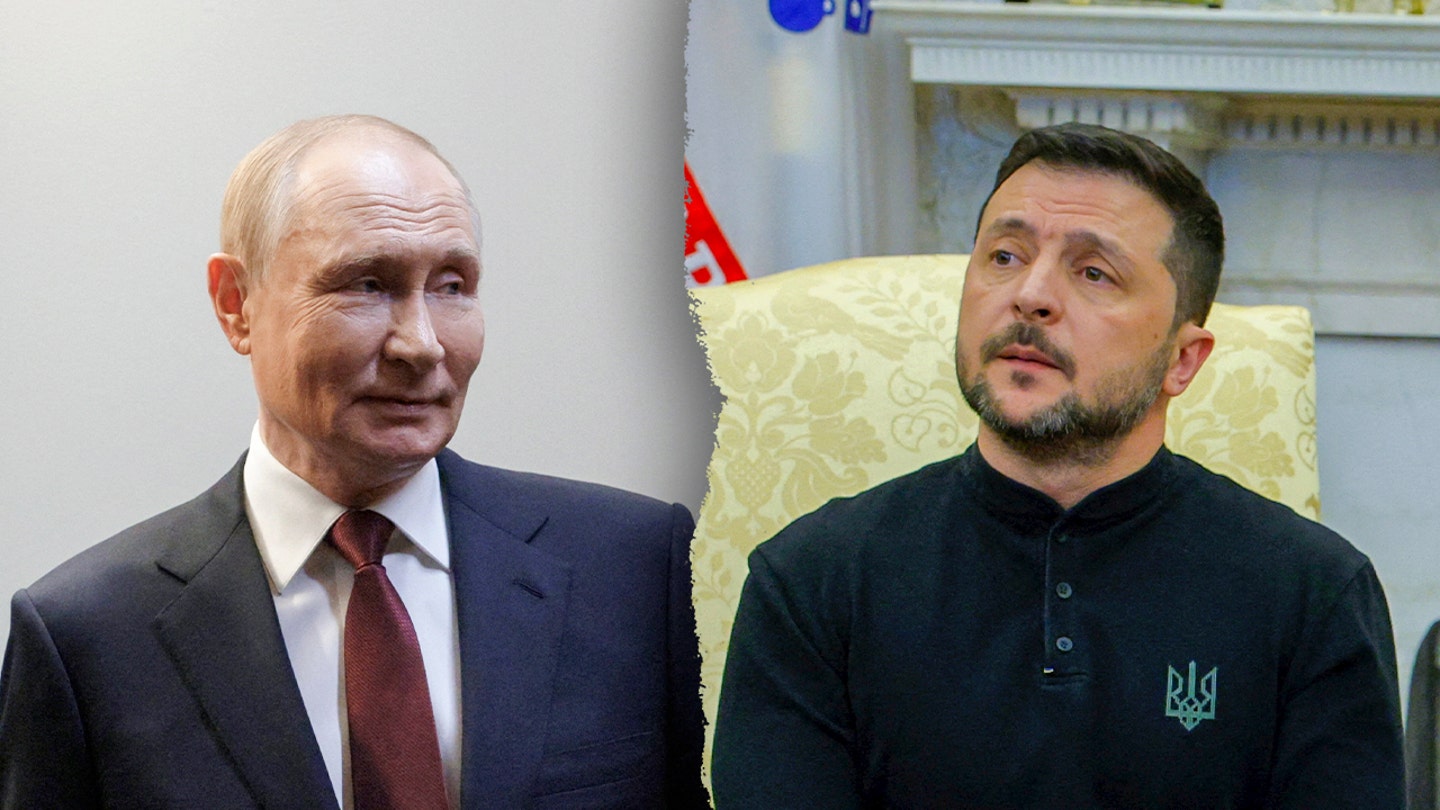
White House announces Putin agreed to bilateral meeting with Zelenskyy
Entities mentioned:
- Vladimir Putin: Power, Control, Self-preservation
- Volodymyr Zelenskyy: Determination, Justice, Unity
- Donald Trump: Legacy, Influence, Recognition
- Karoline Leavitt: Duty, Loyalty, Professional pride
- JD Vance: Duty, Influence, Ambition
- Marco Rubio: Duty, Influence, Professional pride
- Steve Witkoff: Duty, Influence, Professional pride
- Alexander Stubb: Unity, Recognition, Professional pride
- Keir Starmer: Unity, Recognition, Professional pride
- Mark Rutte: Unity, Recognition, Professional pride
Article Assessment:
Credibility Score: 65/100
Bias Rating: 70/100 (Lean Right)
Sentiment Score: 70/100
Authoritarianism Risk: 45/100 (Mixed/Neutral)
Bias Analysis:
The article leans right, focusing heavily on Trump's role and quoting primarily conservative or Trump-aligned sources. It presents a largely positive view of Trump's diplomatic efforts without significant counterbalancing perspectives.
Key metric: International Relations and Diplomacy
As a social scientist, I analyze that this article represents a significant shift in the dynamics of the Russia-Ukraine conflict. The agreement for a bilateral meeting between Putin and Zelenskyy, facilitated by the Trump administration, suggests a potential breakthrough in peace negotiations. This development could have far-reaching implications for global stability, NATO's role, and U.S. foreign policy. The involvement of multiple European leaders and their praise for Trump's efforts indicates a realignment of international diplomatic efforts. However, Putin's statement about the 2020 U.S. election raises questions about the motivations behind Russia's actions and the potential fragility of any peace agreement. The article also highlights concerns about long-term security guarantees for Ukraine, which will be crucial for sustainable peace in the region.
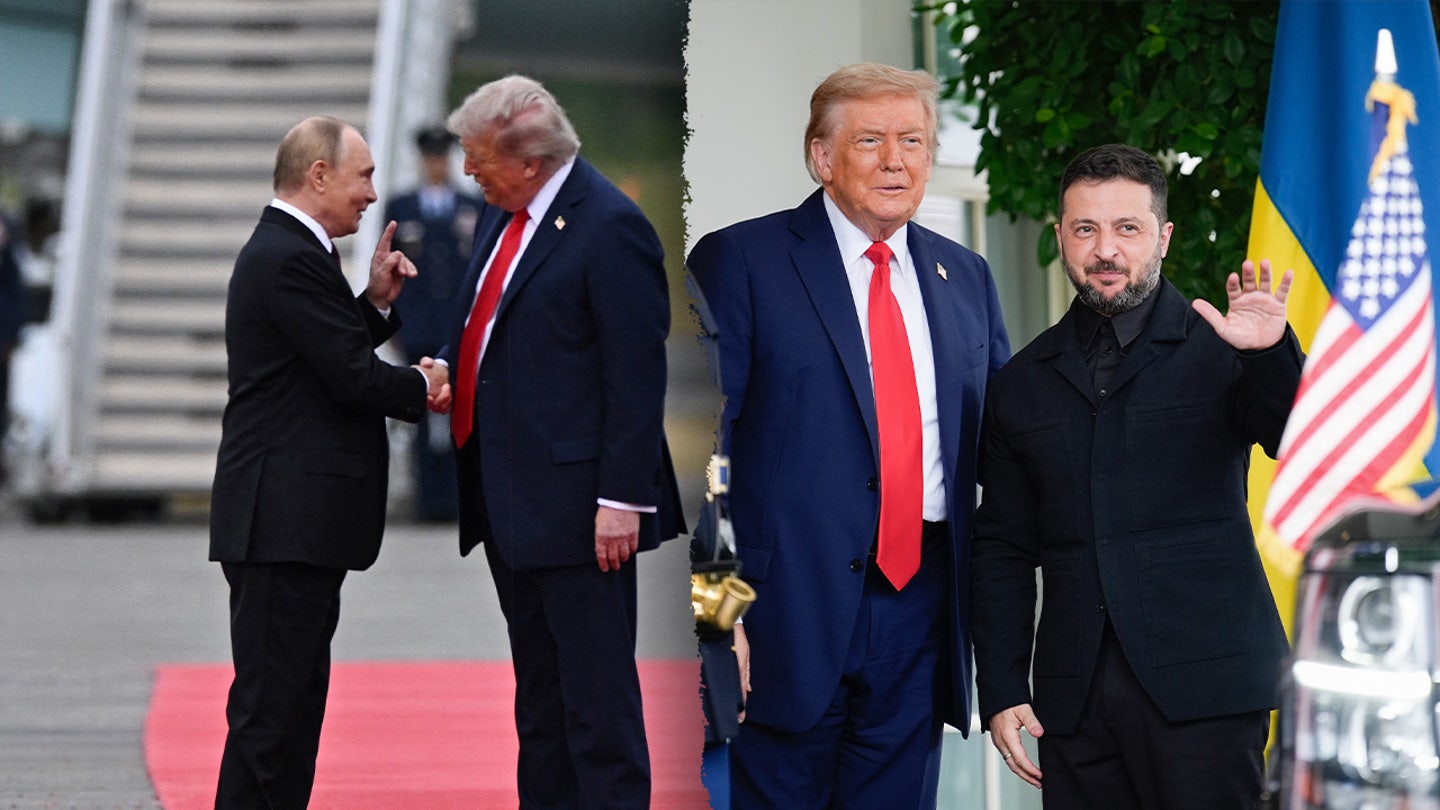
'President of peace': Trump tapped for Nobel Prize amid talks to end Russia-Ukraine war
Entities mentioned:
- Donald Trump: Recognition, Legacy, Power
- Andy Ogles: Loyalty, Influence, Recognition
- Marlin Stutzman: Loyalty, Influence, Recognition
- Vladimir Putin: Power, Control, Influence
- Volodymyr Zelenskyy: Self-preservation, Unity, Security
- House Republicans: Loyalty, Influence, Power
Article Assessment:
Credibility Score: 55/100
Bias Rating: 75/100 (Lean Right)
Sentiment Score: 75/100
Authoritarianism Risk: 40/100 (Generally Democratic)
Bias Analysis:
The article leans heavily right, primarily due to its exclusive focus on positive portrayals of Trump's actions and reliance on Republican sources. The lack of alternative viewpoints or critical analysis of the claims made suggests a significant rightward bias.
Key metric: International Diplomacy and Conflict Resolution
As a social scientist, I analyze that this article presents a highly politicized view of Trump's diplomatic efforts. The nomination for the Nobel Peace Prize by Republican allies appears to be a strategic move to bolster Trump's image as a peacemaker, particularly in the context of the Russia-Ukraine conflict. The article emphasizes Trump's recent meetings with Putin and Zelenskyy, framing them as significant steps towards peace. However, it's important to note that the actual impact of these meetings on the conflict resolution is yet to be seen. The article also references past achievements like the Abraham Accords to strengthen Trump's credentials. This narrative seems designed to position Trump as a unique and effective international negotiator, potentially with an eye towards future political ambitions. The credibility of these claims and their long-term impact on international diplomacy and conflict resolution remain to be evaluated objectively.