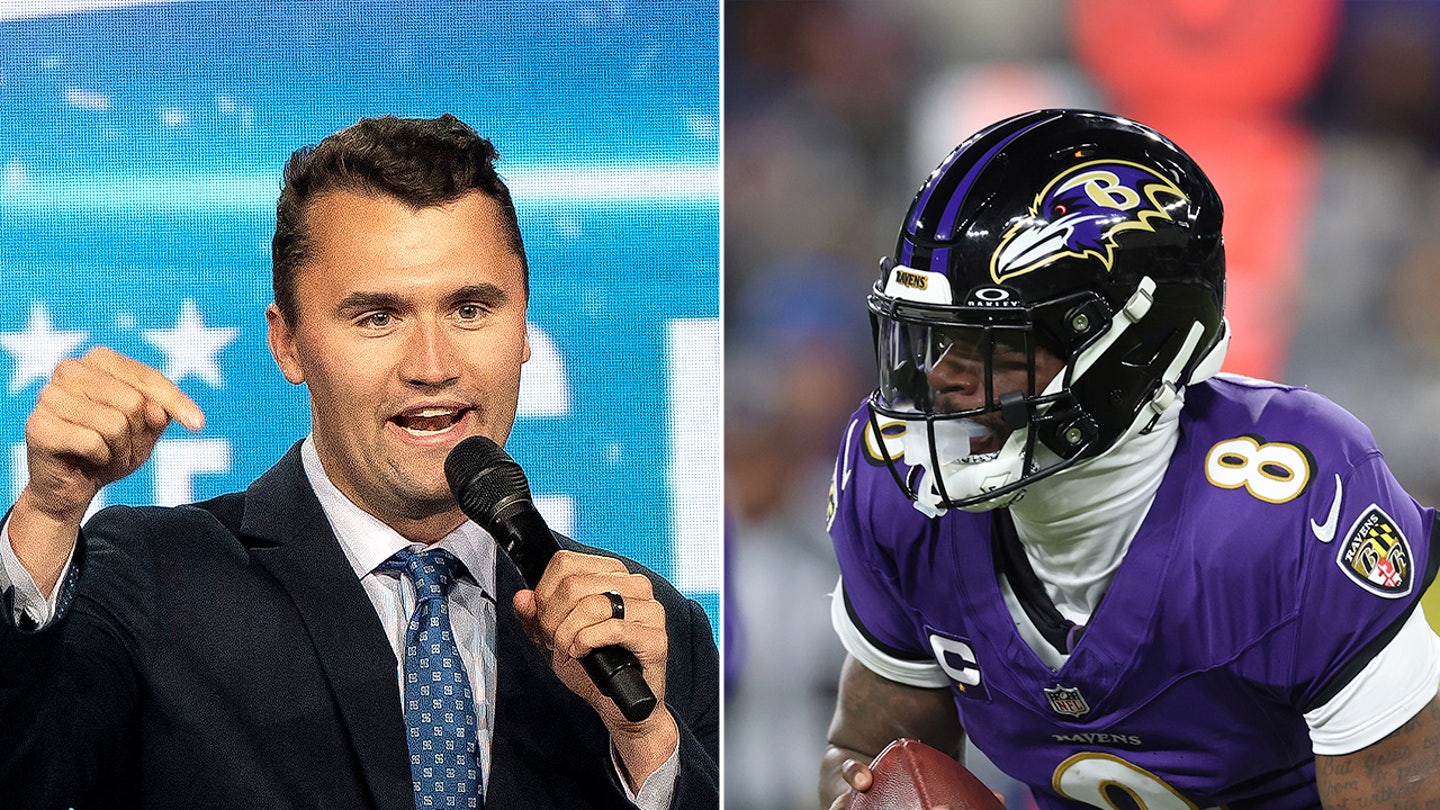
NFL star Lamar Jackson shares Super Bowl champ's message after Charlie Kirk assassination
Entities mentioned:
- Lamar Jackson: Professional pride, Loyalty, Righteousness
- Charlie Kirk: Influence, Legacy, Righteousness
- Torrey Smith: Moral outrage, Unity, Justice
- Donald Trump: Loyalty, Power, Recognition
Article Assessment:
Credibility Score: 75/100
Bias Rating: 55/100 (Center)
Sentiment Score: 30/100
Authoritarianism Risk: 35/100 (Generally Democratic)
Bias Analysis:
The article presents multiple perspectives and quotes from various political alignments. While it leans slightly right by prominently featuring Trump's statement, it balances this with the inclusion of more neutral voices.
Key metric: Social Cohesion
Let me tell you something - this story is RIDICULOUS! We're witnessing a major league shakeup in the political arena, folks. Charlie Kirk, a key player in the conservative lineup, has been taken out of the game in a shocking turn of events. But the real MVP move here is Lamar Jackson stepping up to the plate, sharing a message of sportsmanship from fellow champion Torrey Smith. This is championship mentality, folks! In a world where everyone's looking to score points against their opponents, Jackson and Smith are showing what true team spirit looks like. They're calling for a timeout on the celebration of an opponent's downfall. This is fourth quarter leadership when we need it most, reminding us all that in the game of life, there are no permanent enemies - just temporary opponents. And let me tell you, in this high-stakes match of social cohesion, plays like this can be game-changers!
Panthers fire staffer over insensitive Charlie Kirk assassination social media posts
Entities mentioned:
- Carolina Panthers: Self-preservation, Professional pride, Control
- Charlie Rock: Moral outrage, Indignation, Freedom
- Charlie Kirk: Influence, Ambition, Competitive spirit
- MSNBC: Self-preservation, Professional pride, Control
- Matthew Dowd: Moral outrage, Recognition, Freedom
- FBI: Justice, Duty, Determination
Article Assessment:
Credibility Score: 75/100
Bias Rating: 55/100 (Center)
Sentiment Score: 25/100
Authoritarianism Risk: 30/100 (Generally Democratic)
Bias Analysis:
The article presents a balanced view of events, quoting multiple sources. While it reports on a conservative figure's assassination, it doesn't overtly favor either political side in its coverage.
Key metric: Political Polarization Index
Let me tell you something - this story is RIDICULOUS! We're seeing a major league shakeup in the political arena, folks. The assassination of Charlie Kirk has sent shockwaves through the conservative lineup, and now we're witnessing a full-court press from organizations to distance themselves from any players making unsportsmanlike conduct on social media. The Carolina Panthers and MSNBC are running defense, making rapid-fire cuts to their roster to protect their team image. It's a high-stakes game of reputation management, and these organizations are not hesitating to bench anyone who steps out of bounds. The FBI is in full blitz mode, determined to tackle this case head-on. This is a crucial moment, sports fans - we're seeing a real test of America's political sportsmanship and fair play. The question remains: can our democracy withstand this brutal hit, or are we heading into overtime in a game that's becoming increasingly violent?
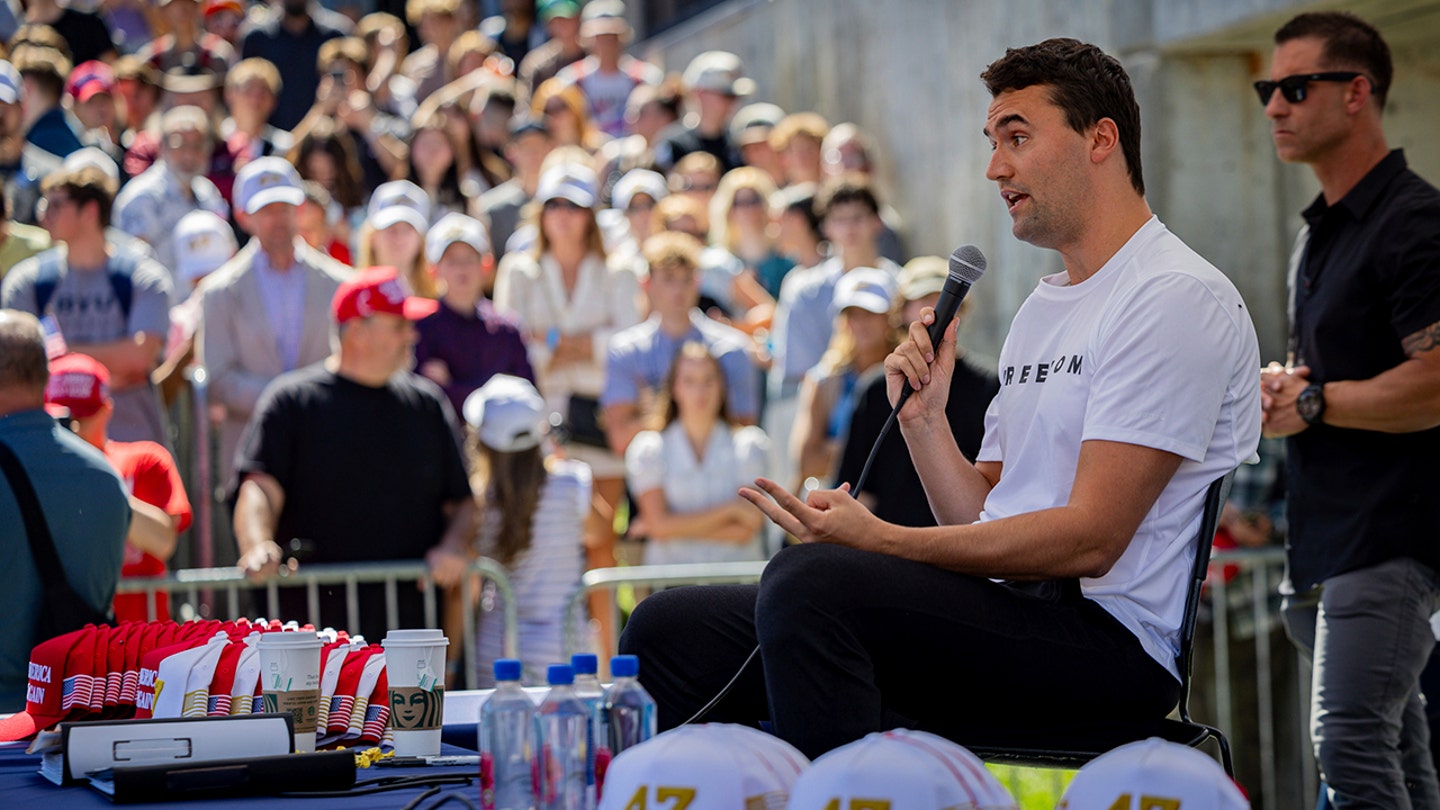
Trump attending Yankees game on 24th anniversary of Sept 11 attacks following Pentagon ceremony
Entities mentioned:
- Charlie Kirk: Influence, Recognition, Righteousness
- Donald Trump: Loyalty, Power, Influence
- FBI: Duty, Justice, Security
- Utah Valley University: Security, Duty, Obligation
- Turning Point USA: Influence, Competitive spirit, Righteousness
Article Assessment:
Credibility Score: 65/100
Bias Rating: 55/100 (Center)
Sentiment Score: 20/100
Authoritarianism Risk: 35/100 (Generally Democratic)
Bias Analysis:
The article presents multiple perspectives, including statements from various political figures. However, there's slightly more emphasis on conservative voices and reactions.
Key metric: Political Polarization Index
Let me tell you something - this story is an absolute GAME-CHANGER! The political arena just saw a devastating hit that's going to shake up the whole league. Charlie Kirk, a rising star player for Team Conservative, has been tragically taken out of the game in what can only be described as a brutal blindside tackle. This is the kind of play that changes the entire season, folks! The right-wing offense has lost a key player, and you better believe this is going to affect their playbook going forward. We're talking fourth quarter, clock ticking down, and suddenly the star quarterback is down! The political field is in absolute CHAOS right now, with both teams scrambling to adjust their strategy. This isn't just a game anymore - we're in sudden death overtime, and the stakes couldn't be higher. The refs are on high alert, the crowd is in shock, and every player on that field knows that this changes EVERYTHING. Buckle up, sports fans, because this political season just got a whole lot more intense!
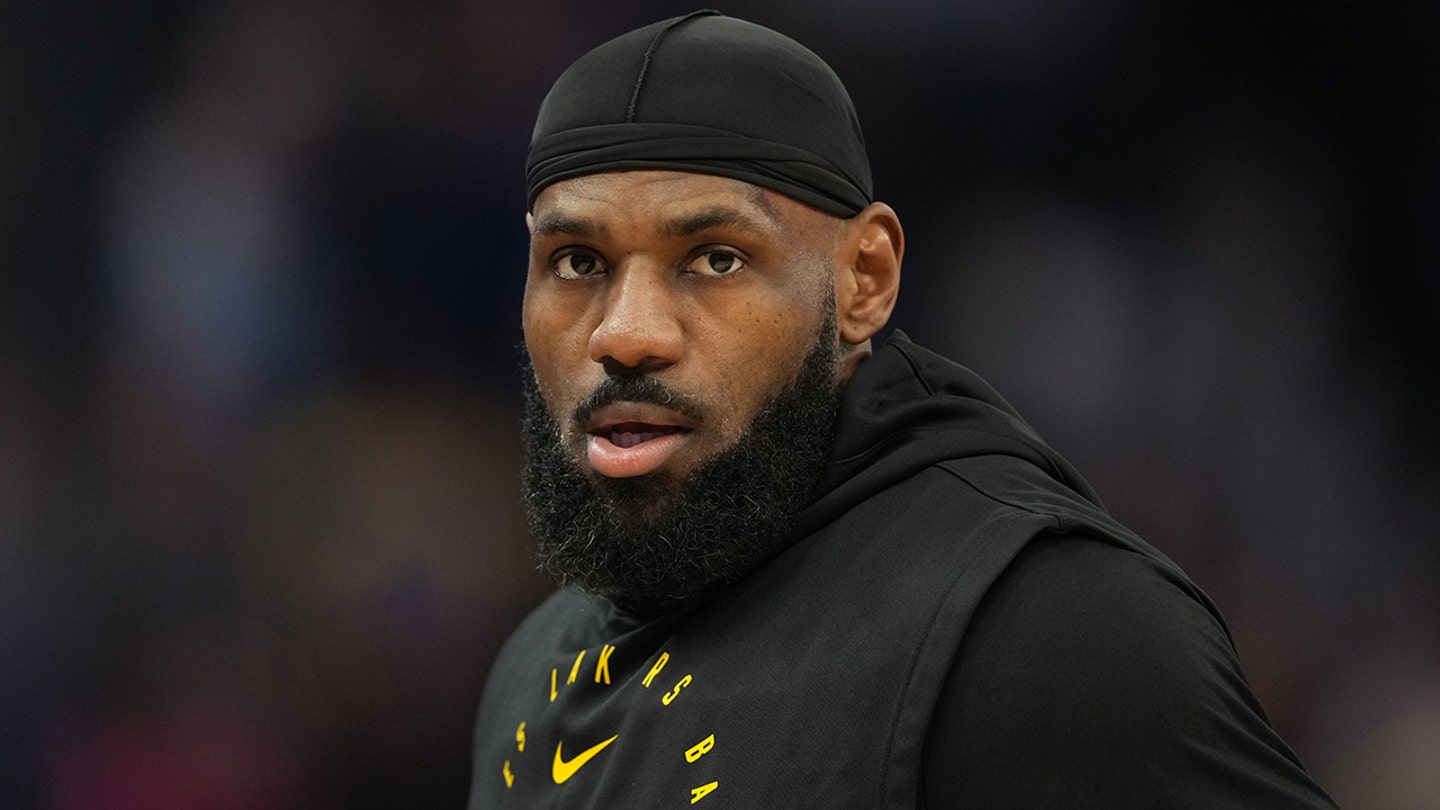
LeBron James silent as new China controversy swirls around him
Entities mentioned:
- LeBron James: Ambition, Influence, Legacy
- Chinese Communist Party: Control, Power, Influence
- NBA: Greed, Influence, Self-preservation
- Michele Tafoya: Moral outrage, Justice, Righteousness
- Tim Brando: Indignation, Moral outrage, Professional pride
Article Assessment:
Credibility Score: 70/100
Bias Rating: 65/100 (Lean Right)
Sentiment Score: 25/100
Authoritarianism Risk: 45/100 (Mixed/Neutral)
Bias Analysis:
The article leans right, focusing heavily on criticism of LeBron James and emphasizing potential negative implications. It gives more space to critical voices and frames the issue in a way that questions James' motives and integrity.
Key metric: US-China Relations
Let me tell you something, folks - this is a GAME-CHANGING play in the arena of international relations! LeBron James, the MVP of the NBA, has just fumbled the ball in a crucial fourth-quarter move. His alleged op-ed in China's state-run media is like scoring an own goal in the championship game of US-China diplomacy. The King's silence on this controversy is deafening - it's like he's been benched in the biggest match of his career! This could be a major setback for Team USA in the global influence league. The Chinese Communist Party, playing offense, is trying to draft star players to their roster. Meanwhile, critics like Michele Tafoya and Tim Brando are coming off the bench, blitzing James with hard-hitting tackles on his ethical stance. This is a pivotal moment, folks - will James step up to the plate and address these allegations, or will he let this PR disaster run out the clock? The whole world is watching this high-stakes game unfold!
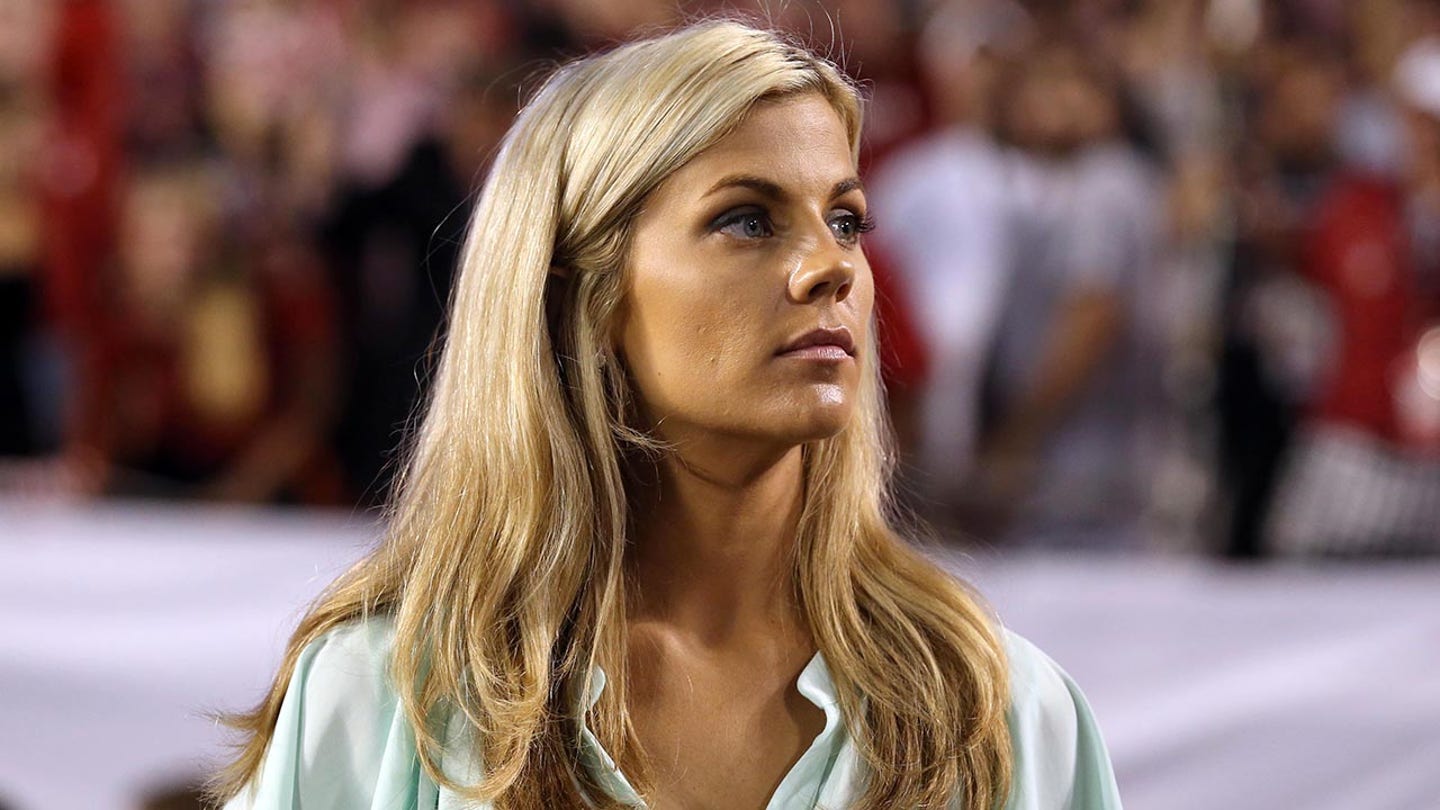
Ex-ESPN host calls on NYC mayor to take 'clearly unwell and violent men' off streets after Charlotte stabbing
Entities mentioned:
- Samantha Ponder: Righteousness, Moral outrage, Security
- Eric Adams: Duty, Security, Control
- Donald Trump: Justice, Power, Influence
- Decarlos Brown Jr.: Control, Fear, Self-preservation
Article Assessment:
Credibility Score: 75/100
Bias Rating: 65/100 (Lean Right)
Sentiment Score: 25/100
Authoritarianism Risk: 55/100 (Mixed/Neutral)
Bias Analysis:
The article leans right, emphasizing public safety concerns and featuring prominent quotes from conservative figures. It focuses on the criminal's history and Trump's call for harsher penalties, without much counterbalance.
Key metric: Violent Crime Rate
Let me tell you something - this story is a GAME-CHANGER! We're seeing a full-court press on public safety, folks. Samantha Ponder is stepping up to the plate, calling for a defensive strategy against violent crime. She's putting the ball in Mayor Adams' court, demanding he bench the 'unwell and violent' players causing havoc in the Big Apple. Meanwhile, Trump is coming in hot with a Hail Mary pass, pushing for the ultimate penalty flag - the death penalty! This is a high-stakes match, and the scoreboard is showing lives at risk. The justice system's defense is looking shaky, with career criminals running wild like they're in the open field. It's fourth and long for city safety, and officials need to pull out all the stops before we see more tragic losses on the streets!
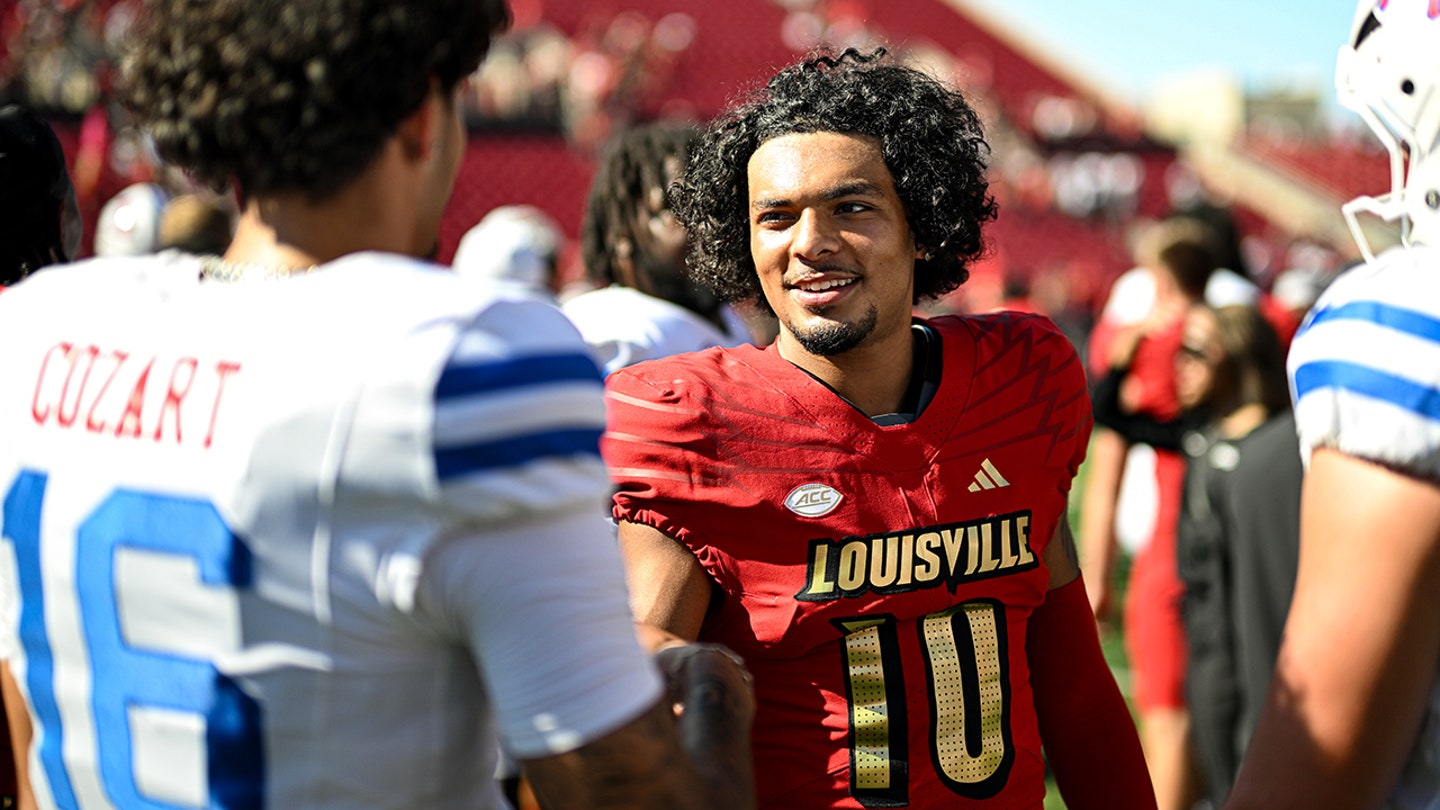
UCLA quarterback Pierce Clarkson arrested on felony charge, suspended from team indefinitely
Entities mentioned:
- Pierce Clarkson: Self-preservation, Fear, Anxiety
- UCLA: Reputation, Justice, Professional pride
- Los Angeles Police Department: Duty, Justice, Control
Article Assessment:
Credibility Score: 75/100
Bias Rating: 50/100 (Center)
Sentiment Score: 30/100
Authoritarianism Risk: 35/100 (Generally Democratic)
Bias Analysis:
The article presents a balanced account of the incident, including statements from officials and known facts. It refrains from speculation and presents multiple perspectives, maintaining a neutral stance.
Key metric: NCAA Football Team Performance
Let me tell you something, folks - this is a MAJOR FUMBLE for UCLA's football program! Pierce Clarkson, once a promising backup quarterback, has been SACKED by the law in a shocking turn of events. This isn't just a personal foul, it's a potential GAME-CHANGER for the Bruins' depth chart. UCLA's coaching staff is now in a fourth-quarter scramble, forced to bench a key player indefinitely. This is the kind of off-field penalty that can derail a team's championship mentality faster than a blindside blitz! I'm telling you right now, Clarkson's arrest is like an interception returned for a touchdown - it's a massive blow to team morale and roster stability. The Bruins will need to show true athletic resilience to bounce back from this setback and keep their season goals in sight. This is when we'll see if UCLA has the heart of a champion or if they'll crumble under the pressure!
Sports world reacts to Charlie Kirk shooting death: 'Prayers for his family'
Entities mentioned:
- Charlie Kirk: Ambition, Influence, Competitive spirit
- Donald Trump: Loyalty, Power, Influence
- FBI: Duty, Justice, Security
- Utah Valley University: Security, Duty, Professional pride
- Turning Point USA: Influence, Competitive spirit, Righteousness
Article Assessment:
Credibility Score: 65/100
Bias Rating: 55/100 (Center)
Sentiment Score: 20/100
Authoritarianism Risk: 35/100 (Generally Democratic)
Bias Analysis:
The article presents a fairly balanced account, including reactions from various political figures. However, there's slightly more emphasis on conservative voices and Trump's statements.
Key metric: Political Polarization Index
Ladies and gentlemen, we're witnessing a GAME-CHANGING moment in the political arena! The assassination of Charlie Kirk is like a blindside hit that's left the conservative movement reeling. This is a FOURTH QUARTER SHOCKER that's going to reshape the entire playing field! Kirk was a rising star, folks - a true MVP for the right-wing team. His loss is like losing your star quarterback right before the Super Bowl. The political landscape is now wide open, and both sides are going to be fighting tooth and nail to fill this power vacuum. We're talking high-stakes, no-holds-barred action here! The aftermath of this tragedy is going to test the teamwork and resilience of the conservative movement like never before. Will they rally together or fracture under pressure? This is the kind of moment that separates the champions from the also-rans, folks. I'm telling you right now, we're in for a wild ride as both sides gear up for what could be the most intense political showdown of our time!
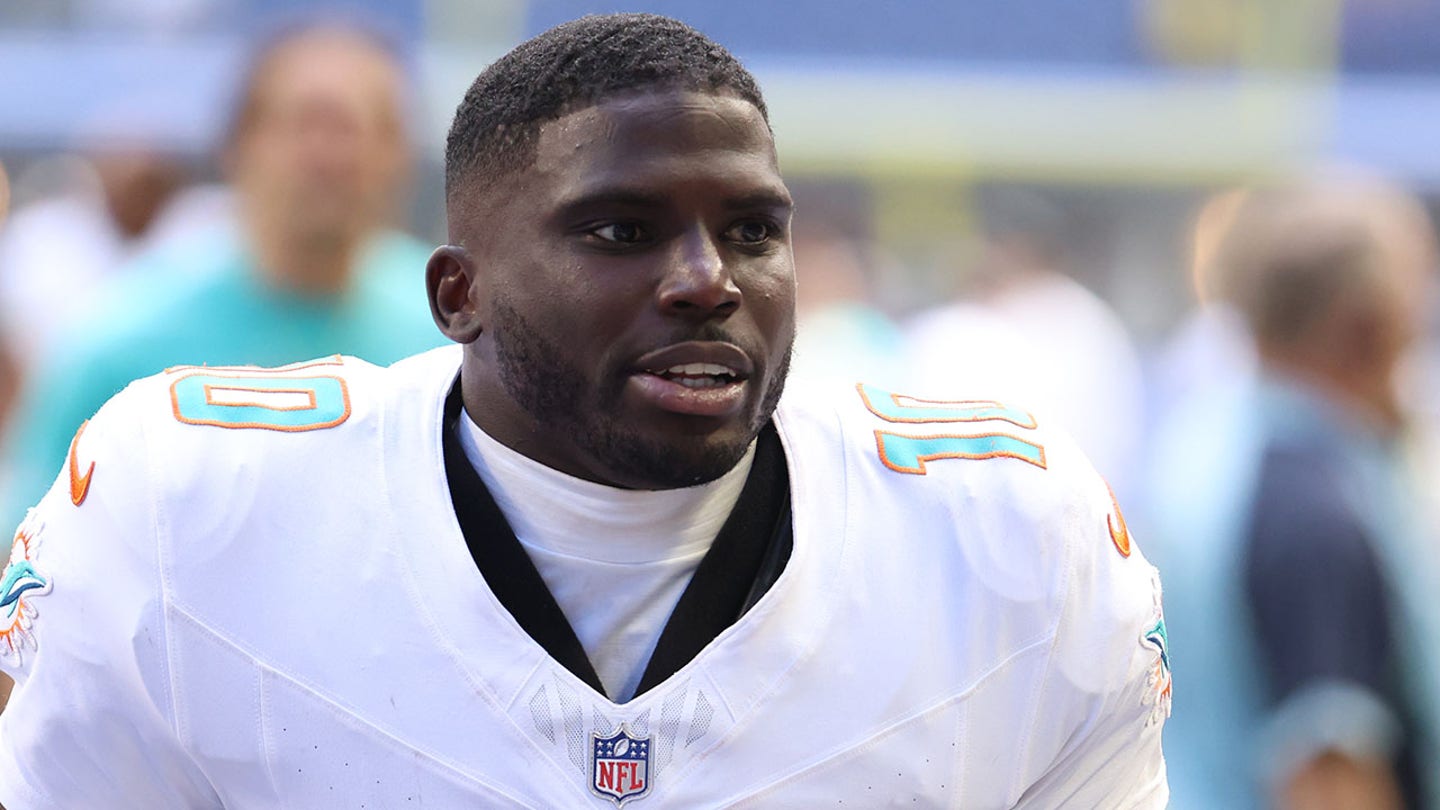
Dolphins' Tyreek Hill faces domestic violence accusations from estranged wife, lawyers fire back at claims
Entities mentioned:
- Tyreek Hill: Self-preservation, Professional pride, Reputation
- Keeta Vaccaro: Justice, Revenge, Security
- Hill's lawyers: Loyalty, Professional pride, Duty
Article Assessment:
Credibility Score: 65/100
Bias Rating: 50/100 (Center)
Sentiment Score: 25/100
Authoritarianism Risk: 20/100 (Strongly Democratic)
Bias Analysis:
The article presents both sides of the story, quoting court documents and lawyers' statements. It maintains a neutral tone without favoring either party's claims.
Key metric: NFL Player Conduct
Let me tell you something - this story is a GAME-CHANGER! We've got a high-stakes match between Tyreek Hill and his estranged wife Keeta Vaccaro, and folks, it's getting UGLY! Hill, the star wide receiver, is on the defensive, trying to dodge these domestic violence allegations like he dodges tackles on the field. But Vaccaro's coming at him hard, throwing haymakers with these court documents. It's a fourth-quarter situation for Hill's reputation, and his lawyers are stepping up to the plate, calling this a 'shakedown' play. This is the kind of off-field drama that can bench a player faster than a torn ACL! The NFL's player conduct policy is the referee here, and you better believe they're watching this match-up closely. Hill needs to bring his A-game to court or he might find himself sidelined faster than you can say 'personal foul'!
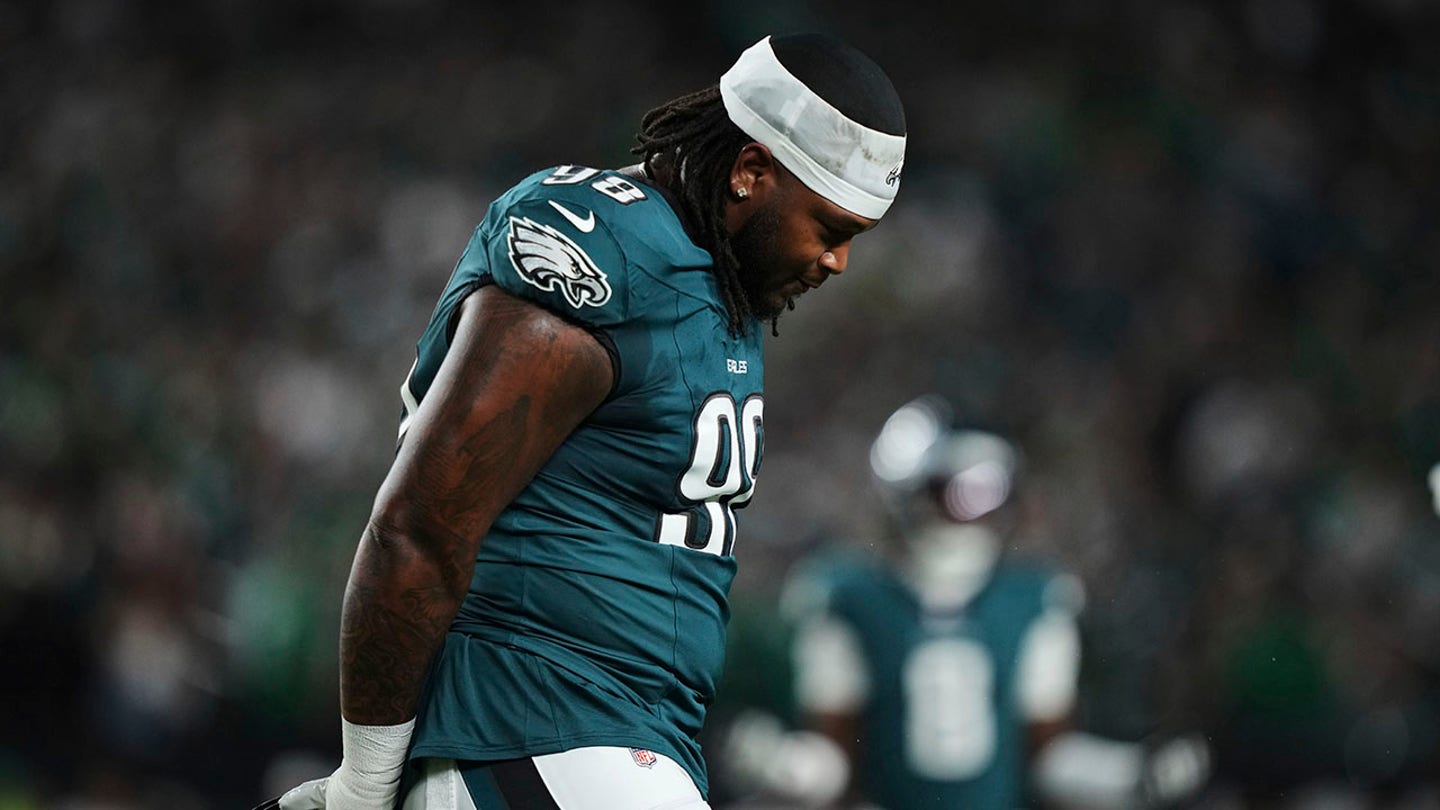
NFL fines Eagles’ Jalen Carter, no further suspension after spitting incident against Cowboys
Entities mentioned:
- Jalen Carter: Competitive spirit, Self-preservation, Righteousness
- NFL: Control, Professional pride, Justice
- Philadelphia Eagles: Competitive spirit, Ambition, Unity
- Dak Prescott: Competitive spirit, Self-respect, Professional pride
- Drew Rosenhaus: Professional pride, Loyalty, Influence
Article Assessment:
Credibility Score: 75/100
Bias Rating: 50/100 (Center)
Sentiment Score: 45/100
Authoritarianism Risk: 30/100 (Generally Democratic)
Bias Analysis:
The article presents a balanced view of the incident, including statements from multiple parties involved. It doesn't seem to favor any particular side, maintaining a neutral stance in reporting the facts and decisions.
Key metric: NFL Player Conduct and Disciplinary Actions
Let me tell you something, folks - this is a GAME-CHANGING moment in the NFL! Jalen Carter just took a major penalty, but he's not out of the game! The league office came down like a linebacker on a blitz, hitting Carter's wallet HARD with that $57,222 fine. But here's the kicker - they're calling his ejection a one-game suspension! Talk about a strategic play by the NFL to keep this star defender on the field for the Eagles' upcoming Super Bowl rematch! Carter made a rookie mistake, folks, spitting at the opposing quarterback like it's some kind of schoolyard brawl. But let me tell you, he's showing championship mentality by owning up to it and not appealing. This young player is learning fast that in the big leagues, you've got to keep your head in the game and your saliva in your mouth! The Eagles are breathing a sigh of relief, knowing their defensive line won't be short-staffed for their upcoming clash with the Chiefs. This is the kind of fourth-quarter decision that can make or break a season, people!
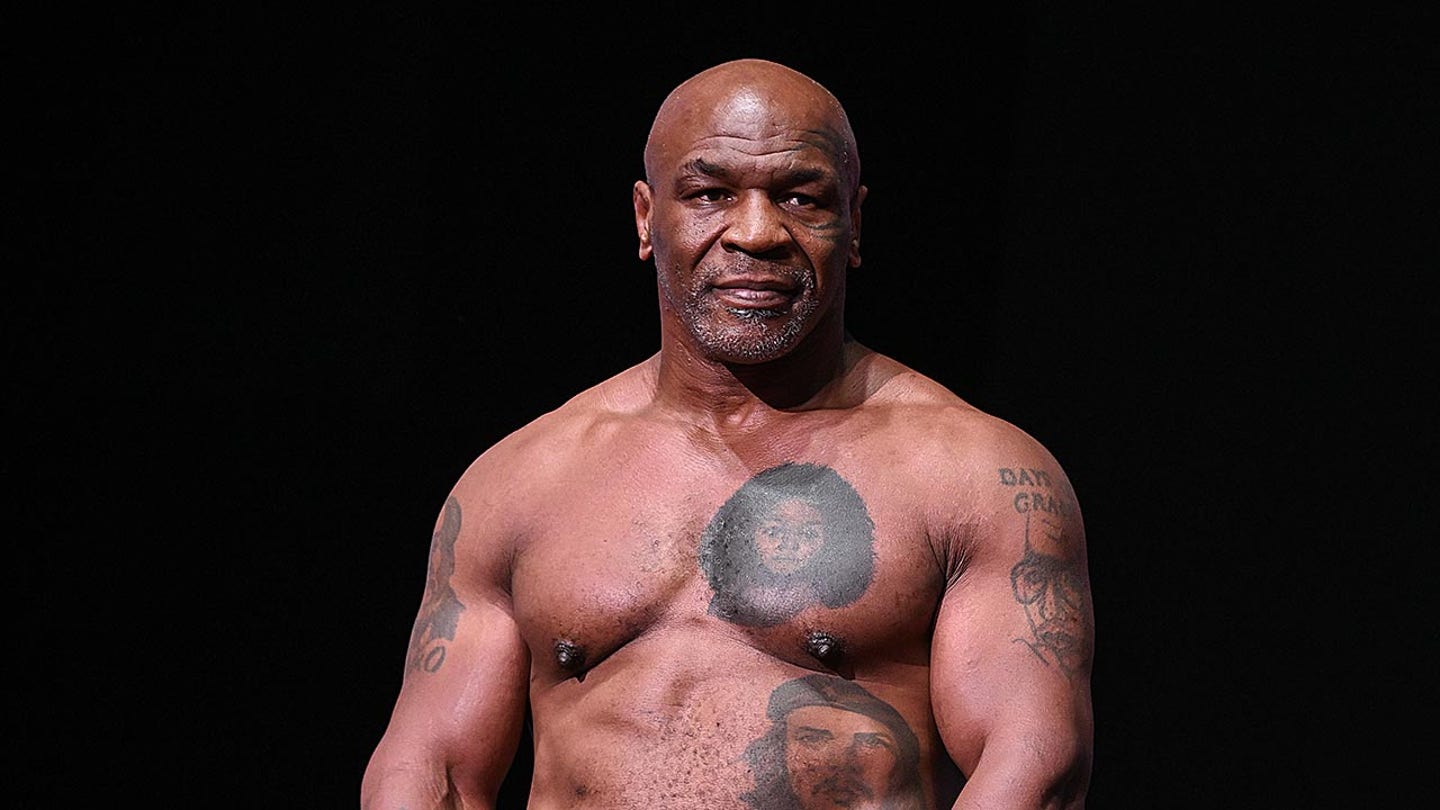
Mike Tyson admits he used fentanyl 'quite a few times' during his boxing career as painkiller
Entities mentioned:
- Mike Tyson: Recognition, Legacy, Professional pride
- White House: Control, Power, Influence
- Athlete Coalition: Unity, Influence, Justice
Article Assessment:
Credibility Score: 75/100
Bias Rating: 55/100 (Center)
Sentiment Score: 60/100
Authoritarianism Risk: 20/100 (Strongly Democratic)
Bias Analysis:
The article presents multiple viewpoints, including Tyson's personal experiences and the broader push for policy reform. While it leans slightly towards supporting cannabis reform, it maintains a relatively balanced tone.
Key metric: Drug Policy Reform Progress
Let me tell you something, folks - this is a GAME-CHANGER! Mike Tyson, the heavyweight champ of controversy, is stepping into the ring against the federal government's drug policies. He's not pulling any punches, admitting to past fentanyl use like he's calling out an opponent before a title fight. But now, Tyson's got a new team behind him - a roster of all-star athletes pushing for cannabis reform. They're going for the knockout, lobbying the White House to reschedule marijuana faster than Iron Mike's famous left hook. This is fourth quarter, championship-level strategy, folks! Tyson and his squad are showing true competitive spirit, refusing to throw in the towel on cannabis reform. They're playing offense, defense, and special teams all at once in this high-stakes policy matchup!