
Tel Aviv soccer derby canceled by police due to ‘violent riots’
Entities mentioned:
- Hapoel Tel Aviv: Competitive spirit, Pride, Indignation
- Maccabi Tel Aviv: Competitive spirit, Pride, Self-preservation
- Israel Police: Control, Security, Duty
- West Midlands Police: Security, Control, Wariness
- Keir Starmer: Justice, Righteousness, Duty
Article Assessment:
Credibility Score: 75/100
Bias Rating: 50/100 (Center)
Sentiment Score: 25/100
Authoritarianism Risk: 40/100 (Generally Democratic)
Bias Analysis:
The article presents multiple perspectives, including police statements and team responses. It provides context with previous incidents, maintaining a balanced approach to the situation.
Key metric: Public Safety at Sporting Events
Let me tell you something, folks - this is RIDICULOUS! The Tel Aviv derby just got red-carded before the opening whistle! We're talking about a championship mentality clash between Hapoel and Maccabi that turned into an all-out brawl in the stands! The police came in like a defensive line, but instead of containing the play, they shut down the whole stadium! This is a GAME-CHANGING move that's gonna echo through the league. Now, you've got Hapoel crying foul, saying the cops were suited up for war, not a sporting event. Talk about unnecessary roughness! And let's not forget, Maccabi's already benched for their away game against Aston Villa. These teams are facing a serious penalty situation that could affect their whole season. I'm telling you right now, this is fourth quarter, do-or-die time for soccer safety in Israel. The league needs to step up to the plate and show some real coaching, or we might see more games called on account of fan misconduct. This is a pivotal moment, folks - will they drop the ball or score a game-winning touchdown for public safety?
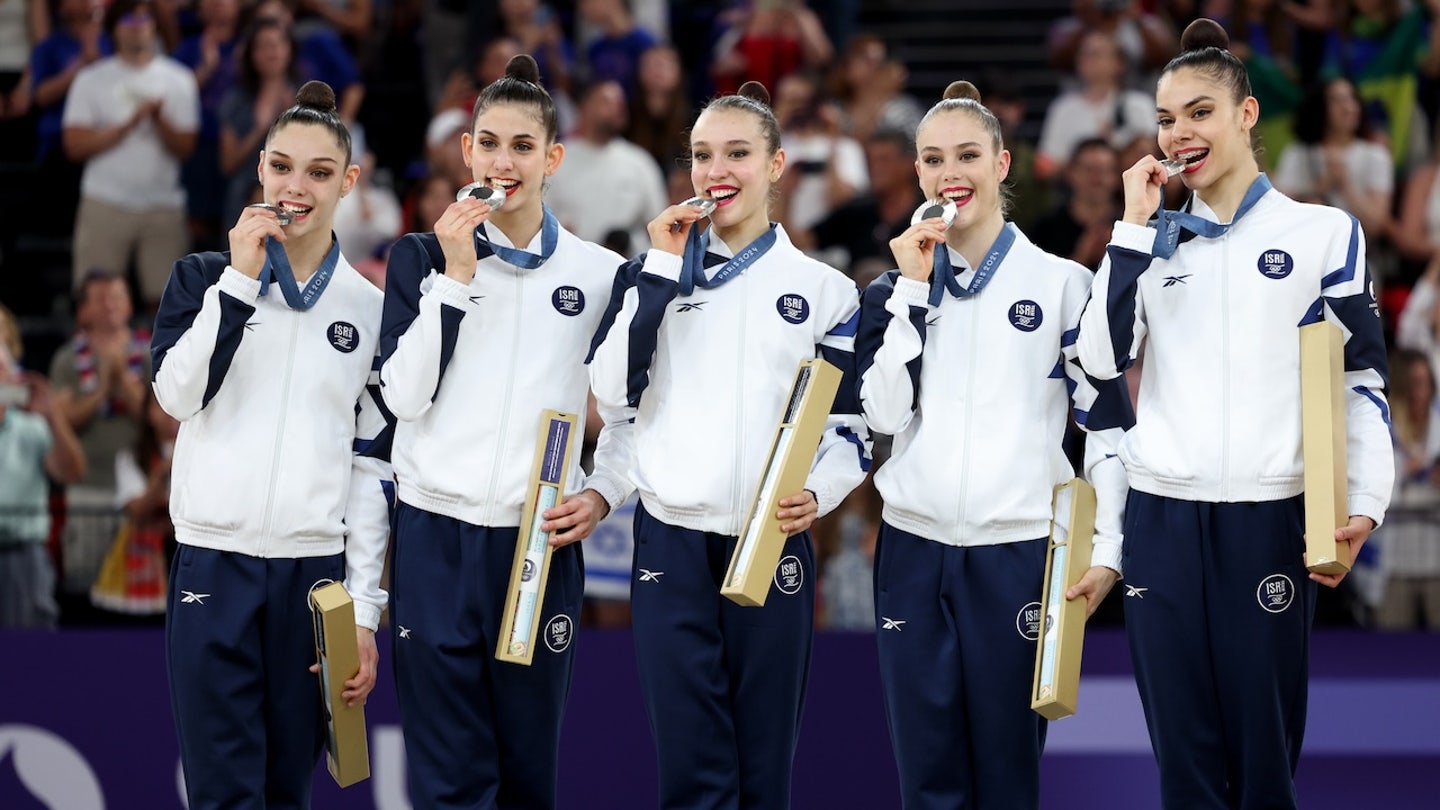
Indonesia denies Team Israel travel visas, prompting criticism by International Olympic Committee
Entities mentioned:
- International Olympic Committee (IOC): Righteousness, Justice, Professional pride
- Indonesian government: Control, Moral outrage, Influence
- Israel's national gymnastics team: Competitive spirit, Determination, Pride
- Court of Arbitration for Sport (CAS): Justice, Duty, Professional pride
- Israel Gymnastics Federation (IGF): Justice, Competitive spirit, Indignation
Article Assessment:
Credibility Score: 75/100
Bias Rating: 55/100 (Center)
Sentiment Score: 30/100
Authoritarianism Risk: 55/100 (Mixed/Neutral)
Bias Analysis:
The article presents multiple perspectives, including statements from the IOC, Indonesia, and Israel. While it leans slightly towards criticizing Indonesia's decision, it maintains a relatively balanced approach by providing context and various viewpoints.
Key metric: International Sports Participation
Let me tell you something, folks - this is a GAME-CHANGING play in the world of international sports! The Indonesian government has just thrown a MASSIVE curveball at Team Israel, denying them entry to the gymnastics world championships. It's like they've been hit with a red card before even stepping onto the field! The IOC is coming out swinging, calling foul on this blatant violation of the Olympic spirit. We're talking about a major league fumble here, with Indonesia potentially facing some serious penalties from the sports world's top brass. This isn't just about gymnastics, folks - it's about the very essence of fair play and sportsmanship on the global stage. The Israeli team has been training for years, pushing themselves to the limit, only to be benched by political maneuvers. It's fourth quarter, crunch time in international sports diplomacy, and all eyes are on how the big players like the IOC will respond. Will they make a game-winning play to ensure fair competition, or will we see a complete breakdown of the rules of engagement? I'm telling you right now, this is one for the history books!
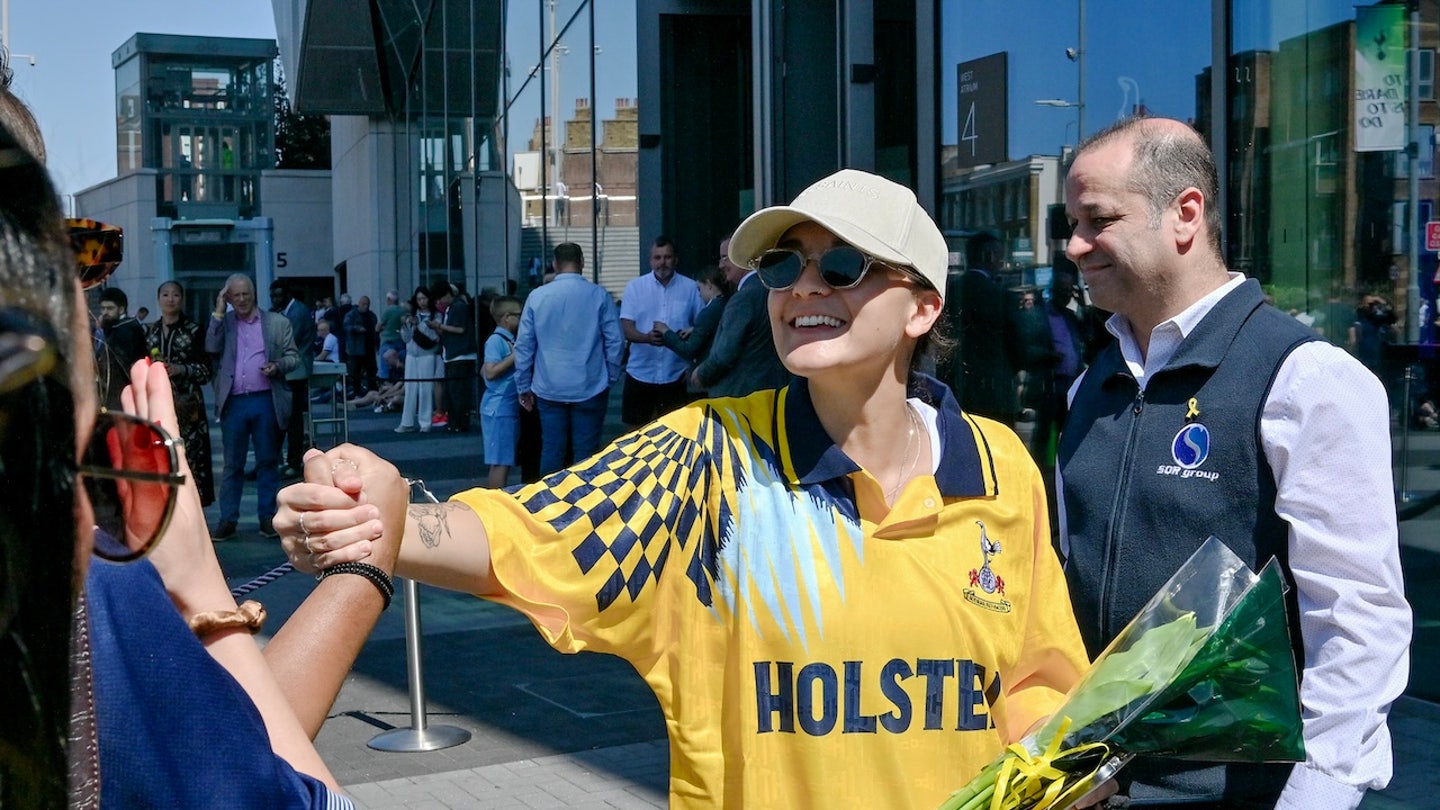
Freed hostage laments Israeli fans being barred from UK soccer game over concerns of pro-Palestinian protests
Entities mentioned:
- Emily Damari: Loyalty, Pride, Indignation
- Maccabi Tel Aviv: Competitive spirit, Pride, Unity
- Aston Villa: Security, Control, Professional pride
- Keir Starmer: Justice, Influence, Unity
Article Assessment:
Credibility Score: 75/100
Bias Rating: 55/100 (Center)
Sentiment Score: 30/100
Authoritarianism Risk: 35/100 (Generally Democratic)
Bias Analysis:
The article presents multiple viewpoints, including criticism and support for the decision. However, it leans slightly towards sympathizing with Israeli fans and emphasizes challenges faced by Israeli teams.
Key metric: International Relations Score
Ladies and gentlemen, we're witnessing a MAJOR FOUL on the global playing field! The decision to bench Maccabi Tel Aviv fans is like ejecting a star player before the big game! This is a GAME-CHANGING MOVE that's got the potential to shift the entire scoreboard of international relations. We're talking about a FOURTH QUARTER DECISION that could have ripple effects across the league of nations. Let me tell you something - this isn't just about soccer anymore, folks. This is about the CHAMPIONSHIP OF HUMAN RIGHTS and FAIR PLAY! The UK's game plan is under scrutiny, and they're facing some serious defensive pressure. Will they make a clutch play and overturn this call, or are we looking at a major upset in the standings of global diplomacy? Stay tuned, sports fans, because this match is far from over!
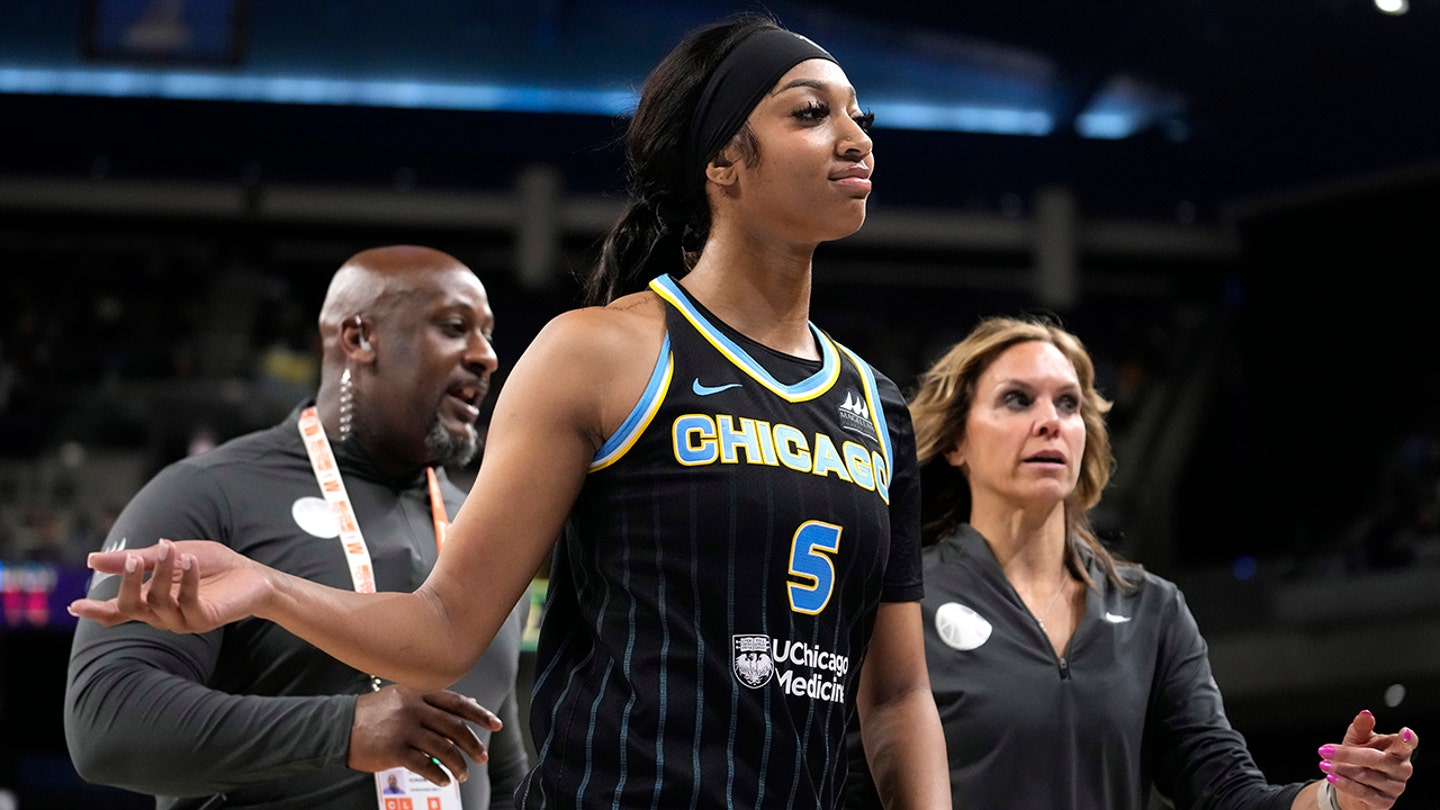
WNBA star Angel Reese says she'd rather pay a fine than speak to reporters
Entities mentioned:
- Angel Reese: Self-preservation, Professional pride, Wariness
- WNBA: Control, Justice, Professional pride
- Chicago Sky: Competitive spirit, Loyalty, Unity
- Caitlin Clark: Competitive spirit, Recognition, Ambition
- Media: Influence, Recognition, Curiosity
Article Assessment:
Credibility Score: 70/100
Bias Rating: 55/100 (Center)
Sentiment Score: 30/100
Authoritarianism Risk: 35/100 (Generally Democratic)
Bias Analysis:
The article presents multiple perspectives, including Reese's views and official statements. However, it leans slightly towards Reese's perspective, giving her more space to explain her position.
Key metric: WNBA Player-Media Relations
Let me tell you something - this story is a GAME-CHANGER! Angel Reese is stepping up to the plate and calling out the media like it's the fourth quarter of a championship game! She's showing a championship mentality by putting her professional pride on the line, folks. The WNBA, acting like a tough coach, is trying to keep control of the game, but Reese is running a fast break on their playbook. This is a classic matchup between a star player and the league's front office, with the media playing defense. Reese is making power moves, treating interviews like they're high-pressure free throws - she'd rather take the technical foul than risk a turnover to the press. I'm telling you right now, this kind of player-media tension could be a game-changer for how athletes interact with reporters in the future. It's crunch time for the WNBA to address these concerns and level the playing field!
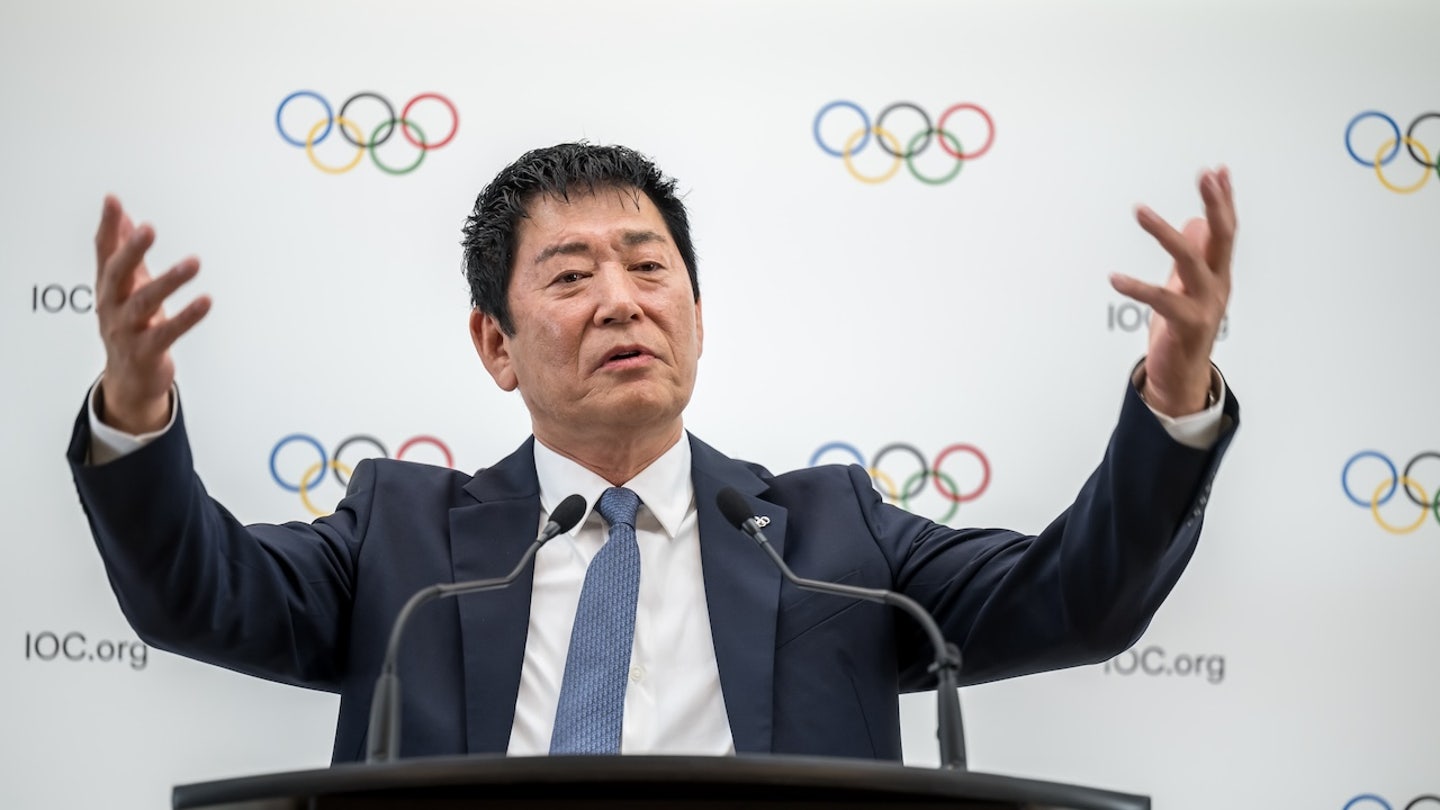
Indonesia's treatment of Israeli gymnasts prompts criticism but also acceptance from sport's global chief
Entities mentioned:
- Indonesian government: Control, Security, Unity
- International Gymnastics Federation (FIG): Unity, Obligation, Professional pride
- Morinari Watanabe: Duty, Diplomacy, Unity
- International Olympic Committee (IOC): Justice, Unity, Professional pride
- Israeli national gymnastics team: Competitive spirit, Recognition, Self-respect
Article Assessment:
Credibility Score: 75/100
Bias Rating: 55/100 (Center)
Sentiment Score: 30/100
Authoritarianism Risk: 55/100 (Mixed/Neutral)
Bias Analysis:
The article presents multiple viewpoints, including those of FIG, IOC, and the Israeli team. While it leans slightly towards criticizing Indonesia's decision, it also presents Indonesia's security justification.
Key metric: International Sports Participation Equality
Let me tell you something - this situation is a GAME-CHANGER, folks! We're seeing a major PENALTY FLAG thrown on the field as Indonesia's government blocks Israel from competing in the gymnastics World Championships. This is like denying a team their shot at the playoffs! The FIG and IOC are trying to play referee, but they're caught between a rock and a hard place. On one side, we've got the Indonesian government playing defense, citing security concerns. On the other, we've got the Israeli team being denied their chance to step up to the plate. The FIG is walking a tightrope here, folks, trying to balance fair play with player safety. But let's be clear - in the world of international sports, EVERYONE should get their shot at glory. This is a fourth-quarter decision that could have major implications for future tournaments. The question now is: will other countries follow Indonesia's playbook, or will the sports world unite to ensure a level playing field for all? This is the kind of controversy that can change the whole game, and I'm telling you right now, we'll be feeling the aftershocks of this decision for seasons to come!
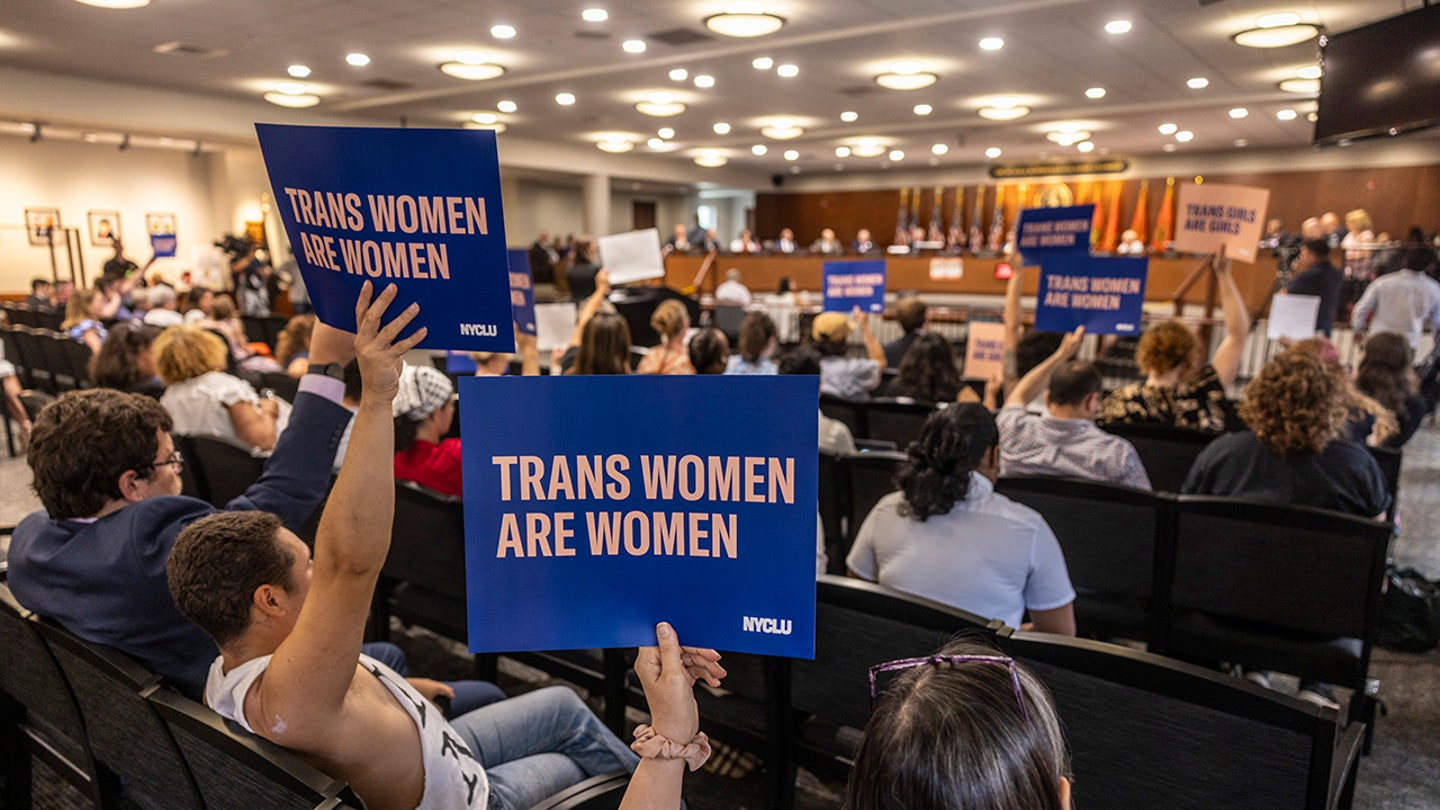
Trans athlete researcher rejects open category proposal at conference, says most would 'quit their sport'
Entities mentioned:
- Joanna Marie Harper: Determination, Professional pride, Justice
- Jon Pike: Fairness, Professional pride, Duty
- Transgender Athletes: Recognition, Self-respect, Competitive spirit
- State Governments: Control, Fairness, Obligation
Article Assessment:
Credibility Score: 70/100
Bias Rating: 55/100 (Center)
Sentiment Score: 40/100
Authoritarianism Risk: 35/100 (Generally Democratic)
Bias Analysis:
The article presents viewpoints from both sides of the debate, quoting experts with opposing views. However, it gives slightly more space to Harper's perspective, potentially leaning towards a more trans-inclusive stance.
Key metric: Gender Equality in Sports Participation
Let me tell you something, folks - this transgender athlete debate is turning into a FULL-COURT PRESS! We've got players from both teams bringing their A-game to this heated match-up. On one side, we've got Joanna Marie Harper, a real MVP for trans athletes, stepping up to the plate and REJECTING the idea of an open category faster than a power forward swats away a weak layup attempt. She's saying loud and clear that forcing trans women to compete with cisgender men is like asking a lightweight boxer to step into the ring with heavyweights - it's just not a fair fight! But hold on to your jerseys, because on the other side, we've got Jon Pike calling for a whole new playing field with this open category idea. It's a bold strategy, Cotton, let's see if it pays off for him! Meanwhile, state governments are running their own defensive formations, with 29 states already putting up a WALL against trans athletes in women's sports. This is a high-stakes game, folks, and we're only in the second quarter. The scoreboard on gender equality in sports is lighting up like it's championship night, and I'm telling you right now, this match is going into overtime!
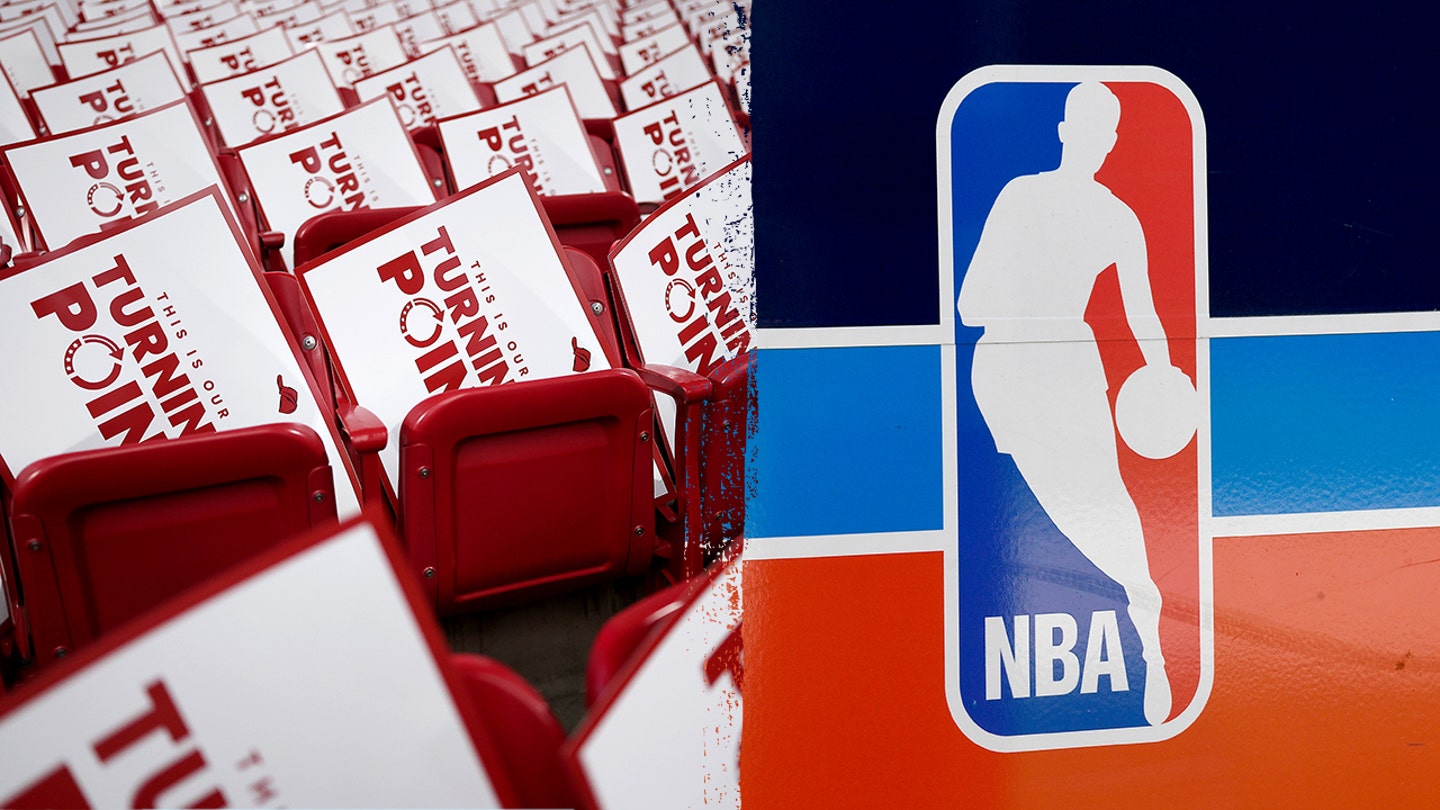
Turning Point USA calls for NBA employee to be fired for crude remarks about Charlie Kirk's assassination
Entities mentioned:
- Turning Point USA: Justice, Righteousness, Indignation
- NBA: Self-preservation, Professional pride, Control
- Charlie Kirk: Legacy, Influence, Ambition
- NBA Employee: Moral outrage, Indignation, Self-expression
Article Assessment:
Credibility Score: 70/100
Bias Rating: 65/100 (Lean Right)
Sentiment Score: 25/100
Authoritarianism Risk: 35/100 (Generally Democratic)
Bias Analysis:
The article leans right, focusing on the conservative perspective and framing the NBA employee negatively. It primarily presents TPUSA's side, with limited context on opposing viewpoints.
Key metric: Political Polarization Index
Let me tell you something, folks - this story is a FULL COURT PRESS of controversy! We're seeing a real clash of titans here, with Turning Point USA charging down the court, demanding the NBA step up its defense and eject a player from the game entirely. The NBA's current strategy? A two-week suspension - but that's like trying to win a championship with just a free throw, people! This employee's social media fumble has turned into a political football, and now we're watching to see if the NBA has the guts to make the tough call and send this player to the showers for good. It's fourth quarter, the clock is ticking, and the pressure is ON! Will the NBA buckle under the full-court press from TPUSA, or will they dig in their heels and defend their own? This is the kind of high-stakes play that can make or break a season, folks! The political arena is as charged as any playoff game right now, and I'm telling you, this is the kind of move that separates the champions from the also-rans!
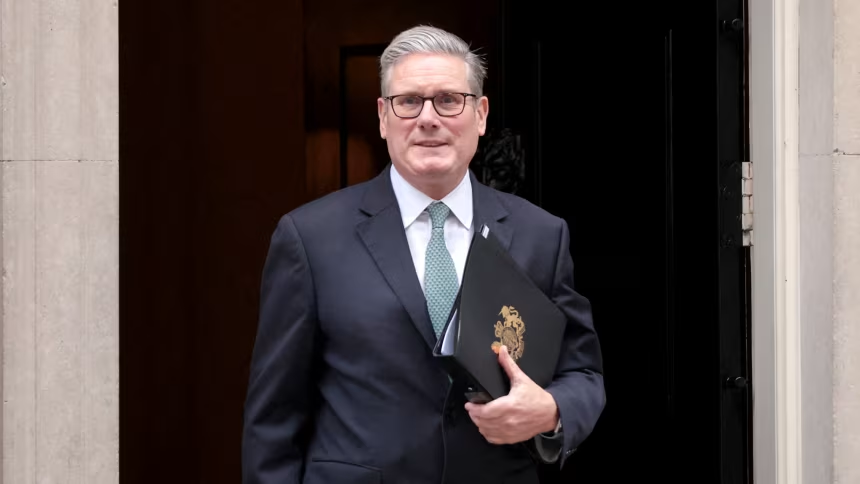
UK authorities seek to reverse decision to ban Maccabi Tel Aviv fans from Villa game
Entities mentioned:
- British officials: Justice, Security, Duty
- Maccabi Tel Aviv: Competitive spirit, Pride, Self-respect
- Keir Starmer: Justice, Righteousness, Unity
- UEFA: Fairness, Unity, Professional pride
- Aston Villa: Security, Professional pride, Obligation
- West Midlands Police: Security, Duty, Wariness
- Jack Angelides: Indignation, Justice, Competitive spirit
Article Assessment:
Credibility Score: 75/100
Bias Rating: 45/100 (Center)
Sentiment Score: 35/100
Authoritarianism Risk: 25/100 (Generally Democratic)
Bias Analysis:
The article presents multiple perspectives, including government officials, police, and team representatives. It balances security concerns with criticism of the ban, maintaining a relatively neutral stance.
Key metric: International Sports Relations
Let me tell you something, folks - this is a GAME-CHANGING play in the world of international soccer! We've got a real defensive struggle going on between British officials and Maccabi Tel Aviv fans. The UK is trying to pull off a last-minute substitution, reversing that fan ban faster than a striker on a breakaway! But make no mistake, this isn't just about soccer - it's about fair play and sportsmanship on a global scale. The Prime Minister is stepping up to the plate, calling an audible to overturn what he sees as the wrong call. UEFA's throwing the challenge flag, urging the Brits to let those Israeli fans into the stadium. It's fourth and long for diplomacy, and they're going for it! This is the kind of high-stakes match that separates the champions from the also-rans in international relations. I'm telling you right now, how they handle this could be the difference between a gold medal in global cooperation and a red card for discrimination. The clock is ticking, the pressure's on, and the whole world is watching to see if they can pull off this crucial play before the final whistle!
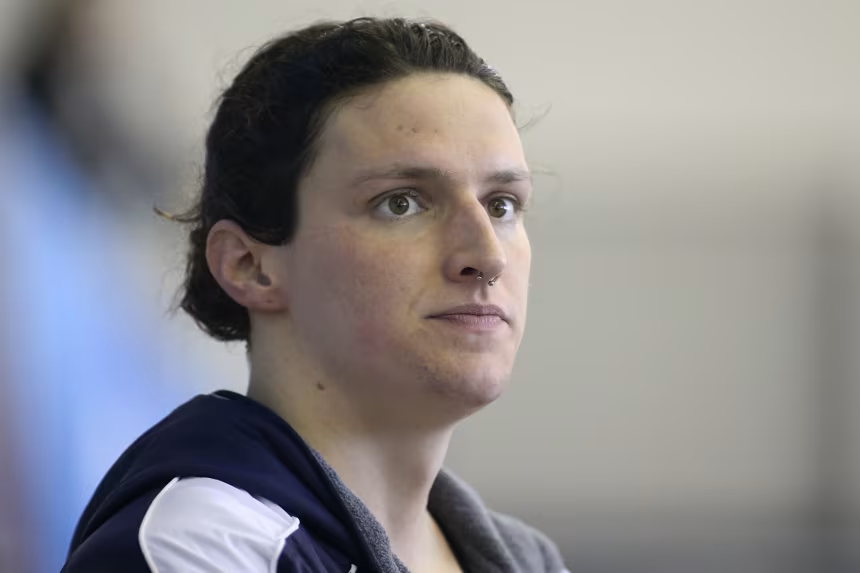
‘It’s easier to fight the whole world than to fight yourself’: Why transgender swimmer Lia Thomas wouldn’t change a thing
Entities mentioned:
- Lia Thomas: Self-respect, Determination, Professional pride
- University of Pennsylvania: Obligation, Wariness, Self-preservation
- World Aquatics: Control, Competitive spirit, Justice
- Schuyler Bailar: Unity, Enthusiasm, Recognition
Article Assessment:
Credibility Score: 75/100
Bias Rating: 45/100 (Center)
Sentiment Score: 55/100
Authoritarianism Risk: 35/100 (Generally Democratic)
Bias Analysis:
The article presents multiple perspectives, including Thomas's personal experiences and the actions of governing bodies. While sympathetic to Thomas, it also acknowledges the controversy and opposing viewpoints.
Key metric: Transgender Athlete Participation
Let me tell you something - this story is a GAME CHANGER in the world of sports! Lia Thomas has been swimming upstream against a tidal wave of controversy, folks. She's been in the fight of her life, not just in the pool, but outside it too. This athlete has shown the heart of a champion, pushing through the rough waters of public scrutiny like a true marathon swimmer. But make no mistake, the opposition has been playing full-court press defense. We've seen University of Penn make a fourth-quarter move, modifying those record books faster than a quick-change artist. And World Aquatics? They've thrown down the gauntlet with a policy change that's sidelined Thomas quicker than a red card. But I'm telling you right now, this swimmer isn't throwing in the towel. She's regrouping, finding her stride, and showing the resilience of a true MVP. It's a whole new ballgame for transgender athletes, and Thomas is leading the charge like a quarterback calling audibles at the line of scrimmage. This is the kind of determination that separates the all-stars from the bench warmers, folks!
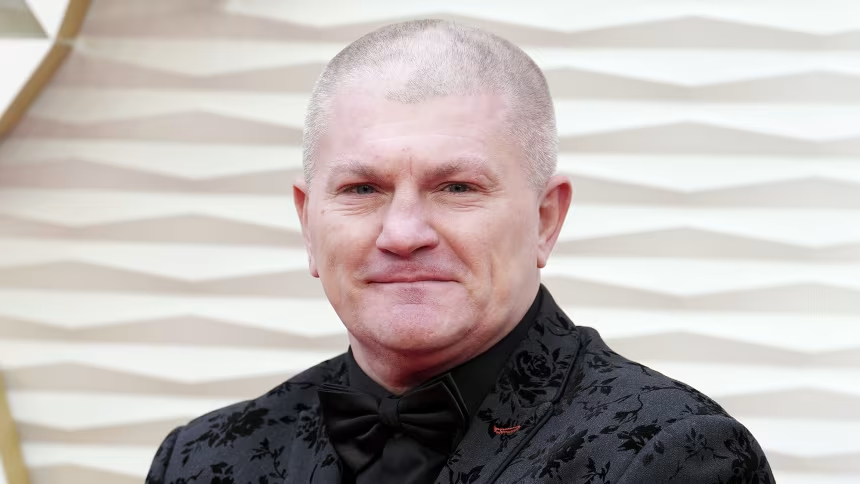
Former world boxing champion Ricky Hatton died by suspected hanging, inquest hears
Entities mentioned:
- Ricky Hatton: Pride, Self-preservation, Recognition
- Paul Speak: Duty, Loyalty, Professional pride
- Alison Mutch: Duty, Professional pride, Justice
Article Assessment:
Credibility Score: 75/100
Bias Rating: 50/100 (Center)
Sentiment Score: 20/100
Authoritarianism Risk: 25/100 (Generally Democratic)
Bias Analysis:
The article presents a balanced view of the facts surrounding Hatton's death. It includes official statements and contextual information about his career and struggles, without leaning towards any particular political stance.
Key metric: Mental Health and Suicide Prevention Awareness
Let me tell you something - this is a DEVASTATING loss for the boxing world! Ricky 'The Hitman' Hatton was a true champion, a fighter who stepped into the ring with the biggest names in the game. But folks, sometimes the toughest battles aren't fought with gloves on. This story is a stark reminder that even our sports heroes can face opponents they can't see coming. It's like Hatton was in the fight of his life, but tragically, it looks like he may have thrown in the towel. This is a wake-up call, a fourth-quarter moment for all of us to realize that mental health is the ultimate endurance test. We need to be in our athletes' corners, ready to step in before the final bell. The boxing community needs to come together like a championship team and tackle this issue head-on. It's time to show that same fighting spirit outside the ring and knock out the stigma surrounding mental health. I'm telling you right now, this is bigger than any title bout - it's about saving lives!