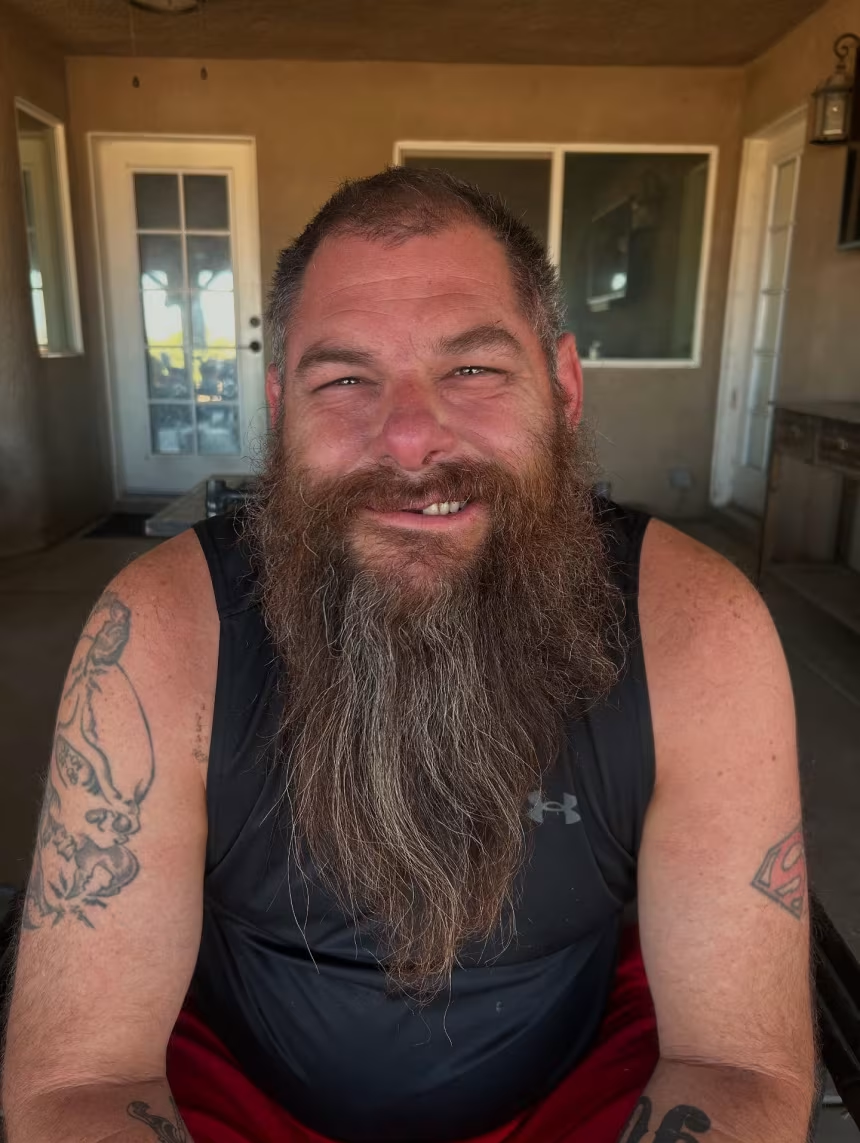
Wrestler released from hospital, reveals extent of injuries after being beaten by son of ex-UFC champ Rampage Jackson
Entities mentioned:
- Stuart Smith (Syko Stu): Self-preservation, Professional pride, Justice
- Raja Jackson: Aggression, Power, Revenge
- Rampage Jackson: Obligation, Self-respect, Concern
- Contessa Patterson: Loyalty, Justice, Care
- KnokX Pro Wrestling Academy: Professional pride, Damage control, Obligation
- Kick (video platform): Professional pride, Self-preservation, Control
Article Assessment:
Credibility Score: 75/100
Bias Rating: 50/100 (Center)
Sentiment Score: 30/100
Authoritarianism Risk: 20/100 (Strongly Democratic)
Bias Analysis:
The article presents a balanced view of the incident, including statements from multiple parties involved. It refrains from sensationalism and provides factual information without apparent bias towards any party.
Key metric: Public Safety and Violence Prevention
As a social scientist, I analyze that this incident highlights the potential dangers in combat sports and entertainment wrestling when boundaries are crossed. The unscripted assault during what was supposed to be a choreographed performance raises concerns about safety protocols in such events. The public reaction, as evidenced by the substantial fundraising for the victim, indicates a strong societal disapproval of such violence and support for the injured party. This event may lead to calls for stricter regulations or oversight in combat sports and wrestling entertainment to prevent similar incidents in the future. The swift action by the video platform to ban the aggressor's account also demonstrates the increasing role of digital platforms in enforcing social norms and safety standards.
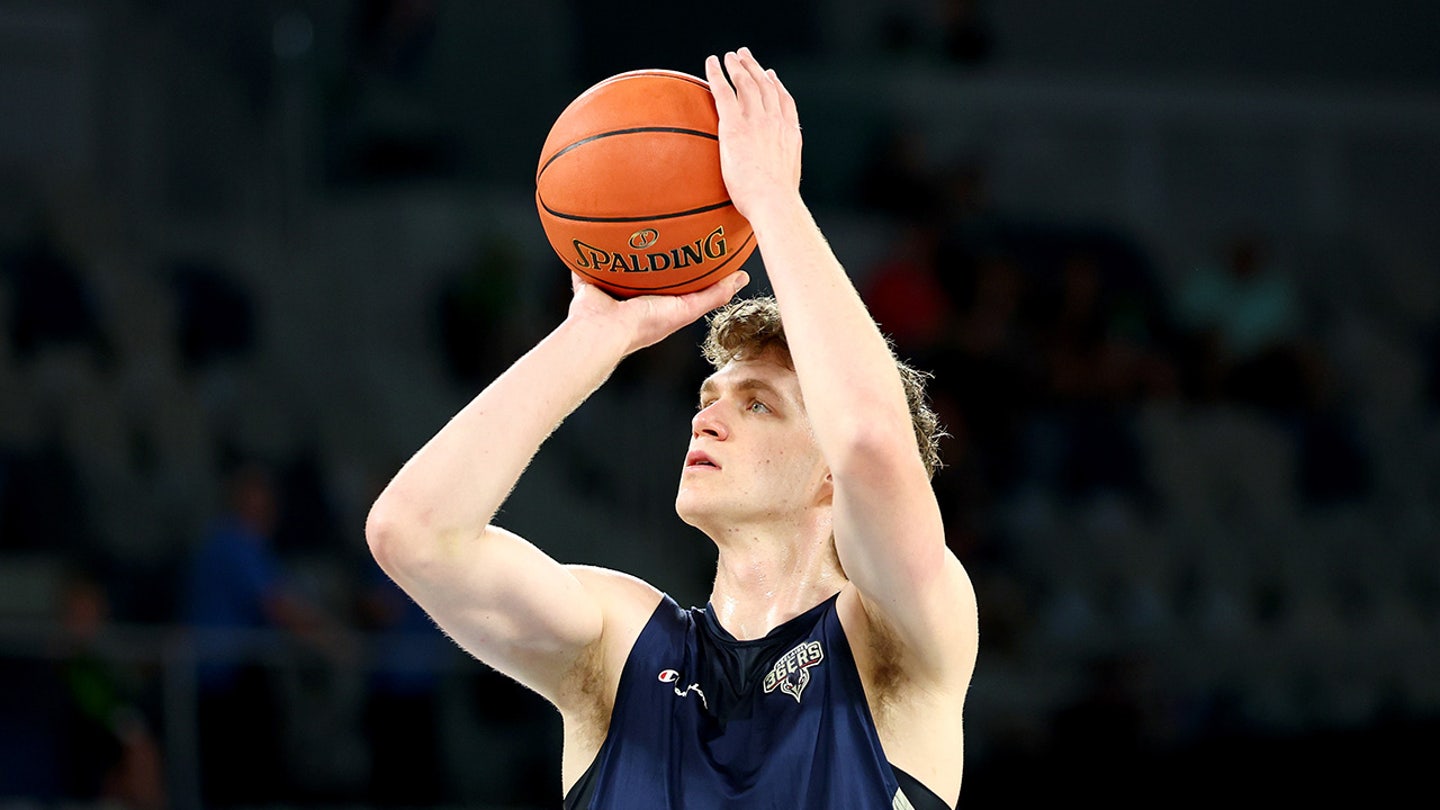
Australian basketball player fractures back after backboard crashes down during practice
Entities mentioned:
- Ben Griscti: Determination, Professional pride, Self-preservation
- Adelaide 36ers: Duty, Professional pride, Loyalty
- ACT Ambulance Service: Duty, Professional pride, Self-respect
- Australian Institute of Sport Arena: Security, Professional pride, Obligation
- National Basketball League (NBL): Professional pride, Duty, Concern
Article Assessment:
Credibility Score: 75/100
Bias Rating: 50/100 (Center)
Sentiment Score: 35/100
Authoritarianism Risk: 20/100 (Strongly Democratic)
Bias Analysis:
The article presents a balanced account of the incident, including statements from multiple sources. It doesn't appear to favor any particular viewpoint or agenda, maintaining a neutral stance in reporting the facts.
Key metric: Healthcare System Efficiency
As a social scientist, I analyze that this incident highlights potential issues in emergency response times and sports facility safety standards in Australia. The 90-minute ambulance response time, despite the proximity of a hospital, raises questions about resource allocation and prioritization in emergency services. The collapse of a backboard during practice also points to possible maintenance or equipment standards issues in sports facilities. This event may lead to increased scrutiny of both emergency services and sports venue safety protocols, potentially driving policy changes or resource reallocation to address these concerns. The supportive response from the team and league demonstrates a culture of care for athletes, but also underscores the risks inherent in professional sports.

Four-time Tour de France winner Chris Froome suffered life-threatening heart injury in crash
Entities mentioned:
- Chris Froome: Competitive spirit, Determination, Professional pride
- Michelle Froome: Loyalty, Duty, Concern
- Israel–Premier Tech: Professional pride, Competitive spirit, Recognition
- Sainte Anne Toulon military hospital: Duty, Professional pride, Obligation
Article Assessment:
Credibility Score: 85/100
Bias Rating: 50/100 (Center)
Sentiment Score: 30/100
Authoritarianism Risk: 20/100 (Strongly Democratic)
Bias Analysis:
The article presents a balanced view of the incident, focusing on factual information from reliable sources. It does not appear to favor any particular perspective or agenda, maintaining a neutral tone throughout the reporting.
Key metric: Public Health and Safety in Professional Sports
As a social scientist, I analyze that this article highlights the severe risks professional athletes face, even during training. The life-threatening nature of Froome's injuries underscores the need for enhanced safety measures in cycling. This incident may lead to increased scrutiny of training practices and safety protocols in professional cycling, potentially influencing policy changes. The detailed medical information provided also serves to educate the public about the seriousness of such accidents, which could impact public perception of the sport and athlete welfare.
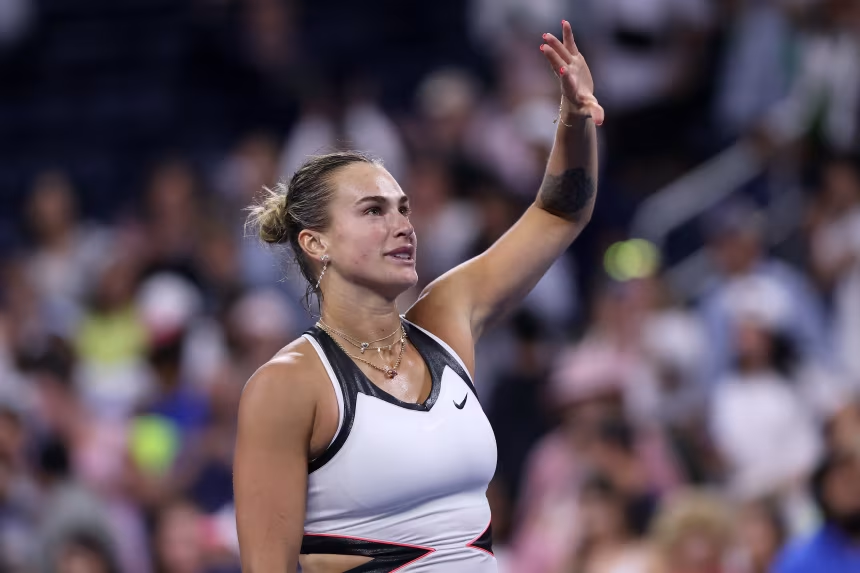
Defending US Open champ Aryna Sabalenka returns to semifinals with walkover win against Markéta Vondroušová
Entities mentioned:
- Aryna Sabalenka: Ambition, Competitive spirit, Pride
- Markéta Vondroušová: Self-preservation, Professional pride, Disappointment
- Jessica Pegula: Ambition, Determination, Professional pride
- US Tennis Association: Duty, Professional pride, Obligation
Article Assessment:
Credibility Score: 85/100
Bias Rating: 50/100 (Center)
Sentiment Score: 45/100
Authoritarianism Risk: 15/100 (Strongly Democratic)
Bias Analysis:
The article presents a balanced view of the tournament events, giving equal attention to players from different countries. It relies on factual reporting of match outcomes and player statements without apparent favoritism.
Key metric: International Sporting Performance
As a social scientist, I analyze that this article highlights the competitive nature of international tennis and its impact on US sporting performance. The withdrawal of Vondroušová due to injury demonstrates the physical demands of high-level tennis and the importance of athlete health management. Sabalenka's advancement to the semifinals without playing may give her a physical advantage, potentially improving the chances of a non-American winning the tournament. Conversely, Pegula's strong performance represents a positive indicator for US tennis, potentially boosting national morale and inspiring future American athletes. The article also underscores the unpredictable nature of sports competitions and how external factors like injuries can significantly influence outcomes, affecting national sporting metrics and international standings.
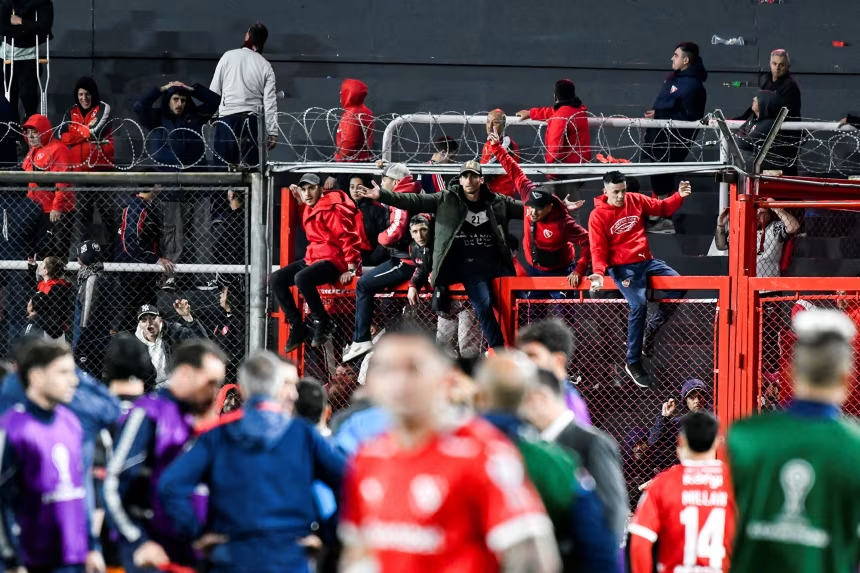
CONMEBOL pledges strong sanctions following Copa Sudamericana fan violence
Entities mentioned:
- CONMEBOL: Justice, Control, Professional pride
- Independiente: Self-preservation, Obligation, Duty
- Universidad de Chile: Competitive spirit, Pride, Self-preservation
- Chilean Foreign Ministry: Duty, Obligation, Security
- Gabriel Boric: Duty, Obligation, Security
Article Assessment:
Credibility Score: 75/100
Bias Rating: 50/100 (Center)
Sentiment Score: 30/100
Authoritarianism Risk: 35/100 (Generally Democratic)
Bias Analysis:
The article presents a balanced view, including statements from multiple parties involved. It reports facts and official statements without apparent favoritism towards any side, maintaining a neutral stance in its reporting.
Key metric: International Relations and Diplomacy
As a social scientist, I analyze that this incident of fan violence at an international football match has significant implications for international relations, particularly between Argentina and Chile. The involvement of high-level government officials, including the Chilean President, elevates this from a mere sporting incident to a diplomatic issue. The response of CONMEBOL, promising firm sanctions, indicates a desire to maintain control and uphold the integrity of international football in South America. The incident highlights the challenges of ensuring security at international sporting events and the potential for such events to strain diplomatic relations. The quick response from Chilean authorities to assist their citizens suggests a proactive approach to mitigate potential diplomatic tensions.
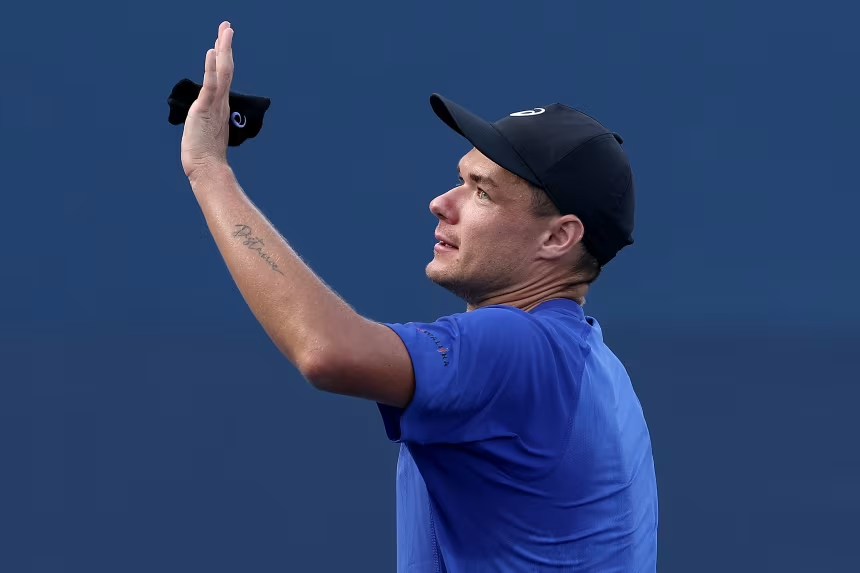
Man apologizes for snatching hat from young boy at US Open, says he made ‘huge mistake’
Entities mentioned:
- Piotr Szczerek: Greed, Self-preservation, Obligation
- Kamil Majchrzak: Generosity, Professional pride, Recognition
- Young boy (fan): Enthusiasm, Recognition, Self-respect
- Iga Świątek: Professional pride, Fairness, Recognition
Article Assessment:
Credibility Score: 75/100
Bias Rating: 50/100 (Center)
Sentiment Score: 45/100
Authoritarianism Risk: 20/100 (Strongly Democratic)
Bias Analysis:
The article presents a balanced view of the incident, including the perpetrator's apology and subsequent actions. It includes perspectives from multiple parties involved, maintaining a neutral stance without overtly favoring any side.
Key metric: Social Cohesion
As a social scientist, I analyze that this incident highlights the complex dynamics of fan interactions in professional sports. The viral nature of the hat-snatching incident demonstrates the power of social media in shaping public opinion and enforcing social norms. Szczerek's apology and subsequent actions to make amends reflect the societal pressure to conform to expected behavior, especially when involving children. This event also underscores the importance of sportsmanship and athlete-fan relationships in maintaining the integrity and appeal of sporting events. The response from other athletes, like Majchrzak and Świątek, further emphasizes the community aspect of sports and the responsibility athletes feel towards their fans. This incident may lead to increased awareness and potentially new policies regarding fan interactions at sporting events, ultimately impacting social cohesion in the sports community.
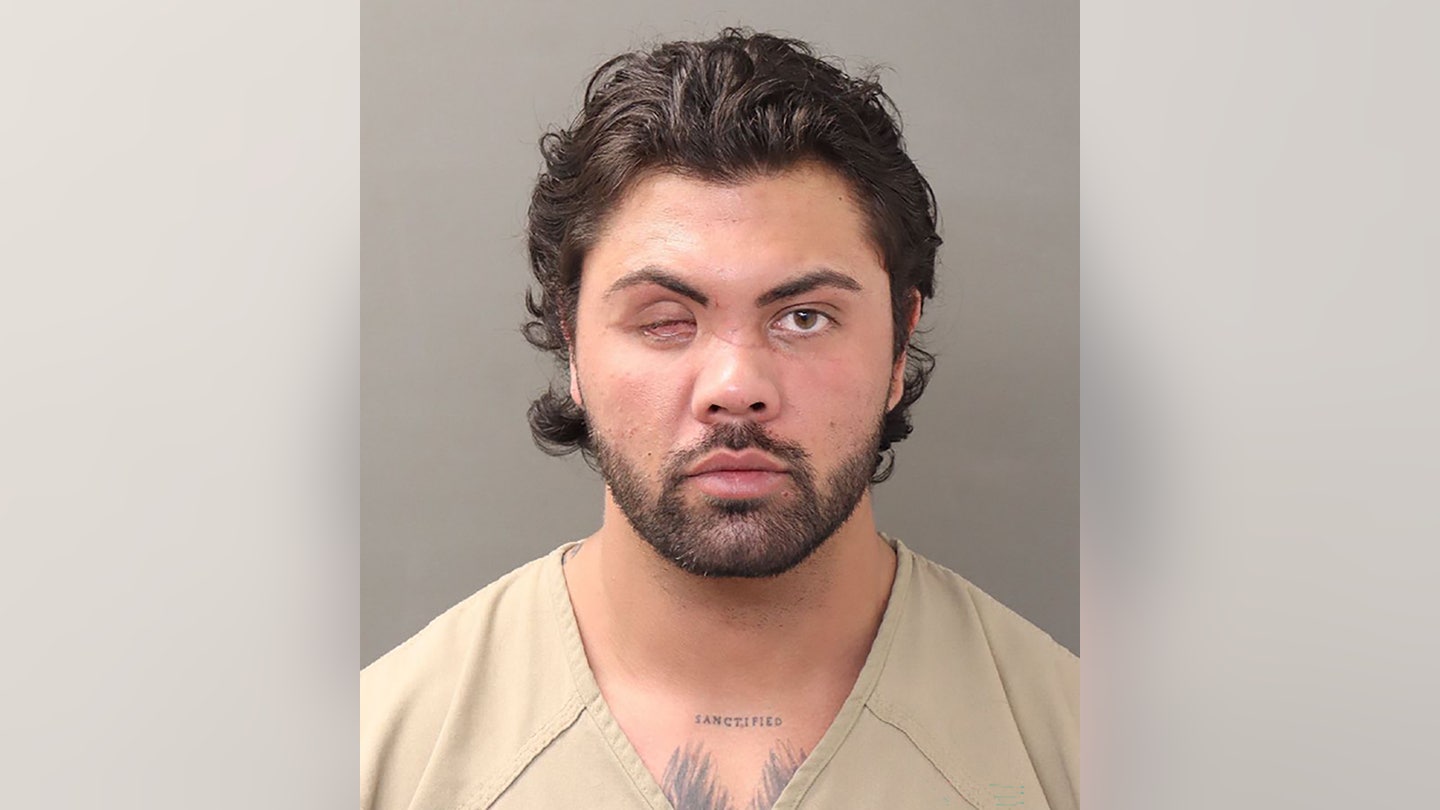
Ex-Ohio State player Michael Roen McCullough arrested after allegedly punching, strangling girlfriend
Entities mentioned:
- Michael Roen McCullough: Control, Anger, Self-preservation
- Columbus Police: Duty, Justice, Security
- Ohio State University: Reputation, Obligation, Wariness
Article Assessment:
Credibility Score: 75/100
Bias Rating: 50/100 (Center)
Sentiment Score: 25/100
Authoritarianism Risk: 20/100 (Strongly Democratic)
Bias Analysis:
The article presents a balanced account of the incident, relying on police and court records. It refrains from speculation and provides context about McCullough's background without sensationalizing the event.
Key metric: Domestic Violence Rates
As a social scientist, I analyze that this incident highlights the ongoing issue of domestic violence among athletes and former athletes. The alleged actions of McCullough, a former Ohio State player, contribute to statistics on domestic violence, potentially impacting public perception of both the university and athletes in general. The case also underscores the importance of prompt police response to domestic violence calls and the serious legal consequences for such actions. The incident may lead to increased scrutiny of university athletic programs and their role in shaping athletes' behavior off the field.
Wrestler released from hospital, reveals extent of injuries after being beaten by son of former UFC champion Rampage Jackson
Entities mentioned:
- Syko Stu (Stuart Smith): Self-preservation, Professional pride, Justice
- Raja Jackson: Aggression, Power, Revenge
- Rampage Jackson: Duty, Self-respect, Obligation
- Contessa Patterson: Loyalty, Justice, Unity
- KnokX Pro Wrestling Academy: Professional pride, Self-preservation, Obligation
Article Assessment:
Credibility Score: 75/100
Bias Rating: 50/100 (Center)
Sentiment Score: 30/100
Authoritarianism Risk: 20/100 (Strongly Democratic)
Bias Analysis:
The article presents a balanced account, including statements from multiple parties involved. It refrains from overtly taking sides, presenting facts and quotes without apparent political or ideological slant.
Key metric: Public Safety and Violence Prevention
As a social scientist, I analyze that this incident highlights the potential risks and consequences of blurring the lines between scripted entertainment and real violence. The unexpected escalation of a planned wrestling spot into a serious assault raises concerns about safety protocols in combat sports and entertainment. The public response, including significant fundraising efforts for the victim, indicates a strong societal disapproval of such uncontrolled violence. This event may lead to increased scrutiny of safety measures in wrestling and similar entertainment forms, potentially impacting regulations and public perception of these industries. The incident also underscores the importance of mental health considerations for athletes, as Raja Jackson's recent concussion may have played a role in his actions.

Tulane head coach has choice words for Northwestern after Hurricane Katrina uniform tribute gets denied
Entities mentioned:
- Jon Sumrall: Righteousness, Moral outrage, Pride
- Tulane University: Unity, Recognition, Legacy
- Northwestern University: Self-preservation, Control, Obligation
- City of New Orleans: Resilience, Unity, Legacy
Article Assessment:
Credibility Score: 75/100
Bias Rating: 55/100 (Center)
Sentiment Score: 35/100
Authoritarianism Risk: 25/100 (Generally Democratic)
Bias Analysis:
The article presents both sides of the uniform dispute, quoting Sumrall directly and mentioning Northwestern's perspective. However, it gives more space to Tulane's viewpoint, potentially due to the emotional weight of the Katrina anniversary.
Key metric: Social Cohesion and Community Resilience
As a social scientist, I analyze that this article highlights the complex interplay between sports, community identity, and historical trauma. The conflict over uniform choices symbolizes deeper issues of respect, remembrance, and the ongoing impact of Hurricane Katrina on New Orleans' collective memory. Tulane's attempt to honor the 2005 team and Northwestern's refusal reveals tensions between institutional protocols and emotional significance of historical events. This incident demonstrates how sports can serve as a platform for community healing and social commentary, while also exposing potential rifts in inter-institutional understanding and communication.
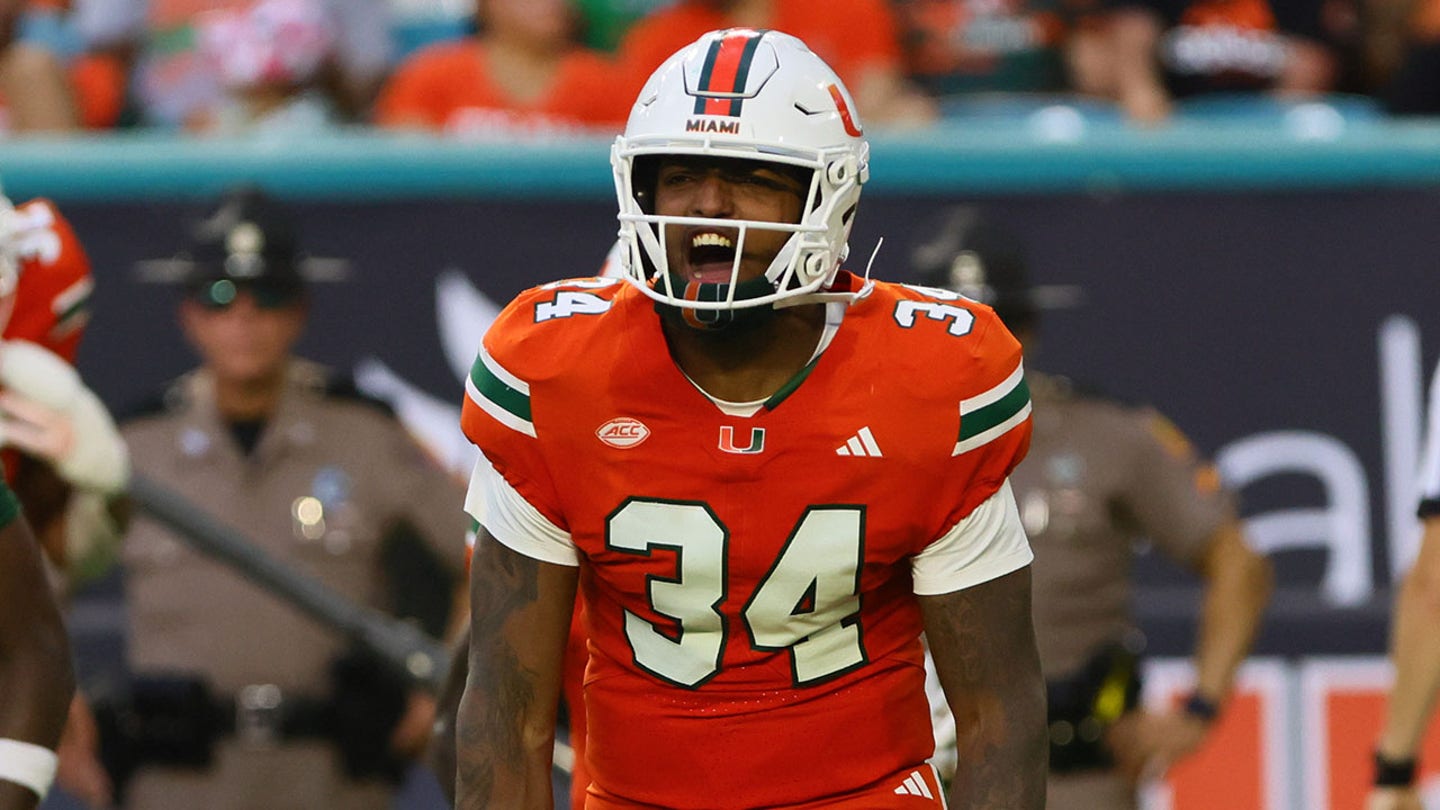
Miami football player Adarius Hayes surrenders to police on charges in fatal Florida crash
Entities mentioned:
- Adarius Hayes: Recklessness, Self-preservation, Fear
- Miami Hurricanes football team: Professional pride, Reputation, Obligation
- Largo Police: Justice, Duty, Public safety
Article Assessment:
Credibility Score: 85/100
Bias Rating: 50/100 (Center)
Sentiment Score: 25/100
Authoritarianism Risk: 20/100 (Strongly Democratic)
Bias Analysis:
The article presents a balanced account of the incident, citing police reports and official statements. It refrains from sensationalism and provides factual information without apparent partisan leanings.
Key metric: Violent Crime Rate
As a social scientist, I analyze that this incident likely impacts the violent crime rate metric. The charges of vehicular homicide against a high-profile college athlete draw attention to reckless driving and its fatal consequences. This case may influence public perception of road safety and potentially lead to stricter enforcement or legislative changes regarding traffic laws. The immediate suspension of Hayes by the university also demonstrates the broader implications for institutional accountability in sports programs.