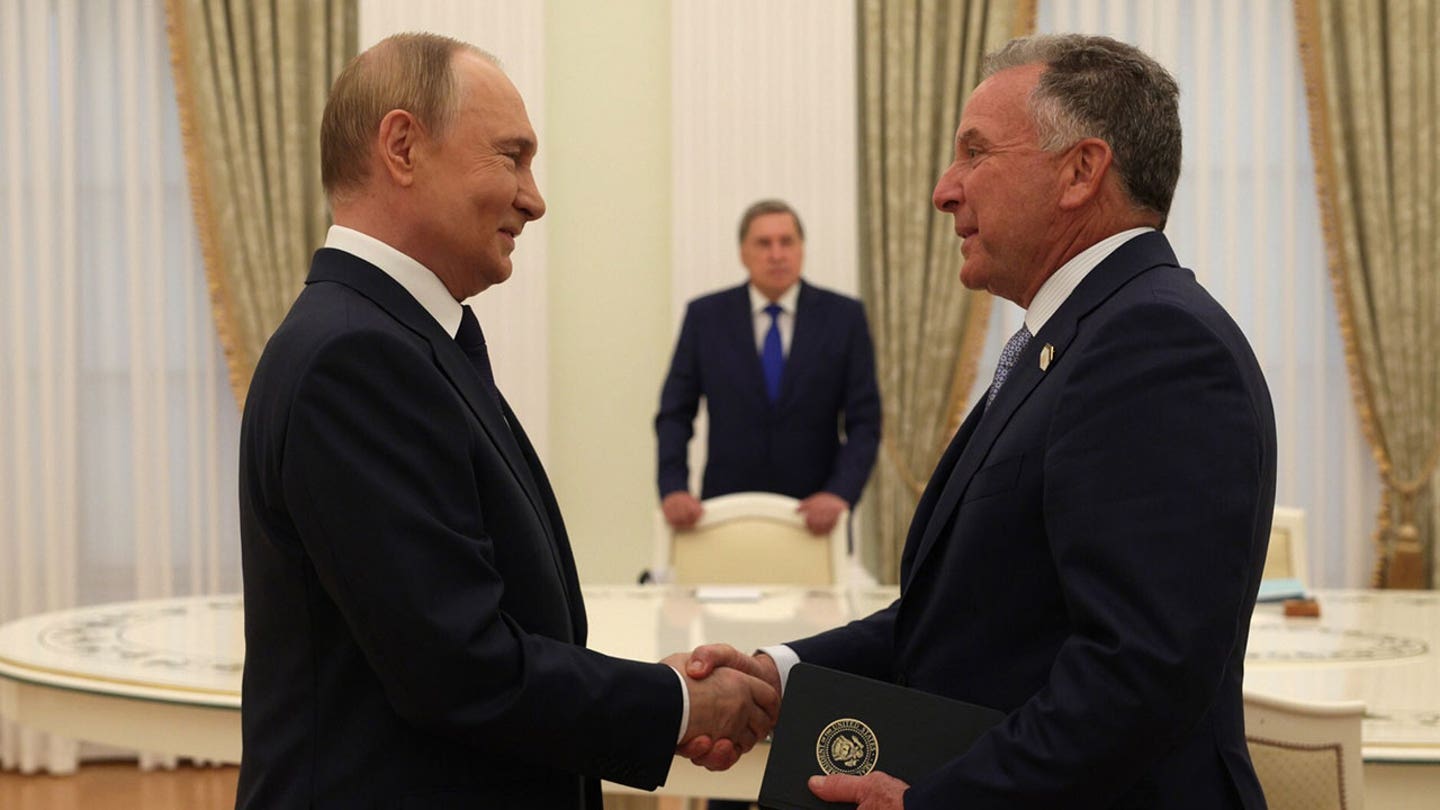
Russians made concessions ‘almost immediately,’ Trump envoy says of Putin summit
Entities mentioned:
- Donald Trump: Power, Influence, Legacy
- Vladimir Putin: Control, Power, Self-preservation
- Steve Witkoff: Loyalty, Duty, Professional pride
- Volodymyr Zelenskyy: Security, Unity, Self-preservation
- Karoline Leavitt: Duty, Loyalty, Professional pride
- United States: Influence, Power, Security
- Russia: Control, Power, Self-preservation
- Ukraine: Security, Freedom, Self-preservation
- NATO: Security, Unity, Influence
Article Assessment:
Credibility Score: 65/100
Bias Rating: 55/100 (Center)
Sentiment Score: 60/100
Authoritarianism Risk: 35/100 (Generally Democratic)
Bias Analysis:
The article presents multiple perspectives, including those of U.S., Russian, and Ukrainian officials. However, it relies heavily on statements from Trump administration officials, which may slightly skew the narrative towards a U.S.-centric view.
Key metric: International Relations and Diplomacy
As a social scientist, I analyze that this article highlights a significant shift in U.S.-Russia relations, with potential implications for global security and diplomacy. The reported concessions by Russia during the Trump-Putin summit suggest a possible de-escalation of tensions over Ukraine. However, the specifics of these concessions are not disclosed, which limits a comprehensive assessment of their impact. The focus on security guarantees for Ukraine, without U.S. troop involvement, indicates a strategic approach to maintain stability in the region while avoiding direct military confrontation. The involvement of European allies in discussions points to a multilateral effort to address the Ukraine crisis. The article also reveals the delicate balance between diplomatic negotiations and public disclosure, as evidenced by the cautious statements from U.S. officials. Overall, this development could potentially lead to a reconfiguration of power dynamics in Eastern Europe, affecting U.S. influence in the region and global perceptions of its diplomatic capabilities.
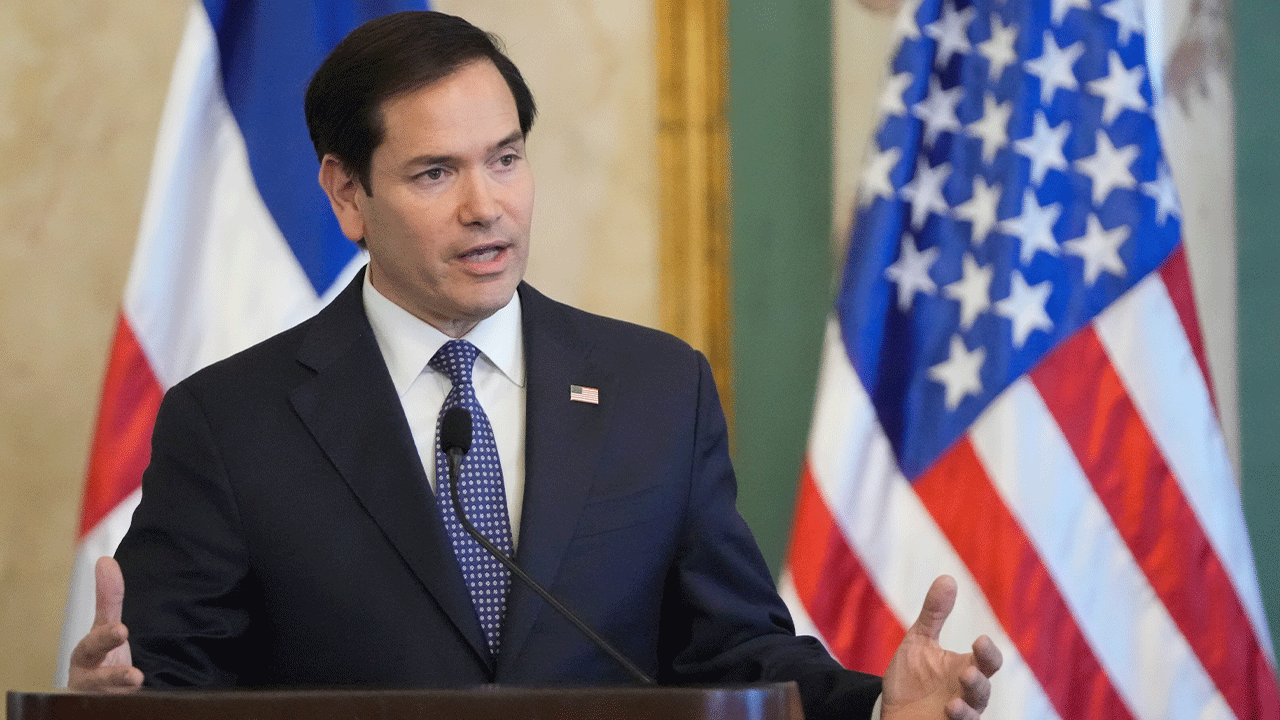
US announces more sanctions on ICC officials for targeting Americans, Israelis
Entities mentioned:
- International Criminal Court (ICC): Justice, Influence, Duty
- United States: Self-preservation, Power, Control
- Israel: Self-preservation, Security, Power
- Marco Rubio: Righteousness, Patriotism, Power
- Donald Trump: Power, Control, Influence
Article Assessment:
Credibility Score: 75/100
Bias Rating: 55/100 (Center)
Sentiment Score: 35/100
Authoritarianism Risk: 65/100 (Authoritarian Tendencies)
Bias Analysis:
The article presents both US and ICC perspectives, quoting officials from both sides. However, it gives slightly more space to the US position and reasoning behind the sanctions, suggesting a slight lean towards the US viewpoint.
Key metric: International Relations and Diplomacy
As a social scientist, I analyze that this move by the United States to sanction ICC officials significantly impacts international relations and diplomacy. The sanctions represent a strong pushback against international jurisdiction over US and Israeli nationals, potentially weakening the ICC's global influence and effectiveness. This action may strain relationships with allies, particularly those who are ICC members, and could be seen as the US prioritizing its sovereignty over international cooperation in matters of justice. The move also risks undermining the broader system of international law and could encourage other nations to similarly reject international court decisions they disagree with, potentially leading to a more fragmented global legal order.

Russian drone crashes in Polish field; Warsaw protests airspace violation and plans formal complaint
Entities mentioned:
- Russia: Power, Influence, Provocation
- Poland: Self-preservation, Security, Indignation
- Wladyslaw Kosiniak-Kamysz: Duty, Security, Wariness
- United States: Influence, Peace, Control
- European leaders: Unity, Security, Peace
- Ukraine: Self-preservation, Freedom, Justice
- Trump administration: Influence, Legacy, Power
Article Assessment:
Credibility Score: 75/100
Bias Rating: 55/100 (Center)
Sentiment Score: 30/100
Authoritarianism Risk: 35/100 (Generally Democratic)
Bias Analysis:
The article presents a relatively balanced view, including perspectives from Polish officials and local residents. However, there's a slight lean towards Western viewpoints, with more emphasis on Polish and US reactions than Russian perspectives.
Key metric: International Security and Diplomacy
As a social scientist, I analyze that this incident of a Russian drone crashing in Poland represents a significant escalation in international tensions, particularly in the context of the ongoing Ukraine-Russia conflict. The event demonstrates Russia's willingness to provoke NATO members, potentially testing the alliance's resolve and response mechanisms. This action could impact international security by increasing military alertness in Eastern Europe and potentially straining diplomatic efforts to resolve the Ukraine conflict. The incident also highlights the complex interplay between military technology, international borders, and diplomatic relations in modern warfare and peacekeeping efforts. The Trump administration's involvement in brokering talks between Russia and Ukraine adds another layer of complexity to the situation, potentially influencing the geopolitical dynamics in the region.
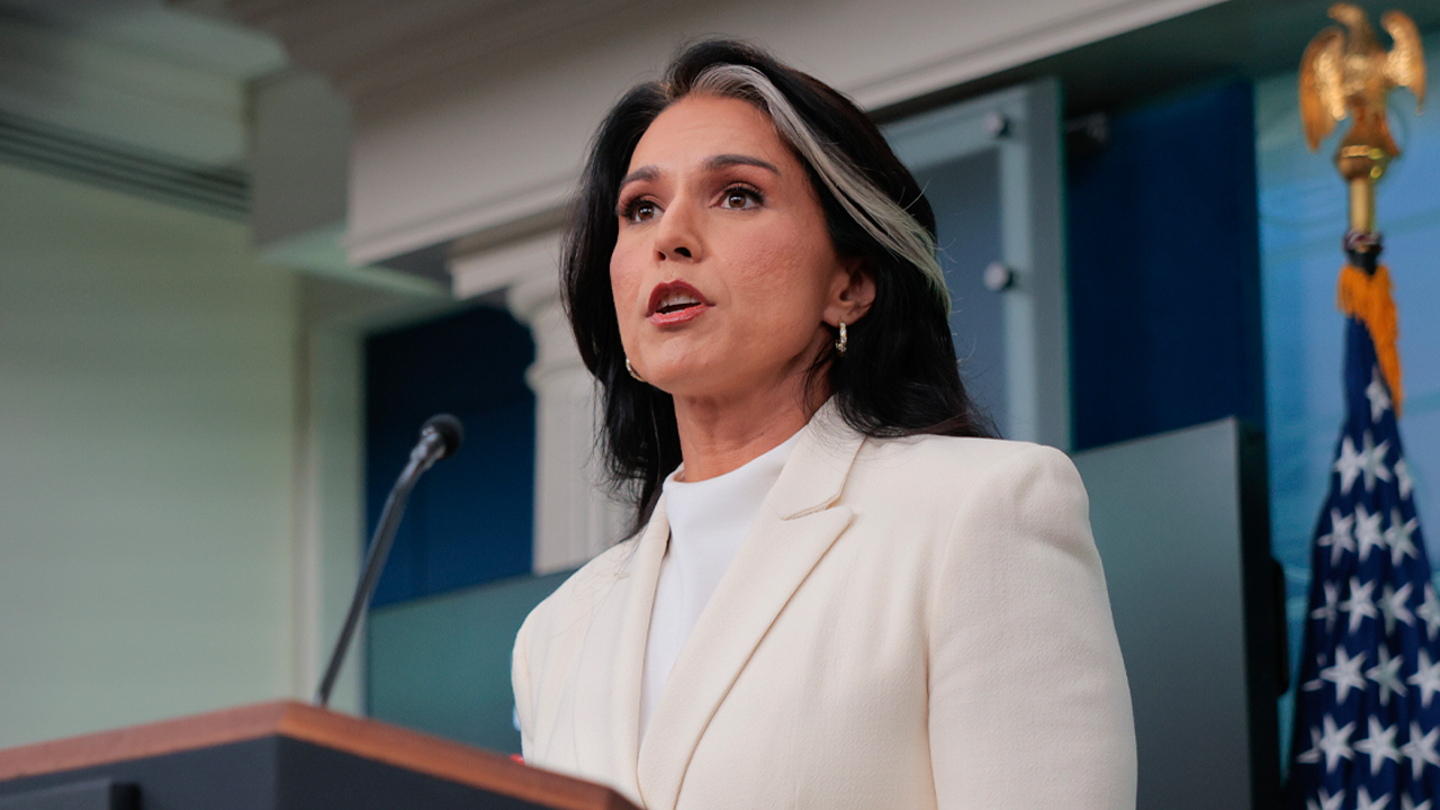
Gabbard launches 'ODNI 2.0,' with plan to cut workforce by 40%
Entities mentioned:
- Tulsi Gabbard: Determination, Righteousness, Professional pride
- ODNI (Office of the Director of National Intelligence): Efficiency, Security, Duty
- President Trump: Leadership, Control, Security
- Intelligence Community: Duty, Security, Professional pride
Article Assessment:
Credibility Score: 65/100
Bias Rating: 70/100 (Lean Right)
Sentiment Score: 65/100
Authoritarianism Risk: 55/100 (Mixed/Neutral)
Bias Analysis:
The article leans right, presenting the ODNI restructuring in a positive light and emphasizing Trump's leadership. It primarily presents the administration's perspective without significant counterpoints or critical analysis.
Key metric: Government Efficiency and National Security
As a social scientist, I analyze that this article describes a significant restructuring of the Office of the Director of National Intelligence (ODNI) under the leadership of Tulsi Gabbard. The transformation, dubbed 'ODNI 2.0', aims to address issues of inefficiency, politicization, and abuse within the intelligence community. The proposed changes, including a 40% workforce reduction and $700 million in annual savings, represent a major shift in how U.S. intelligence operations are conducted. This restructuring could have substantial impacts on national security processes, government spending, and the overall effectiveness of intelligence gathering and dissemination. The focus on eliminating politicization and rebuilding trust suggests an attempt to address perceived failures in the intelligence community's recent history. However, such dramatic changes may also lead to short-term disruptions in intelligence operations and potential resistance from within the organization.
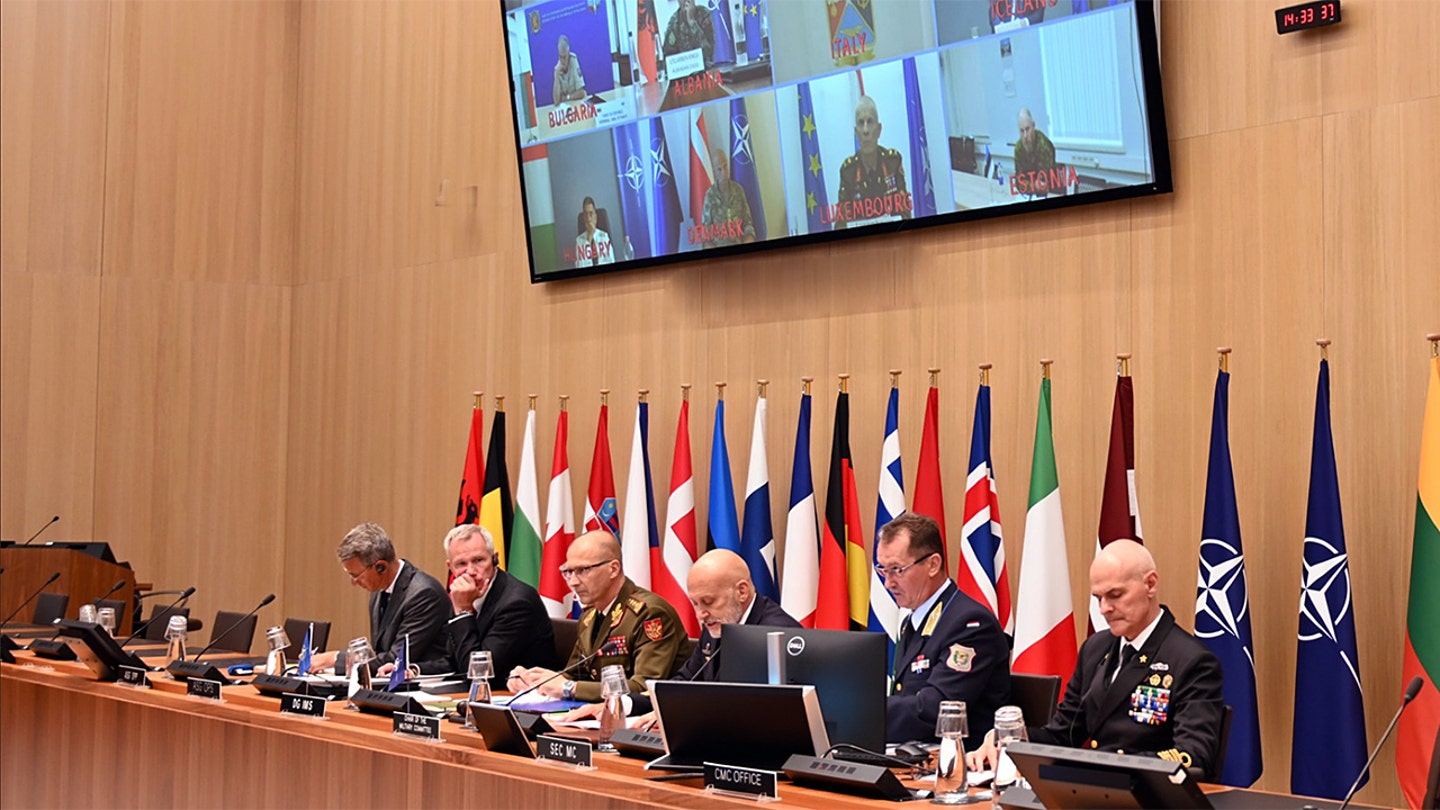
NATO defense chiefs stress commitment to Ukraine, discuss security guarantees during virtual summit
Entities mentioned:
- NATO: Unity, Security, Duty
- Ukraine: Self-preservation, Security, Freedom
- Gen. Alexus Grynkewich: Duty, Professional pride, Leadership
- Gen. Dan Caine: Duty, Obligation, Unity
- Russia: Power, Control, Self-preservation
- President Donald Trump: Influence, Legacy, Power
- President Vladimir Putin: Power, Control, Influence
- President Volodymyr Zelenskyy: Self-preservation, Determination, Duty
- Sergey Lavrov: Wariness, Power, Control
Article Assessment:
Credibility Score: 75/100
Bias Rating: 45/100 (Center)
Sentiment Score: 55/100
Authoritarianism Risk: 25/100 (Generally Democratic)
Bias Analysis:
The article presents a balanced view of the NATO meeting, including perspectives from multiple sides. While it leans slightly towards a pro-NATO stance, it also includes Russian viewpoints and mentions Trump's separate diplomatic efforts.
Key metric: International Alliances and Security
As a social scientist, I analyze that this article highlights the ongoing commitment of NATO to Ukraine's security in the face of Russian aggression. The virtual meeting of NATO defense chiefs demonstrates a united front in supporting Ukraine and discussing potential security guarantees. This reaffirmation of support, coupled with the involvement of high-ranking officials like Gen. Grynkewich and Gen. Caine, suggests a strong commitment to maintaining the alliance's cohesion and effectiveness. The discussion of security guarantees for Ukraine as part of a potential peace agreement indicates a forward-looking approach to regional stability. However, Russia's criticism of these discussions, as voiced by Lavrov, suggests continued tensions and potential obstacles to a peaceful resolution. The involvement of President Trump in separate meetings with Putin and Zelenskyy adds another layer of complexity to the diplomatic efforts. Overall, this meeting and the surrounding events underscore the ongoing importance of NATO in shaping European security dynamics and the challenges in balancing support for Ukraine with the need for a sustainable peace agreement.
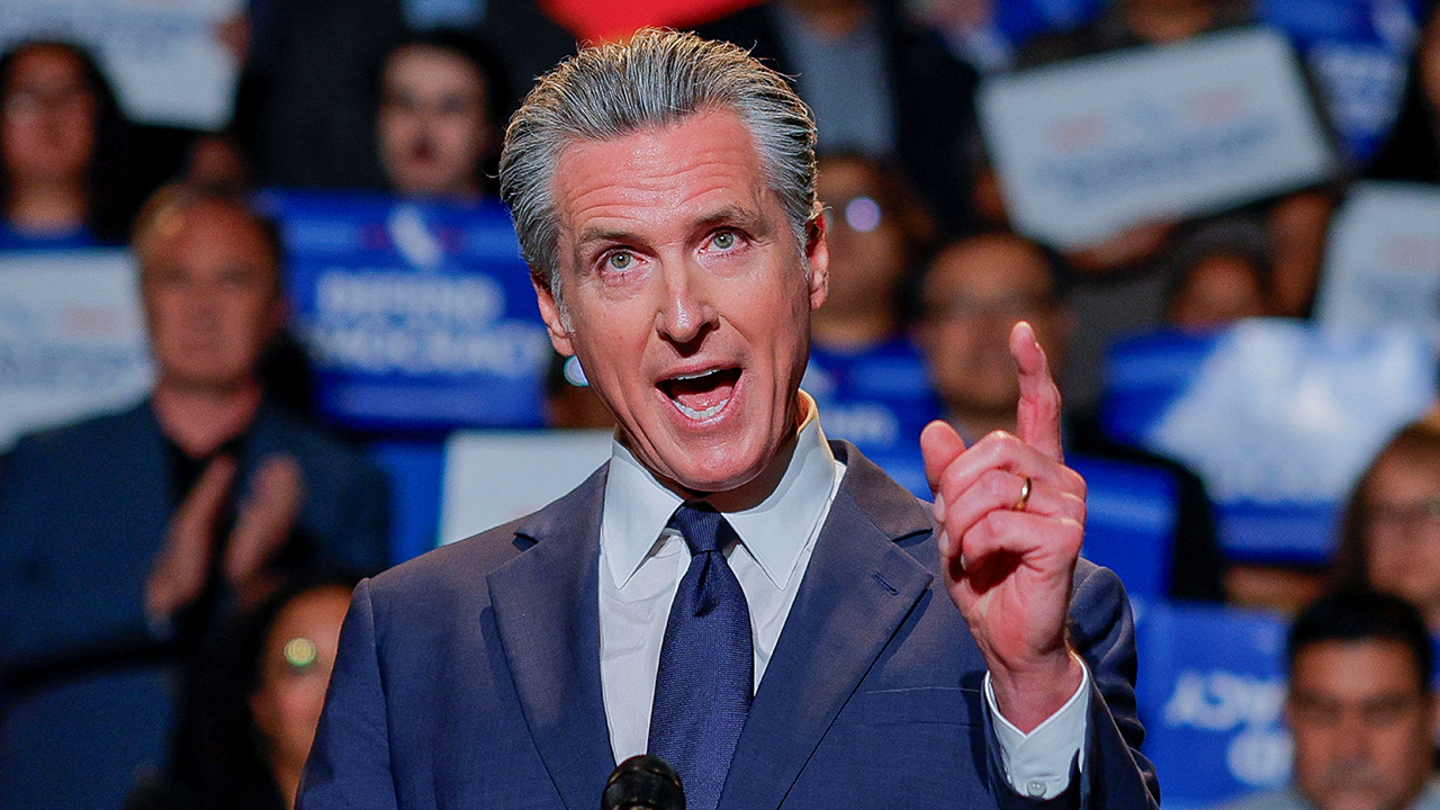
Newsom-style redistricting efforts critiqued by California Democrats as recently as July, statements show
Entities mentioned:
- Gov. Gavin Newsom: Power, Control, Ambition
- California Democrats: Power, Control, Self-preservation
- California Republicans: Justice, Righteousness, Self-preservation
- Citizens' Redistricting Commission: Duty, Fairness, Transparency
- Steve Hilton: Justice, Competitive spirit, Ambition
Article Assessment:
Credibility Score: 75/100
Bias Rating: 65/100 (Lean Right)
Sentiment Score: 35/100
Authoritarianism Risk: 55/100 (Mixed/Neutral)
Bias Analysis:
The article leans slightly right, evidenced by its focus on Republican critiques and extensive quoting of Democratic inconsistencies. While it presents factual information, the framing appears to favor the Republican perspective on the issue.
Key metric: Electoral Integrity Index
As a social scientist, I analyze that this article highlights a significant shift in California Democrats' stance on redistricting, potentially impacting the state's Electoral Integrity Index. The proposed change from an independent commission to politician-led redistricting could be seen as a move to consolidate power, contradicting previous statements supporting independent commissions. This shift raises concerns about the fairness and transparency of the electoral process, potentially eroding public trust in democratic institutions. The Republicans' pushback and the citing of Democrats' past statements supporting independent commissions add a layer of political conflict and accountability to the issue. The involvement of high-profile figures like Gov. Newsom and the potential for legal challenges further underscore the significance of this development for California's electoral system and its broader implications for democratic processes.
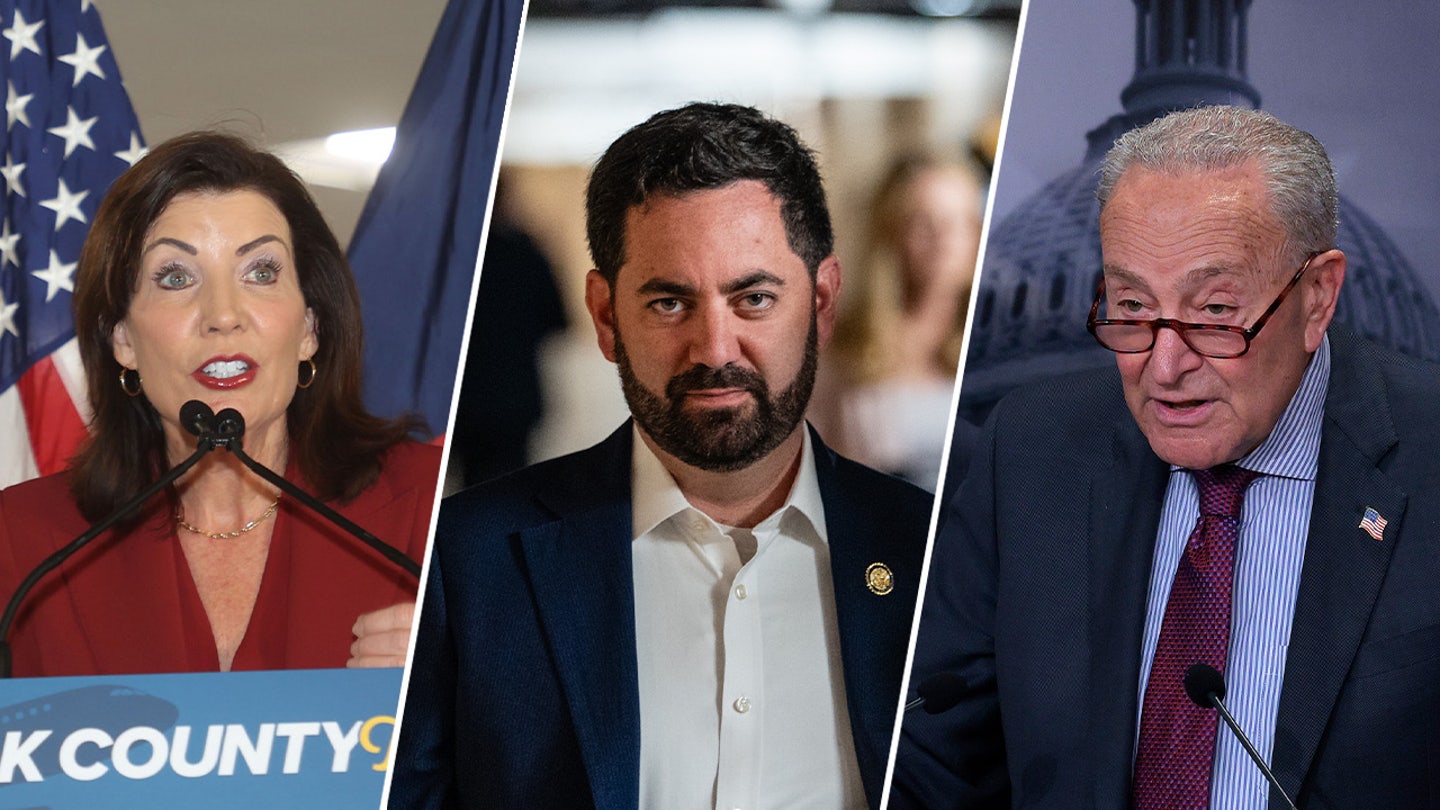
'Full of s---': New York Republican accuses state Dems of hypocrisy in redistricting push
Entities mentioned:
- Rep. Mike Lawler: Justice, Competitive spirit, Righteousness
- New York Democrats: Power, Control, Ambition
- Gov. Kathy Hochul: Power, Influence, Self-preservation
- Rep. Hakeem Jeffries: Power, Influence, Competitive spirit
- Sen. Chuck Schumer: Power, Influence, Competitive spirit
- Texas Republicans: Power, Control, Self-preservation
- Donald Trump: Power, Control, Influence
- Democratic Congressional Campaign Committee: Power, Competitive spirit, Influence
Article Assessment:
Credibility Score: 70/100
Bias Rating: 55/100 (Center)
Sentiment Score: 35/100
Authoritarianism Risk: 45/100 (Mixed/Neutral)
Bias Analysis:
The article presents views from both Republican and Democratic perspectives, including direct quotes. However, it gives more space to Rep. Lawler's criticisms of Democrats, suggesting a slight rightward lean.
Key metric: Electoral Competitiveness
As a social scientist, I analyze that this article highlights the ongoing battle over redistricting in the United States, which significantly impacts electoral competitiveness. The debate centers on the actions of both Democratic and Republican-led states in redrawing congressional maps to gain partisan advantage. Rep. Lawler's criticism of New York Democrats for their redistricting efforts, while also acknowledging similar actions in Republican-led states like Texas, underscores the widespread nature of this practice. This redistricting war poses a threat to electoral competitiveness by creating more partisan-leaning districts, potentially reducing the number of competitive races and increasing political polarization. Lawler's proposed legislation to ban partisan gerrymandering nationwide and implement other reforms like term limits could potentially address these issues, but faces significant political hurdles. The article reveals a complex interplay of power dynamics, partisan interests, and concerns about fair representation, all of which have profound implications for the health of American democracy and the competitiveness of its elections.
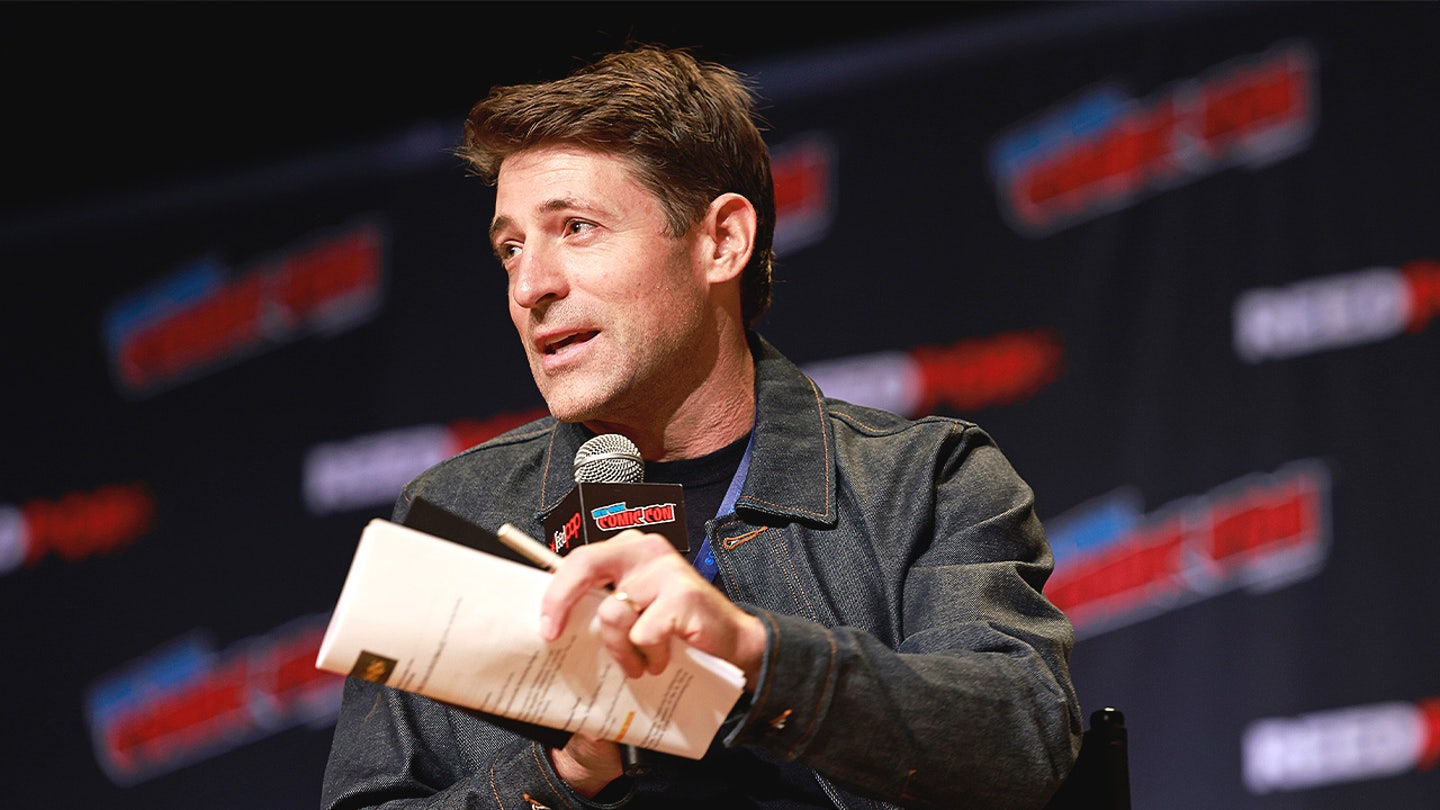
CBS host defends Trump's efforts to de-wokify the Smithsonian's presentation of US history
Entities mentioned:
- Tony Dokoupil: Professional pride, Duty, Influence
- Donald Trump: Control, Legacy, Righteousness
- Smithsonian Institution: Duty, Influence, Legacy
- White House: Control, Legacy, Influence
- Vladimir Duthiers King: Professional pride, Duty, Justice
- Gayle King: Professional pride, Duty, Justice
Article Assessment:
Credibility Score: 70/100
Bias Rating: 55/100 (Center)
Sentiment Score: 45/100
Authoritarianism Risk: 55/100 (Mixed/Neutral)
Bias Analysis:
The article presents multiple viewpoints, including those supporting and questioning Trump's directive. However, it gives slightly more space to perspectives aligning with Trump's position, potentially indicating a slight center-right lean.
Key metric: National Unity
As a social scientist, I analyze that this article highlights a growing tension in how American history is presented in national institutions. The debate centers on balancing a critical examination of historical injustices with a narrative that instills national pride. This conflict reflects broader societal divisions on how to interpret and present American history. The involvement of high-profile political figures and media personalities in this debate suggests its significance in shaping national identity and unity. The potential changes to the Smithsonian's approach could have far-reaching effects on public understanding of American history and, consequently, on national unity and identity formation.
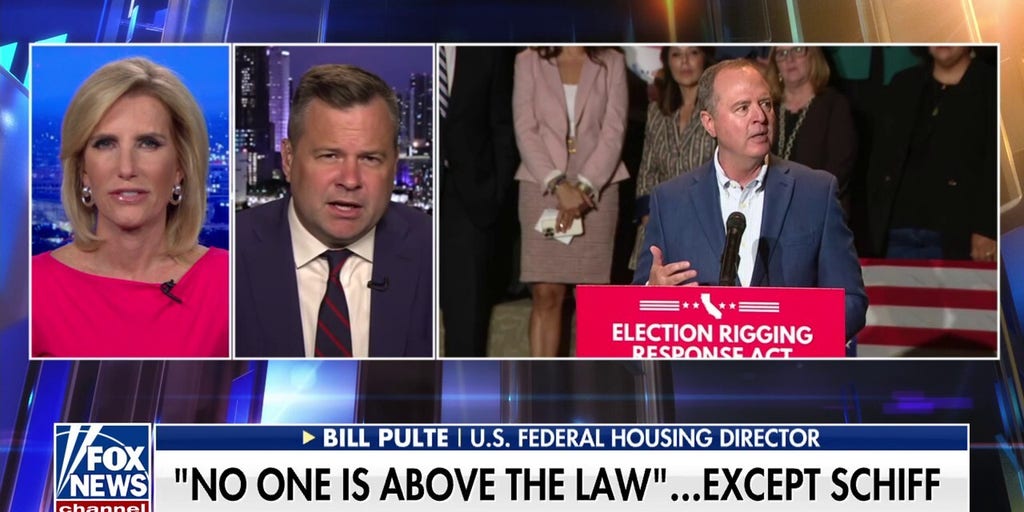
In Trump's America, we're not going to have mortgage fraud, vows federal housing director
Entities mentioned:
- Bill Pulte: Righteousness, Justice, Professional pride
- Adam Schiff: Self-preservation, Power, Influence
- Lisa Cook: Self-preservation, Professional pride, Influence
- Donald Trump: Power, Control, Legacy
Article Assessment:
Credibility Score: 45/100
Bias Rating: 75/100 (Lean Right)
Sentiment Score: 55/100
Authoritarianism Risk: 65/100 (Authoritarian Tendencies)
Bias Analysis:
The article leans right due to its framing of 'Trump's America' as a positive change and its focus on allegations against Democratic figures. The presentation on a conservative-leaning program ('The Ingraham Angle') further suggests a right-leaning bias.
Key metric: Financial Sector Stability
As a social scientist, I analyze that this article suggests a potential shift in regulatory focus and enforcement within the U.S. housing finance system under a hypothetical future Trump administration. The framing of the issue as 'Trump's America' implies a stark contrast to current policies. The allegations of mortgage fraud against high-profile individuals like a senator and a Federal Reserve governor indicate a politically charged environment surrounding financial regulation. This could impact financial sector stability by potentially increasing scrutiny on mortgage practices, which might lead to stricter lending standards or increased regulatory oversight. However, the lack of specific details about the allegations or proposed policy changes limits the ability to predict concrete impacts.

Filmmakers claim the late 'Superman' actor Christopher Reeve would have opposed Donald Trump
Entities mentioned:
- Christopher Reeve: Justice, Righteousness, Influence
- Donald Trump: Ambition, Power, Control
- Peter Ettedgui: Professional pride, Recognition, Influence
- Ian Bonhôte: Professional pride, Recognition, Influence
- Jeff Daniels: Recognition, Loyalty, Influence
- Bill Clinton: Power, Legacy, Influence
- Al Gore: Power, Legacy, Influence
- Ronald Reagan: Power, Legacy, Influence
- George W. Bush: Power, Legacy, Control
Article Assessment:
Credibility Score: 65/100
Bias Rating: 35/100 (Lean Left)
Sentiment Score: 45/100
Authoritarianism Risk: 30/100 (Generally Democratic)
Bias Analysis:
The article leans left due to its focus on criticism of Trump and positive portrayal of Democratic figures. It presents speculative views about Reeve's potential actions without counterbalancing perspectives.
Key metric: Political Polarization Index
As a social scientist, I analyze that this article potentially impacts the Political Polarization Index by framing Christopher Reeve's hypothetical political stance in opposition to Donald Trump. The filmmakers' assertions about Reeve's potential actions and opinions, if he were alive today, contribute to the ongoing narrative of division between political ideologies. This retrospective politicization of a deceased public figure could further entrench existing political divides, as it encourages viewers to align themselves with or against these projected stances. The article's focus on Reeve's past criticisms of Trump and support for Democratic candidates reinforces partisan narratives, potentially increasing political polarization among readers.