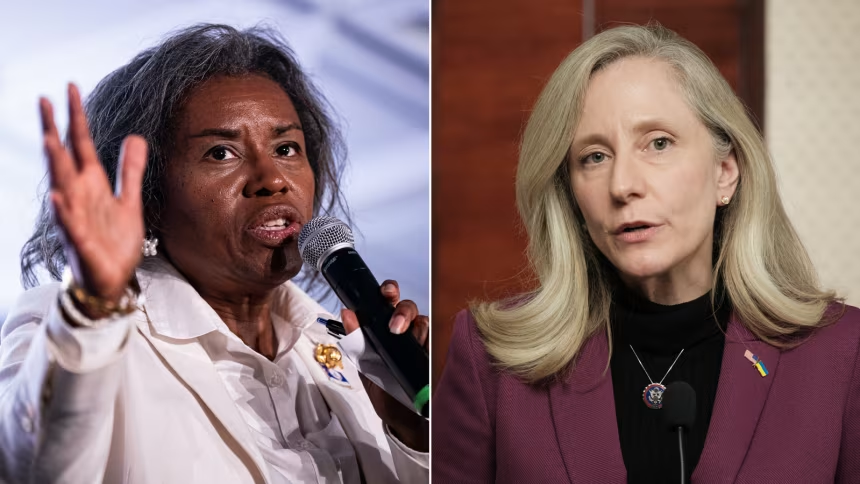
Earle-Sears accepts CNN invitation to Virginia governor’s debate
Entities mentioned:
- Winsome Earle-Sears: Ambition, Competitive spirit, Recognition
- Abigail Spanberger: Ambition, Control, Self-preservation
- CNN: Recognition, Influence, Professional pride
- Virginia Police Benevolent Association: Influence, Security, Professional pride
- Peyton Vogel: Loyalty, Professional pride, Duty
- Samson Signori: Loyalty, Professional pride, Control
Article Assessment:
Credibility Score: 75/100
Bias Rating: 55/100 (Center)
Sentiment Score: 50/100
Authoritarianism Risk: 20/100 (Strongly Democratic)
Bias Analysis:
The article presents both candidates' perspectives and includes statements from both campaigns. While it mentions Earle-Sears as an 'underdog,' it balances this by noting Spanberger's endorsement, maintaining a relatively neutral stance.
Key metric: Voter Engagement and Participation
As a social scientist, I analyze that this article highlights the importance of political debates in shaping voter engagement and participation. The acceptance and declination of debate invitations by the candidates reveal strategic decisions that could impact voter perceptions and turnout. Earle-Sears' willingness to participate in a national debate may be seen as an attempt to gain broader recognition and challenge her underdog status. Conversely, Spanberger's focus on local debates suggests a strategy to maintain control over the narrative and appeal to Virginia-specific concerns. The involvement of law enforcement endorsements and the emphasis on Virginia-based media indicate the significance of local issues and stakeholders in this gubernatorial race. This situation demonstrates how candidate choices regarding debate participation can influence voter engagement and, consequently, election outcomes.
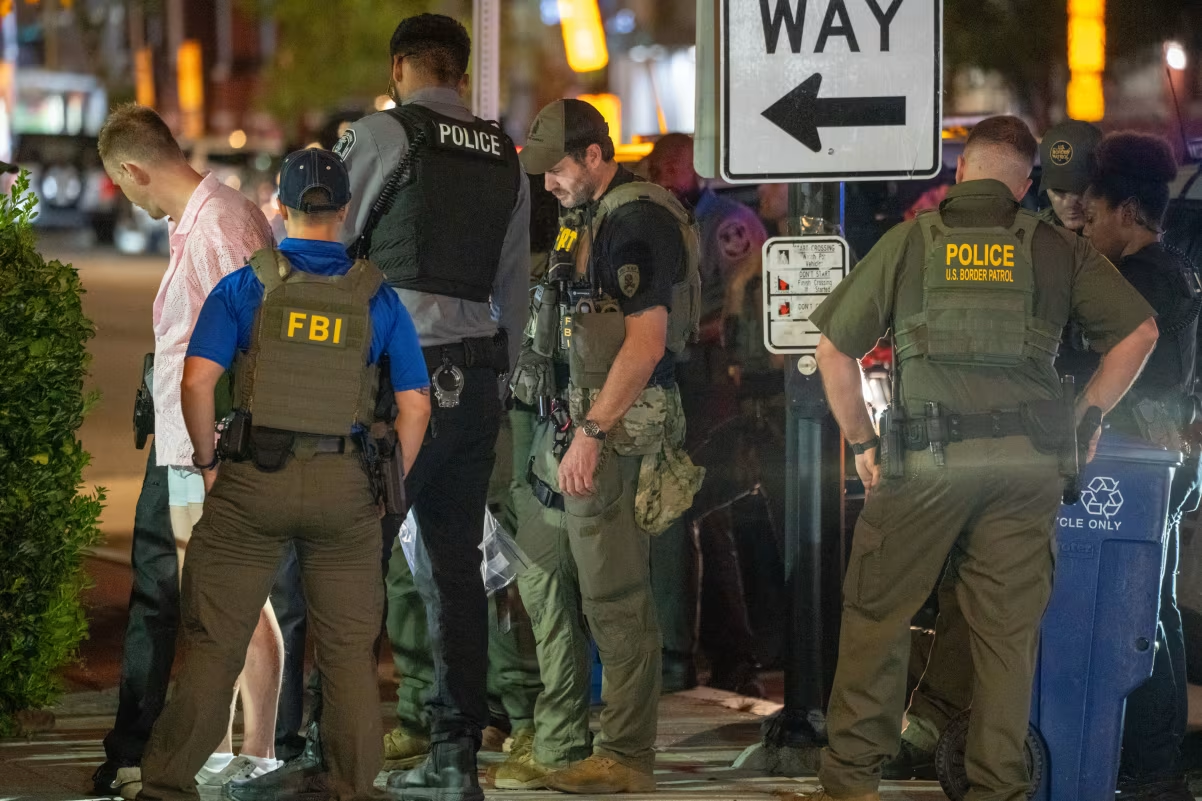
Man charged with felony for allegedly throwing sandwich at federal law enforcement officer in DC
Entities mentioned:
- Sean Charles Dunn: Moral outrage, Indignation, Self-respect
- Pam Bondi: Power, Control, Professional pride
- Donald Trump: Power, Control, Security
- Jeanine Pirro: Loyalty, Righteousness, Power
- Abigail Jackson: Duty, Loyalty, Professional pride
Article Assessment:
Credibility Score: 70/100
Bias Rating: 65/100 (Lean Right)
Sentiment Score: 30/100
Authoritarianism Risk: 65/100 (Authoritarian Tendencies)
Bias Analysis:
The article leans slightly right due to its emphasis on law enforcement perspectives and inclusion of quotes from Trump administration officials. While it includes some context about crime statistics, it doesn't provide balanced viewpoints from critics of the increased federal presence.
Key metric: Public Trust in Government Institutions
As a social scientist, I analyze that this incident reflects growing tensions between federal authorities and citizens, particularly in the context of increased federal law enforcement presence in Washington, DC. The disproportionate response to a relatively minor incident (throwing a sandwich) with a felony charge and immediate termination of employment suggests an escalation in the government's approach to dissent. This could lead to a chilling effect on free speech and protest, potentially eroding public trust in government institutions. The framing of the incident as part of a 'Deep State' narrative by high-ranking officials further polarizes the situation and may contribute to increased societal divisions.
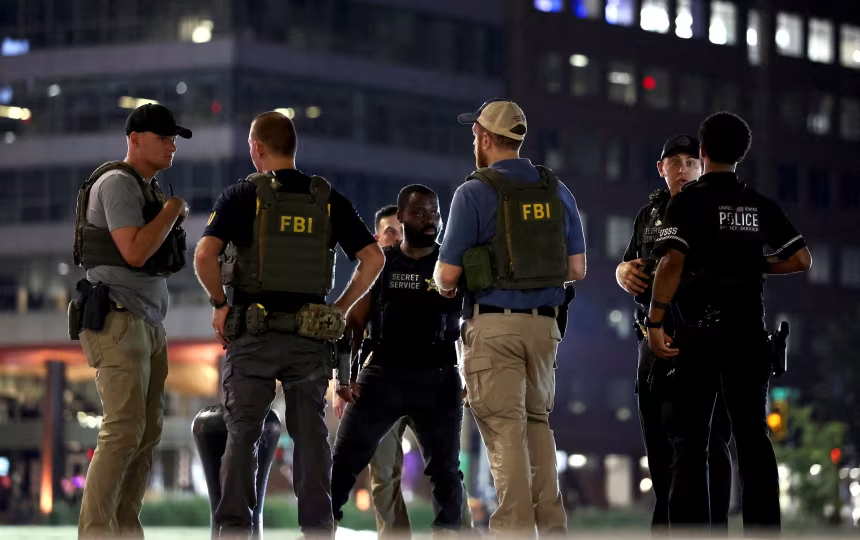
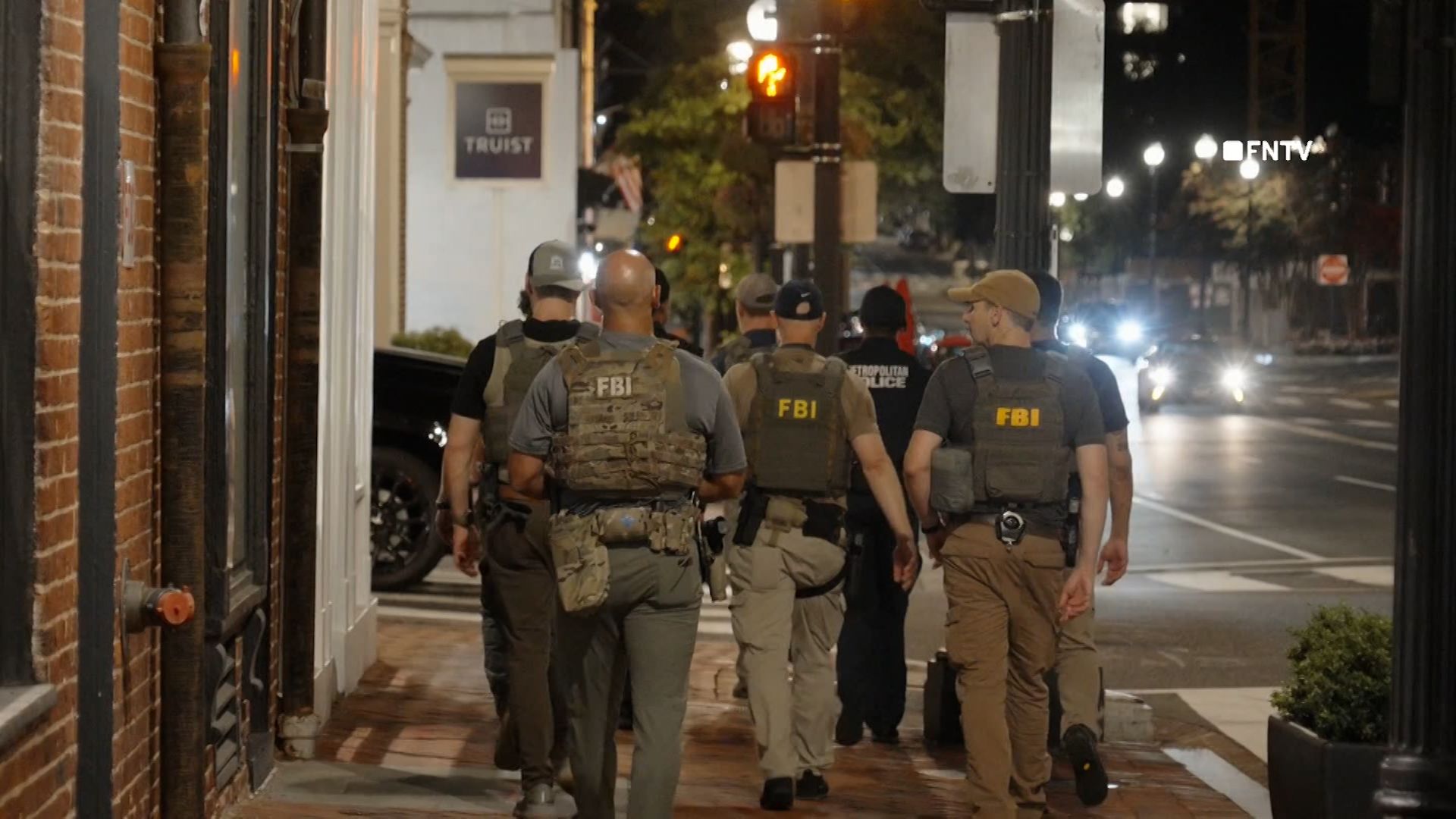
FBI agents are again pulled from their day jobs to address a Trump priority
Entities mentioned:
- FBI: Duty, Professional pride, Wariness
- Donald Trump: Control, Power, Influence
- Kash Patel: Loyalty, Ambition, Control
- Andrew McCabe: Professional pride, Wariness, Duty
- Metropolitan Police Department: Duty, Security, Professional pride
- Dan Bongino: Loyalty, Ambition, Influence
Article Assessment:
Credibility Score: 75/100
Bias Rating: 35/100 (Lean Left)
Sentiment Score: 25/100
Authoritarianism Risk: 65/100 (Authoritarian Tendencies)
Bias Analysis:
The article leans slightly left, evidenced by its critical tone towards Trump administration policies and sympathetic portrayal of FBI agents' concerns. However, it includes multiple sources and perspectives, maintaining a degree of balance.
Key metric: Law Enforcement Effectiveness
As a social scientist, I analyze that this article highlights a significant shift in FBI operations under the Trump administration, potentially compromising national security and law enforcement effectiveness. The reassignment of FBI agents to tasks outside their expertise, such as street patrols and immigration enforcement, appears to be politically motivated rather than based on security needs. This reallocation of resources may lead to reduced capacity in handling complex investigations, including counterintelligence and terrorism. The article suggests a growing tension between professional law enforcement practices and political directives, potentially leading to a decline in morale and expertise within the FBI. The forced involvement in tasks like reviewing Epstein files and supporting immigration enforcement raises concerns about the politicization of law enforcement and the potential neglect of critical national security matters. The recent firings of senior FBI officials further indicates a pattern of political interference in law enforcement operations, which could have long-term negative impacts on the bureau's effectiveness and independence.
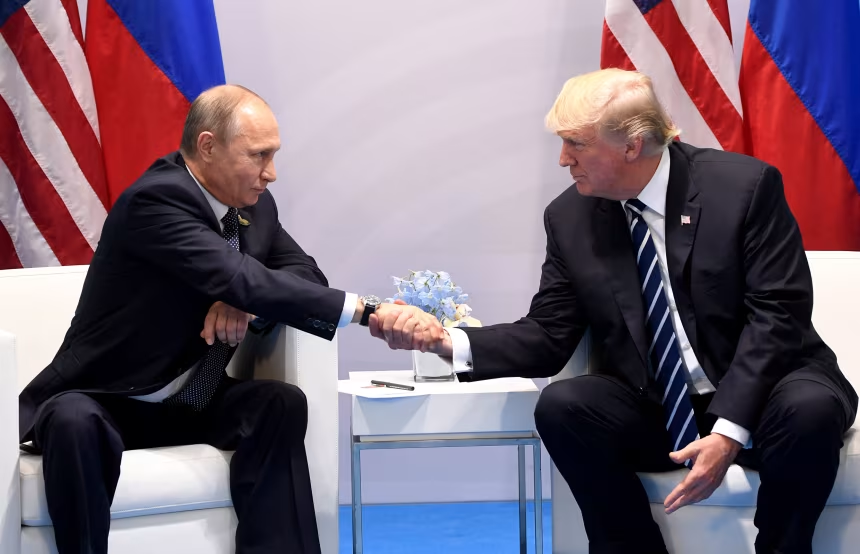
How Trump and Putin’s relationship has evolved since they first met eight years ago
Entities mentioned:
- Donald Trump: Power, Recognition, Influence
- Vladimir Putin: Power, Control, Self-preservation
- United States: Influence, Security, Power
- Russia: Power, Control, Self-preservation
- Ukraine: Self-preservation, Freedom, Security
- White House: Control, Influence, Security
- John Herbst: Professional pride, Duty, Influence
- James Stavridis: Professional pride, Duty, Security
Article Assessment:
Credibility Score: 75/100
Bias Rating: 55/100 (Center)
Sentiment Score: 35/100
Authoritarianism Risk: 45/100 (Mixed/Neutral)
Bias Analysis:
The article presents a relatively balanced view, incorporating various perspectives and historical context. While it includes some critical analysis of Trump's actions, it also presents his viewpoint, maintaining a mostly neutral tone.
Key metric: US-Russia Relations Index
As a social scientist, I analyze that this article highlights the complex and evolving relationship between Donald Trump and Vladimir Putin, as well as the broader US-Russia relations. The article traces the history of their interactions from 2016 to the present, showing how initial optimism has given way to skepticism and tension. The invasion of Ukraine serves as a critical turning point, significantly impacting the US-Russia Relations Index. Trump's changing rhetoric towards Putin, from praise to criticism, reflects the deteriorating diplomatic situation. The article also touches on the lingering effects of the 2016 election interference allegations, which have continually influenced Trump's approach to Russia. This evolving dynamic suggests a potential shift in US foreign policy towards Russia, with implications for global geopolitics and security arrangements.
Crowd in DC outraged by federal law enforcement presence as cars stopped on busy street
Entities mentioned:
- Washington, DC police: Duty, Control, Security
- Federal agents: Control, Security, Duty
- President Donald Trump: Power, Control, Security
- Local community members: Moral outrage, Indignation, Freedom
- National Guard: Duty, Security, Control
- White House official: Loyalty, Duty, Control
- Homeland Security Investigations: Security, Control, Duty
- Enforcement and Removal Operations (ICE): Control, Security, Duty
- Mara Lasko (local resident): Moral outrage, Indignation, Freedom
- Mayor Muriel Bowser: Security, Unity, Duty
Article Assessment:
Credibility Score: 75/100
Bias Rating: 45/100 (Center)
Sentiment Score: 35/100
Authoritarianism Risk: 65/100 (Authoritarian Tendencies)
Bias Analysis:
The article presents multiple perspectives, including those of protesters, local residents, and officials. While it leans slightly towards portraying community concerns, it also includes statements from White House and law enforcement sources.
Key metric: Civil Liberties and Rule of Law
As a social scientist, I analyze that this article highlights a significant tension between federal law enforcement actions and local community reactions in Washington, DC. The increased presence of federal agents and checkpoints in residential areas represents a potential infringement on civil liberties and local autonomy. This situation risks eroding trust between law enforcement and communities, potentially leading to increased social unrest. The federal takeover of local policing, justified by claims of high crime rates (which the article notes have actually decreased), raises concerns about the balance of power between federal and local authorities. This could have long-term implications for democratic governance and the rule of law in the United States.

Nobody In White House Sure Who Guy Praying Over Trump Is
Entities mentioned:
- Donald Trump: Power, Control, Recognition
- White House: Security, Control, Loyalty
- Mysterious Stranger: Influence, Righteousness, Control
- Administration Official: Duty, Wariness, Self-preservation
- Press Secretary: Loyalty, Control, Indignation
- Secret Service: Security, Duty, Wariness
Article Assessment:
Credibility Score: 30/100
Bias Rating: 35/100 (Lean Left)
Sentiment Score: 25/100
Authoritarianism Risk: 65/100 (Authoritarian Tendencies)
Bias Analysis:
The article leans left, using satire to criticize the Trump administration. It portrays the administration as chaotic and hostile to transparency, reflecting a negative bias towards conservative leadership.
Key metric: Government Transparency and Accountability
As a social scientist, I analyze that this satirical article highlights concerns about transparency, security protocols, and decision-making processes within the highest levels of government. The presence of an unidentified individual with apparent influence over the President raises questions about vetting procedures and the potential for undue religious influence in governance. The administration's reported hostility towards media inquiries further underscores issues of accountability and press freedom. The absurd elements, such as snake-handling and speaking in tongues, serve to amplify concerns about rational leadership and separation of church and state. The article's conclusion, suggesting the appointment of this unknown figure to a critical economic position, pointedly criticizes perceived incompetence and arbitrary decision-making in high-level appointments.

Novelty Car Horn Playing ‘La Cucaracha’ Sends Stephen Miller Into Dissociative Fugue State
Entities mentioned:
- Stephen Miller: Control, Fear, Anxiety
- Leanne Ossing: Curiosity, Concern, Wariness
- Immigration and Customs Enforcement: Control, Duty, Security
Article Assessment:
Credibility Score: 25/100
Bias Rating: 30/100 (Lean Left)
Sentiment Score: 30/100
Authoritarianism Risk: 35/100 (Generally Democratic)
Bias Analysis:
The article leans left, mocking a conservative figure and immigration policies. It uses satire to criticize Stephen Miller's stance on immigration, presenting an exaggerated, negative portrayal.
Key metric: Social Cohesion
As a social scientist, I analyze that this satirical article highlights tensions surrounding immigration policy and cultural integration in the United States. The exaggerated reaction of Stephen Miller, known for his hardline stance on immigration, to a Spanish folk song symbolizes deep-seated anxieties about cultural change. This fictional scenario underscores the potential for cultural symbols to trigger extreme responses in individuals with strong ideological positions, potentially impacting social cohesion and inter-group relations.

No One Sure Why Kristi Noem Wearing Firefighter Helmet, Night-Vision Goggles, High Heels, Wet Suit
Entities mentioned:
- Kristi Noem: Recognition, Influence, Ambition
- Department of Homeland Security: Security, Control, Duty
Article Assessment:
Credibility Score: 30/100
Bias Rating: 40/100 (Lean Left)
Sentiment Score: 35/100
Authoritarianism Risk: 25/100 (Generally Democratic)
Bias Analysis:
The article leans slightly left, mocking a Republican official. The satirical tone and exaggerated portrayal suggest a critical stance towards the current administration, particularly targeting conservative leadership.
Key metric: Public Trust in Government
As a social scientist, I analyze that this article, while satirical in nature, could impact public perception of government officials and their competence. The portrayal of a high-ranking official in an absurd, seemingly unprofessional attire may contribute to a decline in public trust in government institutions. The exaggerated and nonsensical depiction of Noem's outfit could be interpreted as a commentary on perceived disconnect between government officials and practical realities of their roles. This satirical approach might reinforce existing skepticism about government effectiveness and decision-making processes.

Mike Lee Stresses He Would Have Posted Same Thing If Own Family Savagely Murdered
Entities mentioned:
- Mike Lee: Righteousness, Moral outrage, Pride
- Democrats: Moral outrage, Justice, Indignation
- Gov. Walz: Duty, Security, Unity
- Elon Musk: Influence, Recognition, Controversy
Article Assessment:
Credibility Score: 65/100
Bias Rating: 40/100 (Lean Left)
Sentiment Score: 25/100
Authoritarianism Risk: 55/100 (Mixed/Neutral)
Bias Analysis:
The article leans left in its framing, presenting Senator Lee's statements in a way that invites criticism. While quoting Lee directly, the satirical nature and choice of words ('tasteless', 'mocking') suggest disapproval of his stance.
Key metric: Political Polarization Index
As a social scientist, I analyze that this article highlights the extreme polarization in American politics. Senator Mike Lee's hypothetical response to a tragedy affecting his own family demonstrates a prioritization of partisan rhetoric over empathy or unity. This behavior likely contributes to increased political division, potentially damaging democratic discourse and cooperation. The senator's willingness to use personal tragedy for political gain, even hypothetically, suggests a concerning trend in political communication where shock value and partisan point-scoring supersede constructive dialogue. This approach may further erode public trust in political institutions and exacerbate existing societal tensions.

Ted Cruz Assures Texans He Working Tirelessly To Get Vacation Refunded
Entities mentioned:
- Ted Cruz: Self-preservation, Recognition, Greed
- Texans: Security, Justice, Indignation
- Capital One: Professional pride, Control
- Four Seasons Athens: Professional pride, Control
- United Airlines: Professional pride, Control
- Mykonos Riviera Hotel and Spa: Professional pride, Control
Article Assessment:
Credibility Score: 30/100
Bias Rating: 35/100 (Lean Left)
Sentiment Score: 25/100
Authoritarianism Risk: 20/100 (Strongly Democratic)
Bias Analysis:
The article leans left, using satire to criticize a Republican senator. While humor is employed, the piece clearly aims to portray Cruz negatively, focusing on perceived selfishness and detachment from constituents' needs.
Key metric: Public Trust in Government
As a social scientist, I analyze that this satirical article highlights the perceived disconnect between elected officials and their constituents during times of crisis. The piece uses humor to criticize Senator Ted Cruz's priorities, portraying him as more concerned with his personal vacation refunds than with the welfare of Texans affected by floods. This narrative potentially impacts public trust in government by reinforcing stereotypes of self-interested politicians. The juxtaposition of Cruz's trivial concerns with the serious plight of flood victims could lead to increased cynicism among voters and decreased faith in elected officials' commitment to public service.