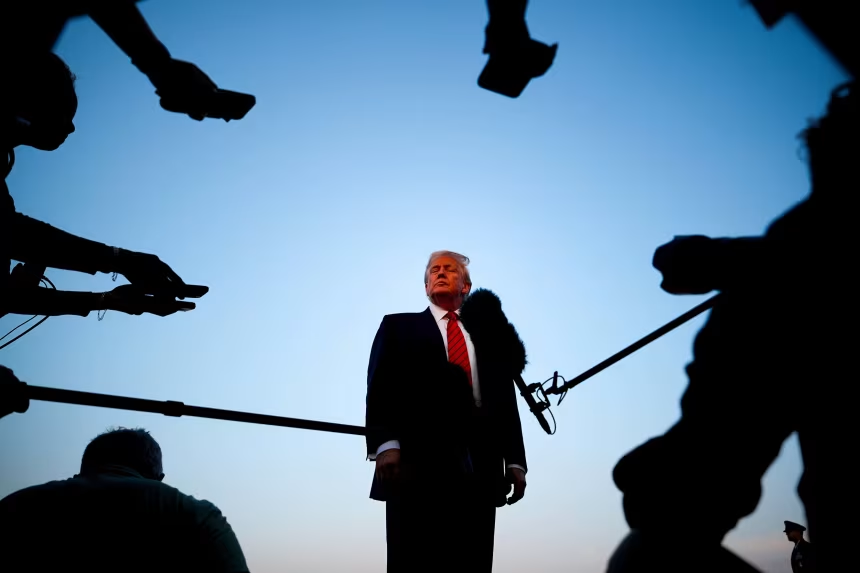
Trump has been on a roll for the ages — but blowback could be looming
Entities mentioned:
- Donald Trump: Power, Control, Legacy
- Robert Kennedy Jr.: Ambition, Influence, Professional pride
- Vladimir Putin: Power, Control, Influence
- Mark Kelly: Duty, Justice, Security
Article Assessment:
Credibility Score: 65/100
Bias Rating: 35/100 (Lean Left)
Sentiment Score: 30/100
Authoritarianism Risk: 65/100 (Authoritarian Tendencies)
Bias Analysis:
The article leans left in its framing, emphasizing potential negative consequences of Trump's policies and using language that is often critical of the administration. While it includes some factual information, the tone and selection of points suggest a skeptical view of Trump's presidency.
Key metric: Presidential Approval Rating
As a social scientist, I analyze that this article portrays a presidency marked by aggressive policy implementation and consolidation of power. Trump's actions across trade, immigration, and domestic policy are described as far-reaching and potentially risky. The article suggests that while Trump has achieved significant policy wins, there may be looming consequences that could impact his approval ratings and political standing. The piece highlights concerns about economic repercussions from tariffs, humanitarian issues in immigration enforcement, and potential backlash against legislative actions. It also touches on Trump's foreign policy approach, particularly with Russia, and its possible implications for global politics and U.S. alliances. The article implies that Trump's governance style, characterized by personal will and leverage, may be approaching a critical juncture where political and policy outcomes could shift public opinion.
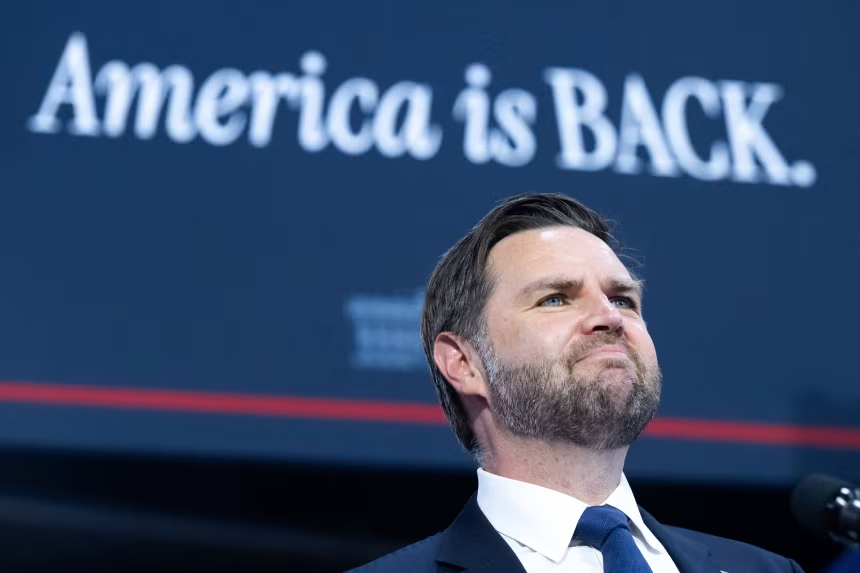
Vance embraces his growing role as Trump’s chief problem solver — and the implications for a 2028 run
Entities mentioned:
- JD Vance: Ambition, Loyalty, Power
- Donald Trump: Power, Control, Legacy
- Republican Party (GOP): Power, Influence, Unity
- Marco Rubio: Ambition, Power, Recognition
- Pete Hegseth: Duty, Professional pride, Loyalty
- Robert F. Kennedy Jr.: Ambition, Legacy, Influence
- Jack Posobiec: Influence, Loyalty, Recognition
Article Assessment:
Credibility Score: 70/100
Bias Rating: 55/100 (Center)
Sentiment Score: 60/100
Authoritarianism Risk: 45/100 (Mixed/Neutral)
Bias Analysis:
The article presents a relatively balanced view of Vance's role, including both praise and potential risks. While it leans slightly towards a positive portrayal of Vance, it also includes cautionary notes about the volatility of political fortunes.
Key metric: Presidential Approval Rating
As a social scientist, I analyze that this article highlights the growing influence of JD Vance within the Trump administration and his potential as a future presidential candidate. Vance's increasing role as a problem solver and his alignment with Trump's agenda directly impact the administration's effectiveness and, consequently, the President's approval ratings. The article suggests that Vance's political future is tightly linked to Trump's success, indicating that current approval ratings may have long-term implications for both figures. The focus on Vance's ability to navigate complex issues and maintain relationships across various political spheres demonstrates how internal dynamics within an administration can significantly influence public perception and support.

Longtime Biden aide testifies in GOP probe that former president aged on job but remained ‘fully engaged’
Entities mentioned:
- Joe Biden: Legacy, Duty, Power
- Anita Dunn: Loyalty, Professional pride, Duty
- House Oversight Committee: Righteousness, Control, Influence
- Robert Hur: Duty, Justice, Professional pride
- Bruce Reed: Loyalty, Duty, Professional pride
- Steve Ricchetti: Loyalty, Duty, Professional pride
- Mike Donilon: Loyalty, Duty, Professional pride
- Dr. Kevin O'Connor: Professional pride, Self-preservation, Duty
- Anthony Bernal: Self-preservation, Loyalty, Duty
- Annie Tomasini: Self-preservation, Loyalty, Duty
Article Assessment:
Credibility Score: 70/100
Bias Rating: 55/100 (Center)
Sentiment Score: 45/100
Authoritarianism Risk: 30/100 (Generally Democratic)
Bias Analysis:
The article presents multiple perspectives, including both supportive statements from Biden's former aides and the ongoing Republican investigation. While it leans slightly towards defending Biden, it also includes potentially damaging information, maintaining a relatively balanced approach.
Key metric: Presidential Approval Rating
As a social scientist, I analyze that this article highlights the ongoing debate about President Biden's cognitive abilities and its potential impact on public perception. The testimony of former aides, particularly Anita Dunn, appears to be an attempt to counter narratives about Biden's mental fitness. The Republican-led probe and the refusal of some aides to testify suggest a politically charged atmosphere. This investigation and the associated media coverage could significantly influence public opinion on Biden's capability to lead, potentially affecting his approval ratings and re-election prospects. The emphasis on aging and cognitive abilities in high office also raises broader questions about age and leadership in American politics.