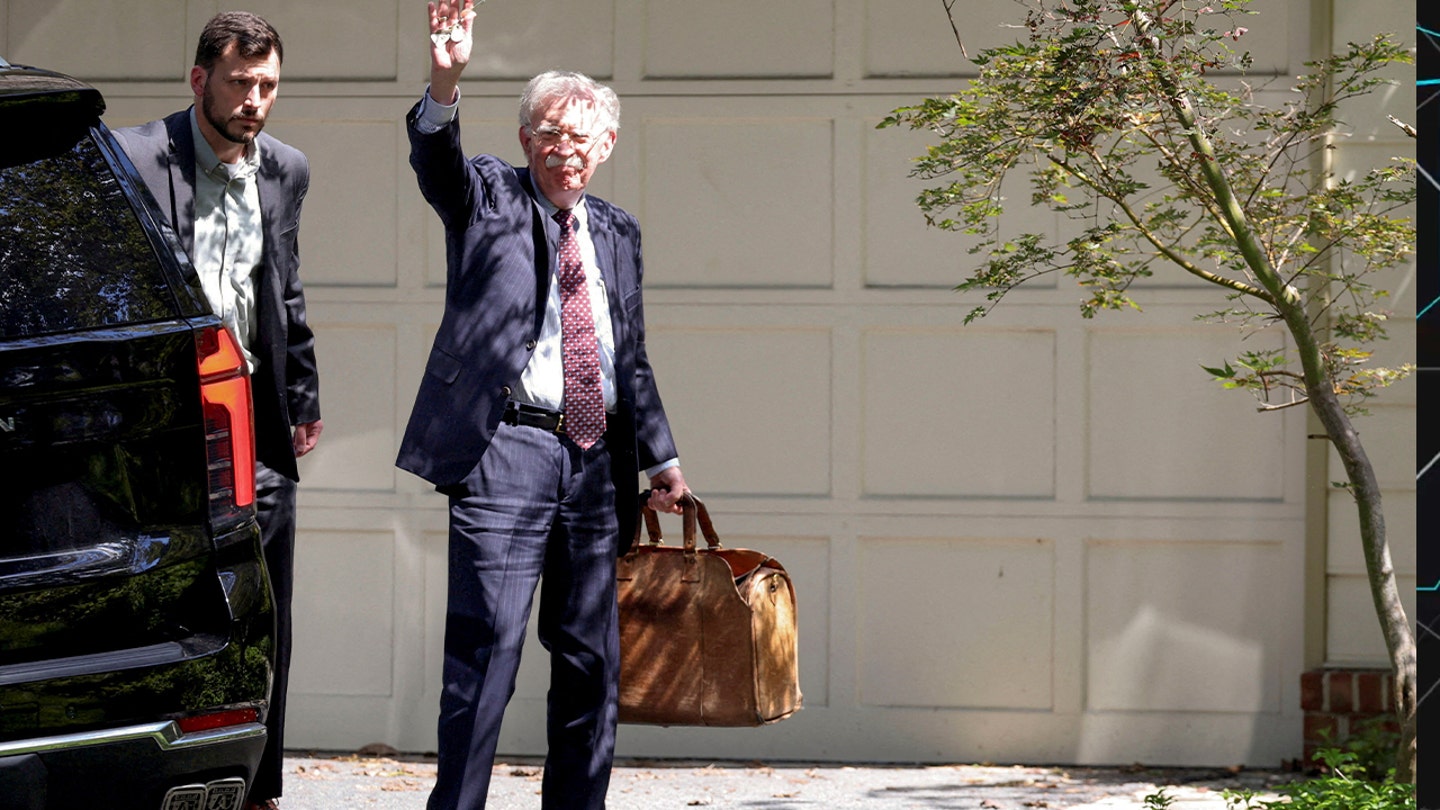
Bolton may be in hot water as FBI investigation expands beyond controversial book
Entities mentioned:
- John Bolton: Self-preservation, Recognition, Influence
- FBI: Justice, Duty, Control
- Donald Trump: Power, Revenge, Control
- Department of Justice: Justice, Duty, Control
- Mark Zaid: Professional pride, Duty, Influence
- Bill Barr: Loyalty, Duty, Control
- Judge Royce Lamberth: Justice, Duty, Security
- Biden administration: Justice, Control, Influence
- CIA: Security, Duty, Control
- Letitia James: Justice, Ambition, Duty
- Adam Schiff: Justice, Duty, Influence
- Tulsi Gabbard: Justice, Influence, Duty
- Chris Christie: Self-preservation, Ambition, Influence
- John Fishwick: Professional pride, Justice, Influence
- Jason Kander: Professional pride, Justice, Influence
Article Assessment:
Credibility Score: 65/100
Bias Rating: 55/100 (Center)
Sentiment Score: 30/100
Authoritarianism Risk: 65/100 (Authoritarian Tendencies)
Bias Analysis:
The article presents multiple viewpoints and cites various sources, including legal experts from different political backgrounds. However, there's a slight lean towards framing the investigation as potentially politically motivated, which nudges it slightly right of center.
Key metric: Rule of Law Index
As a social scientist, I analyze that this article highlights potential politicization of the justice system, which could significantly impact the Rule of Law Index. The expanded investigation into John Bolton, coupled with probes into other Trump critics, raises questions about the impartiality of the DOJ. This situation tests the balance between legitimate law enforcement and political retribution, potentially eroding public trust in legal institutions. The financial burden of legal defense, even without conviction, serves as a deterrent to political opposition, which could have a chilling effect on free speech and democratic processes. The article's discussion of classified information handling also underscores the tension between national security concerns and transparency in government, a crucial aspect of maintaining a strong rule of law.
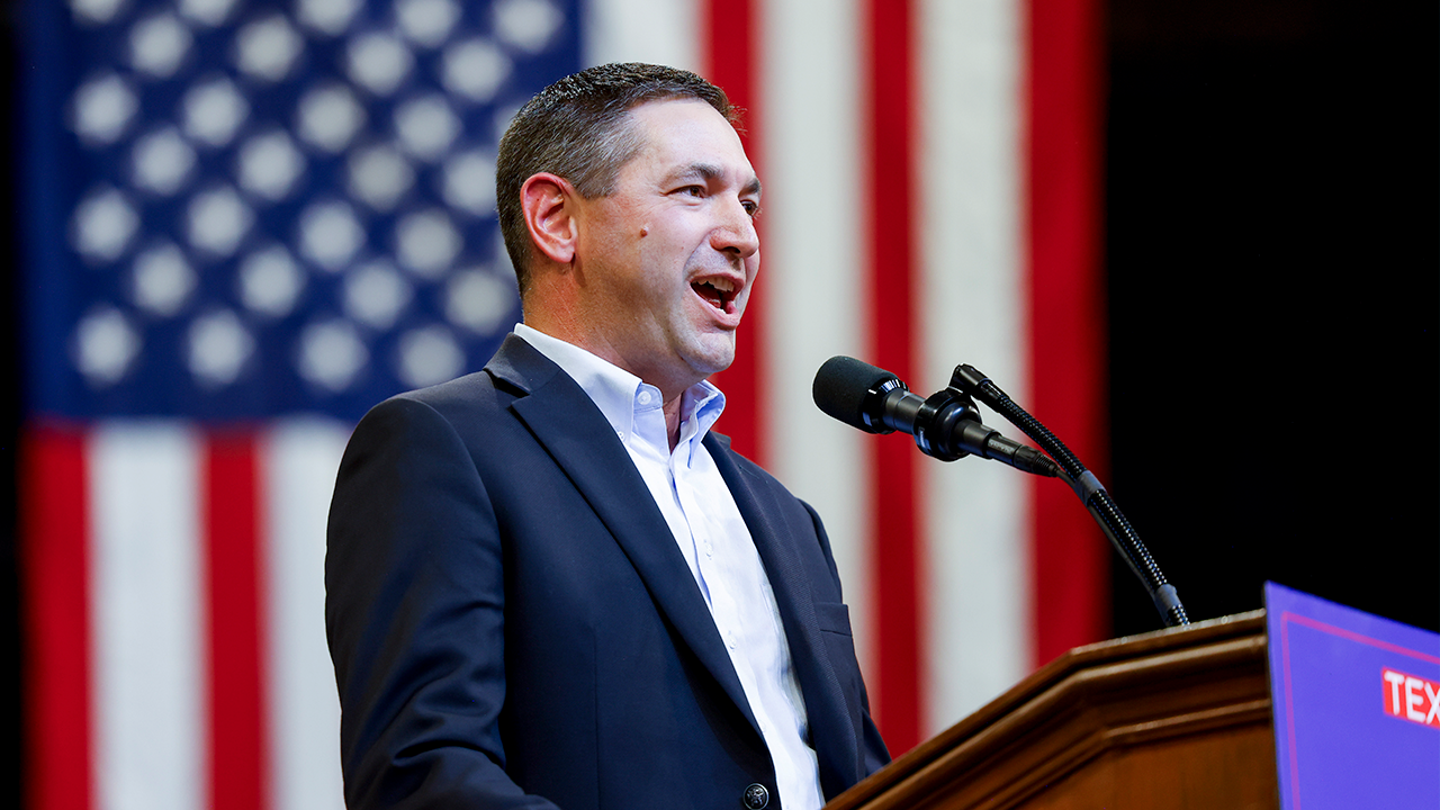
EPA urged to axe funds for ‘radical’ climate project accused of training judges, state AGs rally
Entities mentioned:
- Republican state attorneys general: Righteousness, Duty, Wariness
- EPA (Environmental Protection Agency): Control, Duty, Professional pride
- Lee Zeldin: Duty, Control, Influence
- Environmental Law Institute: Influence, Legacy, Righteousness
- Climate Judiciary Project: Influence, Righteousness, Legacy
- Austin Knudsen: Righteousness, Duty, Moral outrage
- Donald Trump: Power, Control, Legacy
- American Energy Institute: Influence, Righteousness, Wariness
- Alliance for Consumers: Influence, Duty, Wariness
- Ted Cruz: Righteousness, Wariness, Influence
Article Assessment:
Credibility Score: 65/100
Bias Rating: 75/100 (Lean Right)
Sentiment Score: 30/100
Authoritarianism Risk: 45/100 (Mixed/Neutral)
Bias Analysis:
The article leans right, evidenced by its framing of environmental programs as 'radical' and 'woke'. It primarily presents the perspective of Republican officials and conservative organizations, with limited counterbalancing views from the criticized entities.
Key metric: Government Spending Efficiency
As a social scientist, I analyze that this article highlights a growing conflict between conservative state officials and environmental advocacy groups over the use of federal funds for climate education programs targeting judges. The Republican attorneys general argue that such programs constitute lobbying and aim to influence judicial decisions on climate policy, which they view as an overreach and misuse of taxpayer money. This dispute reflects broader ideological divisions on climate change policy and the role of the judiciary in addressing environmental issues. The Trump administration's approach to reducing federal spending on environmental and social programs is presented as a positive contrast. The controversy underscores the increasing politicization of climate science and policy, as well as the strategic use of the judicial system to advance policy goals. This situation may lead to decreased funding for environmental education programs and potentially impact the way climate-related cases are handled in courts.

Fighter pilots take directions from AI in Pentagon’s groundbreaking test
Entities mentioned:
- U.S. Fighter Pilots: Duty, Professional pride, Security
- Pentagon: Security, Competitive spirit, Influence
- Air Force: Security, Professional pride, Competitive spirit
- Navy: Security, Professional pride, Competitive spirit
- Raft AI: Ambition, Innovation, Recognition
- Shubhi Mishra: Ambition, Recognition, Influence
- Federal Aviation Administration (FAA): Security, Duty, Professional pride
- National Transportation Safety Board: Duty, Security, Professional pride
Article Assessment:
Credibility Score: 75/100
Bias Rating: 55/100 (Center)
Sentiment Score: 65/100
Authoritarianism Risk: 35/100 (Generally Democratic)
Bias Analysis:
The article presents a balanced view of the AI technology, discussing both its potential benefits and ethical concerns. While it leans slightly towards emphasizing the positive aspects, it also includes cautionary notes about human involvement in critical decisions.
Key metric: Military Technological Advantage
As a social scientist, I analyze that this article highlights a significant advancement in military technology, specifically in air combat management. The integration of AI into fighter pilot operations represents a potential paradigm shift in warfare strategy. This development could dramatically enhance the U.S. military's decision-making speed and accuracy in air combat scenarios, potentially providing a substantial edge over adversaries. However, it also raises ethical questions about the role of AI in life-or-death decisions and the future of human involvement in combat operations. The test's success suggests a trend towards increased AI integration in military operations, which could have far-reaching implications for national defense strategies, international military dynamics, and the nature of future conflicts. The emphasis on maintaining human oversight indicates a cautious approach to this technological integration, balancing innovation with ethical considerations.
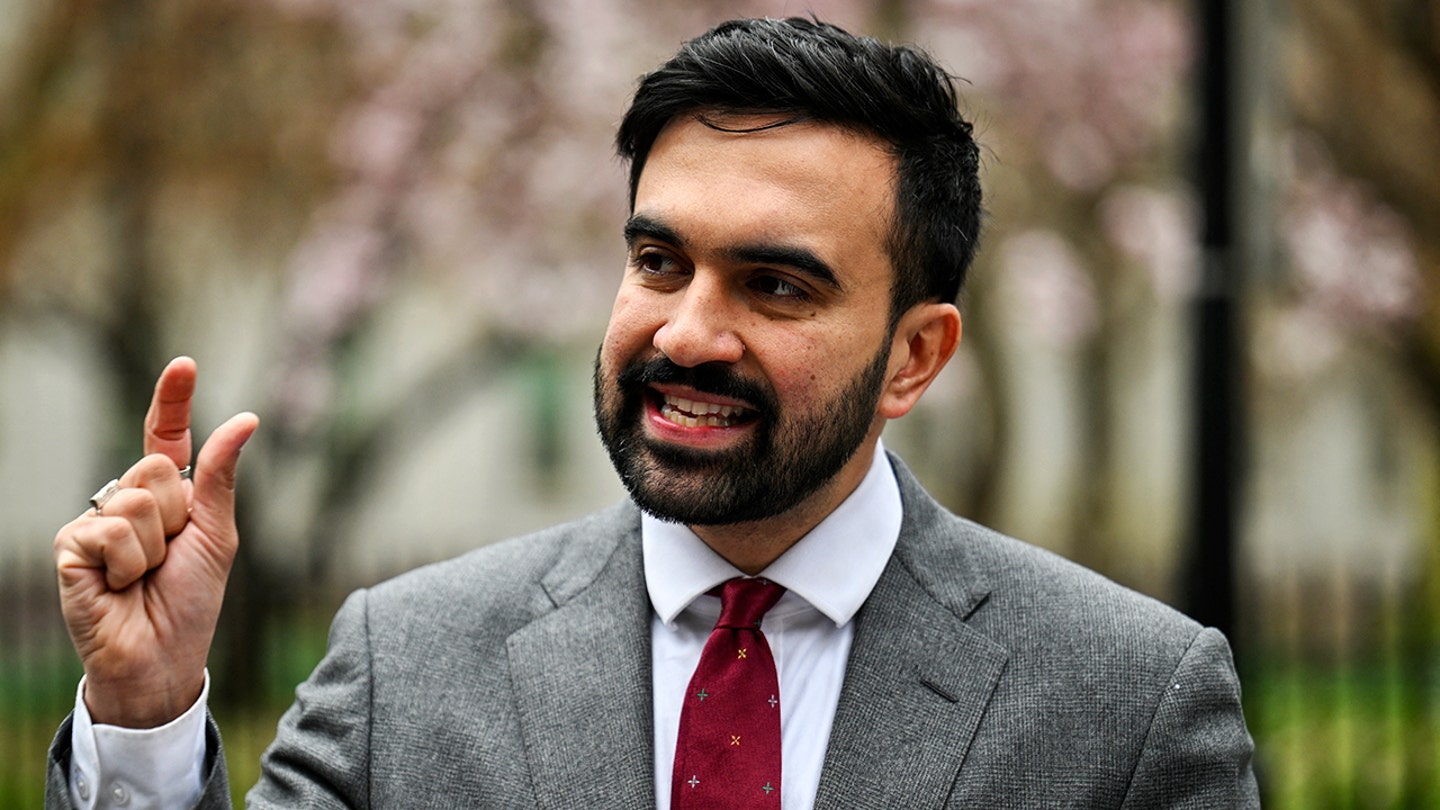
Zohran Mamdani's $1M fundraising haul fueled by out-of-state donors, data reveals
Entities mentioned:
- Zohran Mamdani: Ambition, Recognition, Influence
- Andrew Cuomo: Competitive spirit, Power, Legacy
- Curtis Sliwa: Duty, Loyalty, Competitive spirit
- Eric Adams: Power, Self-preservation, Control
- Dora Pekec: Professional pride, Loyalty, Enthusiasm
Article Assessment:
Credibility Score: 70/100
Bias Rating: 55/100 (Center)
Sentiment Score: 45/100
Authoritarianism Risk: 30/100 (Generally Democratic)
Bias Analysis:
The article presents a relatively balanced view, including data from multiple candidates. However, there's a slight emphasis on Mamdani's out-of-state funding, which could be interpreted as mildly critical.
Key metric: Political Polarization
As a social scientist, I analyze that this article highlights the growing influence of out-of-state donors in local elections, potentially exacerbating political polarization. Mamdani's significant out-of-state fundraising suggests a nationalization of local politics, which could lead to increased ideological divisions and reduced focus on local issues. The contrast between Mamdani's 'socialist' support and Cuomo's appeal to moderates further emphasizes this divide. This trend may result in candidates being more beholden to national interests rather than local constituents, potentially impacting the effectiveness of local governance and increasing political polarization within the city.

Walz' Minnesota may be next as ICE detention footprint grows nationwide
Entities mentioned:
- Tim Walz: Duty, Moral outrage, Security
- ICE (Immigration and Customs Enforcement): Control, Security, Duty
- CoreCivic: Greed, Influence, Professional pride
- Donald Trump: Control, Security, Power
- Gavin Newsom: Moral outrage, Justice, Control
- ACLU: Justice, Freedom, Moral outrage
Article Assessment:
Credibility Score: 70/100
Bias Rating: 65/100 (Lean Right)
Sentiment Score: 35/100
Authoritarianism Risk: 55/100 (Mixed/Neutral)
Bias Analysis:
The article leans slightly right, evident in its focus on ICE expansion and use of language like 'rendered obsolete' for private prison bans. It presents multiple viewpoints but gives more weight to pro-enforcement perspectives.
Key metric: Immigration Enforcement Capacity
As a social scientist, I analyze that this article highlights a growing trend of ICE expanding its detention capacity across the United States, potentially including Minnesota. This expansion reflects a broader shift in immigration policy and enforcement strategies. The repurposing of private prisons for ICE detention centers raises questions about the privatization of detention facilities and its implications for detainee treatment and rights. The article also underscores the tension between federal immigration policies and state-level opposition to private prisons, as seen in California and Minnesota. This expansion of ICE facilities could significantly impact the country's ability to detain and process immigrants, potentially affecting both legal and illegal immigration rates, as well as public perception of immigration enforcement.

Following LA and DC, Trump wants to send the National Guard to other US cities. Here’s how he can do it
Entities mentioned:
- Donald Trump: Power, Control, Influence
- Elizabeth Goitein: Justice, Duty, Professional pride
- Brandon Johnson: Righteousness, Duty, Indignation
- JB Pritzker: Righteousness, Duty, Indignation
- David Janovsky: Professional pride, Duty, Wariness
- Pam Bondi: Loyalty, Control, Influence
- Gavin Newsom: Righteousness, Duty, Self-preservation
Article Assessment:
Credibility Score: 75/100
Bias Rating: 40/100 (Lean Left)
Sentiment Score: 30/100
Authoritarianism Risk: 65/100 (Authoritarian Tendencies)
Bias Analysis:
The article leans slightly left, giving more space to critics of Trump's actions and framing the issue as a potential overreach of presidential power. However, it does include multiple perspectives and cites legal justifications for Trump's actions.
Key metric: Civil Liberties Protection Index
As a social scientist, I analyze that this article highlights a significant tension between federal and state powers, particularly concerning the use of military forces for domestic law enforcement. The proposed actions by the Trump administration represent a potential shift in the balance of power, raising concerns about civil liberties and the traditional separation of military and police functions. This situation could have far-reaching implications for federalism, constitutional interpretation, and the scope of presidential authority in domestic affairs. The legal challenges and pushback from state and local officials underscore the complexity of these issues and the potential for a constitutional crisis if federal forces are deployed against the wishes of state governments.
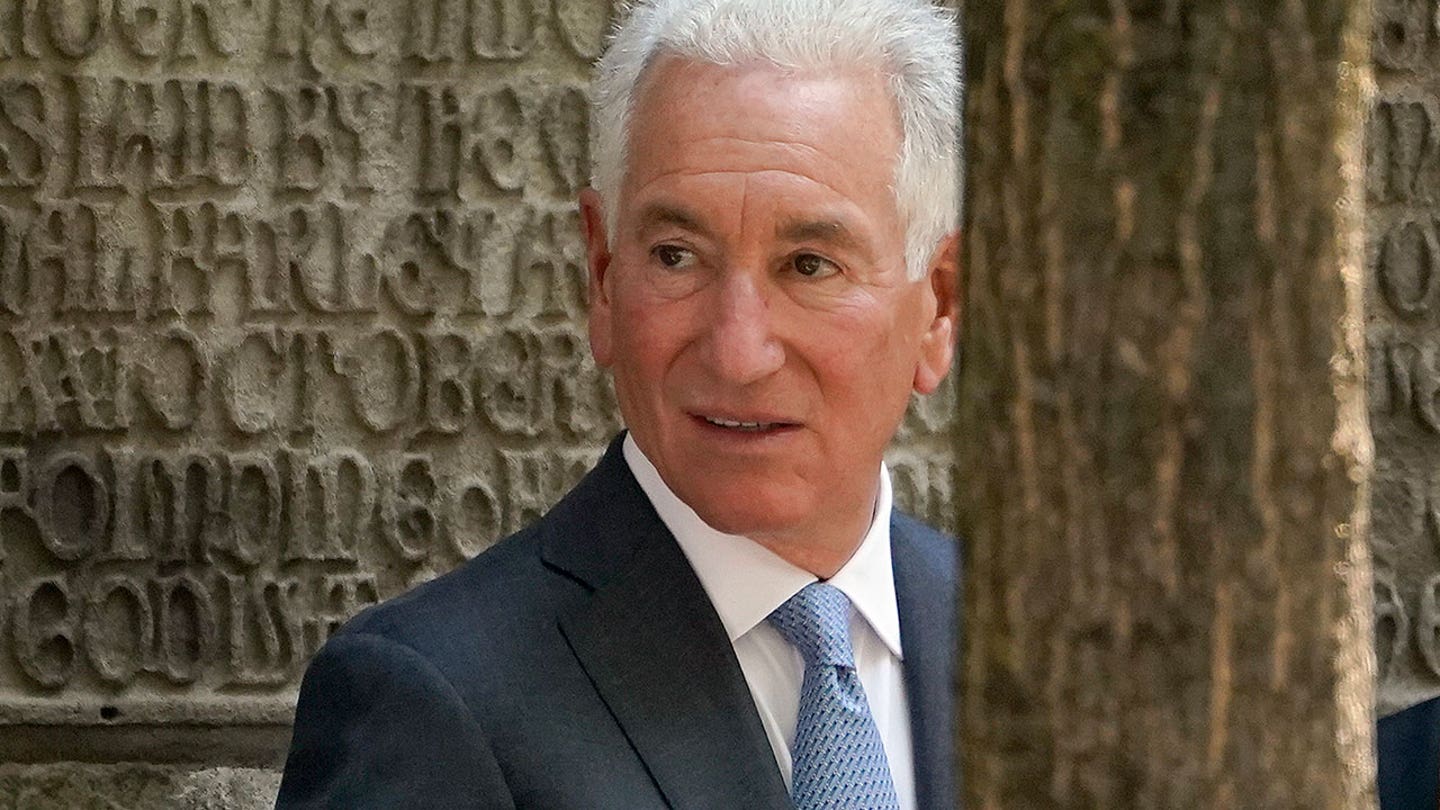
US ally summons Trump ambassador over 'unacceptable' antisemitism allegations
Entities mentioned:
- Charles Kushner: Righteousness, Moral outrage, Loyalty
- France: Self-respect, Justice, Unity
- Emmanuel Macron: Duty, Justice, Security
- United States: Loyalty, Influence, Power
- Hamas: Power, Revenge, Control
- Israel: Security, Self-preservation, Justice
- Benjamin Netanyahu: Power, Security, Self-preservation
- Donald Trump: Loyalty, Power, Influence
Article Assessment:
Credibility Score: 75/100
Bias Rating: 55/100 (Center)
Sentiment Score: 30/100
Authoritarianism Risk: 35/100 (Generally Democratic)
Bias Analysis:
The article presents both US and French perspectives, quoting official statements from both sides. While it provides context about Kushner's background and Trump's support for Israel, it maintains a relatively balanced approach in reporting the diplomatic incident.
Key metric: US-France Diplomatic Relations
As a social scientist, I analyze that this incident represents a significant strain in US-France diplomatic relations. The summoning of an ambassador is a serious diplomatic action, indicating France's strong disapproval of Kushner's allegations. This conflict stems from differing perspectives on addressing antisemitism and the Israel-Palestine conflict. The US backing of Kushner's comments, despite France's objections, further complicates the situation. This disagreement could potentially impact cooperation on other international issues and weaken the transatlantic alliance. The incident also highlights the complex interplay between domestic politics, international relations, and personal connections in diplomacy, as evidenced by Kushner's familial ties to former President Trump.
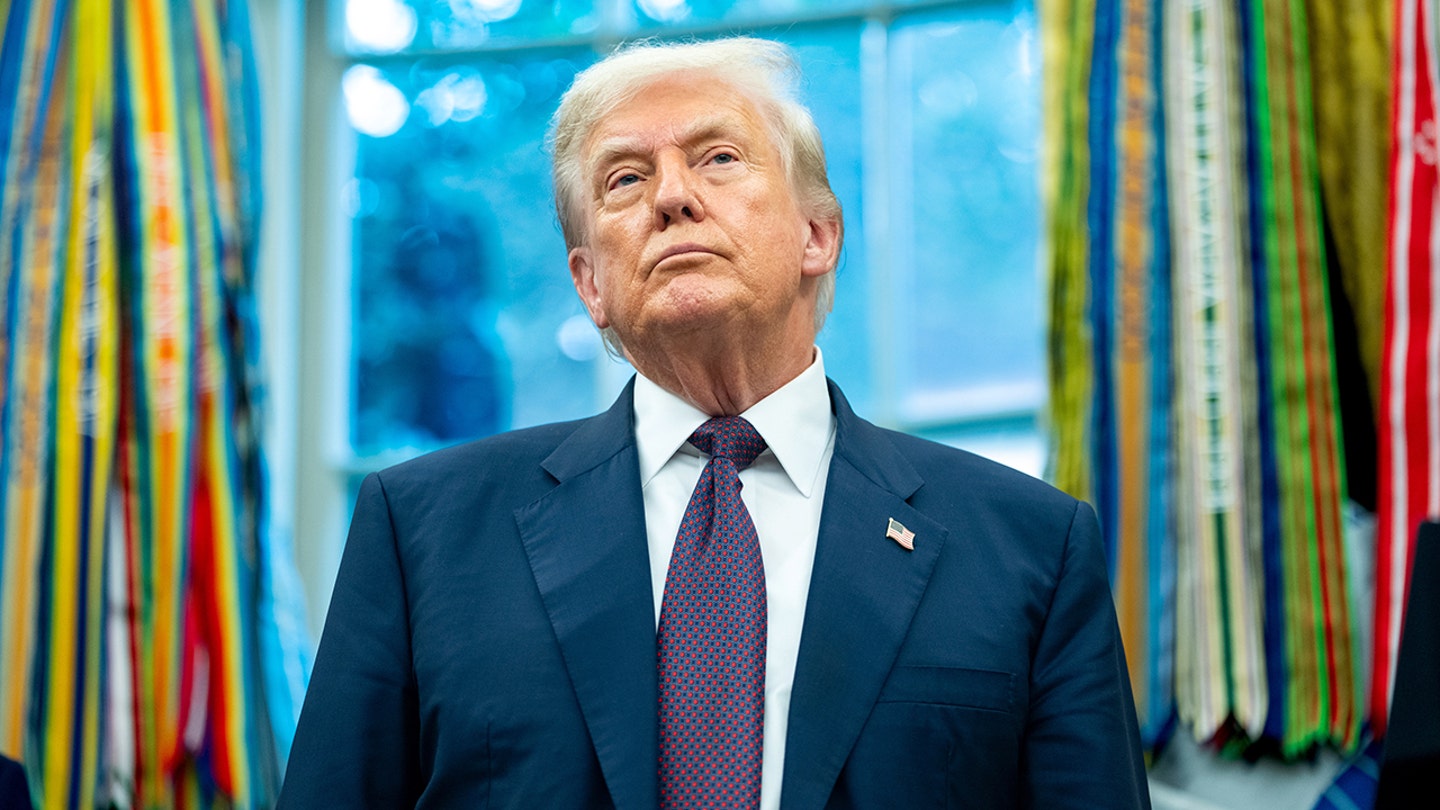
'Separated from reality': Senate Republicans fume as Dems use Epstein saga to block Trump's agenda
Entities mentioned:
- Senate Republicans: Determination, Frustration, Duty
- Congressional Democrats: Moral outrage, Justice, Control
- President Donald Trump: Power, Self-preservation, Influence
- Mike Johnson: Self-preservation, Control, Wariness
- Chuck Schumer: Moral outrage, Justice, Power
- Roger Marshall: Loyalty, Frustration, Righteousness
Article Assessment:
Credibility Score: 65/100
Bias Rating: 65/100 (Lean Right)
Sentiment Score: 30/100
Authoritarianism Risk: 45/100 (Mixed/Neutral)
Bias Analysis:
The article leans right in its framing, giving more space to Republican viewpoints and criticisms of Democrats. While it includes some Democratic perspectives, the tone and language used tend to favor the Republican stance on the issue.
Key metric: Government Effectiveness
As a social scientist, I analyze that this article highlights a significant political gridlock in the U.S. Senate, primarily centered around the Jeffrey Epstein case and its impact on the confirmation of presidential nominees. The Republicans' attempts to push through nominees are being obstructed by Democrats, who are using the Epstein saga as leverage. This impasse is affecting the government's ability to function efficiently, as key positions remain unfilled. The situation also reveals deep partisan divides, with each side accusing the other of ulterior motives. Republicans claim Democrats are obstructing progress, while Democrats argue for transparency in the Epstein case. This political maneuvering is likely to have a negative impact on government effectiveness, as it hinders the administration's ability to fully staff key positions and implement its agenda.
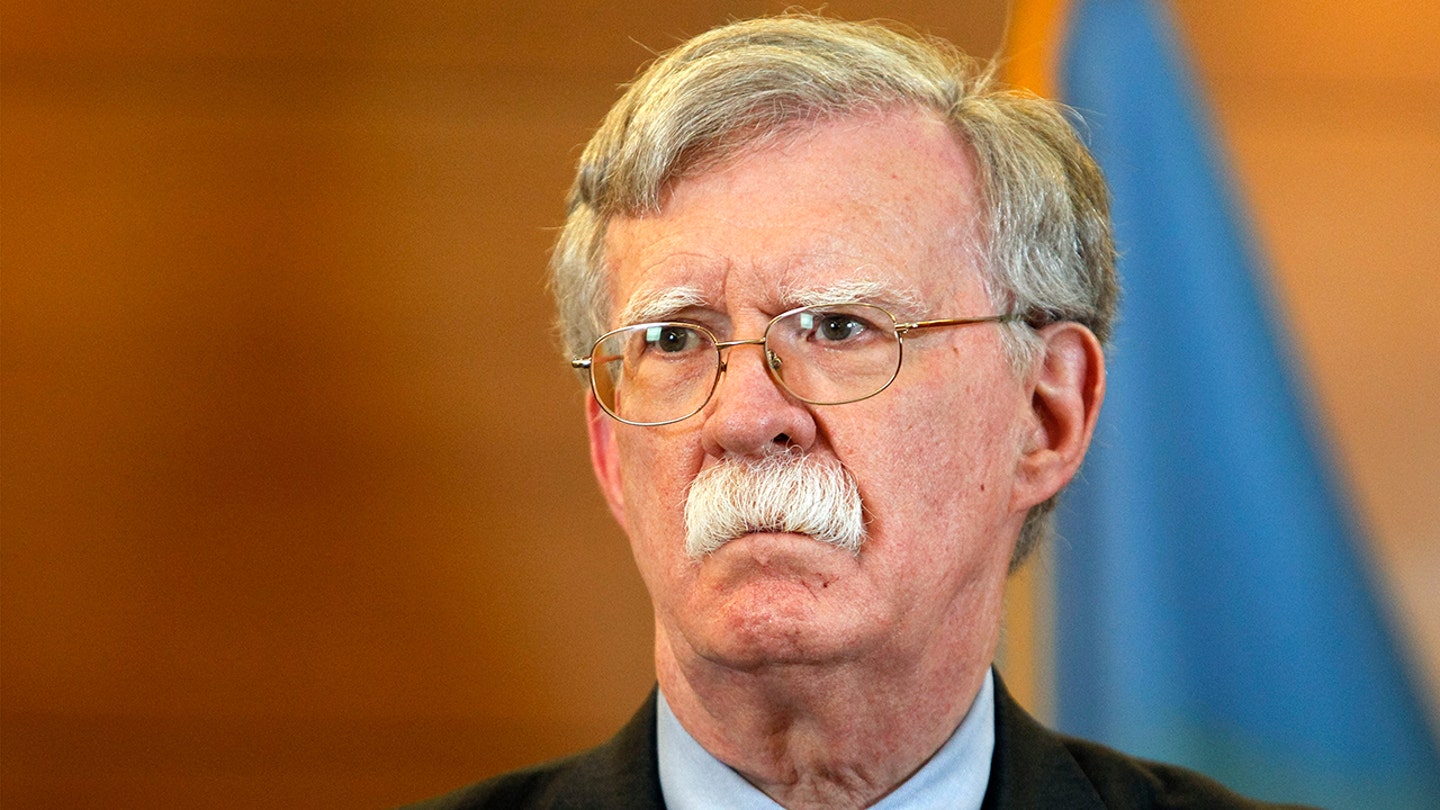
Democrats opposed John Bolton for years — until they sought him as an ally against Trump
Entities mentioned:
- John Bolton: Power, Influence, Professional pride
- Democrats: Political advantage, Justice, Moral outrage
- Donald Trump: Power, Control, Self-preservation
- Joe Biden: Duty, Justice, Competitive spirit
- George W. Bush: Power, Legacy, Security
- Adam Schiff: Justice, Duty, Competitive spirit
Article Assessment:
Credibility Score: 75/100
Bias Rating: 55/100 (Center)
Sentiment Score: 40/100
Authoritarianism Risk: 35/100 (Generally Democratic)
Bias Analysis:
The article presents multiple perspectives and historical context, showing a relatively balanced approach. However, there's a slight lean towards framing Democrats' actions as opportunistic, which could be interpreted as a center-right perspective.
Key metric: Political Polarization Index
As a social scientist, I analyze that this article highlights the complex and shifting nature of political alliances in the United States. The Democrats' evolving stance on John Bolton demonstrates how political motivations can override ideological consistency. This case study in political polarization shows how figures can be vilified or embraced based on their utility in opposing a common adversary, in this case, Donald Trump. The article underscores how the impeachment process and subsequent events have deepened partisan divides, with both sides willing to realign their allegiances for political gain. This flexibility in political positioning, while potentially pragmatic, may contribute to public cynicism about political consistency and principle, potentially eroding trust in democratic institutions.

‘Bold’ general who led US’ ‘Midnight Hammer’ strikes on Iran ends Middle East reign
Entities mentioned:
- Gen. Michael 'Erik' Kurilla: Duty, Professional pride, Determination
- U.S. Central Command (CENTCOM): Security, Control, Influence
- Pete Hegseth: Loyalty, Patriotism, Recognition
- Adm. Brad Cooper: Duty, Ambition, Professional pride
- Iran: Self-preservation, Power, Defiance
Article Assessment:
Credibility Score: 75/100
Bias Rating: 65/100 (Lean Right)
Sentiment Score: 65/100
Authoritarianism Risk: 35/100 (Generally Democratic)
Bias Analysis:
The article leans slightly right, evident in its positive portrayal of military action and leadership. The use of quotes from conservative figures like Pete Hegseth and the emphasis on strike operations indicate a pro-military stance typical of right-leaning media.
Key metric: Military Readiness and Projection of Power
As a social scientist, I analyze that this article highlights the changing of guard in U.S. Central Command, emphasizing the strategic importance of the Middle East in U.S. military operations. The focus on Gen. Kurilla's career and recent operations against Iran and Houthi rebels underscores the ongoing tensions in the region and the U.S.'s readiness to engage in military action. The transition to Adm. Cooper suggests continuity in strategy and approach. This leadership change and the highlighted operations impact U.S. military readiness and power projection by demonstrating operational capabilities and commitment to regional allies, while also potentially escalating tensions with adversaries like Iran.