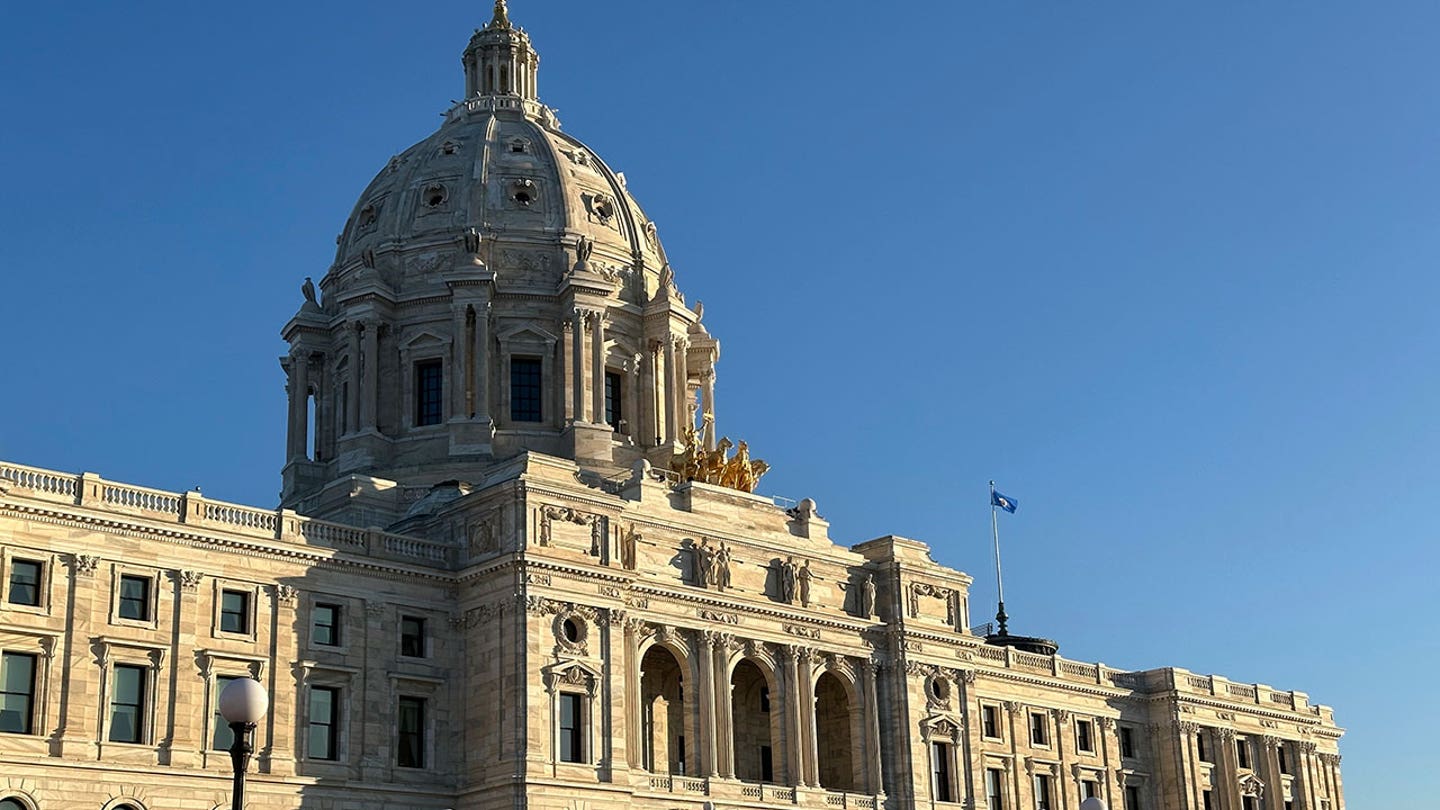
Minnesota leadership faces calls from schools to protect girls' sports as Trump's Title IX deadline looms
Entities mentioned:
- Minnesota Education Agencies: Obligation, Duty, Anxiety
- School Board Members: Righteousness, Duty, Security
- Trump Administration: Control, Righteousness, Competitive spirit
- Keith Ellison: Justice, Righteousness, Determination
- Trans Athletes: Recognition, Competitive spirit, Self-respect
- Female Athletes: Competitive spirit, Justice, Self-preservation
Article Assessment:
Credibility Score: 75/100
Bias Rating: 55/100 (Center)
Sentiment Score: 30/100
Authoritarianism Risk: 45/100 (Mixed/Neutral)
Bias Analysis:
The article presents multiple viewpoints, including those supporting and opposing trans athlete participation. However, it gives slightly more space to arguments against trans inclusion, potentially leaning towards a center-right perspective.
Key metric: Gender Equality in Sports Participation
Let me tell you something, folks - this is a FULL COURT PRESS situation! We've got a real battle of the titans here, with Minnesota's education agencies facing a fourth-quarter deadline from Team Trump. The school board members are stepping up to the plate, urging state leaders to play ball with the feds. But Attorney General Ellison is playing defense, determined to protect trans athletes' right to compete. Meanwhile, female athletes are crying foul, claiming it's not a level playing field. This is a high-stakes game, folks, with federal funding on the line and the future of girls' sports hanging in the balance. It's crunch time, and everyone's bringing their A-game in this heated match-up!
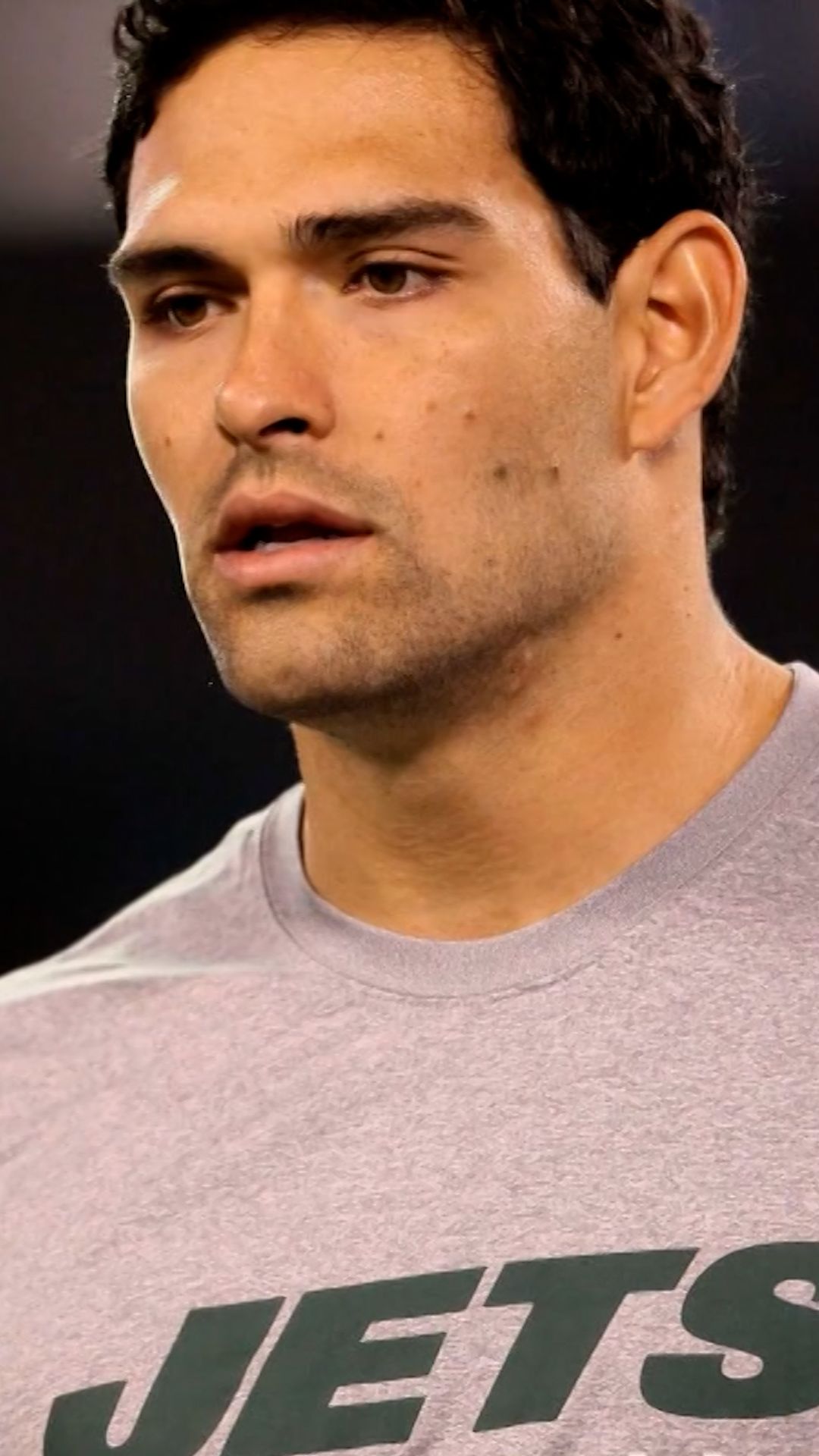
Mark Sanchez facing felony charge in Indianapolis altercation
Entities mentioned:
- Mark Sanchez: Self-preservation, Pride, Fear
- Indianapolis Police Department: Duty, Justice, Professional pride
Article Assessment:
Credibility Score: 65/100
Bias Rating: 50/100 (Center)
Sentiment Score: 30/100
Authoritarianism Risk: 35/100 (Generally Democratic)
Bias Analysis:
The article presents minimal information without apparent bias. It sticks to factual reporting of the charge without editorializing or favoring any particular perspective.
Key metric: NFL Player Conduct Violations
Let me tell you something - this story is a GAME-CHANGER! Mark Sanchez, once a star quarterback, is now facing a different kind of blitz - a felony charge! This is like fumbling on the goal line in the Super Bowl, folks. Sanchez's team is in crisis mode, trying to mount a fourth-quarter comeback against these serious allegations. The Indianapolis PD is playing tough defense, determined to sack any misconduct. I'm telling you right now, this could be the final whistle on Sanchez's public image. It's crunch time for his PR squad - they need to step up to the plate and knock this crisis out of the park, or Sanchez could be looking at a career-ending penalty!
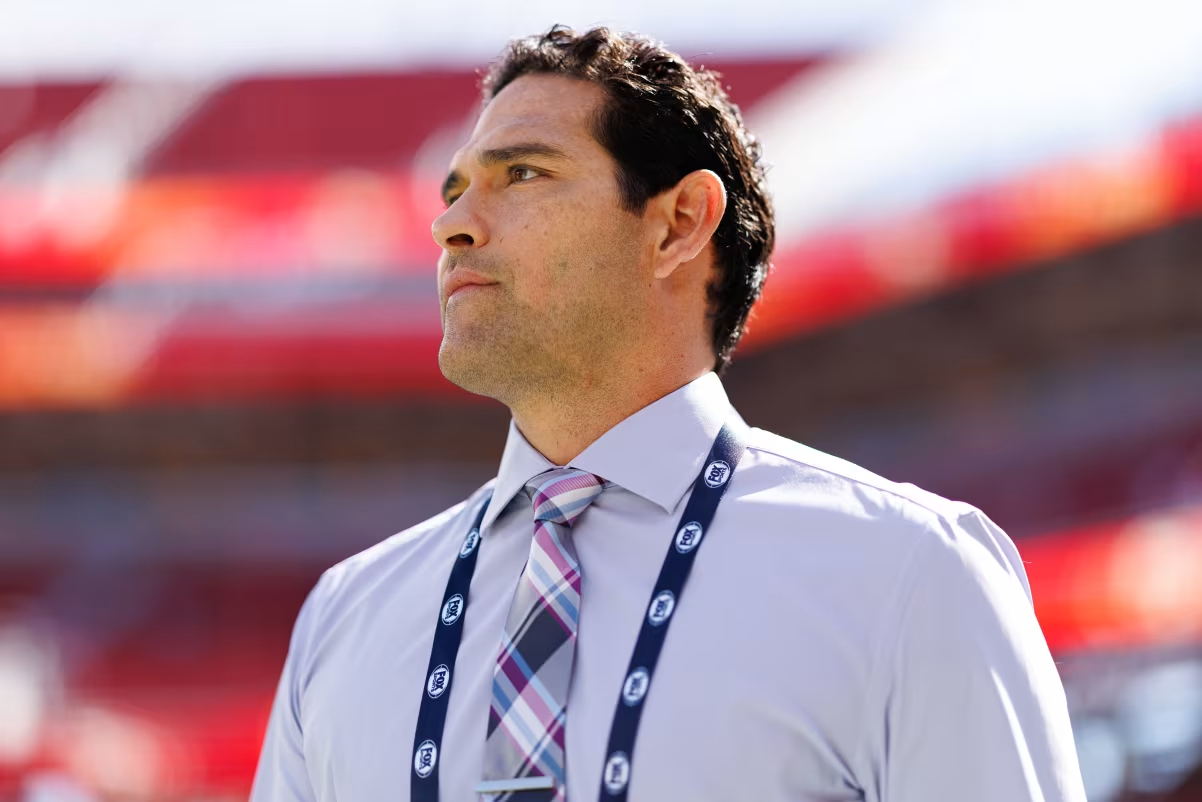
How an altercation between Mark Sanchez and a truck driver revealed the pressure on the leaders of America’s big cities
Entities mentioned:
- Mark Sanchez: Self-preservation, Competitive spirit, Pride
- Ryan Mears: Justice, Professional pride, Duty
- Chris Bailey: Duty, Professional pride, Security
- Perry Tole: Self-preservation, Justice, Security
- Mike Braun: Political ambition, Influence, Moral outrage
Article Assessment:
Credibility Score: 75/100
Bias Rating: 45/100 (Center)
Sentiment Score: 35/100
Authoritarianism Risk: 25/100 (Generally Democratic)
Bias Analysis:
The article presents multiple viewpoints and includes official statements and statistics. It attempts to balance the initial negative reactions with later revelations, showing a fairly centrist approach.
Key metric: Urban Crime Rate
Let me tell you something - this story is a GAME-CHANGER for Indianapolis! We've got a real clash of titans here, folks. On one side, we have former NFL quarterback Mark Sanchez, who's gone from calling plays to allegedly starting brawls. On the other, we've got local law enforcement trying to defend their turf like it's fourth and goal. The prosecutors and police chiefs are stepping up to the plate, swinging for the fences to prove Indy isn't the crime-ridden wasteland some are making it out to be. They're throwing out stats like a sports announcer rattling off batting averages - violent crime down 21%? That's a slam dunk for the home team! But wait, there's more! We've got politicians playing political football, trying to score points with tough-on-crime rhetoric. It's a full-court press of accusations and counterattacks. In the end, this incident has turned into a real grudge match between those painting Indy as the underdog fighting crime, and those trying to bench the city's reputation. I'm telling you right now, this is the kind of high-stakes game that can make or break a city's image!
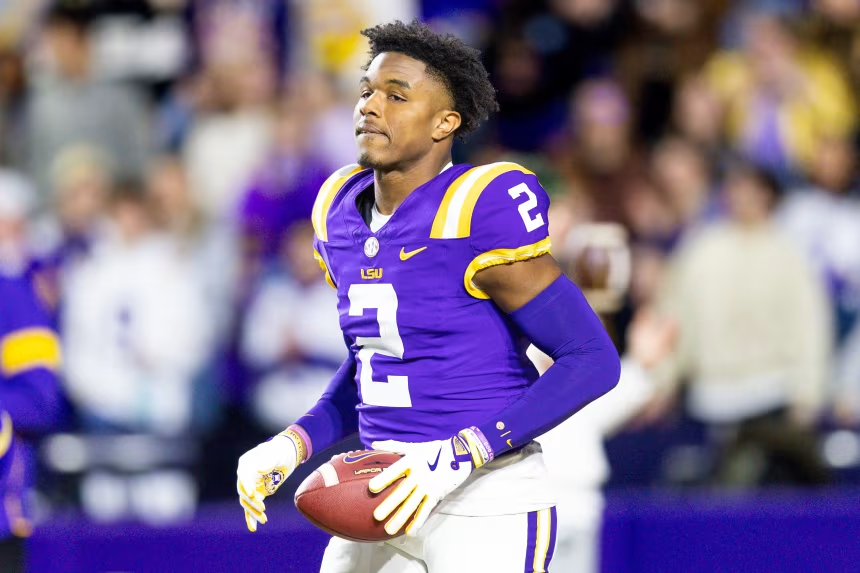
What we know about the case involving Kyren Lacy after Louisiana State Police release more information on fatal crash
Entities mentioned:
- Kyren Lacy: Self-preservation, Fear, Anxiety
- Louisiana State Police: Duty, Professional pride, Transparency
- Matt Ory (Lacy's attorney): Justice, Determination, Competitive spirit
- Liz Murrill (Louisiana Attorney General): Duty, Justice, Transparency
Article Assessment:
Credibility Score: 70/100
Bias Rating: 50/100 (Center)
Sentiment Score: 30/100
Authoritarianism Risk: 20/100 (Strongly Democratic)
Bias Analysis:
The article presents multiple perspectives, including those of law enforcement, Lacy's attorney, and independent investigators. It balances the initial charges with new evidence, maintaining a neutral stance.
Key metric: Criminal Justice System Integrity
Let me tell you something, folks - this case is a FULL-COURT PRESS on the integrity of our criminal justice system! We've got a young athlete, Kyren Lacy, who was facing a FOURTH AND LONG situation with those charges. But hold onto your seats, because his legal team just threw a HAIL MARY pass with that new video evidence! Now the Louisiana State Police are in a DEFENSIVE FORMATION, releasing their own footage to maintain field position. This is a high-stakes game of legal chess, and Attorney General Murrill is stepping up to the plate as the NEUTRAL REFEREE. The credibility of law enforcement is on the line here, and we're seeing a real BATTLE IN THE TRENCHES between Lacy's team and the state. It's CRUNCH TIME for the truth to come out, and believe me, this story is far from over. We're heading into OVERTIME, folks, and the whole world is watching to see who comes out on top in this CHAMPIONSHIP BOUT for justice!

4 Takeaways From the Mariners' ALDS Game 3 Win Over the Tigers
Entities mentioned:
- Seattle Mariners: Competitive spirit, Determination, Professional pride
- Detroit Tigers: Self-preservation, Pride, Anxiety
- Cal Raleigh: Ambition, Competitive spirit, Recognition
- Logan Gilbert: Professional pride, Competitive spirit, Duty
Article Assessment:
Credibility Score: 85/100
Bias Rating: 50/100 (Center)
Sentiment Score: 65/100
Authoritarianism Risk: 15/100 (Strongly Democratic)
Bias Analysis:
The article presents a balanced view of both teams' performances, with factual game analysis. It doesn't show favoritism towards either team, maintaining a neutral stance throughout the report.
Key metric: MLB Postseason Performance
Let me tell you something - this game was an absolute SLUGFEST! The Mariners came out swinging like heavyweight champs, folks! Their lineup depth is like a bench full of all-stars, ready to step up to the plate at any moment. Meanwhile, the Tigers look like they're playing with their backs against the ropes, struggling to find their rhythm. The Mariners' pitching rotation? They're throwing heat like it's the World Series already! Gilbert was dealing on the mound, leaving Tigers batters swinging at air. This is RIDICULOUS, people! The Tigers need to dig deep and find that championship mentality if they want to stay in this fight. I'm telling you right now, the Mariners are one win away from advancing, and they're playing with the hunger of a team that hasn't tasted victory in decades. It's do-or-die time for Detroit, and they need to bring their A-game or they'll be watching the rest of the playoffs from the sidelines!
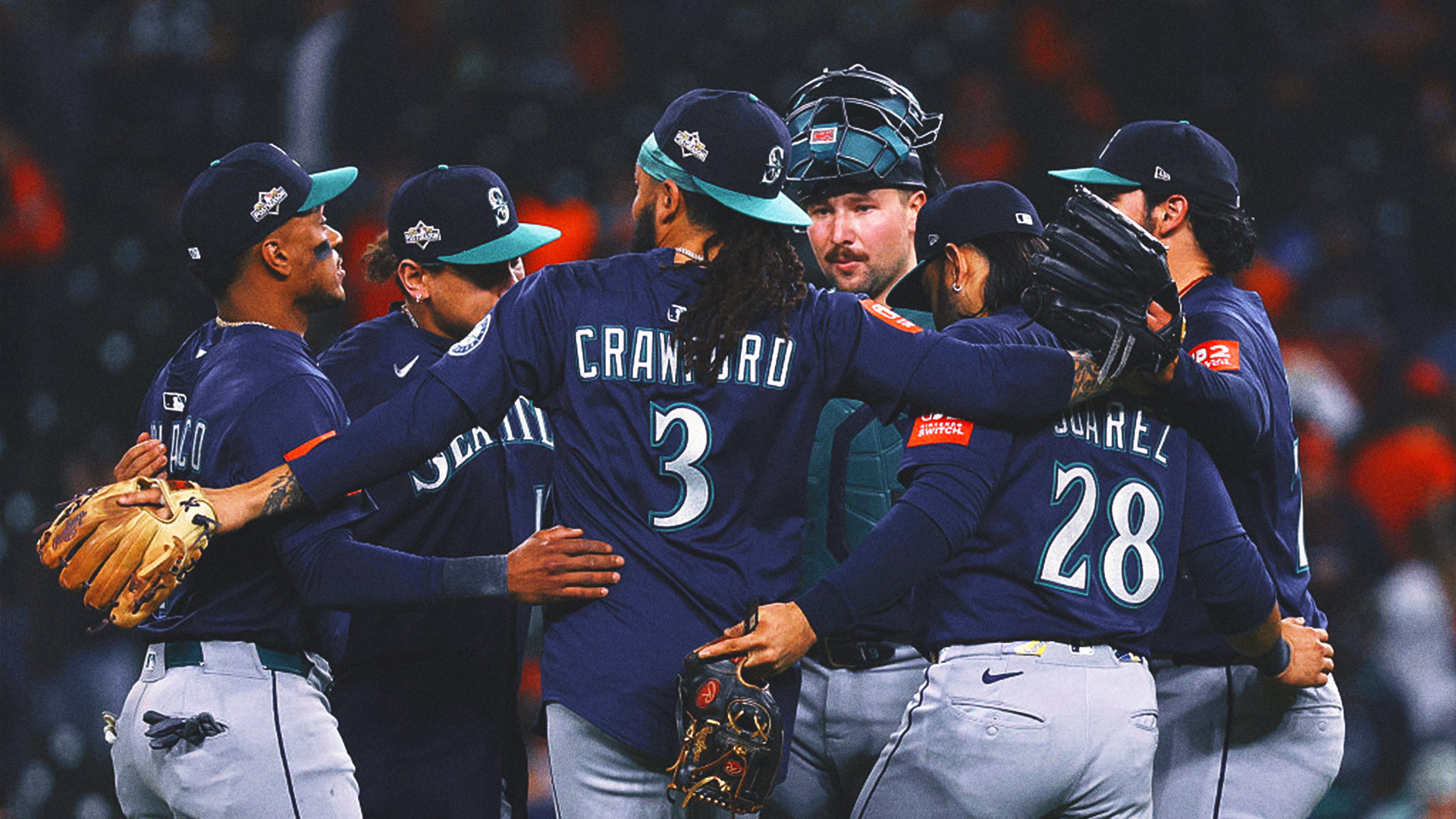
Behind HRs from Raleigh and Suarez, Mariners Take Lead in AL Division Series
Entities mentioned:
- Seattle Mariners: Competitive spirit, Ambition, Determination
- Detroit Tigers: Competitive spirit, Pride, Self-preservation
- Cal Raleigh: Competitive spirit, Recognition, Professional pride
- Logan Gilbert: Competitive spirit, Professional pride, Duty
- Casey Mize: Determination, Competitive spirit, Duty
Article Assessment:
Credibility Score: 85/100
Bias Rating: 50/100 (Center)
Sentiment Score: 65/100
Authoritarianism Risk: 10/100 (Strongly Democratic)
Bias Analysis:
The article presents a balanced account of the game, giving equal attention to both teams' performances. It relies on factual reporting of game events without favoring either side.
Key metric: MLB Playoff Performance
Let me tell you something, folks - this is PLAYOFF BASEBALL at its finest! The Seattle Mariners are bringing their A-game, stepping up to the plate with a championship mentality that's got the Detroit Tigers on the ropes. We're seeing a masterclass in offensive firepower, with Raleigh and Suarez knocking it out of the park like it's batting practice. The Mariners' pitching staff, led by Gilbert, is throwing heat that's leaving the Tigers swinging at air. It's a fourth-quarter push that has Seattle on the verge of advancing, while Detroit is desperately trying to avoid a final buzzer elimination. This series is a true test of competitive spirit, and right now, the Mariners are running up the scoreboard like they're gunning for the World Series trophy!
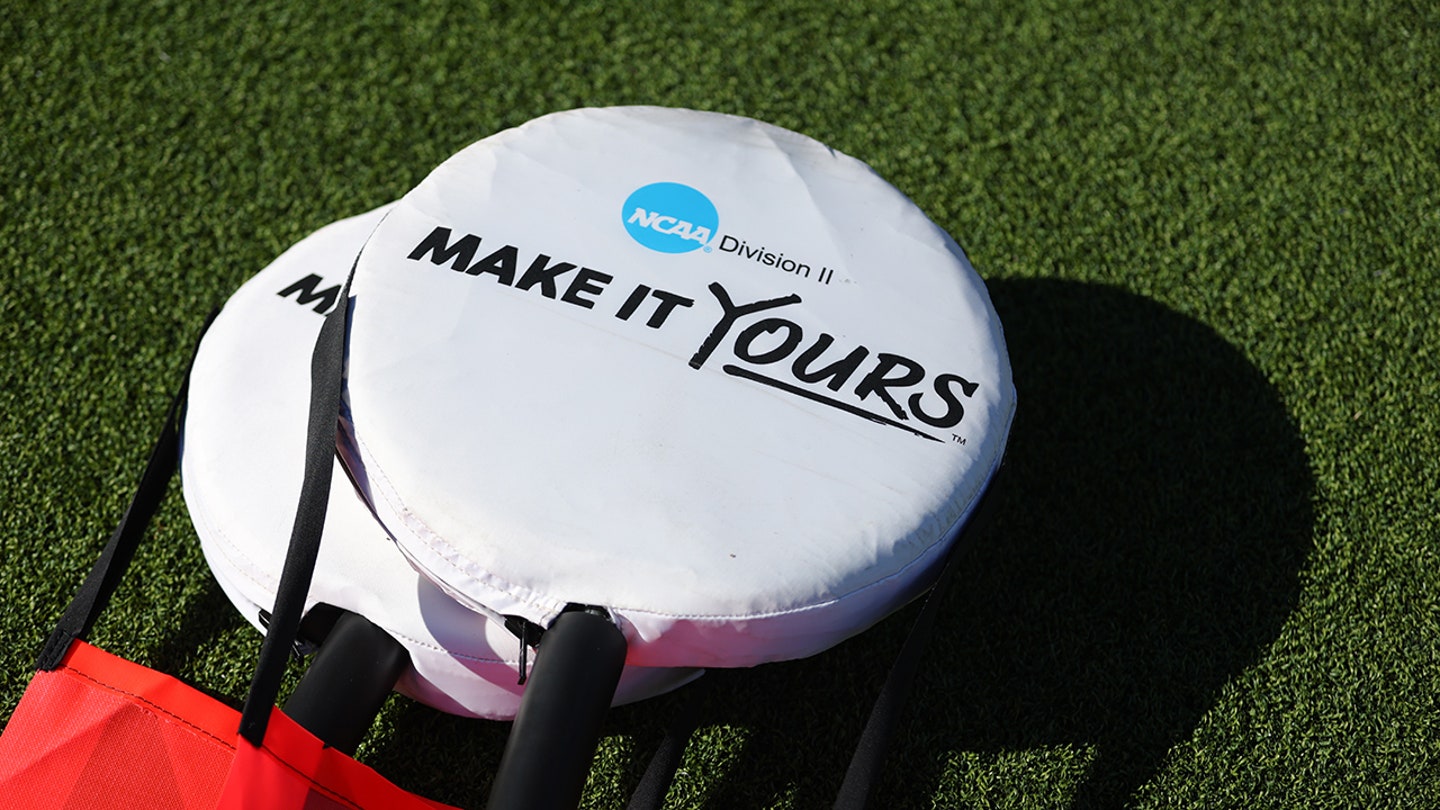
Massive brawl breaks out after NCAA Division II football game, 20 players suspended
Entities mentioned:
- Central State University Marauders: Competitive spirit, Pride, Self-respect
- Fort Valley State University Wildcats: Competitive spirit, Pride, Revenge
- Southern Intercollegiate Athletic Conference (SIAC): Professional pride, Control, Justice
- Anthony Holloman: Duty, Righteousness, Control
Article Assessment:
Credibility Score: 75/100
Bias Rating: 50/100 (Center)
Sentiment Score: 25/100
Authoritarianism Risk: 35/100 (Generally Democratic)
Bias Analysis:
The article presents a balanced account of the incident, quoting officials from both sides and the conference. It doesn't appear to favor one team over the other in its reporting of the events.
Key metric: NCAA Sportsmanship Rating
Let me tell you something - this is RIDICULOUS! We've got a full-on gridiron grapple after the final whistle! The Marauders and Wildcats took their on-field rivalry into overtime, turning the turf into a wrestling mat! This isn't just dropping the ball, folks - it's fumbling the very spirit of college athletics! The SIAC had to step in like a stern referee, throwing flags left and right with a whopping 20 players sent to the sidelines! It's like both teams forgot they're on the same team when it comes to sportsmanship! This post-game pileup is a major penalty for NCAA's image, and you can bet your bottom dollar it'll impact their sportsmanship playbook going forward. It's fourth and long for these programs' reputations, and they'll need a Hail Mary to get back in the good graces of the conference!
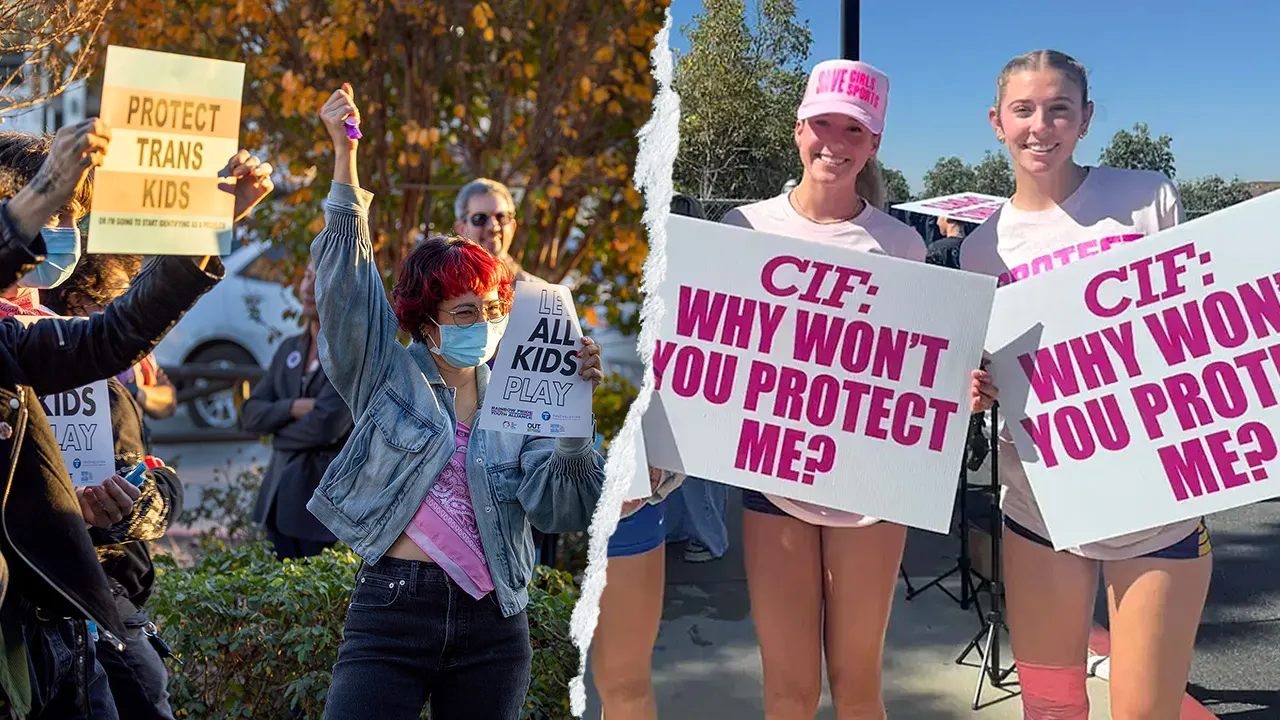
California school district trustee opens up on leading resolution to oppose trans athletes in girls' sports
Entities mentioned:
- Derek Tisinger: Righteousness, Justice, Duty
- Kern High School District: Loyalty, Obligation, Security
- Bakersfield Christian: Righteousness, Moral outrage, Pride
- Activist parents and teachers: Justice, Indignation, Determination
- President Donald Trump: Control, Power, Influence
- U.S. Department of Justice: Justice, Control, Duty
Article Assessment:
Credibility Score: 70/100
Bias Rating: 65/100 (Lean Right)
Sentiment Score: 35/100
Authoritarianism Risk: 45/100 (Mixed/Neutral)
Bias Analysis:
The article leans right, giving more space to perspectives supporting the resolution. While it includes opposing viewpoints, the framing and quote selection favor the conservative stance on transgender athletes.
Key metric: Gender Equality in Sports
Let me tell you something, folks - this is a GAME-CHANGING play in the battle for girls' sports! We're seeing a HUGE DEFENSIVE STAND by the Kern High School District, stepping up to the plate against the current state playbook. It's like we're witnessing a championship volleyball match, but instead of spikes and serves, we've got resolutions and legal threats flying across the court! This is the kind of fourth-quarter strategy that could rewrite the entire rulebook for high school athletics. The pressure is ON, and both teams are digging deep into their playbooks. Will this be the winning drive that changes the game for girls' sports across the nation? I'm telling you right now, this is the kind of competitive spirit that defines champions!
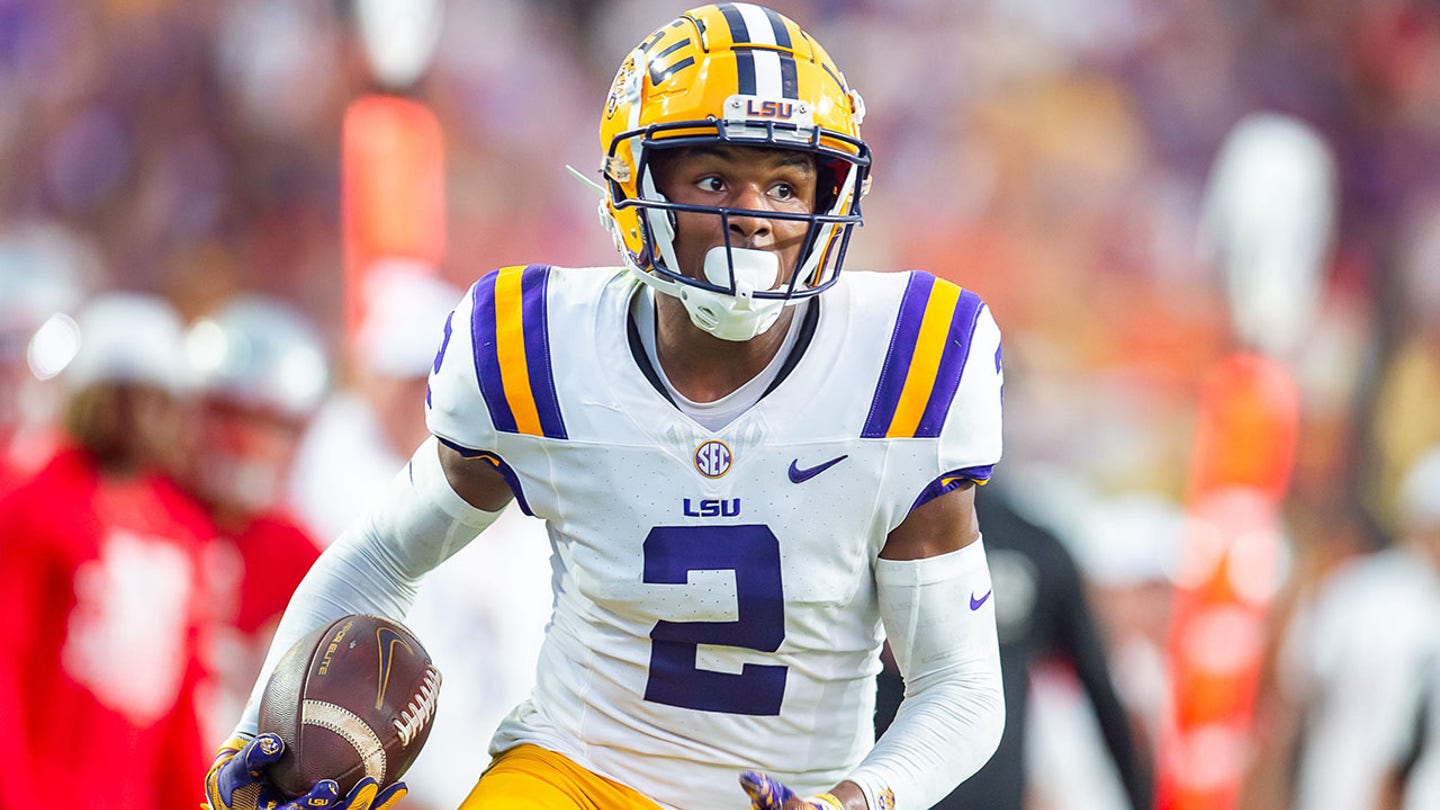
Police release surveillance video of Kyren Lacy's 'reckless operation' they say led to fatal crash
Entities mentioned:
- Kyren Lacy: Self-preservation, Professional pride, Fear
- Louisiana State Police: Duty, Justice, Professional pride
- Matthew Ory: Loyalty, Justice, Determination
- Rocky Arceneaux: Loyalty, Professional pride, Self-preservation
- LSU: Reputation, Competitive spirit, Pride
Article Assessment:
Credibility Score: 75/100
Bias Rating: 55/100 (Center)
Sentiment Score: 25/100
Authoritarianism Risk: 35/100 (Generally Democratic)
Bias Analysis:
The article presents both sides of the argument, including police evidence and the defense's claims. It leans slightly towards the police narrative but includes counterarguments from Lacy's attorney.
Key metric: Road Safety Statistics
Let me tell you something, folks - this is a GAME-CHANGING play in the world of road safety! We're seeing a real clash between Team Lacy and Team Law Enforcement, and it's coming down to the wire. Lacy's defense is trying to pull off a last-minute Hail Mary with this new evidence, but the police are BRINGING THE HEAT with their surveillance footage. It's like watching a high-stakes chess match on the gridiron of justice! The key player here, Kyren Lacy, tragically fumbled his life away, but his team is still fighting to protect his legacy in the fourth quarter. This is the kind of high-octane, high-risk driving that can bench a player for life, folks. It's a stark reminder that when you're on the road of life, you've got to play by the rules or risk a game-ending penalty. I'm telling you right now, this case is going into OVERTIME!
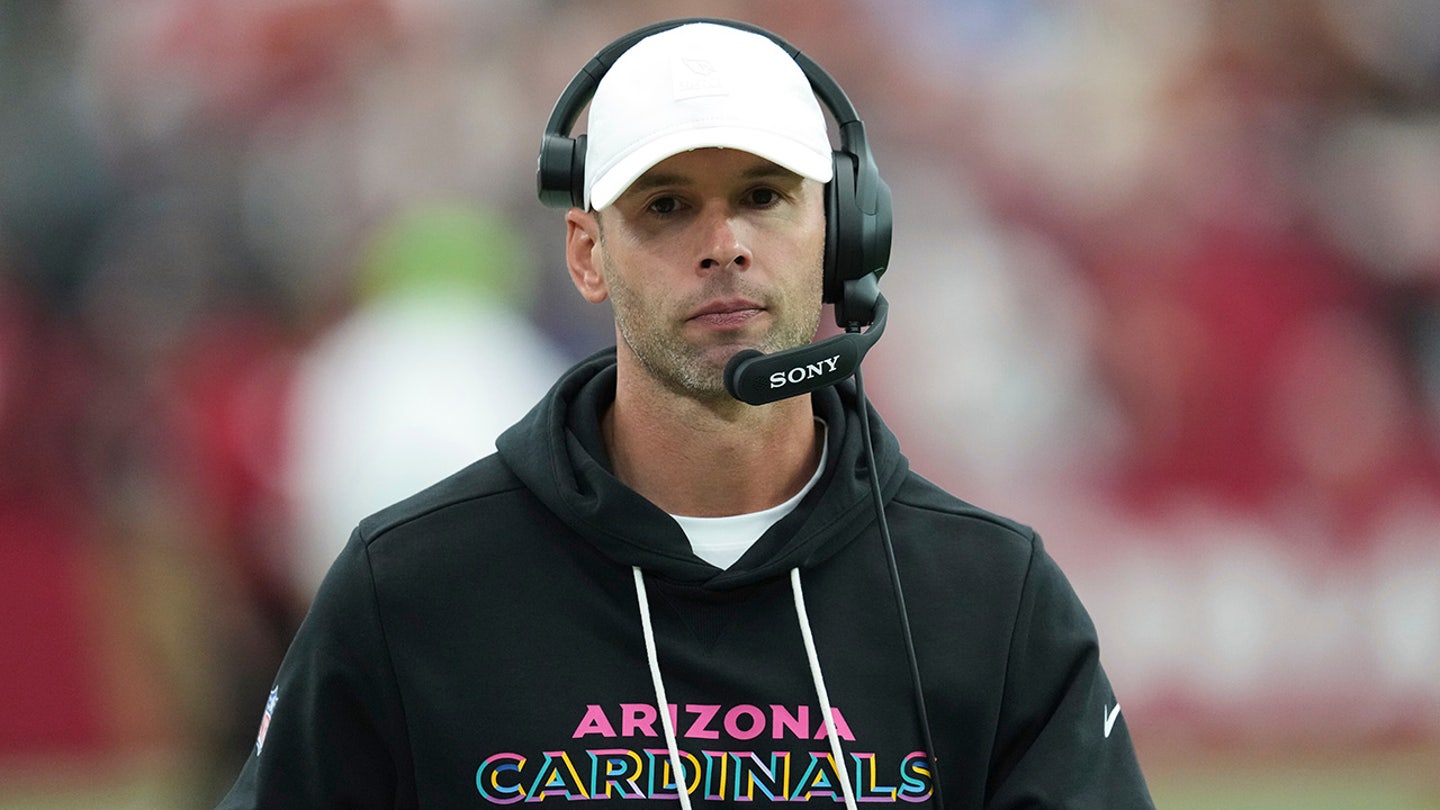
Cardinals' Jonathan Gannon rips into running back following fumble blunder
Entities mentioned:
- Jonathan Gannon: Competitive spirit, Determination, Professional pride
- Emari Demercado: Self-preservation, Recognition, Duty
- Arizona Cardinals: Competitive spirit, Unity, Redemption
- Tennessee Titans: Competitive spirit, Determination, Pride
Article Assessment:
Credibility Score: 85/100
Bias Rating: 50/100 (Center)
Sentiment Score: 30/100
Authoritarianism Risk: 20/100 (Strongly Democratic)
Bias Analysis:
The article presents a balanced account of the game, including perspectives from both teams. It relies on direct quotes and factual play-by-play, avoiding partisan team favoritism.
Key metric: NFL Team Performance
Let me tell you something - this game was an absolute ROLLERCOASTER! The Cardinals had victory in their grasp, but fumbled it away like a greased pigskin! Coach Gannon came out swinging, folks, tearing into his running back with the intensity of a linebacker blitzing on fourth and inches. This is the kind of fourth quarter meltdown that can haunt a team for an entire season! The Titans, down but not out, pulled off a miracle comeback that'll be replayed on highlight reels for years to come. It's a stark reminder that in the NFL, you've got to play a full 60 minutes - there's no taking your foot off the gas until that final whistle blows!