
Tennessee Titans fire head coach Brian Callahan
Entities mentioned:
- Tennessee Titans: Competitive spirit, Professional pride, Ambition
- Brian Callahan: Self-preservation, Professional pride, Legacy
- Chad Brinker: Duty, Ambition, Control
- Mike McCoy: Ambition, Competitive spirit, Professional pride
Article Assessment:
Credibility Score: 85/100
Bias Rating: 50/100 (Center)
Sentiment Score: 30/100
Authoritarianism Risk: 20/100 (Strongly Democratic)
Bias Analysis:
The article presents a balanced view of the situation, providing quotes and context without pushing a particular agenda. It sticks to factual reporting of the coaching change and team performance.
Key metric: NFL Team Performance
Let me tell you something - this is a MAJOR shakeup in the NFL! The Titans have just made a fourth-quarter move, benching their head coach Callahan after a dismal 1-5 start. This team is in a serious slump, folks, and they're desperate to turn things around. It's like they're down by three touchdowns with only minutes left on the clock! The front office is stepping up to the plate, showing they've got that championship mentality by making the tough calls. They're not just playing to finish the season - they're playing to win! McCoy's been called off the bench as the interim coach, and he's got to hit the ground running. This is a Hail Mary pass for the Titans, and they're hoping McCoy can catch it and run it all the way to the end zone. The pressure is ON in Tennessee!
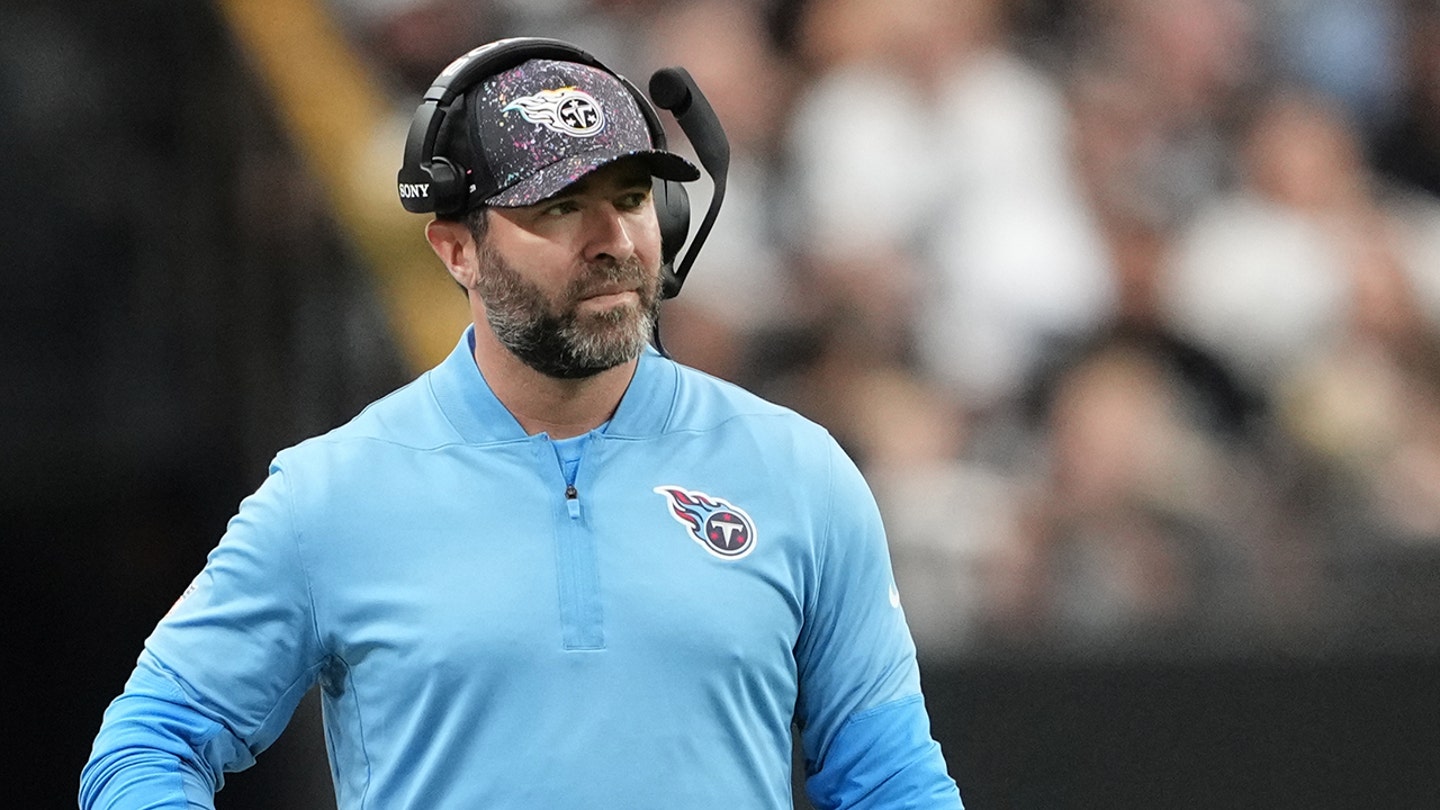
Titans fire head coach Brian Callahan
Entities mentioned:
- Tennessee Titans: Competitive spirit, Ambition, Professional pride
- Brian Callahan: Self-preservation, Professional pride, Determination
- Chad Brinker: Duty, Ambition, Competitive spirit
- Mike McCoy: Ambition, Competitive spirit, Determination
- Mike Vrabel: Revenge, Competitive spirit, Professional pride
Article Assessment:
Credibility Score: 85/100
Bias Rating: 50/100 (Center)
Sentiment Score: 30/100
Authoritarianism Risk: 20/100 (Strongly Democratic)
Bias Analysis:
The article presents a balanced view of the situation, providing facts and quotes from team leadership. It doesn't lean towards supporting or criticizing the decision, maintaining a neutral stance.
Key metric: NFL Team Win-Loss Record
Let me tell you something - this story is RIDICULOUS! The Tennessee Titans just threw a Hail Mary pass by firing head coach Brian Callahan mid-season! It's like they're down by 21 in the fourth quarter and decided to switch quarterbacks! Callahan's 1-5 record this season is like fumbling on every drive, folks. The Titans' front office is clearly in win-now mode, refusing to accept anything less than championship-caliber play. They've benched their struggling coach faster than you can say 'intentional grounding'! Now, interim coach Mike McCoy is stepping up to the plate with the pressure of a bases-loaded, bottom of the ninth situation. And let's not forget the upcoming grudge match against former coach Mike Vrabel - that's going to be more intense than a playoff overtime! The Titans are making fourth-quarter moves, but will this coaching shuffle be enough to turn their season around? I'm telling you right now, all eyes will be on Nashville to see if this desperate play pays off or if they've just thrown in the towel on 2025!
- Read more about Titans fire head coach Brian Callahan
- Log in to post comments
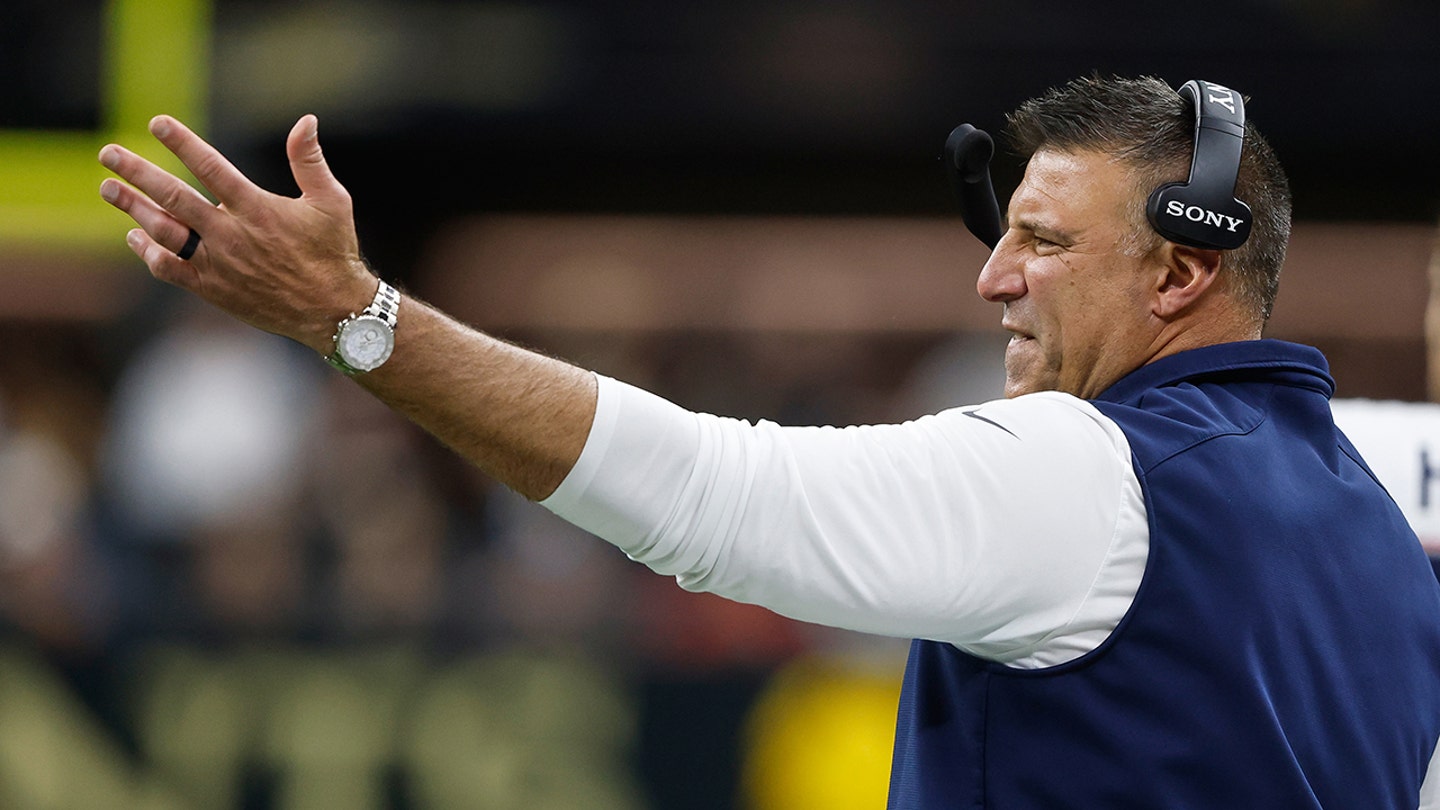
Patriots' Mike Vrabel chides NFL officials after penalty-filled win over Saints
Entities mentioned:
- Mike Vrabel: Competitive spirit, Professional pride, Indignation
- NFL Officials: Duty, Control, Obligation
- New England Patriots: Ambition, Determination, Competitive spirit
- Walt Anderson: Professional pride, Duty, Obligation
- Ramon George: Professional pride, Duty, Obligation
- John Streicher: Professional pride, Loyalty, Duty
Article Assessment:
Credibility Score: 75/100
Bias Rating: 55/100 (Center)
Sentiment Score: 40/100
Authoritarianism Risk: 25/100 (Generally Democratic)
Bias Analysis:
The article presents both Vrabel's criticism and factual data about penalties. It leans slightly towards the Patriots' perspective but includes context about broader NFL officiating issues.
Key metric: NFL Team Penalty Rates
Let me tell you something - this story is RIDICULOUS! The Patriots are getting flagged left and right, but they're still marching down the field like a championship team! Coach Vrabel is stepping up to the plate, calling out the refs for what looks like some seriously questionable calls. It's fourth quarter in the season, folks, and the Patriots are showing that championship mentality, overcoming these obstacles like true athletes. But I'm telling you right now, if the officials don't get their act together, we're looking at a whole different ball game. This is the kind of adversity that separates the contenders from the pretenders, and right now, the Patriots are proving they're in it to win it!
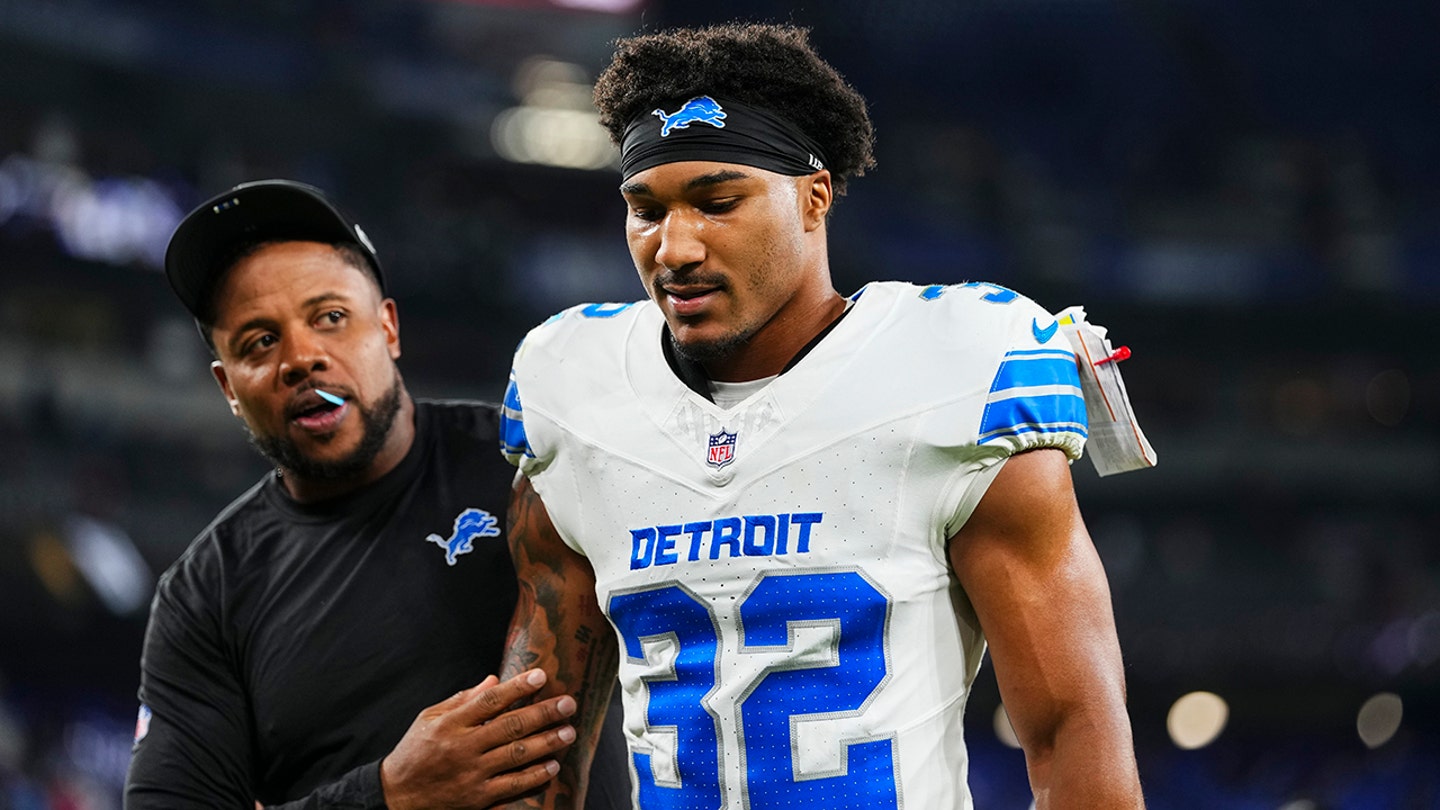
Lions safety Brian Branch suspended 1 game for fight after loss to Chiefs
Entities mentioned:
- Brian Branch: Competitive spirit, Self-respect, Indignation
- NFL: Control, Professional pride, Justice
- Jon Runyan: Duty, Righteousness, Control
- Juju Smith-Schuster: Competitive spirit, Self-preservation, Pride
- Dan Campbell: Professional pride, Loyalty, Control
Article Assessment:
Credibility Score: 85/100
Bias Rating: 50/100 (Center)
Sentiment Score: 30/100
Authoritarianism Risk: 25/100 (Generally Democratic)
Bias Analysis:
The article presents a balanced view of the incident, including quotes from multiple parties involved. It reports on the facts of the suspension and the context surrounding it without taking sides.
Key metric: Player Conduct and Sportsmanship
Let me tell you something - this is a GAME-CHANGING play, folks! Brian Branch just got flagged for unnecessary roughness off the field, and the NFL's referee in chief, Jon Runyan, is throwing the book at him! We're talking a one-game suspension, a real bench-warmer of a penalty. Branch tried to take matters into his own hands after the final whistle, but let me tell you, that's not how you win championships! This is the kind of fourth-quarter meltdown that can cost a team big time. Coach Campbell is rightfully calling a timeout on this behavior, making it clear that this kind of unsportsmanlike conduct has no place in the Lions' playbook. It's a rookie mistake from Branch, and he's got to learn to keep his head in the game, even when the clock's run out. This is the NFL, not the WWE - you can't be body-slamming opponents after the play's dead! Branch needs to step up to the plate and show he's got that championship mentality, or he might find himself warming the bench more often than not!
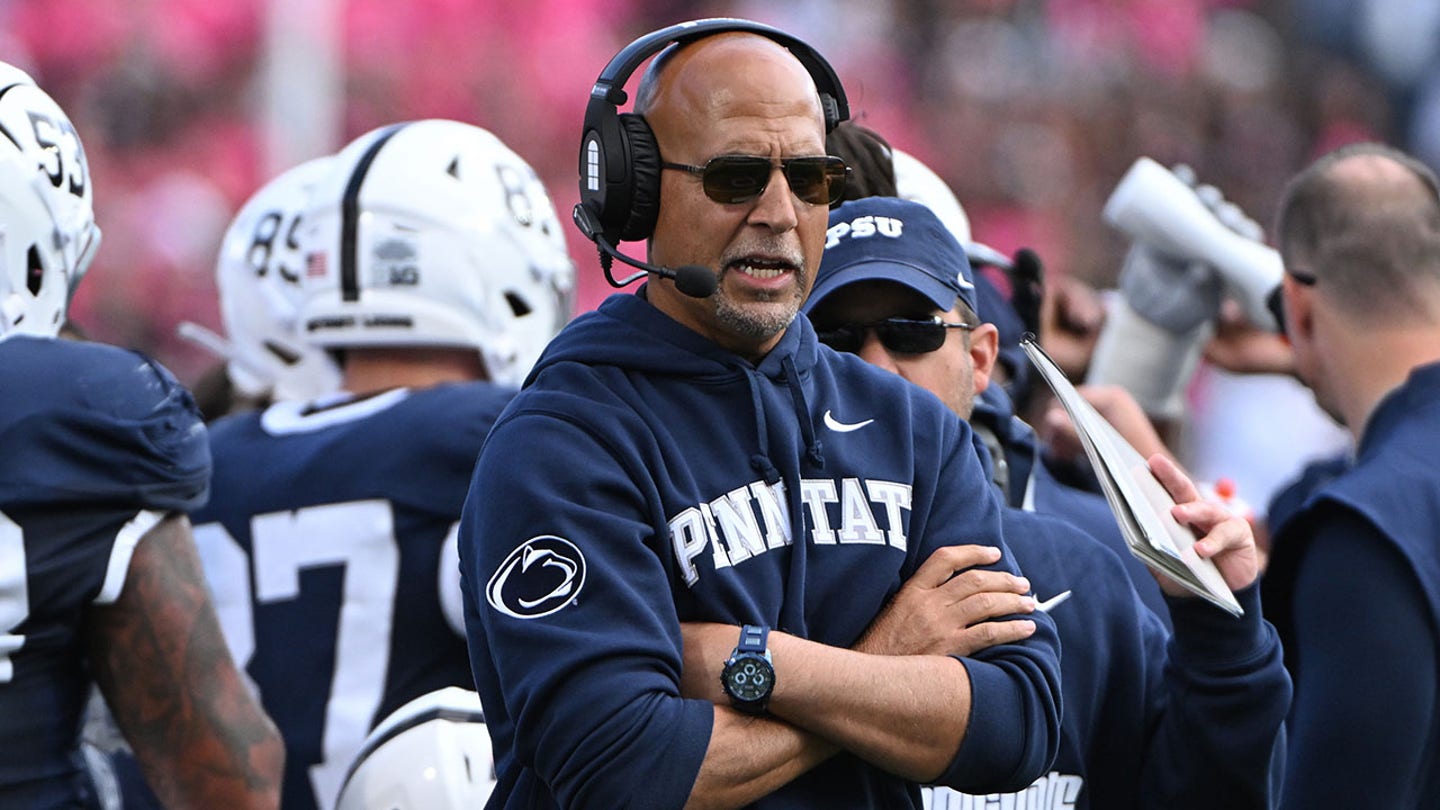
Penn State fires James Franklin after stunning loss to Northwestern: report
Entities mentioned:
- James Franklin: Competitive spirit, Legacy, Professional pride
- Penn State: Ambition, Competitive spirit, Pride
- Terry Smith: Duty, Determination, Opportunity
- Drew Allar: Ambition, Self-preservation, Legacy
Article Assessment:
Credibility Score: 75/100
Bias Rating: 50/100 (Center)
Sentiment Score: 30/100
Authoritarianism Risk: 20/100 (Strongly Democratic)
Bias Analysis:
The article presents a balanced view of the situation, reporting facts without evident partisan slant. It includes multiple perspectives and contextual information about the team's performance and future challenges.
Key metric: College Football Playoff Rankings
Let me tell you something - this story is RIDICULOUS! Penn State just pulled the ultimate fourth quarter Hail Mary by firing James Franklin! This is a GAME-CHANGING move that's gonna shake up the entire college football landscape! Franklin was their star quarterback, their clutch player, but after a few fumbles, they've benched him for good. Now, Terry Smith is stepping up to the plate as interim coach, but he's inheriting a team that's been sacked hard. With their ace QB Drew Allar out for the season, Penn State's offensive line is in shambles. They're facing a brutal schedule ahead - it's like running a gauntlet of heavyweight champs! Ohio State and Indiana are waiting to deliver knockout punches. I'm telling you right now, Penn State needs to channel that championship mentality if they want any shot at the College Football Playoff. This is crunch time, folks, and the Nittany Lions are in a fourth and long situation with the clock ticking down!
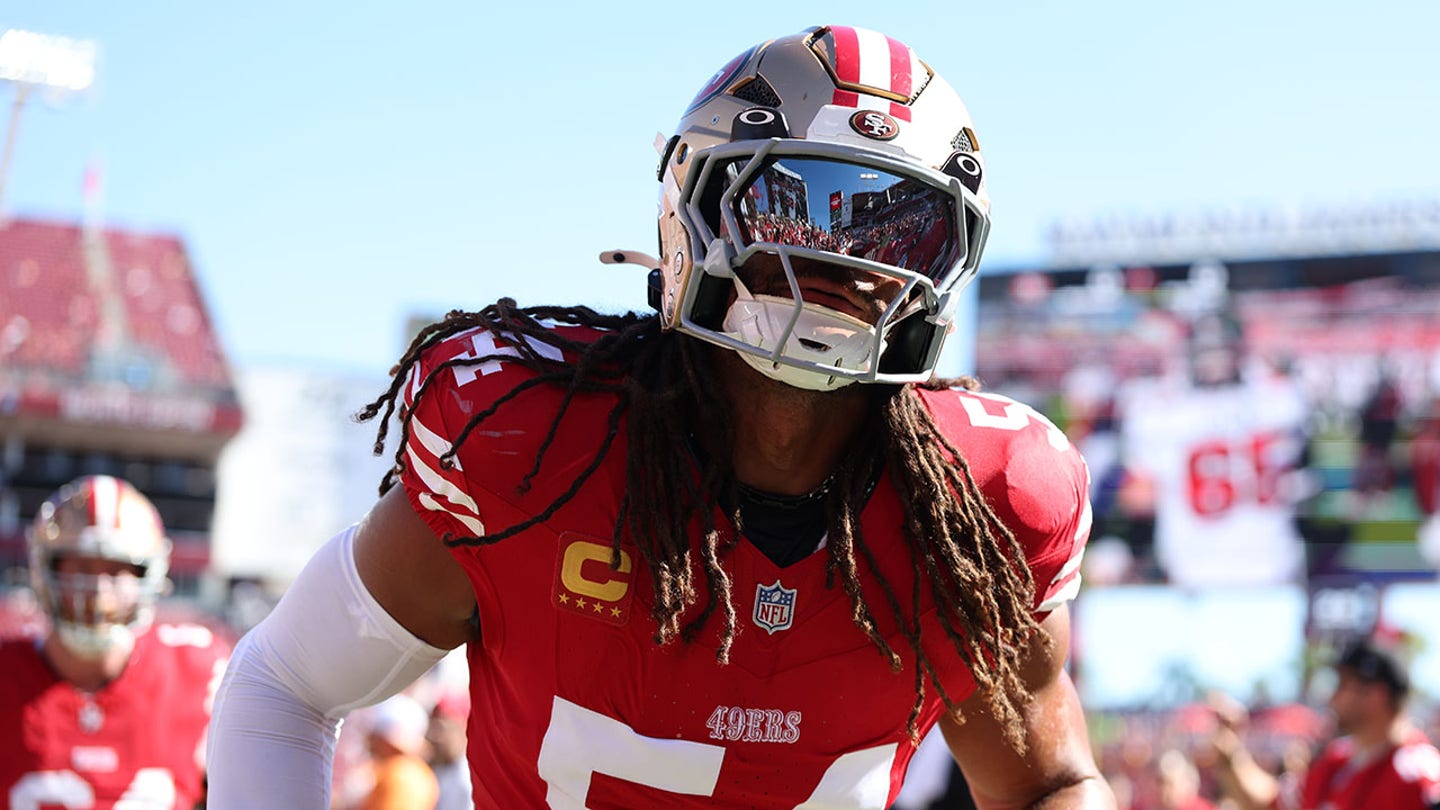
49ers star linebacker Fred Warner carted off field with gruesome ankle injury against Buccaneers
Entities mentioned:
- Fred Warner: Competitive spirit, Determination, Professional pride
- San Francisco 49ers: Ambition, Unity, Competitive spirit
- Tampa Bay Buccaneers: Competitive spirit, Ambition, Professional pride
- Kyle Shanahan: Professional pride, Duty, Competitive spirit
Article Assessment:
Credibility Score: 85/100
Bias Rating: 50/100 (Center)
Sentiment Score: 20/100
Authoritarianism Risk: 15/100 (Strongly Democratic)
Bias Analysis:
The article presents a factual account of the injury with quotes from the coach. It maintains a neutral tone without favoring either team or speculating beyond official statements.
Key metric: NFL Team Performance
Let me tell you something - this is a DEVASTATING BLOW to the 49ers' championship dreams! Fred Warner, the heart and soul of that defense, just got KNOCKED OUT of the game in a freak play that'll send shockwaves through the league. We're talking about a GAME-CHANGING injury that could derail San Francisco's entire season. This is like losing your star quarterback in the playoffs - it's that big! The 49ers are now in a fourth-quarter situation for the rest of the year, playing from behind without their defensive captain. They've got to dig deep, show that championship mentality, and find a way to overcome this setback if they want to keep their Super Bowl hopes alive. I'm telling you right now, this is the kind of moment that separates the contenders from the pretenders!
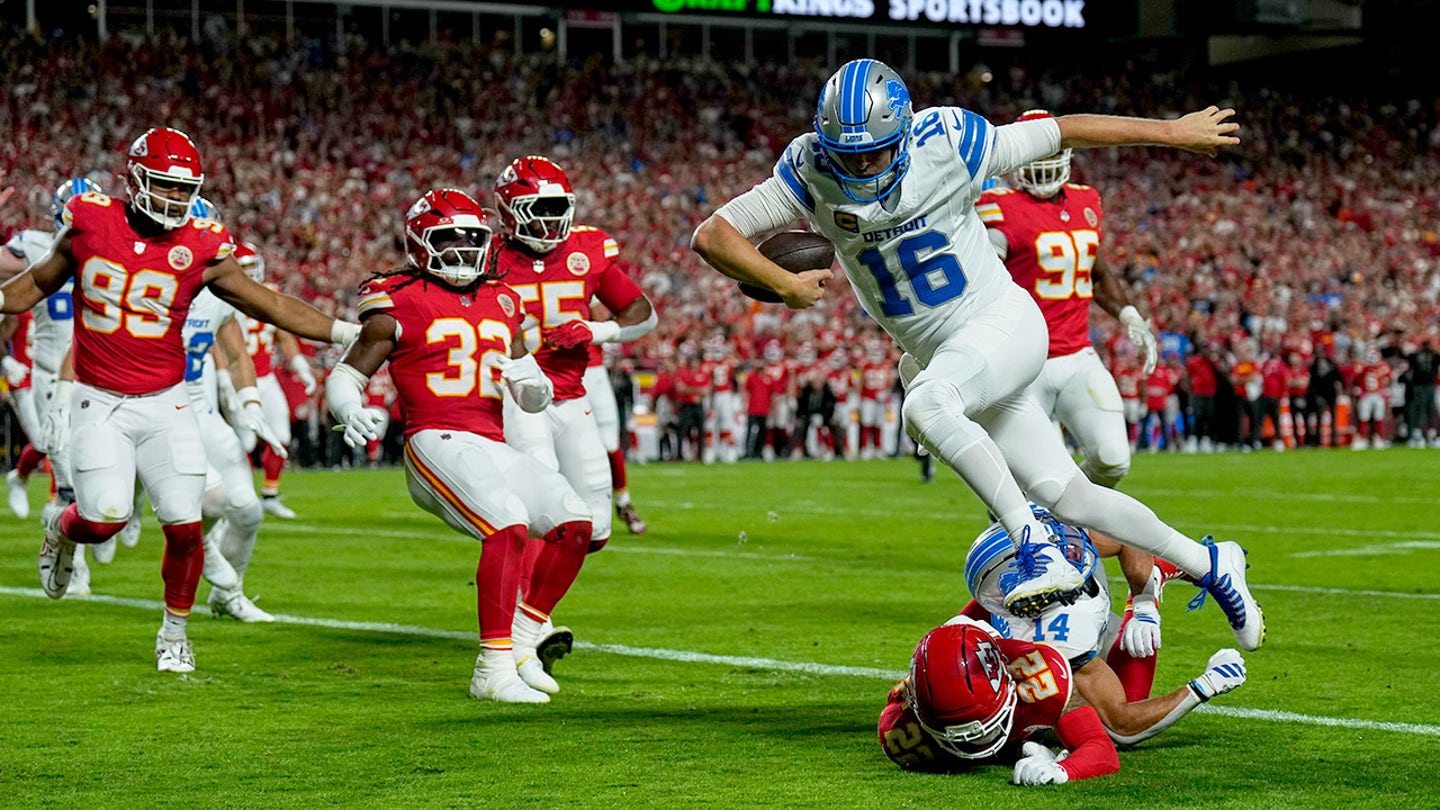
Lions see touchdown taken off board after Jared Goff trick play gets into end zone
Entities mentioned:
- Detroit Lions: Competitive spirit, Ambition, Pride
- Kansas City Chiefs: Competitive spirit, Pride, Professional pride
- Jared Goff: Competitive spirit, Determination, Recognition
- David Montgomery: Competitive spirit, Teamwork, Recognition
- NFL Officials: Duty, Justice, Professional pride
Article Assessment:
Credibility Score: 85/100
Bias Rating: 50/100 (Center)
Sentiment Score: 65/100
Authoritarianism Risk: 20/100 (Strongly Democratic)
Bias Analysis:
The article presents a factual account of the game events without favoring either team. It provides context about both teams' performances, maintaining a balanced perspective.
Key metric: NFL Team Offensive Performance
Let me tell you something - this game is ELECTRIC! The Lions came out swinging, marching down the field like a team possessed! But just when they thought they had crossed the goal line, BAM! The refs threw a flag that hit harder than a linebacker! This is the kind of fourth-quarter drama we're seeing in the first quarter, folks! The Lions showed they've got tricks up their sleeve, but sometimes even the cleverest play can backfire. They're playing chess while everyone else is playing checkers, but they forgot one crucial rule of the game! Now they're settling for a field goal, but mark my words - this is just the opening drive in what's shaping up to be a championship-caliber showdown! The Lions have been on a scoring rampage lately, and they're not taking their foot off the gas against the defending champs. This is the kind of gutsy, all-or-nothing football that separates the contenders from the pretenders!

James Franklin fired as Penn State head coach after disappointing start to season
Entities mentioned:
- James Franklin: Competitive spirit, Legacy, Professional pride
- Penn State: Ambition, Competitive spirit, Recognition
- Terry Smith: Duty, Ambition, Professional pride
- Patrick Kraft: Ambition, Competitive spirit, Recognition
- Neeli Bendapudi: Duty, Recognition, Legacy
Article Assessment:
Credibility Score: 85/100
Bias Rating: 50/100 (Center)
Sentiment Score: 30/100
Authoritarianism Risk: 20/100 (Strongly Democratic)
Bias Analysis:
The article presents a balanced view of the situation, including statements from multiple university officials. It provides context for the decision without overtly favoring any particular perspective.
Key metric: NCAA Football Rankings
Let me tell you something - this story is RIDICULOUS! The Penn State Nittany Lions have just fumbled their season in a MAJOR way! James Franklin, their veteran quarterback on the sidelines, has been sacked by his own team after a disastrous losing streak. This is a FOURTH QUARTER move that's shaking up the entire college football landscape! Franklin's been calling the plays for over a decade, but now he's been sent to the locker room for good. The Lions are in a tight spot, folks, with their star QB Drew Allar out for the count and now their head coach benched. Terry Smith is stepping up to the plate as the interim coach, but can he turn this team around? Penn State's front office is playing hardball, showing they're not afraid to make tough calls to chase that championship ring. This is a make-or-break moment for the Nittany Lions - will they roar back or get mauled in the Big Ten jungle? I'm telling you right now, all eyes will be on this team as they face off against Iowa. It's do or die time in Happy Valley!
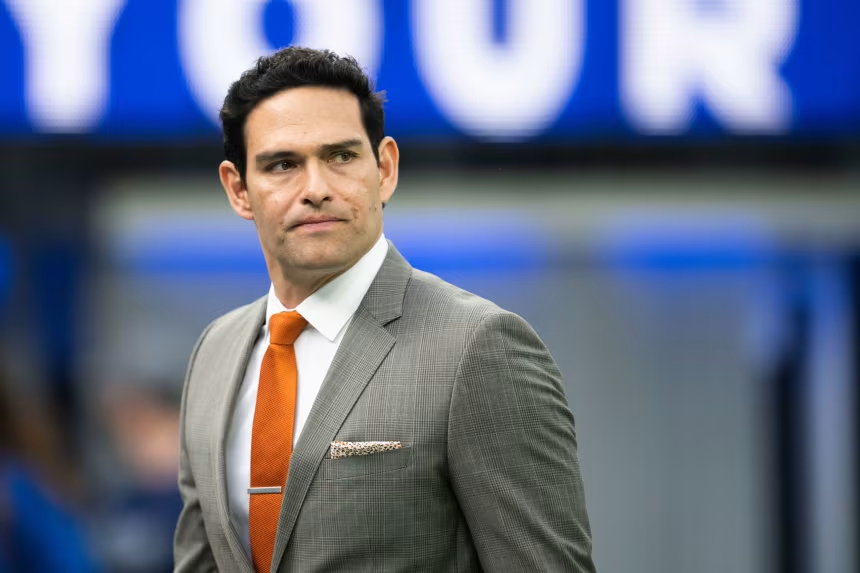
Mark Sanchez booked and released from custody, breaks silence following Indianapolis fight
Entities mentioned:
- Mark Sanchez: Self-preservation, Pride, Recognition
- Ryan Mears: Justice, Duty, Professional pride
- Perry Tole: Justice, Indignation, Revenge
Article Assessment:
Credibility Score: 75/100
Bias Rating: 55/100 (Center)
Sentiment Score: 30/100
Authoritarianism Risk: 25/100 (Generally Democratic)
Bias Analysis:
The article presents a balanced view of the incident, including perspectives from multiple parties involved. It refrains from overtly favoring either Sanchez or Tole, maintaining a neutral stance in reporting the facts.
Key metric: Crime Rate
Let me tell you something, folks - this is a FOURTH QUARTER FUMBLE for Mark Sanchez! The former NFL quarterback's off-field tackle has landed him in hot water, and now he's facing a GOAL LINE STAND against the justice system. Sanchez is trying to mount a comeback, but he's deep in his own territory with this felony charge. The prosecution is BLITZING hard, turning what looked like a few minor penalties into a potential GAME-CHANGING interception. Meanwhile, Perry Tole is running his own legal offense, looking to score big with a civil lawsuit. This is shaping up to be a real SLUGFEST in the courtroom, and I'm telling you right now, Sanchez needs to pull out all the stops if he wants to avoid being SACKED by the long arm of the law!
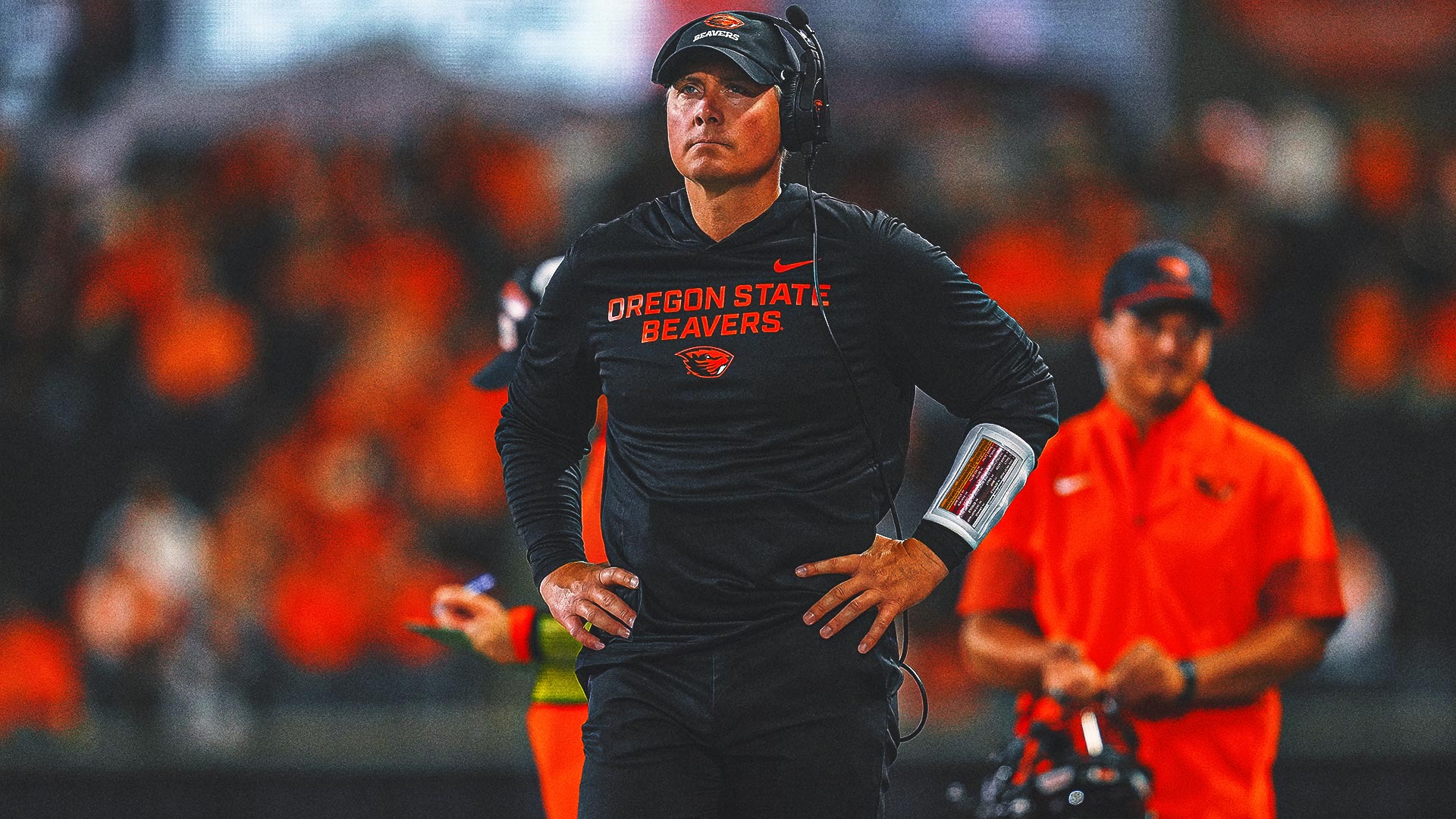
Oregon State Fires HC Trent Bray After 0-7 Start, Its Worst Since 1991
Entities mentioned:
- Trent Bray: Determination, Professional pride, Self-preservation
- Oregon State University: Competitive spirit, Pride, Legacy
- Scott Barnes: Ambition, Duty, Competitive spirit
- Robb Akey: Ambition, Professional pride, Determination
- Wake Forest: Competitive spirit, Pride, Ambition
Article Assessment:
Credibility Score: 75/100
Bias Rating: 50/100 (Center)
Sentiment Score: 30/100
Authoritarianism Risk: 20/100 (Strongly Democratic)
Bias Analysis:
The article presents a balanced view of the situation, quoting multiple sources including the fired coach. It sticks to factual reporting without obvious political leanings.
Key metric: NCAA Football Win-Loss Record
Let me tell you something - this is a FOURTH QUARTER SHAKEUP of EPIC proportions! The Oregon State Beavers have just pulled their starting quarterback, folks! Coach Trent Bray has been SACKED after a dismal 0-7 start that's got the whole stadium booing. This is a Hail Mary play by Athletic Director Scott Barnes, bringing in veteran Robb Akey off the bench to salvage what's left of this dumpster fire of a season. The Beavers are in a serious LOSING STREAK, and they're desperate to change the momentum before they're completely knocked out of the playoff picture. Wake Forest just ran circles around them like they were standing still - it's RIDICULOUS! I'm telling you right now, Oregon State needs to find their CHAMPIONSHIP MENTALITY fast, or they'll be warming the bench in the off-season while the big boys play for all the marbles!