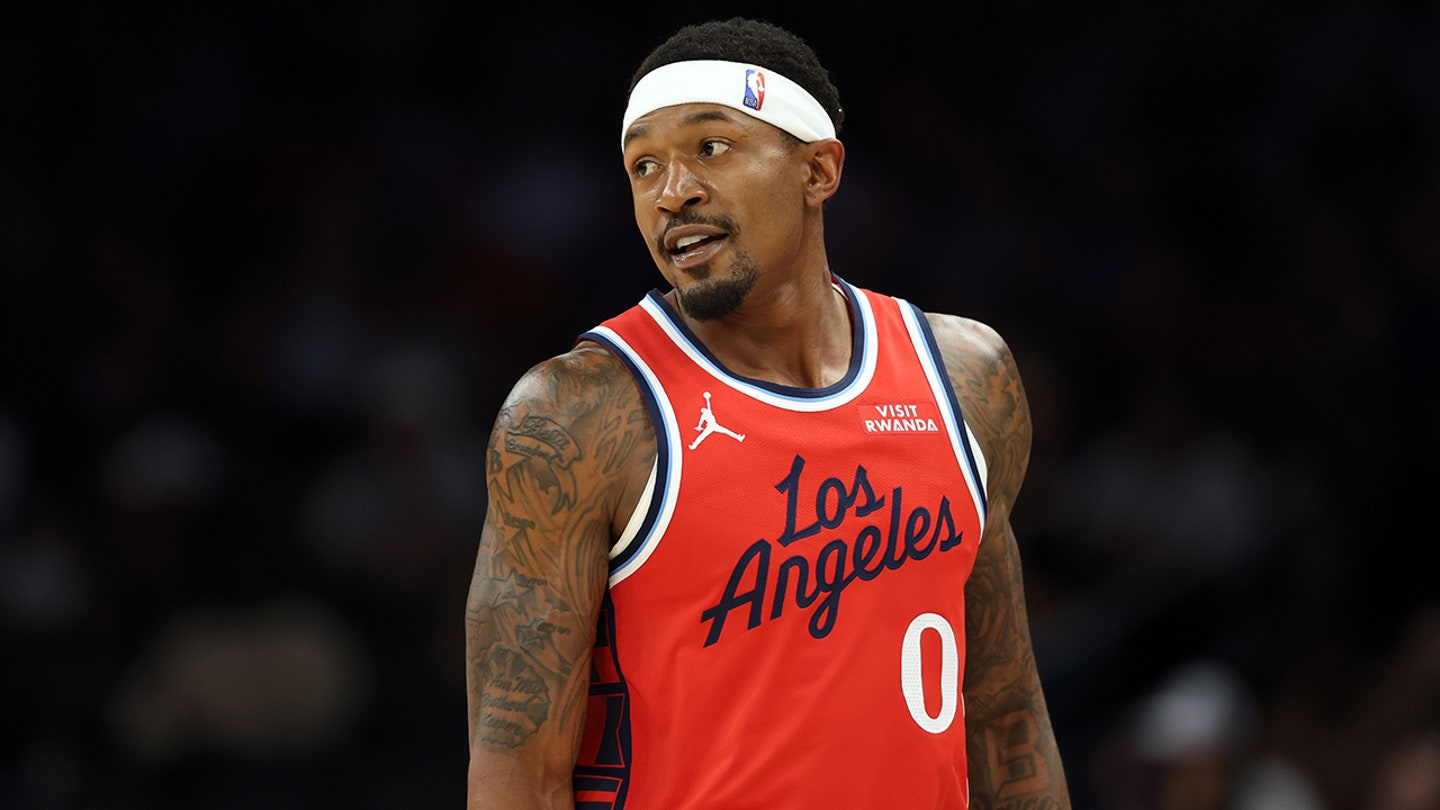
Clippers lose All-Star guard for rest of season with hip fracture
Entities mentioned:
- Los Angeles Clippers: Competitive spirit, Ambition, Professional pride
- Bradley Beal: Determination, Self-preservation, Competitive spirit
- Mark Bartelstein: Professional pride, Duty, Loyalty
Article Assessment:
Credibility Score: 85/100
Bias Rating: 50/100 (Center)
Sentiment Score: 30/100
Authoritarianism Risk: 15/100 (Strongly Democratic)
Bias Analysis:
The article presents a balanced view of the situation, providing factual information from team sources and player representatives. It doesn't lean towards any particular narrative or agenda.
Key metric: NBA Team Performance
Let me tell you something - this is a CRUSHING BLOW to the Clippers' championship dreams! Bradley Beal's season-ending injury is like losing your star quarterback right before the playoffs. The Clippers' front office made a bold move in the offseason, bringing in Beal to create a dream team alongside Harden and Leonard. But now, they're down a key player in this high-stakes game of NBA dominance. This is a fourth-quarter setback that could derail their entire season strategy. The Clippers are going to have to dig deep, show that championship mentality, and find a way to overcome this major hurdle if they want to stay competitive in the cutthroat Western Conference. I'm telling you right now, this is the kind of adversity that separates the contenders from the pretenders!

Super Bowl champion, Browns great Bernie Kosar reveals health update amid delayed liver transplant
Entities mentioned:
- Bernie Kosar: Determination, Self-preservation, Legacy
- Cleveland Browns: Loyalty, Unity, Professional pride
- Kosar Wellness Foundation: Duty, Righteousness, Influence
- Earnest Byner: Loyalty, Unity, Compassion
Article Assessment:
Credibility Score: 85/100
Bias Rating: 50/100 (Center)
Sentiment Score: 40/100
Authoritarianism Risk: 15/100 (Strongly Democratic)
Bias Analysis:
The article presents a balanced view of Kosar's situation, quoting multiple sources and providing factual information. It doesn't lean politically and focuses on reporting the health update and support for Kosar.
Key metric: Healthcare Quality and Access
Let me tell you something, folks - this is a FOURTH QUARTER SITUATION for Bernie Kosar! The legendary quarterback is facing his toughest opponent yet, and he's pulling out all the stops to secure that game-winning drive for his health. Kosar's been sacked by setbacks, but he's showing that championship mentality, calling audibles at the line of scrimmage as he adapts to these medical curveballs. The Cleveland Browns are rallying around their former signal-caller like a team protecting their QB in the pocket. This is CRUNCH TIME, and Kosar needs the crowd behind him now more than ever. He's not just playing for himself - he's using his platform to be a coach for veterans and first responders who are facing even tougher battles. That's the kind of leadership that wins championships, folks! Kosar's teammates are stepping up to the plate, showing that locker room solidarity that defined those Browns teams of the 80s. This is a long game, and Kosar's fighting spirit might just be the X-factor that leads him to victory against these health challenges!
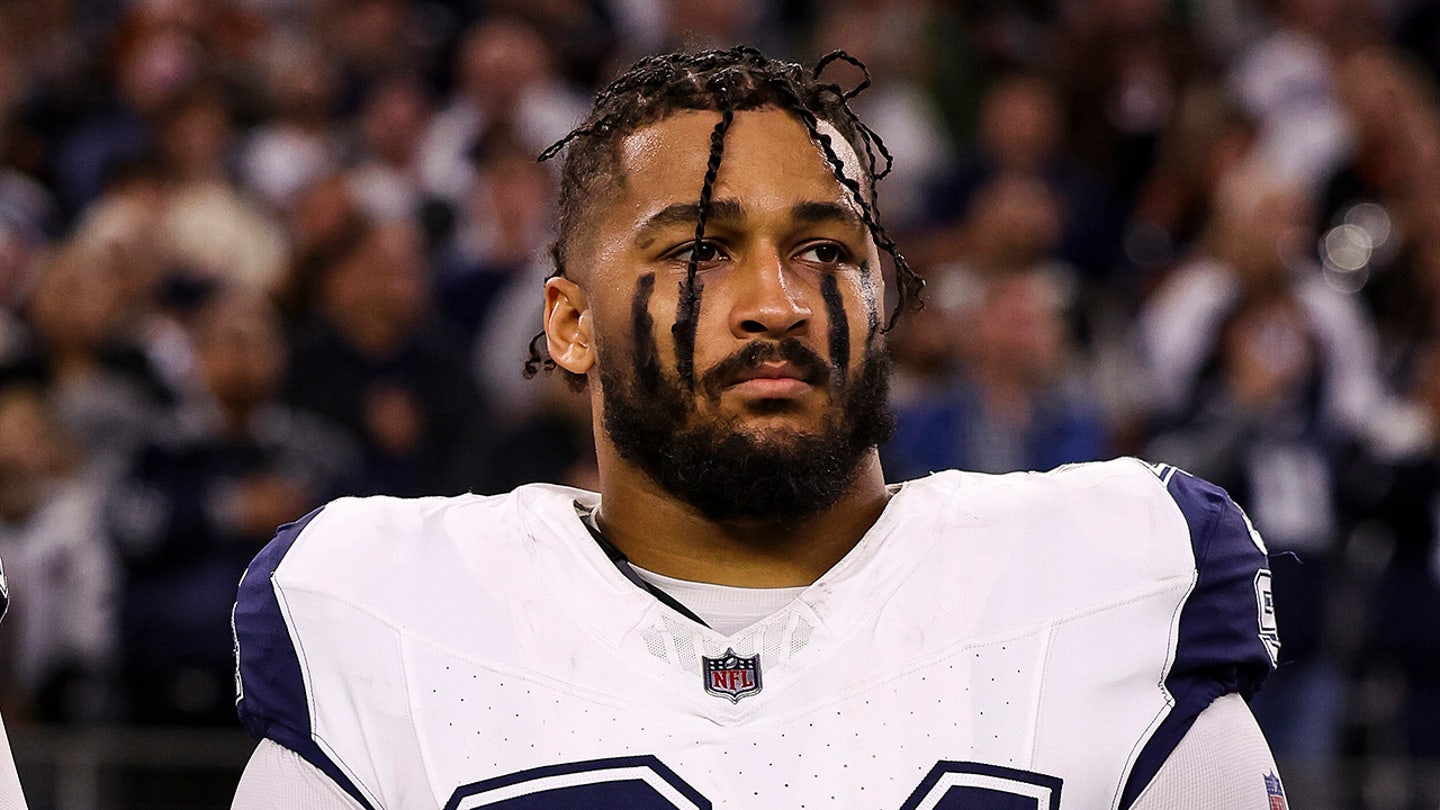
Cowboys coach says late NFL player Marshawn Kneeland’s girlfriend is pregnant, team launches memorial fund
Entities mentioned:
- Marshawn Kneeland: Legacy, Self-preservation, Pride
- Brian Schottenheimer: Loyalty, Duty, Compassion
- Catalina Mancera: Love, Self-preservation, Grief
- Dallas Cowboys: Unity, Loyalty, Professional pride
Article Assessment:
Credibility Score: 85/100
Bias Rating: 45/100 (Center)
Sentiment Score: 30/100
Authoritarianism Risk: 20/100 (Strongly Democratic)
Bias Analysis:
The article presents a balanced view of the situation, focusing on facts and statements from official sources. It doesn't lean towards any particular political stance, maintaining a neutral tone throughout.
Key metric: NFL Player Well-being and Support
Let me tell you something - this story is a GAME-CHANGER, folks! The Dallas Cowboys are stepping up to the plate in a BIG WAY for their fallen teammate. It's like they're running a crucial fourth-quarter play to honor Marshawn Kneeland's legacy. Coach Schottenheimer is showing true championship mentality by rallying the team around Kneeland's girlfriend and unborn child. This is the kind of team spirit that separates the CHAMPIONS from the also-rans! The Cowboys are proving they're not just about X's and O's, but about FAMILY and LOYALTY. This memorial fund is like a Hail Mary pass to ensure Kneeland's legacy lives on long after the final whistle. I'm telling you right now, this is the kind of off-field play that builds DYNASTIES!

Donald Trump really, really doesn’t like the NFL’s new kickoff format
Entities mentioned:
- Donald Trump: Pride, Righteousness, Influence
- NFL: Security, Professional pride, Obligation
- Roger Goodell: Duty, Determination, Safety
- Allen Sills: Professional pride, Duty, Safety
Article Assessment:
Credibility Score: 75/100
Bias Rating: 55/100 (Center)
Sentiment Score: 45/100
Authoritarianism Risk: 30/100 (Generally Democratic)
Bias Analysis:
The article presents both Trump's criticisms and the NFL's data-backed responses, maintaining a relatively balanced perspective. While Trump's comments are given prominence, the NFL's safety statistics are also highlighted.
Key metric: NFL Player Safety
Ladies and gentlemen, we've got a FULL-CONTACT CLASH between the NFL and the former Commander-in-Chief! Trump is coming off the top rope with a DEVASTATING TAKEDOWN of the new kickoff rules, while the NFL is DIGGING IN ITS CLEATS, defending its game-changing play. This is a fourth-quarter showdown for the very soul of football! Trump's throwing Hail Marys, calling the new format 'demeaning' and 'unromantic', but the NFL's defense is ROCK SOLID, backed by hard-hitting stats on player safety. It's a classic matchup of old-school grit versus new-age strategy, and I'm telling you right now, this battle is far from over! The NFL might have home-field advantage with their injury reduction numbers, but Trump's got that championship mentality, refusing to let this go without a fight. It's anyone's game as we watch these titans of influence go head-to-head in the ultimate gridiron grudge match!
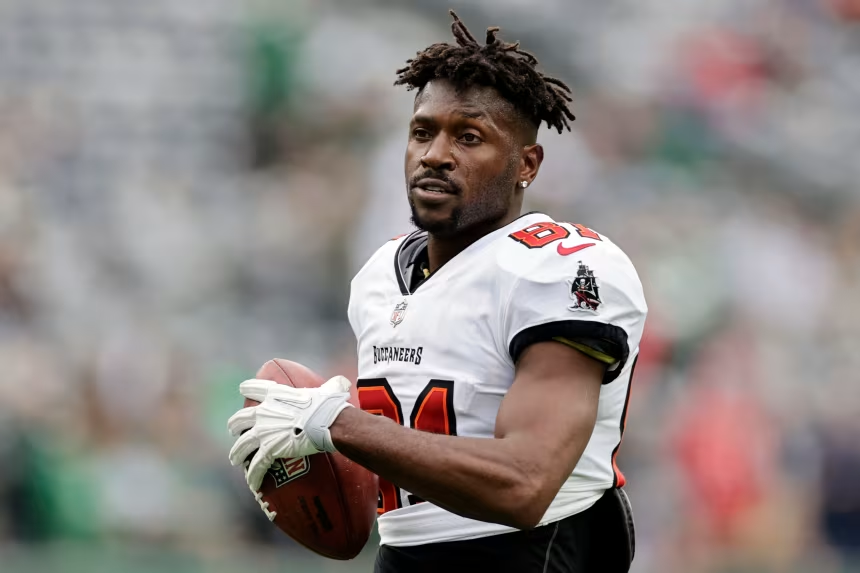
Ex-NFL player Antonio Brown waives extradition on attempted murder charge, will return to Miami
Entities mentioned:
- Antonio Brown: Self-preservation, Pride, Revenge
- Zul-Qarnain Kwame Nantambu: Justice, Security, Self-preservation
- US Marshals: Duty, Justice, Professional pride
- Essex County Prosecutor's Office: Justice, Duty, Professional pride
Article Assessment:
Credibility Score: 75/100
Bias Rating: 50/100 (Center)
Sentiment Score: 30/100
Authoritarianism Risk: 25/100 (Generally Democratic)
Bias Analysis:
The article presents a balanced account of events, citing official sources and Brown's own statement. It avoids sensationalism while providing context on Brown's NFL career and previous legal issues.
Key metric: NFL Player Conduct and Public Image
Let me tell you something - this is a GAME-CHANGING play in Antonio Brown's career! The former NFL star receiver has fumbled big time, facing an attempted murder charge that could bench him for up to 15 years. This is no ordinary penalty flag, folks! Brown's off-field conduct has been more erratic than a wild quarterback scramble, and now he's in a fourth-and-long situation with the law. The US Marshals stepped up their defensive game, sacking Brown all the way in Dubai and bringing him back to face the music. This is a crucial turnover that could decide the fate of Brown's future. I'm telling you right now, Brown needs to pull out all the stops in his legal playbook if he wants to avoid being sidelined for good. The NFL's reputation is on the line here too, as they grapple with yet another personal foul from a former player. It's crunch time for Brown, and he's got to bring his A-game to the courtroom or risk being ejected from society for a long, long time!
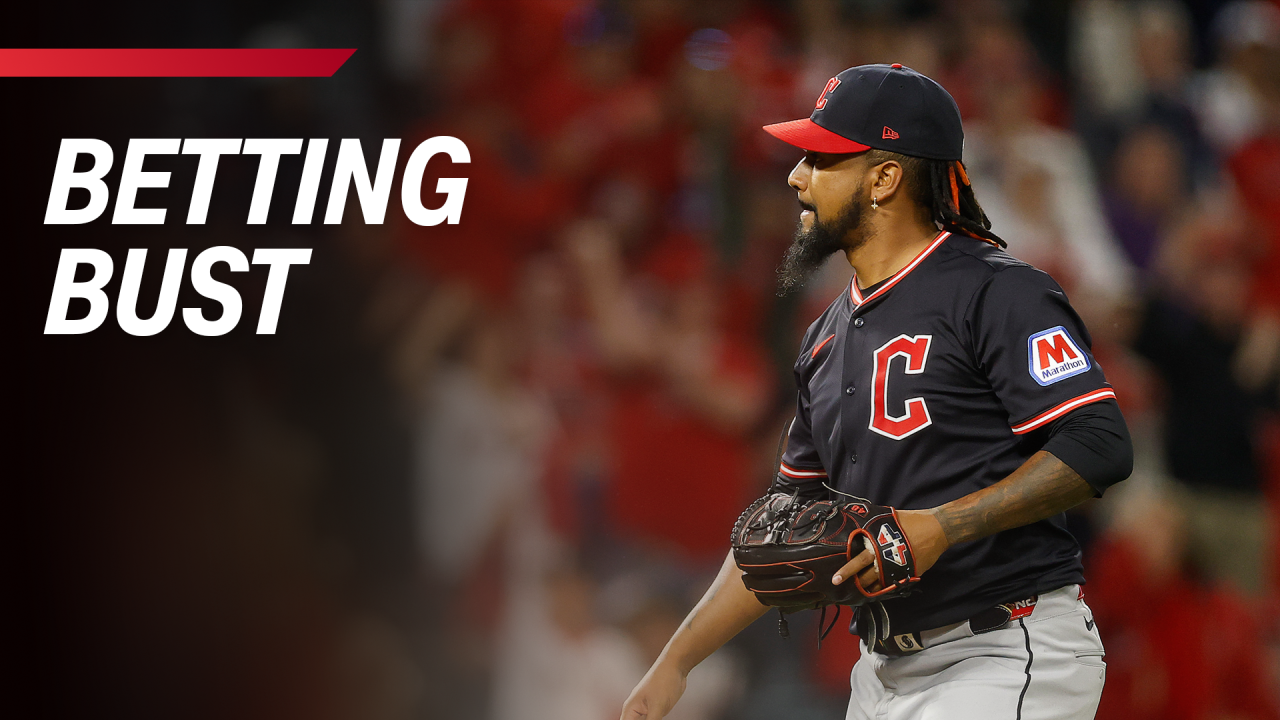
Feds indict 2 Guardians pitchers in MLB gambling scheme
Entities mentioned:
- Cleveland Guardians pitchers: Greed, Self-preservation, Fear
- Major League Baseball: Integrity, Control, Professional pride
- Federal investigators: Justice, Duty, Righteousness
Article Assessment:
Credibility Score: 75/100
Bias Rating: 50/100 (Center)
Sentiment Score: 30/100
Authoritarianism Risk: 25/100 (Generally Democratic)
Bias Analysis:
The article presents a balanced view of the situation, reporting facts without apparent partisan slant. It includes multiple perspectives and refrains from sensationalism despite the dramatic nature of the story.
Key metric: MLB Game Integrity Index
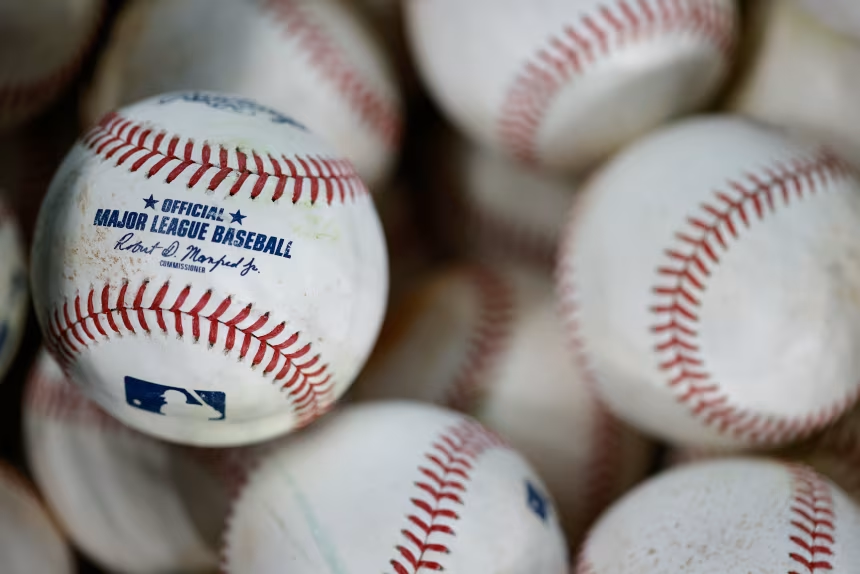
Let me tell you something - this story is a GAME-CHANGER! The Cleveland Guardians' bullpen has been caught with their hand in the cookie jar, folks! We're talking about a MAJOR LEAGUE scandal that's rocking the baseball world to its core. These pitchers thought they could throw a curveball past the feds, but they've struck out BIG TIME. It's bottom of the ninth, bases loaded for MLB as they face their toughest opponent yet - corruption from within. The league needs to step up to the plate and knock this one out of the park if they want to maintain the integrity of America's pastime. This is a critical play that could determine the future of the sport, and I'm telling you right now, the pressure is ON!
MLB announces new gambling safeguards after 2 Guardians were indicted in betting scandal
Entities mentioned:
- Major League Baseball: Professional pride, Control, Security
- Emmanuel Clase: Greed, Self-preservation, Fear
- Luis Ortiz: Greed, Self-preservation, Fear
- Robert D. Manfred, Jr.: Professional pride, Control, Legacy
- Department of Justice: Justice, Control, Duty
Article Assessment:
Credibility Score: 85/100
Bias Rating: 50/100 (Center)
Sentiment Score: 30/100
Authoritarianism Risk: 35/100 (Generally Democratic)
Bias Analysis:
The article presents a balanced view of the situation, including statements from both the league and the accused players' attorneys. It sticks to factual reporting without favoring any particular side.
Key metric: MLB Game Integrity
Let me tell you something, folks - this is a GAME-CHANGING play in the world of baseball! The MLB has just stepped up to the plate with a POWER MOVE, throwing a curveball at would-be cheaters. We're talking about a DEFENSIVE STRATEGY that's putting a cap on those tricky pitch-level bets. This is the kind of fourth-quarter adjustment that separates the CHAMPIONS from the also-rans! Clase and Ortiz? They're in the penalty box, facing a full-court press from the feds. It's like they tried to run a trick play, but got SACKED by the league's integrity blitz. The DOJ is bringing the HEAT, folks, and these players are feeling the pressure like it's the bottom of the ninth with bases loaded. This scandal is a WAKE-UP CALL for the whole league - it's time to play defense and protect the sanctity of America's pastime. The MLB is showing a championship mentality here, folks, taking control of the game before it spirals into EXTRA INNINGS of corruption!
Former UFC fighter, 38, found dead in Florida jail cell amid domestic violence case
Entities mentioned:
- Godofredo Pepey: Self-preservation, Fear, Anxiety
- Broward County Sheriff's Office: Duty, Professional pride, Security
- UFC: Competitive spirit, Recognition, Legacy
Article Assessment:
Credibility Score: 75/100
Bias Rating: 50/100 (Center)
Sentiment Score: 20/100
Authoritarianism Risk: 30/100 (Generally Democratic)
Bias Analysis:
The article presents a balanced account of the incident, quoting official sources and providing factual details. It refrains from speculation and maintains a neutral tone when discussing the sensitive subject matter.
Key metric: Athlete Mental Health and Support Systems
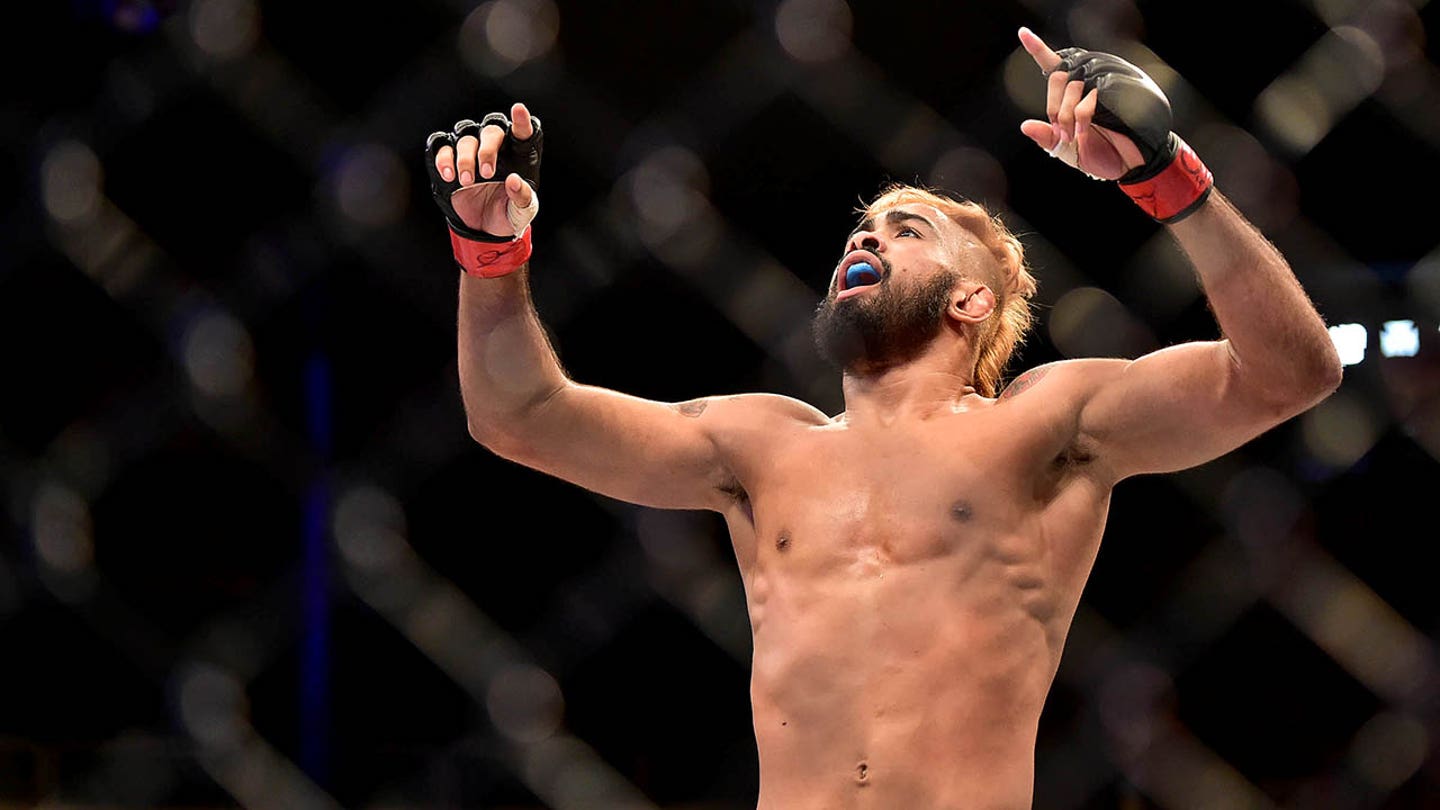
Let me tell you something - this is a TRAGIC KNOCKOUT that nobody saw coming! Godofredo Pepey, once a fierce competitor in the octagon, has thrown in the towel in the most devastating way possible. This isn't just a loss for the UFC, it's a failure of the entire system to provide a safety net for our gladiators once they leave the arena. We're talking about a former fighter who went toe-to-toe with the best, now taken down by the ultimate opponent - his own demons. This is a wake-up call, folks! The sports world needs to step up its game in supporting athletes long after the final bell has rung. It's time for a full-court press on mental health resources and post-career transition programs. The UFC and other leagues need to show they've got the heart of a champion when it comes to protecting their players, both in and out of the cage!
Ex-NBA star Michael Ray Richardson, who was banned for life by league, dead at 70
Entities mentioned:
- Michael Ray Richardson: Competitive spirit, Determination, Self-preservation
- NBA: Control, Professional pride, Justice
- New York Knicks: Loyalty, Recognition, Competitive spirit
- David Stern: Justice, Professional pride, Duty
Article Assessment:
Credibility Score: 75/100
Bias Rating: 50/100 (Center)
Sentiment Score: 40/100
Authoritarianism Risk: 35/100 (Generally Democratic)
Bias Analysis:
The article presents a balanced view of Richardson's career, highlighting both his accomplishments and controversies. It includes multiple perspectives, including Richardson's own claims about unfair treatment.
Key metric: NBA Player Longevity and Conduct
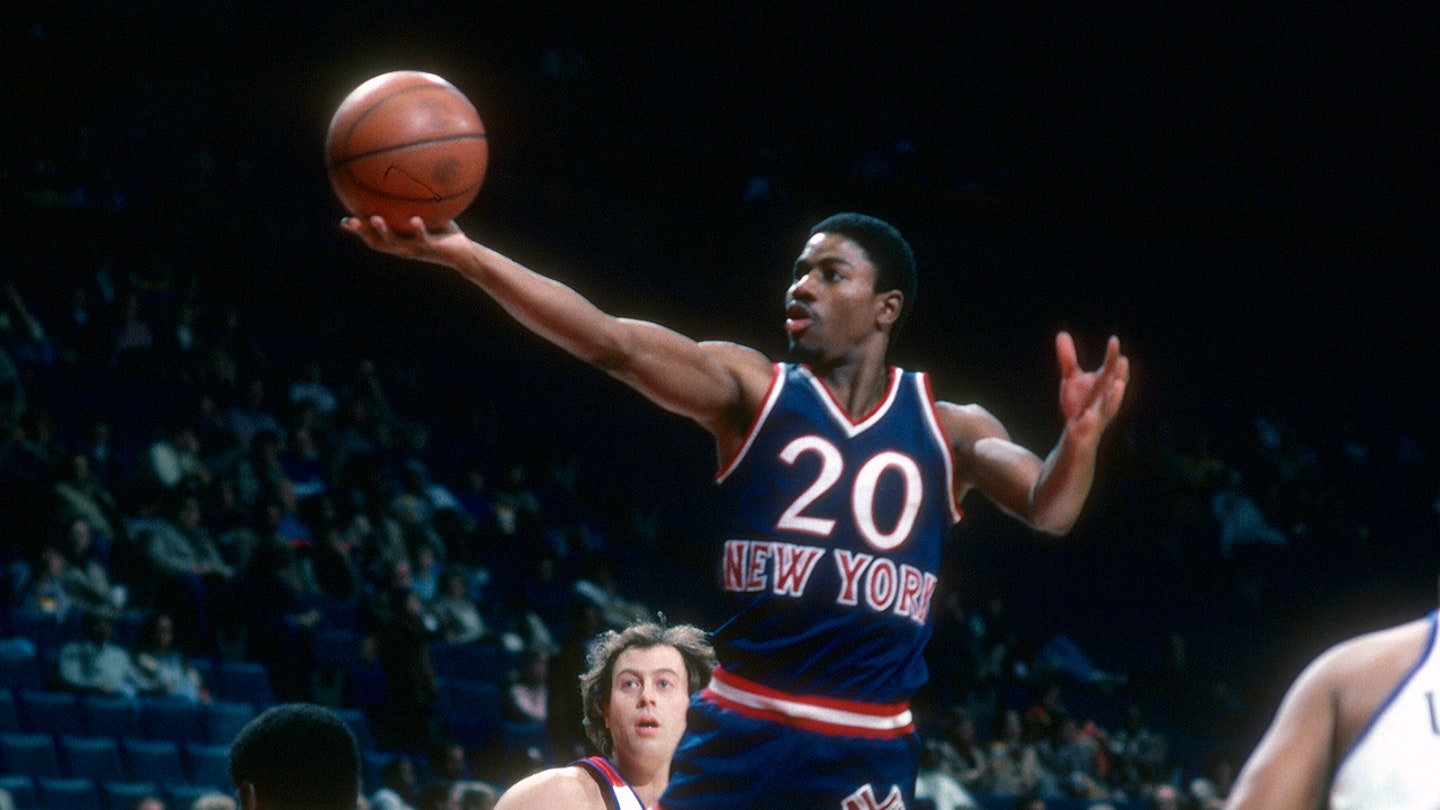
Let me tell you something - this story is a GAME-CHANGER! Michael Ray Richardson was a DEFENSIVE POWERHOUSE, folks, a true all-star player who could shut down opponents like a championship goalie! But just when he was at the top of his game, BAM! - he fumbled the ball with those drug violations. The NBA, playing hardball like a tough coach, threw the red flag and benched him for life. It's like watching a star quarterback get sacked on the biggest play of his career! Richardson tried to dodge and weave with overseas play, but he never made it back to the big leagues. This is a cautionary tale, sports fans - a reminder that even the most talented players can get knocked out of the game if they don't play by the rules. Richardson's career was a rollercoaster ride with more ups and downs than a championship series going to Game 7!
Longtime NFL commissioner Paul Tagliabue dies at 84
Entities mentioned:
- Paul Tagliabue: Legacy, Professional pride, Influence
- NFL: Power, Control, Competitive spirit
- Roger Goodell: Legacy, Professional pride, Duty
Article Assessment:
Credibility Score: 85/100
Bias Rating: 55/100 (Center)
Sentiment Score: 45/100
Authoritarianism Risk: 20/100 (Strongly Democratic)
Bias Analysis:
The article presents a balanced view of Tagliabue's tenure, highlighting both achievements and criticisms. It includes direct quotes and factual information from reputable sources, maintaining a mostly neutral stance.
Key metric: NFL Revenue and Reputation
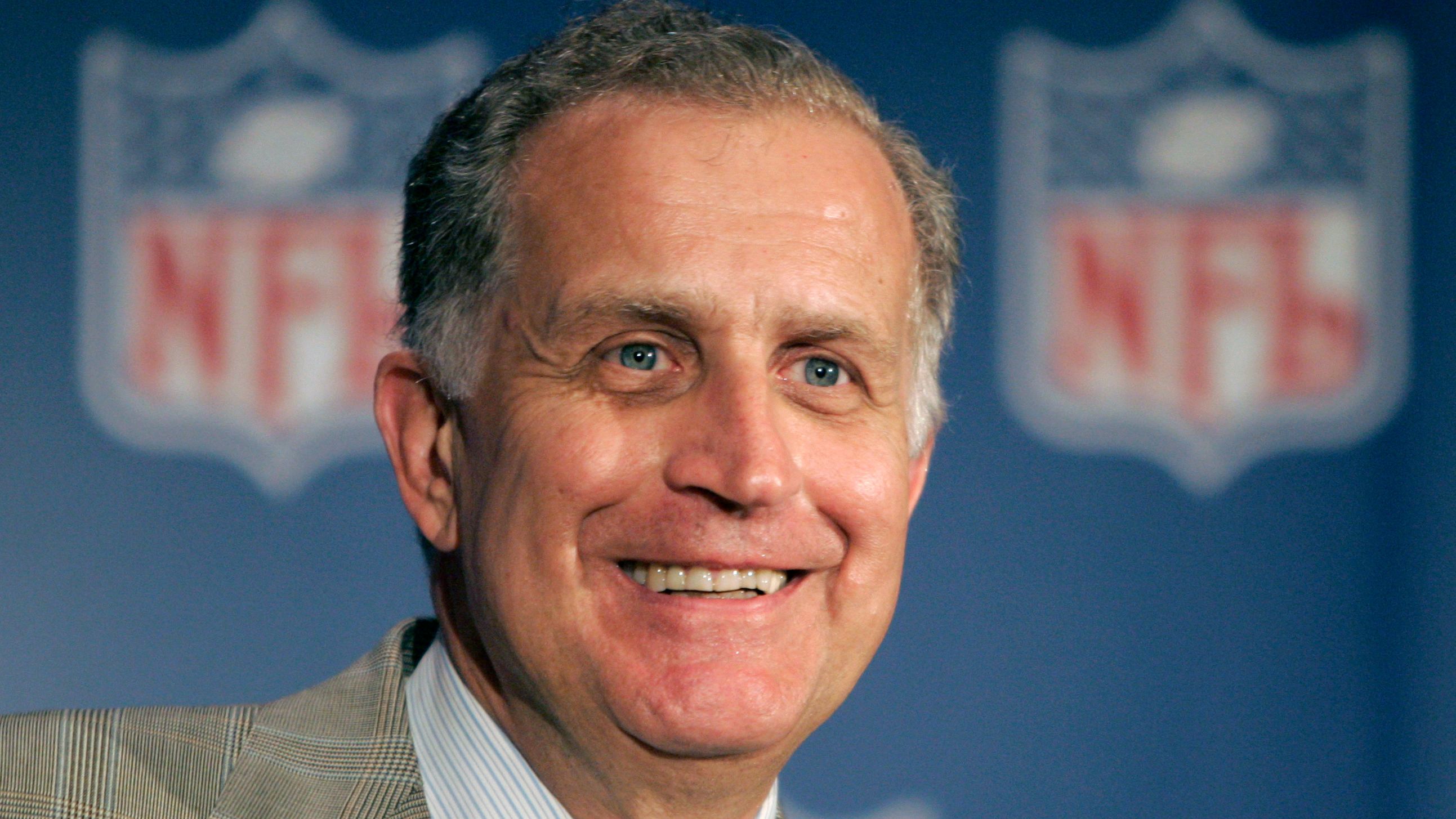
Let me tell you something, folks - this is a GAME-CHANGING moment for the NFL! Paul Tagliabue was the Tom Brady of commissioners, leading the league to unprecedented success during his 17-year reign. He stepped up to the plate and hit home run after home run with labor peace and TV deals that sent NFL profits into the stratosphere. But let's not sugarcoat it - Tagliabue fumbled the ball when it came to concussions, and that's a stain on his otherwise championship-caliber legacy. The league is still dealing with the fallout from that dropped pass, and it's going to take some fourth-quarter heroics to fully address player safety concerns. Despite that hiccup, Tagliabue's tenure was largely a slam dunk for the NFL's bottom line and global dominance. He laid the groundwork for the juggernaut we see today, proving he had the clutch gene when it came to growing the game. This loss is like losing a Hall of Fame coach - it's a blow to the league, but his playbook will continue to influence the NFL's game plan for years to come.