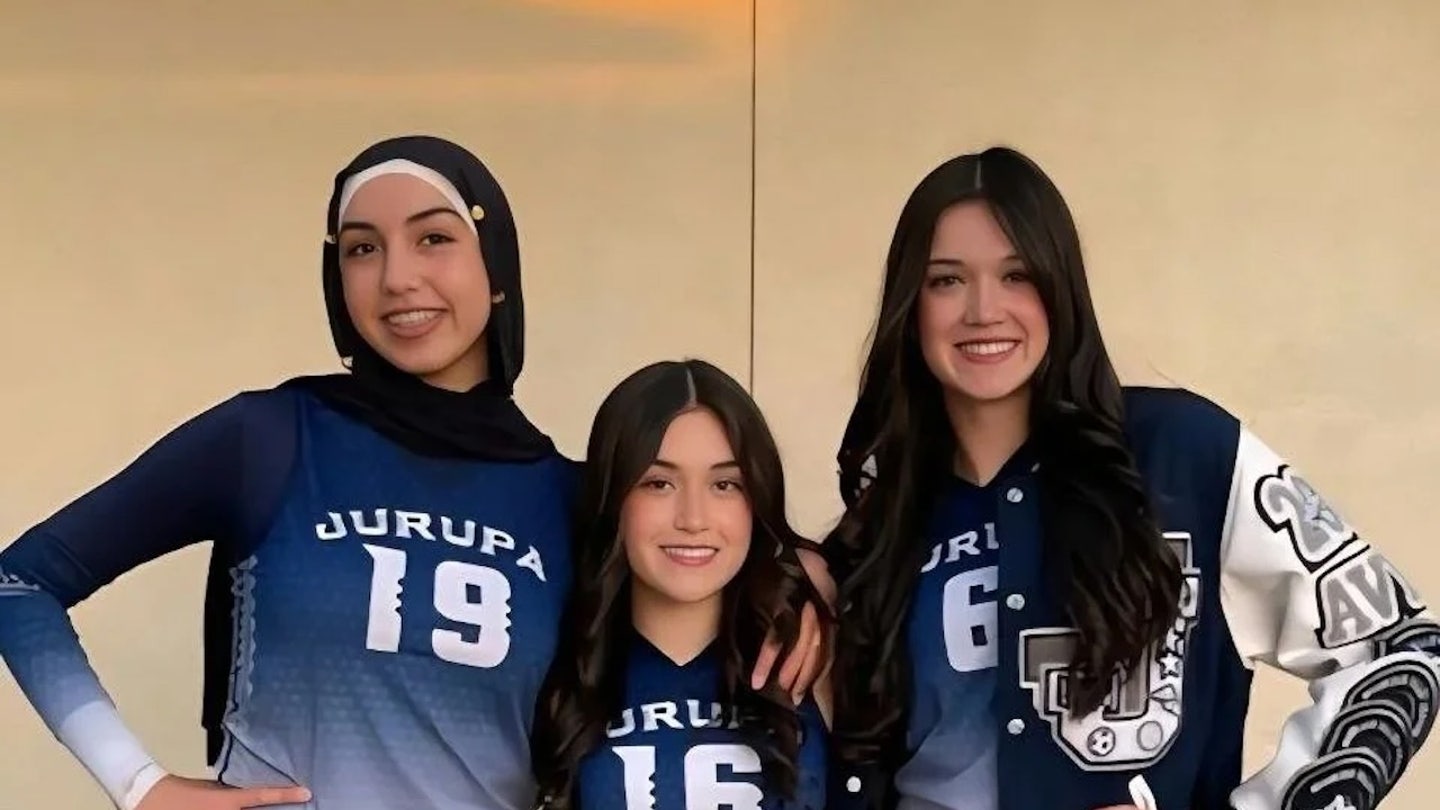
California girls' high school volleyball players file lawsuit over transgender teammate
Entities mentioned:
- California Interscholastic Federation (CIF): Control, Obligation, Unity
- California Department of Education (CDE): Duty, Control, Unity
- Jurupa Unified School District (JUSD): Obligation, Unity, Wariness
- Plaintiffs (Alyssa McPherson, Hadeel Hazameh, Madison McPherson): Justice, Self-respect, Righteousness
- AB Hernandez (Transgender Athlete): Competitive spirit, Recognition, Self-respect
- Advocates for Faith & Freedom: Justice, Righteousness, Moral outrage
- Department of Justice: Justice, Control, Duty
Article Assessment:
Credibility Score: 70/100
Bias Rating: 65/100 (Lean Right)
Sentiment Score: 30/100
Authoritarianism Risk: 40/100 (Generally Democratic)
Bias Analysis:
The article leans right, focusing heavily on the plaintiffs' perspective and religious views. It includes minimal counterarguments or perspectives from transgender advocates, suggesting a bias towards conservative viewpoints on the issue.
Key metric: Gender Equality in Sports
Let me tell you something - this story is a GAME-CHANGER! We're seeing a full-court press in the battle over transgender athletes in women's sports. The plaintiffs are coming out swinging, folks, filing a lawsuit that's like a Hail Mary pass in the fourth quarter. They're not just playing defense anymore - they're taking the offense and driving hard to the hoop! This is a high-stakes match with the CIF, CDE, and JUSD on one side of the net, and these young athletes and their families on the other. It's like we're watching a championship volleyball game, but the rules of the game itself are being challenged! The transgender athlete, Hernandez, has been spiking controversy all season, and now we're seeing a full-blown team revolt. This isn't just a game anymore, folks - it's a clash of titans that could rewrite the playbook for high school sports across the nation! The plaintiffs are pulling no punches, claiming everything from sexual harassment to religious discrimination. It's a bold strategy, Cotton - let's see if it pays off for them!
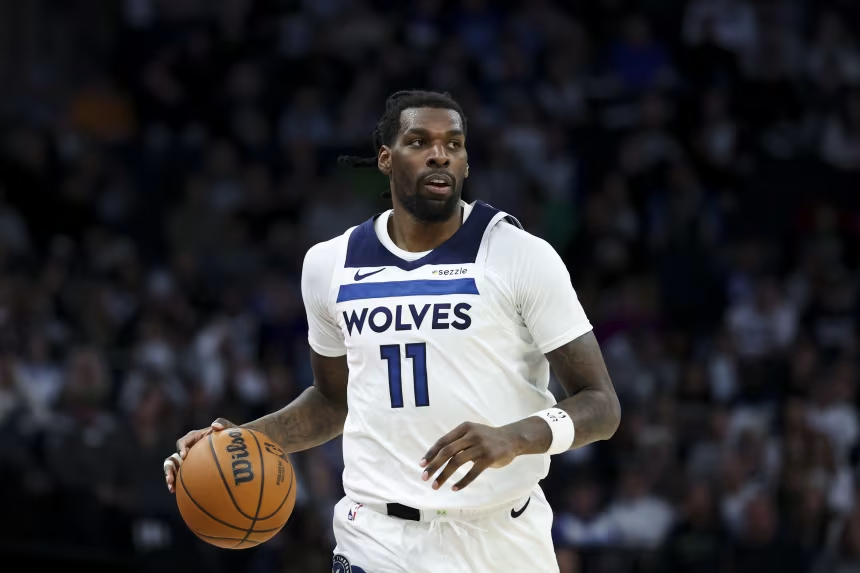
Minnesota Timberwolves player’s sister fatally shot at New Jersey apartment complex, her boyfriend charged with murder
Entities mentioned:
- Naz Reid: Professional pride, Loyalty, Self-preservation
- Toraya Reid: Security, Self-respect, Freedom
- Shaquille Green: Control, Revenge, Fear
- Minnesota Timberwolves: Competitive spirit, Loyalty, Professional pride
- Ocean County Prosecutor Bradley Billhimer: Justice, Duty, Professional pride
Article Assessment:
Credibility Score: 85/100
Bias Rating: 50/100 (Center)
Sentiment Score: 20/100
Authoritarianism Risk: 30/100 (Generally Democratic)
Bias Analysis:
The article presents a straightforward account of events without apparent political slant. It relies on official sources and factual reporting, maintaining a neutral stance on the incident.
Key metric: NBA Player Safety and Well-being
Let me tell you something, folks - this is a DEVASTATING blow to the Timberwolves' roster! Just when Naz Reid was at the top of his game, winning 'Sixth Man of the Year' and signing a five-year contract, tragedy strikes from way outside the court. This is like taking a brutal charge in the paint of life, and it's going to test Reid's mental toughness like never before. The Timberwolves organization needs to step up BIG TIME here, providing the ultimate assist to their star player off the court. This isn't just a personal foul, it's a game-changing moment that could impact Reid's performance and the team's chemistry. I'm telling you right now, how the Timberwolves handle this crisis will show if they truly have that championship mentality and team-first attitude when it REALLY counts!
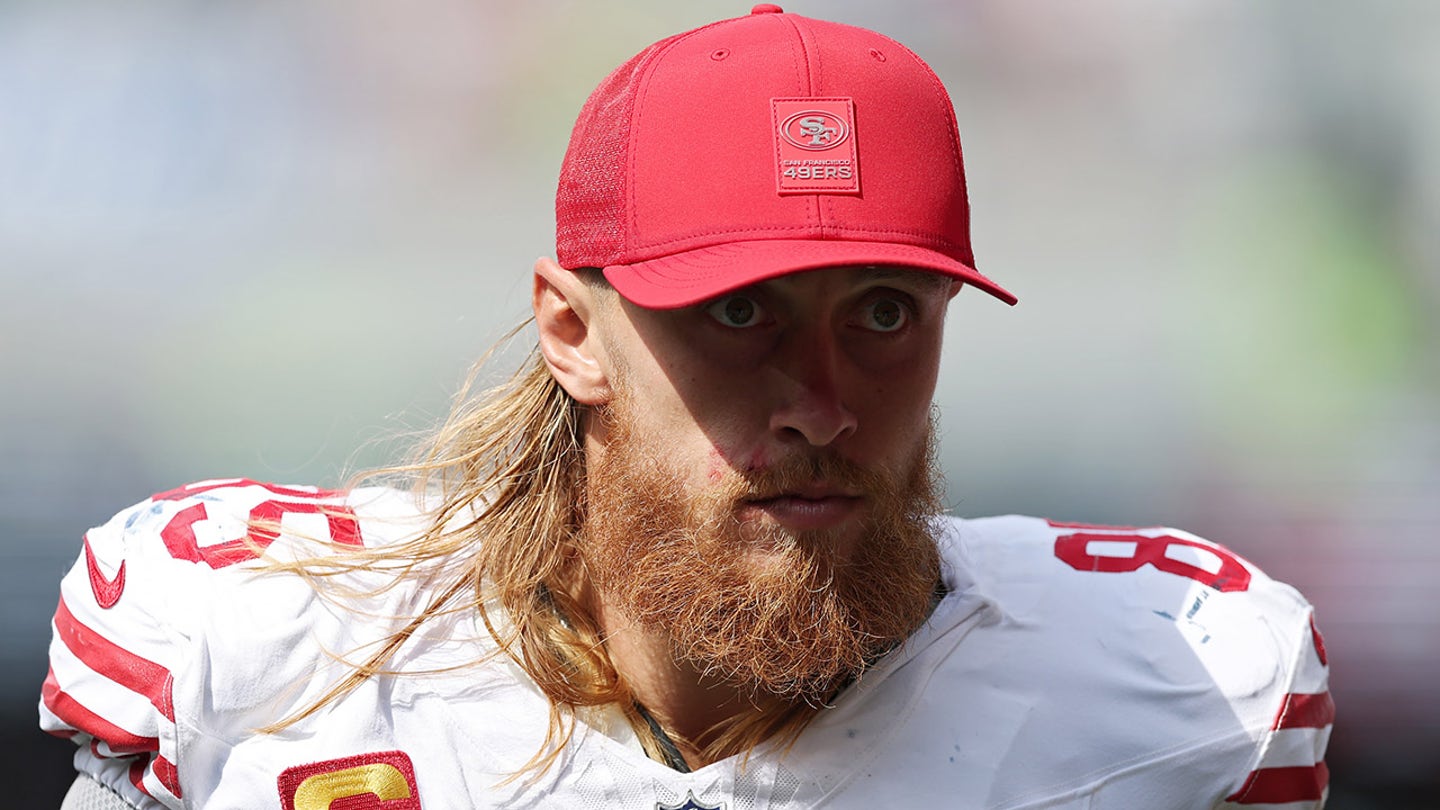
49ers' George Kittle expected to miss 3-5 weeks with hamstring injury, while Brock Purdy uncertain for Week 2
Entities mentioned:
- George Kittle: Competitive spirit, Determination, Professional pride
- San Francisco 49ers: Ambition, Competitive spirit, Unity
- Kyle Shanahan: Duty, Professional pride, Control
- Brock Purdy: Determination, Competitive spirit, Self-preservation
- Mac Jones: Ambition, Redemption, Professional pride
Article Assessment:
Credibility Score: 85/100
Bias Rating: 50/100 (Center)
Sentiment Score: 30/100
Authoritarianism Risk: 20/100 (Strongly Democratic)
Bias Analysis:
The article presents a balanced view of the 49ers' injury situation, quoting the head coach directly and providing factual injury updates. There's no apparent bias towards or against the team's prospects.
Key metric: NFL Team Performance
Let me tell you something - this injury report is a GAME-CHANGER for the 49ers! They're facing a fourth-quarter challenge with their star tight end Kittle sidelined for potentially a month. This is the kind of setback that separates the contenders from the pretenders, folks! Kyle Shanahan is going to have to dig deep into his playbook and rally his troops like a championship coach. And don't even get me started on the quarterback situation - Purdy's toe injury could be the Achilles' heel that derails their entire offensive gameplan. It's crunch time for the 49ers, and they'll need to show that next-man-up mentality if they want to stay in the playoff hunt. This is where we separate the boys from the men in the NFL!
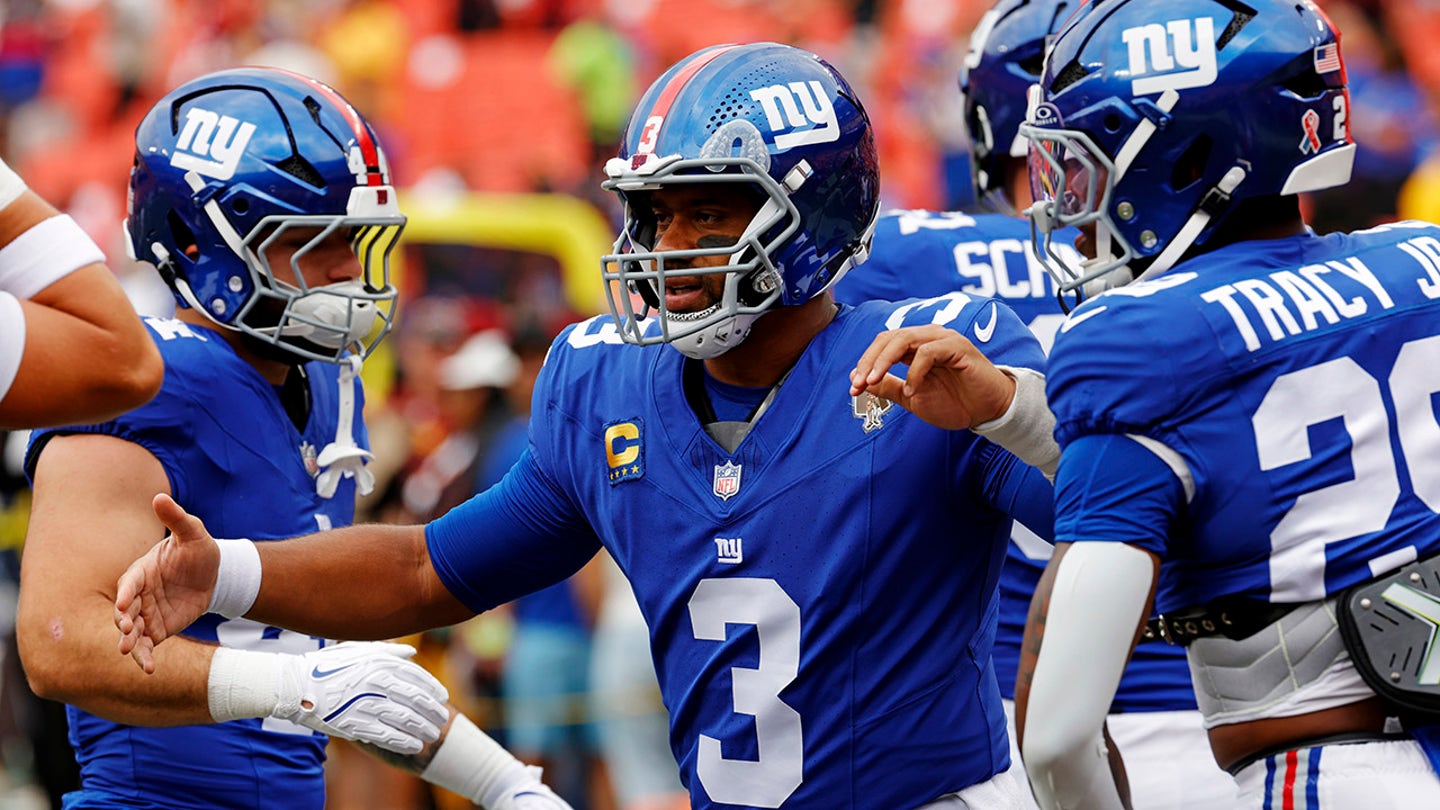
Giants stick with Russell Wilson for Week 2 despite disappointing debut in loss to Commanders
Entities mentioned:
- Russell Wilson: Competitive spirit, Professional pride, Determination
- Brian Daboll: Loyalty, Duty, Self-preservation
- New York Giants: Competitive spirit, Pride, Ambition
- Jaxson Dart: Ambition, Competitive spirit, Recognition
Article Assessment:
Credibility Score: 75/100
Bias Rating: 50/100 (Center)
Sentiment Score: 35/100
Authoritarianism Risk: 20/100 (Strongly Democratic)
Bias Analysis:
The article presents a balanced view of the situation, quoting the coach directly and providing context for Wilson's performance. It doesn't lean towards criticizing or defending any particular party.
Key metric: NFL Team Performance
Let me tell you something, folks - this is a FOURTH QUARTER situation for the Giants! They're down in the count, and the pressure is mounting! Wilson's debut was like a fumble on the goal line, but Coach Daboll is showing some real team spirit by not benching his quarterback after one bad game. It's a long season, and they're treating this like a marathon, not a sprint! The offensive line needs to step up their game and give Wilson the protection he needs - right now, they're playing defense against their own quarterback! This is RIDICULOUS! The Giants need to show some of that championship mentality and turn things around fast, or they'll be watching the playoffs from the sidelines!
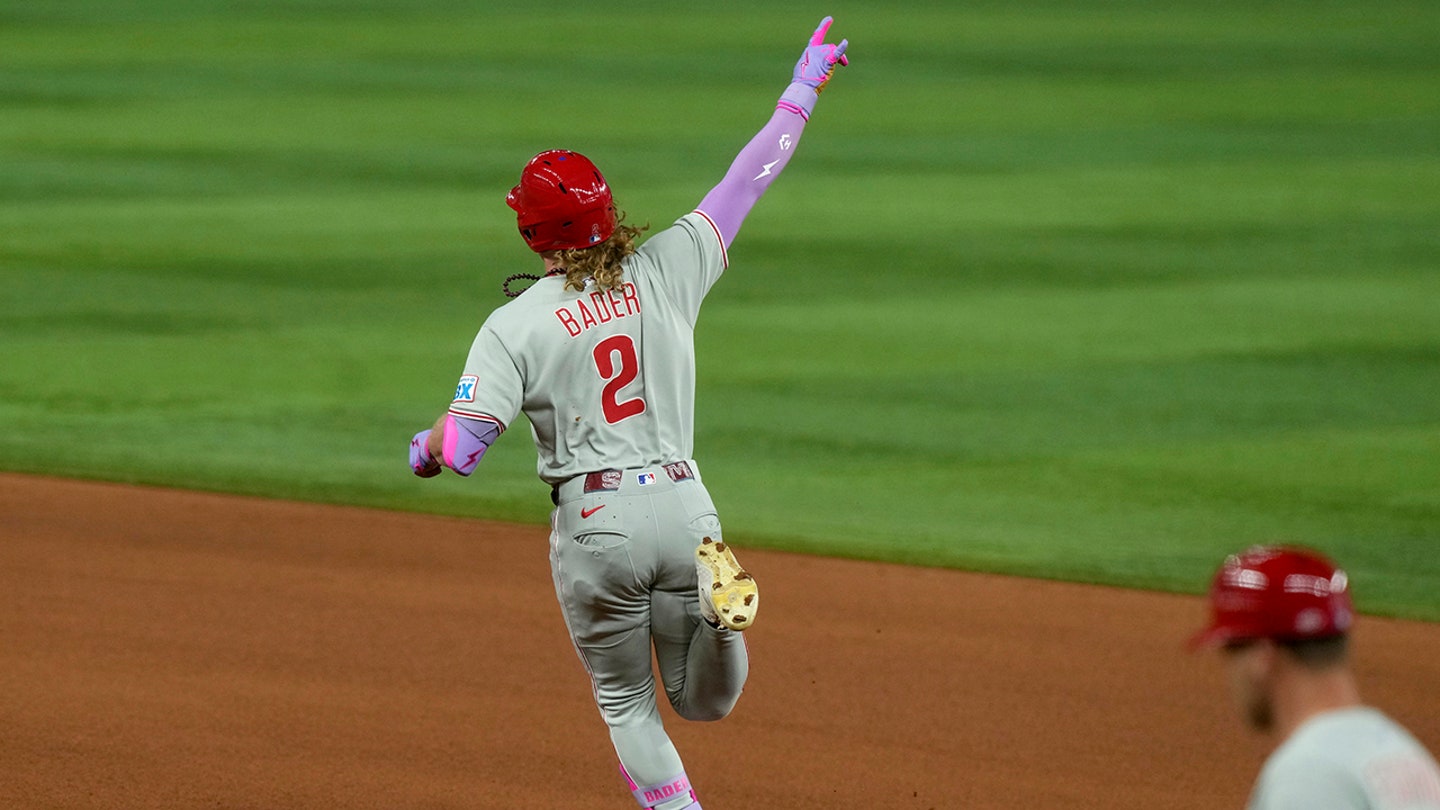
Family recalls dealing with irate female Phillies fan over home run ball: 'She was very vulgar'
Entities mentioned:
- Drew Feltwell: Self-preservation, Duty, Righteousness
- Irate Female Phillies Fan: Greed, Entitlement, Competitive spirit
- Philadelphia Phillies: Professional pride, Loyalty, Unity
- Harrison Bader: Competitive spirit, Recognition, Professional pride
Article Assessment:
Credibility Score: 75/100
Bias Rating: 50/100 (Center)
Sentiment Score: 60/100
Authoritarianism Risk: 20/100 (Strongly Democratic)
Bias Analysis:
The article presents a balanced view of the incident, giving voice to the Feltwell family without overtly demonizing the irate fan. It maintains a neutral stance while reporting on the aftermath and resolution.
Key metric: Fan Behavior and Sportsmanship
Let me tell you something - this is RIDICULOUS! We've got a real bench-clearing brawl situation over a home run ball, folks! Drew Feltwell stepped up to the plate and snagged that souvenir like a pro, but then out of left field comes this irate fan trying to steal his victory! It's like watching a runner get tagged out at home plate and then arguing with the umpire! The Phillies organization, true team players, came through in the clutch with a care package for young Lincoln. That's what I call a championship mentality! And Harrison Bader? Talk about a clutch player - gifting an autographed bat is a real grand slam move! This whole situation is a textbook example of how sportsmanship can turn a potential strikeout into a home run for everyone involved!
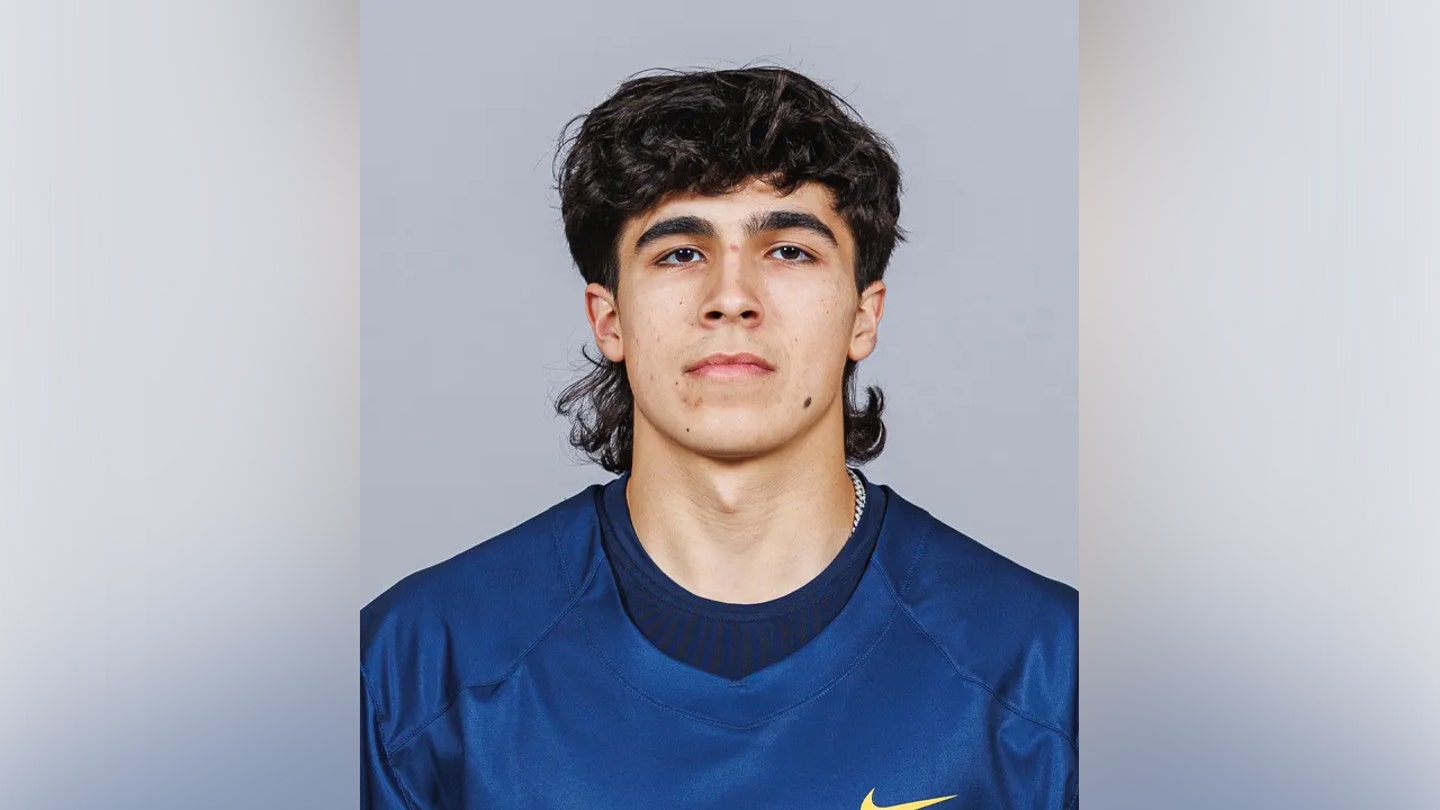
2 Marquette men's lacrosse players killed in car crash, officials say
Entities mentioned:
- Noah Snyder: Ambition, Competitive spirit, Professional pride
- Scott Michaud: Ambition, Competitive spirit, Professional pride
- Marquette University: Unity, Duty, Recognition
- Milwaukee Police: Justice, Duty, Security
Article Assessment:
Credibility Score: 85/100
Bias Rating: 50/100 (Center)
Sentiment Score: 15/100
Authoritarianism Risk: 20/100 (Strongly Democratic)
Bias Analysis:
The article presents a balanced account of the tragic event, citing official sources and providing factual details. It maintains a neutral tone without leaning towards any particular political or ideological stance.
Key metric: College Sports Safety
Let me tell you something - this is a DEVASTATING blow to the Marquette Golden Eagles lacrosse program! We're talking about two young stars, Snyder and Michaud, taken off the field in the prime of their collegiate careers. This is like losing your star quarterback and top defensive player right before the championship game. The team's depth chart has been shattered, and now the coaching staff is facing a fourth-quarter challenge like no other. But mark my words, the Golden Eagles will have to rally together, showing that championship mentality to overcome this unimaginable tragedy. This isn't just about wins and losses anymore, folks. It's about the Marquette community coming together as one team, stepping up to the plate in the face of adversity. The real test of their competitive spirit starts now, as they honor their fallen teammates both on and off the field.
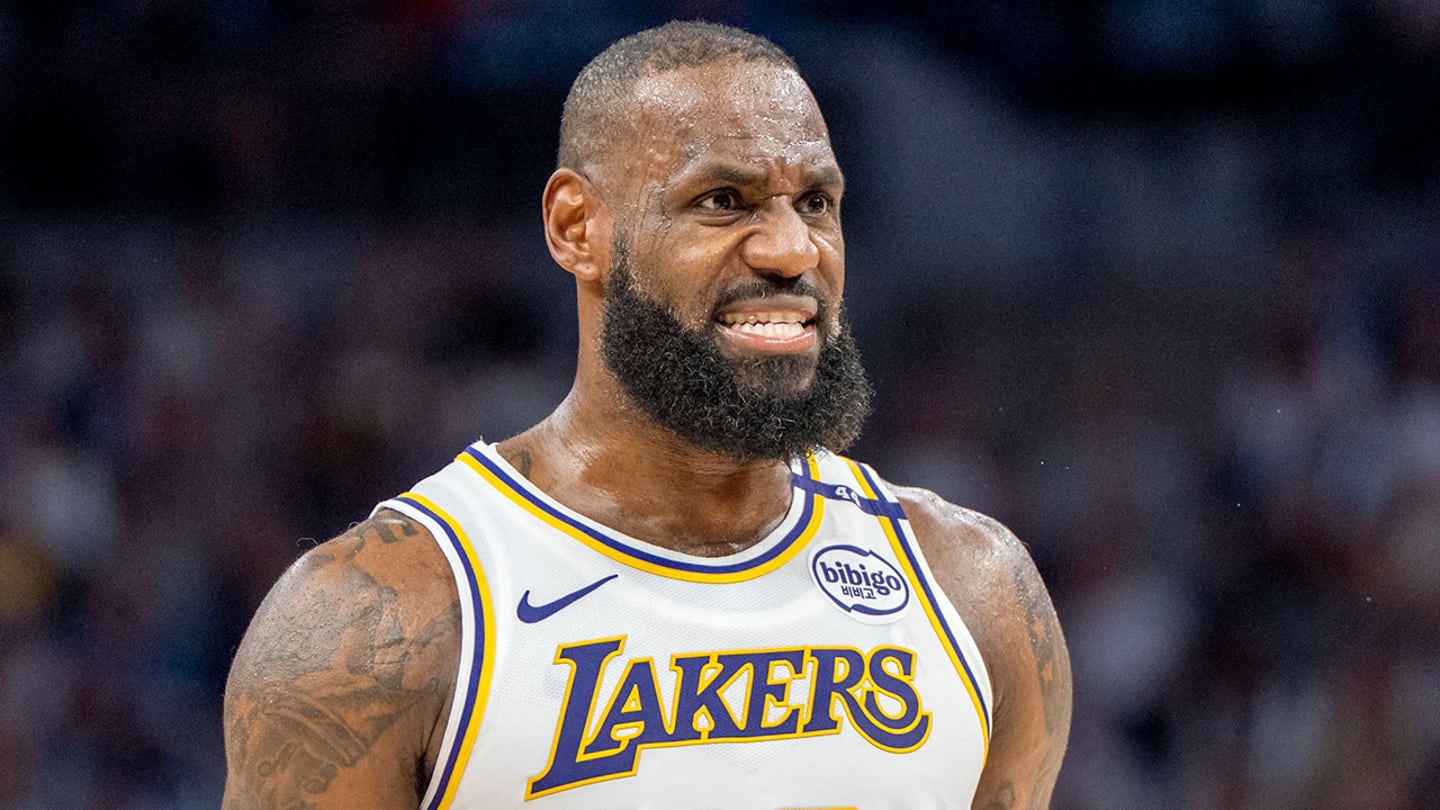
LeBron James pens essay in Chinese state newspaper years after controversy
Entities mentioned:
- LeBron James: Legacy, Influence, Recognition
- NBA: Greed, Influence, Self-preservation
- Chinese government: Control, Power, Pride
- Daryl Morey: Righteousness, Self-preservation, Duty
Article Assessment:
Credibility Score: 75/100
Bias Rating: 55/100 (Center)
Sentiment Score: 60/100
Authoritarianism Risk: 45/100 (Mixed/Neutral)
Bias Analysis:
The article presents multiple perspectives, including James' current actions and past controversies. It balances positive developments with reminders of past tensions, maintaining a relatively neutral stance.
Key metric: US-China Diplomatic Relations
Let me tell you something - this story is HUGE! We're talking about a major league POWER PLAY folks! LeBron James, the MVP of basketball diplomacy, is stepping up to the plate in a high-stakes game of international relations. He's making a fourth-quarter move to mend fences with China after that controversial flagrant foul by Daryl Morey back in 2019. This is RIDICULOUS! James is showing true championship mentality by penning an op-ed in China's state-run media. He's not just dribbling the ball, he's playing 4D chess in the geopolitical arena! The NBA, acting as James' coach, is clearly running a new offensive strategy to get back in China's good graces. But let's not forget, folks - this is a team sport, and every player needs to be on the same page. Will this Hail Mary pass from King James score points with Chinese fans and officials? Or will it be seen as a desperate attempt to save face? I'm telling you right now, the scoreboard is still up in the air, and we'll be watching this game go into overtime!
Family recalls dealing with irate female Phillies fan over home run ball
Entities mentioned:
- Drew Feltwell: Self-preservation, Duty, Unity
- Irate Female Phillies Fan: Greed, Competitive spirit, Indignation
- Philadelphia Phillies: Professional pride, Recognition, Loyalty
- Harrison Bader: Competitive spirit, Professional pride, Recognition
Article Assessment:
Credibility Score: 75/100
Bias Rating: 45/100 (Center)
Sentiment Score: 55/100
Authoritarianism Risk: 20/100 (Strongly Democratic)
Bias Analysis:
The article presents a balanced view of the incident, giving voice to the Feltwell family while not demonizing the unnamed fan. It also highlights positive actions from the Phillies organization, maintaining a neutral stance.
Key metric: Fan Engagement and Sportsmanship
Let me tell you something - this story is RIDICULOUS! We've got a real David vs Goliath situation here, folks! Drew Feltwell stepped up to the plate in a high-stakes game of 'Catch That Ball,' but instead of taking a victory lap, he had to face off against an unexpected opponent! This irate Phillies fan came out of left field, bringing a championship-level tantrum to what should've been a feel-good father-son moment. But Feltwell, showing true coach-like composure, made the tough call to hand over the trophy to de-escalate. It's a textbook example of sportsmanship in the face of unsportsmanlike conduct! The Phillies organization and Bader, sensing the need for a clutch play, swooped in with a game-changing assist, proving that in the big leagues of fandom, sometimes it's not about the win, but how you play the game!
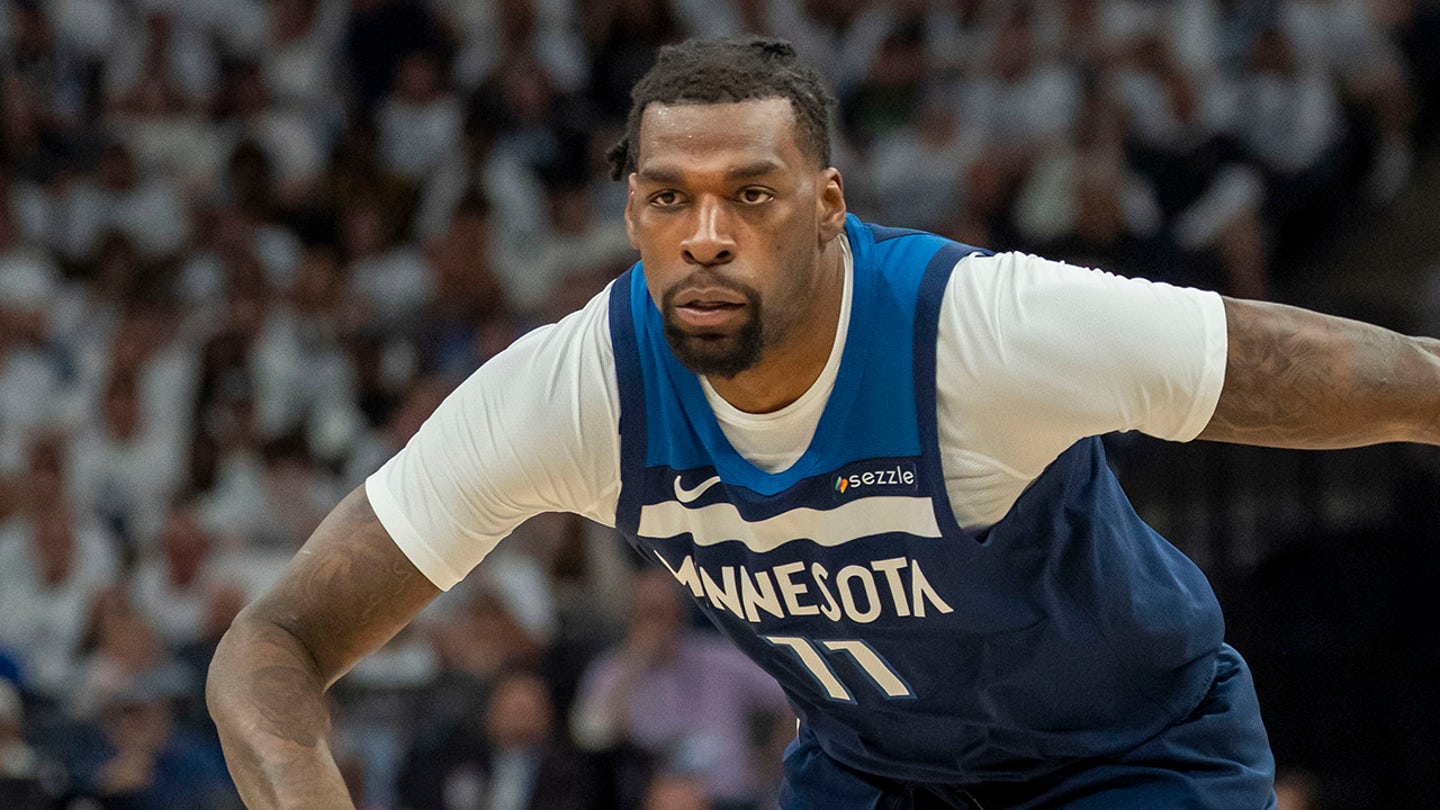
NBA star's sister killed in New Jersey shooting, officials say
Entities mentioned:
- Naz Reid: Grief, Family loyalty, Professional pride
- Toraya Reid: Family loyalty, Protection, Obligation
- Shaquille Green: Anger, Control, Fear
- Jackson Township Police: Duty, Justice, Security
- Ocean County Prosecutor's Office: Justice, Duty, Security
- Minnesota Timberwolves: Professional pride, Loyalty, Competitive spirit
Article Assessment:
Credibility Score: 75/100
Bias Rating: 50/100 (Center)
Sentiment Score: 25/100
Authoritarianism Risk: 30/100 (Generally Democratic)
Bias Analysis:
The article presents a factual account of the incident without apparent political leanings. It relies on official sources and provides context about the victim and her family, maintaining a balanced and neutral tone throughout.
Key metric: Violent Crime Rate
As a social scientist, I analyze that this incident highlights the persistent issue of gun violence in the United States, particularly its impact on communities and families. The tragic death of an NBA player's sister underscores how gun violence can affect individuals across various socioeconomic backgrounds. This event may contribute to increased public awareness and discussions about gun control measures, domestic violence prevention, and community safety initiatives. The swift action by law enforcement in apprehending the suspect demonstrates the importance of rapid response systems in violent crime situations. However, the incident also raises questions about the effectiveness of current preventive measures and the need for improved strategies to address interpersonal violence.
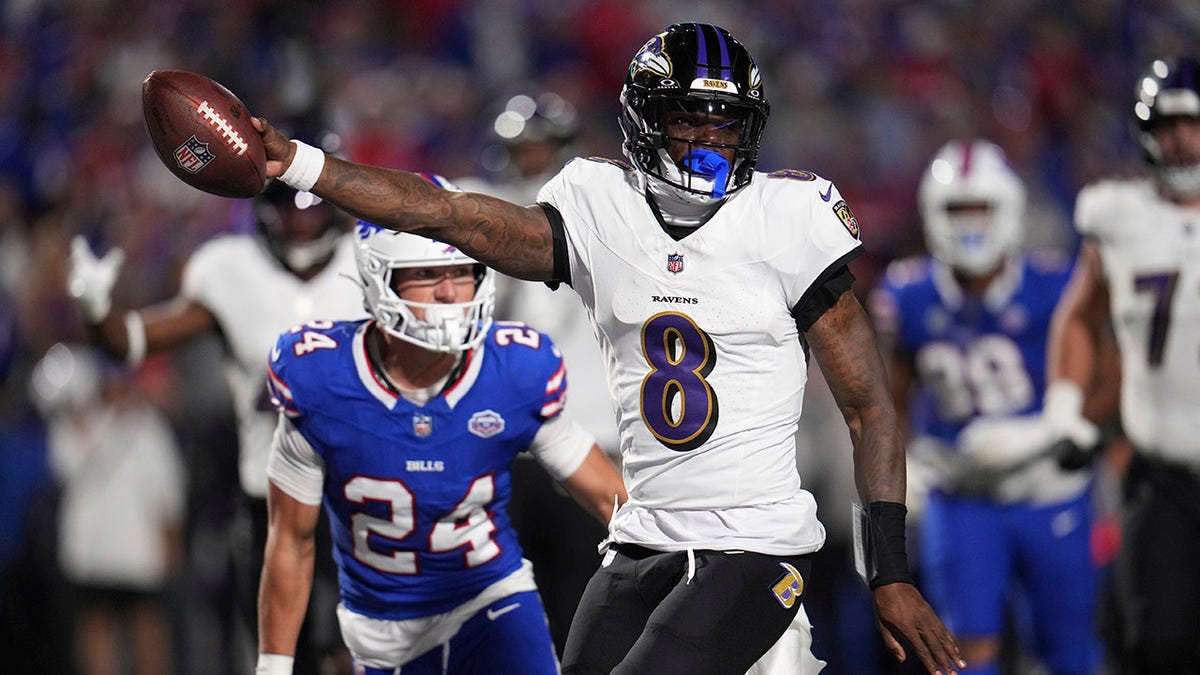
Ravens' Lamar Jackson shoves fan after getting smacked in helmet following TD strike
Entities mentioned:
- Lamar Jackson: Self-preservation, Professional pride, Indignation
- DeAndre Hopkins: Professional pride, Determination, Self-respect
- Baltimore Ravens: Competitive spirit, Revenge, Pride
- Buffalo Bills: Competitive spirit, Determination, Pride
- Cris Collinsworth: Duty, Professional pride, Obligation
- Derrick Henry: Competitive spirit, Professional pride, Determination
Article Assessment:
Credibility Score: 75/100
Bias Rating: 50/100 (Center)
Sentiment Score: 40/100
Authoritarianism Risk: 30/100 (Generally Democratic)
Bias Analysis:
The article presents a balanced account of the incident, including multiple perspectives. It reports facts without apparent political leaning, maintaining a neutral tone in describing the events and reactions.
Key metric: Public Safety at Sporting Events
As a social scientist, I analyze that this incident highlights the potential safety concerns at sporting events where players and fans are in close proximity. The interaction between Lamar Jackson and the fan demonstrates the need for better security measures and clearer boundaries between players and spectators. This event could lead to discussions about enhancing safety protocols in stadiums and reassessing the layout of player-accessible areas. The lack of immediate consequences for the fan's actions may also prompt a review of policies regarding fan behavior and potential penalties for violating player safety.