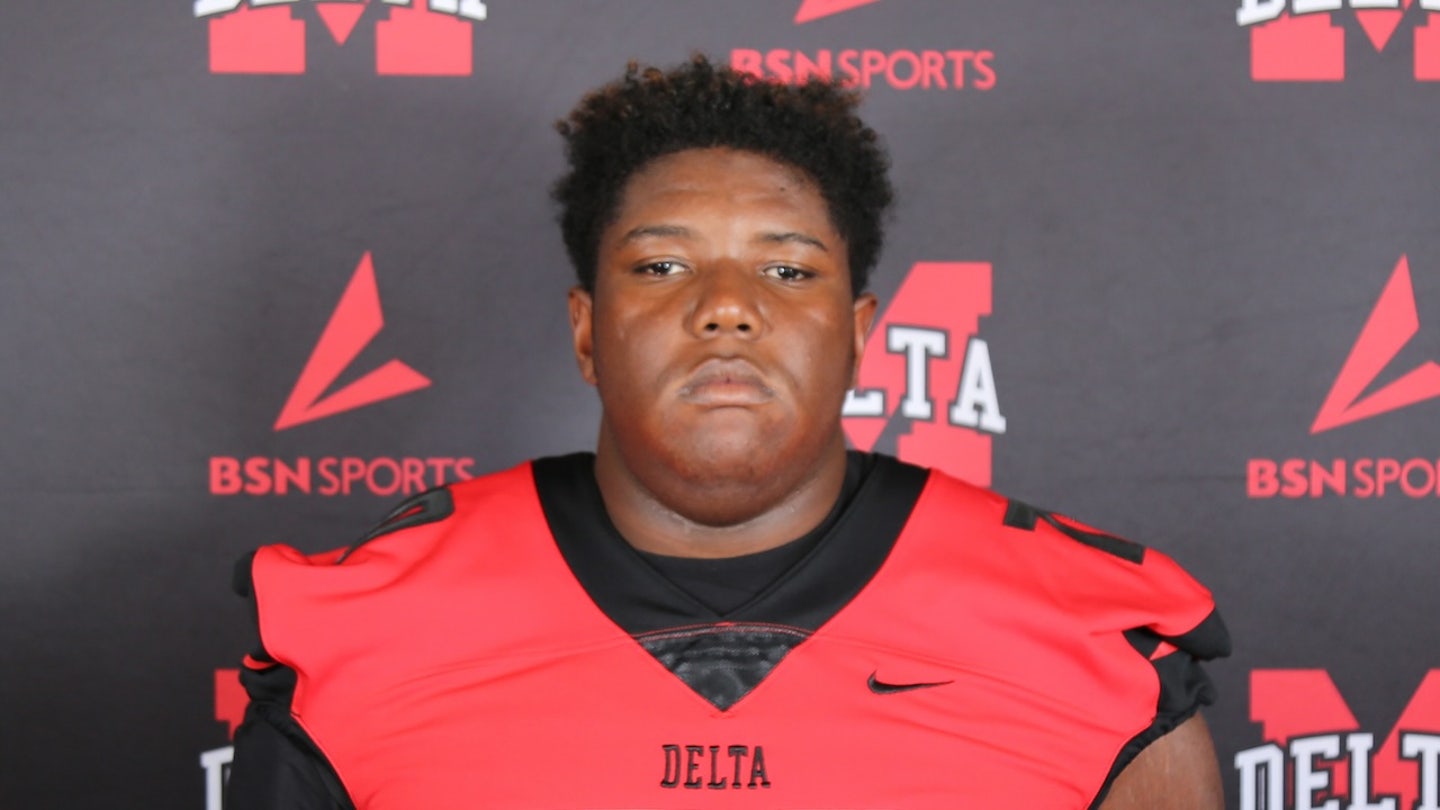
College football player dies after game in Mississippi
Entities mentioned:
- Emanuell Cooks: Competitive spirit, Ambition, Determination
- Mississippi Delta Community College: Unity, Duty, Professional pride
- Steven Jones: Leadership, Duty, Compassion
- Hinds Community College: Competitive spirit, Professional pride, Unity
- Stephen Vacik: Compassion, Leadership, Unity
Article Assessment:
Credibility Score: 75/100
Bias Rating: 50/100 (Center)
Sentiment Score: 20/100
Authoritarianism Risk: 15/100 (Strongly Democratic)
Bias Analysis:
The article presents a balanced account of the incident, quoting multiple sources and providing context. It doesn't lean towards any particular political stance, maintaining a neutral tone throughout the reporting.
Key metric: Student Athlete Safety
Let me tell you something - this story is a GAME-CHANGER for college athletics! We're seeing a tragic play unfold on the field of life, folks. Emanuell Cooks, a freshman offensive lineman, stepped onto the gridiron for his last time, leaving it all on the field in the truest sense. This is a sobering reminder that in the game of life, sometimes the clock runs out when we least expect it. The Mississippi Delta Community College team is huddling up, showing true team spirit in the face of adversity. President Steven Jones is calling the plays, offering support services like a coach rallying his troops. But let's not forget, this isn't just about one team - it's a league-wide issue. We're seeing a pattern here, folks, with young athletes across the country leaving the game too soon. It's time for a serious timeout to address player safety. This isn't just a fourth-quarter adjustment, it's a whole new playbook we need to develop. The stakes couldn't be higher - we're talking about young lives here, not just points on a scoreboard. It's time for college athletics to step up to the plate and knock this safety issue out of the park!
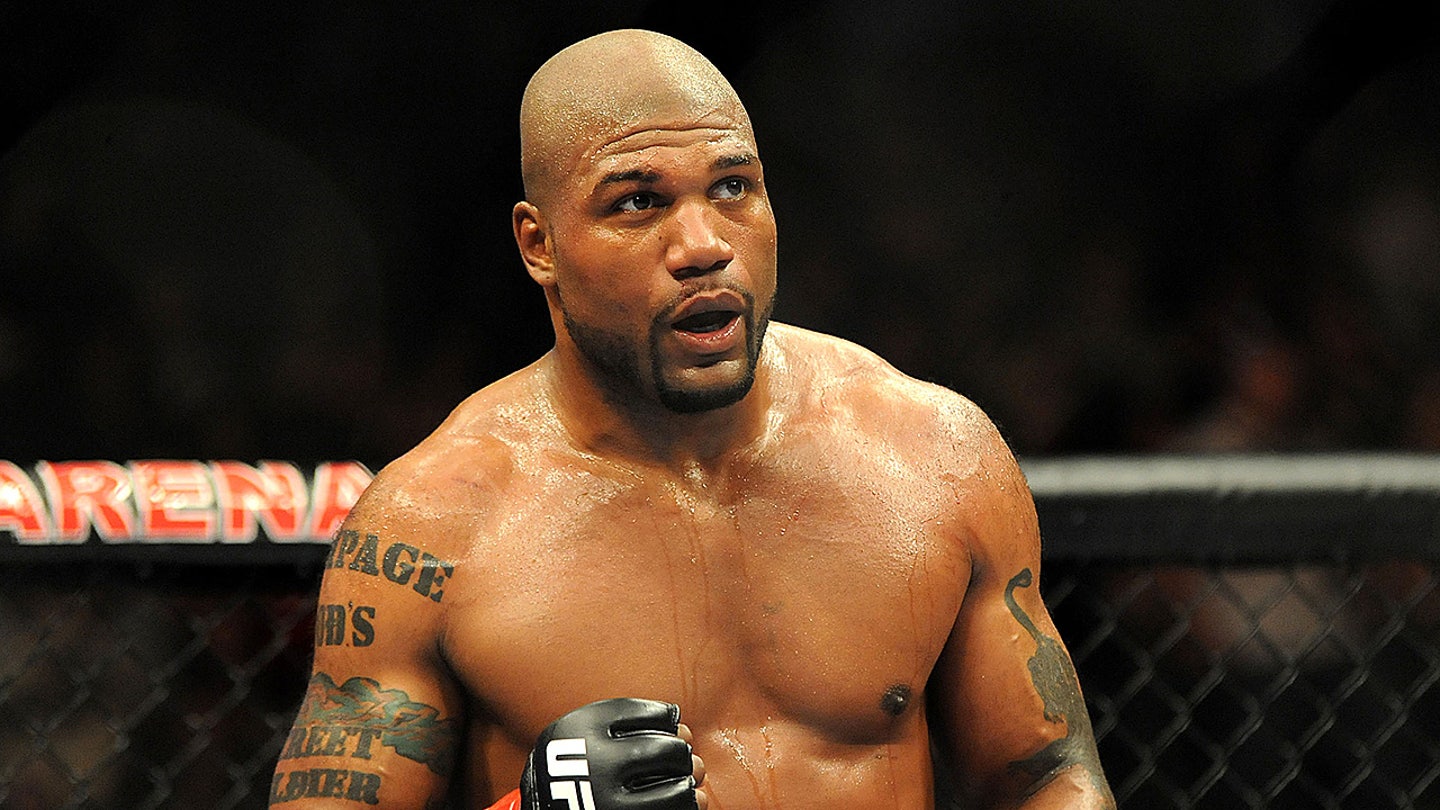
UFC champion's son charged with felony assault for viral beatdown of pro wrestler in stunt that 'went wrong'
Entities mentioned:
- Raja Jackson: Revenge, Power, Self-preservation
- Stuart Smith (Syko Stu): Professional pride, Self-preservation, Recognition
- Rampage Jackson: Loyalty, Self-preservation, Obligation
- KnokX Pro Wrestling Academy: Professional pride, Self-preservation, Duty
Article Assessment:
Credibility Score: 75/100
Bias Rating: 50/100 (Center)
Sentiment Score: 20/100
Authoritarianism Risk: 25/100 (Generally Democratic)
Bias Analysis:
The article presents a balanced account, including statements from multiple parties involved. It refrains from taking sides, offering a neutral presentation of the events and their consequences.
Key metric: Violent Crime Rate
Let me tell you something, folks - this is a BOMBSHELL in the world of combat sports! We've got a young fighter who's clearly stepped WAY out of bounds, turning what should have been a scripted wrestling match into a full-on CAGE FIGHT! Raja Jackson, son of UFC legend Rampage Jackson, has committed the ultimate personal foul here, folks. He's not just crossed the line, he's OBLITERATED it! This isn't just unsportsmanlike conduct, it's a CRIMINAL OFFENSE! We're talking about a player who's gone from the squared circle to the courthouse in record time. The victim, Syko Stu, has been sidelined with injuries that would make even the toughest linebackers wince. This is a HUGE setback for the wrestling community, and it's going to take some serious defensive strategy from Raja's legal team to keep him out of the penalty box long-term. I'm telling you right now, this kind of behavior has no place in the ring, on the field, or anywhere else in sports!
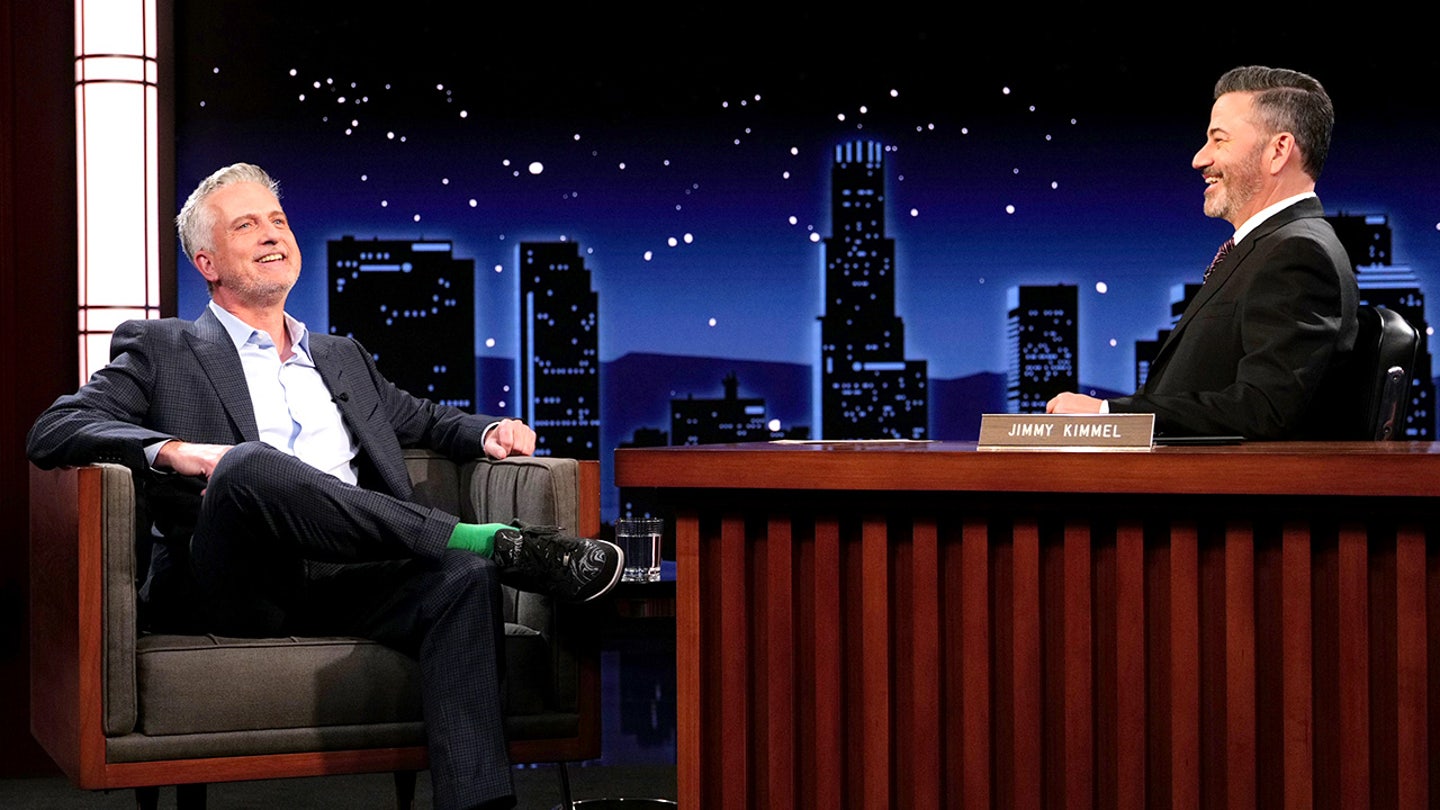
Bill Simmons claims 'stupid s---' like Jimmy Kimmel 'censorship' will happen through Trump's presidency
Entities mentioned:
- Bill Simmons: Righteousness, Professional pride, Influence
- Jimmy Kimmel: Self-preservation, Righteousness, Influence
- Brendan Carr: Duty, Control, Justice
- Donald Trump: Power, Control, Influence
- ABC: Self-preservation, Fear, Security
Article Assessment:
Credibility Score: 65/100
Bias Rating: 55/100 (Center)
Sentiment Score: 30/100
Authoritarianism Risk: 55/100 (Mixed/Neutral)
Bias Analysis:
The article presents multiple perspectives, including Simmons' critique and background on the controversy. However, it leans slightly towards defending Kimmel's position, potentially reflecting a slight centrist to center-left bias.
Key metric: Media Freedom Index
Let me tell you something, folks - this media game is getting HEATED! We've got a real slugfest on our hands between Team Kimmel and the Trump administration. Simmons is stepping up to the plate, swinging for the fences with his take on this censorship play. It's fourth quarter, and ABC's on defense, looking shaky under pressure from the FCC's full-court press. This is a high-stakes match that could change the whole landscape of the media league. Kimmel's been benched, but don't count him out - he's got the star power to make a comeback on any court. The Trump squad is playing hardball, folks, and we're seeing some serious power moves that could reshape the whole game. This is the kind of high-tension matchup that separates the champions from the also-rans!
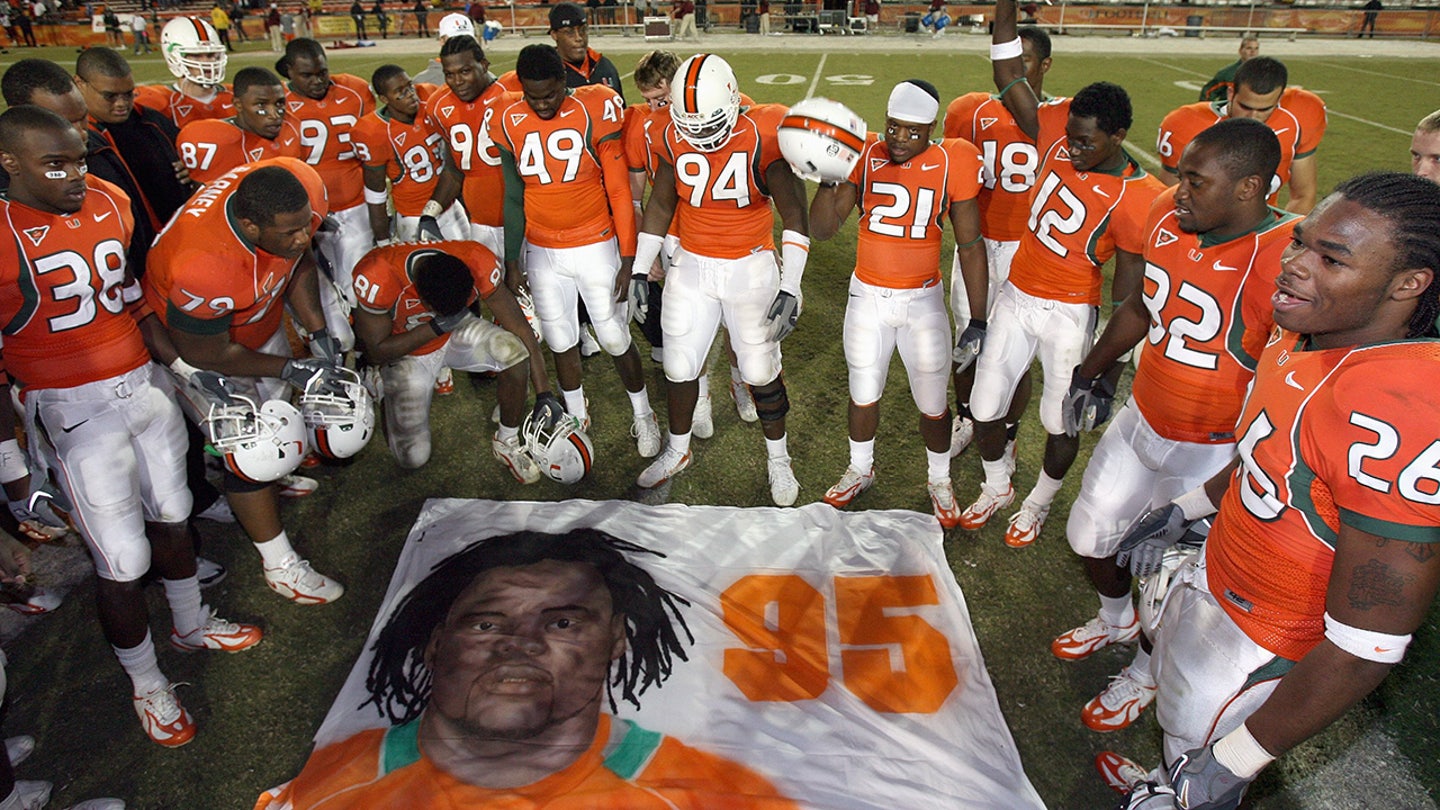
Witness in Miami football player's murder case found alive after authorities presumed him dead
Entities mentioned:
- Paul Conner: Duty, Obligation, Wariness
- Bryan Pata: Ambition, Competitive spirit, Recognition
- Rashaun Jones: Self-preservation, Fear, Competitive spirit
- Prosecutors: Justice, Professional pride, Determination
- ESPN: Curiosity, Recognition, Influence
Article Assessment:
Credibility Score: 75/100
Bias Rating: 55/100 (Center)
Sentiment Score: 40/100
Authoritarianism Risk: 25/100 (Generally Democratic)
Bias Analysis:
The article presents a balanced view of the situation, giving voice to both prosecution and defense perspectives. It refrains from making judgments and focuses on reporting facts and developments.
Key metric: Criminal Justice System Effectiveness
Let me tell you something, folks - this story is a GAME-CHANGER! We've got a witness who was presumed to be out of the game, suddenly back on the field! This is like a fourth-quarter resurrection that could turn the tide of the entire match! The prosecution team fumbled the ball by relying on faulty intel, and now they're scrambling to recover. But here's the kicker - our star witness seems to have lost his playbook! He can't recall the crucial play that put the defendant in the hot seat. This is a RIDICULOUS turn of events that could send shockwaves through the entire justice league! We're talking about a potential game-winning drive for the defense here. The prosecution needs to huddle up and rethink their strategy ASAP if they want to avoid a devastating upset. I'm telling you right now, this case just went into overtime, and it's anybody's game!
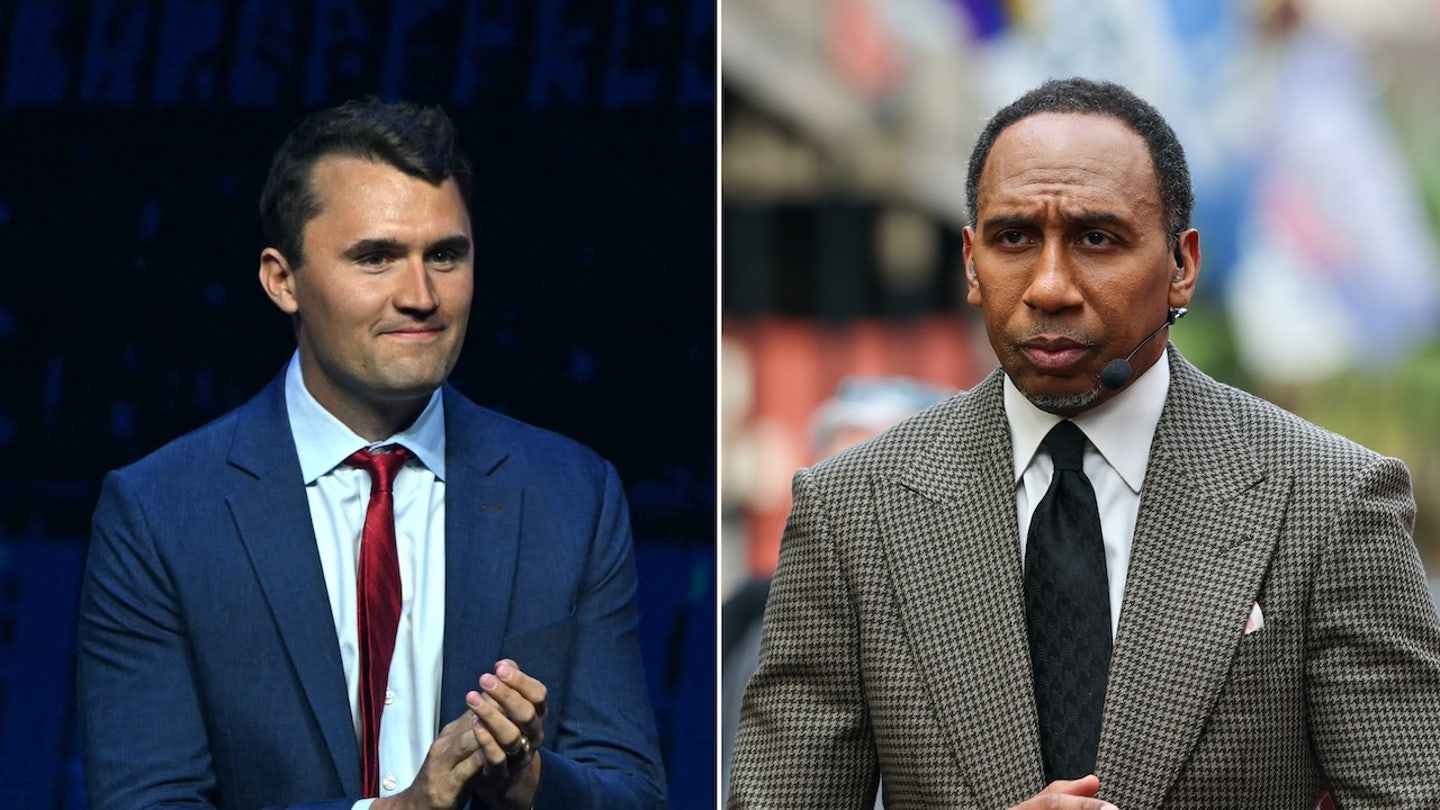
Keith Olbermann says Stephen A. Smith is 'prostituting himself to right-wing' after Jimmy Kimmel criticism
Entities mentioned:
- Keith Olbermann: Moral outrage, Righteousness, Influence
- Stephen A. Smith: Professional pride, Duty, Self-respect
- Jimmy Kimmel: Self-preservation, Justice, Influence
- Charlie Kirk: Legacy, Influence, Recognition
- ABC: Control, Self-preservation, Professional pride
- Sinclair Broadcast Group: Righteousness, Influence, Control
Article Assessment:
Credibility Score: 65/100
Bias Rating: 55/100 (Center)
Sentiment Score: 30/100
Authoritarianism Risk: 35/100 (Generally Democratic)
Bias Analysis:
The article presents multiple viewpoints, including quotes from various sides. However, it gives slightly more space to conservative perspectives, particularly regarding Kimmel's comments.
Key metric: Media Trust and Credibility
Let me tell you something - this story is RIDICULOUS! We're seeing a full-court press in the media world, folks, with players taking shots at each other left and right. Keith Olbermann is coming in hot off the bench, throwing Hail Mary passes and trying to score points against Stephen A. Smith. But Smith isn't backing down, he's playing strong defense and calling fouls as he sees them. This is a classic rivalry match-up, with Kimmel caught in the crossfire like a ball in a high-stakes game of keep-away. ABC's decision to bench Kimmel is a game-changing move that's got everyone talking. I'm telling you right now, this is fourth quarter, championship-level drama in the world of media and politics!
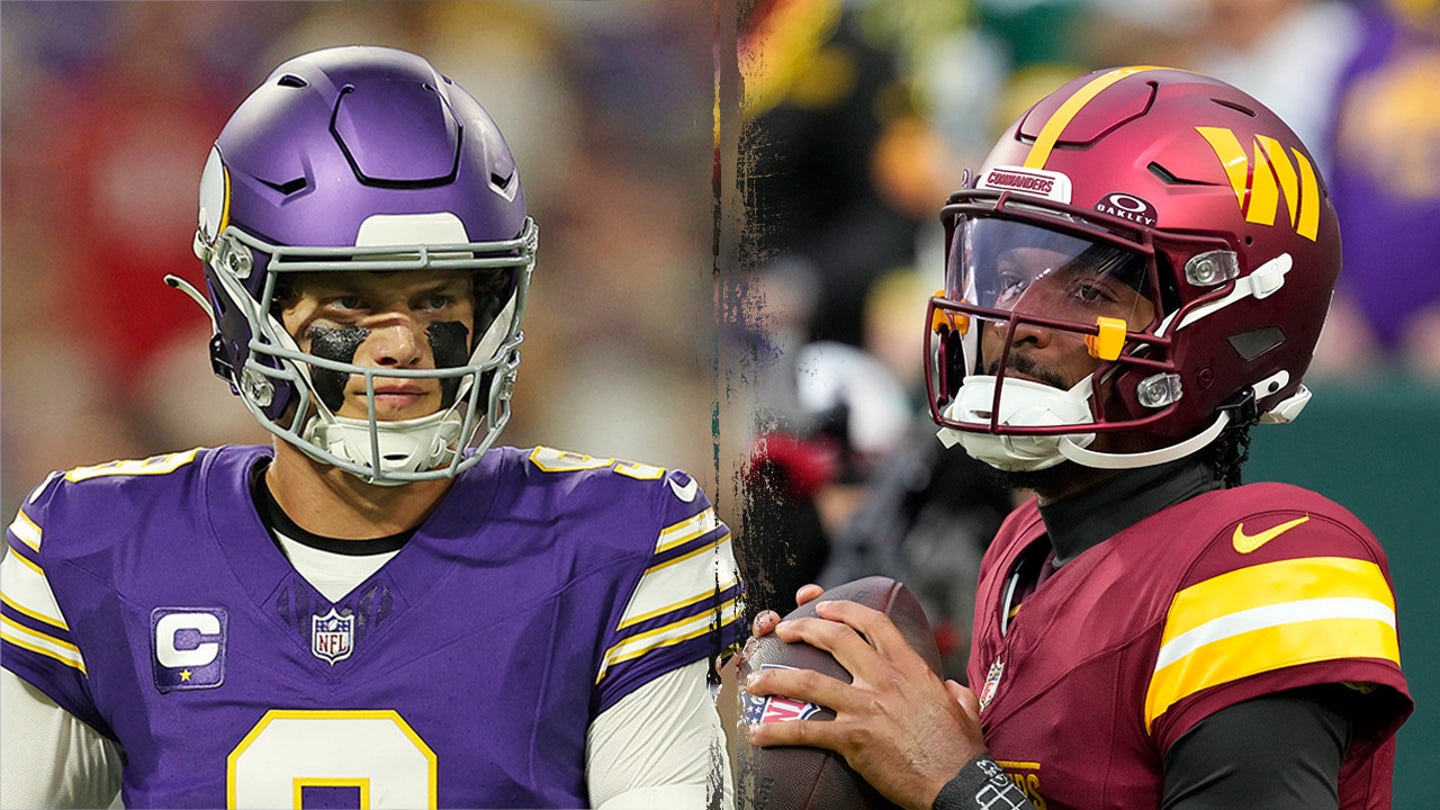
Expert details how latest injuries to Jayden Daniels, JJ McCarthy could hamper their abilities
Entities mentioned:
- Jayden Daniels: Competitive spirit, Determination, Professional pride
- JJ McCarthy: Ambition, Competitive spirit, Self-preservation
- Washington Commanders: Competitive spirit, Ambition, Unity
- Minnesota Vikings: Competitive spirit, Ambition, Professional pride
- Tom Christ: Professional pride, Duty, Recognition
Article Assessment:
Credibility Score: 75/100
Bias Rating: 50/100 (Center)
Sentiment Score: 40/100
Authoritarianism Risk: 20/100 (Strongly Democratic)
Bias Analysis:
The article presents a balanced view, quoting an expert and providing factual injury details. It doesn't lean towards favoring any particular team or player, maintaining a neutral stance.
Key metric: NFL Quarterback Performance
Let me tell you something - this story is a GAME-CHANGER, folks! We've got two young quarterbacks stepping up to the plate with injuries that could bench their championship mentality. Jayden Daniels, fresh off his Rookie of the Year victory lap, is facing a knee sprain that might clip his wings in the rushing game. Meanwhile, JJ McCarthy is dealing with an ankle twist that could throw off his precision passing game. This is the kind of fourth quarter drama that separates the contenders from the pretenders! These players are in a high-stakes match against their own bodies, and let me tell you, the clock is ticking! Will they have the mental toughness to overcome these physical setbacks? Or will these injuries be the Achilles' heel that brings their teams' playoff hopes crashing down? I'm telling you right now, this is the kind of adversity that forges champions or exposes weaknesses. It's crunch time for these young guns, and the whole league is watching to see if they've got what it takes to play through the pain and lead their teams to victory!
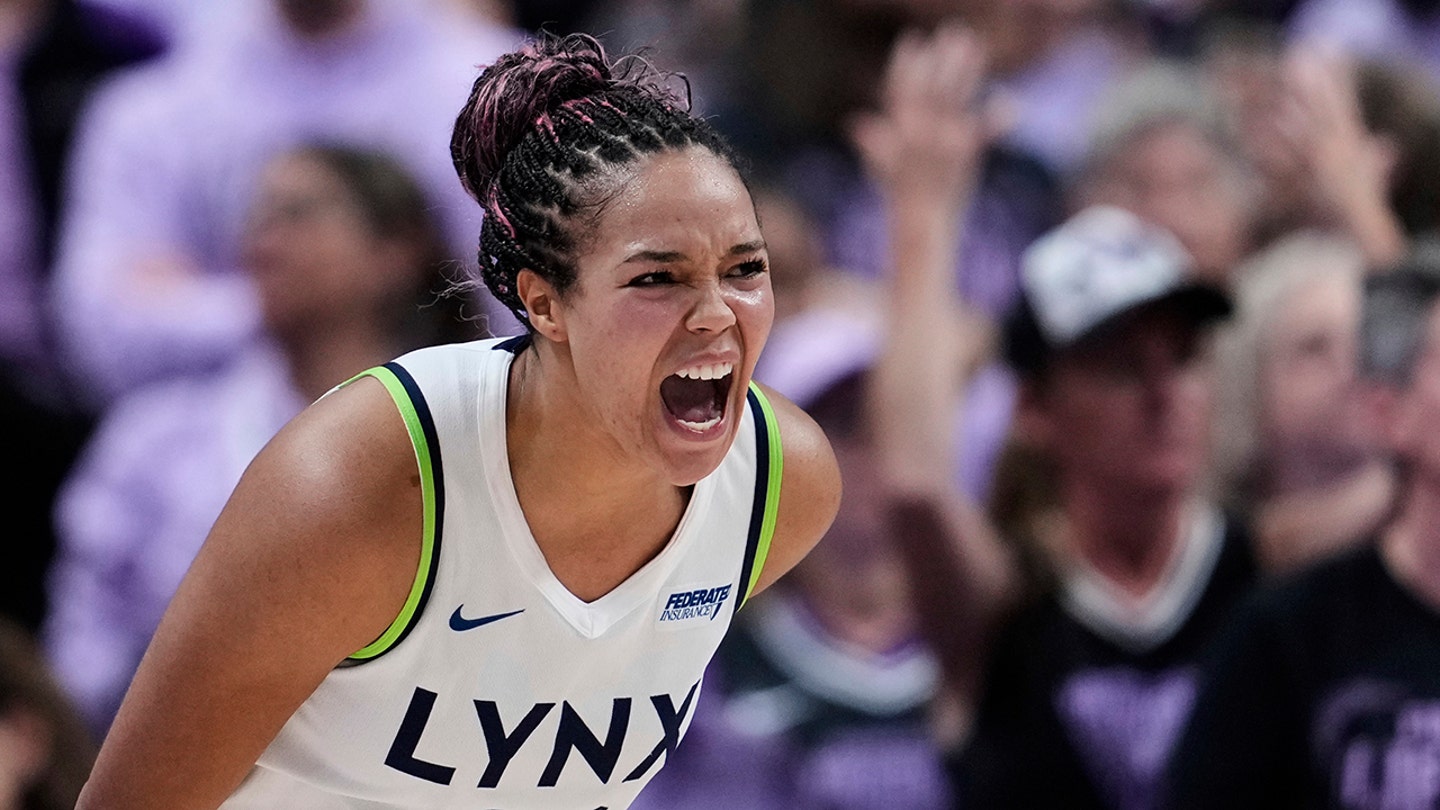
WNBA star's 1-word response after Obama accuses Trump admin of taking 'cancel culture' to 'dangerous level'
Entities mentioned:
- Napheesa Collier: Competitive spirit, Professional pride, Wariness
- Barack Obama: Righteousness, Moral outrage, Influence
- Trump administration: Control, Power, Influence
- Jimmy Kimmel: Moral outrage, Self-preservation, Professional pride
- Brendan Carr: Duty, Control, Power
- Charlie Kirk: Legacy, Influence, Recognition
Article Assessment:
Credibility Score: 65/100
Bias Rating: 55/100 (Center)
Sentiment Score: 30/100
Authoritarianism Risk: 55/100 (Mixed/Neutral)
Bias Analysis:
The article presents multiple viewpoints, including both conservative and liberal perspectives. However, it leans slightly towards emphasizing conservative reactions and concerns.
Key metric: Media Freedom Index
Let me tell you something - this story is a FULL COURT PRESS on the First Amendment! We're seeing a political power play that's turning the media landscape into a high-stakes championship game. The Trump administration is coming in hot with a full-court press on cancel culture, while Team Obama is trying to run interference. It's like we're watching the fourth quarter of democracy, folks! Kimmel fumbled the ball with his controversial comments, and now the FCC is looking to capitalize on the turnover. This is the kind of political defense that could change the whole game plan for media freedom. I'm telling you right now, we're in overtime, and every player needs to step up to protect the integrity of the game!
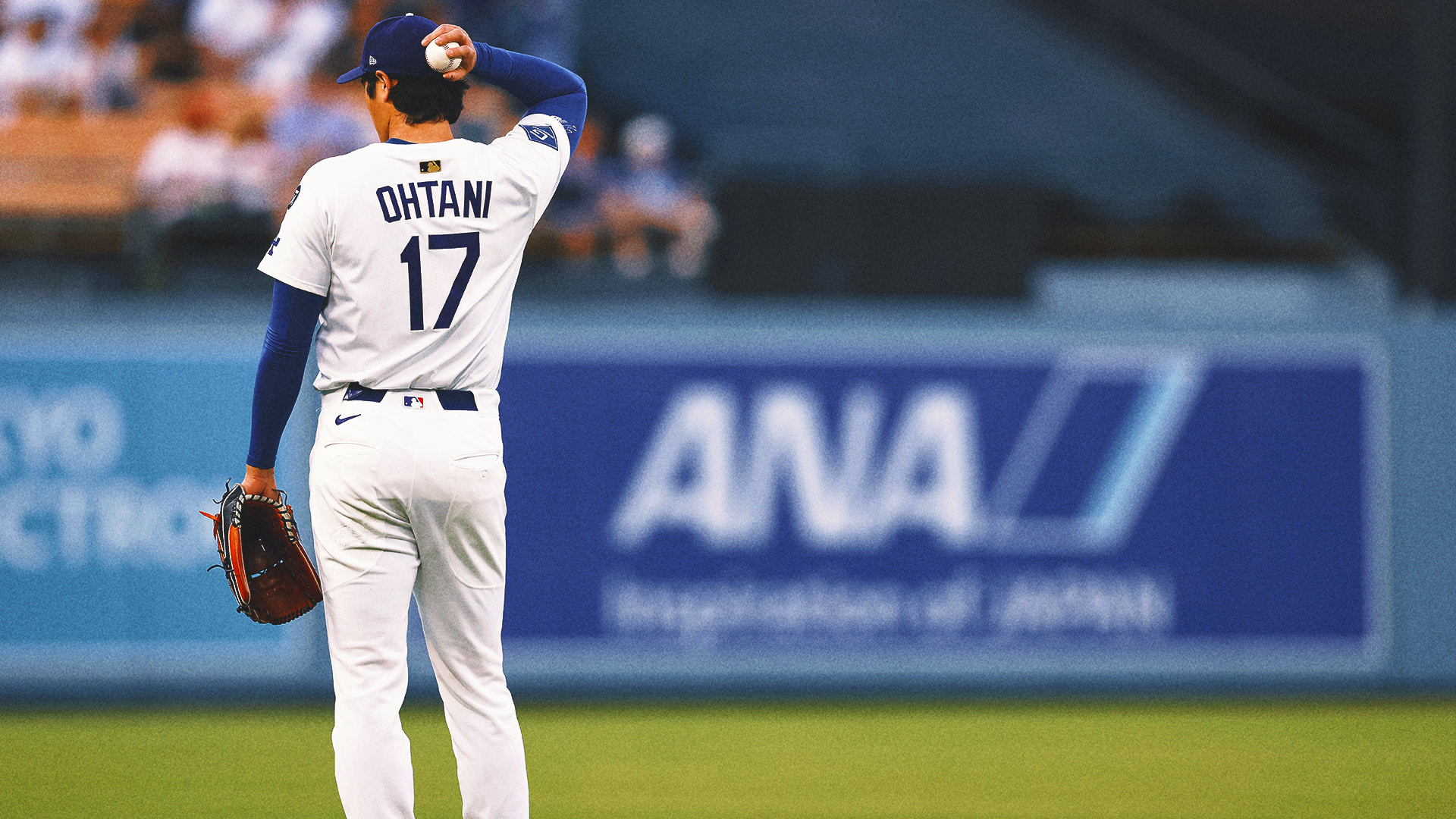
'Prepared to do so': Dodgers Star Shohei Ohtani Open to the Outfield
Entities mentioned:
- Shohei Ohtani: Competitive spirit, Determination, Professional pride
- Dave Roberts: Ambition, Duty, Strategic thinking
- Los Angeles Dodgers: Competitive spirit, Ambition, Legacy
Article Assessment:
Credibility Score: 75/100
Bias Rating: 50/100 (Center)
Sentiment Score: 70/100
Authoritarianism Risk: 20/100 (Strongly Democratic)
Bias Analysis:
The article presents a balanced view, quoting both Ohtani and Roberts. It provides context for the discussion without favoring any particular stance.
Key metric: MLB Team Performance
Let me tell you something - this story is RIDICULOUS! We're talking about a GAME-CHANGER here, folks! Shohei Ohtani is not just a player, he's a one-man DREAM TEAM! This guy is stepping up to the plate and saying he's ready to play ANY position to help his team win. That's the kind of CHAMPIONSHIP MENTALITY that separates the greats from the legends! The Dodgers are in the fourth quarter of their season, and they're pulling out all the stops. Ohtani in the outfield? That's like having a secret weapon on your bench, ready to be unleashed at any moment! Manager Dave Roberts is playing 4D chess here, folks. He's got the ultimate utility player, and he's not afraid to use him. This is the kind of strategic play that could be the difference between a good season and a WORLD SERIES RING! I'm telling you right now, the rest of the league better watch out, because the Dodgers are not playing around!
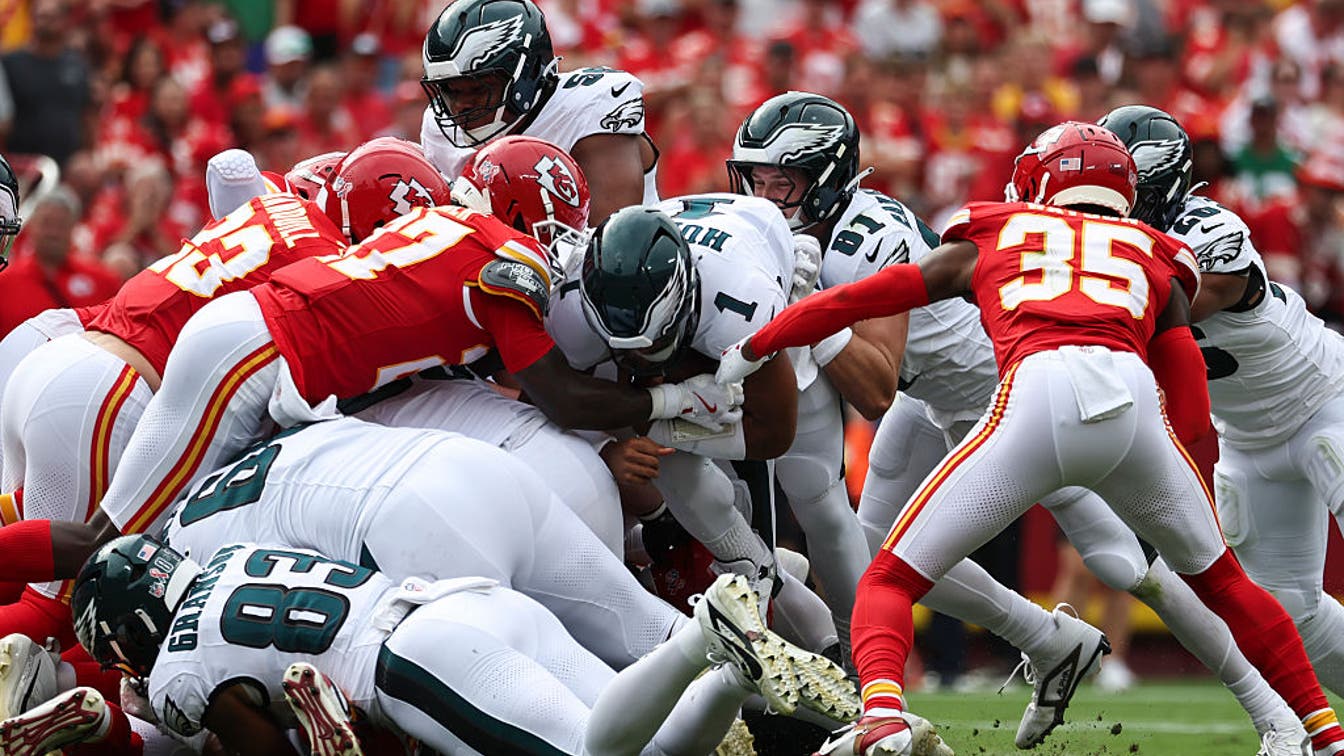
Dean Blandino: '50-50' if Tush Push Survives After Eagles-Chiefs Controversy
Entities mentioned:
- Philadelphia Eagles: Competitive spirit, Ambition, Pride
- Kansas City Chiefs: Competitive spirit, Determination, Professional pride
- Dean Blandino: Professional pride, Duty, Righteousness
- NFL: Control, Legacy, Security
Article Assessment:
Credibility Score: 75/100
Bias Rating: 50/100 (Center)
Sentiment Score: 40/100
Authoritarianism Risk: 30/100 (Generally Democratic)
Bias Analysis:
The article presents multiple viewpoints, including those for and against the tush push. It balances Eagles' perspective with league-wide concerns, maintaining a relatively neutral stance.
Key metric: NFL Game Integrity
Let me tell you something - this tush push controversy is SHAKING UP the league like a fourth-quarter comeback! The Eagles are running this play like a well-oiled machine, but the refs are dropping the ball worse than a rookie wide receiver! It's a BATTLE between innovation and tradition, folks! The Chiefs are trying to tackle this problem head-on, but it's like trying to stop a freight train with your bare hands! Blandino is throwing the challenge flag on this whole situation, calling for a replay on the rulebook! The NFL needs to step up to the plate and make a game-winning decision before this turns into a full-blown overtime disaster!
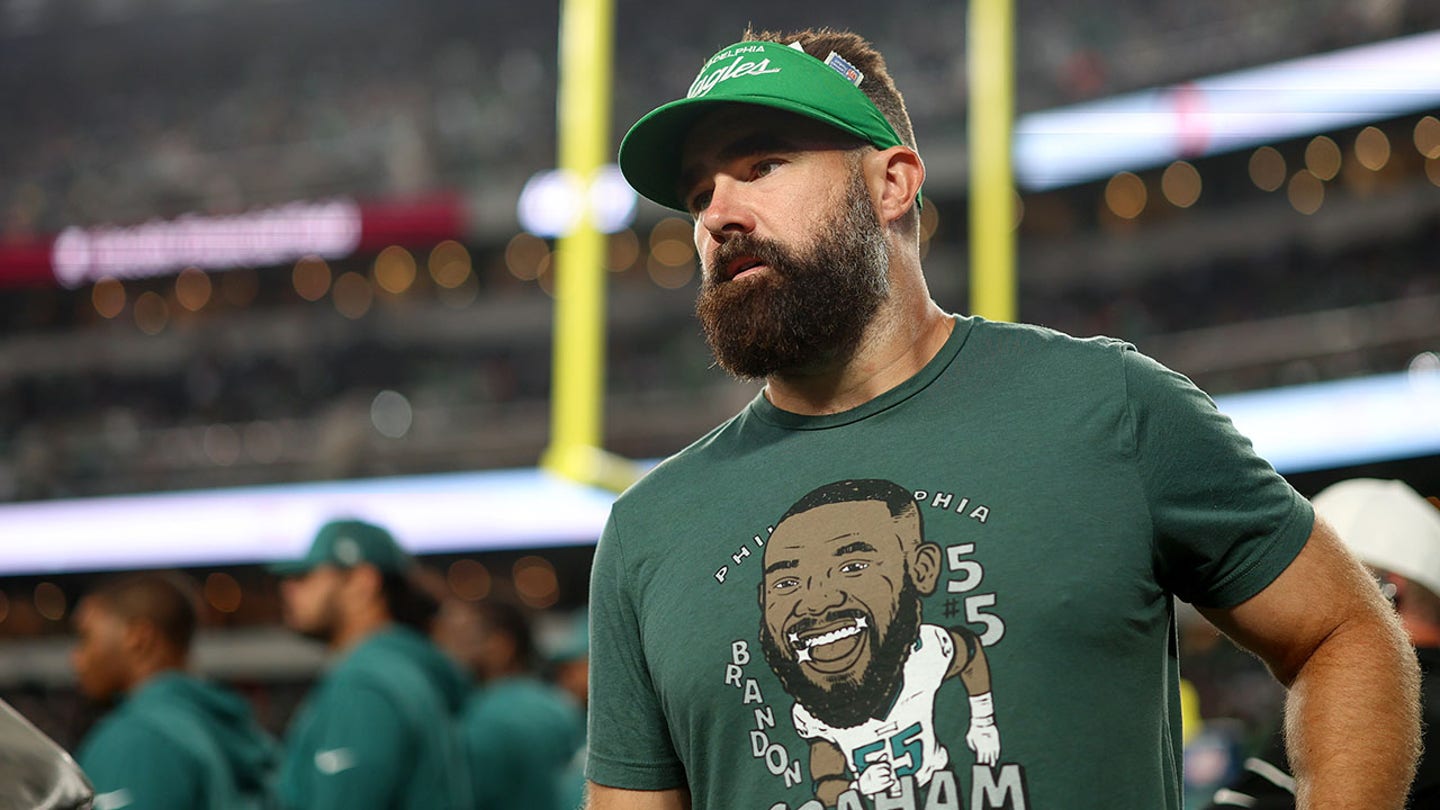
Former Eagles great Jason Kelce warns refs will look 'for anything to call' on tush push amid criticism
Entities mentioned:
- Jason Kelce: Professional pride, Loyalty, Wariness
- Philadelphia Eagles: Competitive spirit, Pride, Ambition
- NFL Referees: Duty, Scrutiny, Control
Article Assessment:
Credibility Score: 75/100
Bias Rating: 55/100 (Center)
Sentiment Score: 40/100
Authoritarianism Risk: 30/100 (Generally Democratic)
Bias Analysis:
The article presents both criticism and defense of the 'tush push' play, giving voice to Kelce's perspective while acknowledging the controversy. It leans slightly towards the Eagles' viewpoint but maintains a relatively balanced approach.
Key metric: NFL Game Integrity
Let me tell you something - this story is HUGE! The 'tush push' play is under the SPOTLIGHT, folks, and it's a GAME-CHANGER! Jason Kelce, the Eagles' offensive line POWERHOUSE, is sounding the alarm that refs are gonna be ALL OVER this play like linebackers on a fumble! It's fourth quarter strategy time for Philly - they've gotta execute with PRECISION or risk throwing away their secret weapon! The Eagles are in the red zone of scrutiny, and every inch matters! This is the kind of PRESSURE that separates the CHAMPIONS from the PRETENDERS! I'm telling you right now, we're watching a BATTLE between innovation and regulation that could REDEFINE the game!