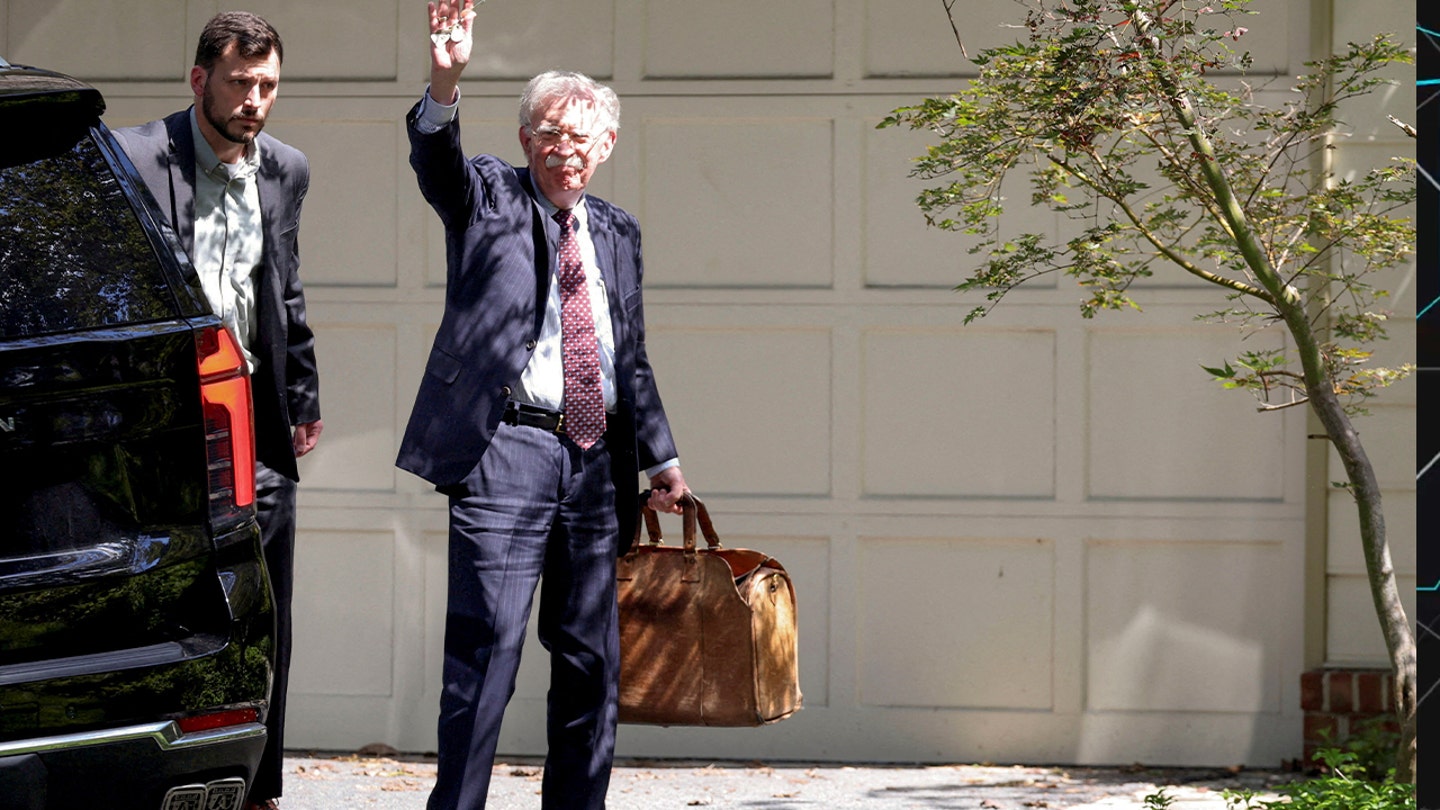
DC arrests surpass 1,000 as Trump-backed crackdown enters 12th homicide-free day
Entities mentioned:
- John Bolton: Revenge, Self-preservation, Indignation
- Donald Trump: Power, Recognition, Legacy
- FBI: Justice, Duty, Professional pride
- Vladimir Putin: Power, Control, Influence
- Pentagon: Security, Control, Professional pride
Article Assessment:
Credibility Score: 70/100
Bias Rating: 55/100 (Center)
Sentiment Score: 30/100
Authoritarianism Risk: 35/100 (Generally Democratic)
Bias Analysis:
The article presents multiple viewpoints, including critical perspectives of Trump's policies, but also includes Trump's actions without overtly positive or negative framing. While it leans slightly towards criticism, it maintains a relatively balanced approach by presenting factual information from various sources.
Key metric: International Relations and Diplomacy
As a social scientist, I analyze that this article highlights significant tensions in U.S. foreign policy, particularly regarding the Ukraine conflict. Bolton's critique of Trump's approach suggests a lack of coherence and strategy in diplomatic efforts, potentially weakening the U.S. position on the global stage. The reported FBI raid on Bolton's property adds another layer of complexity, indicating potential internal conflicts within the U.S. political establishment. This situation could have far-reaching implications for U.S. credibility in international negotiations and its relationships with allies. The article also touches on the delicate balance of power between different branches of government, particularly the executive and law enforcement agencies, which could impact the effectiveness of U.S. foreign policy implementation.
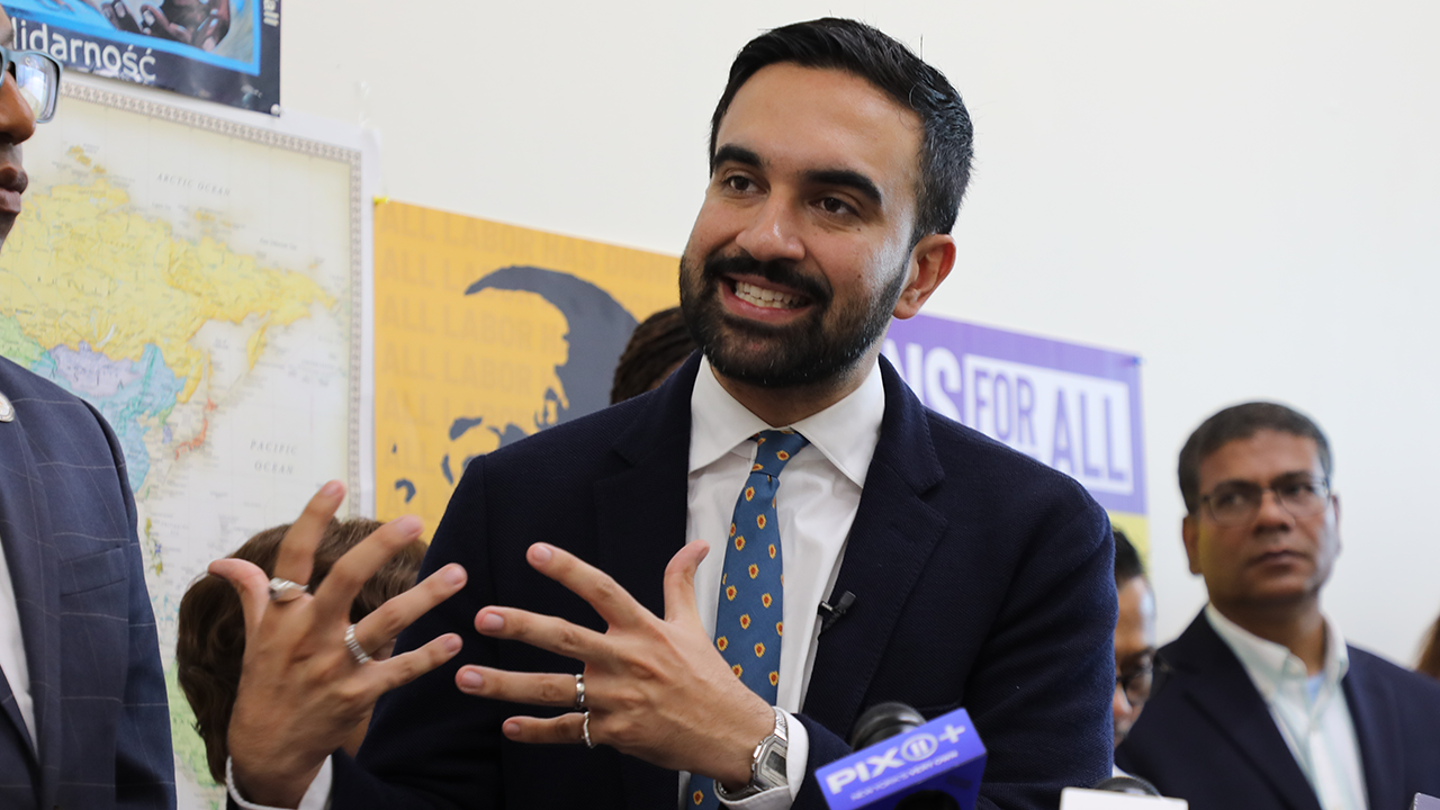
Mamdani reveals which Dem cities are 'model for how to fight' Trump admin in NYC
Entities mentioned:
- Zohran Mamdani: Righteousness, Moral outrage, Determination
- Donald Trump: Power, Control, Influence
- Andrew Cuomo: Ambition, Self-preservation
- Michelle Wu: Righteousness, Determination, Moral outrage
- Pam Bondi: Duty, Control
- Gavin Newsom: Ambition, Competitive spirit
- Claudia Sheinbaum: Sovereignty, Pride
- Abigail Jackson: Loyalty, Competitive spirit
Article Assessment:
Credibility Score: 65/100
Bias Rating: 35/100 (Lean Left)
Sentiment Score: 30/100
Authoritarianism Risk: 45/100 (Mixed/Neutral)
Bias Analysis:
The article leans left in its framing, giving more space and favorable coverage to Democratic perspectives. While it includes a Republican response, the overall narrative emphasizes Democratic resistance to Trump policies.
Key metric: Political Polarization Index
As a social scientist, I analyze that this article highlights the growing political polarization in the United States, particularly between Democratic-led cities and the Republican federal administration. The confrontational stance of local leaders against federal policies indicates a deepening divide in governance approaches and ideologies. This conflict is likely to increase the Political Polarization Index, as it showcases a clear us-vs-them mentality in policy-making and implementation. The article presents a narrative of resistance and defiance from Democratic leaders, which could further entrench partisan positions and make compromise more difficult. The use of legal challenges, public statements, and policy implementations to counter federal initiatives suggests a complex interplay of federalism and party politics that is likely to intensify political divisions.
Federal judge orders closure of Trump’s ‘Alligator Alcatraz’ immigration jail
Entities mentioned:
- Donald Trump: Power, Control, Legacy
- Federal judge: Justice, Duty, Righteousness
- Immigration and Customs Enforcement (ICE): Control, Security, Duty
- Trump administration: Power, Control, Influence
- US military: Duty, Security, Obligation
- Pentagon: Security, Duty, Control
- ACLU: Justice, Freedom, Moral outrage
Article Assessment:
Credibility Score: 65/100
Bias Rating: 35/100 (Lean Left)
Sentiment Score: 30/100
Authoritarianism Risk: 65/100 (Authoritarian Tendencies)
Bias Analysis:
The article leans left in its framing, focusing on challenges to Trump administration policies and highlighting opposition. While it presents factual information, the selection of stories and language used suggests a critical stance towards the administration's actions.
Key metric: Immigration Enforcement Effectiveness
As a social scientist, I analyze that this article highlights significant tensions between the Trump administration's aggressive immigration policies and judicial oversight. The closure of the 'Alligator Alcatraz' immigration jail by a federal judge suggests a pushback against what may be perceived as overly harsh or potentially unconstitutional detention practices. This decision, along with other reported actions such as cutting California's sex-education funds over gender identity references and the military identifying 'hotels to avoid' due to protests, indicates a pattern of resistance to the administration's policies from various sectors including the judiciary, state governments, and civil society. The involvement of the Pentagon in asking civilian employees to aid ICE deportations further underscores the administration's commitment to its immigration agenda, potentially blurring lines between civilian and military roles in domestic law enforcement. This could have significant implications for the effectiveness and public perception of immigration enforcement efforts, potentially leading to increased polarization and legal challenges.

Trump targets Chicago and New York as Hegseth orders weapons for DC troops
Entities mentioned:
- Donald Trump: Power, Control, Influence
- Pete Hegseth: Loyalty, Duty, Security
- Pentagon: Control, Security, Obligation
- Ukraine: Self-preservation, Justice, Freedom
- Zohran Mamdani: Ambition, Recognition, Influence
- Marjorie Taylor Greene: Moral outrage, Righteousness, Influence
- Bernie Sanders: Justice, Moral outrage, Influence
- Kilmar Ábrego García: Self-preservation, Fear, Security
- Gavin Newsom: Competitive spirit, Ambition, Recognition
- Arnold Schwarzenegger: Justice, Legacy, Influence
- Ghislaine Maxwell: Self-preservation, Loyalty, Fear
Article Assessment:
Credibility Score: 70/100
Bias Rating: 40/100 (Lean Left)
Sentiment Score: 35/100
Authoritarianism Risk: 45/100 (Mixed/Neutral)
Bias Analysis:
The article leans slightly left, evidenced by more coverage of Democratic figures and initiatives. While it includes some Republican perspectives, the framing tends to be more critical of conservative positions.
Key metric: Political Polarization Index
As a social scientist, I analyze that this article highlights increasing political polarization in the United States. The content spans various political issues, from immigration and foreign policy to electoral politics and social issues. Trump's continued influence on Republican politics is evident, while Democratic figures are positioning themselves in opposition. The mention of partisan redistricting, sanctuary city policies, and contrasting approaches to issues like the Gaza conflict and offshore wind farms underscore deep divisions along party lines. This polarization is likely to impact governance, policy-making, and social cohesion, potentially leading to increased gridlock and decreased ability to address national challenges effectively.

Judge halts Trump administration from deporting Kilmar Ábrego García for now
Entities mentioned:
- Trump administration: Control, Power, Security
- Kilmar Ábrego García: Self-preservation, Security, Freedom
- Judge: Justice, Duty, Righteousness
Article Assessment:
Credibility Score: 70/100
Bias Rating: 35/100 (Lean Left)
Sentiment Score: 40/100
Authoritarianism Risk: 30/100 (Generally Democratic)
Bias Analysis:
The article leans slightly left, evident in the framing of Trump administration actions as aggressive and the focus on judicial checks. However, it presents factual information about the court decision without overtly partisan language.
Key metric: Immigration Enforcement Effectiveness
As a social scientist, I analyze that this article highlights ongoing tensions between the Trump administration's aggressive immigration policies and judicial checks on executive power. The judge's decision to halt the deportation temporarily suggests a potential conflict between the administration's goals and legal protections for immigrants. This case could have broader implications for the effectiveness and legality of current immigration enforcement strategies, potentially impacting the overall metric of Immigration Enforcement Effectiveness.

Fact-Checking Trump On Crime
Entities mentioned:
- Donald Trump: Power, Control, Influence
- The Onion: Curiosity, Enthusiasm, Recognition
- Stephen Miller: Power, Control, Influence
- National Guard: Duty, Security, Control
- UFC: Competitive spirit, Recognition, Ambition
Article Assessment:
Credibility Score: 30/100
Bias Rating: 35/100 (Lean Left)
Sentiment Score: 45/100
Authoritarianism Risk: 20/100 (Strongly Democratic)
Bias Analysis:
The article leans left, evident in its mockery of Trump and conservative figures like Stephen Miller. While fact-checking is attempted, the satirical nature and clear anti-Trump stance indicate a left-leaning bias.
Key metric: Public Perception of Crime and Safety
As a social scientist, I analyze that this satirical article uses humor to critique and fact-check President Trump's claims about crime rates. The piece highlights the exaggeration and inaccuracy in Trump's statements, potentially influencing public perception of crime statistics and the credibility of presidential communications. The satire may lead readers to question official statements and seek out verified crime data, potentially improving public understanding of actual crime trends. However, the humorous approach might also trivialize serious issues related to crime and public safety.
- Read more about Fact-Checking Trump On Crime
- Log in to post comments
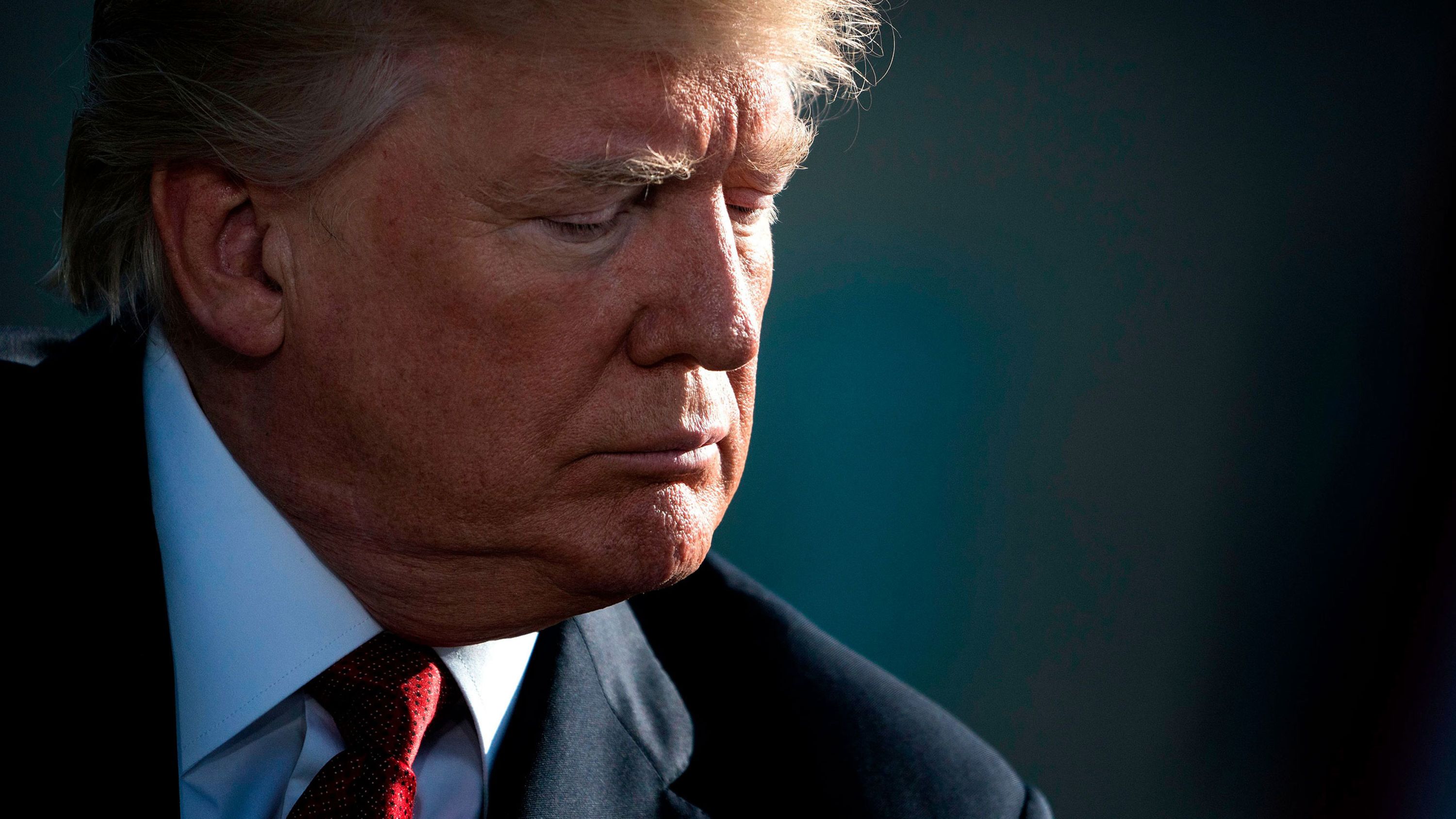
Gallery
Entities mentioned:
- Donald Trump: Power, Ambition, Revenge
- Kamala Harris: Ambition, Duty, Legacy
- Joe Biden: Legacy, Duty, Power
- Hillary Clinton: Ambition, Power, Legacy
- Michael Cohen: Loyalty, Self-preservation, Revenge
- Stormy Daniels: Recognition, Justice, Influence
- Jack Smith: Justice, Duty, Professional pride
- Fani Willis: Justice, Ambition, Professional pride
Article Assessment:
Credibility Score: 65/100
Bias Rating: 55/100 (Center)
Sentiment Score: 35/100
Authoritarianism Risk: 70/100 (Authoritarian Tendencies)
Bias Analysis:
The article presents a mix of factual information and potentially controversial claims without clear attribution. While it covers events from various perspectives, the tone and framing slightly favor a more dramatic narrative of Trump's comeback.
Key metric: Democratic Stability Index
As a social scientist, I analyze that this article depicts a significant shift in the American political landscape, with implications for democratic norms and institutions. Trump's re-election despite legal challenges and his subsequent actions suggest a weakening of traditional checks and balances. The dropping of federal cases and the disqualification of a district attorney in a state case indicate potential political interference in the justice system. The assassination attempt highlights the intense polarization and potential for political violence. These developments could lead to a decline in the Democratic Stability Index, as they represent a departure from established democratic norms and potentially signal a move towards more authoritarian governance styles.
- Read more about Gallery
- Log in to post comments

Trump’s DC takeover produces moderate drop in crime — and huge spike in immigration arrests
Entities mentioned:
- Donald Trump: Power, Control, Influence
- Metropolitan Police Department: Duty, Professional pride, Security
- ICE (Immigration and Customs Enforcement): Duty, Control, Righteousness
- Muriel Bowser: Loyalty, Justice, Self-preservation
- Abigail Jackson: Loyalty, Duty, Righteousness
- Pam Bondi: Duty, Loyalty, Control
- JD Vance: Loyalty, Influence, Power
Article Assessment:
Credibility Score: 75/100
Bias Rating: 45/100 (Center)
Sentiment Score: 35/100
Authoritarianism Risk: 65/100 (Authoritarian Tendencies)
Bias Analysis:
The article presents multiple viewpoints and cites various data sources, indicating an attempt at balanced reporting. However, there is slightly more emphasis on critical perspectives of the federal intervention, which may suggest a slight lean towards skepticism of the Trump administration's actions.
Key metric: Crime Rate
As a social scientist, I analyze that the federal takeover of Washington D.C.'s police force has resulted in a complex situation with mixed outcomes. While there has been a moderate decrease in overall crime rates, particularly in property crimes and some violent crimes, there has been a significant increase in immigration arrests. This suggests that the federal intervention may be prioritizing immigration enforcement over other types of crime prevention. The stark contrast between the modest crime reduction and the tenfold increase in immigration arrests indicates a shift in law enforcement priorities that may not align with local community needs or preferences. The article also highlights tensions between federal and local authorities, as well as concerns about potential data manipulation and the long-term implications of this federal intervention on local governance and community relations. The public's opposition to the takeover, as indicated by the poll, suggests a disconnect between federal actions and local sentiments, which could lead to decreased trust in law enforcement and potential social unrest.
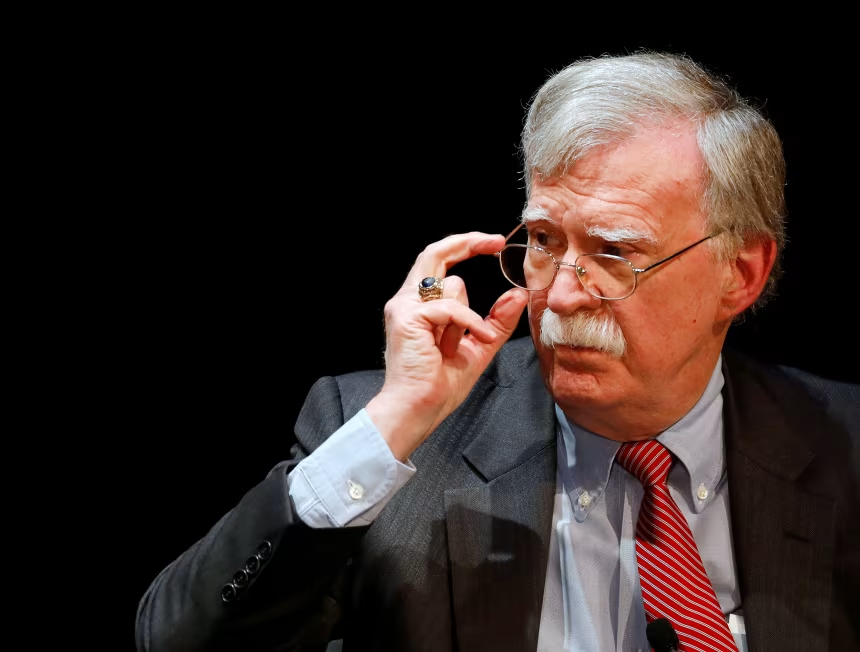
What the 2020 investigation of John Bolton says about the new probe
Entities mentioned:
- John Bolton: Recognition, Influence, Self-preservation
- Donald Trump: Power, Control, Revenge
- Justice Department: Justice, Duty, Professional pride
- FBI: Duty, Justice, Security
- Biden administration: Justice, Control, Influence
- National Security Council: Security, Duty, Control
- Charles Cooper: Duty, Professional pride, Loyalty
- Judge Royce Lamberth: Justice, Duty, Professional pride
Article Assessment:
Credibility Score: 75/100
Bias Rating: 55/100 (Center)
Sentiment Score: 40/100
Authoritarianism Risk: 35/100 (Generally Democratic)
Bias Analysis:
The article presents multiple perspectives and includes details from various stages of the investigation. While it gives slightly more space to Bolton's side, it also presents the government's concerns, maintaining a relatively balanced approach.
Key metric: Government Transparency and Accountability
As a social scientist, I analyze that this article highlights the ongoing tension between national security concerns and government transparency. The reopened probe into John Bolton's handling of potentially classified information raises questions about the balance between protecting sensitive information and the public's right to know about government operations. This case exemplifies the challenges faced by former officials in publishing memoirs without compromising national security. The shifting stances between administrations also underscore the potential for political motivations to influence such investigations, potentially impacting public trust in government institutions and the integrity of classified information handling processes.

Trump team keeps giving away the game on its retribution crusade
Entities mentioned:
- Donald Trump: Power, Revenge, Control
- John Bolton: Self-preservation, Duty, Professional pride
- Kash Patel: Loyalty, Ambition, Power
- Dan Bongino: Loyalty, Righteousness, Influence
- Pam Bondi: Loyalty, Power, Influence
- Christopher Wray: Duty, Professional pride, Wariness
- Merrick Garland: Duty, Justice, Professional pride
- Ed Martin: Loyalty, Ambition, Influence
- Letitia James: Justice, Ambition, Recognition
- James Boasberg: Duty, Justice, Professional pride
- James Comey: Self-preservation, Justice, Indignation
- Tulsi Gabbard: Loyalty, Ambition, Influence
- Kristi Noem: Loyalty, Ambition, Power
- Elon Musk: Power, Influence, Recognition
Article Assessment:
Credibility Score: 75/100
Bias Rating: 35/100 (Lean Left)
Sentiment Score: 25/100
Authoritarianism Risk: 70/100 (Authoritarian Tendencies)
Bias Analysis:
The article leans left in its framing, focusing primarily on criticisms of the Trump administration's actions. While it presents factual information, the selection and emphasis of events paint a negative picture of Trump and his allies, with less attention to counterarguments.
Key metric: Rule of Law Index
As a social scientist, I analyze that this article highlights a concerning trend in the politicization of the US justice system under the Trump administration. The repeated instances of public officials making prejudicial statements about ongoing investigations, targeting political opponents, and disregarding established norms of prosecutorial conduct suggest a significant erosion of the traditional separation between politics and justice. This behavior risks undermining public trust in legal institutions and the impartial application of law, which are crucial components of the Rule of Law Index. The contrast drawn between the handling of investigations into Trump's opponents versus those into Trump himself further emphasizes this disparity, potentially leading to a perception of a two-tiered justice system based on political allegiance.