
Hegseth fires general whose agency’s intel assessment of damage from Iran strikes angered Trump
Entities mentioned:
- Pete Hegseth: Power, Control, Loyalty
- Donald Trump: Power, Control, Self-preservation
- Jeffrey Kruse: Professional pride, Duty, Integrity
- Nancy Lacore: Duty, Professional pride
- Milton Sands: Duty, Professional pride
- Benjamin Netanyahu: Power, Influence
- Mark Warner: Justice, Duty, Concern
- Jim Himes: Justice, Transparency, Concern
Article Assessment:
Credibility Score: 75/100
Bias Rating: 40/100 (Lean Left)
Sentiment Score: 25/100
Authoritarianism Risk: 70/100 (Authoritarian Tendencies)
Bias Analysis:
The article leans slightly left, evidenced by its critical tone towards the Trump administration's actions and the prominence given to Democratic lawmakers' concerns. However, it does present factual information and includes multiple perspectives.
Key metric: National Security and Intelligence Integrity
As a social scientist, I analyze that this article highlights a concerning trend of politicization within the US intelligence and military leadership. The firing of top officials, particularly those whose assessments contradict the administration's narrative, suggests a prioritization of loyalty over professional expertise and objective analysis. This could lead to a degradation of intelligence quality and military effectiveness, potentially compromising national security. The pattern of dismissals, coupled with budget cuts and organizational changes, indicates a systematic attempt to reshape these institutions to align with political goals rather than maintaining their independent advisory roles. This shift could have long-term implications for the credibility and functionality of US intelligence and defense capabilities.
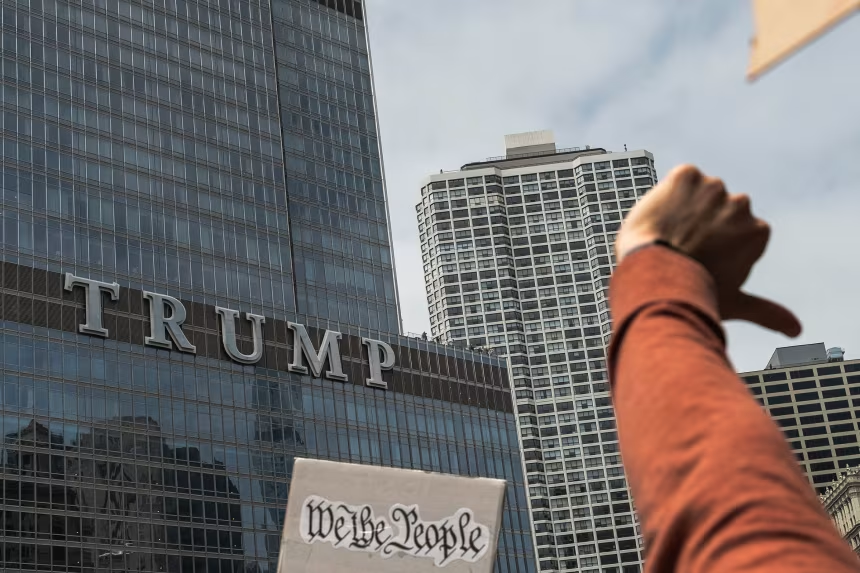
Trump says Chicago next up for federal crime crackdown
Entities mentioned:
- Donald Trump: Power, Control, Influence
- Muriel Bowser: Self-preservation, Control, Duty
- Brandon Johnson: Self-preservation, Duty, Security
- JB Pritzker: Moral outrage, Duty, Security
- Mike Johnson: Loyalty, Power, Influence
- John Thune: Loyalty, Power, Influence
Article Assessment:
Credibility Score: 65/100
Bias Rating: 55/100 (Center)
Sentiment Score: 30/100
Authoritarianism Risk: 70/100 (Authoritarian Tendencies)
Bias Analysis:
The article presents multiple viewpoints, including Trump's statements and responses from local officials. However, it leans slightly towards skepticism of Trump's claims, particularly in fact-checking crime statistics.
Key metric: Violent Crime Rate
As a social scientist, I analyze that this article highlights a potential shift in federal-local power dynamics regarding law enforcement. Trump's proposed actions in Chicago, following interventions in Washington D.C., suggest an expansion of federal authority over local policing. This approach could significantly impact the violent crime rate, either positively through increased law enforcement presence or negatively by escalating tensions. The conflicting narratives between federal and local officials about crime statistics and the effectiveness of interventions raise questions about data integrity and the actual impact on public safety. The president's rhetoric and actions also indicate a centralization of power that could alter the traditional balance between federal and local governance in law enforcement matters.

Judge halts implementation of some Trump administration changes that would chip away at Obamacare
Entities mentioned:
- Judge Brendan Hurson: Justice, Duty, Righteousness
- Trump administration: Control, Power, Influence
- Centers for Medicare and Medicaid Services: Control, Professional pride, Duty
- Democratic-led cities: Justice, Moral outrage, Obligation
- Skye Perryman: Justice, Determination, Moral outrage
Article Assessment:
Credibility Score: 75/100
Bias Rating: 55/100 (Center)
Sentiment Score: 45/100
Authoritarianism Risk: 25/100 (Generally Democratic)
Bias Analysis:
The article presents a balanced view of the court decision, including perspectives from both sides. While it gives more space to arguments supporting the judge's decision, it also includes the Trump administration's stated goals for the changes.
Key metric: Healthcare Coverage Rate
As a social scientist, I analyze that this judicial decision has significant implications for the Healthcare Coverage Rate in the United States. The judge's ruling blocks several Trump administration changes to the Affordable Care Act (ACA) that could have led to an estimated 1.8 million Americans losing health insurance. This decision maintains the status quo for key aspects of the ACA, preventing potential disruptions in coverage and access to healthcare. The ruling emphasizes the importance of affordable healthcare coverage and its impact on public health and city budgets. This legal intervention highlights the ongoing tension between efforts to modify the ACA and the goal of maintaining widespread health insurance coverage. The case also underscores the role of the judiciary in shaping healthcare policy and the complex interplay between federal regulations and existing laws.

Mamdani’s fundraising surges past Cuomo, Adams in New York mayoral race
Entities mentioned:
- Zohran Mamdani: Ambition, Competitive spirit, Determination
- Eric Adams: Self-preservation, Power, Legacy
- Andrew Cuomo: Ambition, Power, Recognition
- Curtis Sliwa: Duty, Recognition, Determination
- Elizabeth Simons: Influence, Righteousness, Legacy
- Alice Walton: Influence, Power, Legacy
Article Assessment:
Credibility Score: 75/100
Bias Rating: 45/100 (Center)
Sentiment Score: 55/100
Authoritarianism Risk: 20/100 (Strongly Democratic)
Bias Analysis:
The article presents a balanced view of multiple candidates, including both positive and negative aspects. While it gives more space to Mamdani's success, it also covers other candidates' situations, maintaining a relatively neutral stance.
Key metric: Political Campaign Financing
As a social scientist, I analyze that this article highlights a significant shift in political dynamics in New York City's mayoral race. Mamdani's surge in fundraising, particularly from small-dollar donors and out-of-city contributions, suggests a growing popularity of his progressive platform. This contrasts sharply with the financial challenges faced by established politicians like Adams and Cuomo, potentially indicating a change in voter preferences and campaign finance dynamics. The involvement of billionaire-adjacent donors, despite Mamdani's anti-billionaire stance, presents an interesting contradiction that could impact public perception. The article also underscores the importance of public campaign financing and the challenges faced by candidates under investigation, as seen with Adams' situation. Overall, this fundraising data could be an early indicator of shifting political allegiances and the effectiveness of different campaign strategies in a highly competitive urban political landscape.

‘Militarization of politics’: How bucolic Bethesda woke up to FBI search on John Bolton
Entities mentioned:
- John Bolton: Self-preservation, Justice, Professional pride
- Donald Trump: Power, Control, Revenge
- FBI: Duty, Justice, Professional pride
- Robert Hill: Curiosity, Indignation, Moral outrage
- George Conway: Moral outrage, Influence, Recognition
- Bethesda residents: Curiosity, Anxiety, Wariness
Article Assessment:
Credibility Score: 70/100
Bias Rating: 55/100 (Center)
Sentiment Score: 30/100
Authoritarianism Risk: 65/100 (Authoritarian Tendencies)
Bias Analysis:
The article presents multiple perspectives, including those critical of the search and Trump administration. However, it gives more space to voices opposing the search, potentially skewing reader perception.
Key metric: Public Trust in Government Institutions
As a social scientist, I analyze that this event significantly impacts public trust in government institutions. The FBI's search of a former high-ranking official's residence, especially one who has been critical of the current administration, raises concerns about potential political motivations behind law enforcement actions. This incident, occurring in an affluent suburb known for housing political elites, brings the abstract concept of political conflict into a tangible, local context for many observers. The varied reactions from residents, ranging from curiosity to outrage, reflect a broader societal divide in perceptions of government actions. The removal of Bolton's security detail earlier, despite known threats, further complicates the public's understanding of government priorities and protection of former officials. This event may lead to increased skepticism about the impartiality of law enforcement agencies and heighten concerns about the potential weaponization of government institutions for political purposes.
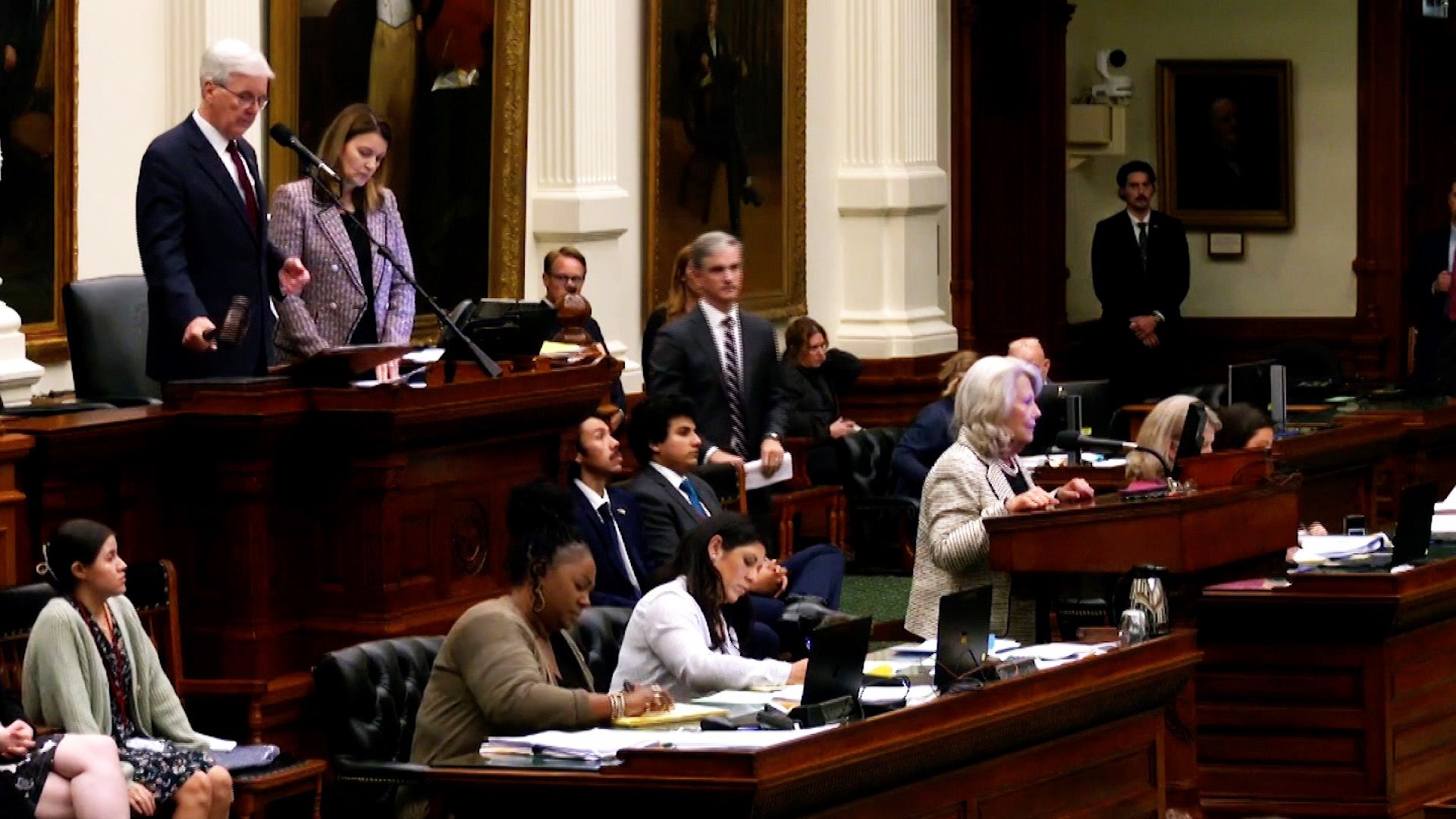
Texas Republicans approve new congressional maps as partisan redistricting race escalates
Entities mentioned:
- Texas Republicans: Power, Control, Competitive spirit
- Donald Trump: Power, Influence, Legacy
- Greg Abbott: Power, Loyalty, Control
- Dan Patrick: Loyalty, Power, Influence
- California Democrats: Competitive spirit, Power, Justice
- Gavin Newsom: Power, Competitive spirit, Justice
- Kathy Hochul: Competitive spirit, Power, Influence
- Todd Hunter: Power, Loyalty, Competitive spirit
- Catherine Blakespear: Justice, Competitive spirit, Moral outrage
- Phil King: Power, Loyalty, Competitive spirit
- Texas Democrats: Justice, Moral outrage, Self-preservation
- Dustin Burrows: Control, Power, Determination
- Nicole Collier: Moral outrage, Self-respect, Determination
- Gene Wu: Justice, Determination, Moral outrage
- Carol Alvarado: Justice, Determination, Moral outrage
- Lloyd Doggett: Self-preservation, Professional pride, Duty
- Greg Casar: Self-preservation, Ambition, Professional pride
- Venton Jones: Justice, Moral outrage, Self-respect
- Charlie Geren: Duty, Control, Power
- Robert Rivas: Power, Competitive spirit, Influence
Article Assessment:
Credibility Score: 75/100
Bias Rating: 55/100 (Center)
Sentiment Score: 35/100
Authoritarianism Risk: 65/100 (Authoritarian Tendencies)
Bias Analysis:
The article presents perspectives from both Republican and Democratic actors, providing a relatively balanced view of the redistricting efforts. However, there's slightly more focus on Democratic opposition and legal challenges, which may suggest a slight center-left lean.
Key metric: Electoral Competitiveness
As a social scientist, I analyze that this article highlights a significant escalation in partisan redistricting efforts, with potential far-reaching consequences for electoral competitiveness in the United States. The actions taken by both Texas Republicans and California Democrats represent a departure from normal redistricting processes, occurring mid-decade rather than following the census. This trend towards more frequent and aggressive redistricting could lead to increased polarization, reduced electoral competitiveness, and a weakening of democratic norms. The use of redistricting as a tool for partisan advantage may result in less representative government and diminished voter faith in the electoral system. The involvement of state legislatures in overriding independent commissions (as in California) also raises concerns about the erosion of checks and balances designed to ensure fair representation.
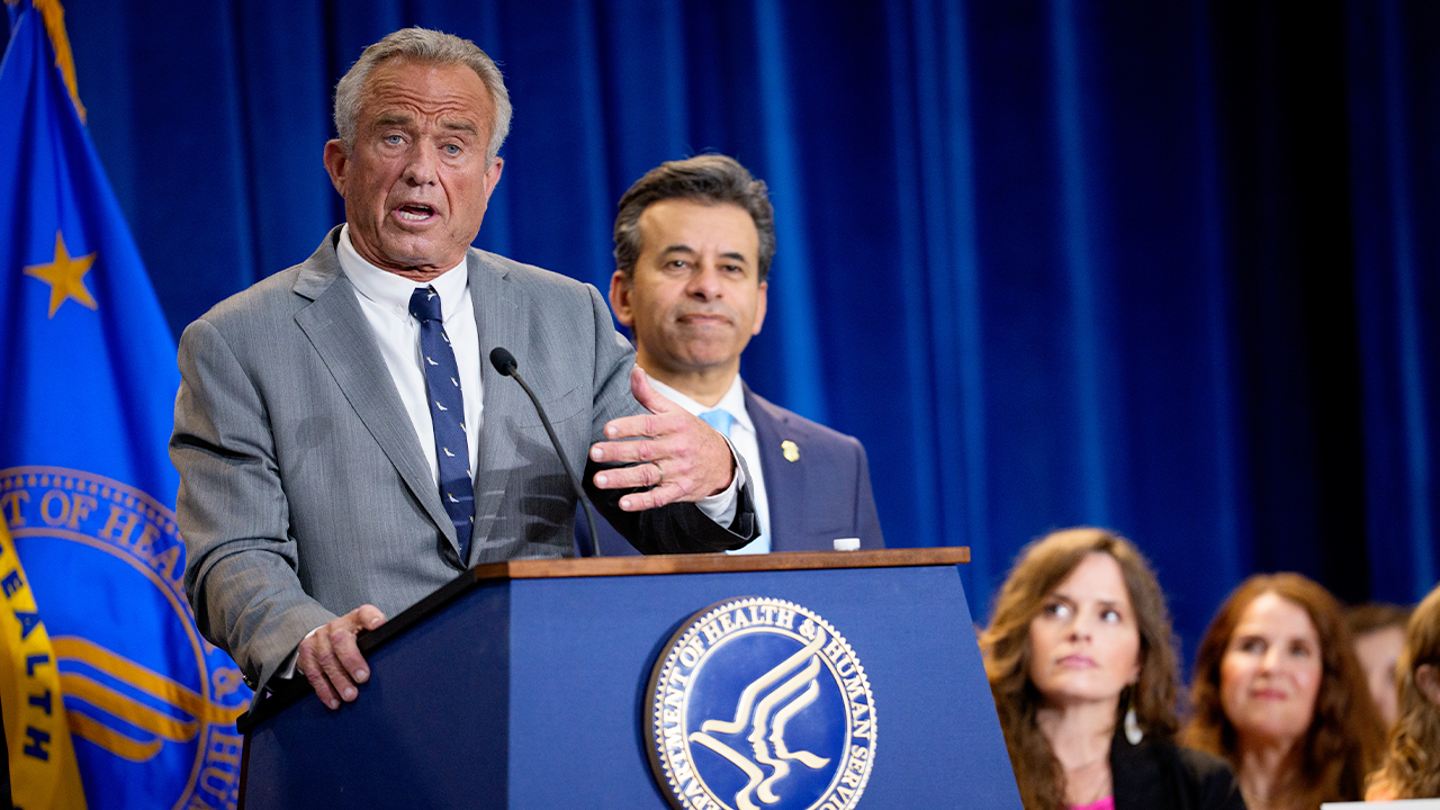
Trump-aligned legal group probes Biden-era organ transplant program over ethical concerns
Entities mentioned:
- America First Legal: Justice, Righteousness, Wariness
- Stephen Miller: Loyalty, Influence, Control
- Department of Health and Human Services: Duty, Professional pride, Security
- Centers for Medicare & Medicaid Services: Duty, Professional pride, Security
- Health Resources and Services Administration: Duty, Professional pride, Security
- Robert F. Kennedy Jr.: Righteousness, Moral outrage, Recognition
- Laura Stell: Justice, Righteousness, Professional pride
- Trump administration: Power, Control, Influence
Article Assessment:
Credibility Score: 70/100
Bias Rating: 65/100 (Lean Right)
Sentiment Score: 35/100
Authoritarianism Risk: 40/100 (Generally Democratic)
Bias Analysis:
The article leans right due to its focus on Trump-aligned groups and their concerns, as well as the 'FIRST ON FOX' label. While it presents some factual information about the organ transplant program, it gives more weight to criticisms from Trump-aligned sources.
Key metric: Healthcare System Effectiveness
As a social scientist, I analyze that this article highlights a conflict between the Biden administration's efforts to improve organ transplant access and concerns raised by Trump-aligned groups about potential ethical issues and outside influences. The investigation by America First Legal into the Increasing Organ Transplant Access Model reflects ongoing political tensions in healthcare policy. This situation could impact the Healthcare System Effectiveness metric by potentially delaying or altering the implementation of a program designed to increase organ transplant access. The controversy may lead to increased scrutiny of healthcare policies, which could either improve transparency and effectiveness or create obstacles to implementing potentially beneficial reforms. The political nature of the investigation also underscores the challenges of implementing major healthcare changes in a polarized environment.

'There are 50 swamps': State Freedom Caucus Network helps conservatives fight the 'uniparty'
Entities mentioned:
- Andrew Roth: Righteousness, Determination, Influence
- State Freedom Caucus Network: Influence, Control, Righteousness
- Liberal Republicans: Power, Self-preservation, Ambition
- Democrats: Power, Influence, Self-preservation
- Blake Miguez: Ambition, Competitive spirit, Righteousness
- Bill Cassidy: Power, Self-preservation, Influence
Article Assessment:
Credibility Score: 65/100
Bias Rating: 75/100 (Lean Right)
Sentiment Score: 35/100
Authoritarianism Risk: 55/100 (Mixed/Neutral)
Bias Analysis:
The article leans right, primarily presenting the conservative perspective without significant counterbalancing views. It uncritically presents terms like 'swamp' and 'uniparty', which are typically used by right-wing groups.
Key metric: Political Polarization Index
As a social scientist, I analyze that this article highlights the increasing polarization within the Republican Party and across state legislatures. The State Freedom Caucus Network's efforts to identify and challenge what they perceive as insufficiently conservative Republicans could lead to more ideological purity within the party, but also potentially increase gridlock and reduce bipartisan cooperation. The organization's focus on 'exposing deceitful lawmakers' and labeling moderate Republicans as part of a 'uniparty' with Democrats suggests a strategy of ideological purification that could further entrench political divisions. This approach may intensify intra-party conflicts and potentially affect governance effectiveness at the state level.
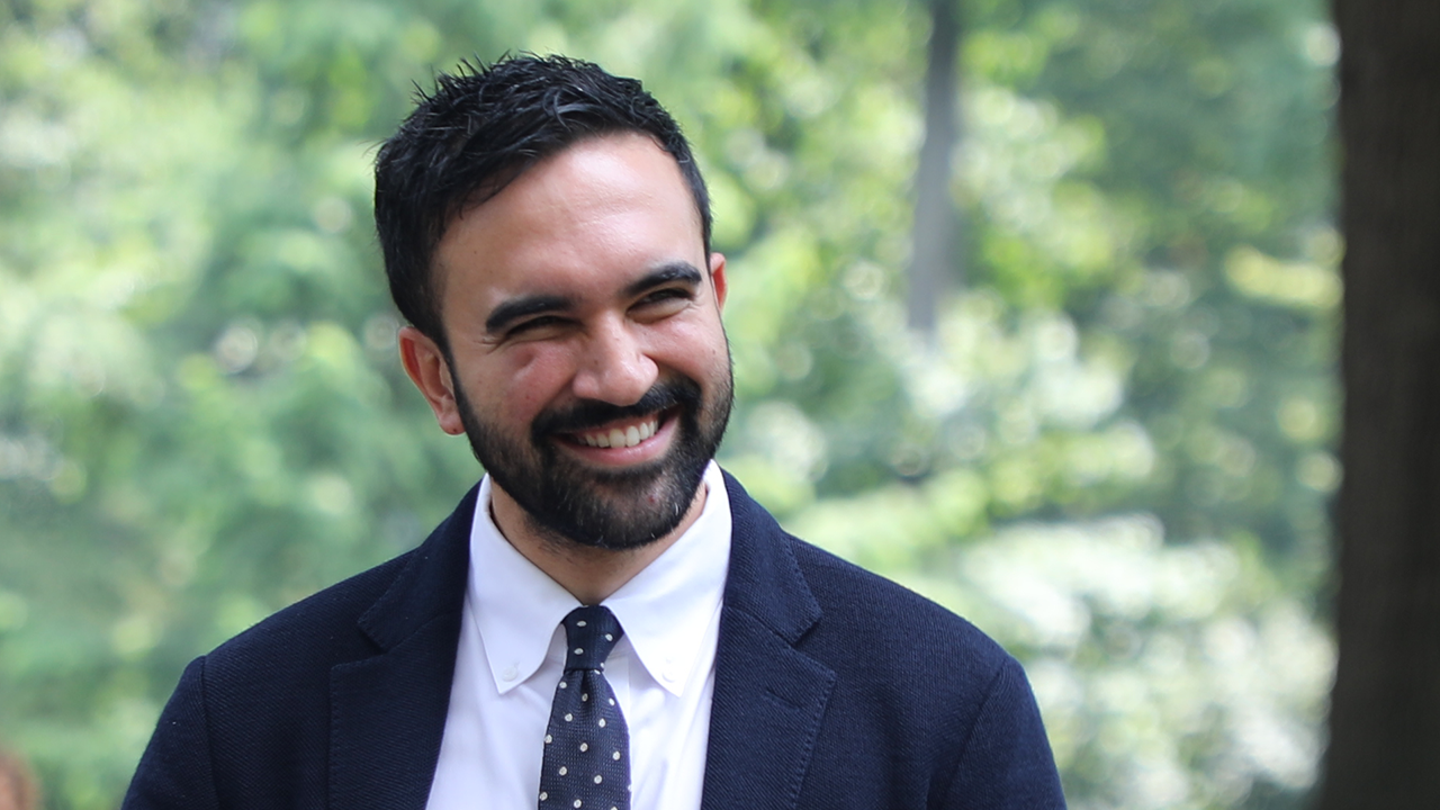
'Maine's Mamdani': Maine GOP chief issues warning about new challenger looking to oust Susan Collins
Entities mentioned:
- Susan Collins: Self-preservation, Loyalty, Influence
- Graham Platner: Ambition, Justice, Influence
- Jason Savage: Competitive spirit, Wariness, Control
- Maine Republican Party: Power, Control, Self-preservation
- Democratic Party: Power, Control, Unity
- Zohran Mamdani: Influence, Justice, Recognition
- Janet Mills: Ambition, Influence, Duty
Article Assessment:
Credibility Score: 65/100
Bias Rating: 75/100 (Lean Right)
Sentiment Score: 35/100
Authoritarianism Risk: 40/100 (Generally Democratic)
Bias Analysis:
The article leans right, primarily quoting Republican sources and framing progressive Democrats negatively. It presents a one-sided view of the political landscape, emphasizing potential threats from left-wing candidates without balanced perspectives.
Key metric: Political Polarization Index
As a social scientist, I analyze that this article highlights the growing ideological divide within the Democratic Party and between Democrats and Republicans. The framing of Graham Platner as 'Maine's Mamdani' suggests an attempt to associate him with more radical left-wing politics, potentially alienating moderate voters. This polarization could impact voter turnout and party unity, ultimately affecting the balance of power in the Senate. The article's focus on ideological extremes and the characterization of progressive policies as 'very unpopular' indicates a potential shift in political discourse towards more polarized positions, which could have long-term effects on bipartisanship and governance.
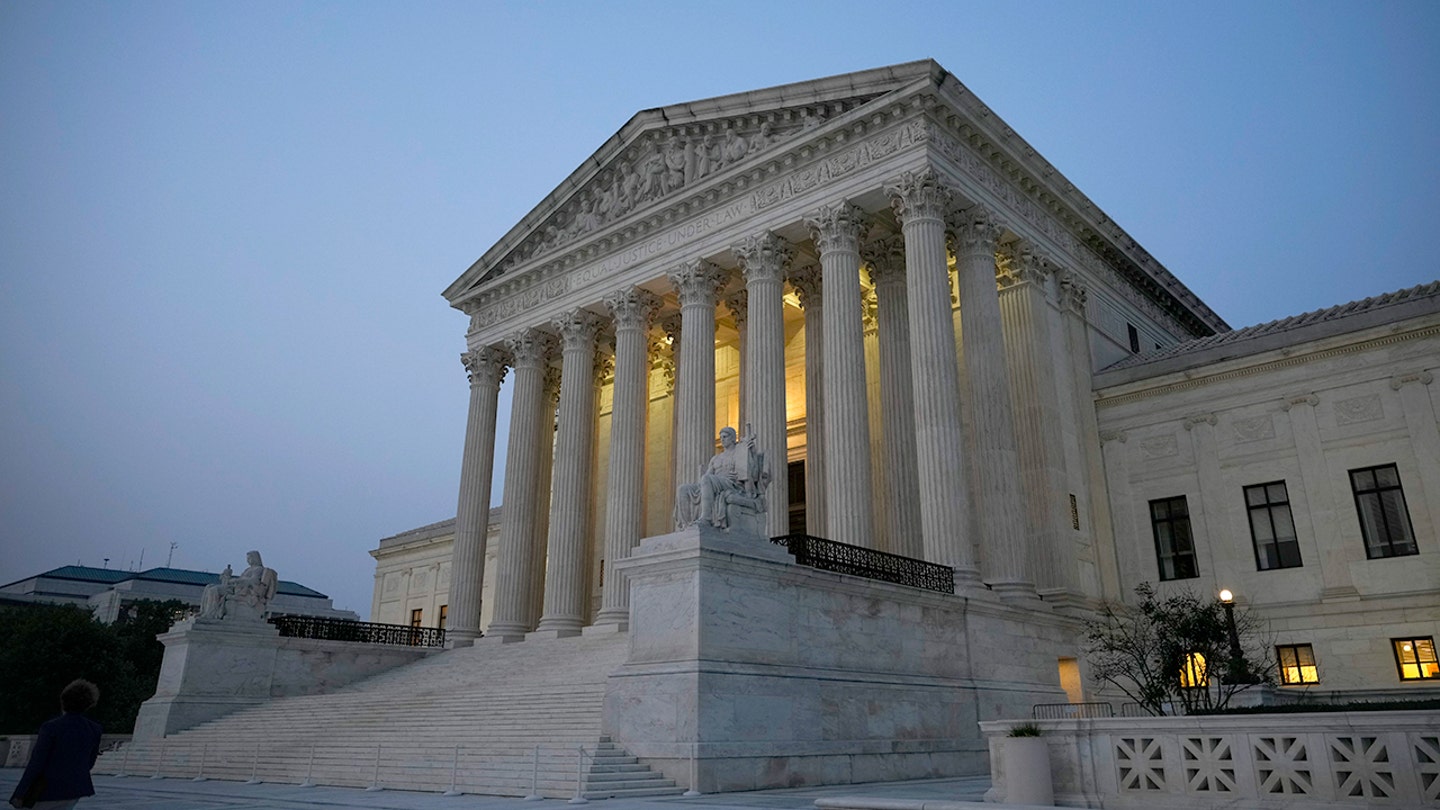
Trump administration wins Supreme Court fight to slash NIH medical research grants tied to DEI, LGBTQ studies
Entities mentioned:
- Trump administration: Power, Control, Righteousness
- Supreme Court: Duty, Justice, Influence
- National Institutes of Health (NIH): Professional pride, Duty, Obligation
- Judge Angel Kelley: Justice, Duty, Moral outrage
- Justice Department: Duty, Loyalty, Control
- American Public Health Association: Moral outrage, Professional pride, Righteousness
- Democrat-led states: Moral outrage, Justice, Competitive spirit
- Association of American Universities: Professional pride, Wariness, Freedom
Article Assessment:
Credibility Score: 75/100
Bias Rating: 55/100 (Center)
Sentiment Score: 30/100
Authoritarianism Risk: 65/100 (Authoritarian Tendencies)
Bias Analysis:
The article presents multiple viewpoints, including those of the administration, opponents, and neutral parties like news outlets. However, there's slightly more space given to concerns about the cuts, which could suggest a slight lean towards the opposition's perspective.
Key metric: Federal Research Funding
As a social scientist, I analyze that this Supreme Court decision significantly impacts federal research funding, particularly in areas related to diversity, equity, inclusion, and LGBTQ studies. The ruling allows the Trump administration to cut $783 million in NIH grants, which could have far-reaching effects on biomedical research and scientific progress. This decision reflects a broader ideological conflict over the role of DEI initiatives in government-funded research. The potential chilling effect on research into politically sensitive topics could alter the landscape of scientific inquiry in the US, possibly slowing advancements in critical areas like cancer and Alzheimer's research. The split decision (5-4) also highlights the political divisiveness of the issue and the significant role the Supreme Court plays in shaping research priorities and funding allocation.