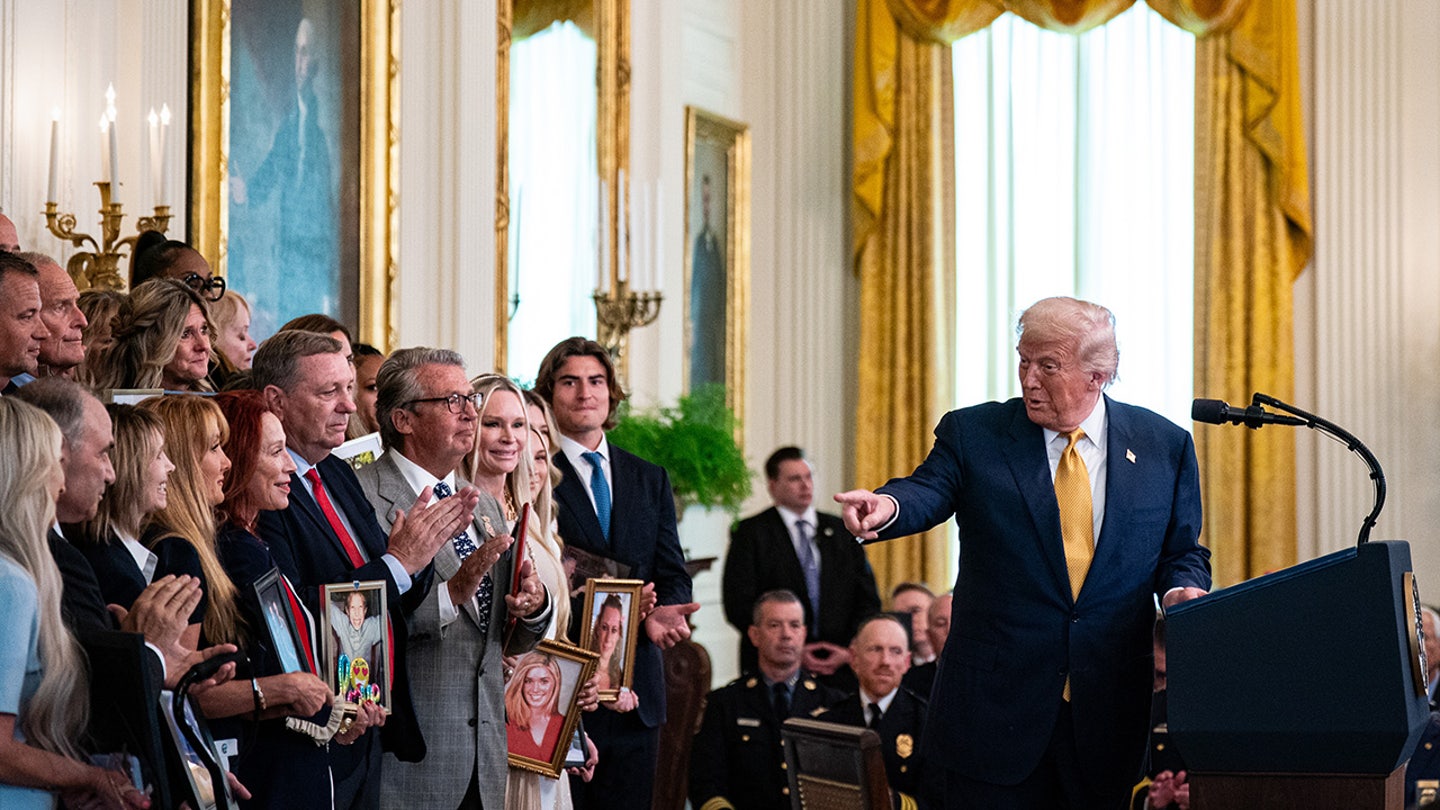
Scoop: 'Make America Fentanyl Free' campaign launches to help Trump lower overdose deaths
Entities mentioned:
- Donald Trump: Ambition, Legacy, Control
- Make America Fentanyl Free campaign: Righteousness, Duty, Influence
- Mexican drug cartels: Greed, Power, Control
- Trump administration: Control, Legacy, Security
- Democrats in California: Moral outrage, Justice, Security
Article Assessment:
Credibility Score: 65/100
Bias Rating: 70/100 (Lean Right)
Sentiment Score: 45/100
Authoritarianism Risk: 55/100 (Mixed/Neutral)
Bias Analysis:
The article leans right, primarily focusing on Trump's efforts and the new campaign supporting him. It presents criticism of Trump's approach briefly and near the end, giving more prominence to pro-Trump messaging.
Key metric: Drug Overdose Death Rate
As a social scientist, I analyze that this article highlights a new campaign aimed at supporting President Trump's efforts to combat fentanyl-related deaths in the United States. The campaign, 'Make America Fentanyl Free,' is presented as a privately-funded initiative to educate the public about fentanyl dangers and support Trump's policies. The article emphasizes Trump's past actions against fentanyl trafficking but also mentions criticism of his administration's approach. This campaign could potentially impact the drug overdose death rate by increasing public awareness and supporting stricter border control and law enforcement measures. However, the effectiveness of such campaigns in directly reducing overdose deaths is often debated in the scientific community.
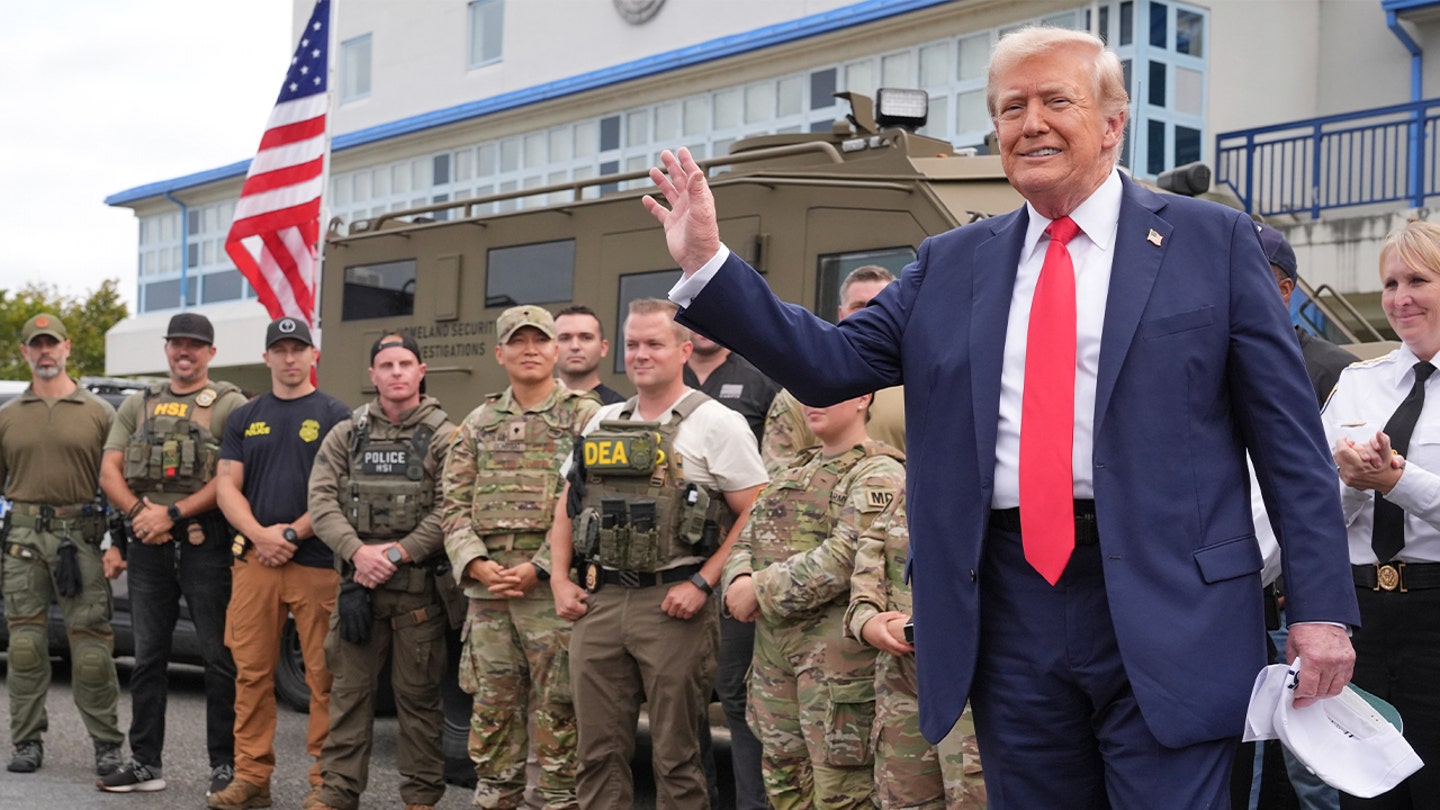
Trump's week shaped by crime agenda, potential guard deployment to Chicago
Entities mentioned:
- Donald Trump: Power, Control, Influence
- Pam Bondi: Duty, Justice, Professional pride
- Brandon Johnson: Self-preservation, Righteousness, Indignation
- J.B. Pritzker: Duty, Self-preservation, Wariness
- Wes Moore: Duty, Security, Cooperation
- Muriel Bowser: Duty, Security, Self-preservation
Article Assessment:
Credibility Score: 70/100
Bias Rating: 55/100 (Center)
Sentiment Score: 35/100
Authoritarianism Risk: 65/100 (Authoritarian Tendencies)
Bias Analysis:
The article presents multiple viewpoints, including Trump's statements and responses from Democratic leaders. While it leans slightly towards critiquing Trump's approach, it maintains a relatively balanced presentation of facts and perspectives.
Key metric: Crime Rate in Major Cities
As a social scientist, I analyze that this article highlights President Trump's focus on crime reduction in major U.S. cities, particularly Chicago and Washington D.C., through the potential deployment of National Guard troops and increased federal law enforcement presence. This approach reflects a centralized, federal-level intervention in local matters, which could impact crime rates but also raises concerns about federal overreach and political motivations. The President's rhetoric and actions suggest a belief that forceful intervention can quickly reduce crime, but this approach may overlook complex socio-economic factors contributing to urban crime. The resistance from local Democratic leaders indicates a political divide in approaches to public safety and federalism. This conflict could affect the implementation and effectiveness of crime reduction strategies, potentially impacting the key metric of crime rates in major cities.
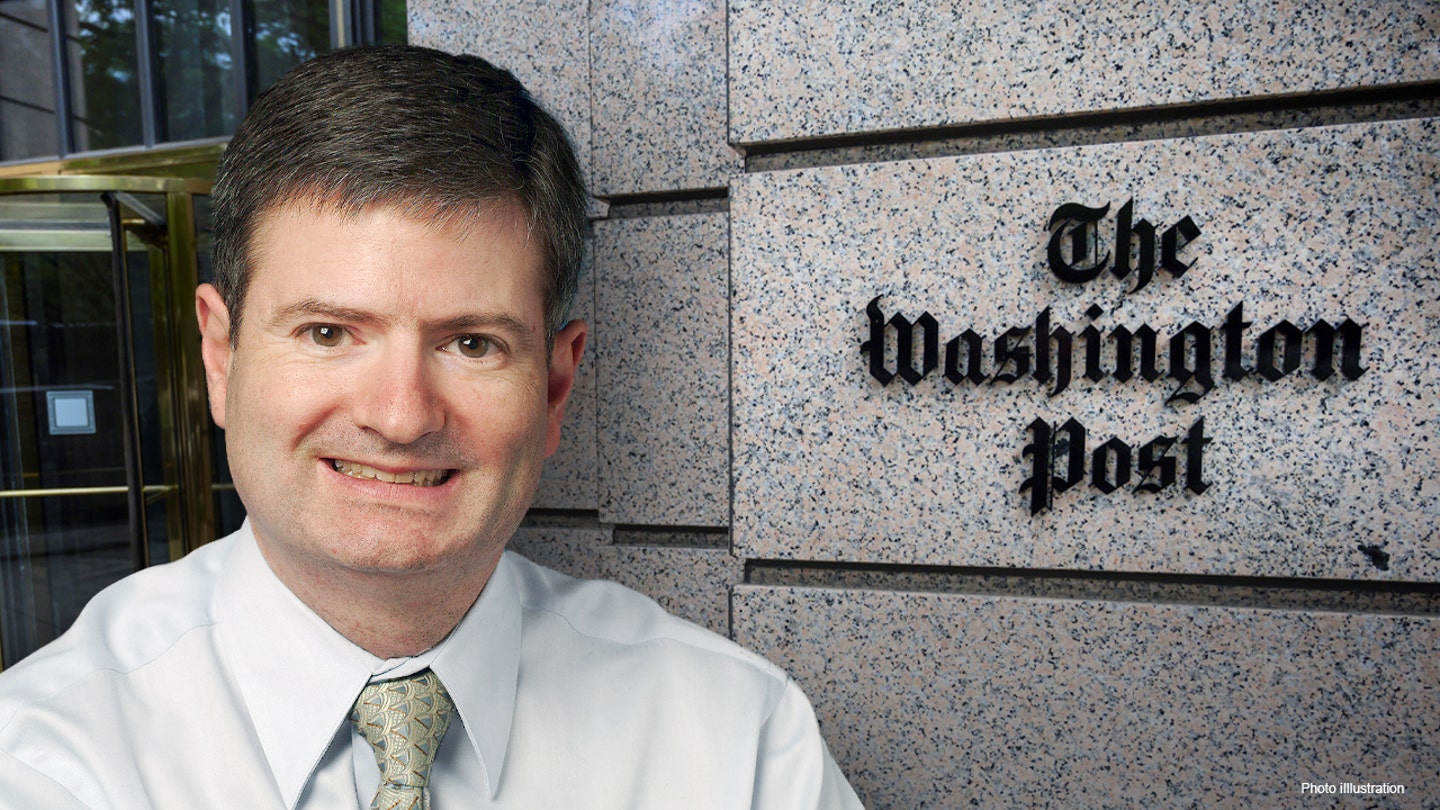
Ex-Washington Post fact checker owns up to poorly-aged report but remains defiant against his critics
Entities mentioned:
- Glenn Kessler: Professional pride, Self-respect, Duty
- Donald Trump: Power, Influence, Control
- The Washington Post: Credibility, Influence, Professional pride
- Matt Murray: Control, Professional pride, Influence
- Ted Cruz: Righteousness, Competitive spirit, Influence
Article Assessment:
Credibility Score: 70/100
Bias Rating: 55/100 (Center)
Sentiment Score: 45/100
Authoritarianism Risk: 30/100 (Generally Democratic)
Bias Analysis:
The article presents multiple viewpoints, including critics of fact-checking, but gives more space to Kessler's perspective. It maintains a relatively neutral tone while discussing controversial topics, suggesting a slight center-right lean.
Key metric: Public Trust in Media
As a social scientist, I analyze that this article highlights the challenges facing fact-checkers and traditional media in maintaining public trust. The piece reveals tensions between journalistic integrity, political polarization, and the rapid spread of information (and misinformation) in the digital age. Kessler's reflections on his career and the changing landscape of fact-checking underscore a shift in how information is consumed and verified by the public. This shift has significant implications for democratic discourse and the role of media in shaping public opinion. The article also touches on internal struggles within news organizations to adapt to these changes, as evidenced by discussions about ombudsmen and editorial decisions.
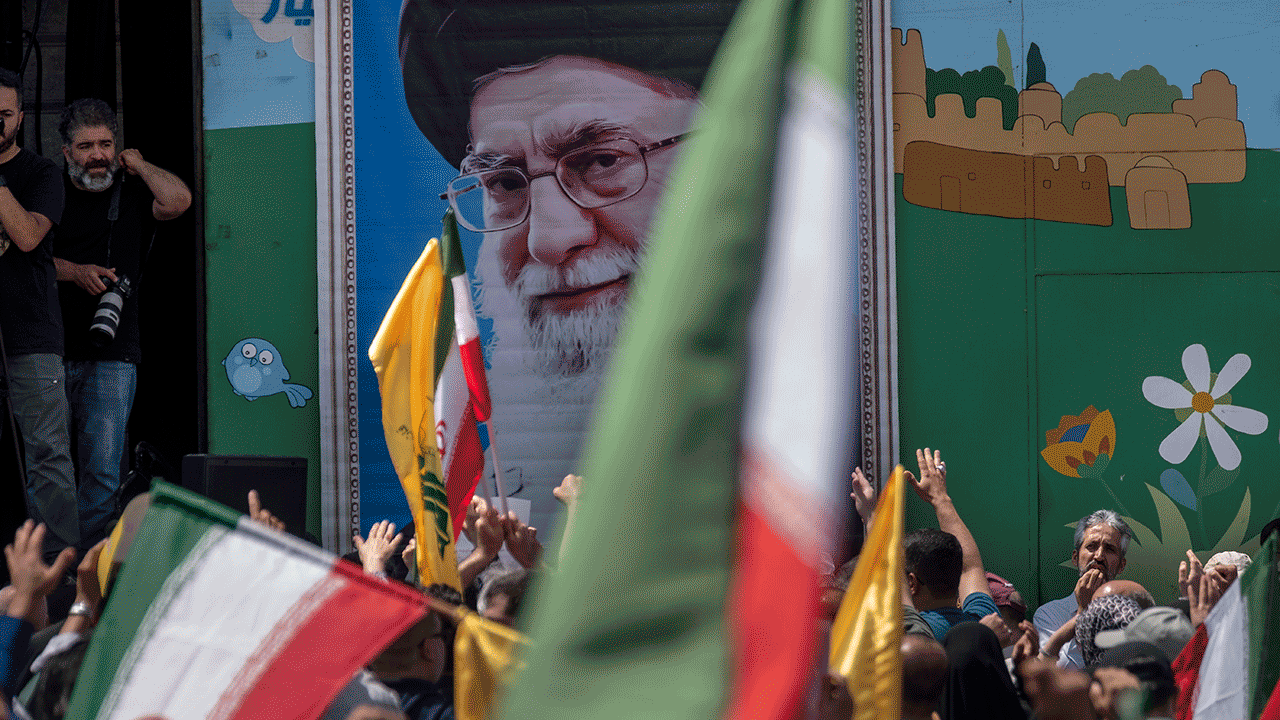
MIKE POMPEO: How Trump can save Lebanon from Iran's influence
Entities mentioned:
- Donald Trump: Power, Influence, Legacy
- Hezbollah: Control, Power, Loyalty
- Iran: Influence, Control, Power
- Lebanese Armed Forces: Duty, Unity, Security
- United Nations Interim Force in Lebanon (UNIFIL): Obligation, Security, Duty
- Mike Pompeo: Influence, Righteousness, Security
Article Assessment:
Credibility Score: 65/100
Bias Rating: 75/100 (Lean Right)
Sentiment Score: 35/100
Authoritarianism Risk: 65/100 (Authoritarian Tendencies)
Bias Analysis:
The article leans right due to its hawkish foreign policy stance and strong pro-Trump, anti-Iran rhetoric. It presents a one-sided view of the situation in Lebanon, focusing solely on Iranian influence without acknowledging other complex factors.
Key metric: US Global Influence Index
As a social scientist, I analyze that this article advocates for a significant shift in US foreign policy towards Lebanon, emphasizing a more assertive approach to counter Iranian influence through Hezbollah. The author, Mike Pompeo, argues for dismantling UNIFIL, strengthening the Lebanese Armed Forces, and actively disrupting Iran's weapons pipeline to Lebanon. This proposed strategy could potentially increase US influence in the region but also risks escalating tensions. The focus on military solutions over diplomatic engagement reflects a hawkish foreign policy stance, which could impact the US Global Influence Index by potentially strengthening US hard power in the Middle East while possibly diminishing soft power and diplomatic leverage in the international community.
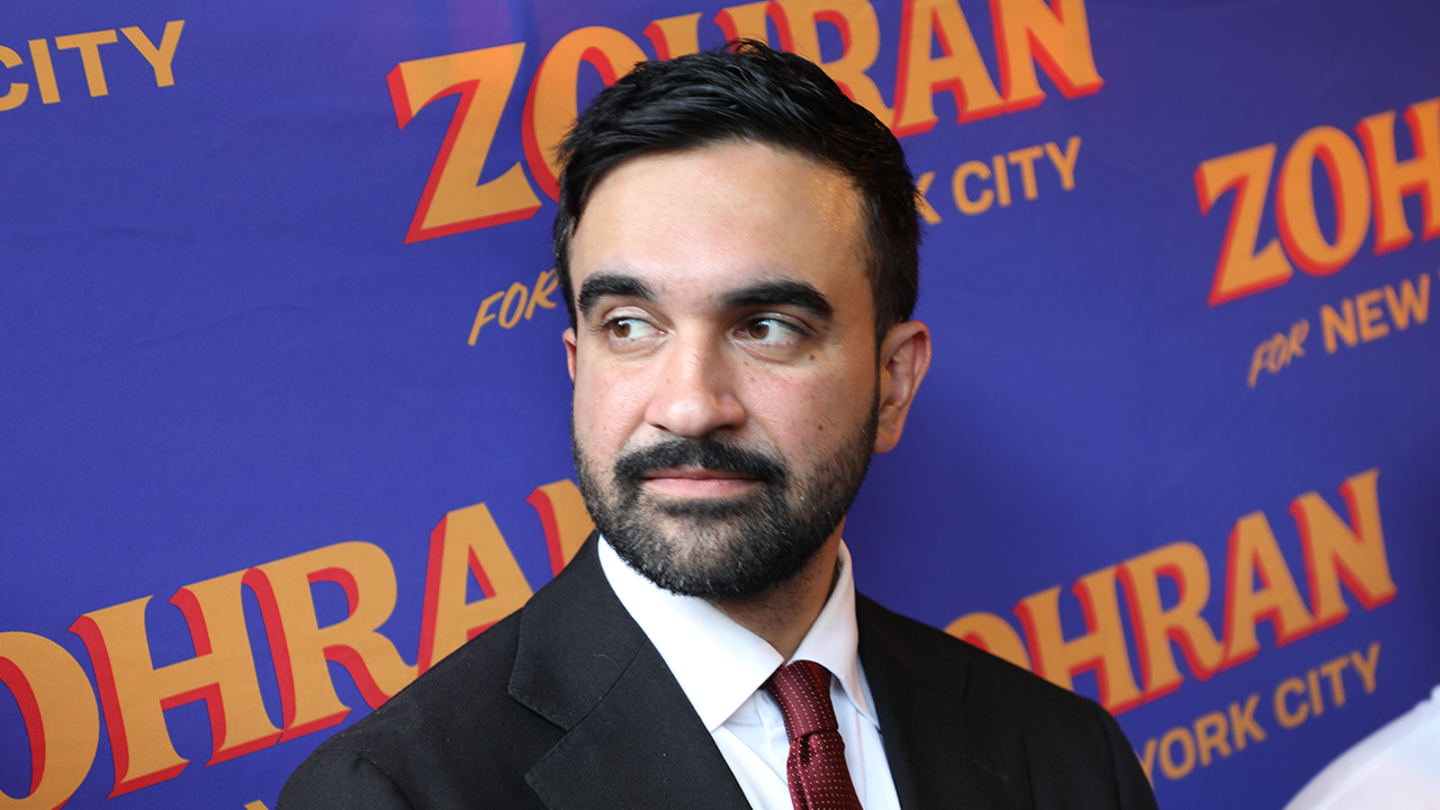
Pro-Mamdani super PAC takes hefty check from ultra-wealthy donor despite saying billionaires shouldn't exist
Entities mentioned:
- Zohran Mamdani: Ambition, Righteousness, Influence
- Elizabeth Simons: Influence, Legacy, Righteousness
- Jamie Simons: Legacy, Influence, Philanthropy
- Andrew Cuomo: Competitive spirit, Indignation, Power
- New Yorkers for Lower Costs PAC: Influence, Power, Unity
Article Assessment:
Credibility Score: 75/100
Bias Rating: 65/100 (Lean Right)
Sentiment Score: 35/100
Authoritarianism Risk: 25/100 (Generally Democratic)
Bias Analysis:
The article leans slightly right, focusing on the contradiction in Mamdani's campaign and giving voice to his critic, Andrew Cuomo. While it presents factual information, the framing emphasizes perceived hypocrisy in left-leaning politics.
Key metric: Income Inequality
As a social scientist, I analyze that this article highlights a significant contradiction between Zohran Mamdani's campaign rhetoric against billionaires and the acceptance of substantial donations from billionaire-adjacent sources. This disconnect potentially impacts income inequality by undermining efforts to address wealth concentration. The article exposes the complex relationship between political ideals and campaign finance realities, suggesting that even candidates with strong anti-billionaire stances may struggle to completely detach from wealthy donors' influence. This situation could affect public trust in political campaigns and potentially hinder genuine efforts to address income disparities in New York City.
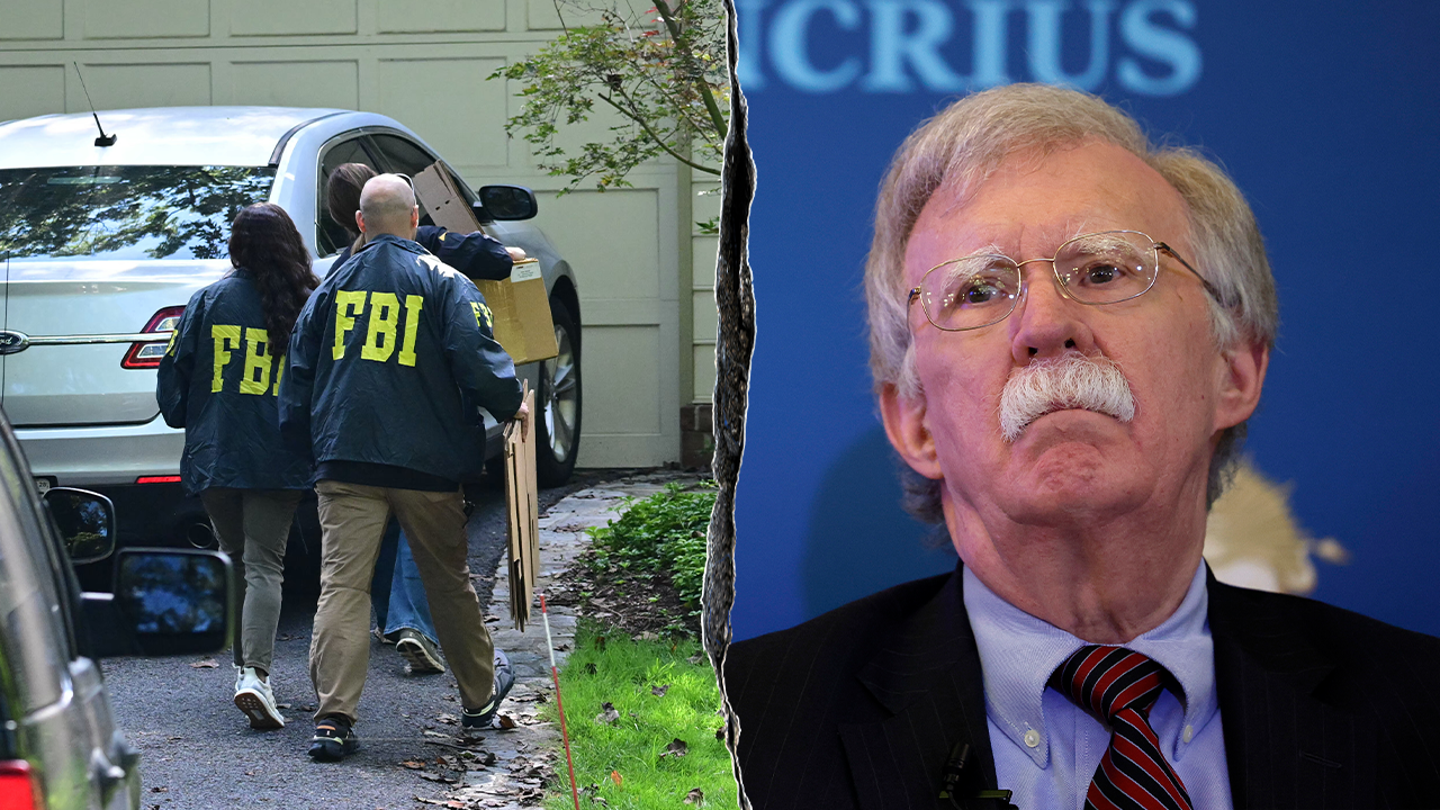
FBI raid of John Bolton's home reportedly linked to classified documents probe
Entities mentioned:
- John Bolton: Self-preservation, Influence, Recognition
- FBI: Justice, Duty, Professional pride
- Donald Trump: Revenge, Power, Control
- Kash Patel: Duty, Loyalty, Professional pride
- Dan Bongino: Justice, Duty, Professional pride
- JD Vance: Loyalty, Duty, Influence
Article Assessment:
Credibility Score: 65/100
Bias Rating: 55/100 (Center)
Sentiment Score: 30/100
Authoritarianism Risk: 45/100 (Mixed/Neutral)
Bias Analysis:
The article presents multiple viewpoints and sources, including both pro-Trump and anti-Trump perspectives. However, there's a slight lean towards emphasizing Trump's negative comments about Bolton, which could be seen as slightly center-right in framing.
Key metric: Government Transparency and Accountability
As a social scientist, I analyze that this article highlights ongoing tensions between political figures and government institutions, particularly concerning the handling of classified information. The raid on John Bolton's properties suggests a continued focus on document security and potential mishandling of sensitive information by former officials. This event may impact public perception of government transparency and accountability, as it demonstrates that even high-ranking former officials are subject to investigation. The involvement of the FBI and the public statements by current administration officials underscore the seriousness of the matter. However, the political context, including Bolton's criticized relationship with Trump, adds complexity to the interpretation of these events. This situation may further polarize public opinion on government institutions and their impartiality in conducting investigations, potentially affecting trust in these institutions.
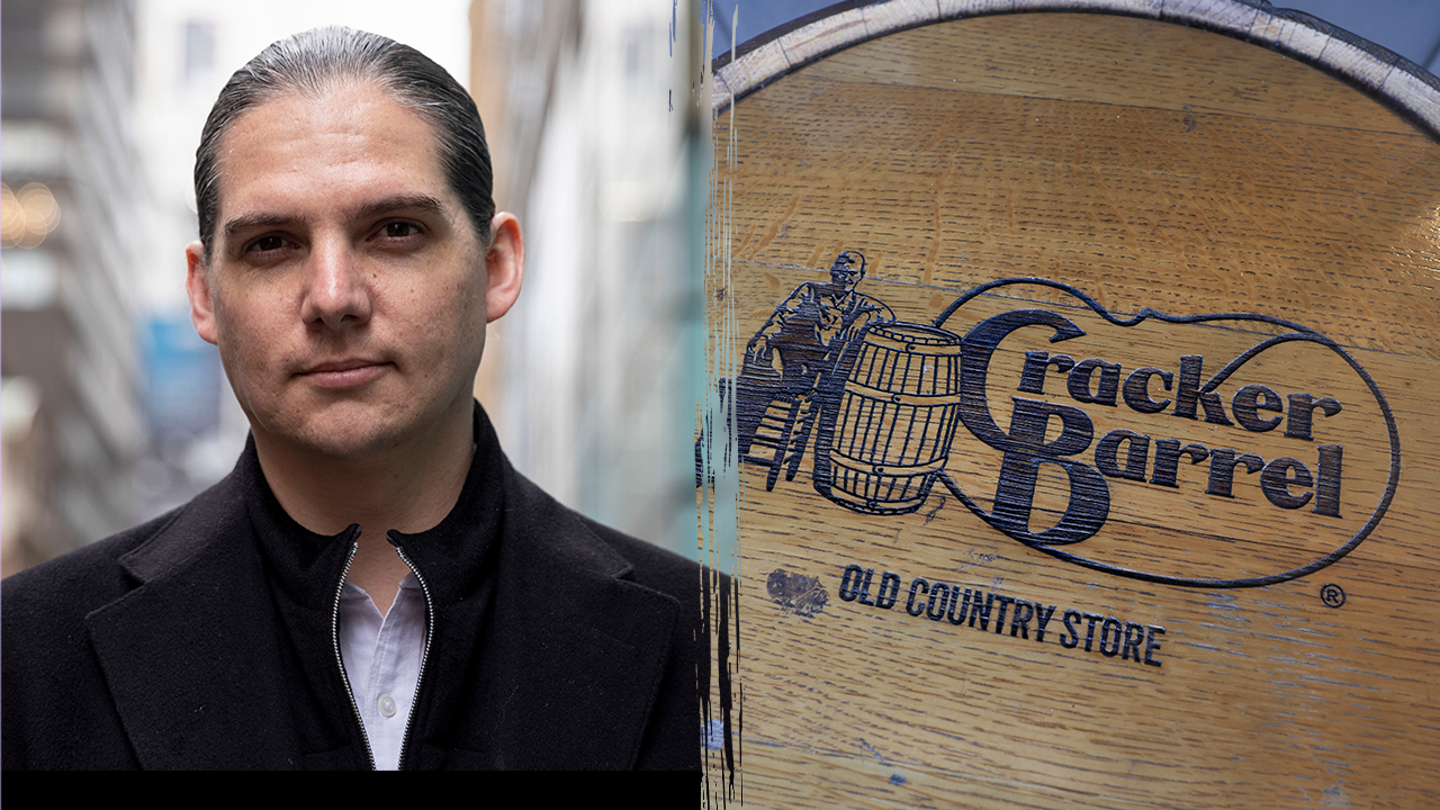
Conservative activist slams Cracker Barrel; company left reeling after logo redesign
Entities mentioned:
- Robby Starbuck: Righteousness, Moral outrage, Influence
- Cracker Barrel: Recognition, Influence, Unity
- Steve Smotherman: Professional pride, Influence, Recognition
- Rachel CampBell: Enthusiasm, Unity, Professional pride
- Gilbert Dávila: Influence, Recognition, Professional pride
- Human Rights Campaign (HRC): Justice, Influence, Recognition
Article Assessment:
Credibility Score: 55/100
Bias Rating: 75/100 (Lean Right)
Sentiment Score: 25/100
Authoritarianism Risk: 35/100 (Generally Democratic)
Bias Analysis:
The article leans right, primarily presenting the conservative activist's perspective with limited counterbalance. It uses charged language like 'anti-woke crusader' and 'devastating video takedown', indicating a sympathetic stance towards the conservative viewpoint.
Key metric: Cultural Polarization Index
As a social scientist, I analyze that this article highlights the growing cultural divide in America, particularly around corporate branding and LGBTQ+ inclusivity. The controversy surrounding Cracker Barrel's logo change and LGBTQ+ initiatives demonstrates how traditionally conservative-leaning brands are navigating changing social expectations. This situation likely increases the Cultural Polarization Index by intensifying the perceived conflict between traditional values and progressive corporate policies. The activist's call for boycotts and the framing of the issue as a broader cultural struggle could further entrench ideological divisions among consumers and potentially impact corporate decision-making in the future.
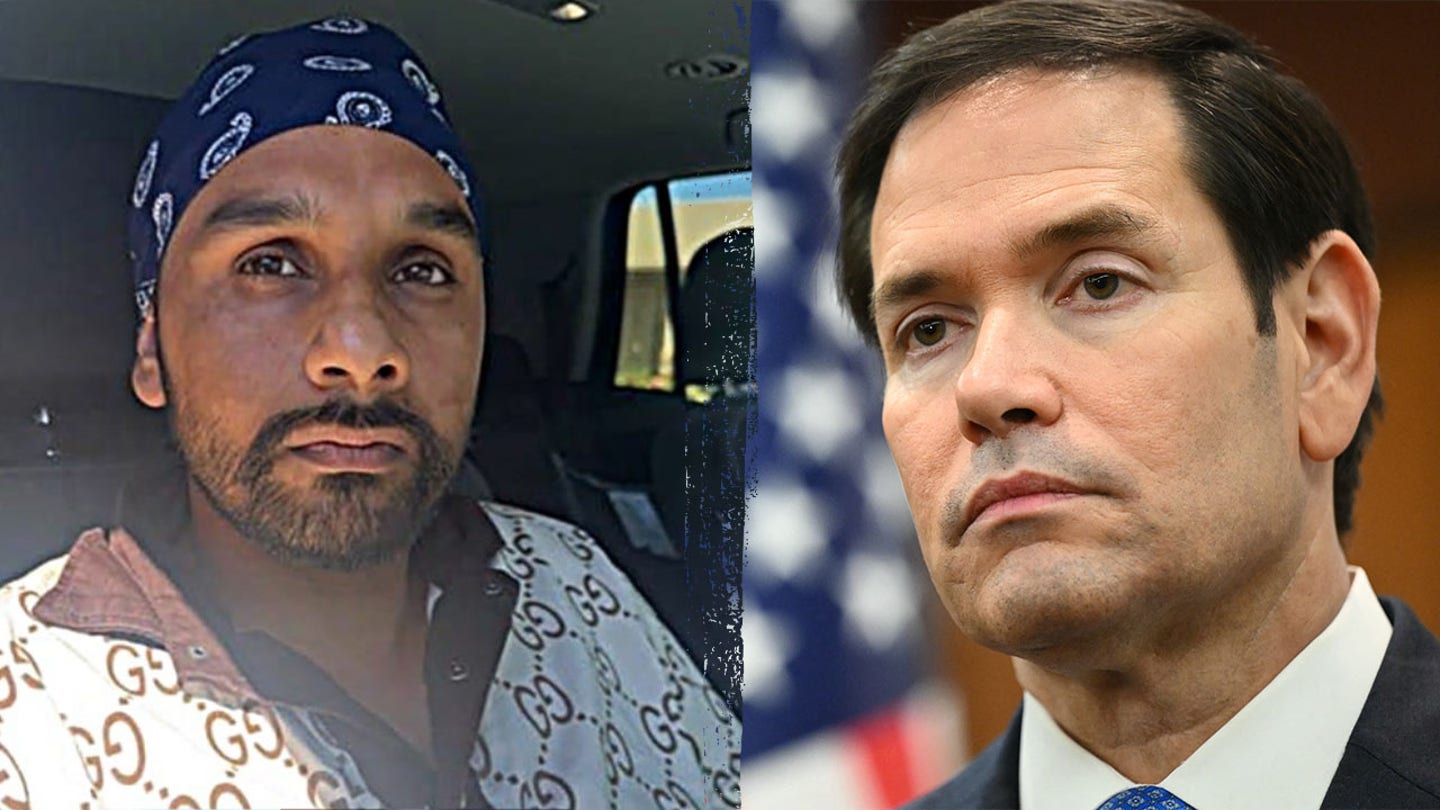
Rubio's major immigration move praised by conservative experts
Entities mentioned:
- Marco Rubio: Security, Righteousness, Influence
- Jessica Vaughan: Security, Righteousness, Professional pride
- Lora Ries: Security, Justice, Professional pride
- David Bier: Professional pride, Obligation, Indignation
- Trump administration: Control, Security, Influence
Article Assessment:
Credibility Score: 65/100
Bias Rating: 70/100 (Lean Right)
Sentiment Score: 35/100
Authoritarianism Risk: 60/100 (Mixed/Neutral)
Bias Analysis:
The article leans right, primarily featuring voices supporting the policy change. While it mentions reaching out to left-leaning groups, their perspectives are not included, creating an imbalance in viewpoint representation.
Key metric: Immigration Policy Effectiveness
As a social scientist, I analyze that this article highlights a significant shift in U.S. immigration policy, specifically targeting commercial truck drivers. The move by Secretary of State Marco Rubio to halt work visas for foreign truck drivers is presented as a response to safety concerns and economic pressures on American workers. This policy change is likely to have substantial impacts on the trucking industry, potentially affecting supply chains and the economy. The article frames the decision as a response to a specific incident, which raises questions about the broader applicability of such a policy. The divergent views presented, from conservative support to criticism from immigration advocates, reflect the complex and contentious nature of immigration policy in the U.S. This policy shift aligns with the broader trend of the Trump administration's restrictive approach to immigration, which could have long-term effects on labor markets and international relations.
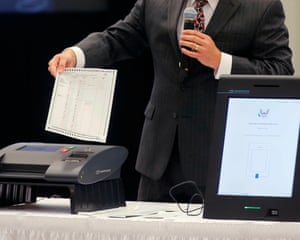
France summons US ambassador Charles Kushner over antisemitism allegations
Entities mentioned:
- France: Indignation, Justice, Moral outrage
- United States: Self-preservation, Influence, Control
- Charles Kushner: Duty, Self-preservation, Loyalty
Article Assessment:
Credibility Score: 70/100
Bias Rating: 50/100 (Center)
Sentiment Score: 35/100
Authoritarianism Risk: 30/100 (Generally Democratic)
Bias Analysis:
The article presents a factual headline without evident bias in its framing. The limited information provided maintains a neutral tone, not favoring either country's position or providing extensive context that might skew perception.
Key metric: US-France Diplomatic Relations
As a social scientist, I analyze that this incident highlights tensions in US-France relations over the sensitive issue of antisemitism. The summoning of a US ambassador is a significant diplomatic action, indicating France's serious concern about the allegations. This could potentially strain the typically strong alliance between the two nations, affecting cooperation on various international issues. The involvement of a high-profile figure like Charles Kushner adds complexity to the situation, given his connections to the previous US administration. This event may lead to increased scrutiny of both countries' approaches to combating antisemitism and could influence public opinion and policy discussions on both sides of the Atlantic.
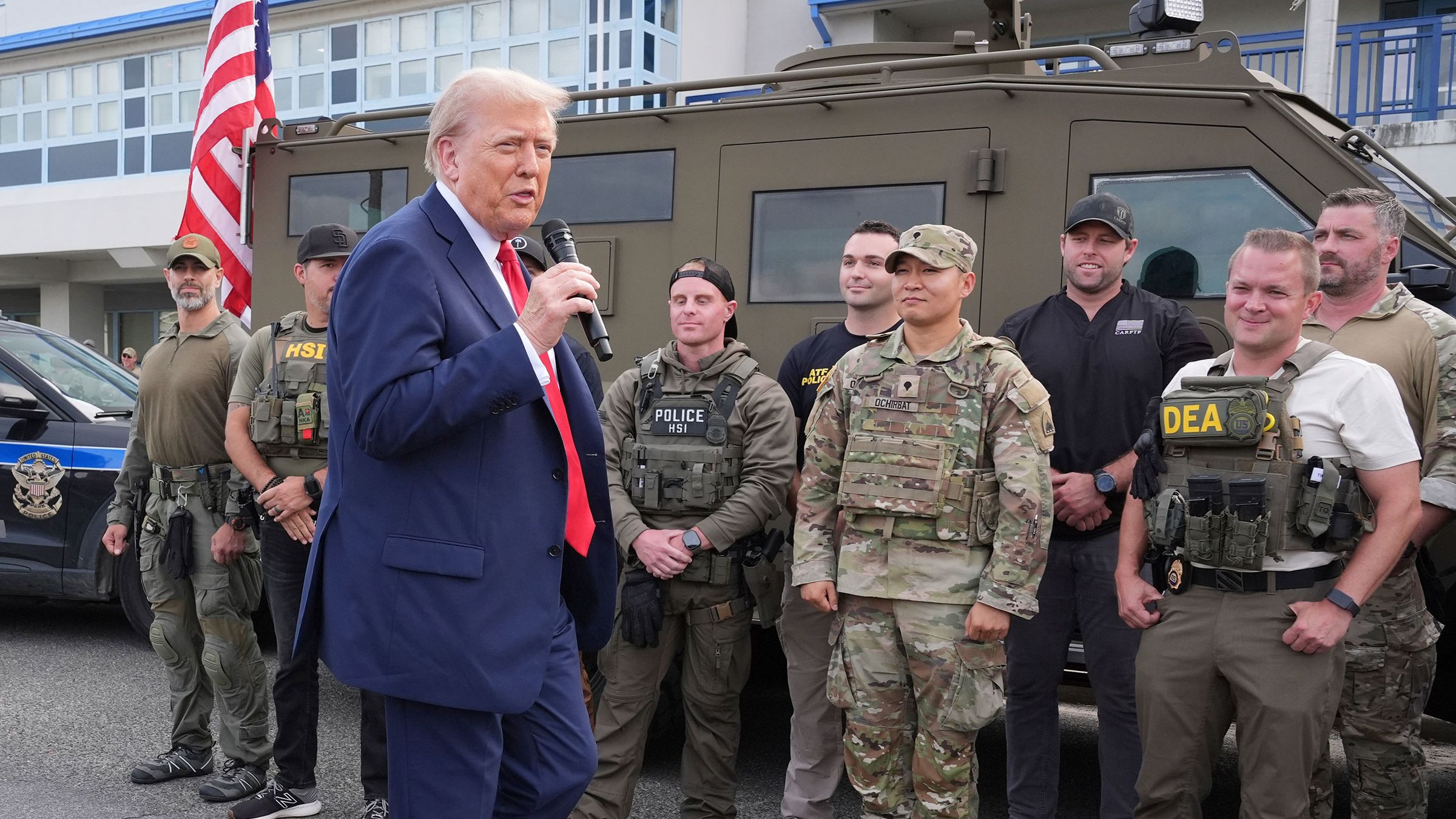
Trump says law enforcement crackdown will ‘go on to other places’ during appearance at police facility in DC
Entities mentioned:
- Donald Trump: Power, Control, Recognition
- US Park Police: Duty, Security, Professional pride
- National Guard: Duty, Security, Obligation
- JD Vance: Loyalty, Ambition, Influence
- DC Residents: Freedom, Self-preservation, Indignation
Article Assessment:
Credibility Score: 70/100
Bias Rating: 55/100 (Center)
Sentiment Score: 35/100
Authoritarianism Risk: 65/100 (Authoritarian Tendencies)
Bias Analysis:
The article presents multiple viewpoints, including Trump's statements, opposition from DC residents, and critical perspectives. However, it leans slightly towards emphasizing concerns about the federal intervention, potentially reflecting a slight center-left bias.
Key metric: Public Trust in Government
As a social scientist, I analyze that this article highlights a significant tension between federal authority and local governance in Washington, DC. The expansion of federal law enforcement presence, including the National Guard, into city affairs without local support (79% opposition) indicates a potential erosion of public trust in government. This action, framed as a safety measure by the administration, is perceived differently by residents, suggesting a disconnect between federal intentions and local desires. The potential expansion to other cities could further strain federal-local relations and impact democratic norms, particularly in areas with strong local governance traditions. The emphasis on clearing homeless encampments without clear alternatives also raises concerns about social policy approaches and their impact on vulnerable populations.